French Vanilla Cheesecake Cupcakes
French Vanilla Cheesecake Cupcakes are one of those treats that make any gathering feel instantly celebratory, and I still remember the first time I tasted one warm from the oven with a creamy surprise tucked inside. Growing up, my aunt would tuck a little cheesecake into a cupcake at family potlucks, and watching people discover the hidden filling always made me grin. That memory nudged me to riff on the idea, adding a bright French vanilla twist that became an instant favorite in my circle.
I like how these cupcakes balance a tender cake crumb with a rich, light cheesecake center and a cloudlike frosting that sings of vanilla. When I make them, friends often ask for the recipe because the texture contrast is irresistible, from the slightly crisp edges of the cupcake to the silky cheesecake heart. I mix batter by hand sometimes when I want to slow down and pay attention to the rhythm of folding and scraping, and other times I turn on the mixer and let it hum while I prep the filling. Both approaches yield lovely results, but the tactile process is part of the joy for me: it connects me to the recipe.
Recipe Snapshot
40 mins
20 mins
20 mins
Medium
320 kcal
American
Gluten-Free, Low FODMAP
Desserts
Mixer, Muffin pan, Cupcake liners, Mixing bowls, Piping bag, Whisk, Spatula
Why This French Vanilla Cheesecake Cupcakes Shines
Unexpected Texture Contrast
I adore how French Vanilla Cheesecake Cupcakes layer textures. The cupcake crumb gives a slight crumbly bite, while the cheesecake filling is smooth and dense. I often tell friends that this contrast keeps every mouthful interesting, and it turns a simple cupcake into a miniature dessert experience.
Elevated Yet Approachable Flavor
The French vanilla creamer and multiple vanilla accents create a warm, aromatic profile without being overpowering. I find that this version tastes far more complex than its ingredient list suggests, and it’s perfect for both casual gatherings and dressed up dessert tables.
Adaptable for Presentation
You can serve these as classic cupcakes, or remove the centers and layer them into parfaits with leftover filling. I love offering both at parties because guests get to choose their preferred form. It makes entertaining easier and looks thoughtful without requiring extra work.
User Friendly Technique
From batter assembly to piping the cheesecake filling, each step is forgiving. I often let less experienced bakers try this recipe and they succeed consistently. The directions guide you through sensory cues, so you learn to rely on feel and look, not a timer alone.
Make Ahead and Store Well
These cupcakes travel nicely and keep in the refrigerator, which is great for planning. I frequently bake them a day ahead, pipe the filling that morning, and frost them later. The layered timing helps me stay organized while delivering a fresh tasting dessert.
Ingredients You’ll Need for French Vanilla Cheesecake Cupcakes
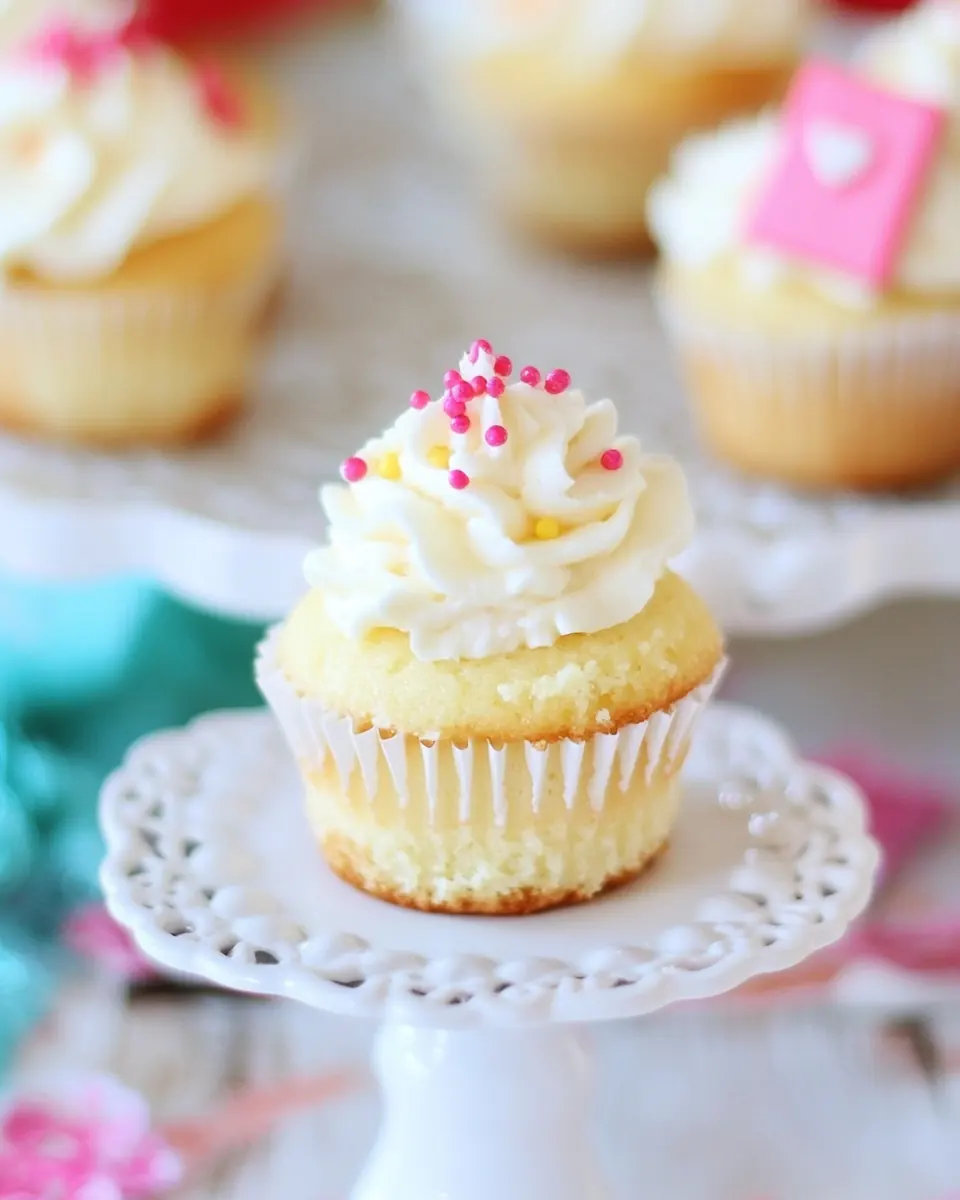
These ingredients work in harmony to deliver a cupcake that is both tender and luxuriously creamy. The cake base relies on basic pantry staples for structure, while the cheesecake filling and frosting introduce richness and vanilla depth. Key players like all purpose flour, cream cheese, and the French vanilla creamer are responsible for crumb, tang, and aromatic sweetness respectively, and the balance between them is what makes these cupcakes feel special.
- 1 1/2 cups all-purpose flour: Mix into the dry base to provide structure and bulk for the cupcake batter; sift first to avoid lumps and ensure even distribution with leaveners. Maintain correct measuring to preserve texture and crumb in the finished cupcakes.
- 1 1/2 tsp baking powder: Leaven gently by creating air pockets that help the cupcakes rise and become light; measure accurately to prevent over-rising or a bitter taste. Combine with baking soda or acids only as recipe directs for balanced lift.
- 1/4 tsp salt: Season subtly to enhance overall flavor balance and control sweetness; dissolve evenly in dry ingredients to avoid pockets of salt. Use precise amounts because small variations can significantly affect taste.
- 6 tbsp unsalted butter, melted: Incorporate melted to add moisture and richness while contributing to tender crumb and mouthfeel; cool slightly before mixing with eggs to prevent curdling. Use unsalted to control overall salt level in the recipe.
- 3/4 cups sugar: Sweeten and tenderize while aiding in browning during baking; adjust creamer and frosting sugar amounts to maintain intended sweetness profile. Dissolve fully into wet ingredients to ensure even sweetness throughout.
- 1 egg plus 1 egg white, room temperature: Bind and emulsify to provide structure, richness, and moisture; separate usage of whole egg plus white helps control fat and protein content for optimal texture. Bring to room temperature to ensure even blending and smoother batter.
- 2 tsp vanilla extract: Flavor intensely with concentrated vanilla to amplify the classic French vanilla profile; add to both batter and creams where directed to reinforce aroma. Use pure extract for best depth of flavor.
- 1/3 cup milk: Moisten and loosen batter to create proper consistency for pouring into cupcake liners; contributes to tenderness and aids in dissolving sugar. Use at room temperature for optimal emulsification with fats.
- 3 tbsp International Delight French Vanilla Fat Free and Sugar Free creamer: Enhance flavor without adding sugar while contributing to the French vanilla profile; small amount adjusts richness and aromatic complexity. Stir into wet mixture for consistent distribution of flavor notes.
- 1/2 cup heavy whipping cream: Whip to incorporate air and create lighter, creamier texture in fillings or frostings; also increases richness and smoothness. Chill slightly if needed to achieve proper whipping volume and stability.
- 8 oz reduced-fat cream cheese, 1 package – softened: Cream to provide tang, creaminess, and a dense, smooth texture for the cheesecake layer; soften fully to avoid lumps and ensure homogeneous filling. Reduced-fat version balances richness and calories while still offering stable structure.
- 1/4 cup sugar: Sweeten the cheesecake layer to counteract tanginess and balance flavor; dissolve into softened cream cheese for uniform sweetness. Adjust carefully to avoid overly sweet filling that masks vanilla notes.
- 1 tsp vanilla: Enhance the vanilla flavor in the cheesecake and maintain a consistent aromatic profile throughout the dessert; add during mixing to distribute evenly. Use measured amounts to complement other vanilla-containing components.
- 1 cup unsalted butter, softened: Beat to create a rich, creamy buttercream base that provides structure and spreadability; ensure butter is softened to room temperature for smooth incorporation. Use unsalted to better control overall salt in the frosting.
- 4 1/2 cups powdered sugar: Sweeten and stabilize the frosting while adding volume and structure; sift if necessary to prevent graininess and achieve silky texture. Add gradually while beating to reach desired consistency without overmixing.
- 1 tsp vanilla extract: Flavor the frosting and reinforce the French vanilla character across components; add with creamer to achieve cohesive aromatic profile. Use measured extract to avoid overpowering other flavors.
- 1 tbsp International Delight French Vanilla Fat Free and Sugar Free creamer: Concentrate flavor and subtly thin the frosting for spreading while enhancing the French vanilla theme; tiny amounts adjust aroma without increasing sugar. Stir in at the end to fine-tune taste and consistency.
Step by Step Guide for French Vanilla Cheesecake Cupcakes
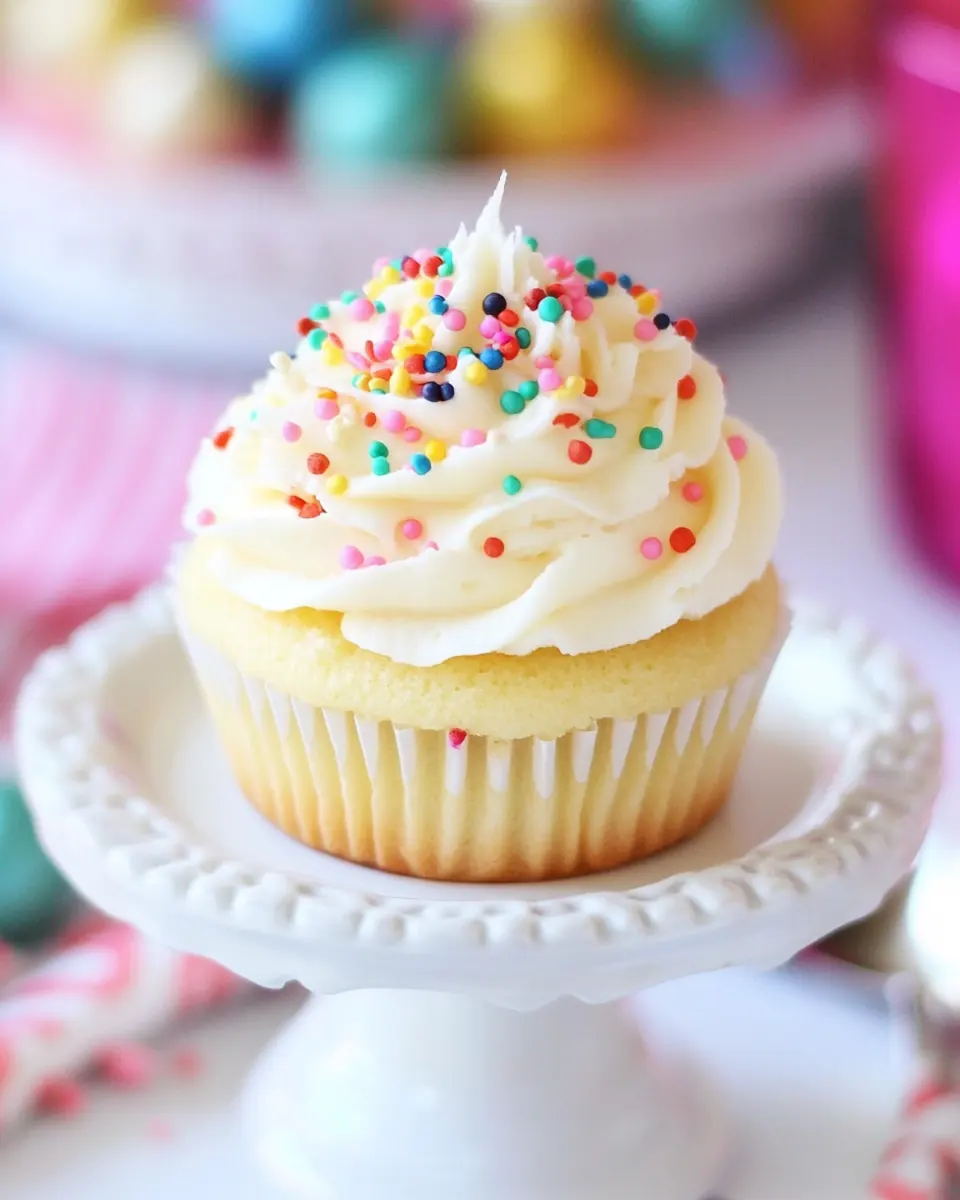
These steps walk you through batter building, creating the cheesecake filling, and finishing with a silky frosting. I like to work methodically, prepping bowls and measuring each ingredient so the flow feels calm and confident.
- Preheat oven to 350 F. Line a muffin pan with cupcake liners and set aside.: When you preheat, you should hear the oven cycle and notice a warm, steady heat when you carefully open the door. This initial heat ensures the cupcakes rise properly, creating domes that set quickly. I always preheat for at least 10 minutes to stabilize temperature. A common mistake is putting batter into an oven that is still heating, which can cause uneven rise and dense centers.
- Whisk together flour, baking powder, and salt in small bowl and set aside.: As you whisk, the dry ingredients become uniform and you will see the flour lighten and the baking powder disperse, which is essential for even lift. I sift or whisk until there are no clumps, and the mixture smells faintly of toasted flour. Skipping this step can leave pockets of leavening or salt, producing uneven texture.
- Cream together butter and sugar in a large mixing bowl until light and fluffy, about 3 minutes.: The creaming stage should produce a pale, airy mixture that slightly increases in volume, and you can hear the mixer soften the sugar crystals as the butter becomes whipped. This is where texture develops, so take the full time. Rushing it will yield a denser cake because the batter lacks trapped air.
- Beat in the whole egg first, mixing until well combined, and then add the egg white, beating again.: Add the whole egg and integrate until the mixture looks uniform and glossy, then add the extra egg white which contributes to lift without excess fat. The batter will look silkier and will pause between beats. If you add cold eggs straight from the fridge, the batter can seize and look uneven.
- Add in the vanilla and beat until combined. Scrape down the bowl if necessary.: As the vanilla blends in, the aroma becomes noticeable and the batter loosens slightly. Scraping the bowl ensures no pockets of butter or sugar remain, which helps the cupcakes bake evenly. Neglecting to scrape can leave streaks and uneven flavor distribution.
- Add in half of the flour mixture and then the milk, beating until just combined.: After adding the first half of the dry mix, you will notice the batter thicken and look more structured. Adding milk next loosens it and brings a tender balance. Mix only until combined to avoid developing gluten, which would make the cupcakes tough. Overmixing at this stage is a frequent error that ruins tenderness.
- Add in the remaining flour mixture and then creamer, beating until just combined.: Finish incorporating the dry ingredients and then fold in the French vanilla creamer , which enhances flavor and slightly thins the batter for a smooth pour. The batter should be thick but ribbon like when lifted. If it seems lumpy, gently fold until smooth, but do not overwork it.
- Divide batter evenly among the cupcake liners. Bake for 19-22 minutes or until an inserted toothpick comes out clean. Let cool for at least one hour. Once cool, use a small knife or a corer to remove the center of the cupcakes.: As the cupcakes bake, you will see them rise and the tops take on a soft golden color. A toothpick should come out clean or with a few crumbs, never wet batter, indicating doneness. Cooling is crucial because warm cupcakes are fragile and will crumble when cored. If you try to core them too soon, the filling will leak out and the texture will be compromised.
- Whip heavy cream until stiff peaks form. Remove from mixing bowl and place in fridge.: The heavy whipping cream should transform into glossy, billowy peaks that hold their shape when the whisk is lifted. Chilled equipment helps this process, and the cool cream stabilizes the cheesecake filling. Underwhipping will produce a runny filling, while overwhipping can make the cream grainy and hard to fold in.
- Beat cream cheese in mixing bowl until light and fluffy. Beat in sugar and vanilla and continue beating until well combined.: The cream cheese will become smooth and slightly aerated, and as the sugar and vanilla join, the mixture turns silky and aromatic. Ensure the cream cheese is at room temperature to prevent lumps. Working with cold cream cheese is a frequent pitfall that leads to an uneven filling.
- Fold in whipped cream. Transfer cheesecake mixture into a large ziploc bag. Cut off one bottom corner of the bag and use the bag to pipe the filling into the cheesecakes. You will have some leftover. Make parfaits with the cored cupcakes.: Folding should be gentle, combining the airy whipped cream with the dense cream cheese so the filling becomes light yet still creamy. You should notice a decrease in stiffness and a glossy, scoopable texture. Transfer to a bag for neat piping; the tactile feel of the piping bag helps control the amount of filling. Over stirring will deflate the mixture, while under folding leaves streaks of cream.
- Beat butter for several minutes until nice and creamy. Gradually beat in the powdered sugar, then the vanilla extract and creamer. If the frosting is too thick, add additional creamer 1 tsp at a time. Too thin, add powdered sugar 1/4 cup at a time.: The frosting should be smooth and pillowy, and when you press a spoon into it, it should hold the impression briefly before smoothing. Adding the French vanilla creamer imparts flavor and adjusts consistency. Be cautious with liquid additions, because a frosting that is too thin will not hold piped shapes, while a very thick one will be hard to pipe and taste overly sweet.
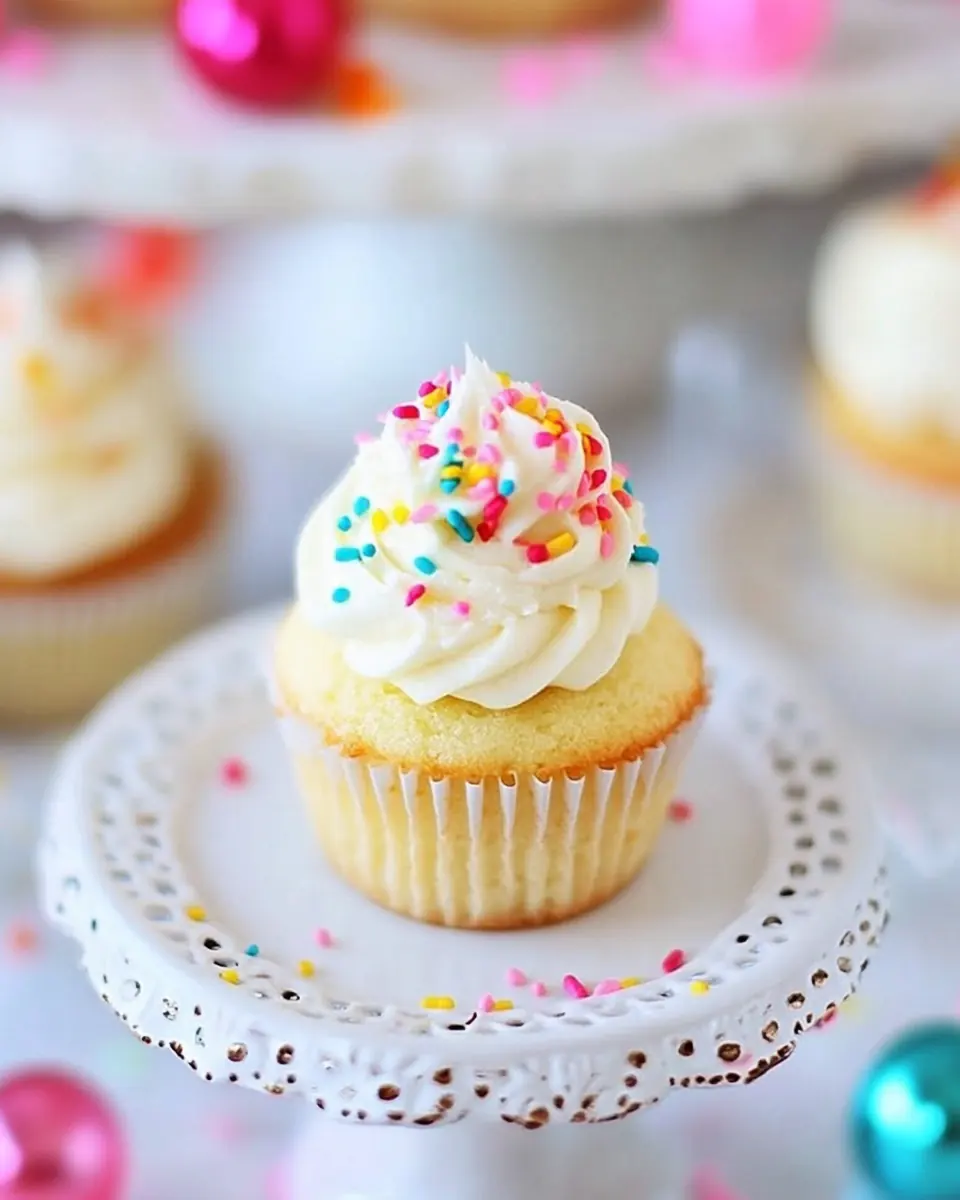
- Pipe frosting onto cupcakes and top with sprinkles and a cherry if you'd like.: Piping adds height and elegance, and as you apply pressure, the frosting should flow smoothly and hold peaks. Garnishes like sprinkles add visual contrast and a little crunch. If the frosting slips or collapses, it may be too warm, so chill briefly and try again to restore structure.
- Store in the refrigerator.: Refrigeration keeps the cheesecake filling and frosting safe and maintains texture. You will notice a firmer frosting and a set filling after chilling. Leaving them out too long at room temperature can make the filling soft and shorten shelf life, so store promptly.
Substitutions and Tips
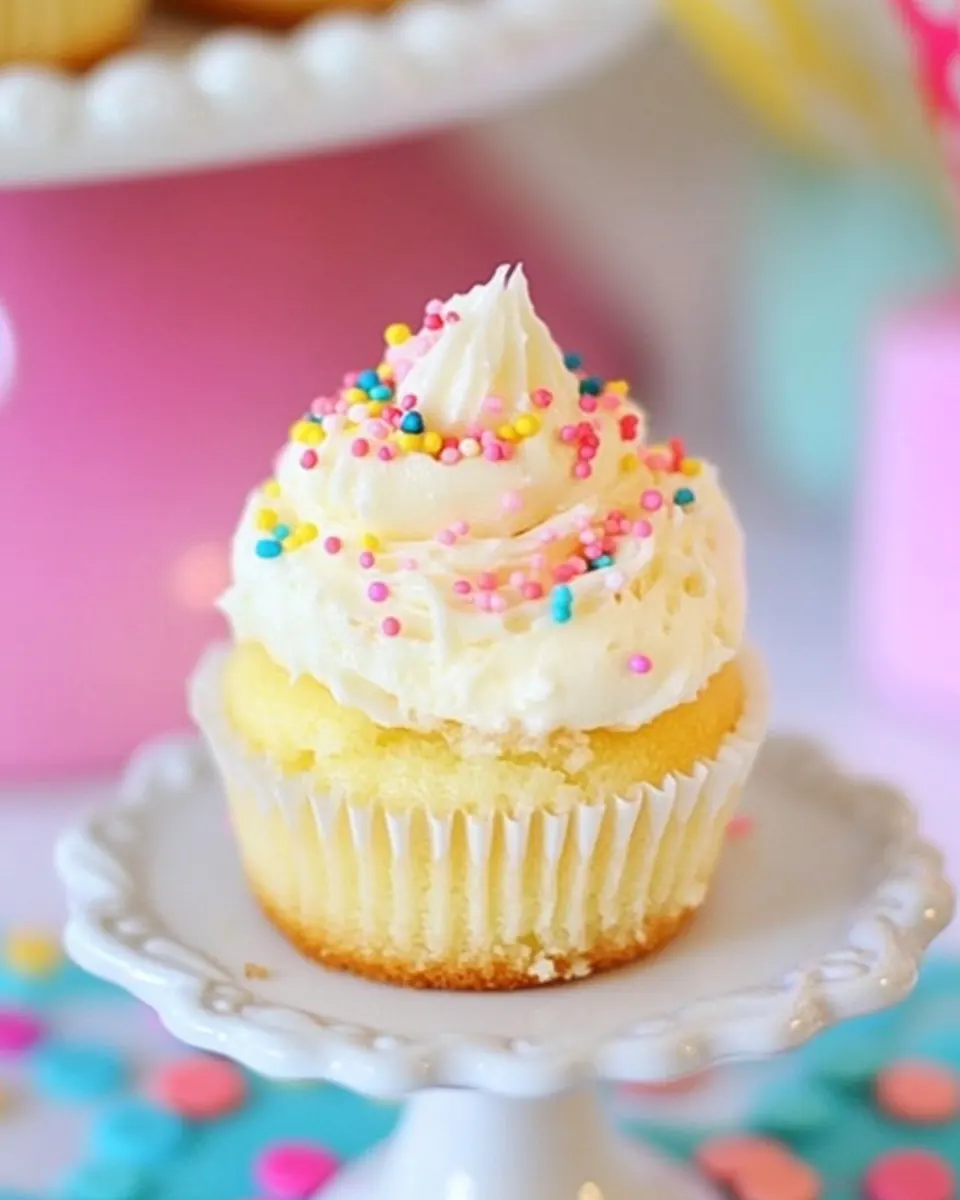
Here are practical tips and substitutions to help you adapt the recipe while preserving the signature French vanilla cheesecake character. Each tip starts with a highlighted phrase so you can scan quickly while baking.
- Swap for full fat cream cheese for extra richness. If you prefer a more indulgent filling, use full fat cream cheese instead of reduced fat. The higher fat content makes the cheesecake silkier and more decadent, though it will add more calories and saturated fat. Allow it to come to room temperature fully so it blends smoothly with the other filling components.
- Adjust sweetness with powdered sugar in frosting. Gradually add the powdered sugar and taste as you go to reach your preferred sweetness. If your frosting becomes overly sweet, a tiny pinch of salt can balance the flavor. Work slowly to avoid a gritty texture from too much sugar added too fast.
- Use chilled tools when whipping cream. Cold metal bowls and chilled beaters help the heavy whipping cream thicken faster and reach stiff peaks without overbeating. If the cream starts to look grainy, stop immediately to prevent it from turning to butter.
- Make parfaits with leftover filling. If you end up with extra cheesecake mixture after piping, layer it with crumbled cupcake centers in small glasses for easy parfaits. This is a lovely way to use leftovers without waste and presents beautifully on a dessert table.
- Store cupcakes properly for best texture. Refrigerate in an airtight container to keep the frosting stable and the filling fresh. Bring them to room temperature for 10 to 15 minutes before serving for a softer mouthfeel, but do not leave them out for extended periods.
Serving Options for French Vanilla Cheesecake Cupcakes
These cupcakes are versatile and suit many occasions, from casual tea time to celebratory dessert spreads. Below I outline detailed serving ideas, pairing suggestions, and storage practices to help you present them beautifully.
- Casual gatherings and potlucks: Arrange the cupcakes on a wide platter, leaving a few unfilled cupcake centers and a small bowl of leftover cheesecake mixture so guests can customize. This creates interaction and makes the dish feel communal.
- Party dessert table: Place the cupcakes on tiered stands with matching colors and small labels describing the flavor. Include a few parfait glasses made from cored centers and the extra filling to add variety and visual interest.
- Lunch or afternoon tea: Serve one cupcake with a small cup of tea or coffee. The warmth of the beverage complements the vanilla notes and balances the frosting sweetness. Offer water on the side to cleanse the palate.
- Special occasions: For birthdays or celebrations, top a few cupcakes with decorative sprinkles and edible accents to elevate the presentation. Consider pairing with light fruit salads that cut through the richness.
- Storage and make ahead: Refrigerate in a single layer or in containers with shallow stacking to protect decorations. For best texture, make the cupcakes and filling a day ahead, assemble the same day you serve, and frost an hour before presentation. Freezing is possible for unfilled cupcakes, thaw overnight in the refrigerator, and finish with filling and frosting the next day.
- Seasonal pairings: In cooler months, pair with warm spiced drinks. In warmer seasons, serve slightly chilled with fresh berries to add brightness. The versatility of the French vanilla profile makes these cupcakes adaptable across seasons and menus.
FAQ
Conclusion
What makes these cupcakes special is the marriage of a tender vanilla cake with a silky cheesecake heart and cloudlike frosting, all threaded with French vanilla warmth. Give them a try the next time you want a dessert that feels both comforting and a little elevated. They are forgiving, crowd pleasing, and rewarding to make, so enjoy the baking and share generously with friends and family.
French Vanilla Cheesecake Cupcakes
Ingredients
Equipment
Method
- Preheat oven to 350 F. Line a muffin pan with cupcake liners and set aside.: When you preheat, you should hear the oven cycle and notice a warm, steady heat when you carefully open the door. This initial heat ensures the cupcakes rise properly, creating domes that set quickly. I always preheat for at least 10 minutes to stabilize temperature. A common mistake is putting batter into an oven that is still heating, which can cause uneven rise and dense centers.
- Whisk together flour, baking powder, and salt in small bowl and set aside.: As you whisk, the dry ingredients become uniform and you will see the flour lighten and the baking powder disperse, which is essential for even lift. I sift or whisk until there are no clumps, and the mixture smells faintly of toasted flour. Skipping this step can leave pockets of leavening or salt, producing uneven texture.
- Cream together butter and sugar in a large mixing bowl until light and fluffy, about 3 minutes.: The creaming stage should produce a pale, airy mixture that slightly increases in volume, and you can hear the mixer soften the sugar crystals as the butter becomes whipped. This is where texture develops, so take the full time. Rushing it will yield a denser cake because the batter lacks trapped air.
- Beat in the whole egg first, mixing until well combined, and then add the egg white, beating again.: Add the whole egg and integrate until the mixture looks uniform and glossy, then add the extra egg white which contributes to lift without excess fat. The batter will look silkier and will pause between beats. If you add cold eggs straight from the fridge, the batter can seize and look uneven.
- Add in the vanilla and beat until combined. Scrape down the bowl if necessary.: As the vanilla blends in, the aroma becomes noticeable and the batter loosens slightly. Scraping the bowl ensures no pockets of butter or sugar remain, which helps the cupcakes bake evenly. Neglecting to scrape can leave streaks and uneven flavor distribution.
- Add in half of the flour mixture and then the milk, beating until just combined.: After adding the first half of the dry mix, you will notice the batter thicken and look more structured. Adding milk next loosens it and brings a tender balance. Mix only until combined to avoid developing gluten, which would make the cupcakes tough. Overmixing at this stage is a frequent error that ruins tenderness.
- Add in the remaining flour mixture and then creamer, beating until just combined.: Finish incorporating the dry ingredients and then fold in the French vanilla creamer , which enhances flavor and slightly thins the batter for a smooth pour. The batter should be thick but ribbon like when lifted. If it seems lumpy, gently fold until smooth, but do not overwork it.
- Divide batter evenly among the cupcake liners. Bake for 19-22 minutes or until an inserted toothpick comes out clean. Let cool for at least one hour. Once cool, use a small knife or a corer to remove the center of the cupcakes.: As the cupcakes bake, you will see them rise and the tops take on a soft golden color. A toothpick should come out clean or with a few crumbs, never wet batter, indicating doneness. Cooling is crucial because warm cupcakes are fragile and will crumble when cored. If you try to core them too soon, the filling will leak out and the texture will be compromised.
- Whip heavy cream until stiff peaks form. Remove from mixing bowl and place in fridge.: The heavy whipping cream should transform into glossy, billowy peaks that hold their shape when the whisk is lifted. Chilled equipment helps this process, and the cool cream stabilizes the cheesecake filling. Underwhipping will produce a runny filling, while overwhipping can make the cream grainy and hard to fold in.
- Beat cream cheese in mixing bowl until light and fluffy. Beat in sugar and vanilla and continue beating until well combined.: The cream cheese will become smooth and slightly aerated, and as the sugar and vanilla join, the mixture turns silky and aromatic. Ensure the cream cheese is at room temperature to prevent lumps. Working with cold cream cheese is a frequent pitfall that leads to an uneven filling.
- Fold in whipped cream. Transfer cheesecake mixture into a large ziploc bag. Cut off one bottom corner of the bag and use the bag to pipe the filling into the cheesecakes. You will have some leftover. Make parfaits with the cored cupcakes.: Folding should be gentle, combining the airy whipped cream with the dense cream cheese so the filling becomes light yet still creamy. You should notice a decrease in stiffness and a glossy, scoopable texture. Transfer to a bag for neat piping; the tactile feel of the piping bag helps control the amount of filling. Over stirring will deflate the mixture, while under folding leaves streaks of cream.
- Beat butter for several minutes until nice and creamy. Gradually beat in the powdered sugar, then the vanilla extract and creamer. If the frosting is too thick, add additional creamer 1 tsp at a time. Too thin, add powdered sugar 1/4 cup at a time.: The frosting should be smooth and pillowy, and when you press a spoon into it, it should hold the impression briefly before smoothing. Adding the French vanilla creamer imparts flavor and adjusts consistency. Be cautious with liquid additions, because a frosting that is too thin will not hold piped shapes, while a very thick one will be hard to pipe and taste overly sweet.
- Pipe frosting onto cupcakes and top with sprinkles and a cherry if you'd like.: Piping adds height and elegance, and as you apply pressure, the frosting should flow smoothly and hold peaks. Garnishes like sprinkles add visual contrast and a little crunch. If the frosting slips or collapses, it may be too warm, so chill briefly and try again to restore structure.
- Store in the refrigerator.: Refrigeration keeps the cheesecake filling and frosting safe and maintains texture. You will notice a firmer frosting and a set filling after chilling. Leaving them out too long at room temperature can make the filling soft and shorten shelf life, so store promptly.
Notes
- Swap for full fat cream cheese for extra richness. If you prefer a more indulgent filling, use full fat cream cheese instead of reduced fat. The higher fat content makes the cheesecake silkier and more decadent, though it will add more calories and saturated fat. Allow it to come to room temperature fully so it blends smoothly with the other filling components.
- Adjust sweetness with powdered sugar in frosting. Gradually add the powdered sugar and taste as you go to reach your preferred sweetness. If your frosting becomes overly sweet, a tiny pinch of salt can balance the flavor. Work slowly to avoid a gritty texture from too much sugar added too fast.
- Use chilled tools when whipping cream. Cold metal bowls and chilled beaters help the heavy whipping cream thicken faster and reach stiff peaks without overbeating. If the cream starts to look grainy, stop immediately to prevent it from turning to butter.
- Make parfaits with leftover filling. If you end up with extra cheesecake mixture after piping, layer it with crumbled cupcake centers in small glasses for easy parfaits. This is a lovely way to use leftovers without waste and presents beautifully on a dessert table.
- Store cupcakes properly for best texture. Refrigerate in an airtight container to keep the frosting stable and the filling fresh. Bring them to room temperature for 10 to 15 minutes before serving for a softer mouthfeel, but do not leave them out for extended periods.