Grilled Eggplant
Grilled Eggplant is a simple summer favorite that I keep coming back to whenever eggplants appear at the farmers market. I remember the first time I tried a charred slice that was smoky, silky, and bright with lemon, and it completely changed how I cook this humble vegetable. That first afternoon I tossed slices on the hot grill, chatted with a neighbor, and by the time we sat down the aroma of caramelized eggplant had everyone reaching for a second piece.
Over the years I have learned small rituals that turn ordinary eggplant into something that feels special. Salting the slices for that crucial half hour, oiling them with extra virgin olive oil, and finishing with fresh herbs and a squeeze of lemon juice have become nonnegotiable steps for me. I love how the combination of smoke and vibrant herbs keeps this dish lively, and how versatile it is at the table, whether tucked into a sandwich or plated simply with a scattering of chopped mint and parsley.
When I cook Grilled Eggplant for guests I like to tell the story of the market trip that inspired it, because there is always a tiny gasp when someone tastes the tender, golden flesh with its faint char. It feels like comfort food that learned how to be elegant. I also enjoy how forgiving this dish is; it rewards patience with great texture and depth of flavor, yet it does not demand fuss. Each time I make it I tweak the seasonings just enough to keep it interesting, and I like that you can do the same without losing the core identity of the recipe.
Recipe Snapshot
50 mins
35 mins
15 mins
Medium
150 kcal
Mediterranean
Keto, Paleo
Side Dishes
grill, I’m using aNinja Woodfire Pro
Why This Grilled Eggplant Works
Smoky and simple
I love Grilled Eggplant because the grill adds a hint of smoke that transforms soft, mellow eggplant into something more layered. The char brings sweetness and a roasted edge, and I always notice how that one extra minute over heat makes the flavor pop. When I bite into a properly grilled slice I get the contrast of silky interior and slightly crisp edges, a combination that feels indulgent without being heavy.
Minimal ingredients, maximum impact
This recipe respects the ingredient list. With just eggplant, kosher salt, extra virgin olive oil, a touch of garlic, and bright herbs, the result is deceptively complex. I appreciate that each item plays a clear role, so you can taste the vegetable itself. I often remind friends that good ingredients let simple techniques shine, and this dish proves that point every time.
Flexible for gatherings
I find Grilled Eggplant makes an excellent contribute to a spread because it holds up well on a platter and travels nicely. You can grill a large batch, and it remains tender and flavorful at room temperature, which is perfect for casual get togethers. I usually bring mine to weekend barbecues and find it pairs beautifully with many mains, making hosting less stressful.
Techniques that guarantee success
Salting the slices to draw out moisture is a small step that yields a big payoff. I always salt and rest the eggplant, and that prevents sogginess while concentrating flavor. Brushing with oil before and during grilling ensures even caramelization and prevents sticking. I like teaching this approach because it gives consistent results for cooks at any skill level.
Bright finishing touches
Finishing with a squeeze of lemon juice and chopped mint and parsley lifts the dish, adding freshness that balances the smokiness. I tend to add herbs right before serving to keep them lively, and the citrus makes every bite pop. This makes the recipe versatile for lighter summer meals or as a bold side in heartier spreads.
Ingredients Overview for Grilled Eggplant
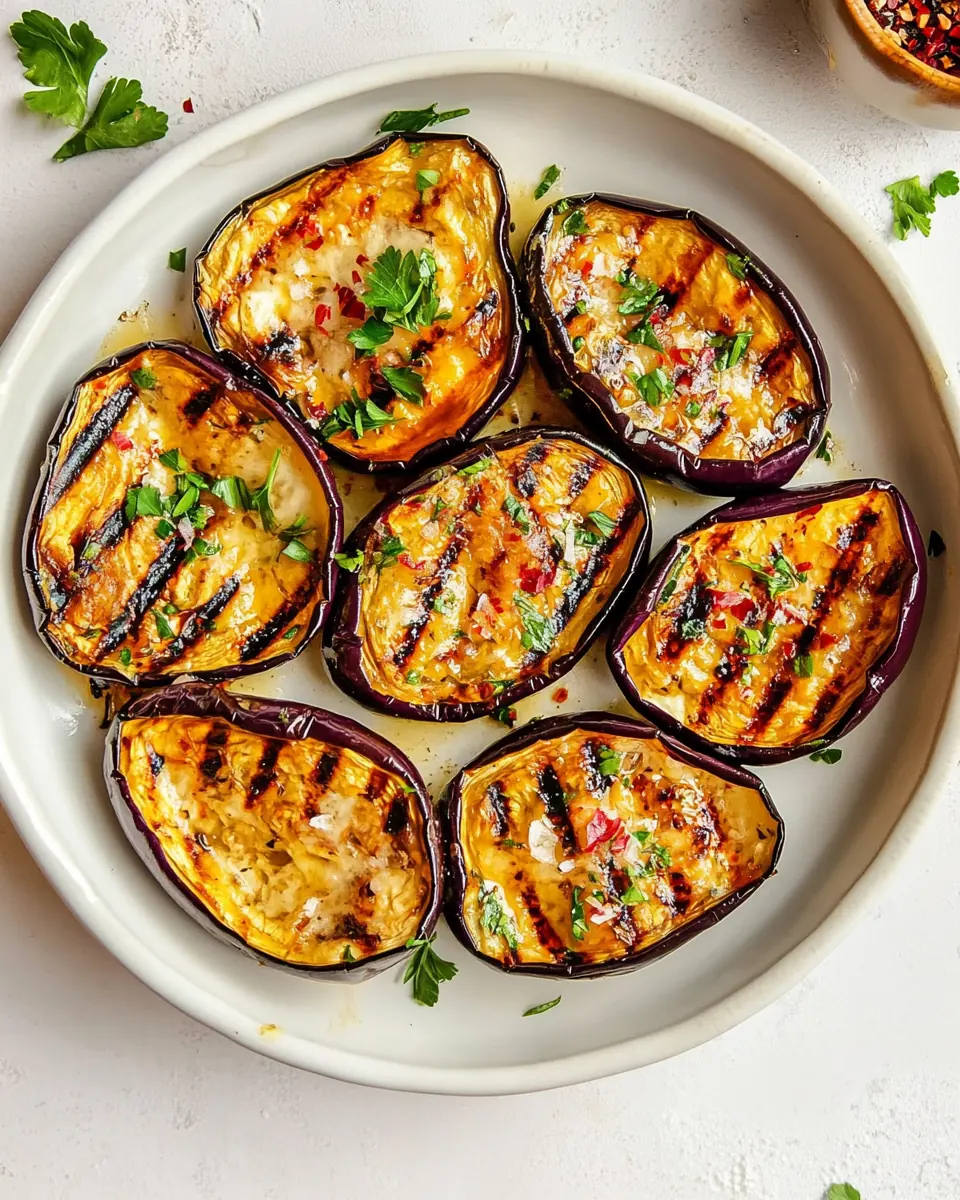
These ingredients are intentionally concise, built around the star of the plate, eggplant. The supporting cast of kosher salt, extra virgin olive oil, garlic, Aleppo pepper or smoked paprika, lemon juice, and fresh herbs work together to coax the best texture and flavor from the vegetable. Salt draws out excess moisture, oil helps with caramelization, and acid and herbs finish with brightness.
- 1 large eggplant, sliced into rounds: Sliced into rounds to provide a meaty, grillable base that absorbs flavors and chars nicely; allows even cooking and an appealing texture when served warm. Works as the main component of the dish, offering a tender interior and smoky exterior when properly grilled.
- 2 tsp kosher salt: Used to draw out excess moisture and reduce bitterness while seasoning the eggplant slices before cooking; helps improve texture and intensify natural flavors. Sprinkling and resting briefly yields firmer, less soggy rounds that hold up on the grill.
- 3 tbsp extra virgin olive oil, divided: Divided between marinating and finishing to infuse rich, fruity fat for cooking and to add shine and flavor after grilling; contributes to caramelization and prevents sticking. Choosing extra virgin olive oil provides a prominent, pleasant mouthfeel and aromatic quality.
- 1 large garlic clove, minced: Minced to release aromatic oils and deliver a bright, pungent savory note that complements the smoky eggplant; incorporated into a marinade or brushed on slices for concentrated garlic flavor. Small amounts distribute evenly and enhance overall depth without overpowering.
- 1 tsp Aleppo pepper or smoked paprika: Used as a warm, slightly smoky seasoning to add mild heat and complexity; Aleppo pepper or smoked paprika contributes fruity, tangy undertones and a gentle kick. Sprinkling sparingly balances the dish and layers flavor without overwhelming the eggplant.
- Lemon juice, to taste: Added to taste to brighten flavors and provide an acidic counterpoint to the rich olive oil and smoky notes; squeezed over before serving lifts and refreshes the palate. Adjusting the amount tailors brightness and overall balance to personal preference.
- Fresh mint and parsley, chopped: Chopped to add fresh herbal brightness, color, and a cooling contrast to the charred eggplant; mint offers cool, aromatic lift while parsley contributes grassy, slightly bitter notes. Sprinkling these herbs just before serving enhances freshness and visual appeal.
Recipe Steps for Grilled Eggplant
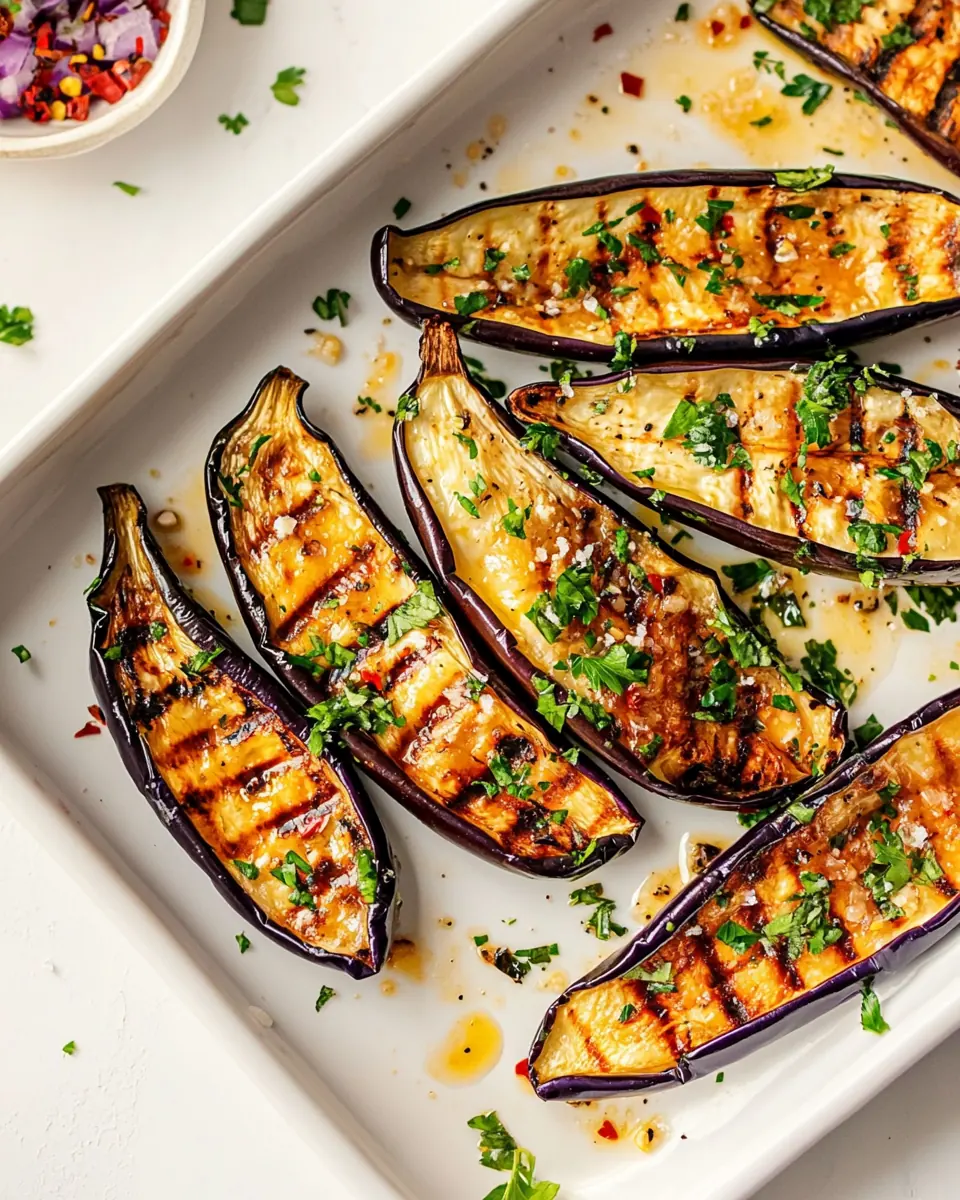
These steps walk you through a few careful moves that make the difference between bland and memorable. Take your time during the salting and pay attention to the grill heat, because texture and caramelization depend on those moments. I like to stay nearby, listen for the sizzle, and flip with care so the slices develop even color.
- Place the sliced eggplant on a kitchen towel or paper towel. Sprinkle the kosher salt over the surface. Let the eggplant rest for at least 30 minutes, or up to one hour. The salt will draw the liquid out of the eggplant and prevent the grilled eggplant from being soggy.: When you set the slices on a towel and salt them, you will soon notice beads of moisture forming on the surface, a clear sign that the salt is doing its work. The scent at this stage is lightly vegetal, and the texture will firm up as water is drawn out, which is crucial for achieving a meaty interior later on. This step helps the eggplant brown instead of steaming, and that golden sear is what creates deeper flavor on the grill. A common mistake is rushing this stage, which leads to limp slices and uneven caramelization, so be patient and let the salt work for the full recommended time.
- After the eggplant has rested. Use a paper towel to wipe off the salt and water. Place the eggplant onto a plate.: You will see the slices appear slightly translucent where moisture collected, and when you blot them the surface should feel less wet and more tacky. Removing excess salt avoids over seasoning while keeping the concentrated taste. The action of patting helps the surface become ready to accept oil and develop color quickly. One trap to avoid is pressing too hard and tearing the flesh; gentle blotting preserves the structure for grilling.
- Preheat the grill over medium heat until hot.: A properly preheated grill will hiss when a test droplet of water sizzles and evaporates instantly, and the grates should be warm to the touch from a safe distance. Medium heat promotes steady caramelization without burning the outside before the interior cooks through. I find that consistent heat yields even grill marks across all slices, and that makes plating look intentional. If the grill is not hot enough, the eggplant will absorb oil and become greasy, so avoid starting too cool.
- Brush 1 tablespoon of the olive oil onto the top sides of the eggplant slices.: After wiping the surface, a light brush of olive oil on the cut sides prevents sticking and encourages immediate browning upon contact with the grates. You should see the oil sheen catching the light, and when the slice hits the grill it should sizzle gently. This thin coat keeps the flesh moist and helps the seasoning adhere. Over oiling, however, can cause flare ups or excessive smoke, so apply just enough for an even glaze.
- Add the remaining 2 tablespoons of olive oil, minced garlic, and Aleppo pepper to a small bowl. Stir well to combine.: Mixing these ingredients produces a seasoned oil that will infuse the eggplant with aromatics as it warms. The aroma of crushed garlic in oil is sharp at first, and once spread on the warm slices it mellows and becomes fragrant in the background. Stir until the paprika or Aleppo pepper is fully distributed to prevent concentrated hot spots. A frequent slip is adding raw garlic and not letting it mingle with oil, which can leave sharp bites; mixing well prevents that.
- Place the eggplant slices, olive oil side down, onto the grill. Grill for 5 minutes.: As the slices hit the grates you will hear a steady sizzle, and the surface will change from matte to glossy and take on dark grill marks. During this time you should smell nutty, caramel notes rising as sugars in the eggplant brown. The surface will firm and the edges may blister slightly, signaling it is time to prepare for the next move. One error to avoid is moving the slices too soon, which prevents formation of those clean marks and makes them tear when flipped.
- Brush the tops with the olive oil and Aleppo pepper mixture, and flip. Brush the newly exposed tops with more olive oil and Aleppo pepper mixture. Grill another 5 minutes until the eggplant is tender throughout and has grill marks on both sides.: After flipping you should see steaming from the exposed interiors and a deeper, more complex aroma. The second side will brown faster because the flesh has already begun to soften. Brushing the seasoned oil now layers flavor and helps keep the slices glossy and tender. Test for doneness by inserting a fork, it should meet little resistance and the flesh should feel silky. Avoid overcooking, as the eggplant can become mushy and lose its pleasant bite.
- Transfer the eggplant to a plate.: Once off the heat the grilled slices continue to relax and redistribute juices, so let them rest briefly before finishing. The aroma will be a mix of smoky notes, olive oil, and gentle garlic, and the texture should be tender yet intact. Transfer carefully to avoid tearing, and choose a shallow platter that shows off the grill marks. Leaving them stacked while piping hot can trap steam and soften the exterior, so spread them out if you want to preserve crispness at the edges.
- Garnish the grilled eggplant with a squeeze of fresh lemon juice, chopped mint, and parsley. Serve hot.: The final squeeze of lemon juice adds bright acidity that balances the oil and smoky flavors, while chopped mint and parsley bring herbaceous freshness. When you sprinkle the herbs the scent lifts immediately, and the dish looks more vibrant on the plate. Serve while warm so the contrast between the tender interior and the slightly crisped edges is most pronounced. A common oversight is adding herbs too early, which causes them to wilt, so reserve them for the last moment.
How to Switch It Up
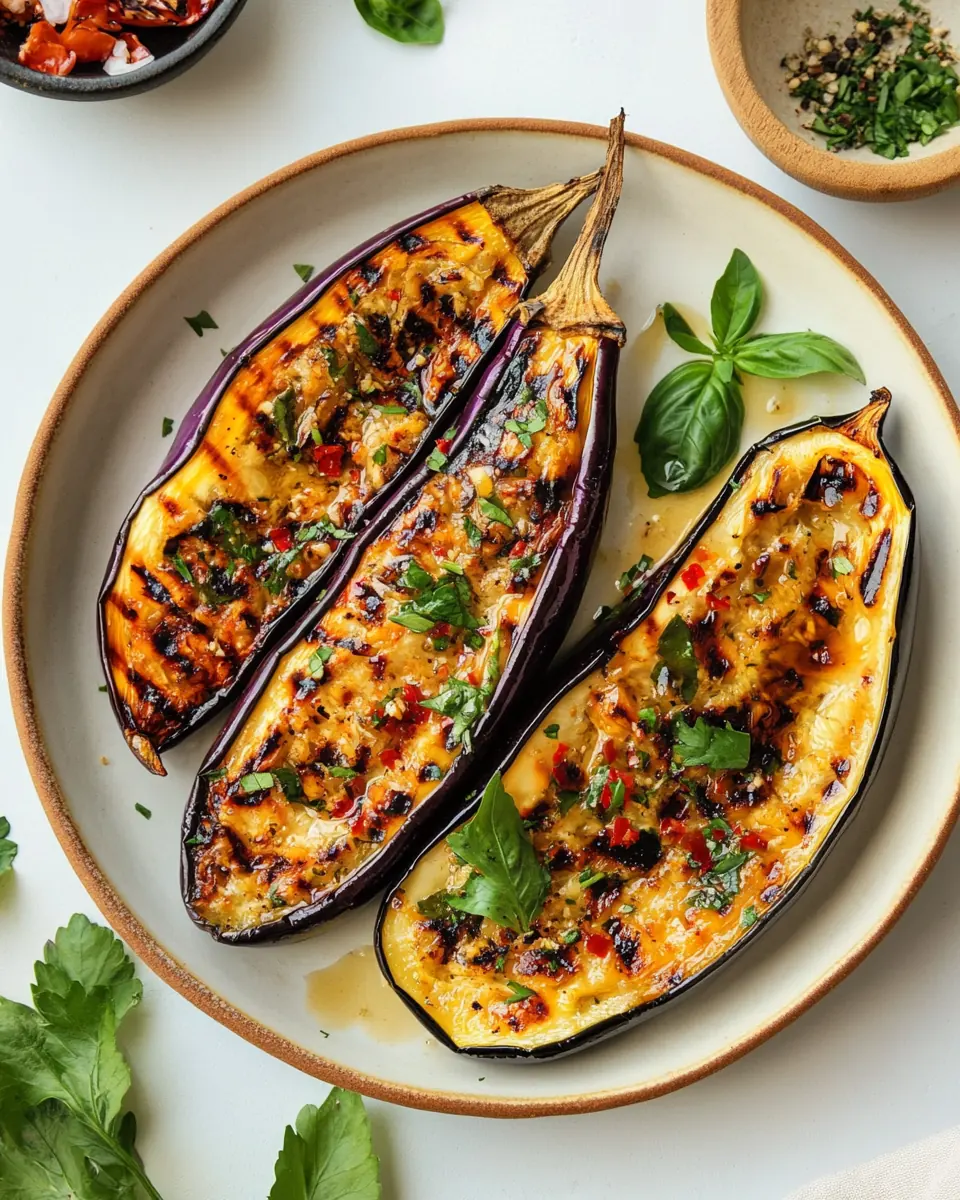
There are a few small variations that keep Grilled Eggplant interesting without changing its essence. These tweaks help you tailor the flavor profile to the meal you are serving, and each one is easy to execute at the end of cooking.
- Use smoked paprika instead of Aleppo pepper, if you prefer a deeper smoky note, stir it into the oil and taste as you go to avoid overpowering the eggplant.
- Slice thicker for a meatier bite, aim for about 3/4-inch rounds to create a more substantial texture that works well in sandwiches or as a main component.
- Serve with a drizzle of seasoned oil, reserve a bit of the olive oil mixture to spoon over the plated slices for extra gloss and concentrated flavor.
- Double the herbs for a brighter finish, add more chopped mint and parsley just before serving to amplify freshness and color.
- Chill for salads, cool the grilled slices and cut them into strips to toss with a light vinaigrette for a chilled summer salad.
- Make ahead and reheat gently, cool to room temperature then store in an airtight container; warm in a 300°F oven for five to ten minutes to revive texture.
What Complements This Grilled Eggplant
Grilled Eggplant pairs beautifully with a range of side dishes and occasions. Whether you are serving it for a relaxed lunch, a summer barbecue, or a light dinner, the smoky, herb finished slices can slot into many menus and adapt to storage and reheating needs.
- Light salads, pair the slices with a simple green salad dressed in lemon and olive oil for a balanced plate that highlights the eggplant.
- Grain bowls, serve the warm slices on a bed of rice or bulgur with a dollop of seasoned oil for a hearty vegetarian option suitable for lunch or dinner.
- Picnics and barbecues, the grilled slices travel well at room temperature, making them a reliable choice for outdoor gatherings where you want something make ahead.
- Ramadan or fasting meals, include these slices as part of an iftar spread where their satisfying texture complements soups and stews without being heavy.
- Storage tips, keep leftovers in an airtight container in the refrigerator for up to five days, or freeze cooled slices for up to three months to extend their usefulness.
- Seasonal pairings, this recipe shines in summer when eggplants and fresh herbs are at their peak, and it makes a lovely warm component on autumnal platters as well.
FAQ
Conclusion
Grilled Eggplant stands out for its smoky char, silky interior, and bright finishing herbs that make a simple vegetable sing. Give this recipe a try because it is forgiving, quick to grill, and transforms into a versatile dish you can serve hot, chilled, or reheated. I hope you enjoy the way the salt, oil, and lemon work together to highlight the eggplant’s natural flavor, and that it becomes a go to in your summer cooking rotation.
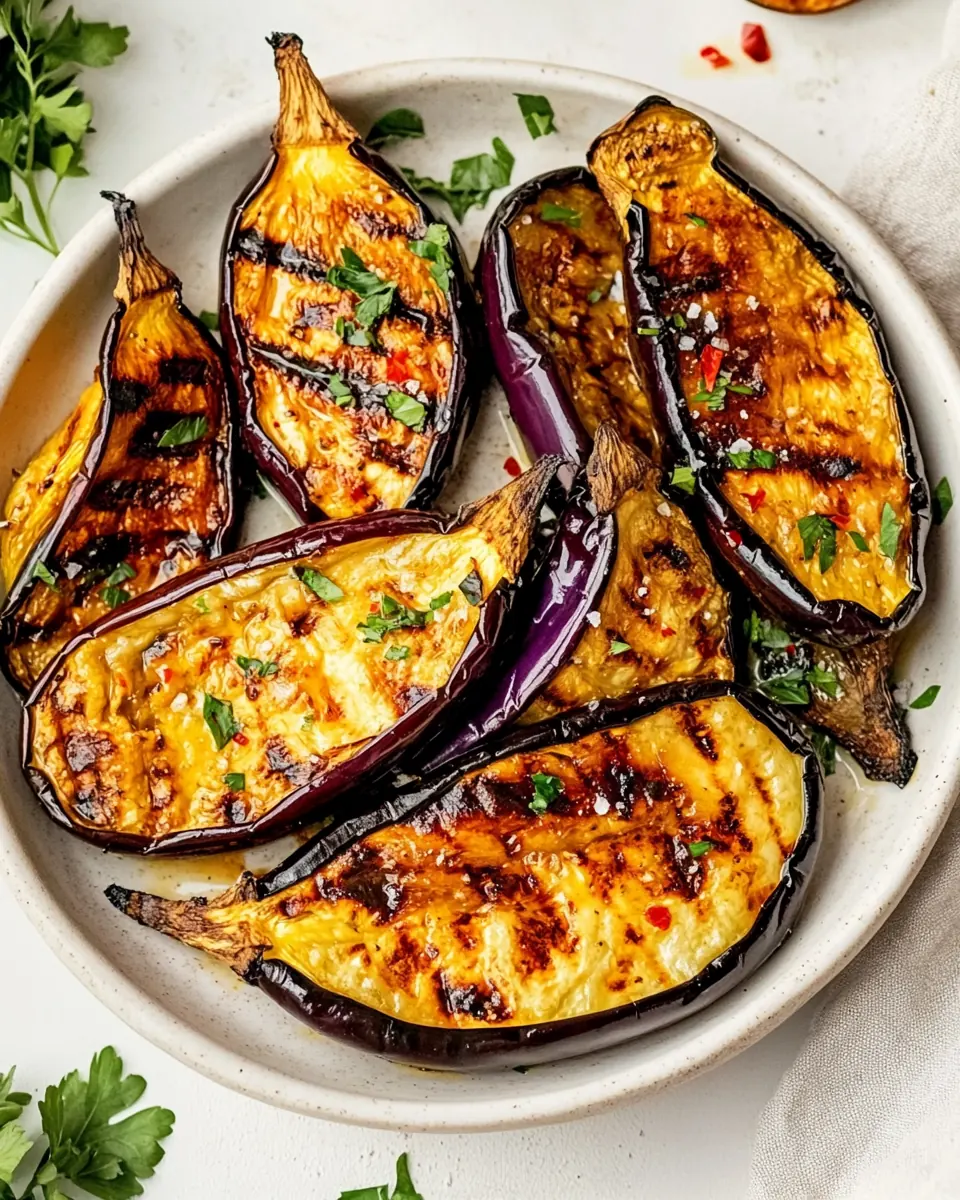
Grilled Eggplant
Ingredients
Equipment
Method
- Place the sliced eggplant on a kitchen towel or paper towel. Sprinkle the kosher salt over the surface. Let the eggplant rest for at least 30 minutes, or up to one hour. The salt will draw the liquid out of the eggplant and prevent the grilled eggplant from being soggy.: When you set the slices on a towel and salt them, you will soon notice beads of moisture forming on the surface, a clear sign that the salt is doing its work. The scent at this stage is lightly vegetal, and the texture will firm up as water is drawn out, which is crucial for achieving a meaty interior later on. This step helps the eggplant brown instead of steaming, and that golden sear is what creates deeper flavor on the grill. A common mistake is rushing this stage, which leads to limp slices and uneven caramelization, so be patient and let the salt work for the full recommended time.
- After the eggplant has rested. Use a paper towel to wipe off the salt and water. Place the eggplant onto a plate.: You will see the slices appear slightly translucent where moisture collected, and when you blot them the surface should feel less wet and more tacky. Removing excess salt avoids over seasoning while keeping the concentrated taste. The action of patting helps the surface become ready to accept oil and develop color quickly. One trap to avoid is pressing too hard and tearing the flesh; gentle blotting preserves the structure for grilling.
- Preheat the grill over medium heat until hot.: A properly preheated grill will hiss when a test droplet of water sizzles and evaporates instantly, and the grates should be warm to the touch from a safe distance. Medium heat promotes steady caramelization without burning the outside before the interior cooks through. I find that consistent heat yields even grill marks across all slices, and that makes plating look intentional. If the grill is not hot enough, the eggplant will absorb oil and become greasy, so avoid starting too cool.
- Brush 1 tablespoon of the olive oil onto the top sides of the eggplant slices.: After wiping the surface, a light brush of olive oil on the cut sides prevents sticking and encourages immediate browning upon contact with the grates. You should see the oil sheen catching the light, and when the slice hits the grill it should sizzle gently. This thin coat keeps the flesh moist and helps the seasoning adhere. Over oiling, however, can cause flare ups or excessive smoke, so apply just enough for an even glaze.
- Add the remaining 2 tablespoons of olive oil, minced garlic, and Aleppo pepper to a small bowl. Stir well to combine.: Mixing these ingredients produces a seasoned oil that will infuse the eggplant with aromatics as it warms. The aroma of crushed garlic in oil is sharp at first, and once spread on the warm slices it mellows and becomes fragrant in the background. Stir until the paprika or Aleppo pepper is fully distributed to prevent concentrated hot spots. A frequent slip is adding raw garlic and not letting it mingle with oil, which can leave sharp bites; mixing well prevents that.
- Place the eggplant slices, olive oil side down, onto the grill. Grill for 5 minutes.: As the slices hit the grates you will hear a steady sizzle, and the surface will change from matte to glossy and take on dark grill marks. During this time you should smell nutty, caramel notes rising as sugars in the eggplant brown. The surface will firm and the edges may blister slightly, signaling it is time to prepare for the next move. One error to avoid is moving the slices too soon, which prevents formation of those clean marks and makes them tear when flipped.
- Brush the tops with the olive oil and Aleppo pepper mixture, and flip. Brush the newly exposed tops with more olive oil and Aleppo pepper mixture. Grill another 5 minutes until the eggplant is tender throughout and has grill marks on both sides.: After flipping you should see steaming from the exposed interiors and a deeper, more complex aroma. The second side will brown faster because the flesh has already begun to soften. Brushing the seasoned oil now layers flavor and helps keep the slices glossy and tender. Test for doneness by inserting a fork, it should meet little resistance and the flesh should feel silky. Avoid overcooking, as the eggplant can become mushy and lose its pleasant bite.
- Transfer the eggplant to a plate.: Once off the heat the grilled slices continue to relax and redistribute juices, so let them rest briefly before finishing. The aroma will be a mix of smoky notes, olive oil, and gentle garlic, and the texture should be tender yet intact. Transfer carefully to avoid tearing, and choose a shallow platter that shows off the grill marks. Leaving them stacked while piping hot can trap steam and soften the exterior, so spread them out if you want to preserve crispness at the edges.
- Garnish the grilled eggplant with a squeeze of fresh lemon juice, chopped mint, and parsley. Serve hot.: The final squeeze of lemon juice adds bright acidity that balances the oil and smoky flavors, while chopped mint and parsley bring herbaceous freshness. When you sprinkle the herbs the scent lifts immediately, and the dish looks more vibrant on the plate. Serve while warm so the contrast between the tender interior and the slightly crisped edges is most pronounced. A common oversight is adding herbs too early, which causes them to wilt, so reserve them for the last moment.
Notes
- Use smoked paprika instead of Aleppo pepper, if you prefer a deeper smoky note, stir it into the oil and taste as you go to avoid overpowering the eggplant.
- Slice thicker for a meatier bite, aim for about 3/4-inch rounds to create a more substantial texture that works well in sandwiches or as a main component.
- Serve with a drizzle of seasoned oil, reserve a bit of the olive oil mixture to spoon over the plated slices for extra gloss and concentrated flavor.
- Double the herbs for a brighter finish, add more chopped mint and parsley just before serving to amplify freshness and color.
- Chill for salads, cool the grilled slices and cut them into strips to toss with a light vinaigrette for a chilled summer salad.
- Make ahead and reheat gently, cool to room temperature then store in an airtight container; warm in a 300°F oven for five to ten minutes to revive texture.