Hamburger Casserole
Hamburger Casserole has been one of those recipes I reach for when the week has worn me down and I need comfort that actually feeds people, not just my feelings. The first time I made it I was juggling work calls and a tantruming toddler, and the way the kitchen filled with the smell of sizzling ground beef and garlic made everything feel steadier. That evening it became obvious this is not fancy food, it is functional food that arrives with warmth and a full heart.
Over the years I have learned to lean into the simplicity of this dish, letting the layers do the work. I like serving it when friends stay late, because it tastes even better the next day and it invites sharing without any fuss. There is a sense of satisfaction in scooping out a bubbling pan, that mix of creamy cream cheese and melty cheddar cheese pulling together with the savory ground beef and tender pasta. It feels like a family dinner and a small celebration at once.
Recipe Snapshot
60 mins
30 mins
30 mins
Medium
500 kcal
American
Gluten-Free, Keto
Dinner
9×13 Baking Pan
What You’ll Enjoy About This Hamburger Casserole
Layered Comfort That Feeds a Crowd
I love how Hamburger Casserole multiplies efforts. When I prep a single pot of sauce and cook a box of shell pasta, I can feed a table without babysitting multiple dishes. That kind of efficiency matters on weeknights, and it keeps the kitchen calm when life is loud.
Balanced Textures
The contrast between creamy elements like cream cheese and sour cream, and the slight chew of browned ground beef and pasta, keeps each bite interesting. I appreciate that the recipe is forgiving, so textures stay pleasing even if timing slips by a few minutes.
Flavor Built from Basics
Simple pantry players such as canned diced tomatoes, tomato paste, and Italian seasoning layer into a sauce that tastes far more complex than its parts. I often tell guests the magic is really in seasoning and patience while simmering so the flavors meld together.
Flexible and Practical
I adore recipes that adapt to what is on hand. Hamburger Casserole allows swaps like different cheeses or peppers, yet it never loses its identity. When I need a no-fuss dinner for friends, this is what I choose because it is reliable and crowd pleasing.
Comfort That Reheats Well
This casserole is one of those dishes that improves after a day in the fridge. I often make it ahead, and the leftovers develop deeper savory notes. For busy families or meal prepping, that makes it invaluable in my kitchen repertoire.
Ingredients to Make Hamburger Casserole
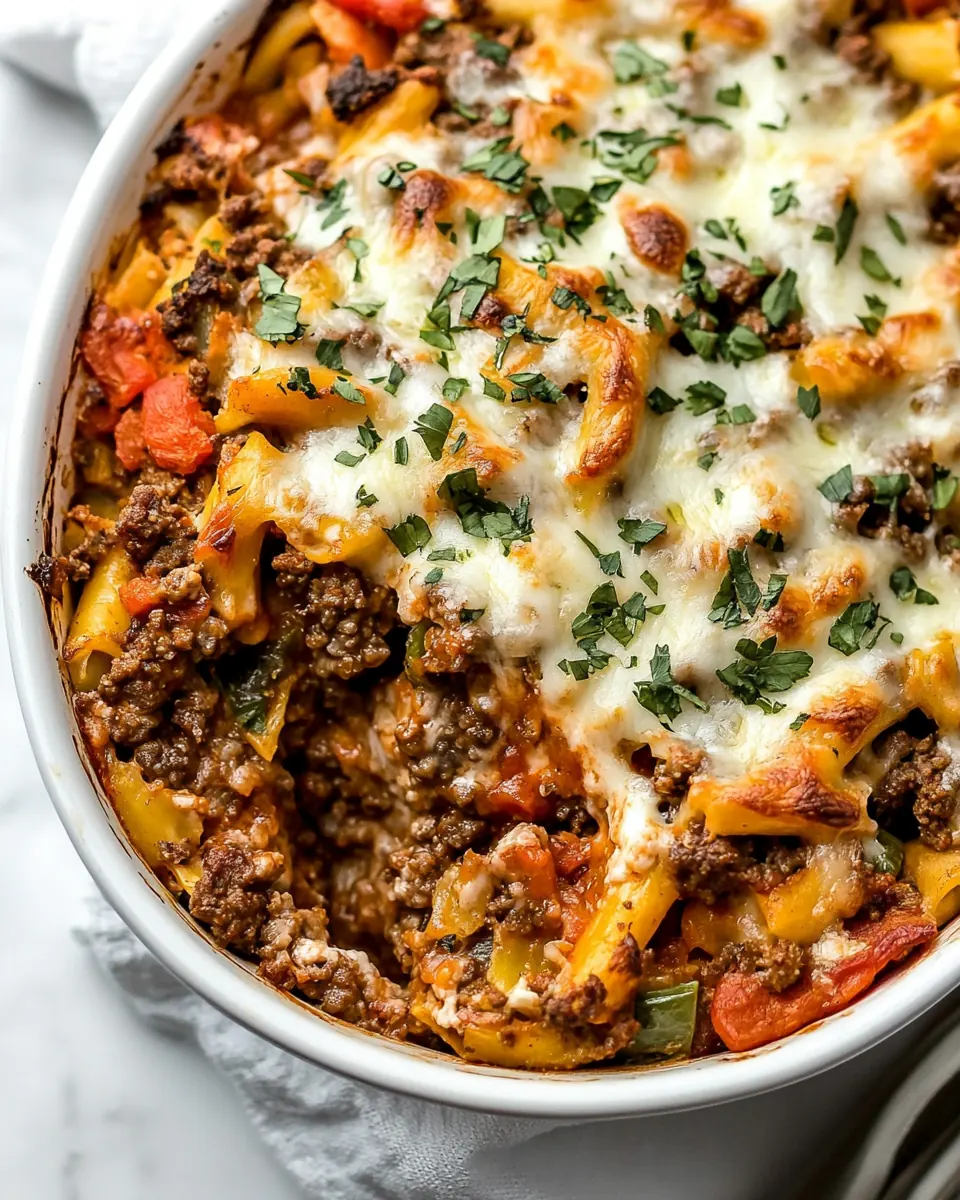
These ingredients are chosen to create a comforting, cohesive bake. The key players are the ground beef for savory depth, the shell pasta to carry the creamy sauce, and the trio of cream cheese, sour cream, and shredded cheddar cheese and mozzarella cheese for luscious texture. Aromatics like diced onion, bell pepper, and garlic build a fragrant base, while canned diced tomatoes and tomato paste add bright tomato notes and body. Seasonings and a touch of Worcestershire sauce pull everything together.
- 1 pound ground beef lean preferred: Brown and crumble to develop savory flavor and provide the hearty protein base for the casserole; drain excess fat if desired and cook until no pink remains for food safety and texture.
- 1/2 cup diced onion: Sauté gently to soften and release sweet, aromatic notes; cook until translucent to blend seamlessly with the beef and enhance overall flavor.
- 1/2 cup diced bell pepper any color: Cook briefly with the onion to add crisp-sweet, vegetal brightness and a touch of color; adjust quantity or color to suit preference while maintaining a balanced profile.
- 2 cloves garlic minced: Mince and cook until fragrant to provide pungent, aromatic depth; add near the end of sautéing to avoid bitterness while maximizing aroma.
- 14.5 ounces diced tomatoes drained (1 can): Drain and add for tomatoey body and acidity to brighten the dish; stir in to distribute juicy tomato pieces without making the casserole soggy.
- 2 tablespoons tomato paste: Incorporate to intensify concentrated tomato flavor and thicken the sauce; dissolve into the mixture for cohesive, robust tomato notes.
- 1 teaspoon kosher salt: Season to enhance and balance flavors throughout the casserole; adjust slightly to taste while keeping overall seasoning consistent.
- 1 teaspoon Italian seasoning store-bought or homemade: Sprinkle to introduce a blend of Mediterranean herbs that complements beef and tomatoes; use as-is for convenience or homemade for a fresher profile.
- 1/2 teaspoon ground black pepper: Grind and add to provide mild heat and contrast that sharpens other seasonings; adjust quantity upward or downward based on preference.
- 1 teaspoon Worcestershire sauce: Stir in to lend umami richness and deepen savory complexity; a small amount boosts beefy flavor without overpowering the dish.
- 8 ounces dry shell pasta (1/2 box): Boil and cook according to package instructions to supply comforting carbohydrate structure; drain and mix with the sauce so the shells absorb flavor.
- 8 ounces cream cheese room temperature and cut into cubes (1 brick): Soften and blend into the hot mixture to create a creamy, tangy texture; room–temperature cubes melt more evenly for a smooth consistency.
- 1/2 cup sour cream: Fold in to contribute cool creaminess and slight tang that lightens richness; stir until combined for a velvety finish.
- 3 tablespoons unsalted butter (3/8 stick): Melt into the sauce to add silky richness and help bind ingredients; use unsalted butter to better control overall saltiness.
- 1/2 cup freshly shredded cheddar cheese: Sprinkle or melt to provide sharp, savory cheese flavor and help create a cohesive, slightly gooey texture in the casserole.
- 1/2 cup freshly shredded mozzarella cheese: Top or mix in to deliver stretchy, melty cheese coverage and mild dairy flavor; use freshly shredded for best melting properties.
- Fresh parsley , for garnish (optional): Garnish delicately to add fresh herbal color and a bright, slightly peppery finish; sprinkle just before serving for maximum visual appeal.
Cooking Instructions for Hamburger Casserole
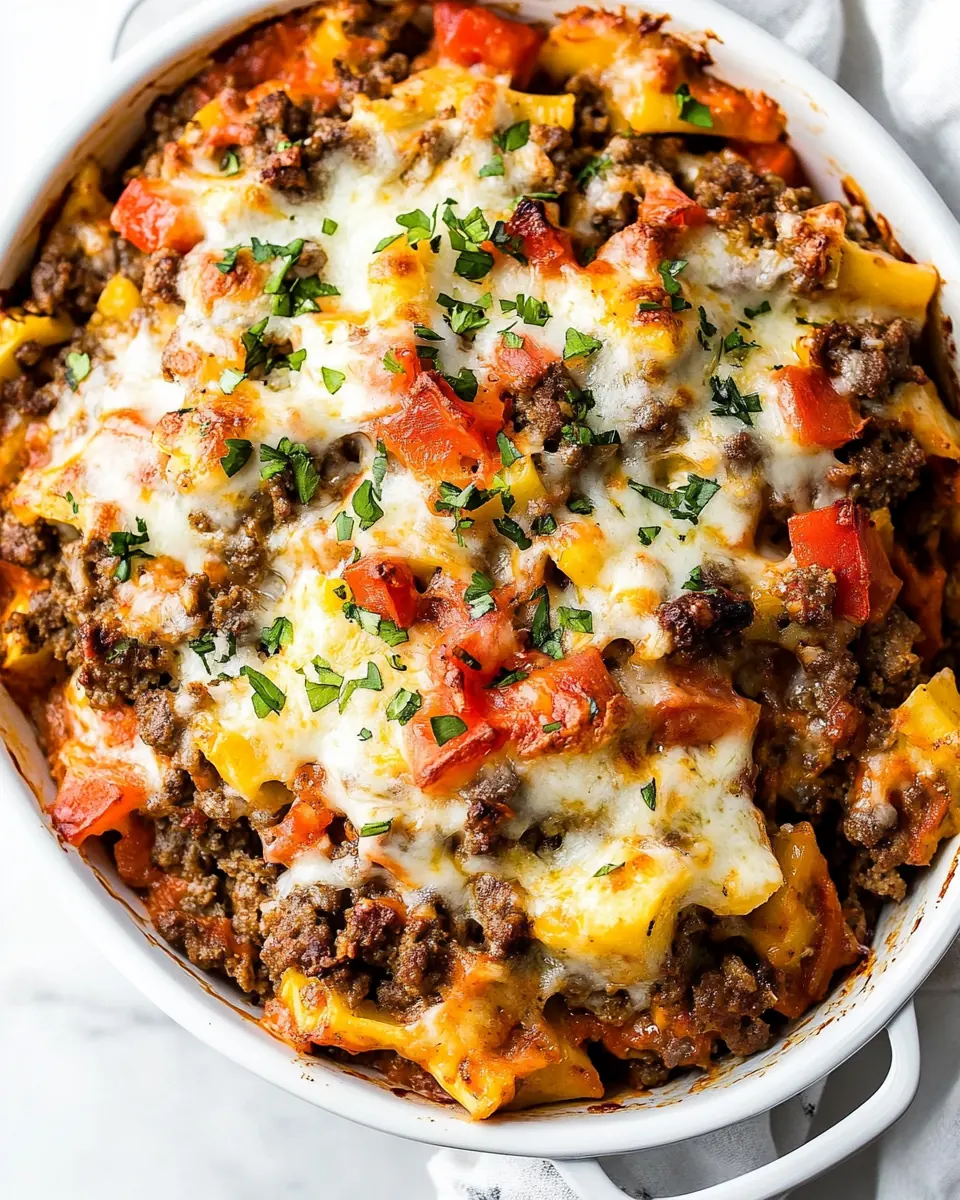
This is a straightforward, comforting bake that comes together in stages, so organization is everything. I like to have the pasta cooked and the sauce ready before I assemble, which keeps the oven time short and the textures ideal. Below I expand each direction into a thoughtful, sensory driven set of steps so you know exactly what to watch for.
- Preheat oven to 350°F. Spray a 9×13-inch baking dish with nonstick spray. Set aside.: When you turn the oven on you should hear it kick and feel the kitchen start to warm, that hum means the bake will be even. Preheating ensures the casserole begins cooking immediately and the cheese melts uniformly. A common mistake is to put the dish into a cold oven, which lengthens total bake time and can lead to uneven bubbling. Also spray a 9×13 inch baking dish with nonstick spray and set it aside so it is ready; this prevents sticking and makes cleanup easier.
- In a large skillet set over medium-high heat, brown the ground beef until it is no longer pink. Use a slotted spoon to transfer the cooked beef to a paper towel-lined bowl.: Listen for a steady sizzle as the ground beef hits the hot skillet, and watch the meat lose its pink color as it develops brown, caramelized bits that are full of flavor. Use a slotted spoon to transfer the cooked beef to a paper towel lined bowl so excess fat drains away, keeping the final casserole from becoming greasy. The why here is that browning creates complex Maillard flavors that a simple simmer will not. A troubleshooting tip is to avoid overcrowding the pan, since crowding steams the meat instead of browning it.
- Add the onion and bell pepper to the skillet and sauté in the leftover fat for 2-3 minutes. Add the garlic and cook for 30 seconds.: As the onion and bell pepper hit the skillet, you will hear a softer sizzle and smell the aroma shift toward sweet and savory notes. Sauté for 2 to 3 minutes until the onion is translucent and the pepper has softened slightly, which ensures they blend seamlessly into the sauce. Add the minced garlic and cook for about 30 seconds until fragrant, that quick burst of aroma signals it has released its essential oils. Burnt garlic turns bitter, so reduce heat if you see dark flecks.
- Return the beef to the skillet. Stir in the drained tomatoes, tomato paste, salt, Italian seasoning, pepper, and Worcestershire sauce. Bring the mixture to a boil, reduce the heat, and simmer for 5 minutes. Remove from the heat and set aside.: Returning the browned ground beef to the skillet brings back those caramelized bits, and stirring in the drained diced tomatoes , tomato paste , kosher salt , Italian seasoning , black pepper , and Worcestershire sauce creates a savory, balanced sauce. Bring the mixture to a boil so flavors marry, then reduce the heat and simmer for about 5 minutes to concentrate the sauce and meld seasonings. This simmer is important for depth; skipping it can leave a flat, unintegrated sauce. Watch for splatter and reduce heat if the sauce is spitting aggressively.
- Meanwhile, boil the noodles according to package instructions, drain, and transfer to a large bowl.: While the sauce simmers, boil the shell pasta according to package instructions until al dente, which means it still has a slight bite. Drain the pasta and transfer it to a large bowl; the shells will hold pockets of sauce and creamy mix. Al dente pasta prevents a mushy casserole because it finishes cooking in the oven. A common error is overcooking the noodles, which leads to a gluey texture once baked.
- Add the softened cream cheese, sour cream, and melted butter to the pasta. Mix well until the pasta is coated.: Add the softened cream cheese cubes, sour cream , and melted butter to the hot pasta; the residual warmth will help the cream cheese soften and incorporate. Stir until the pasta is evenly coated and the mixture feels silky and cohesive. The creamy coating creates contrast with the meat layer and prevents dryness in the bake. If the cream cheese is too cold it will clump, so ensure it is at room temperature before mixing.
- Spread half of the creamy pasta in the bottom of the prepared baking dish. Top with half of the meat mixture. Repeat the layers with the remaining ingredients and top with the shredded cheeses.: Spread half of the creamy pasta into the bottom of the prepared 9×13 inch dish so you have a smooth, even base. Top with half of the meat mixture, then repeat the layers with the remaining pasta and meat, finishing by sprinkling the shredded cheddar cheese and mozzarella cheese evenly over the top. Layering allows each scoop to include both sauce and meat in balanced proportions. Rushing assembly can create uneven pockets, so take a few moments to smooth each layer for consistent baking.
- Bake, uncovered, for 25-30 minutes, or until heated through. Broil the cheese for 1-2 minutes if desired. Garnish with fresh parsley and let rest for 10 minutes before serving.: Slide the casserole into the preheated oven and bake until it is heated through and you see gentle bubbling at the edges, which signals the interior is hot. If desired, broil the cheese for 1 to 2 minutes to create a golden, slightly crisp top, watching closely to avoid burning. Let the casserole rest for 10 minutes before serving so it sets and is easier to slice; cutting too soon causes the layers to slump. A common mistake is leaving it under tented foil, which traps steam and prevents browning.
Variations to Try
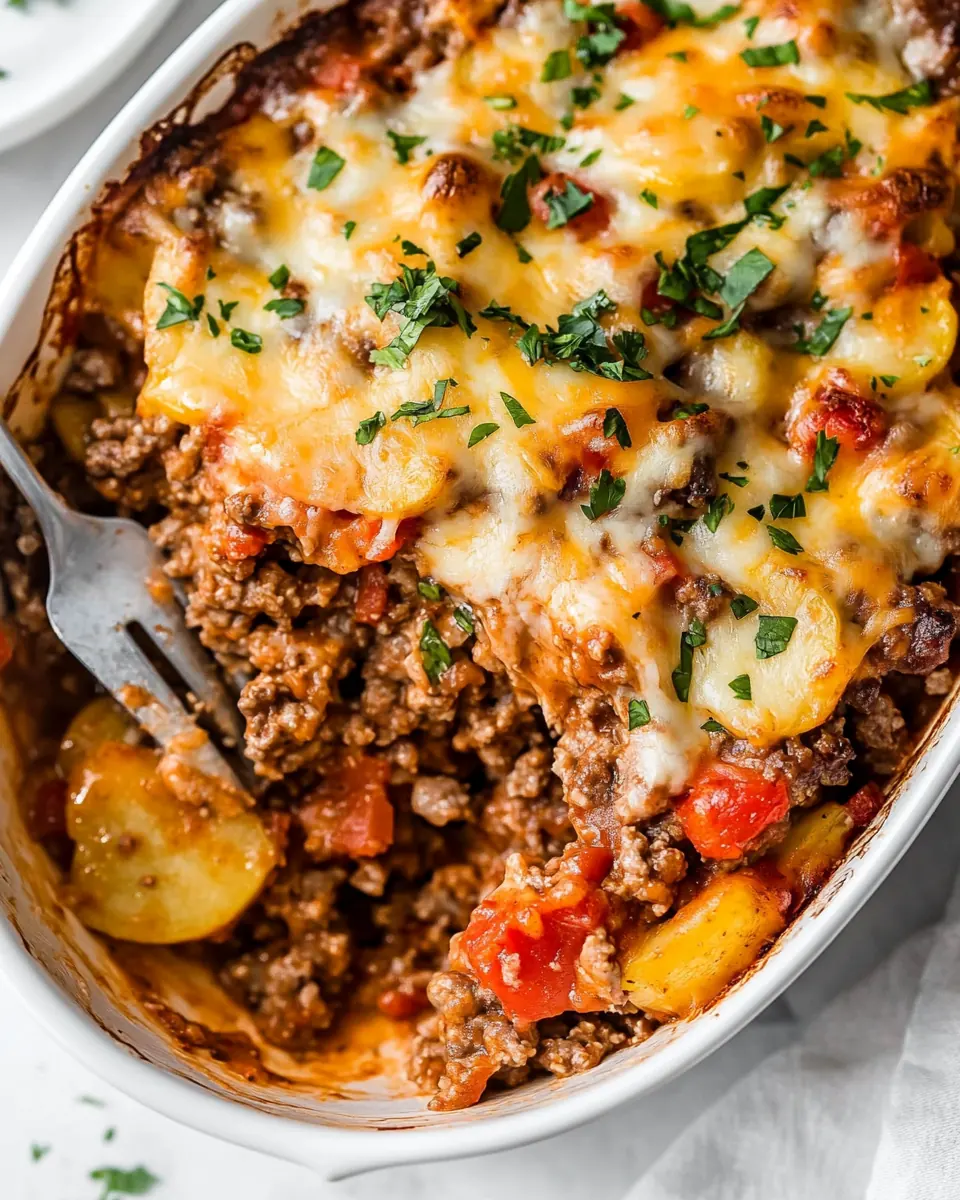
There are many ways to tweak Hamburger Casserole while keeping its comforting core intact. Below are ideas and small adjustments I have tested that maintain balance and improve texture without complicating the process.
- Potato swap Replace the shell pasta with thinly sliced Yukon Gold potatoes as described in the notes for a heartier, gluten free style bake that holds up well and offers a rustic texture.
- Cheese blend Mix sharper aged cheddar with a milder melting cheese to dial the flavor profile up or down depending on preference, while ensuring a good melt by shredding fresh cheese.
- Vegetable boost Add extra diced bell pepper or fold in chopped spinach gently into the creamy pasta layer to increase the vegetable content without changing the assembly steps.
- Spice it up Stir in a pinch of red pepper flakes or a small amount of smoked paprika to the meat mixture for a warm background heat that complements the savory base.
- Make ahead Assemble the casserole, cover it tightly, and refrigerate for up to 24 hours before baking; you may need a few extra minutes in the oven if it goes in cold from the fridge.
What to Pair With Hamburger Casserole
Hamburger Casserole is a robust, crowd friendly main that pairs well with simple sides and flexible serving approaches. Here are ways I like to serve it across different occasions, plus storage tips to keep it tasting great.
- Light green salad A crisp salad with a tangy vinaigrette cuts through the casserole richness, adding brightness and a contrasting texture that complements each bite.
- Steamed vegetables Simple steamed broccoli or green beans offer a fresh, slightly crunchy counterpoint and make the meal feel balanced and complete.
- Family dinner Serve this casserole at a casual family dinner where people can help themselves; it shines when everyone takes second helpings and stories get longer.
- Meal prep Portion leftovers into airtight containers and refrigerate for up to four days, reheating gently in the oven or microwave until warmed through for easy lunches.
- Comfort occasions I reach for this recipe on chilly evenings or when hosting friends who appreciate homey food, it works equally well for weeknight dinner and relaxed weekend gatherings.
- Seasonal pairings In fall and winter I enjoy it with roasted root vegetables, while in spring a lighter salad and lemony dressing help freshen the plate.
FAQ
Conclusion
What makes this Hamburger Casserole special is its combination of straightforward technique and deeply comforting results, where simple pantry ingredients transform into a creamy, savory bake that feeds a family. I encourage you to give it a try on a busy weeknight or when you want a hands off dinner that still feels like home. It is forgiving, adaptable, and rewards patience with rich, layered flavors that keep people coming back for seconds.
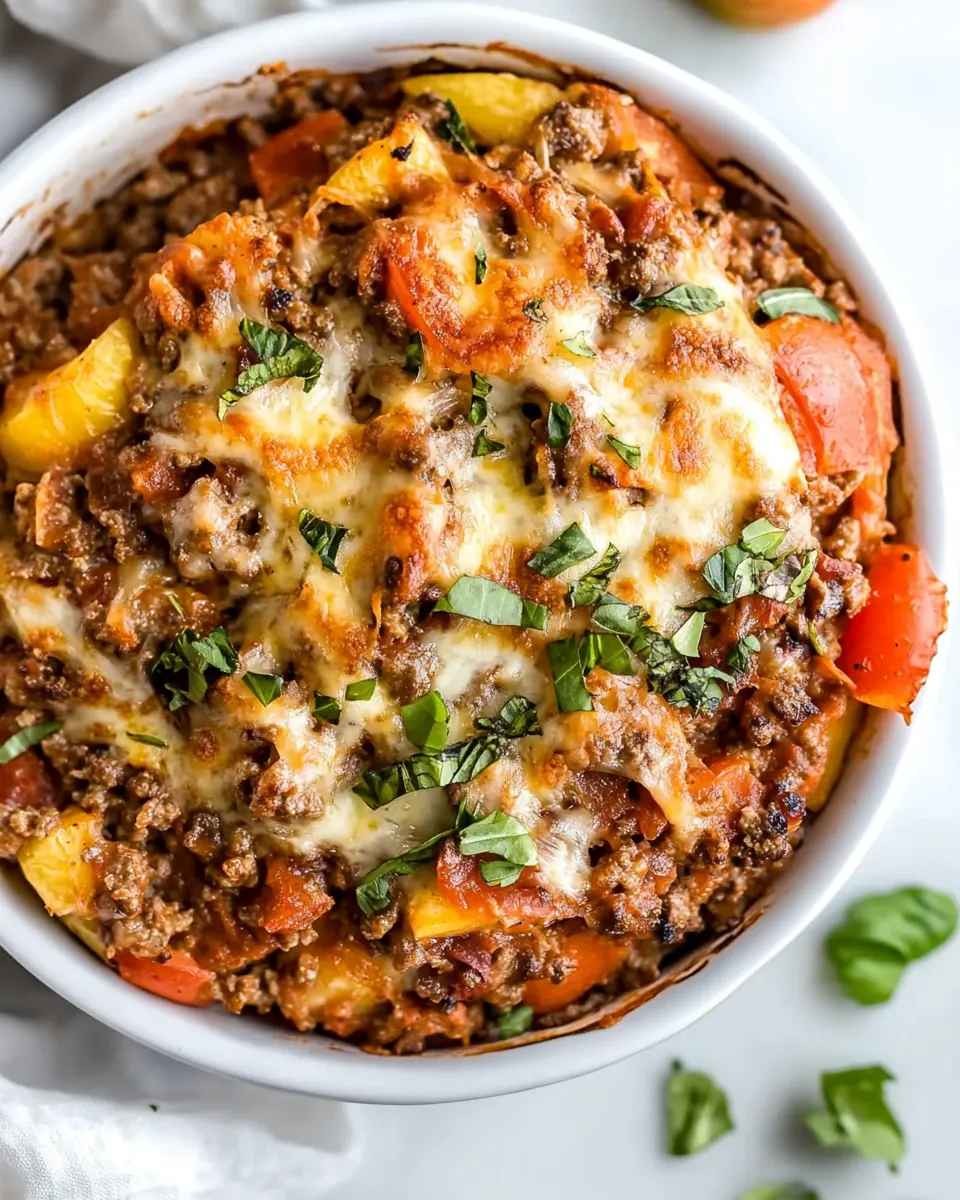
Hamburger Casserole
Ingredients
Equipment
Method
- Preheat oven to 350°F. Spray a 9×13-inch baking dish with nonstick spray. Set aside.: When you turn the oven on you should hear it kick and feel the kitchen start to warm, that hum means the bake will be even. Preheating ensures the casserole begins cooking immediately and the cheese melts uniformly. A common mistake is to put the dish into a cold oven, which lengthens total bake time and can lead to uneven bubbling. Also spray a 9×13 inch baking dish with nonstick spray and set it aside so it is ready; this prevents sticking and makes cleanup easier.
- In a large skillet set over medium-high heat, brown the ground beef until it is no longer pink. Use a slotted spoon to transfer the cooked beef to a paper towel-lined bowl.: Listen for a steady sizzle as the ground beef hits the hot skillet, and watch the meat lose its pink color as it develops brown, caramelized bits that are full of flavor. Use a slotted spoon to transfer the cooked beef to a paper towel lined bowl so excess fat drains away, keeping the final casserole from becoming greasy. The why here is that browning creates complex Maillard flavors that a simple simmer will not. A troubleshooting tip is to avoid overcrowding the pan, since crowding steams the meat instead of browning it.
- Add the onion and bell pepper to the skillet and sauté in the leftover fat for 2-3 minutes. Add the garlic and cook for 30 seconds.: As the onion and bell pepper hit the skillet, you will hear a softer sizzle and smell the aroma shift toward sweet and savory notes. Sauté for 2 to 3 minutes until the onion is translucent and the pepper has softened slightly, which ensures they blend seamlessly into the sauce. Add the minced garlic and cook for about 30 seconds until fragrant, that quick burst of aroma signals it has released its essential oils. Burnt garlic turns bitter, so reduce heat if you see dark flecks.
- Return the beef to the skillet. Stir in the drained tomatoes, tomato paste, salt, Italian seasoning, pepper, and Worcestershire sauce. Bring the mixture to a boil, reduce the heat, and simmer for 5 minutes. Remove from the heat and set aside.: Returning the browned ground beef to the skillet brings back those caramelized bits, and stirring in the drained diced tomatoes , tomato paste , kosher salt , Italian seasoning , black pepper , and Worcestershire sauce creates a savory, balanced sauce. Bring the mixture to a boil so flavors marry, then reduce the heat and simmer for about 5 minutes to concentrate the sauce and meld seasonings. This simmer is important for depth; skipping it can leave a flat, unintegrated sauce. Watch for splatter and reduce heat if the sauce is spitting aggressively.
- Meanwhile, boil the noodles according to package instructions, drain, and transfer to a large bowl.: While the sauce simmers, boil the shell pasta according to package instructions until al dente, which means it still has a slight bite. Drain the pasta and transfer it to a large bowl; the shells will hold pockets of sauce and creamy mix. Al dente pasta prevents a mushy casserole because it finishes cooking in the oven. A common error is overcooking the noodles, which leads to a gluey texture once baked.
- Add the softened cream cheese, sour cream, and melted butter to the pasta. Mix well until the pasta is coated.: Add the softened cream cheese cubes, sour cream , and melted butter to the hot pasta; the residual warmth will help the cream cheese soften and incorporate. Stir until the pasta is evenly coated and the mixture feels silky and cohesive. The creamy coating creates contrast with the meat layer and prevents dryness in the bake. If the cream cheese is too cold it will clump, so ensure it is at room temperature before mixing.
- Spread half of the creamy pasta in the bottom of the prepared baking dish. Top with half of the meat mixture. Repeat the layers with the remaining ingredients and top with the shredded cheeses.: Spread half of the creamy pasta into the bottom of the prepared 9×13 inch dish so you have a smooth, even base. Top with half of the meat mixture, then repeat the layers with the remaining pasta and meat, finishing by sprinkling the shredded cheddar cheese and mozzarella cheese evenly over the top. Layering allows each scoop to include both sauce and meat in balanced proportions. Rushing assembly can create uneven pockets, so take a few moments to smooth each layer for consistent baking.
- Bake, uncovered, for 25-30 minutes, or until heated through. Broil the cheese for 1-2 minutes if desired. Garnish with fresh parsley and let rest for 10 minutes before serving.: Slide the casserole into the preheated oven and bake until it is heated through and you see gentle bubbling at the edges, which signals the interior is hot. If desired, broil the cheese for 1 to 2 minutes to create a golden, slightly crisp top, watching closely to avoid burning. Let the casserole rest for 10 minutes before serving so it sets and is easier to slice; cutting too soon causes the layers to slump. A common mistake is leaving it under tented foil, which traps steam and prevents browning.
Notes
- Potato swap Replace the shell pasta with thinly sliced Yukon Gold potatoes as described in the notes for a heartier, gluten free style bake that holds up well and offers a rustic texture.
- Cheese blend Mix sharper aged cheddar with a milder melting cheese to dial the flavor profile up or down depending on preference, while ensuring a good melt by shredding fresh cheese.
- Vegetable boost Add extra diced bell pepper or fold in chopped spinach gently into the creamy pasta layer to increase the vegetable content without changing the assembly steps.
- Spice it up Stir in a pinch of red pepper flakes or a small amount of smoked paprika to the meat mixture for a warm background heat that complements the savory base.
- Make ahead Assemble the casserole, cover it tightly, and refrigerate for up to 24 hours before baking; you may need a few extra minutes in the oven if it goes in cold from the fridge.