Best Homemade Lasagna
Best Homemade Lasagna is the kind of meal that draws everyone into the kitchen, talking and laughing while the aroma of simmering sauce and melting mozzarella fills the house. I remember the first time I layered a pan for family Sunday dinner, the kitchen felt cozy and a little chaotic, but that moment of lifting the foil to reveal bubbling cheese made every imperfect step worth it.
Over the years I’ve tweaked the recipe so it balances comfort and clarity, and I love how a simple set of ingredients can feel luxurious. The mix of savory Italian sausage and hearty ground beef builds a deep foundation, while the creamy ricotta cheese mixture adds a silky, custardy lift. I enjoy telling stories as the layers go in, and guests always ask for the recipe before the first slice is gone.
When you make Best Homemade Lasagna you’ll notice little moments that matter, from the sizzle when the meat hits the pan to the steam that escapes when the foil comes off. I like to pour a little extra love into the sauce layer at the bottom, it prevents sticking and ensures an even bake. Making this lasagna has become my go to when I want something that feeds a crowd and gives warm, unmistakable comfort.
Recipe Snapshot
1 hr 25 mins
30 mins
55 mins
Medium
350 kcal
Italian
Keto, Gluten-Free
Dinner
Large pot, 9×13 baking dish, Baking sheet, Large bowl, Large pot or skillet for browning meat
The Appeal of This Best Homemade Lasagna
Rich, layered flavor that everyone recognizes
I find that people come in hungry and leave planning the next gathering. The pairing of seasoned Italian sausage with browned ground beef creates a base that is savory and complex, and it carries through every bite. I love how the meat melds with the Easy Marinara Sauce, which provides acidity and herb notes that keep the dish from feeling heavy.
Textural contrast from creamy to crisp
One reason I keep returning to this recipe is the interplay between the smooth ricotta cheese mixture and the browned edges of the layered lasagna noodles. The melted mozzarella forms pockets of gooeyness, while the top edges that brown slightly on the baking sheet bring in welcome chew and crispness.
Feeds a crowd with minimal fuss
When I need to feed a room full of family or friends, this pan of Best Homemade Lasagna fits the bill. It assembles quickly once your components are ready, and the oven does the heavy lifting. I like having it on a baking sheet in the oven, which is a simple trick to keep things tidy and portable.
Flexible and forgiving to timing
I’ve learned that lasagna tolerates small timing shifts well. If life happens and dinner is delayed, the structure holds up. You can let it rest before slicing, and the layers will settle into neat, satisfying pieces. That patience always pays off in presentation and texture.
Comfort food with a touch of finesse
Finally, this recipe feels like home but also scaled for occasions. The little additions, like a splash of heavy cream in the ricotta mixture and a hint of lemon juice for brightness, lift the whole dish. I enjoy serving it proudly, because it tastes like effort and love without needing exotic ingredients.
Ingredients Overview for Best Homemade Lasagna
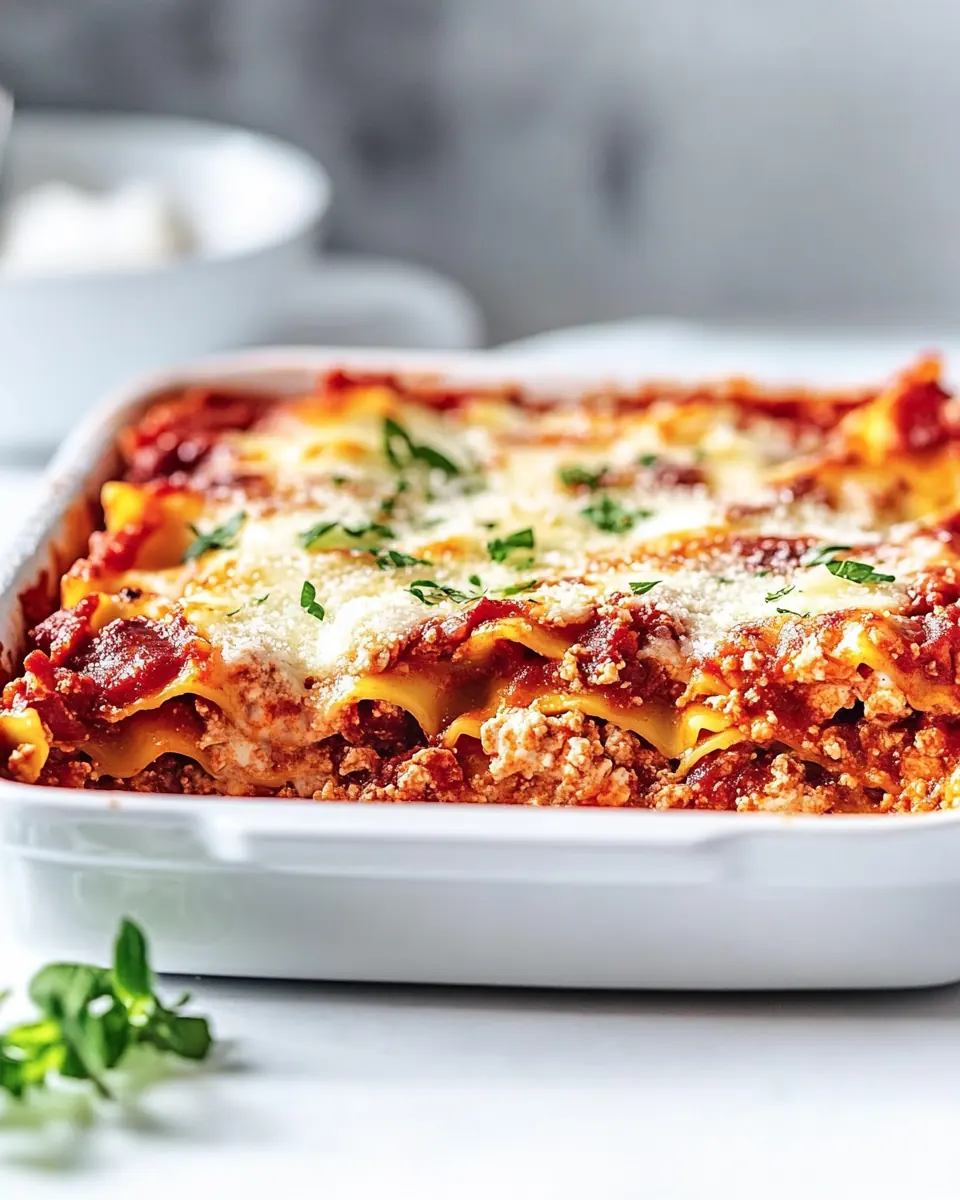
These ingredients come together with a simple philosophy: build a robust savory foundation, add creamy balance, then finish with melted, golden cheese. The key players are the meaty sauce, the silky ricotta cheese blend, and the stretchy mozzarella. Each element has a role, and together they create layers of flavor and texture that hold up when sliced.
- 12 oz dried lasagna noodles, 15-16 noodles: Boil until tender to form the pasta layers; soak in warm water or cook to al dente and drain, then separate to avoid sticking and ensure even layering in the lasagna.
- 2 tablespoons olive oil, plus more for drizzling on noodles: Heat to sauté and brown meats or to flavor oil for the sauce; drizzle lightly on noodles before baking to prevent drying and add a fruity, aromatic finish.
- 1 pound Italian sausage: Brown and crumble to provide a robust, spiced meat layer; cook thoroughly with salt and pepper and combine with the sauce for depth and savory richness.
- 1 pound ground beef: Cook and crumble to contribute hearty texture and umami; blend with the sausage for balanced flavor and a substantial protein component in each slice.
- Kosher salt and black pepper, to taste: Season to taste throughout the recipe; sprinkle into the sauce, meat, and cheese mixture to enhance overall flavor and balance the sweetness and acidity.
- 4 cups Easy Marinara Sauce: Simmer to coat the meat and noodles; spread between layers to add acidity, herbs, and a cohesive, saucy component that keeps the lasagna moist.
- 15 ounces ricotta cheese: Mix into the cheese filling for creaminess and structure; combine with eggs, cream, and lemon for a rich, tender ricotta layer that contrasts the meat and pasta.
- 2 large eggs, lightly beaten: Whisk lightly to bind the ricotta mixture and add richness; incorporate into the cheese filling to help set the layers during baking for a firm, sliceable texture.
- 1/4 cup heavy cream: Whisk into the ricotta to enrich and loosen the filling; provide added fat for silkiness and help achieve a custardy interior when baked.
- 1 tablespoon fresh lemon juice: Add a bright, acidic note to the cheese mixture; stir into ricotta and cream to lighten flavors and prevent a heavy, bland filling.
- 2 1/2 cups shredded mozzarella cheese, divided: Sprinkle and layer to create gooey, melty stretches and a golden top; divide between layers and the finish to ensure pockets of melted cheese in every bite.
- 1 1/2 cups freshly grated Parmesan cheese, divided: Grate and mix into the cheese filling and top for sharp, salty umami; reserve some for sprinkling on top to create a savory, gratin-like crust.
- Fresh basil or Italian parsley, for garnish: Garnish to add freshness and color at the end; chop and scatter over the baked lasagna to introduce herbaceous aroma and a vibrant finish.
The Process for Making Best Homemade Lasagna
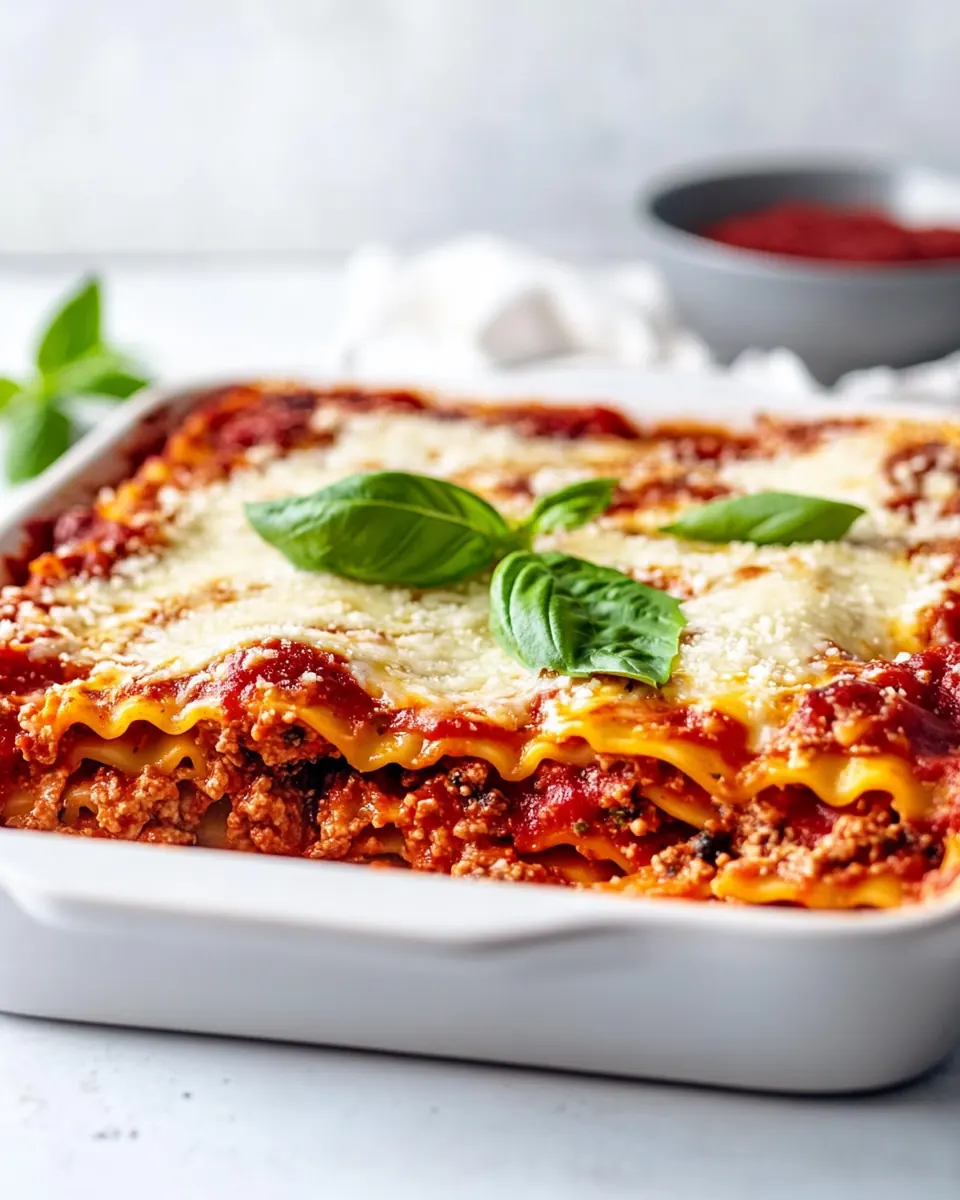
Layering and baking lasagna is a comforting, rhythmic process. Take your time with each component and savor the small cues that tell you you are on track. Below I expand each instruction into rich steps so you can follow along with confidence and intuition.
- Preheat the oven to 375 degrees F.: When the oven reaches 375 degrees F you will have the proper environment for even baking, allowing the filling to heat through while the top browns. You should feel warm air when you open the door and hear a low hum as the elements cycle. If the oven is not fully preheated before you put the lasagna in, the layers can take longer to set and may become overbrowned before the center is hot. A common mistake is assuming the oven is ready the moment the dial clicks, so use an oven thermometer if you want exactness.
- Bring a large pot of water to a boil and generously season with kosher salt. Cook the lasagna noodles until al dente, according to package instructions. Drain and rinse with cold water. Separate any noodles that are stuck together. Drizzle the noodles with a little olive oil.: After the water is roaring, the salt should give the boiling water a faint minerally scent, which seasons the lasagna noodles as they hydrate. The noodles should have a slight bite when you test them, not mushy. Rinsing with cold water removes surface starch and halts cooking, which also keeps them from fusing. Drizzling a bit of olive oil and separating any sticking pieces ensures smooth layering. One oversight is overcooking the noodles; they will finish in the oven, so aim for al dente to maintain texture.
- In a large pot, heat the olive oil over medium-high heat. Add the sausage and ground beef, season with salt and pepper. Cook, stirring occasionally, until browned, about 8 minutes. Drain excess grease.: As the olive oil warms you will smell the oil shimmer, then when the meats hit the pan they will sizzle and begin to brown, releasing savory aromas. Browning generates complex Maillard flavors that make the sauce deep and meaty. Stir occasionally to ensure even browning and to break meats into small pieces. If you leave grease in the pan the lasagna can become greasy, so drain well. A typical error is crowding the pan, which steams the meat instead of browning it, so use a wide pot.
- Add the marinara sauce to the cooked sausage and meat and stir to combine.: When the Easy Marinara Sauce hits the hot meat you will hear a brief hiss and see the sauce loosen, coating the browned bits and lifting those concentrated flavors. This melding creates a unified sauce that clings to the noodles. Stir thoroughly so no dry pockets remain. If the sauce seems too thick, a splash of reserved pasta water or a little broth can thin it, but avoid watering it down excessively. A common slip is under seasoning after adding sauce, so taste and adjust salt and black pepper if needed.
- In a large bowl, combine the ricotta cheese and eggs. Add the heavy cream and lemon juice and stir until smooth. Stir in 1 cup shredded mozzarella cheese and 3/4 cup Parmesan cheese. Season with salt and pepper.: The texture should become silky and slightly glossy as the ricotta cheese and eggs emulsify with the heavy cream . The lemon juice brightens the dairy, preventing flabbiness and adding clarity to the filling. Fold in the mozzarella and Parmesan cheese so pockets of cheese will melt beautifully in the bake. Be cautious not to overbeat the mixture, which can make it too loose. If the ricotta is watery, drain briefly to concentrate the texture.
- Spread 1 1/2 cups of sauce on the bottom of a 9×13 baking dish that is at least 2 1/2 inches deep. Top with a layer of noodles, try not to overlap them.: A thin bed of sauce at the bottom prevents sticking and starts every slice with a moist foundation. Arrange the lasagna noodles so they cover the sauce evenly, leaving small gaps for the sauce to flow. The visual cue is a smooth, even surface before adding more fillings. Overlapping too much can make thick, uneven bites, so place them edge to edge for consistent structure.
- Top with 2 cups of sauce and 1/2 cup shredded mozzarella cheese. Top with another layer of noodles and spread ricotta cheese mixture evenly over the noodles.: The sauce should look glossy and simmered, coating the noodles. Sprinkling mozzarella adds early melt pockets, and the ricotta layer provides a creamy counterpoint. Use a spatula to spread the ricotta in an even sheet so each slice has balanced creaminess. Avoid plopping large dollops that will create voids; smooth distribution gives a uniform mouthfeel.
- Add another layer of noodles, 2 cups of sauce, and 1/2 cup of shredded mozzarella cheese.: Repeat the visual rhythm so the lasagna builds height and balanced flavor. At this point you should notice alternating bands of bright red sauce and pale cheese, which promise contrasted bites. Press lightly to compact layers for stability. If the pan is overfilled, the lasagna may bubble over when baking, so maintain even layers and leave a small gap under the rim.
- Top with another layer of noodles and finish with remaining sauce, mozzarella cheese, and Parmesan cheese. The pan will be very full.: The final top should be a generous coat of sauce and an even sprinkle of mozzarella and Parmesan cheese . The cheeses will brown and bubble, forming a golden, fragrant crust. If you want more crust, uncover toward the end of baking. Watch for excessive browning, which can happen quickly, and tent with foil if needed.
- Tent the lasagna with foil and secure tightly all around the edges. Place lasagna pan on a baking sheet and bake for 40 minutes. Carefully remove foil and bake an additional 15 to 20 minutes or until hot and bubbly.: Tenting with foil traps steam so the interior heats evenly without overbrowning the top. The baking sheet catches any spills and makes the pan easier to move, while the oven will fill with a heady scent of simmered sauce and melted cheese. When you remove the foil the top should start to blister and brown, and you will hear a lively bubble. A misstep is opening the oven door too often, which drops heat and lengthens bake time.
- Remove from oven and let the lasagna sit for 15 minutes before serving. Garnish with fresh basil or parsley, if desired. Serve warm.: Resting lets the layers set and firm so slices hold their shape, and the steam that settles carries the aromas of basil or Italian parsley . The surface will calm into a cohesive cake like structure ready to plate. Cutting too soon causes a sloppy presentation, so be patient for a neat, satisfying slice.
Variations to Try
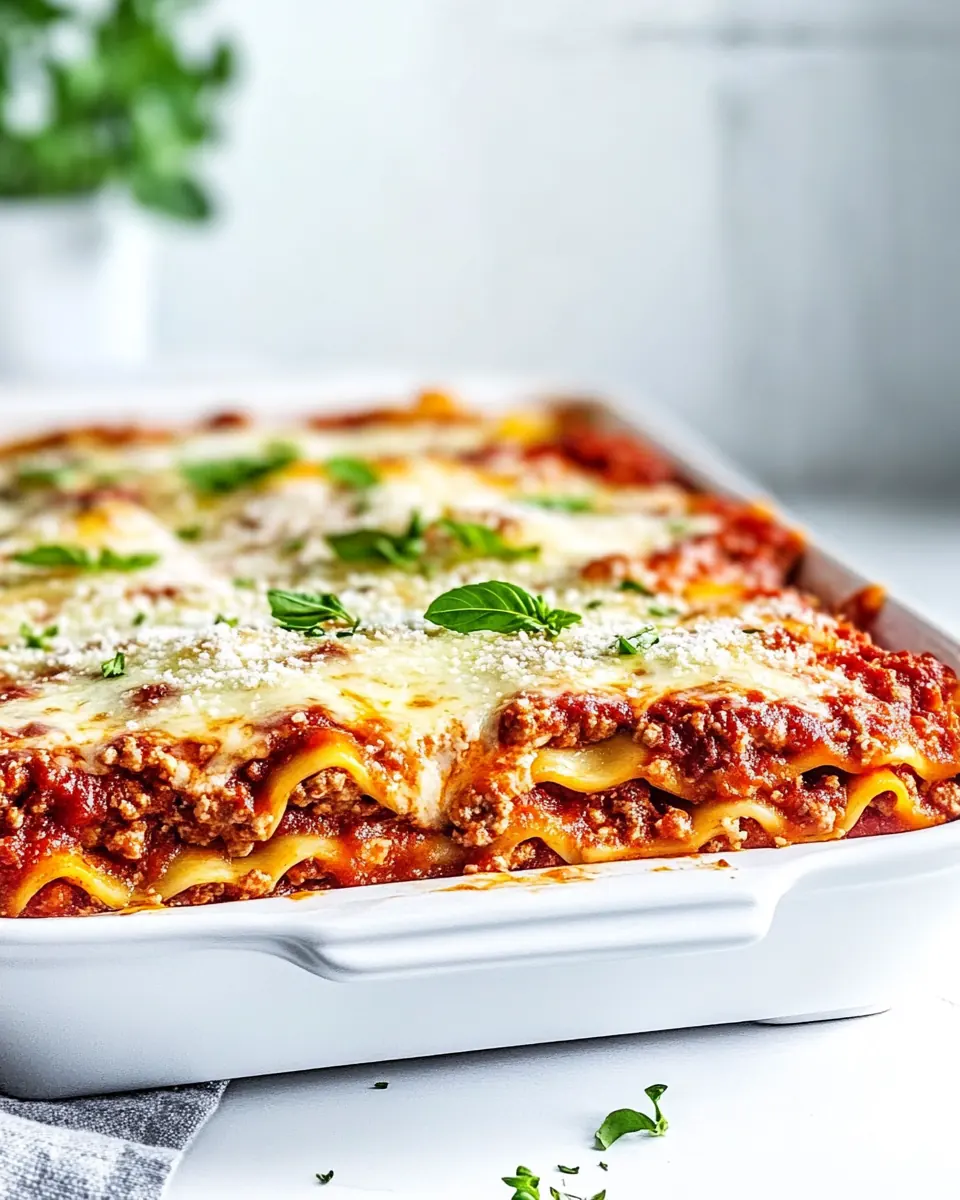
There are several ways to adapt this lasagna to different tastes while keeping the core identity intact. Below are expanded tips and options drawn from the recipe notes and my own experience.
- Swap cheeses carefully — You can adjust the ratio of mozzarella to Parmesan cheese for a saltier or creamier finish, but keep the ricotta cheese base and the binding eggs the same so the texture remains stable.
- Make ahead and refrigerate — Assemble the lasagna up to the point of baking, cover tightly, and refrigerate for up to 24 hours; this deepens flavors and gives you flexible timing for busy days.
- Freeze for later — Wrap the unbaked pan well and freeze, then bake from frozen with an extra 20 to 30 minutes covered, removing the foil to finish browning towards the end.
- Use higher quality sauce — If you have homemade marinara, use it for best flavor, otherwise choose a premium jarred sauce; it makes a big difference in overall depth without extra work.
- Adjust meat ratio — You can vary the balance of Italian sausage and ground beef to emphasize spice or beefiness, but keep the total meat amount the same to maintain texture and moisture.
Great Combinations for Best Homemade Lasagna
Serving this lasagna is part of the pleasure, and choosing side dishes and occasions enhances the experience. Below are pairing ideas, storage suggestions, and suitable occasions in list form so you can plan a full, thoughtful meal.
- Simple green salad with a bright vinaigrette — A crisp salad lifts the richness of the lasagna. Choose fresh lettuces and a lemony dressing to cut through the cheese.
- Garlic bread or crusty Italian bread — Warm bread is perfect for sopping up sauce, and it adds a satisfying contrast in texture to the soft layers.
- Roasted vegetables — Seasonal roasted vegetables like zucchini or bell peppers add color, nutrients, and a smoky counterpoint to the meat and cheese.
- Occasions such as family dinners and holiday gatherings — This pan serves a crowd, making it ideal for cozy winter evenings, weekend gatherings, or celebratory meals when you want something reliably comforting.
- Storage tips for leftovers — Cool completely, then cover and refrigerate for up to four days. For longer storage, portion and freeze; reheat gently to preserve texture.
- Seasonal pairings — In winter, pair with heartier sides and root vegetables; in spring, serve with a bright salad and herbs like fresh basil or Italian parsley to lighten the plate.
FAQ
Conclusion
Best Homemade Lasagna stands out because it layers rich browned meats, a silky ricotta custard, and bubbling cheeses into a deeply satisfying bake. Give it a try when you want a comforting, crowd pleasing meal that rewards a little hands on effort with a big payoff. The assembly is straightforward and the oven does most of the work, so invite friends or family and enjoy the warm aromas and generous servings. I hope you find this version becomes a reliable favorite in your rotation.
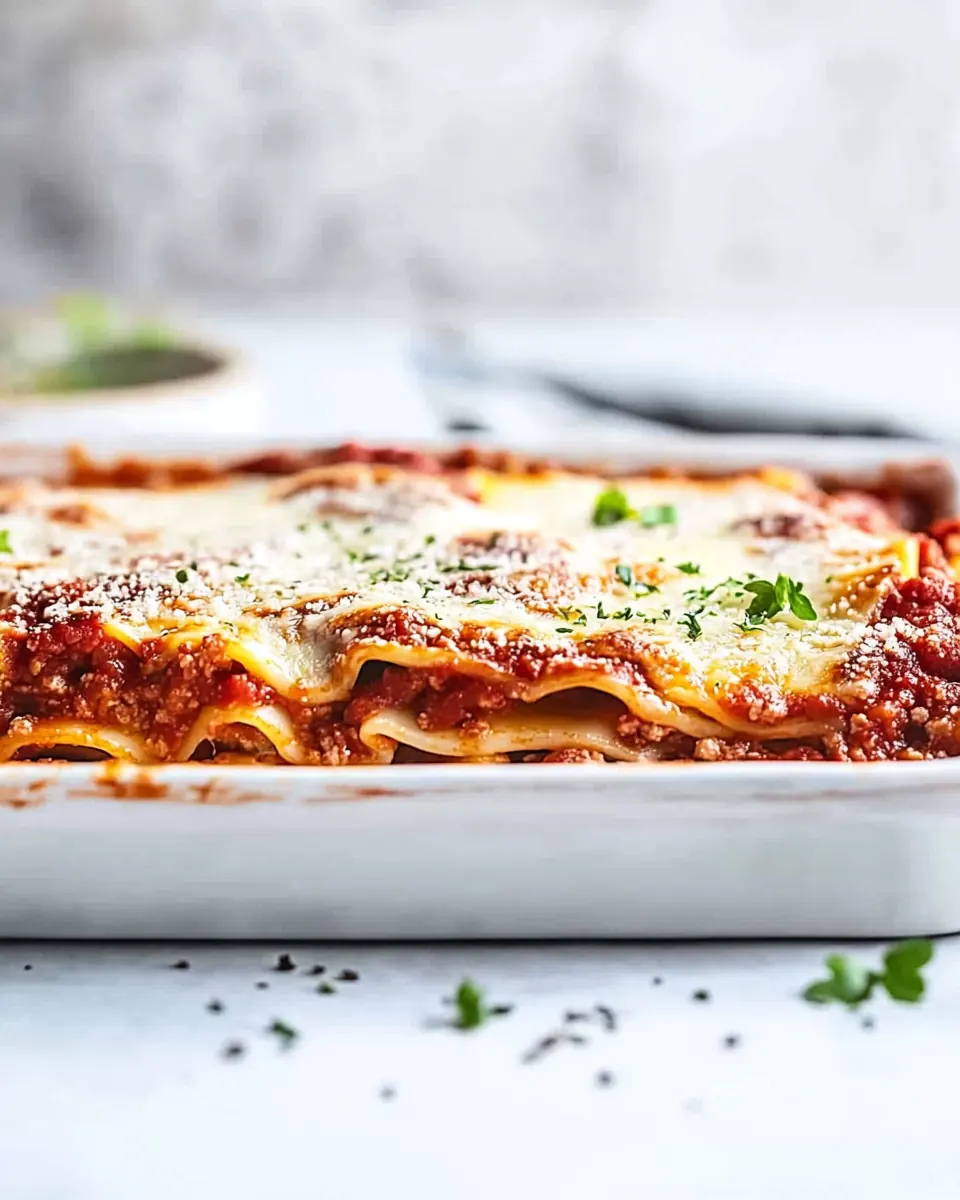
Best Homemade Lasagna
Ingredients
Equipment
Method
- Preheat the oven to 375 degrees F.: When the oven reaches 375 degrees F you will have the proper environment for even baking, allowing the filling to heat through while the top browns. You should feel warm air when you open the door and hear a low hum as the elements cycle. If the oven is not fully preheated before you put the lasagna in, the layers can take longer to set and may become overbrowned before the center is hot. A common mistake is assuming the oven is ready the moment the dial clicks, so use an oven thermometer if you want exactness.
- Bring a large pot of water to a boil and generously season with kosher salt. Cook the lasagna noodles until al dente, according to package instructions. Drain and rinse with cold water. Separate any noodles that are stuck together. Drizzle the noodles with a little olive oil.: After the water is roaring, the salt should give the boiling water a faint minerally scent, which seasons the lasagna noodles as they hydrate. The noodles should have a slight bite when you test them, not mushy. Rinsing with cold water removes surface starch and halts cooking, which also keeps them from fusing. Drizzling a bit of olive oil and separating any sticking pieces ensures smooth layering. One oversight is overcooking the noodles; they will finish in the oven, so aim for al dente to maintain texture.
- In a large pot, heat the olive oil over medium-high heat. Add the sausage and ground beef, season with salt and pepper. Cook, stirring occasionally, until browned, about 8 minutes. Drain excess grease.: As the olive oil warms you will smell the oil shimmer, then when the meats hit the pan they will sizzle and begin to brown, releasing savory aromas. Browning generates complex Maillard flavors that make the sauce deep and meaty. Stir occasionally to ensure even browning and to break meats into small pieces. If you leave grease in the pan the lasagna can become greasy, so drain well. A typical error is crowding the pan, which steams the meat instead of browning it, so use a wide pot.
- Add the marinara sauce to the cooked sausage and meat and stir to combine.: When the Easy Marinara Sauce hits the hot meat you will hear a brief hiss and see the sauce loosen, coating the browned bits and lifting those concentrated flavors. This melding creates a unified sauce that clings to the noodles. Stir thoroughly so no dry pockets remain. If the sauce seems too thick, a splash of reserved pasta water or a little broth can thin it, but avoid watering it down excessively. A common slip is under seasoning after adding sauce, so taste and adjust salt and black pepper if needed.
- In a large bowl, combine the ricotta cheese and eggs. Add the heavy cream and lemon juice and stir until smooth. Stir in 1 cup shredded mozzarella cheese and 3/4 cup Parmesan cheese. Season with salt and pepper.: The texture should become silky and slightly glossy as the ricotta cheese and eggs emulsify with the heavy cream . The lemon juice brightens the dairy, preventing flabbiness and adding clarity to the filling. Fold in the mozzarella and Parmesan cheese so pockets of cheese will melt beautifully in the bake. Be cautious not to overbeat the mixture, which can make it too loose. If the ricotta is watery, drain briefly to concentrate the texture.
- Spread 1 1/2 cups of sauce on the bottom of a 9×13 baking dish that is at least 2 1/2 inches deep. Top with a layer of noodles, try not to overlap them.: A thin bed of sauce at the bottom prevents sticking and starts every slice with a moist foundation. Arrange the lasagna noodles so they cover the sauce evenly, leaving small gaps for the sauce to flow. The visual cue is a smooth, even surface before adding more fillings. Overlapping too much can make thick, uneven bites, so place them edge to edge for consistent structure.
- Top with 2 cups of sauce and 1/2 cup shredded mozzarella cheese. Top with another layer of noodles and spread ricotta cheese mixture evenly over the noodles.: The sauce should look glossy and simmered, coating the noodles. Sprinkling mozzarella adds early melt pockets, and the ricotta layer provides a creamy counterpoint. Use a spatula to spread the ricotta in an even sheet so each slice has balanced creaminess. Avoid plopping large dollops that will create voids; smooth distribution gives a uniform mouthfeel.
- Add another layer of noodles, 2 cups of sauce, and 1/2 cup of shredded mozzarella cheese.: Repeat the visual rhythm so the lasagna builds height and balanced flavor. At this point you should notice alternating bands of bright red sauce and pale cheese, which promise contrasted bites. Press lightly to compact layers for stability. If the pan is overfilled, the lasagna may bubble over when baking, so maintain even layers and leave a small gap under the rim.
- Top with another layer of noodles and finish with remaining sauce, mozzarella cheese, and Parmesan cheese. The pan will be very full.: The final top should be a generous coat of sauce and an even sprinkle of mozzarella and Parmesan cheese . The cheeses will brown and bubble, forming a golden, fragrant crust. If you want more crust, uncover toward the end of baking. Watch for excessive browning, which can happen quickly, and tent with foil if needed.
- Tent the lasagna with foil and secure tightly all around the edges. Place lasagna pan on a baking sheet and bake for 40 minutes. Carefully remove foil and bake an additional 15 to 20 minutes or until hot and bubbly.: Tenting with foil traps steam so the interior heats evenly without overbrowning the top. The baking sheet catches any spills and makes the pan easier to move, while the oven will fill with a heady scent of simmered sauce and melted cheese. When you remove the foil the top should start to blister and brown, and you will hear a lively bubble. A misstep is opening the oven door too often, which drops heat and lengthens bake time.
- Remove from oven and let the lasagna sit for 15 minutes before serving. Garnish with fresh basil or parsley, if desired. Serve warm.: Resting lets the layers set and firm so slices hold their shape, and the steam that settles carries the aromas of basil or Italian parsley . The surface will calm into a cohesive cake like structure ready to plate. Cutting too soon causes a sloppy presentation, so be patient for a neat, satisfying slice.
Notes
- Swap cheeses carefully — You can adjust the ratio of mozzarella to Parmesan cheese for a saltier or creamier finish, but keep the ricotta cheese base and the binding eggs the same so the texture remains stable.
- Make ahead and refrigerate — Assemble the lasagna up to the point of baking, cover tightly, and refrigerate for up to 24 hours; this deepens flavors and gives you flexible timing for busy days.
- Freeze for later — Wrap the unbaked pan well and freeze, then bake from frozen with an extra 20 to 30 minutes covered, removing the foil to finish browning towards the end.
- Use higher quality sauce — If you have homemade marinara, use it for best flavor, otherwise choose a premium jarred sauce; it makes a big difference in overall depth without extra work.
- Adjust meat ratio — You can vary the balance of Italian sausage and ground beef to emphasize spice or beefiness, but keep the total meat amount the same to maintain texture and moisture.