Buckeye Brownies
Buckeye Brownies are the kind of dessert that makes people stop mid conversation and ask for the recipe, and I can still recall the first time I tasted one at a family gathering.
That afternoon, I was juggling a tray of cookies and a toddler on my hip while my aunt quietly set down a pan of these glossy, layered bars. The moment I bit into the fudgy brownie, the creamy peanut center and the shiny chocolate top, I felt a rush of nostalgia mixed with something new, a little more grown up. I stayed near the kitchen for the whole batch, stealing crumbs as they cooled, and promised myself I would learn how to recreate that balance at home.
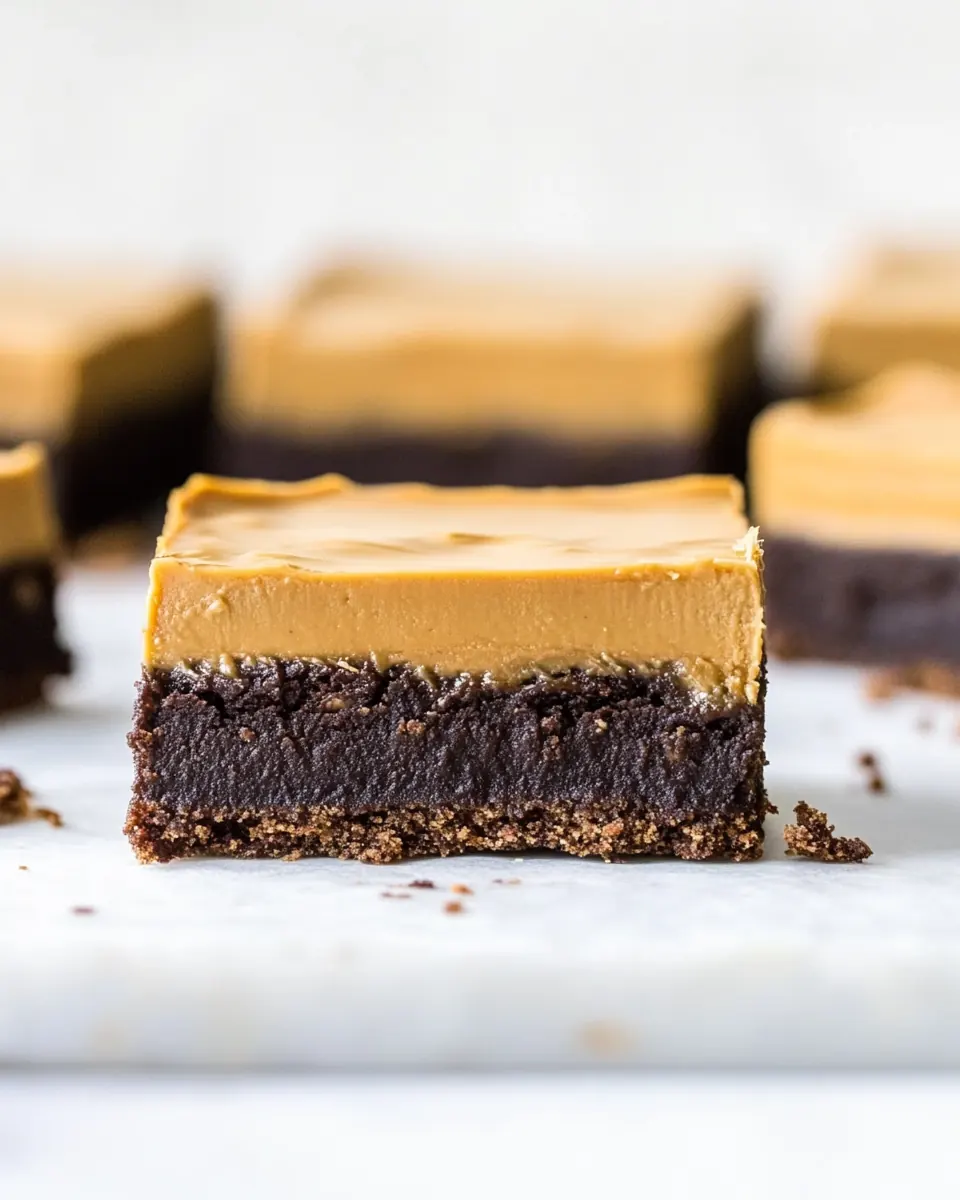
Over the years I experimented until the texture, the peanut butter filling, and the ganache all sang together. I like the way the dense dark chocolate brownie gives you a deep cocoa base, while the peanut butter layer cuts through with rich, slightly salty creaminess. The final semi sweet glaze sets firm but yields a clean bite, which makes serving and gifting especially satisfying. Whenever I bring these to a party, they disappear fast, and people ask for tips about chilling and slicing. Making Buckeye Brownies has become my go to when I want a crowd pleasing treat that still feels special.
Recipe Snapshot
1 hr 10 mins
25 mins
45 mins
Medium
320 kcal
American
Gluten-Free, Low FODMAP
Desserts
9×13 pan, Parchment paper, Microwave safe bowl, Hand mixer, Offset spatula
Why You Need This Buckeye Brownies
Fudgy, not cakey
I love that Buckeye Brownies deliver a deeply fudgy texture, thanks to melting dark chocolate with unsalted butter early in the process. You get a glossy batter that bakes into a dense, rich layer. When I bite into them, I expect a chewy, moist center, and this method reliably produces that experience.
Balance of flavors
The combination of creamy peanut butter and a semi sweet chocolate top creates contrast, both in flavor and mouthfeel. I appreciate how the peanut layer is sweet but slightly savory, which keeps the overall bar from tasting one note. I always tell friends that the peanut butter layer is the heart of the recipe, it softens the intense chocolate and adds nostalgia in every forkful.
Textural layers that please
I find the layered structure gratifying. A firm, slightly crackly ganache crowns a smooth peanut center, resting on a tender, fudgy brownie. Each bite gives a little resistance from the chocolate, a creamy middle, and a dense base, which makes these bars feel indulgent and intentional.
Great for making ahead
I often make these a day before serving because chilling helps the layers set, making slicing neat and presentation effortless. When I bring a pan to gatherings, I know the edges will be clean and the slices will hold their shape. It also means less stress on the day of the party, which I always appreciate.
Adaptable and reliable
While I stick to the core technique, the recipe adapts well to equipment and slight ingredient swaps at hand. Whether you melt the chocolate in short microwave bursts or over a gentle double boiler, you’ll get the same glossy result when you pay attention to temperature and stirring. That reliability is why I return to Buckeye Brownies whenever I want a fail safe dessert.
Buckeye Brownies Ingredients
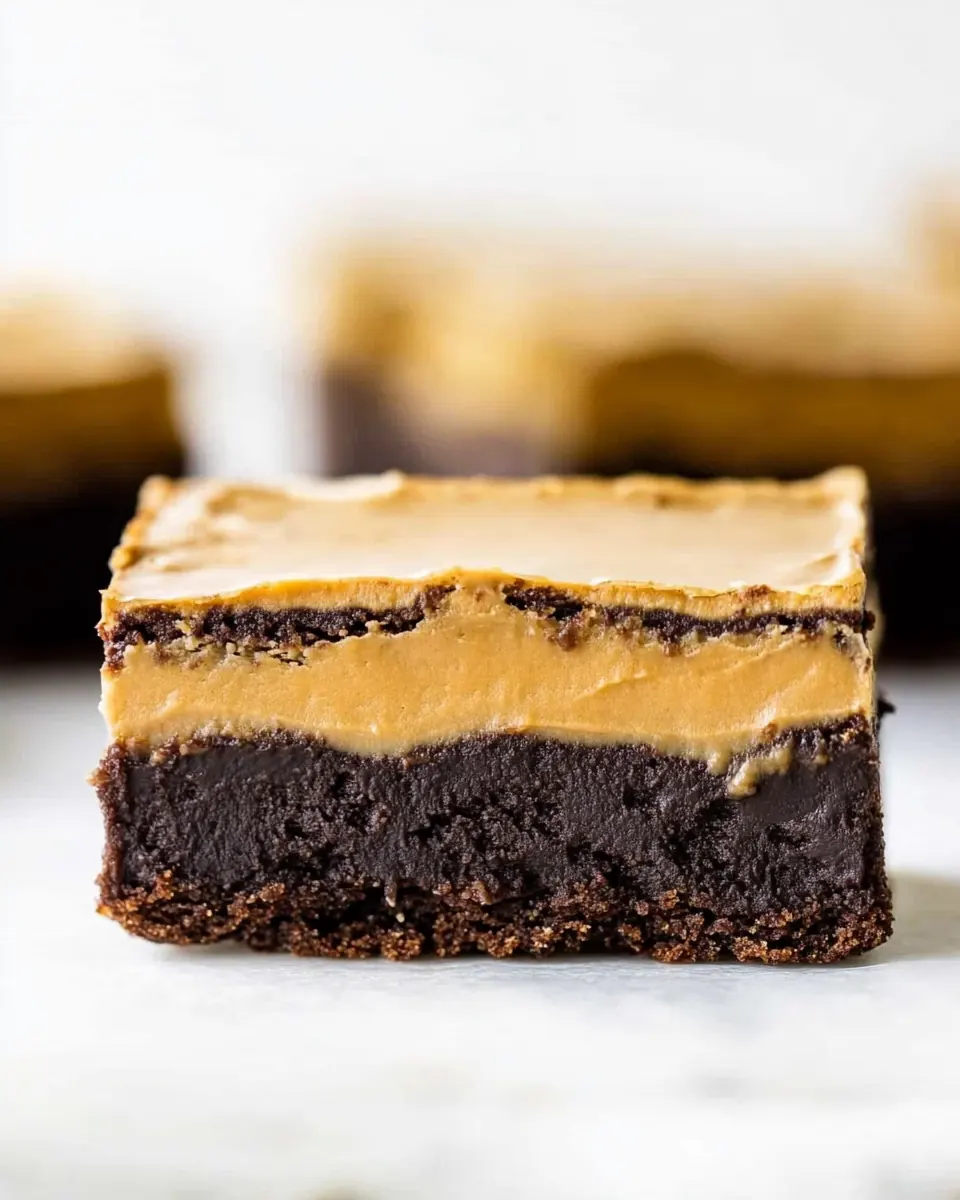
These ingredients form a simple, classic lineup built around three key players: the chocolate base, the peanut butter filling, and the shiny ganache. Each component has a job to do, with the dark chocolate and unsalted butter creating a deep, fudgy brownie, the creamy peanut butter providing a smooth, sweet center, and the combination of semi sweet chocolate chips and vegetable oil giving a glossy finish that slices neatly after chilling.
- 6 ounces dark chocolate, chopped: Melted and chopped to create a rich, glossy chocolate base that provides deep cocoa flavor and silky texture throughout the brownie batter. Enhances overall chocolate intensity and helps produce a fudgy crumb when combined with butter and sugar.
- 3/4 cup unsalted butter: Softened and combined with melted chocolate to add moisture, richness, and tender crumb to the brownies. Contributes fat that improves mouthfeel and helps dissolve sugars for a cohesive batter.
- 1 1/4 granulated sugar: Granulated sugar beaten with eggs to incorporate air for lift while sweetening the batter and contributing to the shiny crust. Balances bitterness from cocoa and chocolate and aids in browning through caramelization.
- 1/3 cup dark brown sugar, packed: Packed dark brown sugar folded into the batter or used to add a hint of molasses flavor and extra moisture for a chewier texture. Helps retain softness over time and deepens the overall taste profile.
- 3 large eggs, room temperature: Beaten at room temperature to emulsify fats and sugars, adding structure, moisture, and stability to the batter. Ensures even mixing and contributes to lift and a tender crumb when incorporated properly.
- 3/4 teaspoons salt: Measured to season the batter and enhance all other flavors while balancing sweetness and offsetting bitterness from cocoa. Helps control overall flavor profile and strengthens gluten structure when combined with salts in the recipe.
- 1 tablespoon cornstarch: Added as a slight binder and to soften the crumb by absorbing excess moisture, helping create a more tender, cake-like interior if needed. Works with other leaveners to stabilize the batter and prevent overly dense brownies.
- 1/4 teaspoon baking powder: Used in a small amount to provide gentle leavening that lifts the brownies slightly without creating a cake-like texture. Reacts with other ingredients to ensure a balanced rise and consistent texture.
- 1/4 cup cocoa powder: Incorporated to intensify chocolate flavor without adding extra fat, lending a concentrated cocoa note and darker color. Helps balance sweetness and contributes to the overall chocolate depth in the brownies.
- 1 cup all-purpose flour: Sifted into the batter to build structure while keeping texture tender; provides the bulk of the dry matrix that holds everything together. Combines with liquids and leaveners to produce the desired chew and density.
- 2 cups creamy peanut butter: Used to create the filling or topping component with a pronounced nutty, salty-sweet flavor and creamy texture. Provides richness and structure for the buckeye-style center when chilled or piped onto brownies.
- 1/3 cup unsalted butter, room temperature: Softened and mixed into the peanut butter filling to loosen the texture and add extra creaminess, making the filling easier to spread or pipe. Contributes additional fat for a smoother mouthfeel and balanced consistency.
- 1 1/2 teaspoon vanilla extract: Added to the filling to enhance aroma and round out flavors with a warm, sweet note; also helps loosen the peanut butter mixture slightly. Acts as a flavor enhancer that complements both chocolate and peanut profiles.
- 2 cups powdered sugar: Dusting of powdered sugar combined into the peanut butter filling to sweeten and thicken the mixture, creating a pipeable consistency for buckeye centers. Smooths texture and stabilizes the filling when chilled.
- 2 tablespoons milk: Used to adjust the texture of the filling to a spreadable consistency and to bind powdered sugar, creating a creamy, cohesive filling. Adds slight moisture to ensure the filling isn’t dry or too dense.
- 1 1/2 cups semi-sweet chocolate chips: Melted with oil to form a glossy chocolate coating for the peanut butter centers, providing a firm, shiny shell once cooled. Delivers semi–sweet chocolate flavor that balances the sweet filling and improves texture.
- 2 tablespoons vegetable oil: Blended into the melted chocolate to thin the coating slightly, improving flow and creating a smooth, shiny finish when dipping the peanut butter centers. Helps the chocolate set with a sturdier, more polished exterior.
Step by Step Instructions for Buckeye Brownies
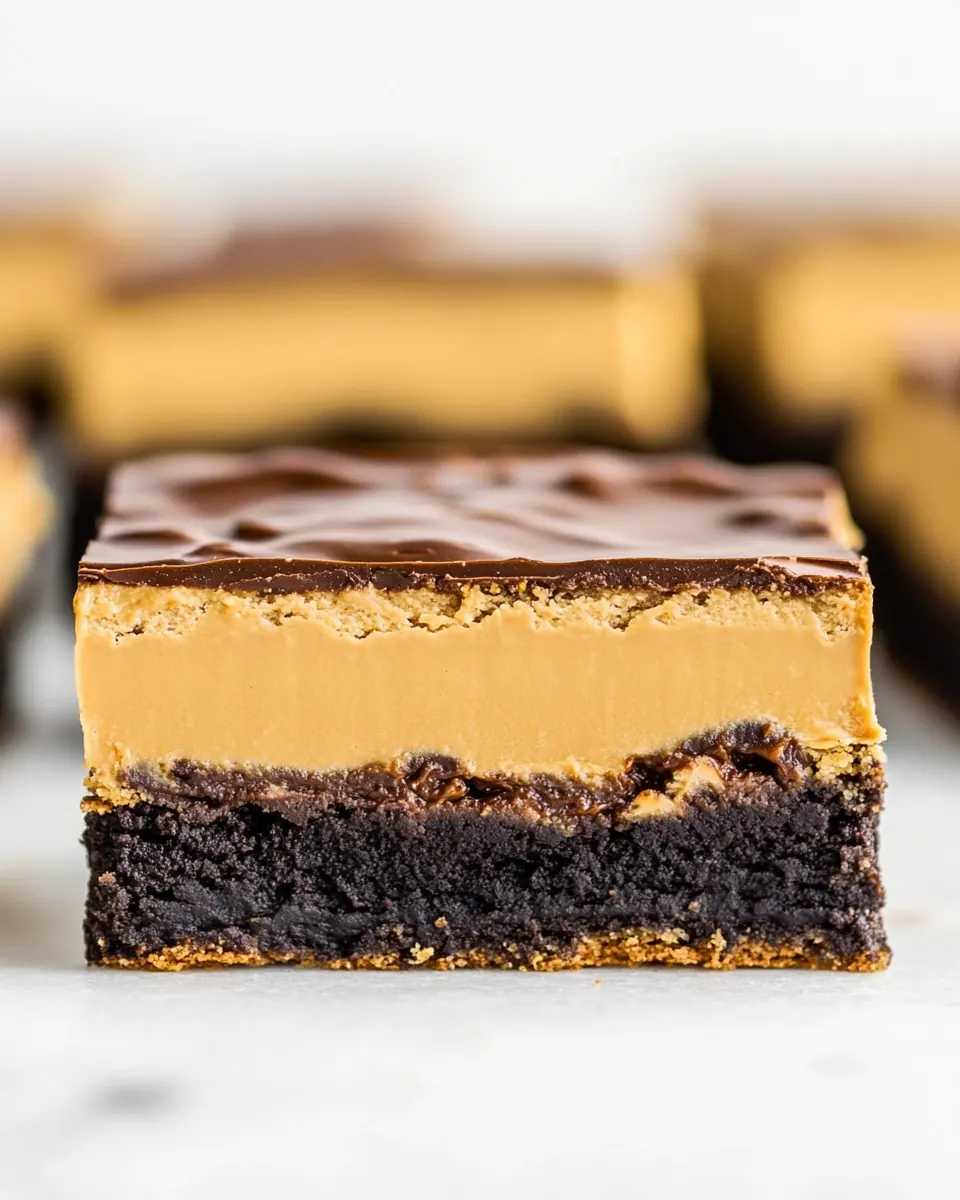
These directions guide you from melting to chilling, with attention to texture and timing so each layer behaves as intended. I like to move deliberately, prepping bowls and tools in advance to maintain a smooth workflow and to keep the heat consistent when melting chocolate.
- Preheat the oven to 350 degrees Fahrenheit. Grease a 9×13 pan and line with parchment paper leaving a 1-inch overhang on both sides.: As the oven warms you'll notice the room starting to feel warm, which helps set your timeline. Greasing and lining the pan prevents sticking and the parchment overhang creates handles, which makes lifting the finished bars simple and neat. This preparatory step matters because it keeps the edges from tearing when you remove the brownies, and it enables clean slicing after chilling. A common mistake is skipping the parchment which leads to broken edges when lifting, so take the extra two minutes now for flawless presentation.
- In a large bowl, melt 6 ounces dark chocolate, and 3/4 cup unsalted butter together in 30-second intervals. Once fully melted, stir in 1 1/4 granulated sugar, 1/3 cup dark brown sugar, and 3 large eggs.: You'll hear soft pops from the microwave as the chocolate softens, and when stirred the mixture should become glossy and smooth, signaling proper emulsion. Adding the sugars and eggs to warm chocolate creates a rich, velvety batter; the sugars dissolve into the warm fats and the eggs help bind and give structure. Stir fully so the eggs are incorporated without scrambling, the mixture should be warm not hot. A typical pitfall is overheating the chocolate which can seize, so heat in short bursts and stir between intervals to maintain control.
- In a medium bowl, sift together 3/4 teaspoon salt, 1 tablespoon cornstarch, 1/4 teaspoon baking powder, 1/4 cup cocoa powder, and 1 cup all-purpose flour. Add the dry ingredients to the wet and mix until combined.: Sifting creates a light, lump free blend that distributes the leavening and starch evenly, preserving the desired dense yet tender texture. When you fold the dry ingredients in, aim for a uniform batter with no streaks of flour; overmixing will develop gluten and make the brownie tough, while undermixing leaves pockets of dry ingredients. The batter should look shiny and slightly thick, not aerated. Avoid vigorous stirring which changes the texture; gentle folding until just combined is the key.
- Add the brownie batter to the prepared pan and smooth with a spatula. Bake for 40-45 minutes or until a toothpick comes out clean from the center.: Spreading the batter evenly ensures consistent baking and uniform thickness, which helps the center set at the same rate as the edges. During baking you'll notice a faint crackle on top and a deep chocolate aroma filling the kitchen, signs that the brownies are nearing readiness. Insert a toothpick in the center; it should come out with a few moist crumbs but not batter. A frequent error is baking too short, leaving a gummy center, so allow the full bake time and check carefully at the end.
- Let the brownies cool completely before adding the other layers.: Cooling allows the internal steam to dissipate and the crumb to firm up, preventing the filling from sinking in or becoming runny. I usually let the pan rest on a rack until it reaches room temperature, which makes spreading the peanut layer neater. Rushing this step leads to sliding layers and a messy top, so resist the urge to speed things up with a freezer blast which can create condensation.
- Add 2 cups creamy peanut butter and 1/3 cup unsalted butter to a large bowl and beat with a hand mixer until smooth.: When you beat the softened creamy peanut butter with unsalted butter , the texture transforms into a light, spreadable cream that holds shape. You'll hear the mixer hum and watch the mixture turn silkier, losing any separation. This initial creaming is essential for a cohesive filling that won't weep. If the mixture feels grainy, continue beating briefly; if it's too loose, chilling it slightly helps.
- Add 1 1/2 teaspoon vanilla extract, 2 cups powdered sugar, and 2 tablespoons milk and mix until combined and creamy.: Incorporating the powdered sugar thickens the filling while the milk adjusts spreadability, resulting in a smooth, pipeable consistency. The filling should be sweet and balanced, with the vanilla extract brightening flavors. If it becomes overly stiff, add a touch more milk; if too thin, add a little more powdered sugar. A common slip is adding liquid too quickly which makes the mixture runny, so add gradually and test texture as you go.
- Scoop or spoon the peanut butter mixture on top of the cooled brownies and use an offset spatula or knife to spread it evenly over the top, making it as smooth as you can.: The act of spreading is tactile and satisfying, you'll feel the resistance of the filling against the spatula and aim for a flat, even layer. Smooth edges and uniform thickness ensure the final ganache lays evenly, producing neat slices. If the filling is slightly warm it will smudge, so always make sure the brownie base is cool. A mistake here is piling too much filling in the center which creates uneven slices, so distribute it evenly from edge to edge.
- Place 1 1/2 cups semi-sweet chocolate chips and 2 tablespoons vegetable oil in a bowl and heat in the microwave at 20-second intervals, stirring until melted and smooth. It should be about 40-60 seconds total.: As you heat, stir frequently to achieve a glossy, lump free ganache; the vegetable oil helps thin and shine the melted chips. The mixture should look smooth and ribbon off the spoon, indicating proper temper and viscosity. Overheating can burn the chocolate and make it grainy, so short bursts and consistent stirring are essential. If you see steam, stop and stir, cooling slightly before continuing.
- Pour the ganache over the peanut butter topping and smooth. Place the pan in the fridge for at least 30 minutes to chill.: Pouring the warm ganache creates a reflective top that levels naturally, and smoothing once or twice ensures full coverage. Chilling firms the layers and produces clean slices, the ganache will set to a firm yet tender bite. Avoid leaving the pan at room temperature too long because the filling can soften and the top may not set correctly. A common error is slicing before fully chilled which yields messy, smudged bars.
- Once the ganache is set, remove it from the fridge and lift the brownies from the pan. Slice into pieces and serve.: When the ganache is firm, lift using the parchment overhang and transfer to a cutting surface. Use a sharp knife, warmed briefly under hot water and dried between cuts, for clean edges. You'll hear a quiet snap and see neat layers when you slice. Cutting too early causes crumbling and uneven squares, so ensure proper chilling for the best presentation.
Helpful Hints
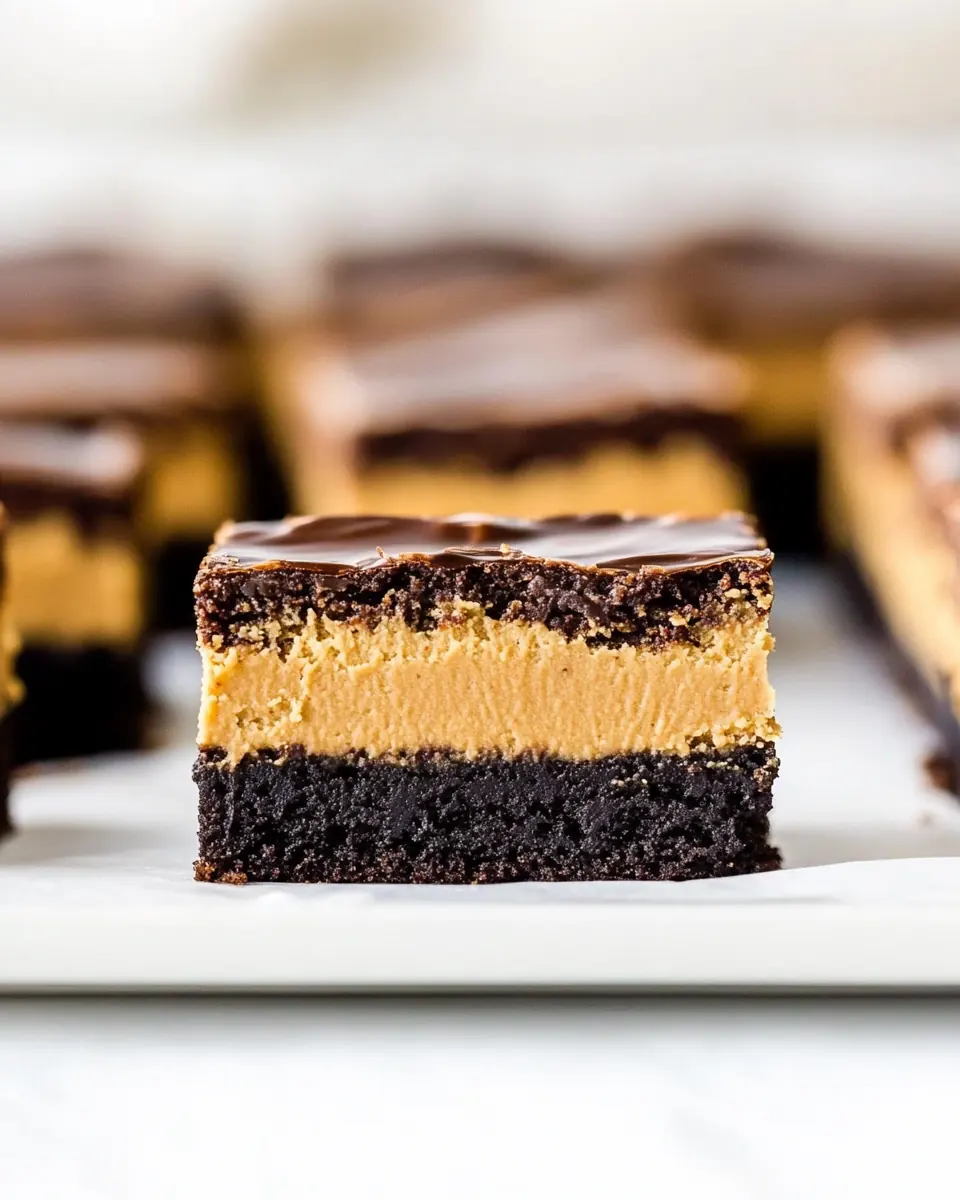
These hints collect small, practical moves that improve texture, flavor, and presentation. I rely on them to take the recipe from good to exceptional, and they save time when making multiple batches or scaling up for a crowd.
- Choose quality chocolate: Using a good quality dark chocolate for the brownie and decent semi sweet chocolate chips for the ganache makes a measurable difference in flavor. Higher cocoa content yields a richer taste, while mid range semi sweet offers balanced sweetness for the top.
- Temperature matters: Keep your eggs and softened butter at room temperature so they incorporate smoothly into the warm chocolate, preventing lumps or scrambling. This simple step makes the batter silkier and improves the final crumb.
- Short microwave bursts: Melt chocolate in 20 to 30 second intervals and stir between each to avoid overheating. This method preserves gloss and prevents grainy, seized chocolate which ruins texture.
- Even spreading: Use an offset spatula to smooth the peanut filling and ganache; it gives professional looking layers and helps the top set uniformly. Smooth layers also make slicing into perfect squares easier after chilling.
- Warm knife for neat slices: Run a sharp knife under hot water, dry it, and make quick, confident cuts. Wiping the blade between slices keeps edges clean without dragging ganache or filling.
- Store properly: Keep leftovers refrigerated in an airtight container for up to five days to maintain texture, or freeze slices between parchment for longer storage. Thaw in the fridge before serving for best mouthfeel.
How to Serve Buckeye Brownies
These bars are versatile and travel well, making them suitable for casual gatherings and special occasions alike. I often serve them chilled, cut into small squares, and arrange them on a platter with other sweets for variety. Their layered look makes them appealing for holiday trays as well as potlucks.
- Party platter: Arrange Buckeye Brownies in neat rows on a platter for easy grabbing during parties or potlucks. Their tidy layers and glossy top make them visually appealing in a dessert spread.
- Gift box: Wrap individual squares in parchment and place in a small box for a thoughtful homemade gift. Chilling first keeps them intact during transport, and the peanut chocolate combo is a crowd pleaser.
- Occasions: These work for birthdays, game day, holiday gatherings, and casual coffee meet ups. Their richness pairs well with strong coffee or a cold glass of milk, making them adaptable across events.
- Storage tips: Store in an airtight container in the refrigerator for up to five days. For longer storage, freeze single layers between parchment and thaw in the fridge before serving to maintain texture.
- Portioning: Cut into 24 small squares for dessert buffets or into larger bars for sharing. Using a warm, cleaned knife between cuts ensures tidy slices which is especially important for plated desserts.
FAQ
Conclusion
Buckeye Brownies stand out because they combine a deeply fudgy brownie base with a creamy peanut butter layer and a shiny chocolate top, creating a layered dessert that is both nostalgic and refined. I encourage you to give them a try because the technique is straightforward and the result is reliably crowd pleasing. Make a batch for your next gathering or gift them to a friend, and enjoy how quickly they disappear and how often you are asked for the recipe.
Buckeye Brownies
Ingredients
Equipment
Method
- Preheat the oven to 350 degrees Fahrenheit. Grease a 9×13 pan and line with parchment paper leaving a 1-inch overhang on both sides.: As the oven warms you'll notice the room starting to feel warm, which helps set your timeline. Greasing and lining the pan prevents sticking and the parchment overhang creates handles, which makes lifting the finished bars simple and neat. This preparatory step matters because it keeps the edges from tearing when you remove the brownies, and it enables clean slicing after chilling. A common mistake is skipping the parchment which leads to broken edges when lifting, so take the extra two minutes now for flawless presentation.
- In a large bowl, melt 6 ounces dark chocolate, and 3/4 cup unsalted butter together in 30-second intervals. Once fully melted, stir in 1 1/4 granulated sugar, 1/3 cup dark brown sugar, and 3 large eggs.: You'll hear soft pops from the microwave as the chocolate softens, and when stirred the mixture should become glossy and smooth, signaling proper emulsion. Adding the sugars and eggs to warm chocolate creates a rich, velvety batter; the sugars dissolve into the warm fats and the eggs help bind and give structure. Stir fully so the eggs are incorporated without scrambling, the mixture should be warm not hot. A typical pitfall is overheating the chocolate which can seize, so heat in short bursts and stir between intervals to maintain control.
- In a medium bowl, sift together 3/4 teaspoon salt, 1 tablespoon cornstarch, 1/4 teaspoon baking powder, 1/4 cup cocoa powder, and 1 cup all-purpose flour. Add the dry ingredients to the wet and mix until combined.: Sifting creates a light, lump free blend that distributes the leavening and starch evenly, preserving the desired dense yet tender texture. When you fold the dry ingredients in, aim for a uniform batter with no streaks of flour; overmixing will develop gluten and make the brownie tough, while undermixing leaves pockets of dry ingredients. The batter should look shiny and slightly thick, not aerated. Avoid vigorous stirring which changes the texture; gentle folding until just combined is the key.
- Add the brownie batter to the prepared pan and smooth with a spatula. Bake for 40-45 minutes or until a toothpick comes out clean from the center.: Spreading the batter evenly ensures consistent baking and uniform thickness, which helps the center set at the same rate as the edges. During baking you'll notice a faint crackle on top and a deep chocolate aroma filling the kitchen, signs that the brownies are nearing readiness. Insert a toothpick in the center; it should come out with a few moist crumbs but not batter. A frequent error is baking too short, leaving a gummy center, so allow the full bake time and check carefully at the end.
- Let the brownies cool completely before adding the other layers.: Cooling allows the internal steam to dissipate and the crumb to firm up, preventing the filling from sinking in or becoming runny. I usually let the pan rest on a rack until it reaches room temperature, which makes spreading the peanut layer neater. Rushing this step leads to sliding layers and a messy top, so resist the urge to speed things up with a freezer blast which can create condensation.
- Add 2 cups creamy peanut butter and 1/3 cup unsalted butter to a large bowl and beat with a hand mixer until smooth.: When you beat the softened creamy peanut butter with unsalted butter , the texture transforms into a light, spreadable cream that holds shape. You'll hear the mixer hum and watch the mixture turn silkier, losing any separation. This initial creaming is essential for a cohesive filling that won't weep. If the mixture feels grainy, continue beating briefly; if it's too loose, chilling it slightly helps.
- Add 1 1/2 teaspoon vanilla extract, 2 cups powdered sugar, and 2 tablespoons milk and mix until combined and creamy.: Incorporating the powdered sugar thickens the filling while the milk adjusts spreadability, resulting in a smooth, pipeable consistency. The filling should be sweet and balanced, with the vanilla extract brightening flavors. If it becomes overly stiff, add a touch more milk; if too thin, add a little more powdered sugar. A common slip is adding liquid too quickly which makes the mixture runny, so add gradually and test texture as you go.
- Scoop or spoon the peanut butter mixture on top of the cooled brownies and use an offset spatula or knife to spread it evenly over the top, making it as smooth as you can.: The act of spreading is tactile and satisfying, you'll feel the resistance of the filling against the spatula and aim for a flat, even layer. Smooth edges and uniform thickness ensure the final ganache lays evenly, producing neat slices. If the filling is slightly warm it will smudge, so always make sure the brownie base is cool. A mistake here is piling too much filling in the center which creates uneven slices, so distribute it evenly from edge to edge.
- Place 1 1/2 cups semi-sweet chocolate chips and 2 tablespoons vegetable oil in a bowl and heat in the microwave at 20-second intervals, stirring until melted and smooth. It should be about 40-60 seconds total.: As you heat, stir frequently to achieve a glossy, lump free ganache; the vegetable oil helps thin and shine the melted chips. The mixture should look smooth and ribbon off the spoon, indicating proper temper and viscosity. Overheating can burn the chocolate and make it grainy, so short bursts and consistent stirring are essential. If you see steam, stop and stir, cooling slightly before continuing.
- Pour the ganache over the peanut butter topping and smooth. Place the pan in the fridge for at least 30 minutes to chill.: Pouring the warm ganache creates a reflective top that levels naturally, and smoothing once or twice ensures full coverage. Chilling firms the layers and produces clean slices, the ganache will set to a firm yet tender bite. Avoid leaving the pan at room temperature too long because the filling can soften and the top may not set correctly. A common error is slicing before fully chilled which yields messy, smudged bars.
- Once the ganache is set, remove it from the fridge and lift the brownies from the pan. Slice into pieces and serve.: When the ganache is firm, lift using the parchment overhang and transfer to a cutting surface. Use a sharp knife, warmed briefly under hot water and dried between cuts, for clean edges. You'll hear a quiet snap and see neat layers when you slice. Cutting too early causes crumbling and uneven squares, so ensure proper chilling for the best presentation.
Notes
- Choose quality chocolate: Using a good quality dark chocolate for the brownie and decent semi sweet chocolate chips for the ganache makes a measurable difference in flavor. Higher cocoa content yields a richer taste, while mid range semi sweet offers balanced sweetness for the top.
- Temperature matters: Keep your eggs and softened butter at room temperature so they incorporate smoothly into the warm chocolate, preventing lumps or scrambling. This simple step makes the batter silkier and improves the final crumb.
- Short microwave bursts: Melt chocolate in 20 to 30 second intervals and stir between each to avoid overheating. This method preserves gloss and prevents grainy, seized chocolate which ruins texture.
- Even spreading: Use an offset spatula to smooth the peanut filling and ganache; it gives professional looking layers and helps the top set uniformly. Smooth layers also make slicing into perfect squares easier after chilling.
- Warm knife for neat slices: Run a sharp knife under hot water, dry it, and make quick, confident cuts. Wiping the blade between slices keeps edges clean without dragging ganache or filling.
- Store properly: Keep leftovers refrigerated in an airtight container for up to five days to maintain texture, or freeze slices between parchment for longer storage. Thaw in the fridge before serving for best mouthfeel.