Classic New Orleans Beignets
Classic New Orleans Beignets have a way of transporting me back to sticky summer mornings in a small kitchen where flour dusted every surface and laughter bubbled like the oil in the pan. I remember the first time I made them from scratch, nervously proofing yeast while my grandfather told stories about late night café visits, and that memory is why these beignets mean so much to me. The scent of warm yeast, the feel of a soft, yielding dough under my palms, and the hush that came over the room when we bit into sugar dusted pillows are moments I still chase.
Making Classic New Orleans Beignets became a ritual, not an obligation. I learned to trust the dough, to give it time, and to move slowly when frying so the outside hits perfect golden without burning the inside. Over time I adjusted small things, like the temperature I keep the oil at, and how I roll the dough so each piece puffs just right. Friends often ask for the recipe, but more than that they ask for the story that comes with it.
There is something deeply comforting about making treats that require patience, because that patience pays back in crisp edges, tender centers, and clouds of confectioners sugar that cling to fingers and smiles. Sharing Classic New Orleans Beignets has become my favorite way to welcome people, because nothing says hospitality like hot, sugared dough served straight from the fryer. As you read on, I hope you find that same warmth, and that you feel confident giving these beignets the time and care they deserve.
Recipe Snapshot
45 mins
30 mins
15 mins
Hard
300 kcal
American
Gluten-Free, Low FODMAP
Desserts
Deep-fryer or skillet with oil
Why This Classic New Orleans Beignets Is So Good
Irresistible Texture Contrast
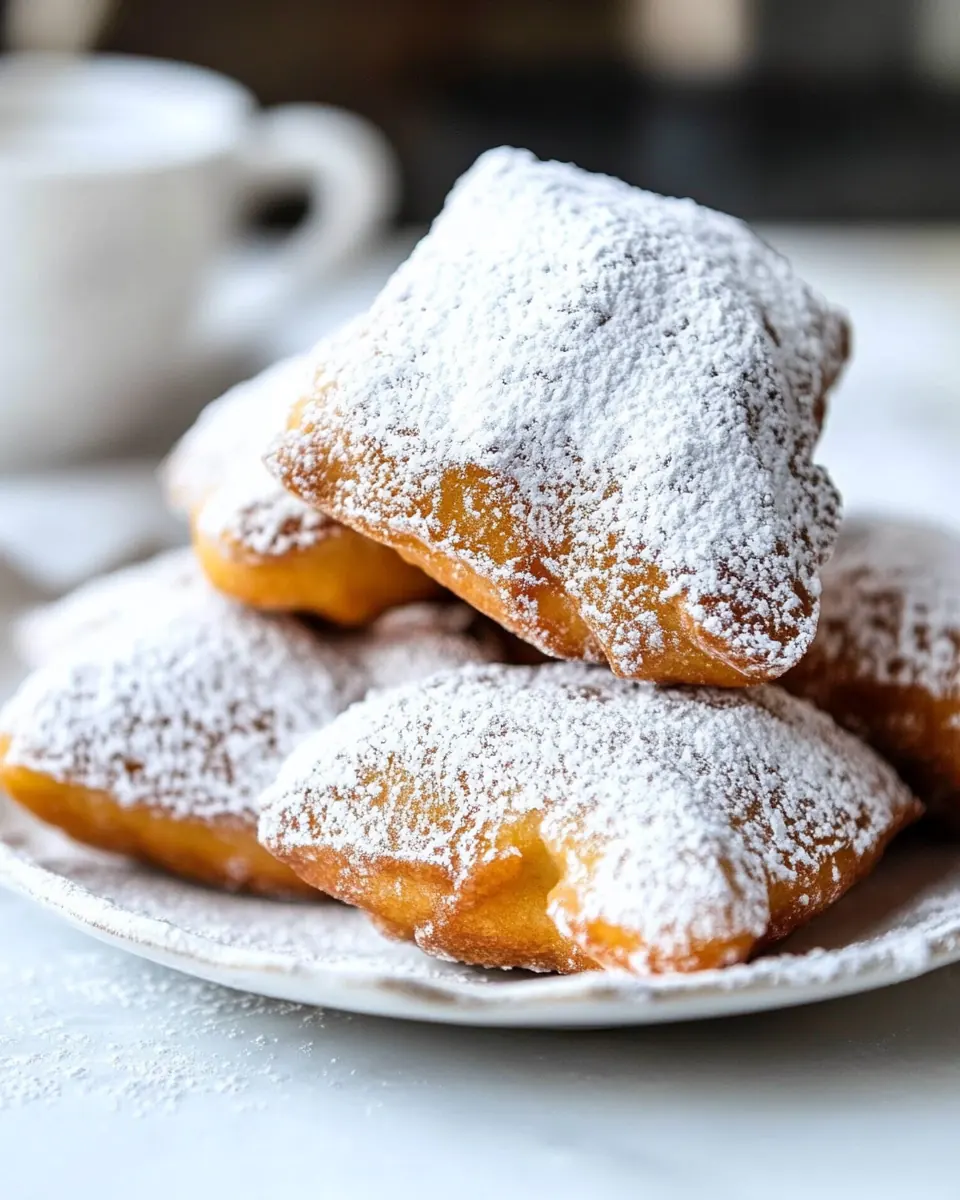
I love how Classic New Orleans Beignets deliver a crisp, golden exterior that gives way to a pillowy, airy interior. The contrast is what keeps me coming back, because each bite offers both crunch and tenderness. I aim for that light crumb by using a high proportion of bread flour and proper kneading time, which builds the gluten structure so the beignets puff properly.
Simple Pantry Ingredients
You only need a few straightforward items to make these sing, and I appreciate recipes that don’t require exotic shopping trips. With everyday items like flour, sugar, and vegetable oil, you can create a dessert that tastes indulgent yet familiar. That accessibility makes this a go to for last minute gatherings or weekend treats.
Flexible Timing
One of the reasons I adore this recipe is its forgiving schedule. You can let the dough rise for the recommended time, or prepare it the night before for a slow, cool fermentation that deepens flavor. I often refrigerate the dough overnight when I know I will be busy the next morning, and it still produces wonderfully light beignets.
Shareable and Festive
Classic New Orleans Beignets are inherently social. They invite people to gather around a pan of hot oil and share stories while waiting for the next batch. I find they make any occasion feel celebratory, whether it is a brunch with friends or a relaxed family dessert.
Visually Charming
These beignets look as good as they taste. The generous dusting of confectioners sugar makes them picture perfect, and they photograph beautifully for social feeds and food journals. I like to think that the little sugar clouds add personality to every serving.
Classic New Orleans Beignets Ingredients
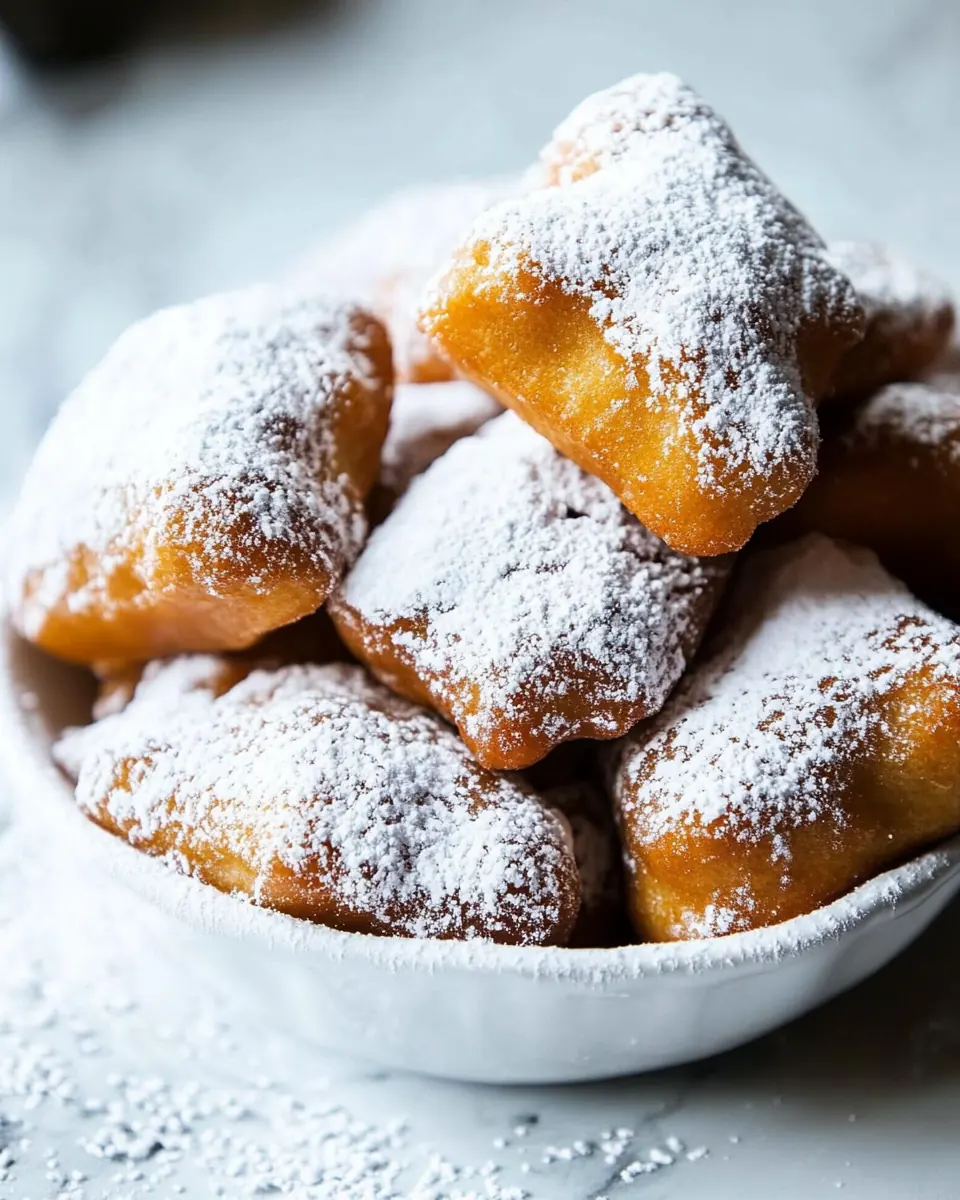
These ingredients form a simple, time tested foundation that produces airy, tender beignets. The key players include yeast for lift, bread flour for structure, and a fat like shortening to tenderize. Together they create dough that fries up light and golden while holding pockets of steam that make each piece puff beautifully.
- 1 1/2 cups warm water 105° to 110°F: Hydrate and activate the yeast and sugar mixture by providing warm water at 105° to 110°F to encourage proper fermentation and dough rise. Maintain precise temperature to avoid killing yeast while ensuring efficient proofing. Use as the initial liquid to combine with dry ingredients for a light, airy beignet texture.
- 1/2 cup sugar: Provide sweetness and food for the yeast while contributing to browning and flavor in the final beignets. Dissolve into the warm water so it evenly distributes and helps create an open crumb. Adjusts caramelization during frying for appealing color and taste.
- 2 1/4 teaspoon yeast: Leaven the dough by introducing carbon dioxide during proofing when dissolved in warm water, producing the signature light, pillowy interior of beignets. Measure accurately to balance rise speed with dough structure. Activate together with sugar to ensure predictable fermentation.
- 2 eggs slightly beaten: Enrich the dough with fat and structure by slightly beaten eggs, adding moisture, tenderness, and binding properties for a smooth, pliable dough. Incorporate at room temperature to help emulsify fats and liquids, improving dough handling and final crumb. Contributes subtle flavor and color to beignets.
- 1 1/4 teaspoons salt: Season the dough and regulate yeast activity with salt, enhancing overall flavor while strengthening gluten structure for better dough elasticity. Add with dry ingredients to ensure even distribution and controlled yeast performance. Balances sweetness and helps define the beignet's savory-sweet profile.
- 1 cup evaporated milk: Add richness and a slightly caramelized milk flavor to the dough and contribute to tenderness by providing fat and solids. Warm or room-temperature evaporated milk blends smoothly into the dough, improving moisture retention and shelf stability. Helps produce a softer, more flavorful beignet interior.
- 6 1/2 cups bread flour: Build the main structure and provide necessary gluten for chew and rise by using bread flour, which offers higher protein for strong dough development. Measure and sift if needed to ensure uniform hydration and to avoid dense spots. Supplies bulk and texture essential for classic New Orleans beignets.
- 1/4 cup shortening: Shortening contributes concentrated fat to tenderize the dough, improving flakiness and keeping beignets soft after frying. Cut or incorporate until evenly distributed to create small fat pockets that steam during frying for a lighter crumb. Use at proper temperature to ensure consistent dough texture.
- Baking spray or softened butter (for greasing the pan): Grease pans or proofing surfaces lightly with baking spray or softened butter to prevent sticking and allow dough to expand without tearing. Apply a thin, even layer to maintain dough shape during rises and transfers to the fryer. Provides a nonstick barrier while adding slight flavor if using butter.
- Vegetable oil for frying: Provide the deep-frying medium with a neutral flavor and high smoke point so beignets cook quickly and evenly to a golden brown. Maintain proper oil temperature to avoid greasy or undercooked interiors and to achieve crisp exteriors. Use a sufficient amount to allow dough pieces to float and expand.
- 3 cups confectioners sugar: Coat and dust finished beignets generously with confectioners sugar to add sweetness, a delicate texture, and the classic appearance associated with New Orleans beignets. Sift before use to avoid lumps and apply after frying while pastries are warm for best adhesion. Enhances perceived sweetness without altering interior moisture.
Instructions for Classic New Orleans Beignets
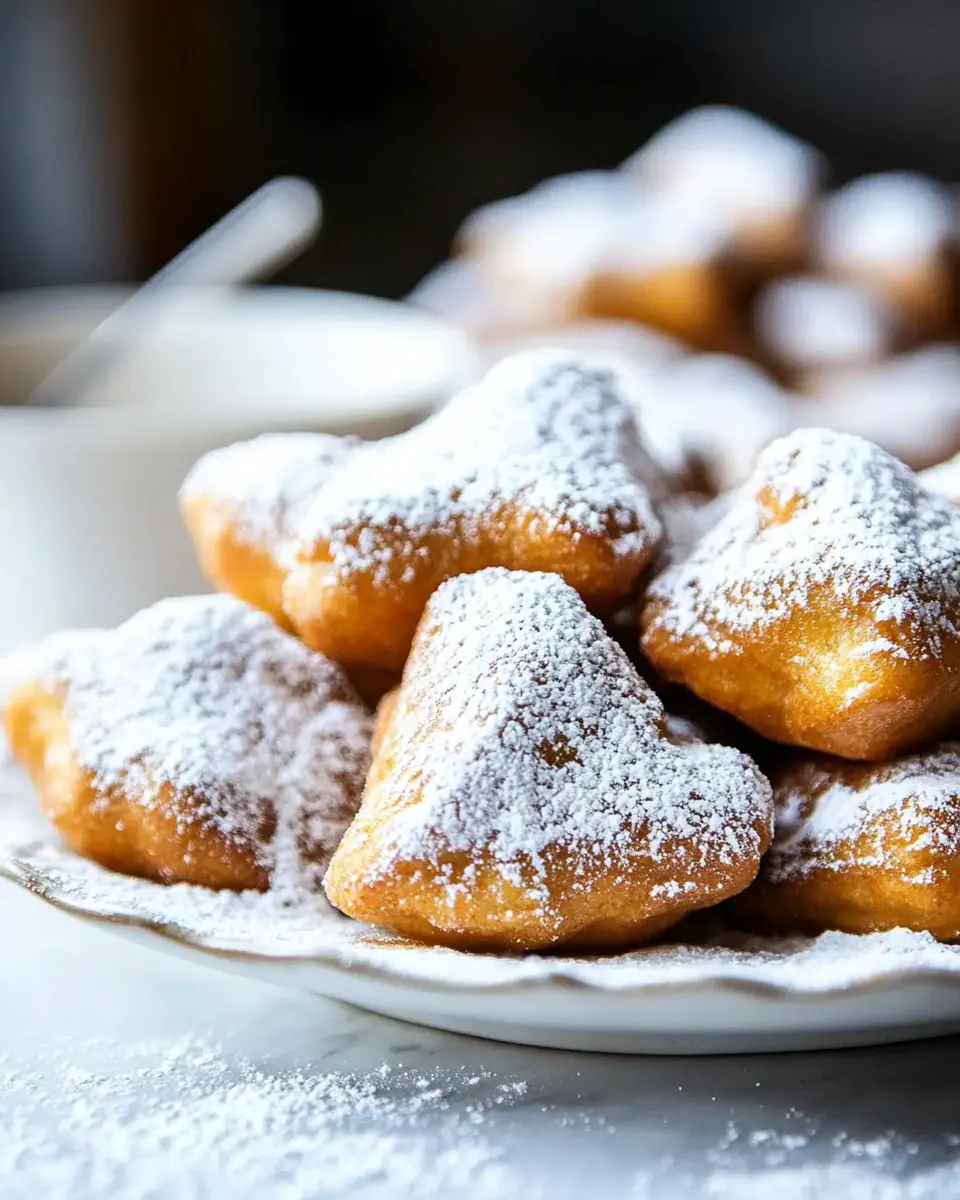
These directions will guide you through mixing, rising, and frying so you get consistent, tender beignets. I wrote them to be conversational and detailed so you can rely on sensory cues as much as timings. Take your time with each stage and enjoy the process; the dough rewards patience.
- Add water, sugar, and yeast to a large bowl and let sit for 10 minutes. Gently whisk to combine. (Using the large bowl of your stand mixer works well). 1 1/2 cups warm water, 1/2 cup sugar, 2 1/4 teaspoon yeast: As the mixture rests you should notice small bubbles forming and a slightly frothy surface, which means the yeast is active and ready. The aroma becomes faintly yeasty and sweet, signaling good fermentation. If you see no bubbles after 10 minutes, your yeast may be inactive, which will lead to dense beignets, so discard and start again. Keep the bowl in a warm spot, away from drafts, because cool air will slow activation and lengthen rising time.
- In another bowl, blend together the eggs, salt, and evaporated milk until incorporated. 2 eggs, 1 1/4 teaspoon salt, 1 cup evaporated milk: The mixture should look uniform and slightly glossy, with the eggs fully mixed into the creamy evaporated milk , and the salt evenly dispersed. You will notice a richer color and a smooth texture. If the blend seems curdled, let ingredients come to room temperature before combining, because cold dairy can cause separation which affects dough consistency.
- With the blender on medium, slowly add the egg mixture to the yeast mixture.: As you pour, the batter will thin then begin to thicken once flour is introduced, giving off a sweet, bready scent from the activated yeast . The gentle blending helps incorporate air and ensures even distribution. Avoid adding the eggs too quickly, because that can shock the yeast and lead to uneven fermentation, producing inconsistent rise.
- In two separate bowls, measure out the bread flour, 3 cups in 1, and 3 cups in another. 6 1/2 cups bread flour: Dividing the bread flour helps with staged additions so the dough comes together gradually. You will see a shaggy mixture at first that becomes smoother with each addition. If you add all the flour at once, the dough can become tough and hard to knead, so keep the staged approach for better texture.
- With the dough attachment, add 3 cups of the flour to the yeast mixture and mix to combine.: The texture will change from sticky and loose to a more cohesive mass that pulls away from the bowl, and the smell becomes more bready. This step starts gluten formation, which is important for trapping the gases that create the airy interior. Mixing too long at this stage can over develop gluten, making the beignets chewier than desired.
- Add the shortening and continue to mix while adding the remaining flour, adding more flour if the dough is too wet. 1/4 cup shortening: The dough will become smoother and more elastic as the shortening is incorporated; it adds tenderness and helps the beignets brown evenly during frying. If the dough seems too wet, add small amounts of the remaining flour until it holds its shape. Overdoing flour here will make the final pastry heavy, so add cautiously.
- Remove dough from the bowl and place it on a lightly floured surface.: As you transfer the dough, it should feel soft and slightly tacky but not sticky, and it will spring back slightly when poked. This tactile cue tells you the dough has enough hydration to be airy while still manageable. If it clings excessively to your hands, dust them lightly with flour, but avoid adding too much, which can dry the dough out.
- Knead until smooth. About 5 to 7 minutes.: While kneading the aroma evolves into a warm, wheaty scent and the dough becomes elastic and satiny; this usually takes about 5 to 7 minutes. Proper kneading develops the gluten network, which allows the beignets to puff and hold air pockets. A common mistake is under kneading, which yields dense beignets, or over kneading, which makes them tough, so aim for that smooth, elastic feel.
- Spray a large bowl with non-stick spray. Baking spray: Prepare the resting vessel so the dough can expand without sticking to the sides; the bowl should look evenly coated and dry to the touch. This prevents tearing when you remove the dough after rising. If you skip greasing, you risk ripping the dough when you try to lift it, damaging the delicate structure you've built.
- Put dough into the bowl and cover with a kitchen towel.: Covered dough will hold warmth and humidity, producing a gentle rise; you should see it begin to puff and soften within the first hour. The towel keeps a light barrier while allowing some breathability. Avoid sealing it tightly, which can create excess moisture and a soggy surface.
- Let rise for 90 minutes to 2 hours, or overnight (refrigerated).: During this rest the dough will roughly double in size, becoming airy and fragrant, a sure sign of good fermentation. If you refrigerate overnight, the flavor deepens and the texture improves, but allow it to come to room temperature before rolling. Rising less than recommended often results in dense, underproofed beignets.
- Pre-heat oil in a deep-fryer (or skillet) to 350°F. Vegetable oil: The oil should shimmer slightly and form gentle ripples when a small bit of dough is added; maintaining a steady 350°F is crucial so the beignets cook through without burning. Use a thermometer to avoid temperature swings, because oil that is too hot will brown the exterior quickly while leaving the interior raw, and oil that is too cool will make them greasy.
- Roll the dough out to a large, 1/4-inch thick rectangle.: The surface should feel smooth, and the dough should hold its shape without springing back aggressively. A thin, even thickness ensures consistent puffing and frying. Rolling too thin produces overly crisp beignets while rolling too thick can prevent thorough frying, leaving doughy centers.
- Cut into 2-inch x 1-inch rectangles.: Each piece should be uniform so they cook evenly and puff similarly; they will look like small pillows waiting to rise further. Consistent sizing prevents some pieces from overcooking while others remain underdone. Irregular pieces will lead to uneven frying and inconsistent texture across the batch.
- Deep-fry, flipping constantly until they become nice and golden.: As they fry you will hear gentle bubbling and see the surface turn a beautiful golden brown while the interior steams and expands; flipping helps both sides color evenly. Use tongs or a slotted spoon to turn them carefully so they do not deflate. Frying too long will make them hard and overly browned, so watch for that perfect golden cue.
- Drain on paper towels.: After frying, the beignets should rest briefly on absorbent paper to remove excess vegetable oil , resulting in a lighter final texture. They will continue to puff slightly as they rest and release a whisper of steam. Skipping this step leaves them oilier and less pleasant to eat.
- Toss in a paper bag with confectioner's sugar. 3 cups confectioners sugar: The warm beignets will pick up the confectioners sugar quickly, yielding an even, snowy coating that clings to the surface and fills crevices. Toss gently to avoid deflating them, and serve immediately for best texture. If you wait too long the sugar can dissolve into the pastry and lose its signature powdery appearance.
Change It Up
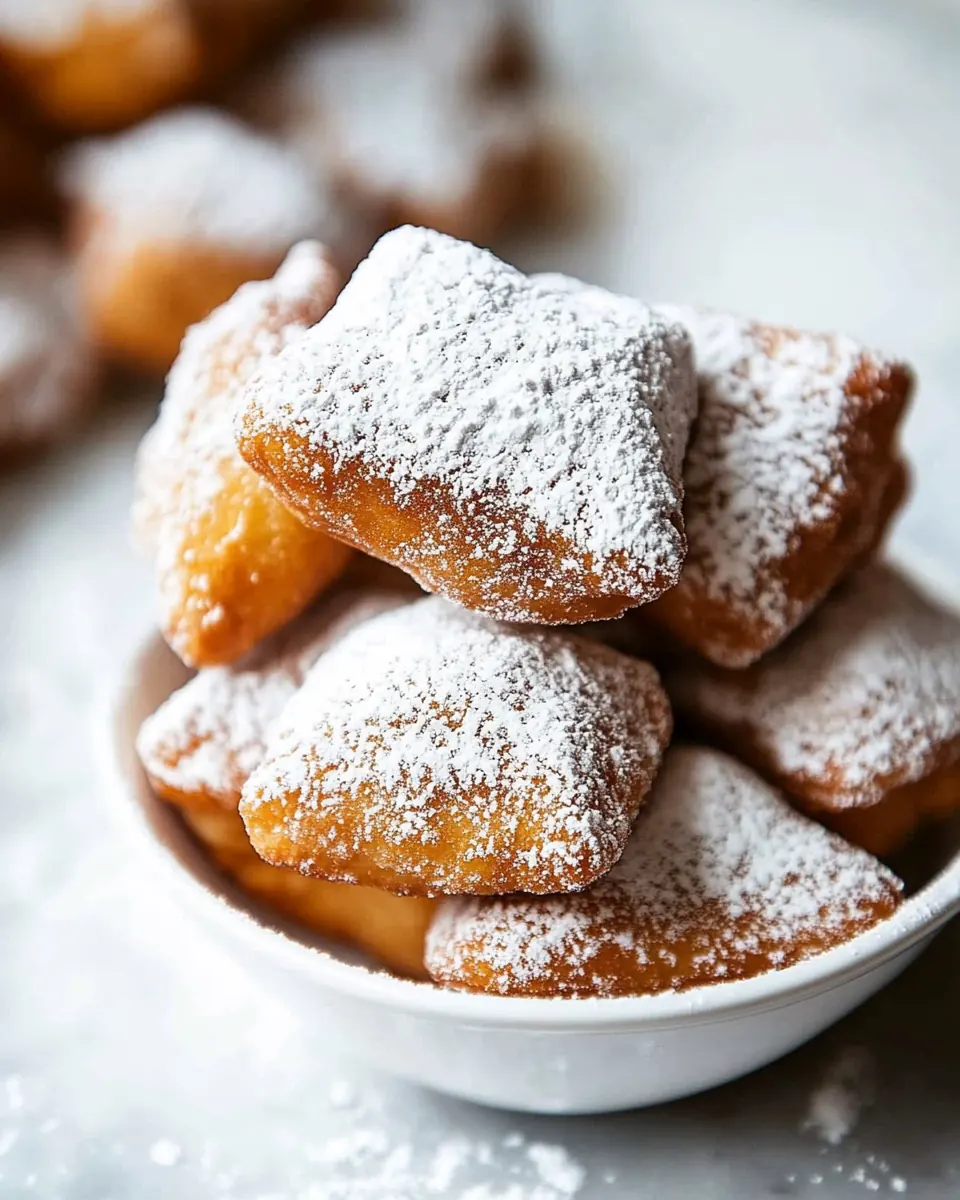
These tips will help you adapt and refine Classic New Orleans Beignets whether you are short on time or aiming for a show stopping presentation. Small adjustments make a big difference in texture, flavor, and ease of execution.
- Warm the liquids: Bringing the evaporated milk and water to a similar warm temperature helps the dough come together more smoothly and avoids shocking the yeast.
- Use a stand mixer: Mixing with a dough hook saves effort and ensures even gluten development, especially when incorporating the full amount of bread flour.
- Control oil temperature: Maintain a steady 350°F and monitor with a thermometer to prevent greasy or burnt beignets.
- Try overnight fermentation: Refrigerate the dough for deeper flavor and improved texture, then allow it to relax before shaping.
- Dust generously: Tossing beignets in a paper bag with confectioners sugar produces a more even, dramatic coating than sifting by hand.
- Batch small: Fry in small batches to avoid overcrowding the fryer which causes temperature drops and uneven cooking.
Serving Ideas for Classic New Orleans Beignets
Classic New Orleans Beignets shine when served fresh and hot, and small touches make the experience memorable. Below are ideas for occasions, pairings, and practical storage notes to help you present them beautifully and keep leftovers tasty.
- Morning brunch pairing: Serve warm beignets with hot coffee or chicory for a traditional New Orleans feel, and place extra confectioners sugar for guests to re dust as they like.
- Casual dessert: Lay out a tray of Classic New Orleans Beignets after a relaxed dinner, pairing them with fresh fruit to balance the sweet, pillowy pastries.
- Special occasions: These beignets add charm to celebrations like birthdays or family gatherings; serve them on a communal platter so guests can grab them hot from the kitchen.
- Ramadan and holiday serving: Because they are shareable and festive, beignets work well as an iftar treat or celebratory sweet after fasting, offering comforting warmth and quick energy.
- Storage tips: Keep leftover beignets in an airtight container for up to three days; to revive them, warm briefly in an oven to regain slight crispness before dusting with extra confectioners sugar.
- Seasonal variations: In colder months, serve beignets with a warm spiced coffee, while in spring or summer consider light fruit sides to contrast the rich fried pastry.
FAQ
Conclusion
What makes this recipe special is the balance of crisp outer shells and soft, airy centers that define authentic beignets. I encourage you to try the method and give the dough the time it needs, because patience yields the lightest, most delicious results. Share them hot, sprinkle generously with confectioners sugar, and enjoy the smiles they bring around your table.
Classic New Orleans Beignets
Ingredients
Equipment
Method
- Add water, sugar, and yeast to a large bowl and let sit for 10 minutes. Gently whisk to combine. (Using the large bowl of your stand mixer works well). 1 1/2 cups warm water, 1/2 cup sugar, 2 1/4 teaspoon yeast: As the mixture rests you should notice small bubbles forming and a slightly frothy surface, which means the yeast is active and ready. The aroma becomes faintly yeasty and sweet, signaling good fermentation. If you see no bubbles after 10 minutes, your yeast may be inactive, which will lead to dense beignets, so discard and start again. Keep the bowl in a warm spot, away from drafts, because cool air will slow activation and lengthen rising time.
- In another bowl, blend together the eggs, salt, and evaporated milk until incorporated. 2 eggs, 1 1/4 teaspoon salt, 1 cup evaporated milk: The mixture should look uniform and slightly glossy, with the eggs fully mixed into the creamy evaporated milk , and the salt evenly dispersed. You will notice a richer color and a smooth texture. If the blend seems curdled, let ingredients come to room temperature before combining, because cold dairy can cause separation which affects dough consistency.
- With the blender on medium, slowly add the egg mixture to the yeast mixture.: As you pour, the batter will thin then begin to thicken once flour is introduced, giving off a sweet, bready scent from the activated yeast . The gentle blending helps incorporate air and ensures even distribution. Avoid adding the eggs too quickly, because that can shock the yeast and lead to uneven fermentation, producing inconsistent rise.
- In two separate bowls, measure out the bread flour, 3 cups in 1, and 3 cups in another. 6 1/2 cups bread flour: Dividing the bread flour helps with staged additions so the dough comes together gradually. You will see a shaggy mixture at first that becomes smoother with each addition. If you add all the flour at once, the dough can become tough and hard to knead, so keep the staged approach for better texture.
- With the dough attachment, add 3 cups of the flour to the yeast mixture and mix to combine.: The texture will change from sticky and loose to a more cohesive mass that pulls away from the bowl, and the smell becomes more bready. This step starts gluten formation, which is important for trapping the gases that create the airy interior. Mixing too long at this stage can over develop gluten, making the beignets chewier than desired.
- Add the shortening and continue to mix while adding the remaining flour, adding more flour if the dough is too wet. 1/4 cup shortening: The dough will become smoother and more elastic as the shortening is incorporated; it adds tenderness and helps the beignets brown evenly during frying. If the dough seems too wet, add small amounts of the remaining flour until it holds its shape. Overdoing flour here will make the final pastry heavy, so add cautiously.
- Remove dough from the bowl and place it on a lightly floured surface.: As you transfer the dough, it should feel soft and slightly tacky but not sticky, and it will spring back slightly when poked. This tactile cue tells you the dough has enough hydration to be airy while still manageable. If it clings excessively to your hands, dust them lightly with flour, but avoid adding too much, which can dry the dough out.
- Knead until smooth. About 5 to 7 minutes.: While kneading the aroma evolves into a warm, wheaty scent and the dough becomes elastic and satiny; this usually takes about 5 to 7 minutes. Proper kneading develops the gluten network, which allows the beignets to puff and hold air pockets. A common mistake is under kneading, which yields dense beignets, or over kneading, which makes them tough, so aim for that smooth, elastic feel.
- Spray a large bowl with non-stick spray. Baking spray: Prepare the resting vessel so the dough can expand without sticking to the sides; the bowl should look evenly coated and dry to the touch. This prevents tearing when you remove the dough after rising. If you skip greasing, you risk ripping the dough when you try to lift it, damaging the delicate structure you've built.
- Put dough into the bowl and cover with a kitchen towel.: Covered dough will hold warmth and humidity, producing a gentle rise; you should see it begin to puff and soften within the first hour. The towel keeps a light barrier while allowing some breathability. Avoid sealing it tightly, which can create excess moisture and a soggy surface.
- Let rise for 90 minutes to 2 hours, or overnight (refrigerated).: During this rest the dough will roughly double in size, becoming airy and fragrant, a sure sign of good fermentation. If you refrigerate overnight, the flavor deepens and the texture improves, but allow it to come to room temperature before rolling. Rising less than recommended often results in dense, underproofed beignets.
- Pre-heat oil in a deep-fryer (or skillet) to 350°F. Vegetable oil: The oil should shimmer slightly and form gentle ripples when a small bit of dough is added; maintaining a steady 350°F is crucial so the beignets cook through without burning. Use a thermometer to avoid temperature swings, because oil that is too hot will brown the exterior quickly while leaving the interior raw, and oil that is too cool will make them greasy.
- Roll the dough out to a large, 1/4-inch thick rectangle.: The surface should feel smooth, and the dough should hold its shape without springing back aggressively. A thin, even thickness ensures consistent puffing and frying. Rolling too thin produces overly crisp beignets while rolling too thick can prevent thorough frying, leaving doughy centers.
- Cut into 2-inch x 1-inch rectangles.: Each piece should be uniform so they cook evenly and puff similarly; they will look like small pillows waiting to rise further. Consistent sizing prevents some pieces from overcooking while others remain underdone. Irregular pieces will lead to uneven frying and inconsistent texture across the batch.
- Deep-fry, flipping constantly until they become nice and golden.: As they fry you will hear gentle bubbling and see the surface turn a beautiful golden brown while the interior steams and expands; flipping helps both sides color evenly. Use tongs or a slotted spoon to turn them carefully so they do not deflate. Frying too long will make them hard and overly browned, so watch for that perfect golden cue.
- Drain on paper towels.: After frying, the beignets should rest briefly on absorbent paper to remove excess vegetable oil , resulting in a lighter final texture. They will continue to puff slightly as they rest and release a whisper of steam. Skipping this step leaves them oilier and less pleasant to eat.
- Toss in a paper bag with confectioner's sugar. 3 cups confectioners sugar: The warm beignets will pick up the confectioners sugar quickly, yielding an even, snowy coating that clings to the surface and fills crevices. Toss gently to avoid deflating them, and serve immediately for best texture. If you wait too long the sugar can dissolve into the pastry and lose its signature powdery appearance.
Notes
- Warm the liquids: Bringing the evaporated milk and water to a similar warm temperature helps the dough come together more smoothly and avoids shocking the yeast.
- Use a stand mixer: Mixing with a dough hook saves effort and ensures even gluten development, especially when incorporating the full amount of bread flour.
- Control oil temperature: Maintain a steady 350°F and monitor with a thermometer to prevent greasy or burnt beignets.
- Try overnight fermentation: Refrigerate the dough for deeper flavor and improved texture, then allow it to relax before shaping.
- Dust generously: Tossing beignets in a paper bag with confectioners sugar produces a more even, dramatic coating than sifting by hand.
- Batch small: Fry in small batches to avoid overcrowding the fryer which causes temperature drops and uneven cooking.