Chicken Hot Pot
Chicken Hot Pot is the kind of bowl I turn to when cold weather nudges me indoors and I want something soothing but lively at the same time. The first time I made this, I was nursing a late night craving for warmth and wanted to recreate the communal feeling of those simmering soup stalls I used to visit. I remember the steam fogging the windows and the bright hit of sesame oil and ginger filling the kitchen, and I knew I had found a new weeknight favorite.
That night the simplicity of the recipe won me over. There was no fuss, just a large pot sending up fragrant wisps while everyone assembled their own bowls. I loved watching people pick and choose from the fresh vegetables and sauces, building bowls that felt personal. The contrast between the scalding broth and the crisp raw greens made each bite exciting, and the tender ribbons of chicken soaked up flavor without losing their juiciness.
Over time I tweaked tiny things, like the amount of rice vinegar for brightness and the balance of soy sauce for salt and umami. I also learned to trust the power of fresh aromatics, especially when using cracked garlic and slices of fragrant ginger. Those little choices turn a good bowl into something you want to come back to on rainy afternoons.
Recipe Snapshot
25 mins
15 mins
10 mins
Easy
350 kcal
Asian
Gluten-Free, Paleo
Dinner
Large pot, Ladle, Cutting board, Knife
The Magic of This Chicken Hot Pot
Comfort with lift
I adore how Chicken Hot Pot feels like a warm hug that never becomes heavy. The broth is silky yet clear, giving you depth from the chicken stock and brightness from the rice vinegar. I often reach for this when I want comfort food that still tastes fresh and layered.
Customizable communal meal
One of the reasons I keep coming back to this recipe is how it invites participation. Everyone can assemble their bowl with different amounts of mung bean sprouts, green onions, and chile-garlic sauce. I love watching guests experiment, and it makes dinner feel like an event rather than a chore.
Quick yet impressive
I value recipes that look like work but are actually fast. You get tender slices of chicken in minutes, and the final pour-over presentation makes the dish feel restaurant caliber. When I need an easy weeknight dinner that still wows, this hits the mark.
Textural play
This hot pot balances slippery noodles, crisp vegetables, chewy mushrooms, and soft poached chicken. I always tell friends that texture is the secret spice here, because a bowl that has contrast keeps you interested until the last spoonful.
Flexible and season friendly
I appreciate that you can switch up the vegetables based on what you have on hand. In winter I keep it closer to the original with bok choy and sprouts, but in other seasons I might add different greens for brightness. The base technique remains satisfying no matter the variations.
Ingredients You’ll Need for Chicken Hot Pot
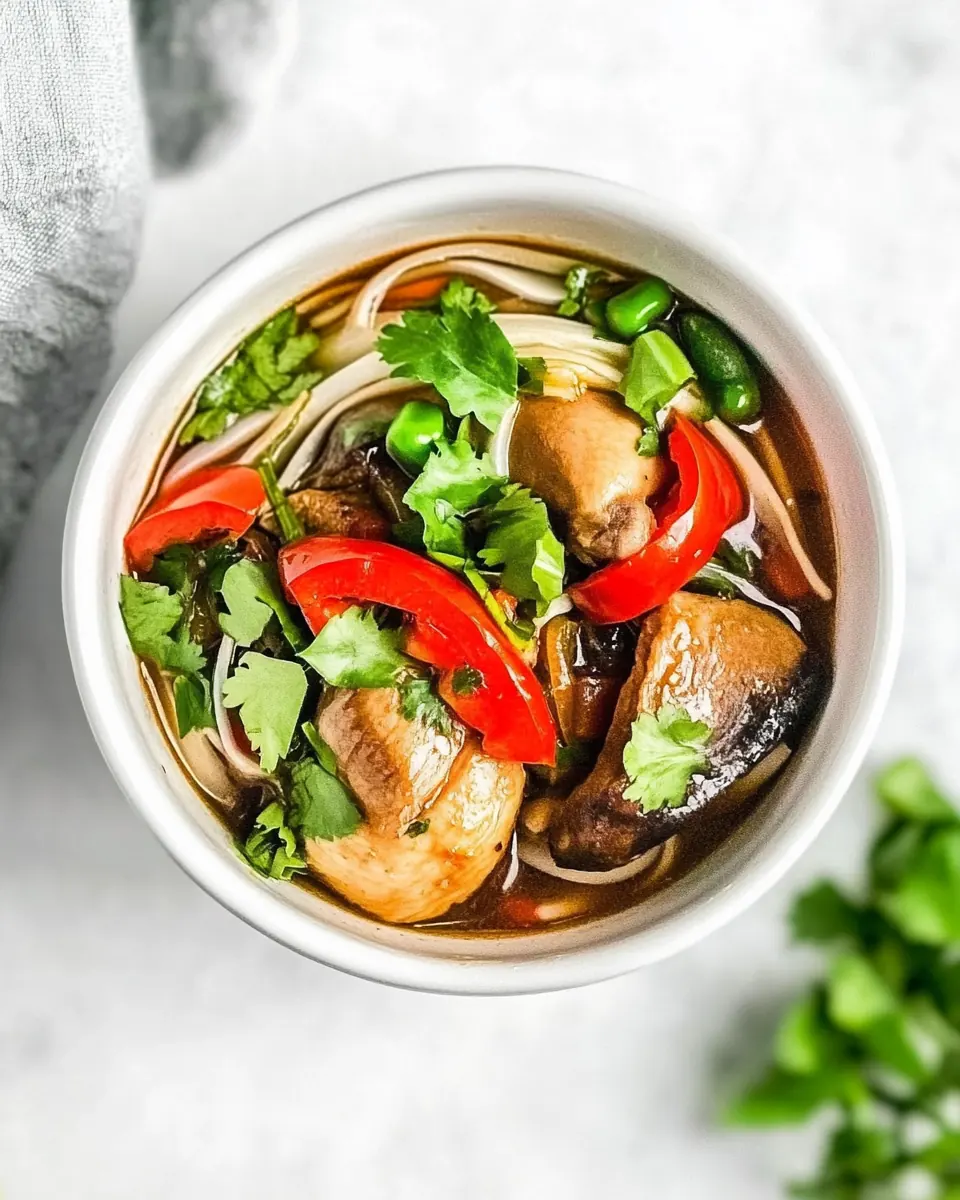
These ingredients form a simple, balanced hot pot that relies on a clear, umami rich broth and a handful of fresh produce. The stock and aromatics build the backbone, while noodles and vegetables add body and texture. Each component plays a role: the liquid creates warmth, the sliced chicken provides savory protein, and the crisp vegetables offer contrast, making the whole bowl lively and comforting.
- 6 cups chicken stock: Provides a savory, concentrated base for the hot pot, delivering depth and body to the broth through slow simmering; balances other liquids and helps meld aromatics and seasonings into a cohesive soup. Enhances mouthfeel and adds natural gelatin and umami when made from simmered bones or reduced stock. Acts as the primary flavorful liquid that allows proteins and vegetables to infuse their tastes during cooking.
- 6 cups water: Dilutes and extends the stock to create enough cooking liquid, controlling salt concentration and allowing ingredients to cook gently without becoming overly salty. Supplies steam and hydration so noodles and greens can soften uniformly. Helps moderate intensity of concentrated seasonings while contributing neutral body to the broth.
- 1/2 cup rice vinegar: Adds bright acidity that cuts through richness and balances savory flavors, helping to lift the overall profile of the hot pot; contributes a subtle tang that enhances other seasonings. Can tenderize proteins slightly and accentuate aromatics like ginger and garlic. Use sparingly to avoid overpowering the broth.
- 1/3 cups soy sauce: Contributes salty, umami-rich depth and a savory backbone to the broth, complementing the chicken stock and enhancing other seasonings. Provides complexity from fermented soy flavors and helps season the entire pot uniformly. Can be adjusted to control overall saltiness and color of the soup.
- 1 1/2 tablespoons sesame oil: Imparts a toasty, nutty aroma and smooth mouthfeel that rounds out the broth and complements Asian flavor elements; a small amount goes a long way in perfume and richness. Helps bind sesame-forward flavors such as sauces or garnishes and elevates the finished dish's complexity. Add near the end or in the broth for a subtler effect.
- 3 5 slices fresh ginger: Adds warm, peppery, and slightly sweet aromatics that infuse the broth with freshness and a hint of bite when simmered; slices release essential oils that brighten the soup. Can be adjusted in quantity for more pronounced heat or discarded when cooking is complete. Works synergistically with garlic and vinegar to create layered aromatics.
- 3 5 cloves garlic, cracked: Provides pungent, savory aromatics that deepen the broth's flavor when cracked and simmered, offering a garlicky backbone without overwhelming the soup if managed gently. Cracking releases essential oils that dissolve into the liquid, supporting umami and meat flavors. Can be removed after cooking if a milder garlic presence is preferred.
- 1 pound boneless chicken thighs thinly sliced: Supplies tender, flavorful protein that cooks quickly in the simmering broth and releases savory juices to enrich the soup; thin slicing ensures even cooking and delicate texture. Adds hearty substance to the hot pot and pairs well with noodles and vegetables. Absorbs surrounding flavors, making each bite infused with the broth's aromatics.
- 5 ounces bean thread noodles or rice noodles: Provides a light, slippery carbohydrate that soaks up broth flavor and adds satisfying texture to the dish; choice between bean thread or rice noodles affects chewiness and appearance. Cooks rapidly in hot broth, helping to bulk up the meal and make it more filling. Should be added at the appropriate time to avoid overcooking and becoming mushy.
- 1 bunch green onions: Offers crisp, oniony freshness and a mild sharpness when sliced and added as garnish or cooked briefly; green onions brighten the finished hot pot and add color contrast. Can be used both cooked in the broth for mellow sweetness and raw as a finishing touch for crunch and aroma. Enhances perceived freshness and balances richer elements.
- 1 1/2 cup mung bean sprouts: Contributes crunchy, mildly sweet texture and fresh vegetal notes that lighten the dish and add contrast to tender proteins and noodles. Mung bean sprouts cook quickly and retain a pleasant snap that complements softer components. Adds volume and nutritional value without overwhelming flavors.
- 8 ounces mushrooms, any variety: Adds earthy, umami-rich flavors and meaty texture that complement the chicken and deepen the broth; selection of variety affects intensity and mouthfeel. Sliced or halved mushrooms release savory juices into the pot and provide satisfying chew. Help create a multi-dimensional soup with both flavor and texture variety.
- 4 baby bok choy: Provides tender, leafy greens that contribute mild bitterness and a pleasant crunch when briefly cooked; baby bok choy adds visual appeal and nutrition to the hot pot. Cooks quickly, with stems softening and leaves wilting into the broth while releasing subtle vegetal sweetness. Balances richer ingredients and supplies freshness.
- chile-garlic sauce: Adds concentrated heat, tang, and garlicky chili flavor as a condiment to customize spice level per serving; used sparingly to provide bright, spicy notes without altering broth base dramatically. Can be stirred into individual bowls or swirled into the pot for increasing intensity. Enhances flavor layering with its bold, fermented chili profile.
Chicken Hot Pot Instructions
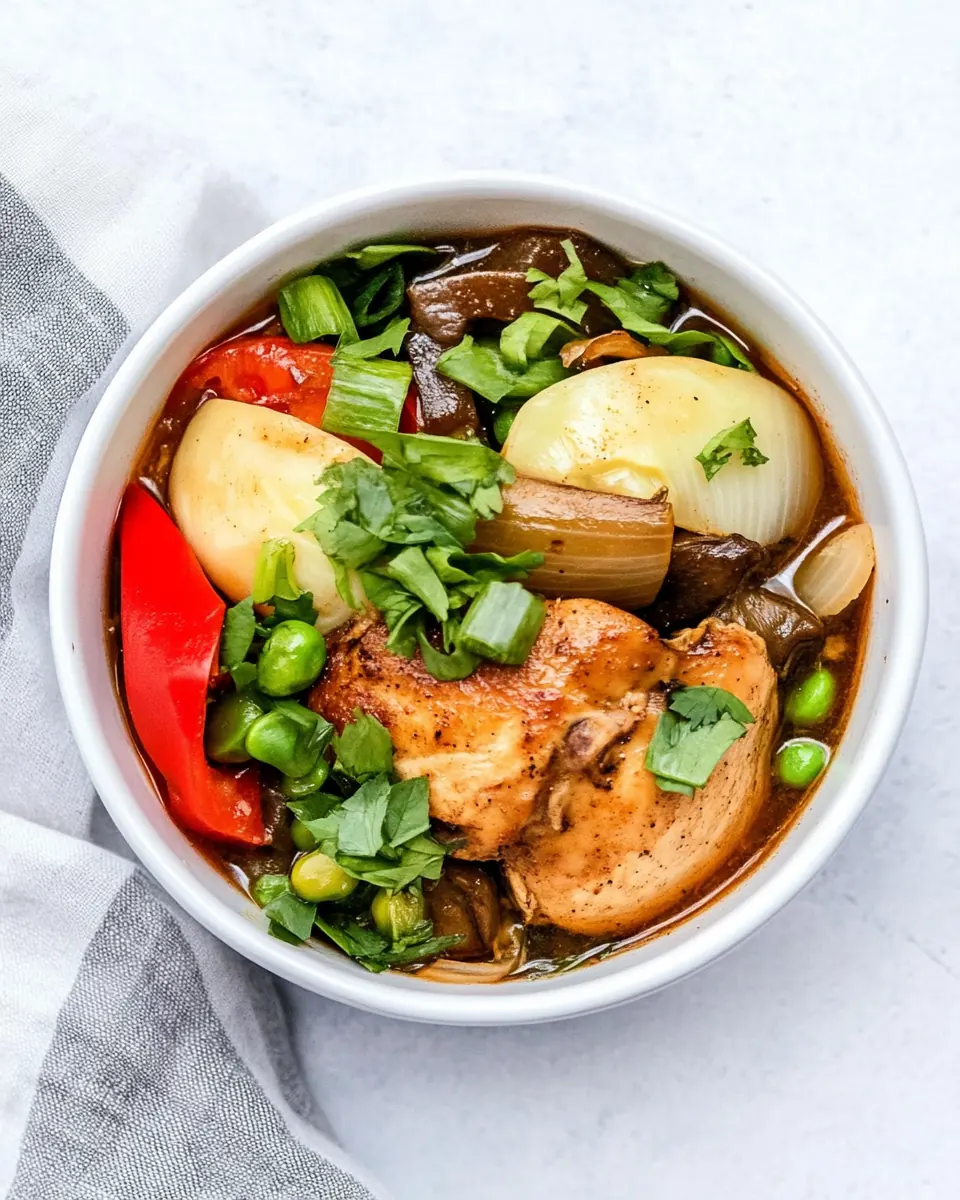
These steps guide you through building the hot pot from simmer to serving. The method is straightforward, yet the small details matter, so take your time with aromatics and assembly. Read each step fully before you start to ensure you have bowls, utensils, and fresh toppings ready for an interactive meal.
- In a large pot, bring the chicken stock, water, rice vinegar, soy sauce, sesame oil, ginger and garlic to a boil. Add the thinly sliced chicken and simmer for 5-7 minutes, until just cooked through. Add the noodles. Stir, then cover and remove from heat.: The moment the liquid heats, a fragrant steam will rise with warm, toasty notes of sesame oil and the bright bite of ginger . You should hear a soft rolling roar as the surface moves and see tiny bubbles congregating along the pot edges, signaling that the aromatics are releasing into the liquid. This step builds the flavor foundation, allowing the infused broth to carry every ingredient that follows. One helpful tip is to monitor heat carefully, because boiling too vigorously will reduce the delicate aromatics and can make the broth cloudy; aim for a steady but lively boil. If your stock smells flat at this stage, increase the heat a touch and let it steep briefly to liven the flavors. A classic mistake is rushing this stage, which can leave the final soup lacking depth.
- Meanwhile, chop all the veggies and place in serving bowls. When ready to serve, allow each person to fill their bowls with fresh vegetables and a bit of chile sauce.: As the chicken hits the hot broth, you will see the slices change from translucent to opaque, curling slightly along the edges, and the surface will show delicate white strands where proteins firm up. You should notice a gentle simmer sound rather than a hard boil, which keeps the chicken tender and silky. This gentle poaching yields moist meat that soaks up the umami of the broth without becoming rubbery. Use a spoon to gently separate slices so they cook evenly. A common pitfall is overcooking, which makes the chicken tough and dry, so remove it as soon as the center loses translucence.
- Ladle the scalding hot soup over the veggies and let them sit for 5 minutes. Mix and enjoy!: When you slip the noodles into the pot, they will immediately begin to soften and plump, absorbing some of the broth and gaining a glossy sheen. Stir once or twice to prevent clumping, then cover the pot and remove it from the heat so the residual heat finishes the job. This technique keeps the noodles supple without becoming mushy, preserving a pleasant chew. The sound will quiet as the pot cools, and the aroma will grow more integrated. Avoid boiling the noodles aggressively in the pot, because overcooked strands will lose texture and make the bowl heavy.
- Meanwhile, chop all the veggies and place in serving bowls: Preparing the fresh elements while the broth simmers is practical and creates vibrant contrast. As you slice the bok choy , separate stems and leaves for even texture; the stems are denser and give a satisfying snap, while the leaves wilt tenderly under hot broth. Arrange the mung bean sprouts , sliced mushrooms , and chopped green onions in each bowl so everyone can personalize their bowl. The visual pop of green and white makes the final presentation inviting, and the crispness of raw veggies will stand up to the hot broth. A misstep here is overcrowding bowls, which can prevent the hot broth from evenly poaching the ingredients.
- When ready to serve, allow each person to fill their bowls with fresh vegetables and a bit of chile sauce: This is the moment of assembly where diners tailor their experience. Encourage guests to add a spoonful of chile–garlic sauce for heat, or to keep it mild if they prefer. The aromas of raw green onions and spicy sauce will lift the senses, and the bowls will look colorful and fresh. Letting people build their bowls also keeps vegetables crisp, since they are not sitting in broth for long periods. Don't let bowls sit too long before the broth is ladled over them, because prolonged waiting will cause wilted greens and limp textures.
- Ladle the scalding hot soup over the veggies and let them sit for 5 minutes: The dramatic pour is half the fun and is essential for cooking the fresh items gently while melding flavors. You should hear the satisfying hiss of hot liquid meeting cool vegetables, and steam will swirl up as the heat instantly softens stems and slightly cooks leaves. Waiting about five minutes allows the mushrooms to open, the bok choy to tenderize, and the noodles to finish soaking up the broth, creating a harmonious texture palette. This short steeping time ensures everything is warmed through without losing crispness. A common mistake is pouring lukewarm broth, which fails to properly poach the ingredients and dimishes the transformative finish.
- Mix and enjoy: After the brief sit, stir the bowl so the broth touches every element, releasing final bursts of aroma from the garlic and ginger , and melding the heat from the chile–garlic sauce . You will taste layered sensations, from savory umami to bright vinegar lift and a toasty sesame finish. Spoons will scrape noodles and sprouts, and you will notice the contrast between tender chicken and crisp vegetables. If a bowl tastes underseasoned, add a little more soy sauce or a dot of sauce, but add sparingly to avoid overpowering the balance. Avoid letting bowls sit uncovered, as this cools the broth and flattens the aromatic profile.
Helpful Notes about Chicken Hot Pot
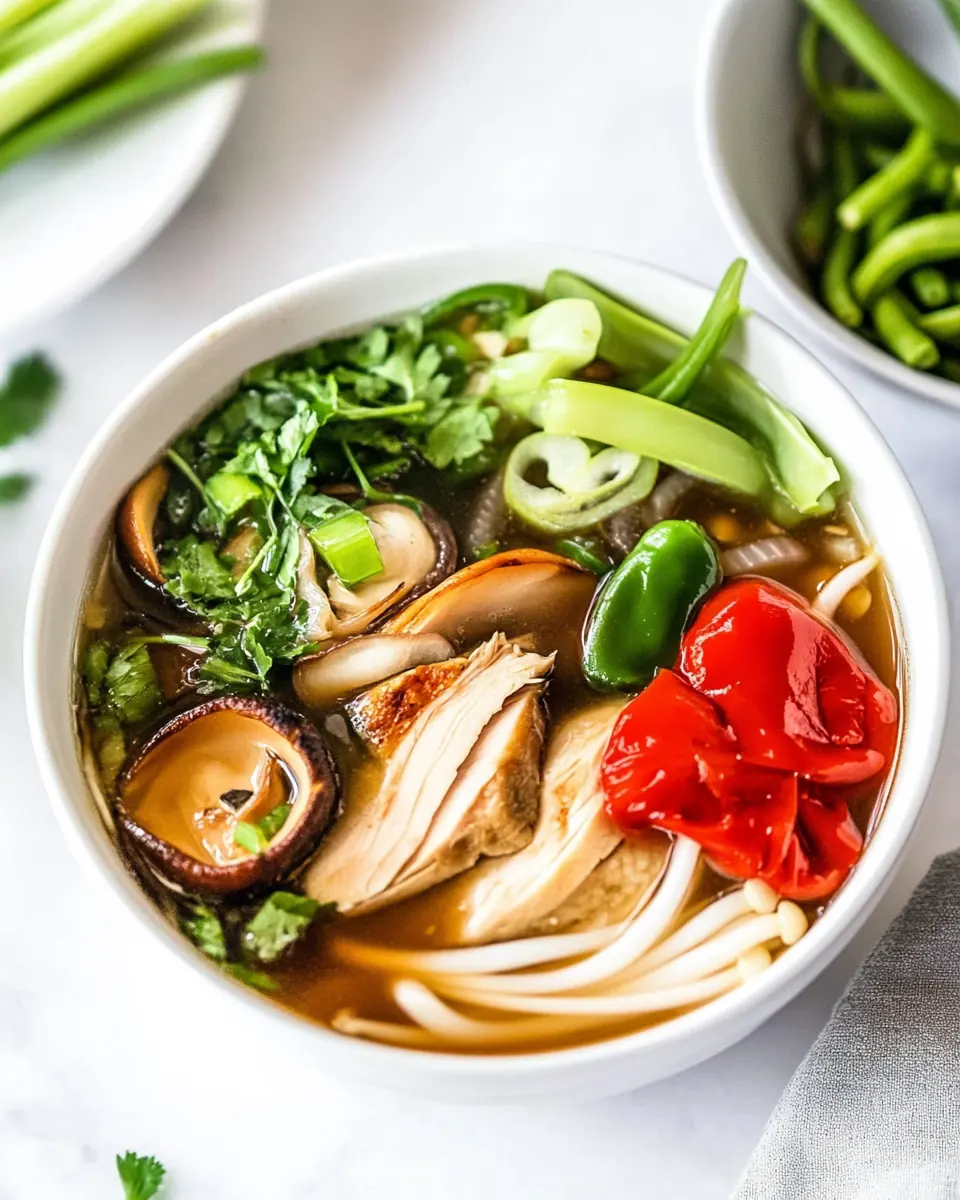
This section expands on the small but impactful notes that make this hot pot sing. These tips help with storage, assembly, and elevating flavors without changing the core recipe. Read them before you start cooking so you can plan timing and presentation for an effortless, impressive meal.
- Storage tip: Once cooled, strain out large solids and store the broth separately from the fresh vegetables and noodles to prevent sogginess; this keeps leftovers bright for up to three to four days in the fridge.
- Freezing tip: Cool the broth quickly, then freeze in airtight containers for up to three months; freeze the chicken and solids only if you are okay with textural changes upon reheating.
- Reheating tip: Gently rewarm the broth to a scalding temperature before ladling over fresh raw vegetables to preserve their crunch and color.
- Noodle tip: If you prefer firmer noodles, remove them earlier from the broth and finish soaking in a small portion of hot stock until they reach your desired texture.
- Seasoning tip: Taste the broth before serving and adjust with a splash of soy sauce or a touch more rice vinegar to find the balance that suits your palate.
Side Dish Ideas for Chicken Hot Pot
This hot pot is flexible for many occasions, from a casual weeknight to a cozy winter dinner. Consider these serving ideas and pairings to build a complete meal or to adapt the pot for different gatherings. Use them as inspiration to create contrasts in texture and temperature that complement the hot bowls.
- Simple steamed rice: Serve small bowls of steamed rice on the side for anyone who wants to turn their soup into a heartier bowl by mixing in rice after ladling broth.
- Light pickles: Quick cucumber or daikon pickles provide an acidic counterpoint that refreshes the palate between bites and pairs well with the savory broth.
- Crispy fried wontons: A few crunchy wontons add a playful texture contrast, making the meal more festive for guests and great for sharing.
- Tea pairing: Offer a mild green tea or a warm jasmine infusion to complement the fragrant broth without overwhelming the flavors.
- Occasion suggestions: This dish is ideal for winter evenings, relaxed dinners with friends, or family gatherings where interactive serving is welcome, and it works nicely during Ramadan evenings when you want a warm, communal meal.
- Storage and make ahead: Prepare the broth ahead of time and chill it; when guests arrive, reheat to scalding and finish bowls quickly for a relaxed hosting experience.
- Seasonal swaps: In spring or summer, substitute lighter greens or add more raw garnishes to increase brightness without changing core technique.
FAQ
Conclusion
What makes this recipe special is the combination of a clear, flavorful broth, tender sliced chicken, and fresh crisp vegetables that everyone can customize. It brings communal warmth to the table without demanding complicated steps, and the quick cook time makes it ideal for busy nights. Try this if you want a cozy, interactive meal that balances comfort with bright, lively flavors and keeps guests engaged in building their perfect bowl.
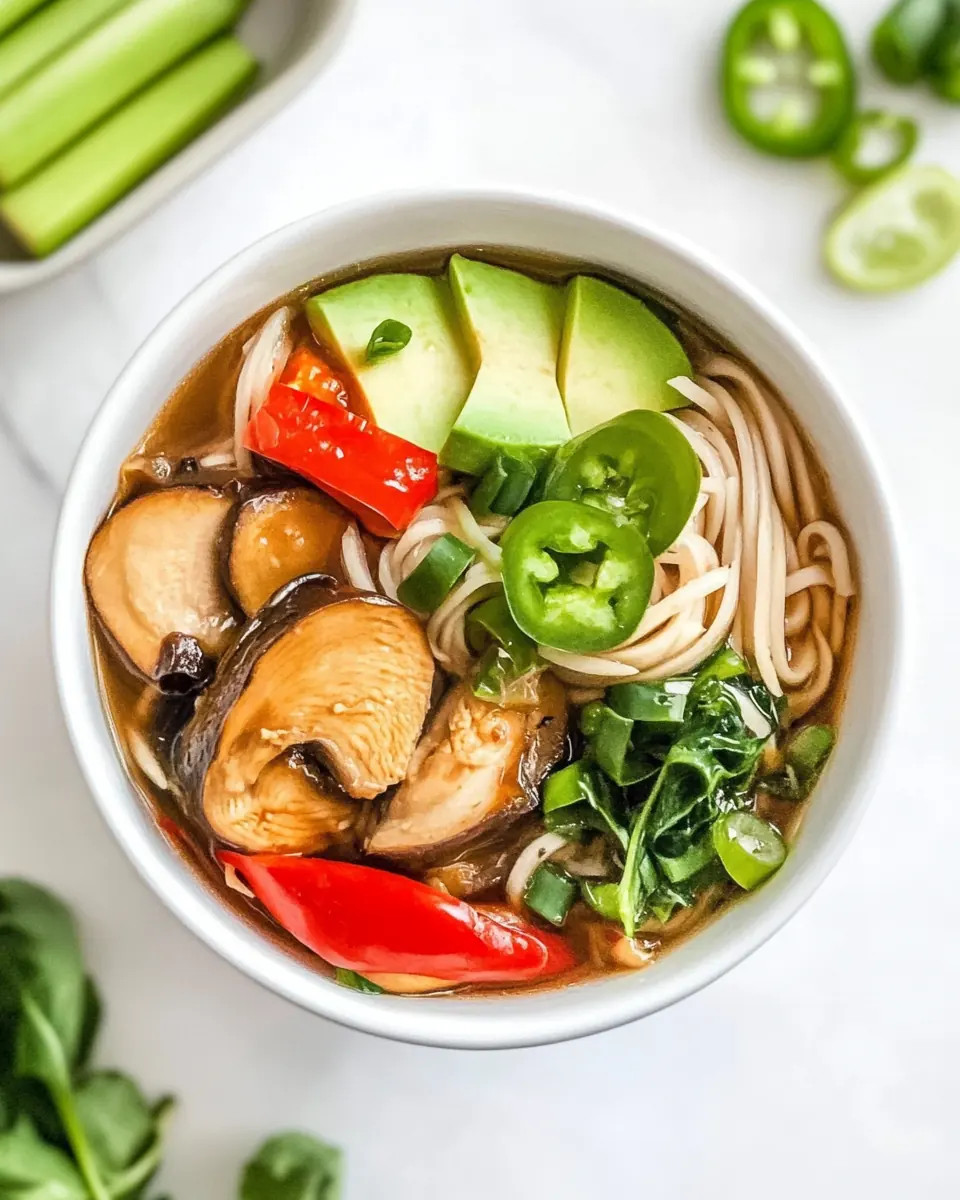
Chicken Hot Pot
Ingredients
Equipment
Method
- In a large pot, bring the chicken stock, water, rice vinegar, soy sauce, sesame oil, ginger and garlic to a boil. Add the thinly sliced chicken and simmer for 5-7 minutes, until just cooked through. Add the noodles. Stir, then cover and remove from heat.: The moment the liquid heats, a fragrant steam will rise with warm, toasty notes of sesame oil and the bright bite of ginger . You should hear a soft rolling roar as the surface moves and see tiny bubbles congregating along the pot edges, signaling that the aromatics are releasing into the liquid. This step builds the flavor foundation, allowing the infused broth to carry every ingredient that follows. One helpful tip is to monitor heat carefully, because boiling too vigorously will reduce the delicate aromatics and can make the broth cloudy; aim for a steady but lively boil. If your stock smells flat at this stage, increase the heat a touch and let it steep briefly to liven the flavors. A classic mistake is rushing this stage, which can leave the final soup lacking depth.
- Meanwhile, chop all the veggies and place in serving bowls. When ready to serve, allow each person to fill their bowls with fresh vegetables and a bit of chile sauce.: As the chicken hits the hot broth, you will see the slices change from translucent to opaque, curling slightly along the edges, and the surface will show delicate white strands where proteins firm up. You should notice a gentle simmer sound rather than a hard boil, which keeps the chicken tender and silky. This gentle poaching yields moist meat that soaks up the umami of the broth without becoming rubbery. Use a spoon to gently separate slices so they cook evenly. A common pitfall is overcooking, which makes the chicken tough and dry, so remove it as soon as the center loses translucence.
- Ladle the scalding hot soup over the veggies and let them sit for 5 minutes. Mix and enjoy!: When you slip the noodles into the pot, they will immediately begin to soften and plump, absorbing some of the broth and gaining a glossy sheen. Stir once or twice to prevent clumping, then cover the pot and remove it from the heat so the residual heat finishes the job. This technique keeps the noodles supple without becoming mushy, preserving a pleasant chew. The sound will quiet as the pot cools, and the aroma will grow more integrated. Avoid boiling the noodles aggressively in the pot, because overcooked strands will lose texture and make the bowl heavy.
- Meanwhile, chop all the veggies and place in serving bowls: Preparing the fresh elements while the broth simmers is practical and creates vibrant contrast. As you slice the bok choy , separate stems and leaves for even texture; the stems are denser and give a satisfying snap, while the leaves wilt tenderly under hot broth. Arrange the mung bean sprouts , sliced mushrooms , and chopped green onions in each bowl so everyone can personalize their bowl. The visual pop of green and white makes the final presentation inviting, and the crispness of raw veggies will stand up to the hot broth. A misstep here is overcrowding bowls, which can prevent the hot broth from evenly poaching the ingredients.
- When ready to serve, allow each person to fill their bowls with fresh vegetables and a bit of chile sauce: This is the moment of assembly where diners tailor their experience. Encourage guests to add a spoonful of chile-garlic sauce for heat, or to keep it mild if they prefer. The aromas of raw green onions and spicy sauce will lift the senses, and the bowls will look colorful and fresh. Letting people build their bowls also keeps vegetables crisp, since they are not sitting in broth for long periods. Don't let bowls sit too long before the broth is ladled over them, because prolonged waiting will cause wilted greens and limp textures.
- Ladle the scalding hot soup over the veggies and let them sit for 5 minutes: The dramatic pour is half the fun and is essential for cooking the fresh items gently while melding flavors. You should hear the satisfying hiss of hot liquid meeting cool vegetables, and steam will swirl up as the heat instantly softens stems and slightly cooks leaves. Waiting about five minutes allows the mushrooms to open, the bok choy to tenderize, and the noodles to finish soaking up the broth, creating a harmonious texture palette. This short steeping time ensures everything is warmed through without losing crispness. A common mistake is pouring lukewarm broth, which fails to properly poach the ingredients and dimishes the transformative finish.
- Mix and enjoy: After the brief sit, stir the bowl so the broth touches every element, releasing final bursts of aroma from the garlic and ginger , and melding the heat from the chile-garlic sauce . You will taste layered sensations, from savory umami to bright vinegar lift and a toasty sesame finish. Spoons will scrape noodles and sprouts, and you will notice the contrast between tender chicken and crisp vegetables. If a bowl tastes underseasoned, add a little more soy sauce or a dot of sauce, but add sparingly to avoid overpowering the balance. Avoid letting bowls sit uncovered, as this cools the broth and flattens the aromatic profile.
Notes
- Storage tip: Once cooled, strain out large solids and store the broth separately from the fresh vegetables and noodles to prevent sogginess; this keeps leftovers bright for up to three to four days in the fridge.
- Freezing tip: Cool the broth quickly, then freeze in airtight containers for up to three months; freeze the chicken and solids only if you are okay with textural changes upon reheating.
- Reheating tip: Gently rewarm the broth to a scalding temperature before ladling over fresh raw vegetables to preserve their crunch and color.
- Noodle tip: If you prefer firmer noodles, remove them earlier from the broth and finish soaking in a small portion of hot stock until they reach your desired texture.
- Seasoning tip: Taste the broth before serving and adjust with a splash of soy sauce or a touch more rice vinegar to find the balance that suits your palate.