Grilled Honey BBQ Drumsticks
Grilled Honey BBQ Drumsticks have been my go to for backyard get togethers since the first summer I tried glazing drumsticks over live coals. I still remember the first time I watched the glaze bubble and thicken, smelling sweet honey and smoky paprika as neighbors wandered over, curious. That memory nudged me to refine the sauce until it hit the sweet spot between sticky and tangy, and those evenings shaped how I approach simple, crowd pleasing chicken dishes.
Over the years I learned that timing and attention at the grill make all the difference. I like to start the sauce on the stove while the grill heats, so the flavors meld while I pat the chicken dry and season the skin. There is a rhythm to basting, flipping, and listening for the sizzle that turns a good meal into a memorable one. Friends often ask for the recipe after one bite, which is how Grilled Honey BBQ Drumsticks earned a permanent spot in my hosting lineup.
Recipe Snapshot
40 mins
10 mins
30 mins
Easy
350 kcal
American
Gluten-Free, Paleo
Dinner
Grill, Small saucepan, Tongs, Basting brush, Meat thermometer
The Beauty of This Grilled Honey BBQ Drumsticks
Sticky, sweet, and smoky
I love how the sauce creates a glossy, sticky coating that caramelizes without burning when you watch it closely. The contrast of honey and a touch of ketchup gives a familiar barbecue comfort, while the smoked paprika and soy sauce bring depth. I find this balance makes the recipe approachable for picky eaters, yet interesting enough for food lovers.
Perfect for gatherings
We often make a double batch because the drumsticks disappear fast. They are finger friendly, so guests mingle and graze, and you do not need plates full of sides to impress. I like how this recipe scales, letting me focus on hosting rather than fussing over complicated plating.
Simple pantry ingredients
I appreciate recipes that use what you already have. The sauce calls for everyday pantry items like brown sugar, vinegar, and garlic powder. That simplicity is liberating, and it means you can pull this together even when the grocery trip did not happen.
Textural satisfaction
The mix of grilling and basting yields crisp skin, sticky glaze, and juicy meat beneath. I always check for visual cues, such as the glaze bubbling and the skin turning golden brown, which tells me the texture is right. This tactile payoff is one reason I keep coming back to these drumsticks.
Flexible and forgiving
This recipe adapts to what I have on hand. If I want a little more tang, I add a splash more vinegar. If I want deeper color, I reach for extra smoked paprika. That forgiving nature makes it a reliable choice for busy nights and casual celebrations alike.
Grilled Honey BBQ Drumsticks Ingredients
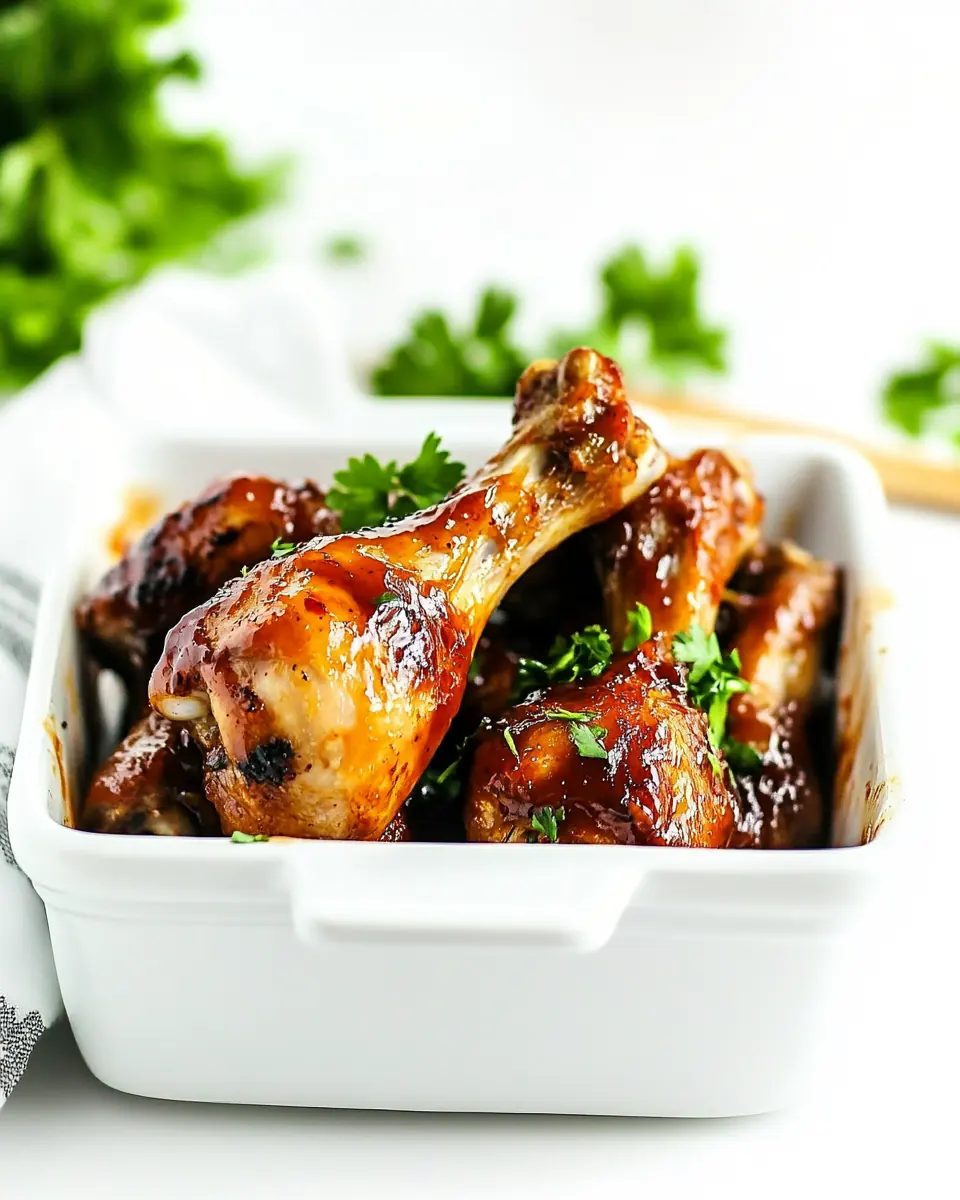
These ingredients work together to build a sauce that glazes and caramelizes while the chicken grills. The key players are the sticky honey and sweet brown sugar, which create that irresistible sheen, balanced by a touch of acidity from vinegar. A little soy sauce and smoked paprika round out the flavor with savory depth.
- 18 chicken drumsticks: Provide a hearty protein base for the dish, offering substantial flavor and texture when grilled; ensure drumsticks are patted dry and trimmed of excess skin for even cooking. Marinate or rest at room temperature briefly to help the sauce adhere, then grill over medium heat until internal temperature reaches 165°F.
- 1/2 cup honey: Add sweet, floral viscosity that helps balance tangy and smoky flavors; stir into the sauce until fully incorporated to create a glossy finish. Drizzle or baste during the last minutes of grilling to avoid burning while maximizing shine and sticky coating.
- 1/2 cup ketchup: Contribute bright acidity and tomato depth to the barbecue glaze while building body and moisture; whisk thoroughly with other wet ingredients to create a unified sauce. Use as the primary savory backbone of the glaze to temper sweetness and support spice notes.
- 1/4 cup brown sugar: Provide rich molasses notes and caramelization potential that enhance color and complex sweetness; dissolve into warm sauce for a smooth texture. Adjust amount slightly to control sweetness level and encourage a sticky, slightly crisp outer layer when grilled.
- 2 tablespoons vegetable oil: Supply fat for sautéing and help carry fat-soluble flavors, improving sauce mouthfeel and grill sear; heat gently before adding other sauce components to bloom flavor. Use sparingly to prevent flare-ups on the grill while ensuring a glossy, balanced glaze.
- 2 tablespoons water: Introduce thinning and steam generation to adjust sauce consistency and help ingredients meld; whisk into the sauce gradually to reach desired viscosity. Use to loosen overly thick glazes for easier basting and better coverage on the drumsticks.
- 1 tablespoon vinegar: Deliver bright acidity that cuts through sweetness and helps balance the glaze; whisk in small amounts and taste to maintain harmony. Use a neutral vinegar that complements the barbecue profile without overpowering other seasonings.
- 2 teaspoons Dijon style mustard: Provide mild tang and subtle pungency that enhances sauce complexity and helps emulsify the glaze; whisk thoroughly to distribute evenly. Use Dijon–style mustard to contribute depth and to stabilize the sauce’s texture for better adherence.
- 1 teaspoon smoked paprika: Offer smoky warmth and subtle earthiness that reinforce grilled flavors; add to the sauce and taste to ensure it complements sweetness without dominating. Use smoked paprika to mimic charred notes and deepen the overall barbecue profile.
- 1 teaspoon soy sauce: Introduce umami richness and salty depth that round out the sweet and acidic elements of the glaze; add sparingly and taste as sodium levels build. Use soy sauce to enhance savory complexity while contributing a darker hue to the sauce.
- 1/2 teaspoon garlic powder: Provide concentrated garlic flavor in a convenient dry form that melds into the sauce without adding liquid; sprinkle in and whisk to distribute evenly. Use to boost savory aroma and to complement both the smoked and sweet components of the glaze.
The Process for Making Grilled Honey BBQ Drumsticks
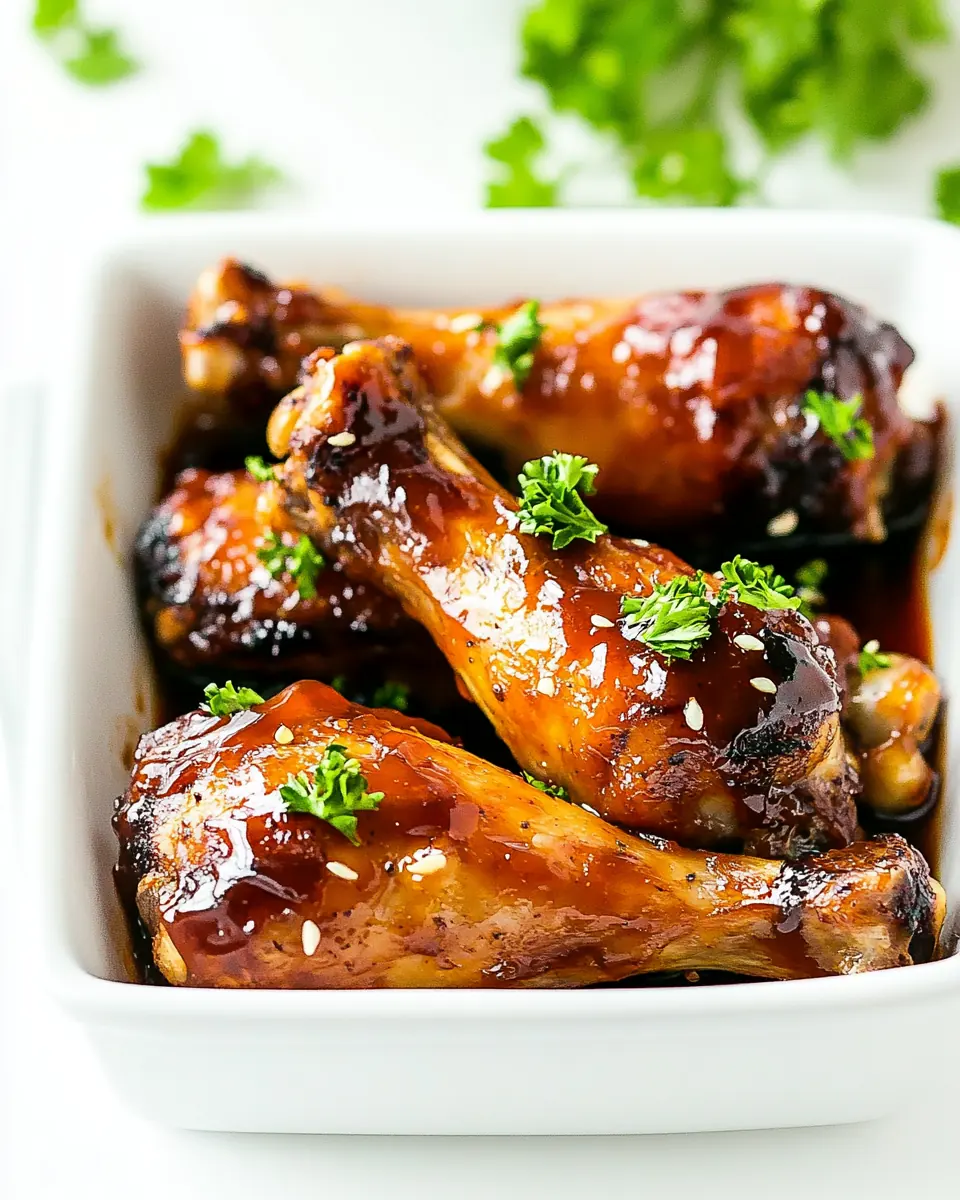
I like to move deliberately between stove and grill, so the sauce is ready when the chicken hits the grates. Keep tongs, a basting brush, and a reliable thermometer close at hand. This helps you manage caramelization and ensures the drumsticks finish juicy and properly cooked.
- For the Sauce: Heat a small saucepan over medium-high heat. Combine all the ingredients except for the chicken. Bring to boil then reduce heat to low, and cook 5 minutes, stirring occasionally. After 5 minutes the sauce should be thick and bubbly, remove from heat and set aside to cool.: Heat a small saucepan over medium-high heat : You will notice a faint shimmer in the pan when it is hot enough, which means the vegetable oil will spread smoothly. As the mixture comes together, the aroma shifts from raw to warm and inviting. Pay attention to the gentle rolling of tiny bubbles; that signals even heating. A common mistake is cranking the heat, which can burn the sugars quickly. Keep the heat steady so the brown sugar and honey dissolve evenly.
- Grilled Chicken: When you whisk together honey , ketchup , brown sugar , water , vinegar , Dijon style mustard , smoked paprika , soy sauce , and garlic powder , the scent will shift from individual notes to an integrated sauce fragrance. This blending stage is where flavors marry, so stir until smooth. Avoid adding the chicken now, which would cool the pan and prevent proper reduction.
- Place chicken on grill rack coated with cooking spray; grill 15 minutes on each side or until done. Baste chicken generously with sauce; turn over, and grill 1 minute. Baste again; turn over, and grill 1 minute. Serve with remaining sauce.: As the sauce reaches a gentle boil, it should lift into thicker ribbons on the spoon. The bubbling will become more vigorous before settling into a steady simmer. The reduction concentrates flavors, so those five minutes are key to achieving proper viscosity. Watch for rapid scorching if left unattended, a frequent slip when multitasking at the grill.
- After 5 minutes the sauce should be thick and bubbly, remove from heat and set aside to cool: Once off heat, the sauce will continue to thicken slightly as it cools and the sugars set. You will see a glossy sheen and a slower movement when stirred. Cooling also tempers the heat so you can baste without steaming the glaze off the chicken . Resist the urge to refrigerate immediately, as sudden cooling can dull aromas; room temperature is ideal for a short rest.
- Grilled Chicken: When you tend the grill, listen for a steady sizzle when items hit the grates; that is the sound of proper searing. Preheat until the grates are hot, which gives you good caramelization and those appealing grill marks. A common error is overcrowding, which reduces surface heat and causes uneven cooking. Leave space so air circulates and each drumstick receives direct contact with the hot metal.
- Place chicken on grill rack coated with cooking spray; grill 15 minutes on each side or until done: As the drumsticks cook, the skin tightens and starts to render fat, producing occasional popping sounds and a fragrant, roasted aroma. Visual cues include skin turning golden brown and juices running clear when pierced. Use a thermometer to confirm an internal temperature of 165 degrees Fahrenheit; relying on time alone can be misleading, especially with variable drumstick sizes. Avoid flipping too often, which prevents proper browning.
- Baste chicken generously with sauce; turn over, and grill 1 minute: Basting introduces moisture and sugar, which will begin to caramelize within moments. When you hear the sauce sizzle, that indicates it is adhering and concentrating flavor. Work quickly and with purpose to avoid letting sugars burn; a one minute sear after basting locks the glaze in. The usual mistake is leaving sugary glazes too long without turning, which leads to charring.
- Baste again; turn over, and grill 1 minute: This final glaze pass builds layers, creating a deep, shiny coating that clings to the skin. The added sweetness will darken slightly, producing complex toasted notes. Look for a glossy finish and slightly tacky texture, which means the drumsticks are ready. If the surface becomes blackened instead of golden, the grill was too hot or the sauce was applied too thickly.
- Serve with remaining sauce: The leftover sauce provides a contrast between warm, caramelized glaze and bright, chilled condiment if you let it cool. Spoon a little on the side for dipping, which highlights the layered flavors you built while cooking. Be careful when serving straight from the pan if it is still hot; letting it cool slightly preserves its balance and prevents burning mouths.
Substitutions and Tips
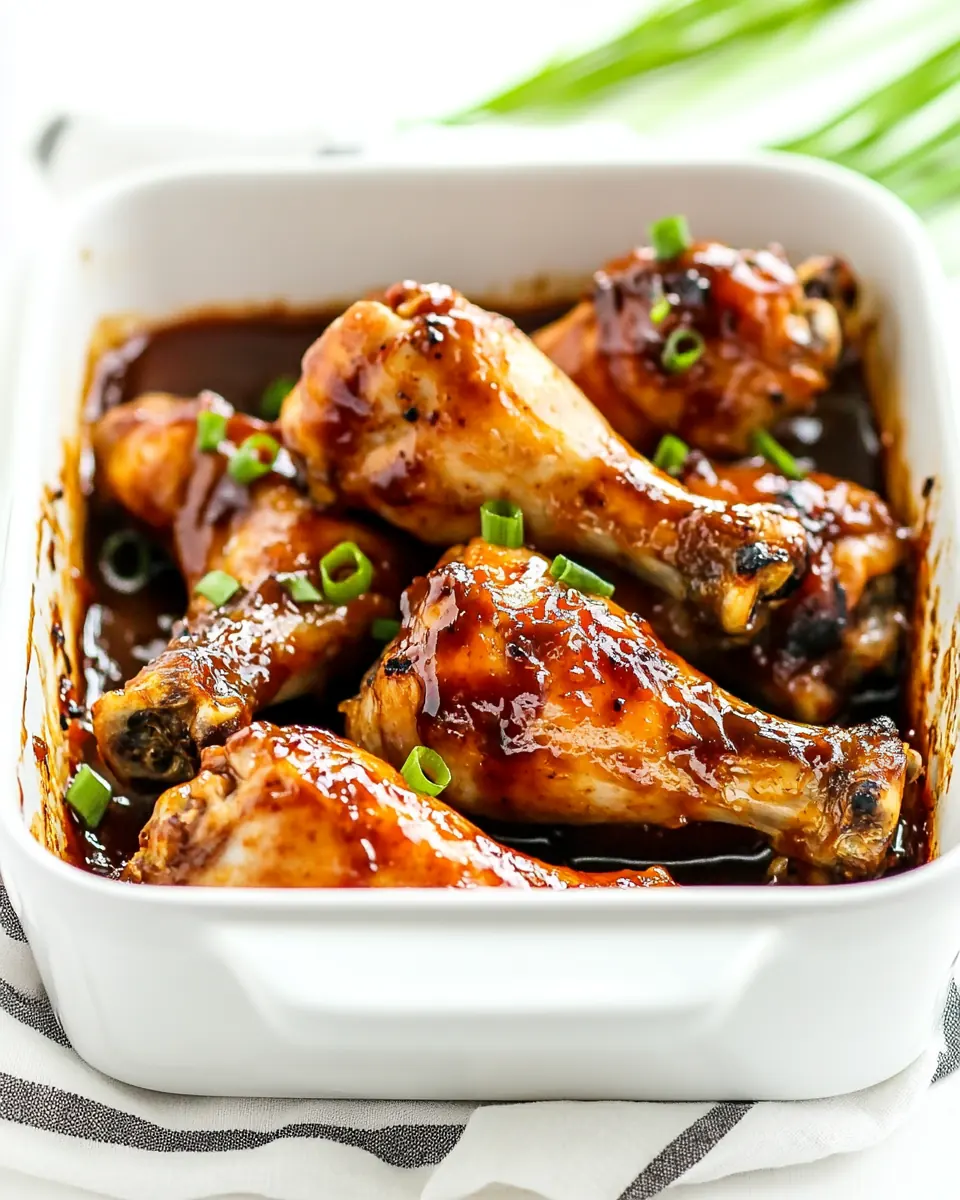
I keep these tips handy when making Grilled Honey BBQ Drumsticks so the process stays smooth and the results are reliable. Below are practical suggestions and expansions on pantry swaps, timing notes, and texture cues that I use regularly.
- Honey swap: If you need a milder sweetness, use light corn syrup sparingly to maintain gloss without altering flavor dramatically; this keeps the sauce sticky while reducing floral notes.
- Ketchup adjustment: For tangier flavor, mix in a teaspoon more vinegar rather than increasing ketchup, which can overpower the balance with tomato forwardness.
- Brown sugar alternatives: If you lack brown sugar, white sugar with a teaspoon of molasses mimics the flavor profile closely, helping with caramelization during grilling.
- Smoky boost: Add a touch more smoked paprika if you want pronounced smoke without changing the grill setup; it deepens the savory notes.
- Oil guidance: Use neutral oils like vegetable oil to prevent imparting extra flavors; oil helps the sauce emulsify and spread evenly over the chicken.
- Basting timing: Only baste in the last several minutes to avoid burnt sugar, applying thin layers so the glaze builds rather than burns.
- Make ahead: Prepare the sauce a day ahead and refrigerate, then warm gently before using; this allows flavors to meld and simplifies day of grilling.
- Grill heat control: Set up a two zone fire if possible, with a hot side for searing and a cooler side for finishing, which gives you better control over caramelization.
- Serving temperature: Serve warm, not piping hot, so the glaze stays tacky and the flavors are more pronounced rather than muted by intense heat.
- Storage tip: Refrigerate leftover sauce in an airtight container up to five days, and reheat gently to restore gloss before using as a dip.
What Complements This Grilled Honey BBQ Drumsticks
These drumsticks pair well with casual sides and are ideal for summer gatherings or game days. Below I outline serving ideas, seasonal pairings, and storage notes to help you plan an entire meal around the star dish.
- Classic sides: Serve with corn on the cob and a crisp green salad for contrast. The sweetness of the glaze pairs nicely with crunchy, bright vegetables.
- Potato accompaniment: Roasted baby potatoes or a simple potato salad complement the drumsticks, giving starchy balance to the sticky meat.
- Occasion ideas: Perfect for summer barbecues, picnics, and casual dinners where guests can help themselves and mingle while eating finger foods.
- Make ahead strategy: Cook the sauce in advance and grill the drumsticks on the day you plan to serve, which reduces stress and keeps flavors fresh.
- Storage suggestions: Refrigerate leftovers in a shallow airtight container to cool quickly, and consume within three to four days for best texture and safety.
- Presentation tip: Arrange drumsticks on a large platter with lemon wedges or fresh herbs for color and a small bowl of remaining sauce for dipping.
- Seasonal pairings: In summer, lighten the plate with chilled slaws and fresh fruit to offset the richness of the glaze.
- Serving temperature: Let the drumsticks rest five minutes off heat before serving so juices settle and the glaze sets slightly for easier handling.
- Leftover uses: Shred leftover meat for sandwiches or tacos, using a little of the reserved sauce to revive moisture and flavor.
- Portion planning: With 18 drumsticks, plan for about two to three pieces per adult at a casual gathering, adjusting for appetite and other available dishes.
FAQ
Conclusion
These Grilled Honey BBQ Drumsticks stand out for their balanced sweetness, smoky depth, and finger licking texture. They are a reliable, crowd pleasing dish that combines simple pantry ingredients with straightforward grilling techniques, so you can produce impressive results without stress. I encourage you to try this recipe at your next gathering, tweak the glaze to your taste, and enjoy the easy rhythm of basting and grilling that rewards you with sticky, juicy drumsticks.
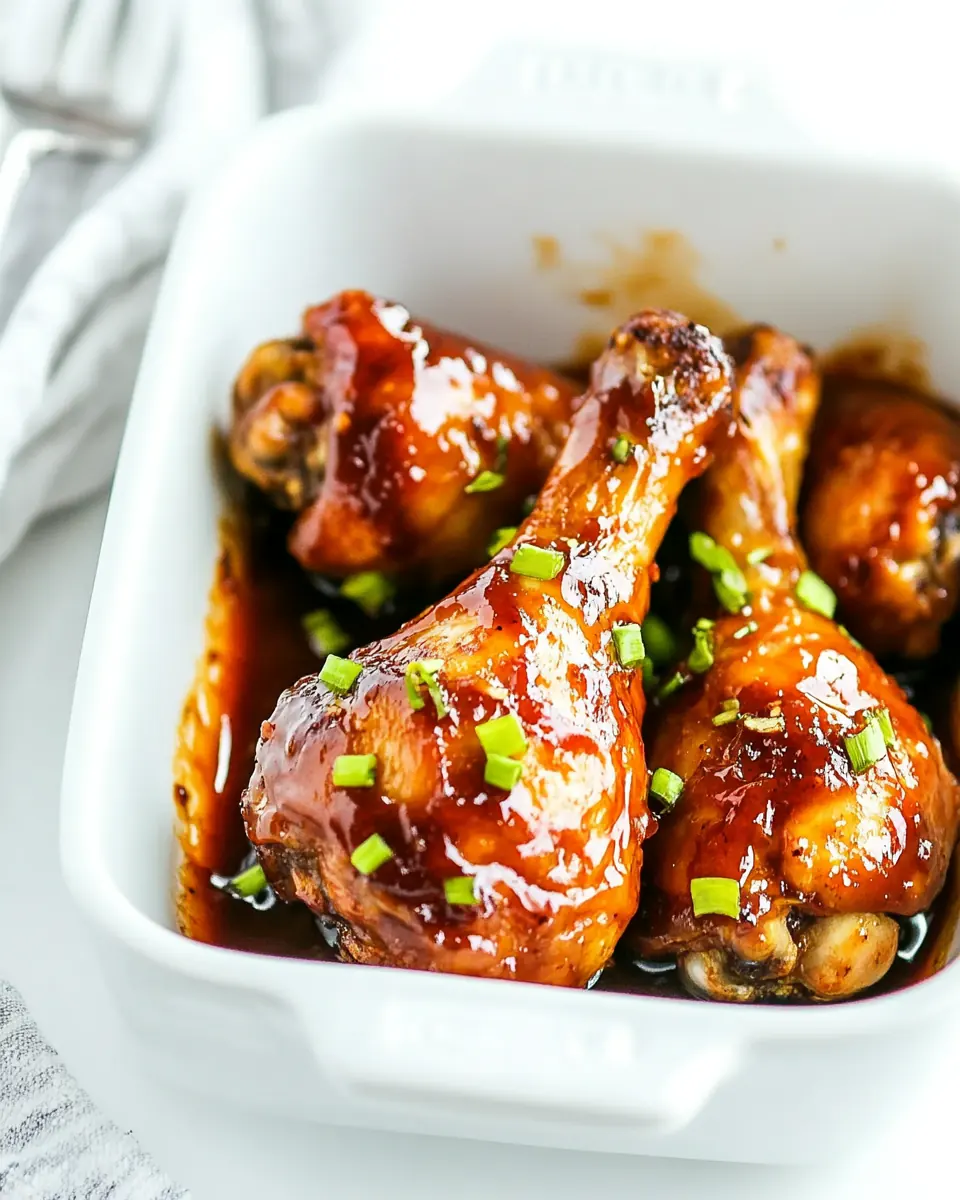
Grilled Honey BBQ Drumsticks
Ingredients
Equipment
Method
- For the Sauce: Heat a small saucepan over medium-high heat. Combine all the ingredients except for the chicken. Bring to boil then reduce heat to low, and cook 5 minutes, stirring occasionally. After 5 minutes the sauce should be thick and bubbly, remove from heat and set aside to cool.: Heat a small saucepan over medium-high heat : You will notice a faint shimmer in the pan when it is hot enough, which means the vegetable oil will spread smoothly. As the mixture comes together, the aroma shifts from raw to warm and inviting. Pay attention to the gentle rolling of tiny bubbles; that signals even heating. A common mistake is cranking the heat, which can burn the sugars quickly. Keep the heat steady so the brown sugar and honey dissolve evenly.
- Grilled Chicken: When you whisk together honey , ketchup , brown sugar , water , vinegar , Dijon style mustard , smoked paprika , soy sauce , and garlic powder , the scent will shift from individual notes to an integrated sauce fragrance. This blending stage is where flavors marry, so stir until smooth. Avoid adding the chicken now, which would cool the pan and prevent proper reduction.
- Place chicken on grill rack coated with cooking spray; grill 15 minutes on each side or until done. Baste chicken generously with sauce; turn over, and grill 1 minute. Baste again; turn over, and grill 1 minute. Serve with remaining sauce.: As the sauce reaches a gentle boil, it should lift into thicker ribbons on the spoon. The bubbling will become more vigorous before settling into a steady simmer. The reduction concentrates flavors, so those five minutes are key to achieving proper viscosity. Watch for rapid scorching if left unattended, a frequent slip when multitasking at the grill.
- After 5 minutes the sauce should be thick and bubbly, remove from heat and set aside to cool: Once off heat, the sauce will continue to thicken slightly as it cools and the sugars set. You will see a glossy sheen and a slower movement when stirred. Cooling also tempers the heat so you can baste without steaming the glaze off the chicken . Resist the urge to refrigerate immediately, as sudden cooling can dull aromas; room temperature is ideal for a short rest.
- Grilled Chicken: When you tend the grill, listen for a steady sizzle when items hit the grates; that is the sound of proper searing. Preheat until the grates are hot, which gives you good caramelization and those appealing grill marks. A common error is overcrowding, which reduces surface heat and causes uneven cooking. Leave space so air circulates and each drumstick receives direct contact with the hot metal.
- Place chicken on grill rack coated with cooking spray; grill 15 minutes on each side or until done: As the drumsticks cook, the skin tightens and starts to render fat, producing occasional popping sounds and a fragrant, roasted aroma. Visual cues include skin turning golden brown and juices running clear when pierced. Use a thermometer to confirm an internal temperature of 165 degrees Fahrenheit; relying on time alone can be misleading, especially with variable drumstick sizes. Avoid flipping too often, which prevents proper browning.
- Baste chicken generously with sauce; turn over, and grill 1 minute: Basting introduces moisture and sugar, which will begin to caramelize within moments. When you hear the sauce sizzle, that indicates it is adhering and concentrating flavor. Work quickly and with purpose to avoid letting sugars burn; a one minute sear after basting locks the glaze in. The usual mistake is leaving sugary glazes too long without turning, which leads to charring.
- Baste again; turn over, and grill 1 minute: This final glaze pass builds layers, creating a deep, shiny coating that clings to the skin. The added sweetness will darken slightly, producing complex toasted notes. Look for a glossy finish and slightly tacky texture, which means the drumsticks are ready. If the surface becomes blackened instead of golden, the grill was too hot or the sauce was applied too thickly.
- Serve with remaining sauce: The leftover sauce provides a contrast between warm, caramelized glaze and bright, chilled condiment if you let it cool. Spoon a little on the side for dipping, which highlights the layered flavors you built while cooking. Be careful when serving straight from the pan if it is still hot; letting it cool slightly preserves its balance and prevents burning mouths.
Notes
- Honey swap: If you need a milder sweetness, use light corn syrup sparingly to maintain gloss without altering flavor dramatically; this keeps the sauce sticky while reducing floral notes.
- Ketchup adjustment: For tangier flavor, mix in a teaspoon more vinegar rather than increasing ketchup, which can overpower the balance with tomato forwardness.
- Brown sugar alternatives: If you lack brown sugar, white sugar with a teaspoon of molasses mimics the flavor profile closely, helping with caramelization during grilling.
- Smoky boost: Add a touch more smoked paprika if you want pronounced smoke without changing the grill setup; it deepens the savory notes.
- Oil guidance: Use neutral oils like vegetable oil to prevent imparting extra flavors; oil helps the sauce emulsify and spread evenly over the chicken.
- Basting timing: Only baste in the last several minutes to avoid burnt sugar, applying thin layers so the glaze builds rather than burns.
- Make ahead: Prepare the sauce a day ahead and refrigerate, then warm gently before using; this allows flavors to meld and simplifies day of grilling.
- Grill heat control: Set up a two zone fire if possible, with a hot side for searing and a cooler side for finishing, which gives you better control over caramelization.
- Serving temperature: Serve warm, not piping hot, so the glaze stays tacky and the flavors are more pronounced rather than muted by intense heat.
- Storage tip: Refrigerate leftover sauce in an airtight container up to five days, and reheat gently to restore gloss before using as a dip.