Creamy Chicken Asparagus Penne Pasta
Creamy Chicken Asparagus Penne Pasta is the cozy skillet dinner I turn to when I want something comforting but a little elegant at the same time.
One rainy evening some years ago I had a crate of asparagus that was begging not to be wasted and a pack of chicken thighs in the fridge, and that combination led me to riff on a creamy pasta idea that became this recipe. I remember the moment the aroma of garlic and butter hit the kitchen, and how the first forkful, warm and saucy, felt like a tiny celebration after a long day. That evening I learned how well chicken and asparagus play with a silky cheese sauce, and how a quick toss with penne pasta keeps everything cohesive and satisfying.
Over time I refined the technique so the Creamy Chicken Asparagus Penne Pasta stays tender, not watery, with the vegetables bright and the chicken juicy. I often make it when friends drop by unexpectedly because it scales easily, and I love that the flavors feel special without needing fuss. The simple spice of sweet paprika and garlic powder gives the chicken a warm backbone, while the parmesan melts into a sauce that clings to every piece of penne pasta.
Recipe Snapshot
55 mins
10 mins
45 mins
Medium
600 kcal
Italian
Gluten-Free, Low FODMAP
Dinner
Large pot, Large skillet, Whisk, Wooden spoon
What Sets This Creamy Chicken Asparagus Penne Pasta Apart
1. Balanced textures that sing together
I adore how the contrast between tender chicken, crisp tender asparagus, and al dente penne pasta creates a satisfying bite. The vegetables keep the dish from feeling heavy, while the creamy sauce adds a luxurious mouthfeel that makes every forkful feel indulgent.
2. A sauce that tastes rich but is easy to pull off
I like that the sauce relies on simple pantry ingredients like butter, flour, milk, chicken broth, and parmesan. The technique of whisking and scraping the fond from the pan builds depth without complicated steps, so you get a deep savory flavor with minimal effort.
3. Weeknight friendly, yet company worthy
I’ve served this when hosting and also on hurried weeknights. It comes together quickly, it scales, and the final presentation looks thoughtful. The recipe tolerates a little improvisation, but still rewards care, so it’s forgiving for cooks of different skill levels.
4. Familiar flavors with a little spark
The seasoning is straightforward, with sweet paprika and garlic powder giving the chicken a warm flavor profile. A touch of crushed red pepper flakes brightens the sauce with a whisper of heat that keeps the rich elements lively.
5. Flexible and seasonal
I often make this in spring when asparagus is at its best, but it’s flexible enough for other seasons too. The core idea is simple: tender protein, fresh vegetable, and a creamy sauce hugging pasta. That combination lets you adapt without losing the soul of the dish.
What to Buy for Creamy Chicken Asparagus Penne Pasta
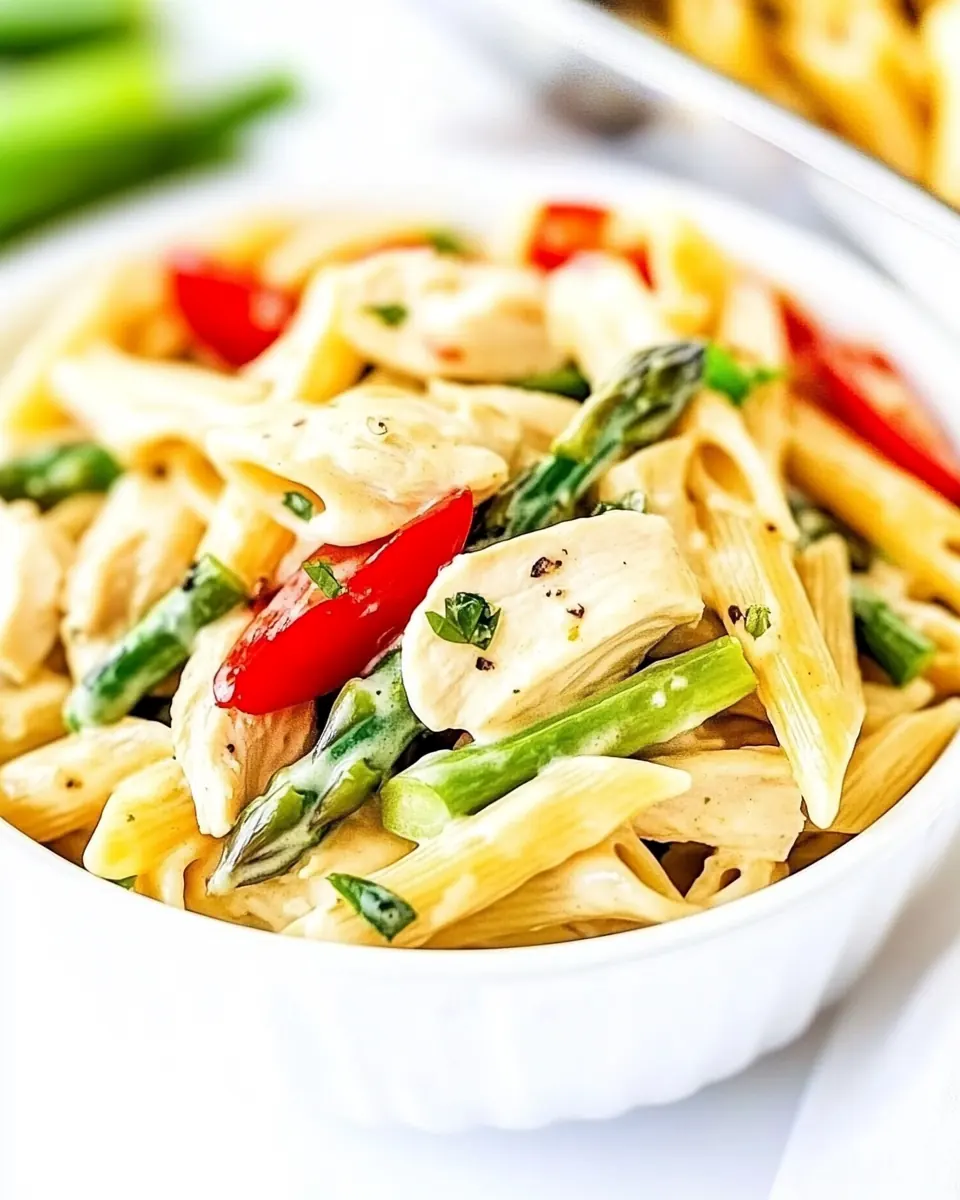
These ingredients are chosen to create a harmonious, layered dish. The penne pasta acts as the backbone, holding the creamy sauce. The chicken provides savory heft, while asparagus and other vegetables add brightness and texture. The dairy and starch elements in the sauce are carefully balanced so the sauce is silky, not gluey.
- 12 oz penne pasta, uncooked: Boil until al dente and serve as the pasta base that soaks up the creamy sauce, providing structure and heartiness to the dish. Offer a neutral, wheaty backdrop that contrasts the rich chicken and vegetables, helping balance textures across each bite.
- 1 lb . boneless skinless chicken thighs, cut into bite-size pieces: Cut into bite–size pieces and brown to build savory depth and protein; carry the dish’s meaty flavor and absorb surrounding seasonings. Provide tenderness and juiciness that pairs with the creamy sauce, making the meal substantial and satisfying.
- salt and pepper: Season generously to enhance and balance flavors throughout the recipe, drawing out natural tastes of chicken and vegetables. Adjust to personal preference to control overall seasoning intensity and ensure a well-rounded final dish.
- 1 tsp sweet paprika: Sprinkle evenly to impart a warm, smoky-sweet note that complements the chicken and roasted vegetables while adding color. Work as a gentle flavor accent that lifts the creaminess without overpowering the other seasonings.
- 1 tsp garlic powder: Dust over proteins and vegetables to add savory garlic aroma and subtle umami that rounds out the dish. Act as a convenient dried seasoning to ensure consistent garlic flavor when fresh garlic is not used or when layering flavors.
- 3 tbsp olive oil, divided: Heat and divide to sear the chicken and sauté vegetables; contribute fruit-forward richness and help prevent sticking. Provide a flavorful cooking medium that integrates seasonings while finishing the sauce with a smooth mouthfeel.
- 4 oz . cremini mushrooms, sliced: Sauté until tender to introduce earthy, savory notes and concentrated mushroom umami that deepen the sauce’s complexity. Add chewiness and flavor contrast to the pasta and vegetables, bolstering overall savory character.
- 1 lb . asparagus, trimmed and cut into 2 inch pieces: Blanch or sauté until bright and tender-crisp to contribute fresh, slightly grassy flavor and pleasant snap that contrasts creamy sauce. Supply a pop of color and verdant texture while adding nutritional value and seasonal brightness.
- 1/2 large red bell pepper, diced: Sauté until softened to add sweet, peppery undertones and vibrant color that complement the asparagus and mushrooms. Provide a light crispness and mild sweetness that rounds out the vegetable medley.
- 1/2 onion, diced: Cook until translucent to form the aromatic base that supports savory flavors from the chicken and sauce, contributing sweetness when caramelized. Offer layered depth and a mellow onion aroma that blends seamlessly into the cream sauce.
- 4 tbsp butter: Melt to create a rich, silky foundation for the sauce and to coat ingredients, adding luxurious mouthfeel and flavor. Enhance browning and flavor development when used to sauté aromatics and finish the cream sauce.
- 1 tsp garlic, minced: Mince and sauté briefly to release bright, pungent garlic flavor that enhances savoriness and ties components together. Provide a fresh aromatic lift that complements dried garlic powder and deepens overall taste complexity.
- 1/2 tsp red pepper flakes, crushed: Sprinkle sparingly to introduce heat and a subtle smoky spice that enlivens the cream sauce without overwhelming other flavors. Act as a flavor catalyst that awakens the palate and balances richness.
- 2 tbsp all-purpose flour: Whisk in to thicken the sauce and create body and stability, turning butter into a roux that captures liquids. Serve as the structural thickening agent that allows the milk and broth to become a cohesive, velvety sauce.
- 1 cup milk: Stir in gradually to form the creamy liquid base and add mellow dairy sweetness that softens and binds savory elements. Provide hydration for the roux while contributing to the sauce’s smooth consistency and delicate flavor.
- 1 cup chicken broth: Pour in to deepen savory, poultry-forward taste while adding another layer of liquid to build the sauce; balance with milk for a rounded profile. Offer umami and salt balance that enriches the overall savory backbone of the dish.
- 1 1/2 cups parmesan, shredded: Fold in shredded to melt into the warm sauce and provide sharp, nutty, salty richness that defines the dish’s creaminess. Act as the primary cheesy component that thickens, flavors, and gives the pasta its characteristic savory tang.
- parsley, chopped (for garnish): Garnish chopped to add fresh herbal brightness and a subtle peppery note that contrasts the rich cream sauce. Provide color and a light, aromatic finish that lifts each plated serving.
How to Assemble Creamy Chicken Asparagus Penne Pasta
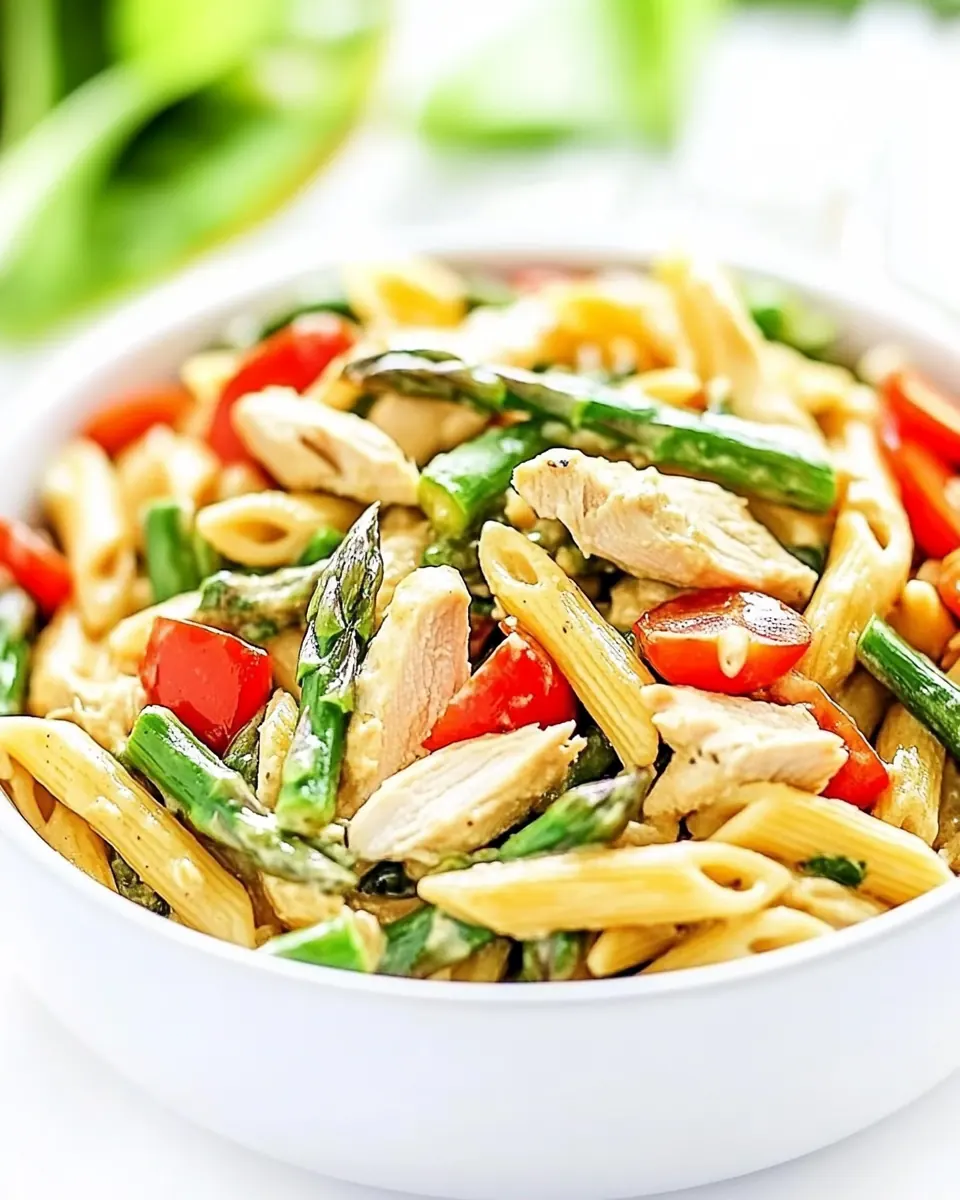
Bringing everything together is about timing and rhythm. The trick is to cook components so they meet warm and perfectly textured in the final pan. Work steadily and keep the sauce warm but gentle while you combine everything.
- Cook the pasta according to package instructions.: The kitchen will smell faintly of wheat and steam as the pot comes to a boil, and you should hear a steady rolling simmer as the pasta cooks. Use plenty of salted water so the penne pasta absorbs seasoning while it hydrates, and stir occasionally to prevent sticking. Test for al dente a minute or two before the package time, because pasta continues to soften slightly when mixed into the hot sauce. A common mistake is overcooking, which leads to a mushy texture; keep a bowl of cold water nearby to cool a test piece if you need to check doneness without interrupting the pot heat.
- Meanwhile season the diced chicken thighs with salt, pepper, paprika and garlic powder. Heat 1 tbsp olive oil in a large skillet or dutch oven over medium high heat. Cook chicken in skillet, until browned and cooked through, transfer chicken to a plate to keep warm.: As you season, the spices will cling to the surface of the chicken , promising a flavorful crust when seared. Heat 1 tbsp olive oil in a large skillet or dutch oven over medium high heat, where the oil should shimmer but not smoke. When the chicken hits the pan you will hear an immediate sizzle and see edges begin to brown; that Maillard reaction builds savory depth. Cook until browned and cooked through, then transfer the chicken to a plate to keep warm so it does not overcook in residual heat. A frequent error here is moving pieces too soon, preventing proper browning; let them form color before turning.
- To the same skillet add 1 tbsp olive oil and heat over medium heat. Add the veggies and cook, stirring occasionally, until crisp tender (about 3 to 5 minutes). Remove veggies from skillet to the plate with the chicken and keep warm.: After searing the chicken , the pan holds browned bits that are full of flavor. Add the next tablespoon of oil and allow it to warm until it shimmers, which helps the vegetables start sizzling right away. Add the veggies and cook, stirring occasionally, until crisp tender about 3 to 5 minutes; you'll notice bright color and a slight snap in the asparagus , and the mushrooms will begin to darken. Remove veggies from skillet to the plate with the chicken and keep warm to preserve their texture. Avoid overcooking the vegetables here, since they will finish in the sauce and you want them to remain slightly firm.
- Add the last tbsp of olive oil to the skillet along with 4 tbsp of butter, over medium heat. Use a spoon or whisk to scrap up any browned bits on the bottom of the skillet (that's extra flavor!). Add the garlic, red pepper flakes and flour, whisk until mixture is thickened and smooth. Slowly pour in the milk and chicken broth, whisking continuously until the liquid is added. Finally add in the parmesan cheese and whisk until smooth and creamy.: The butter will melt and foam gently, releasing a nutty aroma that signals flavor buildup. Use a spoon or whisk to scrape up any browned bits on the bottom of the skillet, because those fond pieces dissolve into the sauce and add complexity. Add the garlic , red pepper flakes and flour , whisking until the mixture is thickened and smooth; the flour should cook for a minute to remove raw starch taste. Slowly pour in the milk and chicken broth , whisking continuously so the liquid integrates without lumps. When the mixture begins to steam gently, finally add in the parmesan and whisk until smooth and creamy, watching for a glossy sheen. If the sauce is too thin, simmer briefly to reduce; if it gets grainy, lower the heat and whisk steadily. A frequent pitfall is adding cold liquid too quickly which can cause clumps, so steady pouring and whisking is key.
- Add the chicken and veggies back to the pan as well as the cooked pasta. Stir to combine and coat evenly with sauce. Garnish with chopped parsley. Enjoy!: At this point the sauce should cling to the whisk and smell rich and cheesy, with a gentle peppery lift from the red flakes. Stir to combine and coat evenly with sauce, making sure each piece of penne pasta and chunk of chicken is glossy and covered. Heat for a minute or two so everything is unified, watching that the sauce does not boil vigorously which can separate the dairy. Taste and adjust salt and pepper if needed. Garnish with chopped parsley for a fresh contrast and serve immediately so the textures stay at their best. One thing to avoid is leaving the dish sitting in the hot pan too long, which can over soften the pasta and wilt the vegetables.
How to Switch It Up
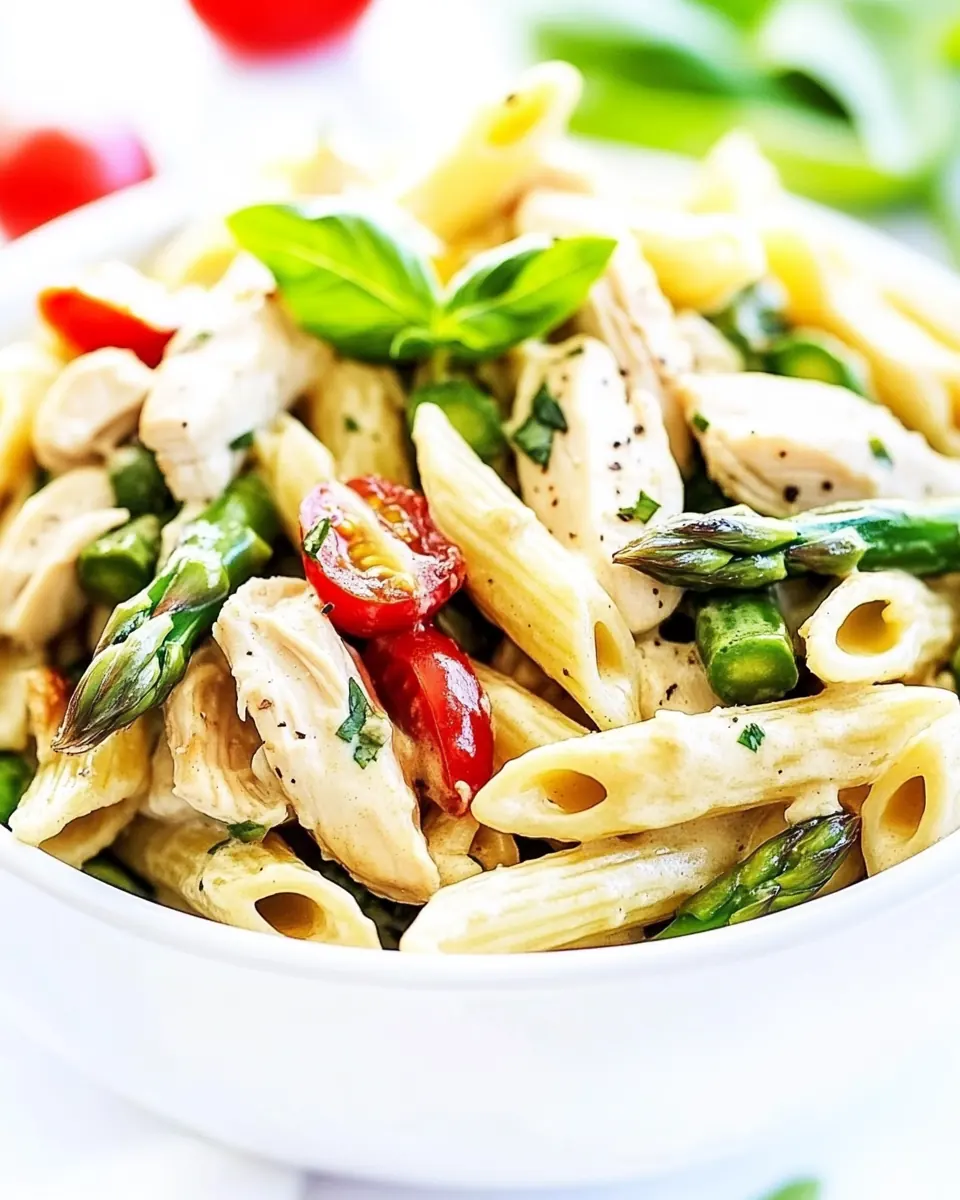
I like offering variations so this dish can fit different moods and pantries. Below are practical, tested ways to change texture, heat, and presentation while keeping the core pleasures intact.
- Boost the vegetables Add more or different spring vegetables like peas or spinach at the end for color and freshness, tossing them briefly so they retain texture.
- Swap the pasta shape Use rigatoni or fusilli to change how the sauce clings, choosing shapes with ridges or pockets to capture more sauce on each bite.
- Make it lighter Use half milk and half low sodium chicken broth to reduce richness while preserving creaminess, and increase the vegetables to compensate.
- Increase the heat Add an extra pinch of crushed red pepper flakes or a splash of hot sauce to the sauce while you whisk, tasting as you go so it doesn’t overpower the cheese.
- Finish with acid A squeeze of lemon just before serving brightens the dish and balances the richness of the parmesan and butter.
- Make-ahead assembly Keep components separate, refrigerate, then gently reheat the sauce and combine with warmed pasta and reheated chicken for a quick dinner later in the week.
Serving Suggestions
This dish is versatile for casual dinners and small celebrations alike. Below are ideas for plating, accompaniments, and storage to help you get the most from the recipe.
- Serve family style Spoon the Creamy Chicken Asparagus Penne Pasta into a warm shallow bowl and garnish with parsley for a cozy communal meal perfect for weeknight dinners.
- Plate elegantly Twirl portions of the penne pasta with chunks of chicken and asparagus on warmed plates, finishing each with extra grated parmesan for a more formal presentation when guests arrive.
- Side salad pairing Pair with a crisp green salad dressed in a bright vinaigrette to cut through the creaminess and add textural contrast for lunch or dinner.
- Occasions This is excellent for springtime meals when asparagus is fresh, for casual weekend dinners, and for gatherings where you want something comforting but not fussy.
- Storage Store leftovers in an airtight container for up to three days; reheat gently on the stovetop with a splash of broth to loosen the sauce and revive texture.
- Make ahead Cook pasta slightly underdone and keep sauce and proteins separate, then combine and warm before serving to retain the best texture.
FAQ
Conclusion
This recipe shines because it brings together juicy chicken, bright asparagus, and al dente penne pasta in a creamy, flavorful parmesan sauce that feels both comforting and refined. Try it when you want a fuss free meal that still impresses; it’s forgiving, quick to assemble, and scales well for guests. I encourage you to give it a go and personalize small details like heat level or vegetable mix, then notice how the simple technique rewards you with layered flavors and satisfying textures.
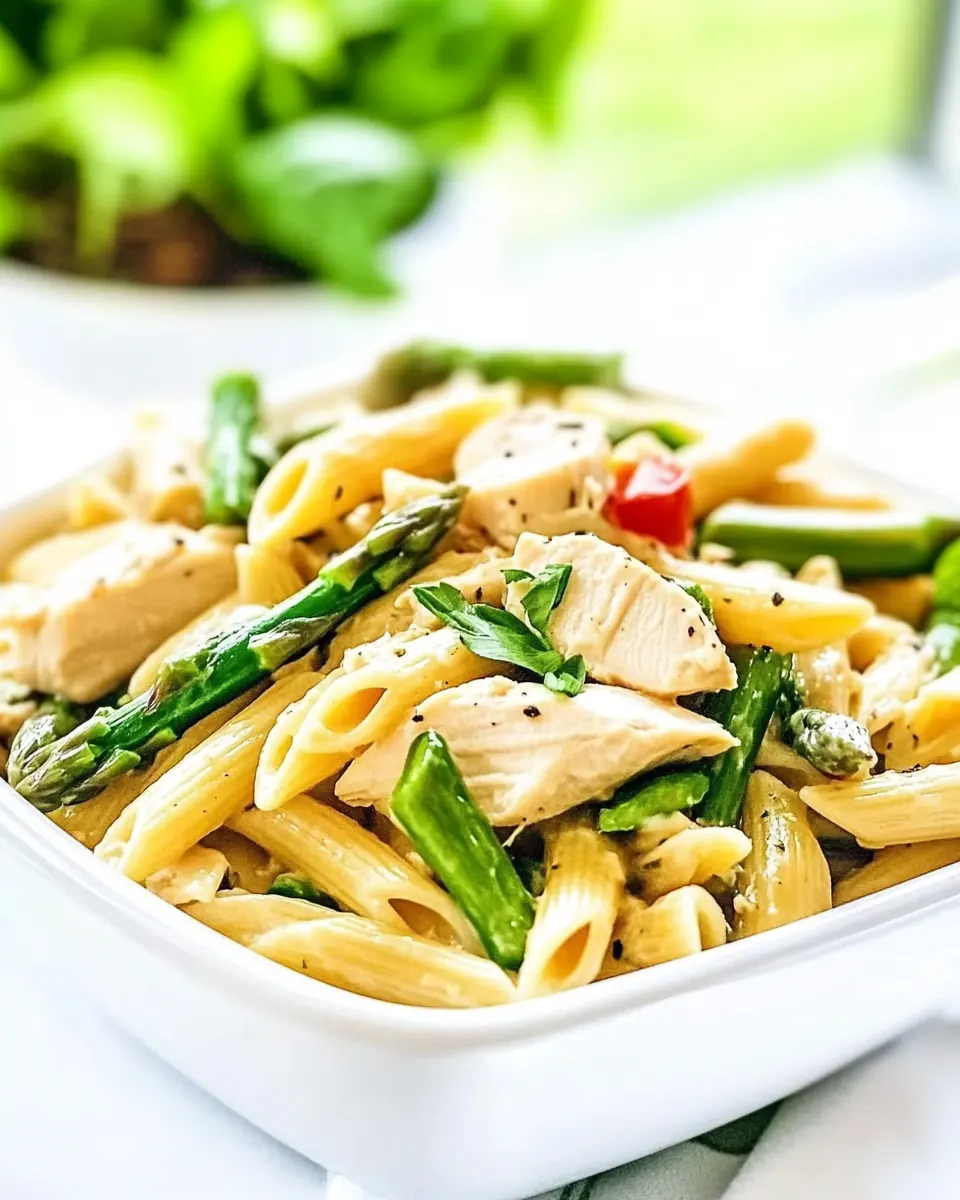
Creamy Chicken Asparagus Penne Pasta
Ingredients
Equipment
Method
- Cook the pasta according to package instructions.: The kitchen will smell faintly of wheat and steam as the pot comes to a boil, and you should hear a steady rolling simmer as the pasta cooks. Use plenty of salted water so the penne pasta absorbs seasoning while it hydrates, and stir occasionally to prevent sticking. Test for al dente a minute or two before the package time, because pasta continues to soften slightly when mixed into the hot sauce. A common mistake is overcooking, which leads to a mushy texture; keep a bowl of cold water nearby to cool a test piece if you need to check doneness without interrupting the pot heat.
- Meanwhile season the diced chicken thighs with salt, pepper, paprika and garlic powder. Heat 1 tbsp olive oil in a large skillet or dutch oven over medium high heat. Cook chicken in skillet, until browned and cooked through, transfer chicken to a plate to keep warm.: As you season, the spices will cling to the surface of the chicken , promising a flavorful crust when seared. Heat 1 tbsp olive oil in a large skillet or dutch oven over medium high heat, where the oil should shimmer but not smoke. When the chicken hits the pan you will hear an immediate sizzle and see edges begin to brown; that Maillard reaction builds savory depth. Cook until browned and cooked through, then transfer the chicken to a plate to keep warm so it does not overcook in residual heat. A frequent error here is moving pieces too soon, preventing proper browning; let them form color before turning.
- To the same skillet add 1 tbsp olive oil and heat over medium heat. Add the veggies and cook, stirring occasionally, until crisp tender (about 3 to 5 minutes). Remove veggies from skillet to the plate with the chicken and keep warm.: After searing the chicken , the pan holds browned bits that are full of flavor. Add the next tablespoon of oil and allow it to warm until it shimmers, which helps the vegetables start sizzling right away. Add the veggies and cook, stirring occasionally, until crisp tender about 3 to 5 minutes; you'll notice bright color and a slight snap in the asparagus , and the mushrooms will begin to darken. Remove veggies from skillet to the plate with the chicken and keep warm to preserve their texture. Avoid overcooking the vegetables here, since they will finish in the sauce and you want them to remain slightly firm.
- Add the last tbsp of olive oil to the skillet along with 4 tbsp of butter, over medium heat. Use a spoon or whisk to scrap up any browned bits on the bottom of the skillet (that's extra flavor!). Add the garlic, red pepper flakes and flour, whisk until mixture is thickened and smooth. Slowly pour in the milk and chicken broth, whisking continuously until the liquid is added. Finally add in the parmesan cheese and whisk until smooth and creamy.: The butter will melt and foam gently, releasing a nutty aroma that signals flavor buildup. Use a spoon or whisk to scrape up any browned bits on the bottom of the skillet, because those fond pieces dissolve into the sauce and add complexity. Add the garlic , red pepper flakes and flour , whisking until the mixture is thickened and smooth; the flour should cook for a minute to remove raw starch taste. Slowly pour in the milk and chicken broth , whisking continuously so the liquid integrates without lumps. When the mixture begins to steam gently, finally add in the parmesan and whisk until smooth and creamy, watching for a glossy sheen. If the sauce is too thin, simmer briefly to reduce; if it gets grainy, lower the heat and whisk steadily. A frequent pitfall is adding cold liquid too quickly which can cause clumps, so steady pouring and whisking is key.
- Add the chicken and veggies back to the pan as well as the cooked pasta. Stir to combine and coat evenly with sauce. Garnish with chopped parsley. Enjoy!: At this point the sauce should cling to the whisk and smell rich and cheesy, with a gentle peppery lift from the red flakes. Stir to combine and coat evenly with sauce, making sure each piece of penne pasta and chunk of chicken is glossy and covered. Heat for a minute or two so everything is unified, watching that the sauce does not boil vigorously which can separate the dairy. Taste and adjust salt and pepper if needed. Garnish with chopped parsley for a fresh contrast and serve immediately so the textures stay at their best. One thing to avoid is leaving the dish sitting in the hot pan too long, which can over soften the pasta and wilt the vegetables.
Notes
- Boost the vegetables Add more or different spring vegetables like peas or spinach at the end for color and freshness, tossing them briefly so they retain texture.
- Swap the pasta shape Use rigatoni or fusilli to change how the sauce clings, choosing shapes with ridges or pockets to capture more sauce on each bite.
- Make it lighter Use half milk and half low sodium chicken broth to reduce richness while preserving creaminess, and increase the vegetables to compensate.
- Increase the heat Add an extra pinch of crushed red pepper flakes or a splash of hot sauce to the sauce while you whisk, tasting as you go so it doesn’t overpower the cheese.
- Finish with acid A squeeze of lemon just before serving brightens the dish and balances the richness of the parmesan and butter.
- Make-ahead assembly Keep components separate, refrigerate, then gently reheat the sauce and combine with warmed pasta and reheated chicken for a quick dinner later in the week.