Baked Gnocchi with Sausage
Baked Gnocchi with Sausage has been one of those go to recipes I turn to when I want comfort food that arrives on the table fast and tastes like I spent twice the time. I remember the first time I baked this up for friends on a chilly night in fall, how the kitchen filled with the rich, savory scent of Italian sausage browning and the sweet tomato sauce simmering, and everyone paused, forks midair, to say how cozy it felt. The dish felt both rustic and homey, perfect for a weeknight when we wanted something satisfying without fuss.
Over the years I’ve tweaked the balance of cheese and sauce, learning to let the gnocchi soak up the juices just enough so each pillowy bite carries flavor. It’s the sort of recipe that rewards small rituals, like patiently letting the onion turn translucent before adding the garlic, or waiting until the edges bubble and the top is golden before pulling it from the oven. That little waiting time makes the difference between a good meal and a memorable one.
Every time I serve Baked Gnocchi with Sausage I tell the story of how a rushed grocery run once led me to substitute one cheese for another, and how that happy accident made the casserole silkier. That sense of improvisation is what I love about this recipe, you can nudge it toward smokier, creamier, or more herb forward profiles depending on what’s in your pantry. Invite friends, set a simple salad alongside, and enjoy the way the room warms up as forks dive into the bubbly, cheesy top.
Recipe Snapshot
35 mins
15 mins
20 mins
Medium
450 kcal
Italian
Keto, Gluten-Free
Dinner
Baking dish, Medium pot, Large skillet
Why You’ll Love This Baked Gnocchi with Sausage
Comfort with Little Effort
I love how Baked Gnocchi with Sausage feels indulgent yet comes together quickly. You get the sensation of a slow cooked casserole without hours at the stove, making it ideal for busy evenings when you still want to impress.
Texture Play
The contrast between pillowy gnocchi and the crisped, melted cheese on top is addictive. I always note how the soft interior and slightly chewy edges make every bite interesting, which keeps people reaching back for more.
Layered Savory Flavors
The browning of Italian sausage creates deep, meaty notes, while the simmered crushed tomatoes add brightness. Together, they build a rounded sauce that feels balanced and deeply satisfying to me.
Flexible and Friendly
I appreciate that this dish tolerates tweaks. You can nudge the seasoning, swap cheeses, or lighten it up while keeping the core appeal. That flexibility is what makes it a staple in my rotation.
Great for Sharing
I’ve brought Baked Gnocchi with Sausage to casual dinners and it always travels well. It feeds a small crowd, holds its warmth, and presents beautifully straight from the oven, which I find makes any gathering feel special.
Main Ingredients for Baked Gnocchi with Sausage
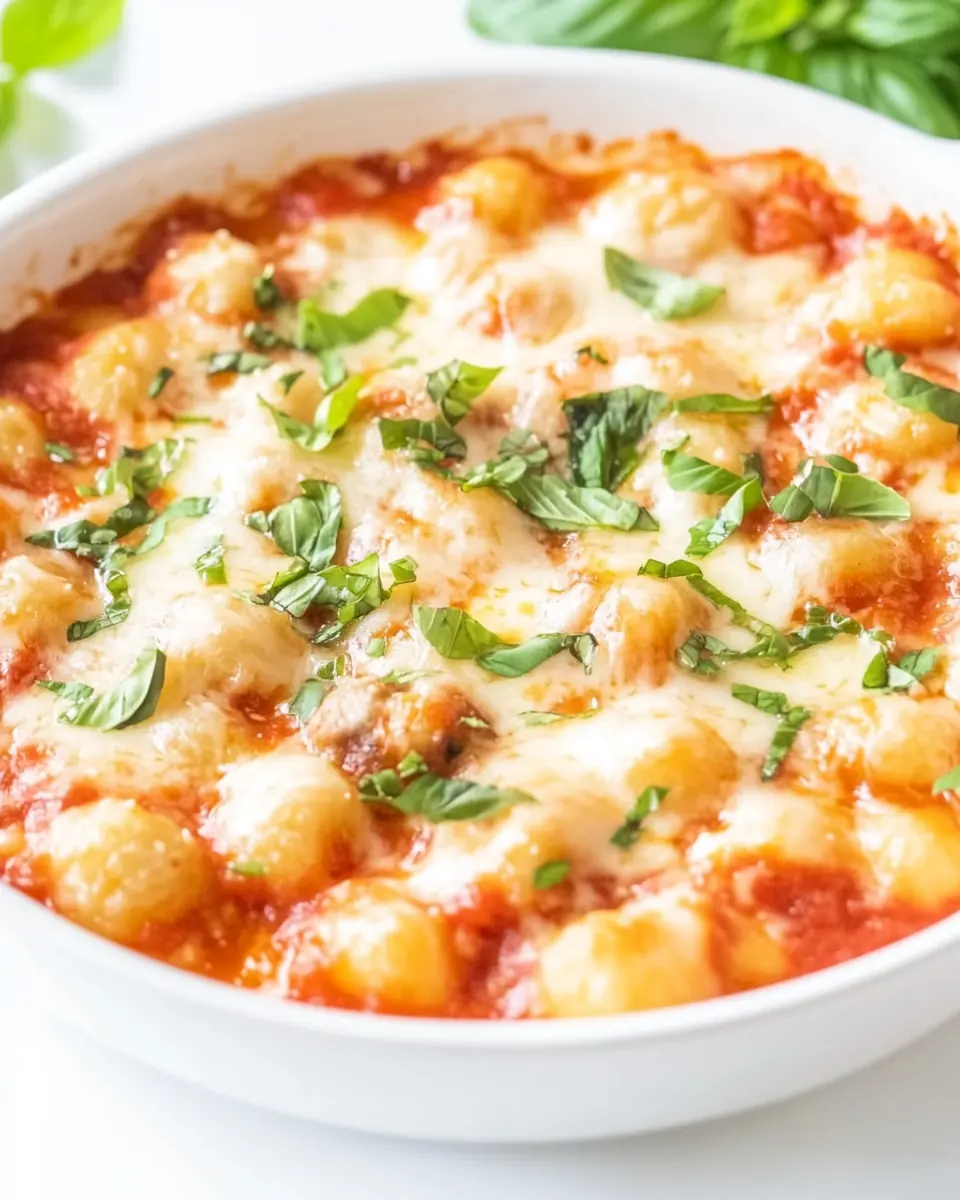
These ingredients come together to create a balanced, comforting casserole where each element has a clear job. The gnocchi provides pillowy texture, the Italian sausage brings savory depth, and the crushed tomatoes tie the dish together with acidity. The cheeses offer creaminess and that gratin like top that makes each serving irresistible.
- 1 tablespoon olive oil: Heat and coat the pan to prevent sticking and to create a flavorful base for sautéing aromatics and proteins. Adds a subtle fruity richness that complements tomato-based sauces. Use at the beginning to help brown sausage and soften vegetables for depth of flavor.
- 1 small yellow onion chopped: Provide a sweet, aromatic foundation when softened, contributing body and natural sugars to the sauce. Release moisture and mellow when cooked, helping to balance the acidity of crushed tomatoes. Chop small so it integrates evenly throughout the dish and cooks quickly.
- 3 garlic cloves minced: Contribute bright, pungent flavor and aromatic warmth when minced and sautéed briefly to avoid bitterness. Enhance overall savory profile and marry with Italian seasoning and sausage for a cohesive sauce. Add toward the end of onion cooking to preserve its fragrance.
- 1 lb Italian sausage I used mild: Deliver savory, fatty richness and a seasoned meaty backbone for the sauce when browned and crumbled. Add protein and texture while rendering fat that helps carry and meld flavors in the dish. Choose mild or spicy depending on desired heat and brown thoroughly for best flavor.
- 1 1/2 teaspoon Italian seasoning: Impart a blend of dried Mediterranean herbs that adds warmth, herbal complexity, and classic Italian flavors to the sauce. Sprinkle in while the sausage and aromatics cook so the oils release and flavors infuse. Adjust slightly if using fresh herbs to avoid overpowering the dish.
- 1/2 teaspoon salt: Enhance and balance overall flavors by seasoning the sauce and gnocchi throughout cooking. Draw out and elevate the natural flavors of the tomatoes, sausage, and cheeses when added gradually. Taste and adjust as needed to avoid over-salting.
- 1/4 teaspoon black pepper: Add a subtle background heat and depth when cracked over the sauce, providing a balancing bite against richer components. Use sparingly while cooking to avoid overshadowing delicate flavors. Pair with salt and herbs to round out the seasoning profile.
- 24 oz crushed tomatoes: Create a rich, tangy tomato base that forms the core of the sauce, offering acidity and body. Simmer with sauted aromatics and sausage to develop depth and concentrate flavors. Use crushed tomatoes for texture that clings to gnocchi and melds with cheeses during baking.
- 1 lb gnocchi: Provide pillowy starch and act as the main carbohydrate component that soaks up sauce and cheese. Boil or toss according to package instructions before combining with sauce, ensuring gnocchi are cooked through and tender. Choose fresh or shelf-stable varieties but avoid overcooking to maintain shape.
- 1 cup shredded mozzarella cheese: Melt into a gooey, stretchy topping that brings familiar, melty cheeseiness to the finished bake. Sprinkle evenly over the assembled gnocchi and sauce before baking to achieve golden, bubbly strands. Use freshly shredded to ensure even melting and smooth texture.
- 1/2 cup shredded gouda cheese: Add a smoky, creamy dimension to the cheese blend that complements mozzarella and enriches the overall flavor profile. Mix with mozzarella for a nuanced, slightly sharp finish and silky mouthfeel when melted. Shred finely so it melts uniformly across the casserole.
The Process for Making Baked Gnocchi with Sausage
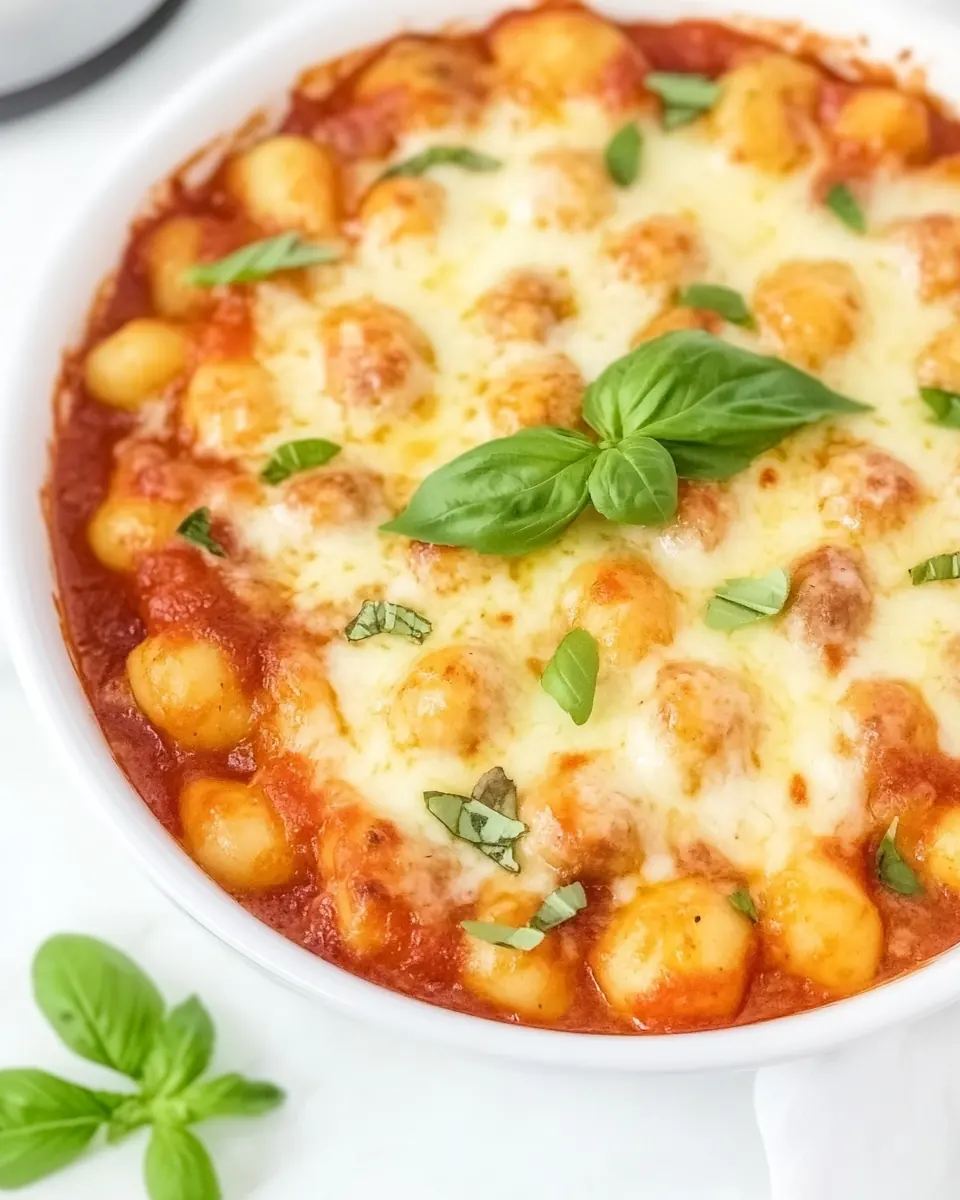
We are going to move through this recipe in straightforward stages so each component plays its part. Start by prepping your pan and water, then build flavor in the skillet, fold in the gnocchi, and finish under the broiler of the oven for a bubbly top. Keep your senses active; sight, sound, and smell will tell you when to move to the next step.
- Preheat the oven to 375° F. Grease 2 quart or 13" x 9" baking dish. Set aside.: As the oven warms, you should notice a faint dry heat filling the kitchen, promising that the bubbling stage will be even and consistent. Preheating is essential because a cold oven would delay the cheese melting and prevent the top from setting properly. Greasing the dish ensures the finished casserole releases cleanly, which makes serving easier and preserves crusty edges. A common mistake is not preheating fully, which can lead to uneven baking and a longer time in the oven. If you open the oven too often during baking you can lose heat, so avoid peeking repeatedly.
- Bring a medium pot of water to a boil. Cook gnocchi in water for 2 minutes. Remove and set aside.: When the water vigorously boils you will hear large rolling bubbles and the steam will lift aromas, signaling readiness. The gnocchi will float and puff slightly when cooked, indicating they are ready; overcooking makes them mushy. After draining, they should still feel pillowy, not limp, so they can absorb sauce without disintegrating. A frequent error is leaving boiled gnocchi in hot water, which softens them too much. Quickly drain and set them aside so they retain shape when mixed into the sauce.
- In a large skillet, heat up olive oil.: Warm olive oil becomes glossy and slightly shimmering when ready, releasing a subtle fruity aroma. Heating the oil prepares a medium for even sautéing of aromatics and meat, and it prevents sticking. If the oil smokes, the pan is too hot and can impart bitter flavors, so lower the heat. Another pitfall is adding ingredients while the oil is still cold, which leads to uneven sweating rather than gentle caramelization.
- Add onion and saute until almost translucent.: As the onion softens you will see it turn from opaque to translucent and its aroma will shift to a mild sweetness. This step gently builds depth without creating bitterness. Cook over medium heat and stir occasionally so edges do not brown prematurely. A mistake to avoid is rushing with high heat, which will brown the onion too quickly and change the intended flavor profile.
- Add garlic and saute for 2 minutes, stirring often.: The scent of sizzling garlic should become fragrant and inviting within moments, releasing a warm, savory note. Stirring prevents sticking and ensures the garlic softens evenly. Cook briefly to soften the raw edge, because burnt garlic tastes acrid and can ruin the sauce. Keep the heat moderate and watch closely since garlic can transition from golden to burnt rapidly.
- Add Italian sausage and cook until brown, then 4 to 5 minutes longer OR until darker brown bits form at the bottom of the pan (you want the Maillard reaction) which will add even more flavor.: As the Italian sausage sizzles, the kitchen will fill with a meaty, savory aroma and small brown crumbs will collect on the pan bottom, which are flavor gold. Browning concentrates flavors and releases caramelized juices that enhance the sauce, so be patient and let the meat develop color. Stir occasionally to brown evenly. A common error is stirring too frequently which prevents good browning, or cooking at too low a temperature so the sausage stews rather than caramelizes.
- Add Italian seasoning and crushed tomatoes. Season sauce with salt and pepper. Stir everything together and bring to a simmer.: When the crushed tomatoes meet the browned bits, a rich, savory steam rises and the sauce will darken slightly as flavors meld. Simmering gently concentrates the sauce and helps meld the herb notes from the Italian seasoning . Salt brightens the tomato and tames any bitterness, while black pepper contributes a background warmth. Avoid a rolling boil which can break down the texture too aggressively; gentle simmering yields a balanced, cohesive sauce.
- Add gnocchi and stir with the sauce. Remove from heat and pour into prepared baking dish.: The moment you fold in the gnocchi , you should see them coated and glossy, the sauce clinging to every pillowy ridge. This contact helps the gnocchi absorb flavor without becoming waterlogged. Pouring into the prepared dish distributes the mixture evenly for even baking. A typical misstep is overcrowding the pan, which prevents uniform browning of the cheese and can lead to soggy pockets.
- Top gnocchi with cheese and bake in the oven for 20 minutes OR until bubbly along the edges and the cheese is melted.: As the dish bakes, the top will transition from creamy to bubbling, with edges showing golden speckles and a pleasing crust forming. The sound of light bubbling and the scent of melting cheese are good indicators of readiness. This step melds textures, melts the cheeses into one cohesive layer, and creates a visually appealing surface. Avoid underbaking, which leaves the cheese too loose, and overbaking, which can dry out the gnocchi .
- Remove from oven, let cool for 10 minutes, then serve. Garnish with fresh basil or Italian parsley.: Cooling allows the casserole to settle so it slices neatly and the flavors harmonize; the aroma will remain warm and inviting as you plate. Garnishing with fresh herbs adds color and a fresh contrast to the rich casserole. A mistake people make is serving immediately, which leads to a runny texture and potential burns, so patience improves both presentation and flavor.
Substitutions and Tips
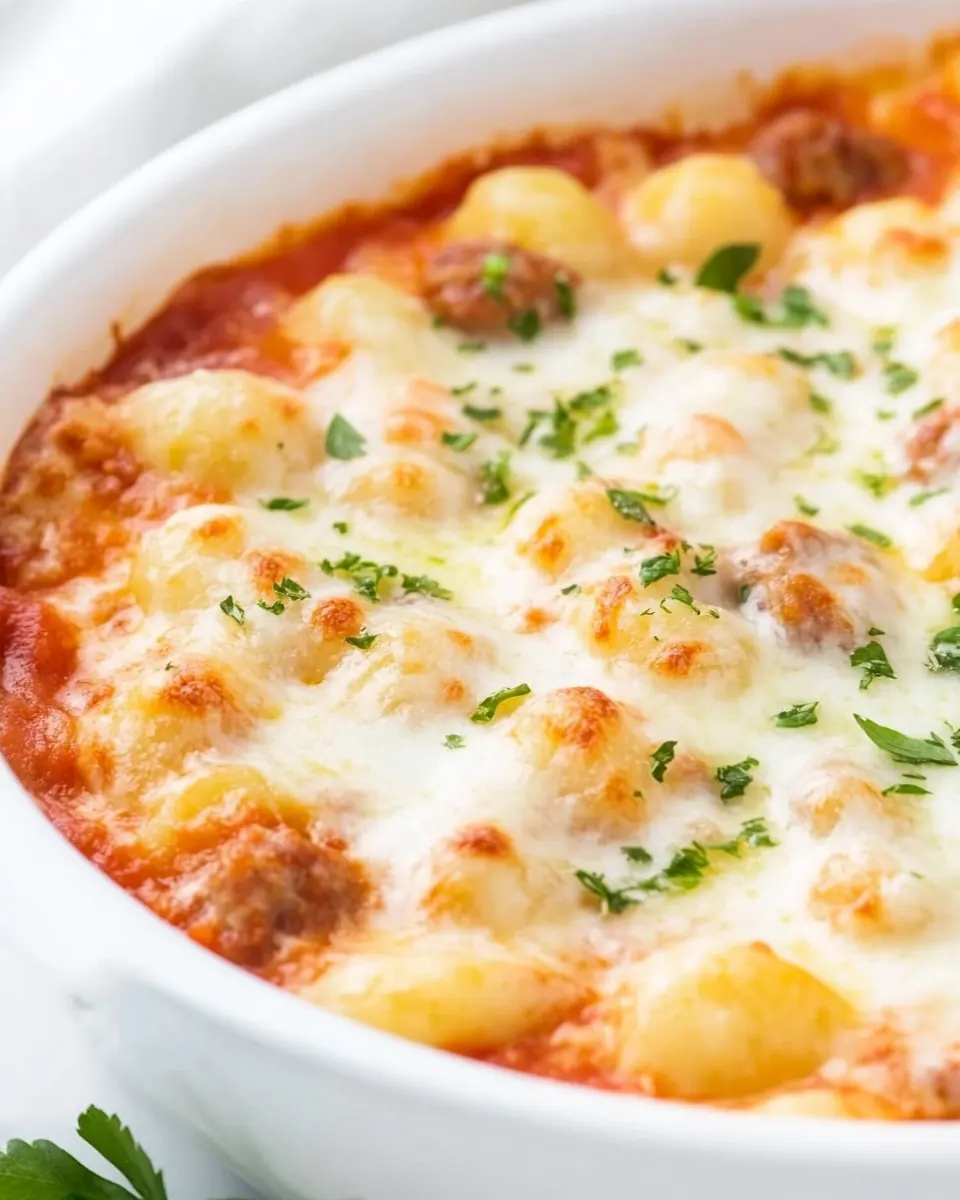
I like to offer simple swaps and practical notes that respect the recipe’s structure while letting you personalize it. Below are detailed tips and substitution ideas that keep the dish reliable and flavorful.
- Meat swap — The notes mention ground beef or turkey as options; if you choose them, brown thoroughly and adjust seasoning since leaner meats may need a touch more oil or seasoning to reach the same depth.
- Cheese variation — You can use ricotta in place of mozzarella to create a creamier bite, fold dollops into the casserole before baking so pockets of creamy cheese remain after slicing.
- Vegetarian option — Skip the meat and use hearty mushrooms, sautéed until deeply browned; add a handful of spinach at the end so it wilts into the sauce without adding excess moisture.
- Seasoning boost — If using milder meats or vegetarian swaps, increase the Italian seasoning slightly to maintain herbal brightness and balance the sauce.
- Nutrition note — The nutrition can vary by product; use this as an estimate and consult your preferred calorie counter if you need precise values for dietary tracking.
What to Pair With Baked Gnocchi with Sausage
This dish pairs well with bright, textured sides and can suit multiple occasions from cozy dinners to casual gatherings. Below are practical serving ideas, storage tips, and seasonal pairings to help you plan the whole meal.
- Simple green salad — A crisp salad dressed with lemon and olive oil cuts through the richness, adding freshness and a contrasting crunch.
- Garlic bread — Toasted slices are perfect for sopping up sauce; serve warm for best texture and aroma.
- Light vegetable side — Steamed or roasted green beans with a squeeze of lemon bring balance and a pop of color.
- Occasion suitability — This is ideal for a weeknight dinner or a small fall gathering, offering comfort without excessive effort.
- Storage — Refrigerate leftovers in an airtight container for up to 3 days; reheat gently in the oven to preserve texture rather than microwaving which can make the gnocchi gummy.
- Make ahead — Assemble the casserole and refrigerate unbaked for a few hours, then bake when ready. Add a few extra minutes to the baking time if chilled through.
- Seasonal pairing — In fall, serve with roasted root vegetables or a warm apple salad for complementary autumn flavors.
FAQ
Conclusion
Baked Gnocchi with Sausage shines because it balances pillowy gnocchi, savory browned Italian sausage, and a bubbly, cheesy top into an effortless, comforting meal. Try it when you want something that feels special but doesn’t demand a lot of hands on time, and invite friends or family to enjoy the warm, rich flavors. I hope you have as much fun making and sharing this dish as I do, and that it becomes one of your reliable go to recipes for cozy nights.
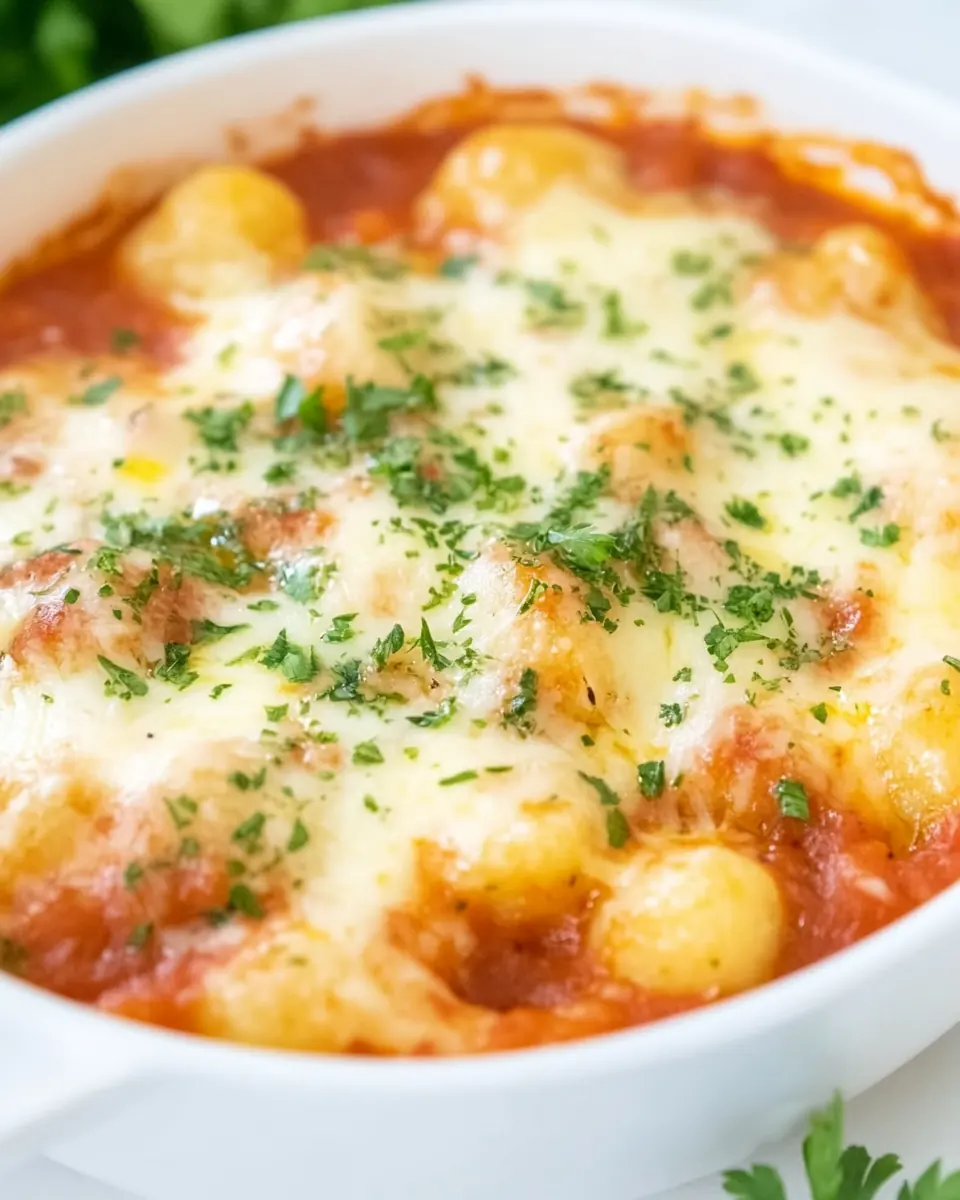
Baked Gnocchi with Sausage
Ingredients
Equipment
Method
- Preheat the oven to 375° F. Grease 2 quart or 13" x 9" baking dish. Set aside.: As the oven warms, you should notice a faint dry heat filling the kitchen, promising that the bubbling stage will be even and consistent. Preheating is essential because a cold oven would delay the cheese melting and prevent the top from setting properly. Greasing the dish ensures the finished casserole releases cleanly, which makes serving easier and preserves crusty edges. A common mistake is not preheating fully, which can lead to uneven baking and a longer time in the oven. If you open the oven too often during baking you can lose heat, so avoid peeking repeatedly.
- Bring a medium pot of water to a boil. Cook gnocchi in water for 2 minutes. Remove and set aside.: When the water vigorously boils you will hear large rolling bubbles and the steam will lift aromas, signaling readiness. The gnocchi will float and puff slightly when cooked, indicating they are ready; overcooking makes them mushy. After draining, they should still feel pillowy, not limp, so they can absorb sauce without disintegrating. A frequent error is leaving boiled gnocchi in hot water, which softens them too much. Quickly drain and set them aside so they retain shape when mixed into the sauce.
- In a large skillet, heat up olive oil.: Warm olive oil becomes glossy and slightly shimmering when ready, releasing a subtle fruity aroma. Heating the oil prepares a medium for even sautéing of aromatics and meat, and it prevents sticking. If the oil smokes, the pan is too hot and can impart bitter flavors, so lower the heat. Another pitfall is adding ingredients while the oil is still cold, which leads to uneven sweating rather than gentle caramelization.
- Add onion and saute until almost translucent.: As the onion softens you will see it turn from opaque to translucent and its aroma will shift to a mild sweetness. This step gently builds depth without creating bitterness. Cook over medium heat and stir occasionally so edges do not brown prematurely. A mistake to avoid is rushing with high heat, which will brown the onion too quickly and change the intended flavor profile.
- Add garlic and saute for 2 minutes, stirring often.: The scent of sizzling garlic should become fragrant and inviting within moments, releasing a warm, savory note. Stirring prevents sticking and ensures the garlic softens evenly. Cook briefly to soften the raw edge, because burnt garlic tastes acrid and can ruin the sauce. Keep the heat moderate and watch closely since garlic can transition from golden to burnt rapidly.
- Add Italian sausage and cook until brown, then 4 to 5 minutes longer OR until darker brown bits form at the bottom of the pan (you want the Maillard reaction) which will add even more flavor.: As the Italian sausage sizzles, the kitchen will fill with a meaty, savory aroma and small brown crumbs will collect on the pan bottom, which are flavor gold. Browning concentrates flavors and releases caramelized juices that enhance the sauce, so be patient and let the meat develop color. Stir occasionally to brown evenly. A common error is stirring too frequently which prevents good browning, or cooking at too low a temperature so the sausage stews rather than caramelizes.
- Add Italian seasoning and crushed tomatoes. Season sauce with salt and pepper. Stir everything together and bring to a simmer.: When the crushed tomatoes meet the browned bits, a rich, savory steam rises and the sauce will darken slightly as flavors meld. Simmering gently concentrates the sauce and helps meld the herb notes from the Italian seasoning . Salt brightens the tomato and tames any bitterness, while black pepper contributes a background warmth. Avoid a rolling boil which can break down the texture too aggressively; gentle simmering yields a balanced, cohesive sauce.
- Add gnocchi and stir with the sauce. Remove from heat and pour into prepared baking dish.: The moment you fold in the gnocchi , you should see them coated and glossy, the sauce clinging to every pillowy ridge. This contact helps the gnocchi absorb flavor without becoming waterlogged. Pouring into the prepared dish distributes the mixture evenly for even baking. A typical misstep is overcrowding the pan, which prevents uniform browning of the cheese and can lead to soggy pockets.
- Top gnocchi with cheese and bake in the oven for 20 minutes OR until bubbly along the edges and the cheese is melted.: As the dish bakes, the top will transition from creamy to bubbling, with edges showing golden speckles and a pleasing crust forming. The sound of light bubbling and the scent of melting cheese are good indicators of readiness. This step melds textures, melts the cheeses into one cohesive layer, and creates a visually appealing surface. Avoid underbaking, which leaves the cheese too loose, and overbaking, which can dry out the gnocchi .
- Remove from oven, let cool for 10 minutes, then serve. Garnish with fresh basil or Italian parsley.: Cooling allows the casserole to settle so it slices neatly and the flavors harmonize; the aroma will remain warm and inviting as you plate. Garnishing with fresh herbs adds color and a fresh contrast to the rich casserole. A mistake people make is serving immediately, which leads to a runny texture and potential burns, so patience improves both presentation and flavor.
Notes
- Meat swap — The notes mention ground beef or turkey as options; if you choose them, brown thoroughly and adjust seasoning since leaner meats may need a touch more oil or seasoning to reach the same depth.
- Cheese variation — You can use ricotta in place of mozzarella to create a creamier bite, fold dollops into the casserole before baking so pockets of creamy cheese remain after slicing.
- Vegetarian option — Skip the meat and use hearty mushrooms, sautéed until deeply browned; add a handful of spinach at the end so it wilts into the sauce without adding excess moisture.
- Seasoning boost — If using milder meats or vegetarian swaps, increase the Italian seasoning slightly to maintain herbal brightness and balance the sauce.
- Nutrition note — The nutrition can vary by product; use this as an estimate and consult your preferred calorie counter if you need precise values for dietary tracking.