Easy Slow Cooker Lasagna Soup
Easy Slow Cooker Lasagna Soup is the kind of meal I reach for when the day has been long and I want comfort without fuss. The first time I made this, a chilly evening nudged me into the kitchen, and the house filled with the warm, tomatoey aroma that seemed to hug every corner. I remember stirring the pot, feeling oddly proud that a soup could taste so layered and familiar, like a lasagna that learned to be cozy in a bowl.
I often cook this when friends drop by unannounced or when we need something that feels special but doesn’t demand constant attention. There’s something wonderfully forgiving about building deep flavor slowly, and the gentle simmer in a slow cooker lets the herbs mingle with the meat and tomatoes until everything sings together. Every spoonful brings that pleasing interplay of soft pasta, savory meat, and bright tomato, and it always sparks conversation.
Recipe Snapshot
8 hr 30 mins
30 mins
480 mins
Hard
380 kcal
Italian
Gluten-Free, Low FODMAP
Soups
Skillet, Wooden spoon, Slow Cooker
Why This Easy Slow Cooker Lasagna Soup Is So Good
Comfort Without Fuss
I love that Easy Slow Cooker Lasagna Soup delivers the soul of lasagna with minimal hands on time. I can prep in half an hour, walk away, and come back to a bubbling, aromatic pot. That hands off ease means I can focus on setting the table, catching up with family, or finishing work while dinner quietly becomes fantastic.
Deep Flavor from Slow Cooking
Slow cooking lets the flavors marry in a way that quick methods can’t match. I notice the herbs become mellow and the tomatoes take on a richness that coats the palate. When the meat and aromatics have time to mingle with the broth and tomatoes, you get a layered, hearty bowl that tastes like it simmered for hours, even if you didn’t babysit the pot.
Textural Joy
The contrast of tender broken noodles, chewy bits of ground beef or sausage, and a sprinkling of melted Grated mozzarella cheese is a delightful bite each time. I appreciate that the noodles cook right in the soup, so there’s no separate pasta pot to worry about, and the result feels rustic and homey, without being sloppy.
Family Friendly and Flexible
This recipe has become a go to for weeknight dinners and casual gatherings. I can easily scale the pot or tweak the seasonings and it still works. Kids usually love the cheesy top, and adults appreciate the savory depth. When I want to lighten or enrich it, small changes make a big difference without losing the core identity of the dish.
Great for Leftovers
I always plan for leftovers because the flavors continue to improve overnight. Reheating a bowl the next day yields an even more cohesive, comforting soup. I like that it stores well, which makes it perfect for meal prep, busy days, or when you want a no stress second dinner ready to go.
Ingredients You’ll Need for Easy Slow Cooker Lasagna Soup
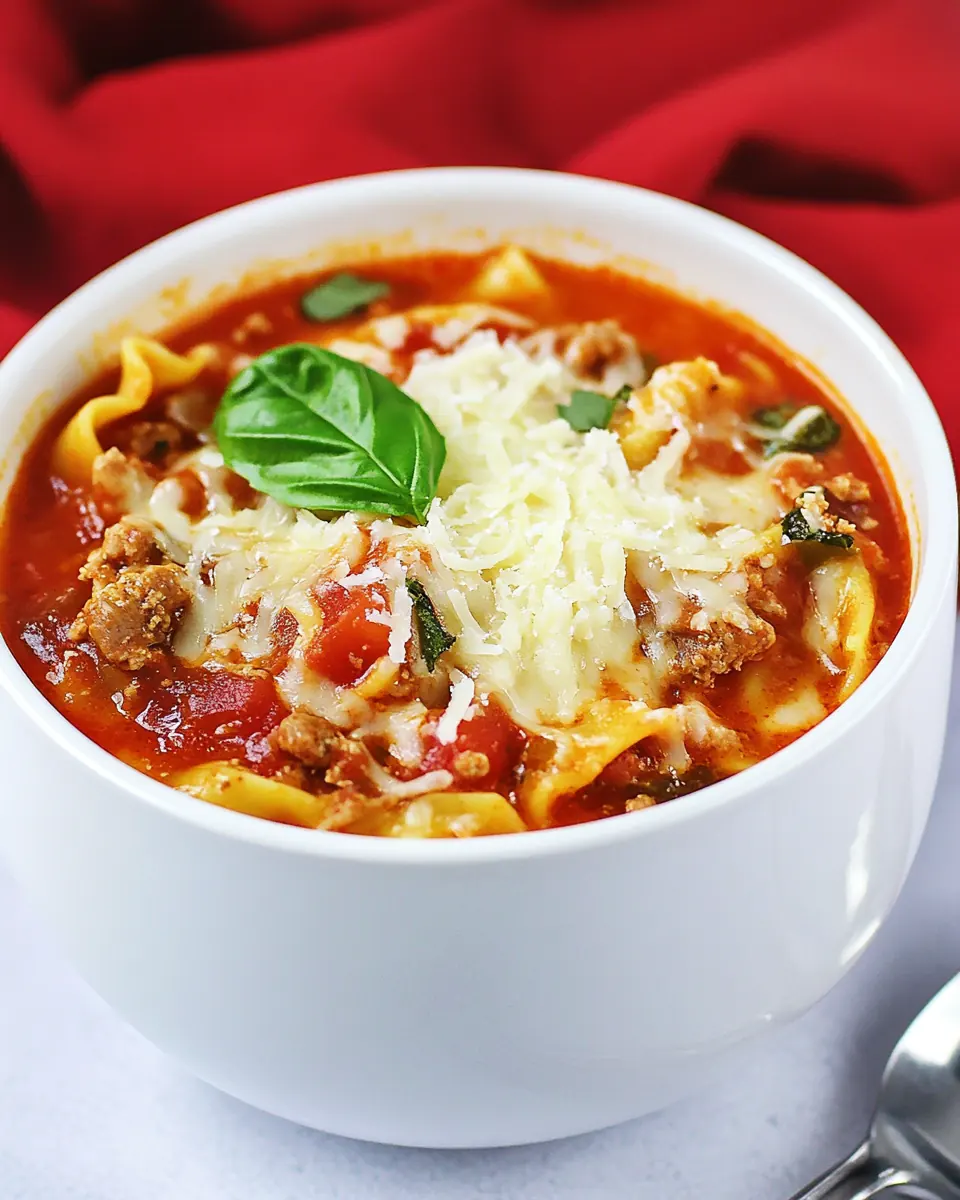
These ingredients are chosen to recreate the layered, comforting flavors of lasagna while staying true to a soup format. The foundation is a savory base of ground beef or sausage, aromatics like yellow onion and garlic, and a robust tomato combination. Herbs and bay leaves give depth, while the uncooked lasagna noodles add body and texture as they cook in the broth. Finally, the cheeses and Chopped parsley provide finishing brightness and creaminess.
- 1 lb ground beef or sausage: Brown and crumble to develop savory depth and provide the primary protein and fat for the soup, creating a rich base that mimics lasagna filling. Drain excess fat if desired to control richness and allow the other aromatics to shine.
- 1 yellow onion diced: Sauté finely to release sweet, aromatic flavors and add body to the broth; diced pieces wilt into the soup for texture. Cook until translucent to meld with garlic and soften for an even mouthfeel.
- 4 garlic cloves minced: Mince and cook briefly to infuse the soup with pungent, savory aroma and bright bite; avoid burning to prevent bitterness. Stir into the aromatics early so garlic flavor permeates the whole pot.
- 1 green bell pepper diced: Dice and sauté until tender to contribute a fresh, slightly bitter note and crunchy-to-soft texture contrast that complements the meat. Add with the onion so flavors blend and the pepper softens without losing color.
- 1 medium carrot chopped: Chop and simmer to bring subtle sweetness and earthy complexity while adding small tender pieces that resemble finely diced vegetables in traditional lasagna. Cook until soft so it integrates smoothly into the broth and sauce.
- 1/2 teaspoon thyme: Season lightly to add warm, slightly floral herb notes that enhance savory components without overpowering; measure carefully as dried thyme is concentrated. Stir into the broth early so the herb infuses evenly throughout the long cook.
- 1/2 teaspoon basil: Season gently to contribute sweet, peppery, and slightly minty undertones that harmonize with tomato flavors; use measured amounts to avoid medicinal taste. Add during cooking so basil softens and melds with other herbs.
- 1/4 teaspoon oregano: Season sparingly to introduce savory, slightly bitter Mediterranean flavor that supports the tomato base; small amounts prevent overwhelming the herb profile. Crumble between fingers when adding to release essential oils into the soup.
- 1/4 teaspoon rosemary: Season minimally to provide a piney, resinous hint that complements other Italian herbs; use finely crushed or ground to distribute evenly. Add early during simmering so rosemary softens and its aroma becomes more subtle.
- 3 bay leaves: Simmer whole to impart a gentle, aromatic background note that adds complexity without requiring removal of textural elements. Discard before serving after they have released their subtle, bay-leaf character into the broth.
- 2 cans 14.5 oz each diced tomatoes preferably San Marzano: Pour in to create the tomato foundation of the soup, supplying bright acidity, body, and chunky tomato pieces that evoke traditional lasagna sauce. Choose high-quality canned tomatoes for the best flavor and texture in the long-simmered broth.
- 2 cans 8 oz each tomato sauce: Add to provide smooth, concentrated tomato flavor and help thicken the broth into a lasagna-like sauce, enhancing saucy mouthfeel. Stir in evenly to integrate with diced tomatoes and herbs for a cohesive tomato base.
- 6 cups chicken broth: Pour in gradually to adjust soup consistency and add savory, umami-rich liquid that melds flavors while controlling final thickness. Use low-sodium broth if preferred to better regulate seasoning levels.
- 1/2 3/4 box lasagna noodles uncooked: Break into pieces and add uncooked to cook directly in the soup to create tender noodle bites that emulate lasagna layers; adjust amount for desired pasta density. Monitor cooking time so noodles reach al dente without becoming mushy.
- salt and pepper to taste: Season to taste to balance flavors and enhance overall savoriness; adjust gradually to avoid oversalting the long-cooking soup. Use freshly ground pepper for best aroma and add near the end to preserve bright peppery notes.
- Grated Parmesan cheese: Sprinkle to finish with nutty, salty umami that adds a savory, cheesy topping and deepens the lasagna character. Use freshly grated for better melting and maximum flavor impact over each serving.
- Grated mozzarella cheese: Shred and melt into the hot soup or use as a garnish to provide creamy, stretchy texture and rich dairy flavor reminiscent of lasagna layers. Add near serving so it softens slightly without fully dissolving.
- Chopped parsley: Chop finely and sprinkle as a fresh, herbaceous finish that brightens rich, tomato-forward soup while adding color contrast. Use as a garnish on each bowl to elevate presentation and add a fresh note.
Easy Slow Cooker Lasagna Soup Instructions
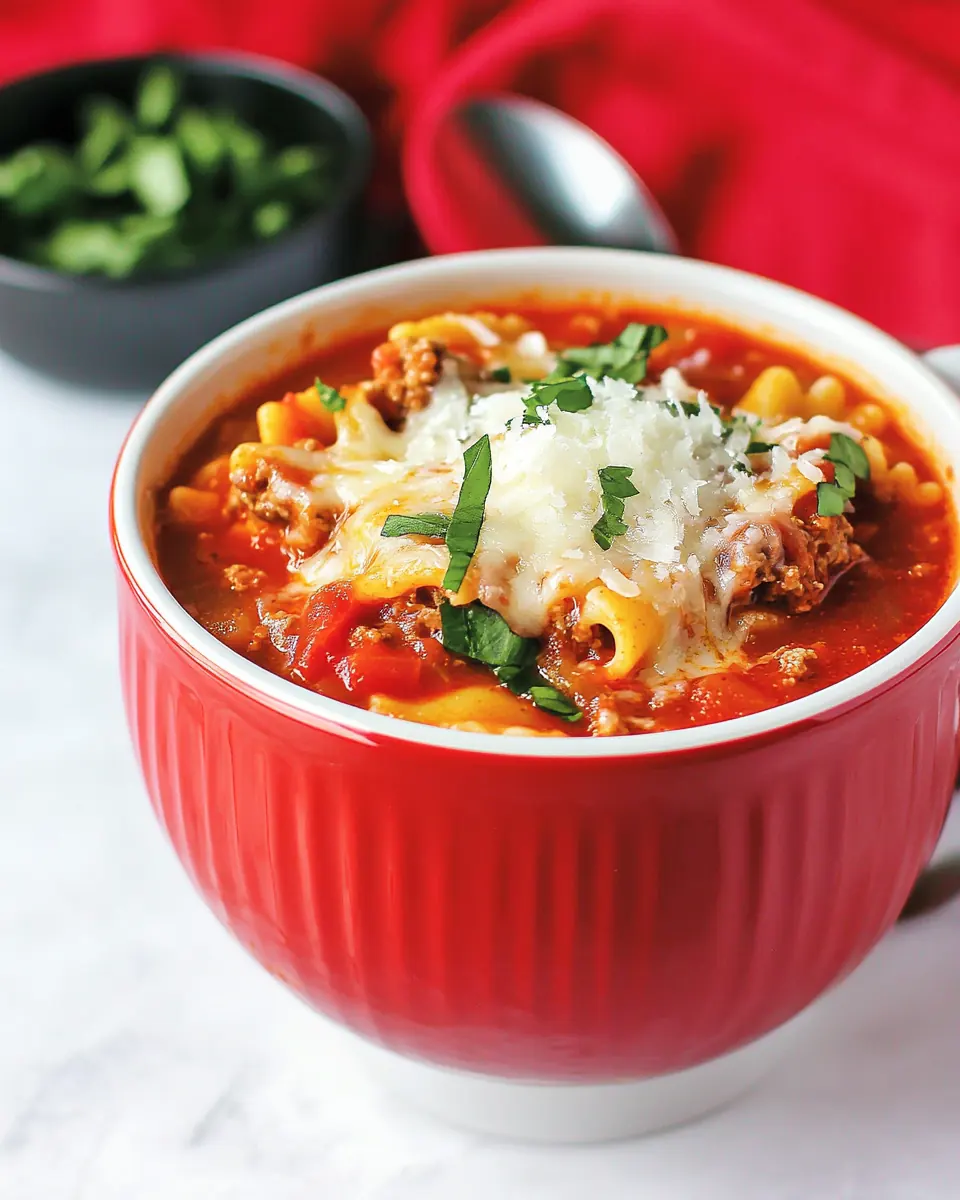
I like to approach the cooking with a relaxed rhythm, browning the meat first to build flavor, then letting the slow cooker do the heavy lifting. The following steps transform simple ingredients into a deeply savory, comforting soup, and I recommend being present for the final thirty minutes to monitor the pasta texture.
- Place a skillet over medium-high heat and cook the meat, breaking it with a wooden spoon. Cook until no longer pink and add the onion and garlic. Stir and keep cooking the beef and nicely browned, season with salt and pepper to taste.: As the skillet heats, you will hear a lively sizzle when you add the 1 lb ground beef or sausage , and that sound signals flavor development. As you break the meat apart, watch for a change from pink to golden brown, where edges caramelize and a rich aroma develops. This browning creates fond on the pan, which lifts into the dish and deepens the final taste. If the pan becomes overcrowded the meat will steam rather than brown, so work in batches if necessary. Avoid stirring constantly; give it a chance to color, then break it up. A common error is underbrowning, which yields a flatter flavor profile in the finished soup.
- Drain off any excess fat.: You will notice the raw meat lose its pink tone and begin to brown evenly, and that is your cue to add the diced 1 yellow onion and minced 4 garlic cloves . The onions should soften and become translucent as their sweet, savory scent rises, and the garlic will bloom quickly, releasing pungent aromatics. Stir so the aromatics coat the meat and start to soften, but watch closely so the garlic does not burn, which would introduce bitterness. A mistake here is adding garlic too early or at too high heat; it can scorch in seconds.
- Transfer the meat to the slow cooker and add the other ingredients minus the lasagna noodles. Turn the settings to low and cook for 7 to 8 hours, or set on high for 3 to 4 hours.: As the mixture continues to cook, the combined smell of browned meat and softened onion should be warmly savory and slightly sweet. Season lightly now with salt and pepper , because the meat and broth will concentrate flavors later. The seasoning will help draw moisture and enhance browning. Resist the urge to over season at this stage, since the broth and canned tomatoes can add salt later. Over salting early is a frequent misstep.
- 30 minutes before cooking time ends, break and add the lasagna noodles, stir well and cook, keep an eye on the soup, for the pasta to be al dente.: When the meat has achieved a good brown, tilt the skillet and spoon away excess rendered fat or pour it off carefully, keeping most of the flavorful bits. Removing too much fat can dry the meat, but leaving too much will make the soup greasy, so strike a balance. I usually leave a tablespoon or so to keep flavor without heaviness. A common mistake is skipping this step and ending up with an overly oily broth.
- When done cooking, serve the soup topped with cheese, parsley, or basil.: As you transfer the browned mixture into the slow cooker, scrape the skillet to pull in browned bits, which carry intense flavor. Add the diced 1 green bell pepper , chopped 1 medium carrot , herbs like thyme , basil , oregano , rosemary , and the 3 bay leaves , then pour in the 2 cans 14.5 oz each diced tomatoes , the 2 cans 8 oz each tomato sauce , and the 6 cups chicken broth . Stir gently to combine. The slow cooker will gently coax flavors together over hours, and this step ensures everything is evenly distributed. Avoid adding the noodles now, because they would overcook and become mushy during the long simmer.
- Turn the settings to low and cook for 7 to 8 hours, or set on high for 3 to 4 hours: Choosing low yields a patient simmer where flavors join gradually and the broth reduces slightly, creating a deeper, more cohesive profile. If you are short on time, high works but yields a slightly less developed finish. During the long, gentle cook you will notice the sauce mellow and the aromatics blend, producing a comforting, unified scent in the kitchen. Avoid frequent lid removal, which drops temperature and lengthens cooking time.
- 30 minutes before cooking time ends, break and add the lasagna noodles, stir well and cook, keep an eye on the soup, for the pasta to be al dente: When you add the broken lasagna noodles , the broth will thicken as the pasta releases starch, and you should watch the texture closely. The soup will shift as the noodles absorb liquid, moving from clear broth to a hearty, stew like consistency. Taste a noodle after about 20 minutes to judge doneness and aim for al dente, where there is a slight chew. The common mistake is adding the noodles too early and ending up with mushy pasta that loses structure.
- When done cooking, serve the soup topped with cheese, parsley, or basil: The final bowl should present a mosaic of soft broken noodles, savory meat, and flecks of herb. Add a generous sprinkle of Grated Parmesan cheese and a handful of Grated mozzarella cheese , finishing with fresh Chopped parsley for brightness. The cheeses will melt into warm ribbons, adding creaminess and a salty lift. If the soup tastes flat, a pinch more salt or an extra grating of Parmesan at the table often brings it alive. Avoid overheating the cheeses, which can separate and become oily.
How to Switch It Up
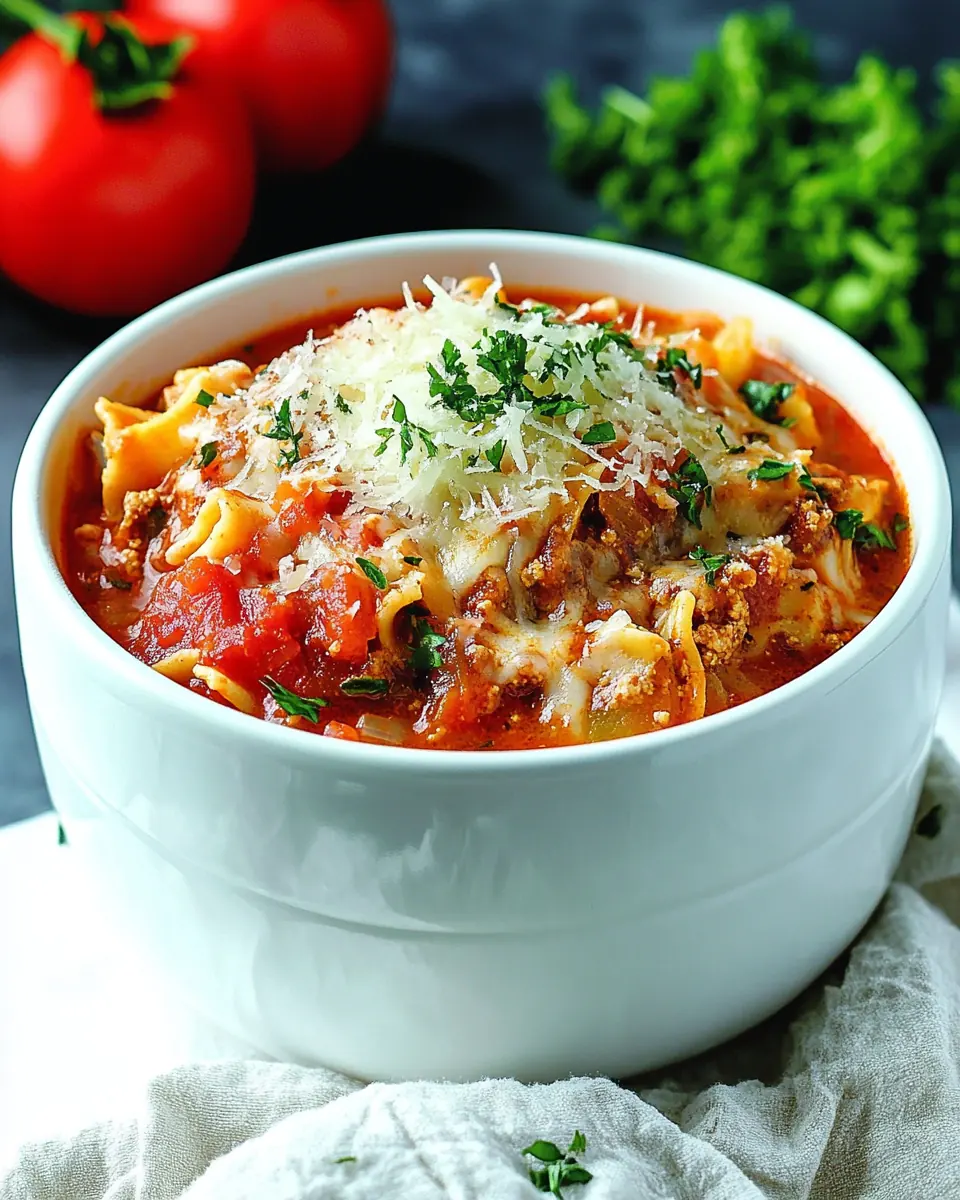
I like to keep this section short and practical, offering easy ways to vary texture, richness, and herbs without changing the soul of the recipe. Small swaps or additions can make the soup feel new while staying familiar.
- Swap the meat only if you want a different richness, choosing leaner or fattier options to alter mouthfeel, but remember leaner meat will yield a less silky broth.
- Bump up the herbs by adding more basil or thyme near the end to refresh the aroma, adding them late preserves their brightness versus cooking them for hours.
- Cheese finish try combining Parmesan and mozzarella for contrast, adding Parmesan at the table for salt and mozzarella while serving to achieve melty strings.
- Pasta timing adjust how long you cook the noodles for firmer or softer texture, tasting along the way to find your preferred bite.
- Broth richness increase or decrease chicken broth for thicker or thinner soups, adding a small splash of reserved broth if it becomes too dense.
What Goes Well With This Easy Slow Cooker Lasagna Soup
This soup stands up nicely to simple, comforting accompaniments and lends itself to casual meals or cozy nights in. Think about balance, adding freshness and crunch to contrast the warm, saucy bowl. It is a great option for dinner gatherings, weeknight meals, and colder seasons when you want something filling and communal.
- Crusty bread such as a rustic baguette or ciabatta is perfect for dipping and sopping up the tomato rich broth, adding a crunchy texture next to the soft pasta.
- Green salad with a bright vinaigrette cuts through the richness and provides a refreshing counterpoint, especially useful if you plan to serve multiple courses.
- Roasted vegetables like simple roasted Brussels sprouts or carrots pair well and extend the meal into a more substantial dinner for colder nights.
- Occasions this dish shines for weeknight dinners, casual entertaining, or anytime you want a warm, comforting bowl that serves a crowd with minimal effort.
- Storage tips store leftovers in an airtight container in the refrigerator for up to three days, and reheat gently on the stove to avoid breaking down the pasta too much.
- Seasonal pairing this soup is ideal for winter evenings when hearty, warming food is most welcome, but it works any time you crave comfort food.
FAQ
Conclusion
Easy Slow Cooker Lasagna Soup shines because it captures lasagna comfort in a simple, hands off bowl that tastes deeply satisfying. Give it a try on a busy evening or a chilly night when you want something warm, cheesy, and nourishing with minimal fuss. You will likely find it becomes a regular in your rotation, offering leftovers that improve overnight and the kind of cozy flavor that feels like a home cooked hug.
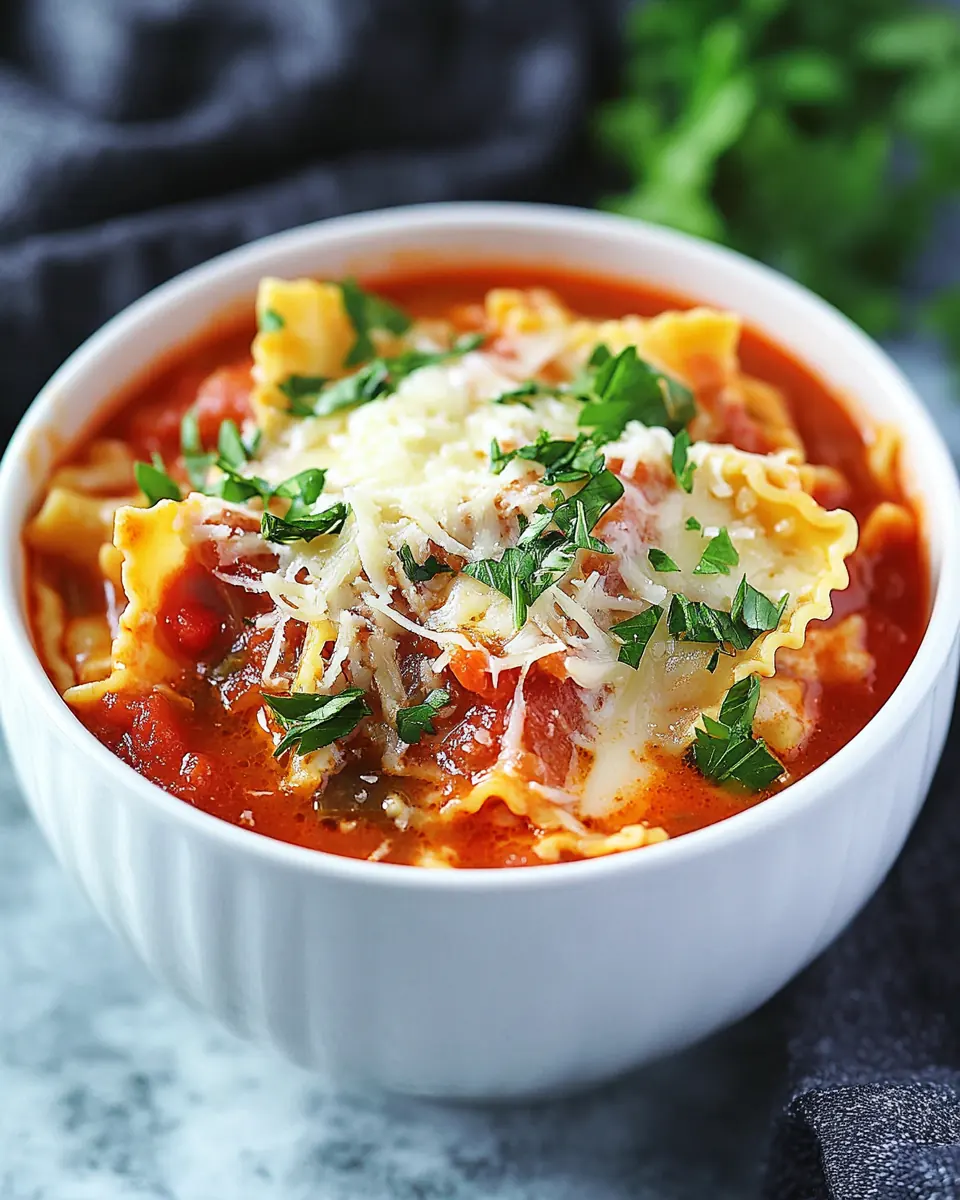
Easy Slow Cooker Lasagna Soup
Ingredients
Equipment
Method
- Place a skillet over medium-high heat and cook the meat, breaking it with a wooden spoon. Cook until no longer pink and add the onion and garlic. Stir and keep cooking the beef and nicely browned, season with salt and pepper to taste.: As the skillet heats, you will hear a lively sizzle when you add the 1 lb ground beef or sausage , and that sound signals flavor development. As you break the meat apart, watch for a change from pink to golden brown, where edges caramelize and a rich aroma develops. This browning creates fond on the pan, which lifts into the dish and deepens the final taste. If the pan becomes overcrowded the meat will steam rather than brown, so work in batches if necessary. Avoid stirring constantly; give it a chance to color, then break it up. A common error is underbrowning, which yields a flatter flavor profile in the finished soup.
- Drain off any excess fat.: You will notice the raw meat lose its pink tone and begin to brown evenly, and that is your cue to add the diced 1 yellow onion and minced 4 garlic cloves . The onions should soften and become translucent as their sweet, savory scent rises, and the garlic will bloom quickly, releasing pungent aromatics. Stir so the aromatics coat the meat and start to soften, but watch closely so the garlic does not burn, which would introduce bitterness. A mistake here is adding garlic too early or at too high heat; it can scorch in seconds.
- Transfer the meat to the slow cooker and add the other ingredients minus the lasagna noodles. Turn the settings to low and cook for 7 to 8 hours, or set on high for 3 to 4 hours.: As the mixture continues to cook, the combined smell of browned meat and softened onion should be warmly savory and slightly sweet. Season lightly now with salt and pepper , because the meat and broth will concentrate flavors later. The seasoning will help draw moisture and enhance browning. Resist the urge to over season at this stage, since the broth and canned tomatoes can add salt later. Over salting early is a frequent misstep.
- 30 minutes before cooking time ends, break and add the lasagna noodles, stir well and cook, keep an eye on the soup, for the pasta to be al dente.: When the meat has achieved a good brown, tilt the skillet and spoon away excess rendered fat or pour it off carefully, keeping most of the flavorful bits. Removing too much fat can dry the meat, but leaving too much will make the soup greasy, so strike a balance. I usually leave a tablespoon or so to keep flavor without heaviness. A common mistake is skipping this step and ending up with an overly oily broth.
- When done cooking, serve the soup topped with cheese, parsley, or basil.: As you transfer the browned mixture into the slow cooker, scrape the skillet to pull in browned bits, which carry intense flavor. Add the diced 1 green bell pepper , chopped 1 medium carrot , herbs like thyme , basil , oregano , rosemary , and the 3 bay leaves , then pour in the 2 cans 14.5 oz each diced tomatoes , the 2 cans 8 oz each tomato sauce , and the 6 cups chicken broth . Stir gently to combine. The slow cooker will gently coax flavors together over hours, and this step ensures everything is evenly distributed. Avoid adding the noodles now, because they would overcook and become mushy during the long simmer.
- Turn the settings to low and cook for 7 to 8 hours, or set on high for 3 to 4 hours: Choosing low yields a patient simmer where flavors join gradually and the broth reduces slightly, creating a deeper, more cohesive profile. If you are short on time, high works but yields a slightly less developed finish. During the long, gentle cook you will notice the sauce mellow and the aromatics blend, producing a comforting, unified scent in the kitchen. Avoid frequent lid removal, which drops temperature and lengthens cooking time.
- 30 minutes before cooking time ends, break and add the lasagna noodles, stir well and cook, keep an eye on the soup, for the pasta to be al dente: When you add the broken lasagna noodles , the broth will thicken as the pasta releases starch, and you should watch the texture closely. The soup will shift as the noodles absorb liquid, moving from clear broth to a hearty, stew like consistency. Taste a noodle after about 20 minutes to judge doneness and aim for al dente, where there is a slight chew. The common mistake is adding the noodles too early and ending up with mushy pasta that loses structure.
- When done cooking, serve the soup topped with cheese, parsley, or basil: The final bowl should present a mosaic of soft broken noodles, savory meat, and flecks of herb. Add a generous sprinkle of Grated Parmesan cheese and a handful of Grated mozzarella cheese , finishing with fresh Chopped parsley for brightness. The cheeses will melt into warm ribbons, adding creaminess and a salty lift. If the soup tastes flat, a pinch more salt or an extra grating of Parmesan at the table often brings it alive. Avoid overheating the cheeses, which can separate and become oily.
Notes
- Swap the meat only if you want a different richness, choosing leaner or fattier options to alter mouthfeel, but remember leaner meat will yield a less silky broth.
- Bump up the herbs by adding more basil or thyme near the end to refresh the aroma, adding them late preserves their brightness versus cooking them for hours.
- Cheese finish try combining Parmesan and mozzarella for contrast, adding Parmesan at the table for salt and mozzarella while serving to achieve melty strings.
- Pasta timing adjust how long you cook the noodles for firmer or softer texture, tasting along the way to find your preferred bite.
- Broth richness increase or decrease chicken broth for thicker or thinner soups, adding a small splash of reserved broth if it becomes too dense.