Chickpea Stuffed Acorn Squash
Chickpea Stuffed Acorn Squash is one of those cozy, hands on dinners I turn to when I want something hearty without fuss. The first time I made it, I was coming home from a blustery afternoon and the house smelled like toasted squash and warm spices in less than an hour, which felt like magic. I still remember the satisfying crack when I split the acorn squash and the bright pop of cilantro on top, a contrast that kept me coming back.
Over the years I tweaked the filling until the texture was just right, with creamy mashed bits of chickpeas, chewy wild rice, and tender Swiss chard. I love serving a platter of these at a casual weeknight table, where everyone digs into their own little boat. It feels celebratory and simple at once, and I often make extra filling to spoon over salads the next day. The dish strikes a balance between rustic and refined, and I find it works beautifully for a fall supper when the market is full of squash.
Recipe Snapshot
1 hr 5 mins
15 mins
50 mins
Medium
350 kcal
American
Vegan, Gluten-Free
Dinner
Baking sheet, Parchment paper, Large skillet, Knife, Cutting board
The Appeal of This Chickpea Stuffed Acorn Squash
Comforting, but not heavy
I adore how Chickpea Stuffed Acorn Squash feels like a warm hug without weighing you down. The roasted acorn squash becomes tender and slightly caramelized, offering a mellow sweetness that pairs perfectly with the savory, spiced filling. I often choose this when I want a filling meal that still leaves us feeling energized for the evening.
Layered textures that keep every bite interesting
The combination of creamy mashed bits of chickpeas, chewy wild rice, and crunchy toasted pine nuts creates a delightful mouthfeel. I like that each ingredient plays a role, so the dish never feels monotonous. The contrast between soft squash and crisp garnish is what makes it memorable at the table.
Flexible and approachable to make
I appreciate that this recipe is forgiving. You can cook the wild rice however you prefer, and the filling tolerates small timing differences. When life gets busy, I prepare the filling earlier in the day and finish the squashes just before serving, which saves time without sacrificing flavor.
Vibrant flavors from simple spices
A little ground cumin, ground coriander, and smoked paprika bring warmth and gentle smokiness to the filling, and a pinch of cayenne pepper wakes everything up. I love how these pantry spices transform humble ingredients into something that feels thoughtfully composed.
Beautiful presentation, minimal effort
These stuffed squash halves look elegant on a platter, making them ideal for an intimate dinner or a small gathering. I especially enjoy the final scatter of chopped cilantro and sliced green onions for color and freshness. Guests often comment first on how pretty they are, and then on how satisfying they taste.
Main Ingredients for Chickpea Stuffed Acorn Squash
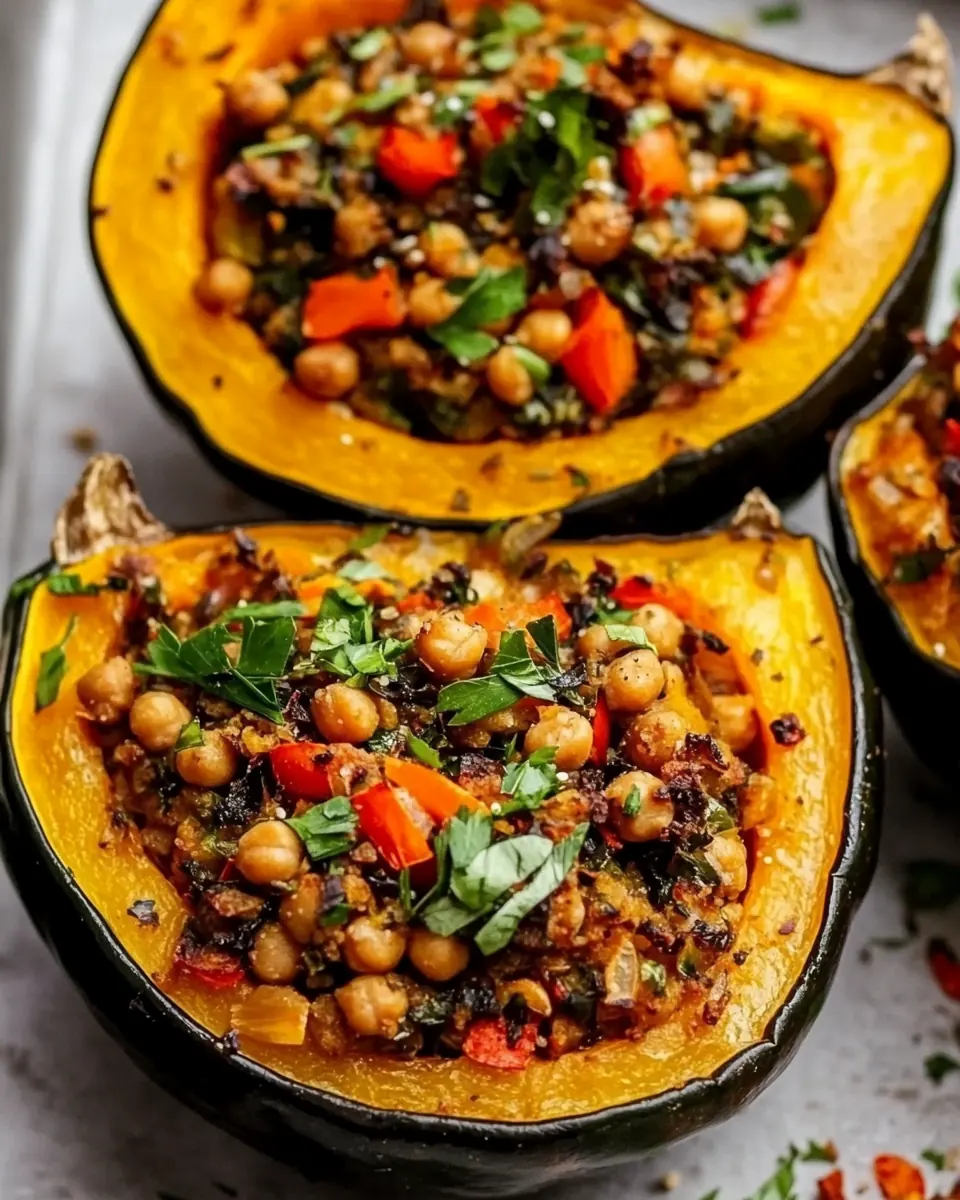
These ingredients are deliberately chosen to balance richness, texture, and earthy flavors. The acorn squash is the tender, naturally sweet vessel, while the combination of chickpeas and wild rice gives the filling body and chew. Aromatics like red onion and garlic build a savory base, and toasted pine nuts plus fresh herbs provide the finishing brightness that lifts each bite.
- 3 acorn squash: Roast to create edible bowls and deepen sweetness; halve and scoop seeds before brushing with oil and roasting until tender and caramelized for stuffing.
- 1 tablespoon olive oil divided: Divide to coat squash and sauté aromatics; use part to brush squash halves and the remainder to cook rice and soften vegetables for flavor and texture.
- 1 cup wild rice: Cook to provide a hearty, nutty base; simmer in salted water until tender and fluffy, then fold into the stuffing mixture to add bulk and chew.
- 1 red bell pepper diced: Dice to add bright color and mild sweetness; sauté until softened to contribute freshness and a crisp-tender contrast within the warm stuffing.
- 1 red onion diced: Dice to build aromatic depth and sweetness; sauté until translucent and slightly caramelized to enhance savory richness in the filling.
- 2 garlic cloves minced: Mince to lend pungent, savory aroma; add to hot oil briefly to bloom flavor and bind the other ingredients with its garlicky warmth.
- 1 teaspoon ground cumin: Season to add earthy warmth and warmth-forward spice; sprinkle into the sauté to support the chickpeas and rice with a slightly smoky, savory note.
- 1/2 teaspoon ground coriander: Season to introduce citrusy, floral complexity; stir into the mixture for a subtle bright, slightly lemony layer that complements the cumin.
- 1/4 teaspoon smoked paprika: Season to impart mild smokiness; pinches add depth and a barbecue-like nuance that enhances roasted squash and toasted pine nuts.
- pinch cayenne pepper: Season sparingly to awaken heat; a pinch brightens the overall profile with a sharp, warming finish that balances sweeter elements.
- 15 ounces chickpeas canned, drained and rinsed: Combine to provide creamy texture and plant-based protein; drain and rinse before tossing into the stuffing so they absorb flavors without excess liquid.
- 1 Swiss chard bunch thinly sliced: Slice thinly to add leafy green earthiness and slight bitterness; wilt into the pan with aromatics for color, nutrients, and layered texture.
- kosher salt and black pepper to taste: Season to finish and balance flavors; add to both the rice and stuffing as needed to enhance natural tastes and control seasoning.
- 1/2 cup pine nuts toasted: Toast to contribute buttery crunch and toasted aroma; stir into the filling or scatter on top to provide contrast in texture and a rich nutty note.
- fresh cilantro chopped for garnish: Chop to brighten and freshen the finished dish; sprinkle over the stuffed squash to add herbaceous lift and visual appeal.
- green onions chopped for garnish: Chop to add mild oniony sharpness and color; scatter over the final dish as a crisp, green garnish that complements the cilantro and filling.
How to Make Chickpea Stuffed Acorn Squash
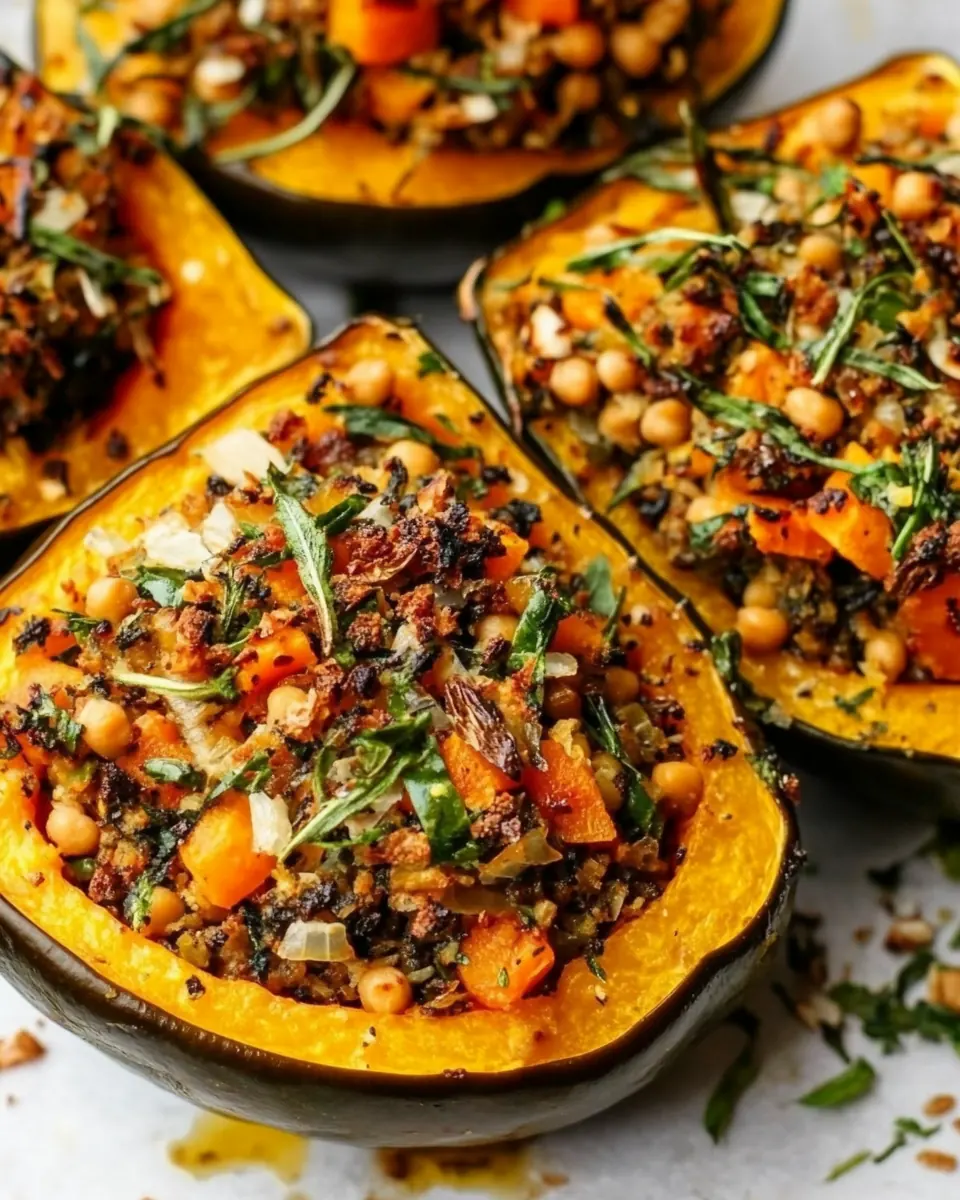
This method is straightforward and comforting. I approach the process in stages, roasting the acorn squash while building the filling on the stovetop. That way the kitchen fills with savory aromas and everything comes together neatly at the end.
- Preheat the oven to 400 degrees Fahrenheit. Line a baking sheet with parchment paper and set aside.: The air warms quickly and the oven produces a steady heat that browns the edges as the squash softens, releasing a toasted, slightly sweet aroma. This step sets the stage for caramelization, which deepens the dish's flavor, and using parchment keeps cleanup easy. A common mistake is skipping the preheat, which results in uneven roasting. If you notice the oven takes longer to reach temperature, give it a few extra minutes so the squash roasts consistently.
- Cut the acorn squashes in half lengthwise. Scoop out the seeds and cut a thin slice from the bottom of each to allow them to sit flat.: The click of the knife as you halve the squash is oddly satisfying, and removing the seeds creates a clean cavity for the filling. Trimming a sliver from the bottom prevents wobbling while roasting, which helps the squash cook evenly and keeps the filling from spilling. A frequent oversight is leaving the halves unbalanced, which can cause uneven browning. If one side seems unstable, trim a little more so each half sits steady on the pan.
- Place the squash on the prepared baking sheet, hollowed-side up. Brush each one with olive oil and bake until tender, 30 to 40 minutes.: As they roast the edges will darken slightly and the flesh becomes soft, yielding to a fork with a gentle pull. Brushing with olive oil encourages golden edges and amplifies the squash's natural sugars. The scent in your kitchen will go from fresh to toasty and warm. Avoid under roasting; the filling will be watery if the squash isn't tender. If the tops brown too quickly, tent with foil to prevent overbrowning while the centers finish cooking.
- Meanwhile, cook the wild rice according to the package directions.: As the wild rice simmers, it emits a nutty, grassy aroma and its grains plump while retaining a pleasant chew. Properly cooked rice adds structure to the filling and absorbs flavors without becoming mushy. A common trap is over cooking, which makes the texture pasty. Rinse, measure, and time the rice precisely so it remains al dente and distinct in the stuffing.
- In a large skillet, heat the remaining tablespoon of olive oil over medium heat. Add the bell pepper and onion and cook until softened, about 10 minutes.: The pan will sizzle softly when the vegetables hit the oil, and after a few minutes you'll notice the onion turning translucent and the pepper releasing sweet notes. Low and slow softening encourages caramelization and draws out natural sugars, creating a rich base for the filling. Do not rush this step with high heat, which can cause uneven charring. Stir regularly to ensure even softening and avoid sticking.
- Add the garlic, cumin, coriander, paprika, and cayenne. Cook until fragrant, about 1 minute.: A burst of perfume fills the air as the spices bloom in the oil, intensifying their flavors and marrying them with the softened vegetables. This quick step is important because it toasts the spices slightly, releasing essential oils that deepen the dish. Beware of leaving spices in the hot pan too long without stirring, which can produce a bitter note. Keep the heat moderate and move them around the skillet just until you smell the aroma.
- Add the chickpeas and Swiss chard, lightly mashing the chickpeas as they cook. Cook until the chickpeas are heated through and the chard is wilted, about 5 minutes.: The texture here transforms as some chickpeas break down, creating a creamy binder while remaining some whole for bite, and the Swiss chard collapses into silky green ribbons. You'll hear a gentle sautéing sound and notice the mixture thickening slightly as moisture reduces. A typical mistake is over mashing, which eliminates texture, so press gently to retain contrast. If the pan looks dry, add a splash of water to prevent sticking while maintaining the desired consistency.
- Stir the wild rice into the filling and season the mixture with salt and pepper, to taste.: The combined ingredients create a mosaic of textures and the flavors meld into a cohesive whole, with the wild rice absorbing the spiced, savory notes. Seasoning at this stage ensures the salt distributes evenly, enhancing each component. Taste as you go to avoid over-salting. If the filling tastes flat, a squeeze of lemon or a pinch more salt will brighten it, but add sparingly.
- Divide the filling between the six squash halves. Return the squash to the oven to heat the filling through, if necessary.: Placing the mixture into the warm cavities produces an inviting visual contrast, and reheating allows the filling to meld into the roasted edges. You may see gentle bubbling and a faint toasty scent as flavors marry. One misstep is overfilling so the stuffing spills during reheating, so distribute evenly and press lightly to compact without packing too tightly.
- Top each squash boat with the toasted pine nuts, cilantro, and green onions before serving.: The final garnishes add a crisp crunch, herbal lift, and sharp freshness that complete the dish. Toasted pine nuts should be fragrant and golden, and the bright green of chopped cilantro and green onions makes the plates sing. Avoid adding garnishes too early or they will wilt; reserve them until the moment of serving for maximum texture and color impact.
Tips for Success
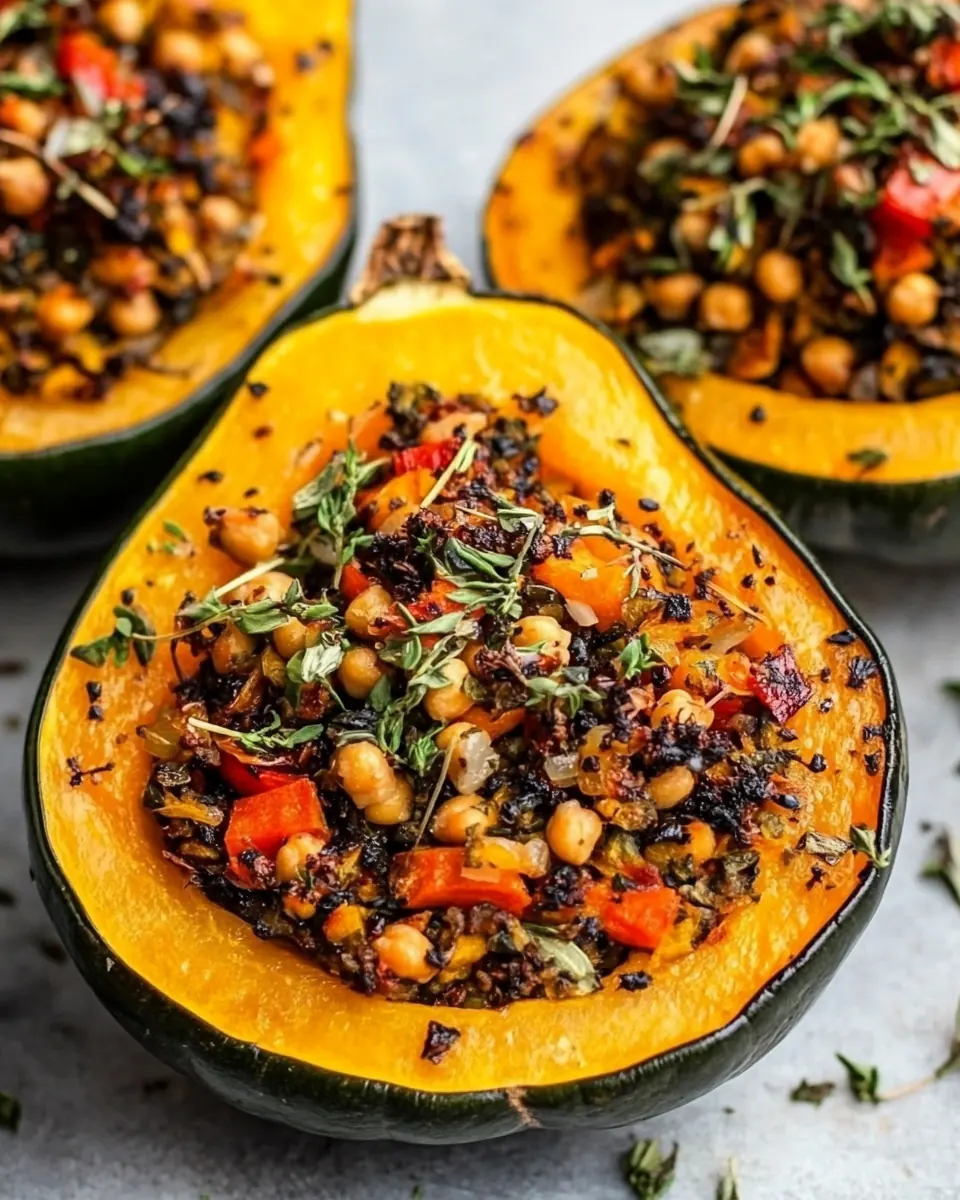
I like offering a few practical pointers to make sure this recipe comes out perfectly the first time. Below are focused tips that address timing, texture, seasoning, and presentation so you can serve confident, delicious Chickpea Stuffed Acorn Squash.
- Choose uniform squash: Pick acorn squash that are similar in size so they roast evenly and finish at the same time, avoiding some being undercooked while others are overdone.
- Measure the rice: Cook the wild rice according to package directions and keep an eye on texture so it remains chewy and distinct in the stuffing, not mushy.
- Toast nuts carefully: Toast pine nuts over medium heat and stir constantly to achieve a golden color without burning, which happens fast once they begin to brown.
- Control spice intensity: Start with the stated amounts of ground cumin, ground coriander, smoked paprika, and cayenne pepper, then taste and adjust to suit your preference rather than adding everything at once.
- Reserve fresh garnish: Add chopped cilantro and green onions right before serving so they retain brightness and a slight crunch, elevating the finished dish.
Perfect Matches for Chickpea Stuffed Acorn Squash
This dish pairs well with light salads, warm grains, and seasonal sides depending on the occasion. I like to suggest combinations that complement the sweetness of the roasted acorn squash and the savory, spiced filling so the whole meal feels balanced and thoughtful.
- Simple leafy salad: A crisp green salad with a lemony vinaigrette refreshes the palate between bites of the rich filling and highlights the herbal garnishes.
- Warm grain side: Extra wild rice or a spiced quinoa makes a hearty accompaniment and is handy for soaking up any stray filling on the plate.
- Occasion suggestion: Serve this at casual fall dinners or a festive family meal, it works well for a cozy dinner party or an autumn weekend lunch.
- Storage advice: Store leftover roasted squash and filling separately in airtight containers for up to three days, then reheat gently to maintain texture.
- Seasonal pairing: This shines in the fall when local acorn squash are at their sweetest, and it fits perfectly into harvest menus and cooler weather gatherings.
FAQ
Conclusion
This recipe stands out because it combines seasonal roasted acorn squash with a richly spiced, textured filling that is both hearty and fresh. I encourage you to give it a try because it serves beautifully for cozy family dinners and scales well for guests, while remaining approachable in the kitchen. Enjoy the interplay of sweet roasted squash, savory chickpeas, and crunchy pine nuts, and make it your own with small adjustments to the spice levels or garnishes.
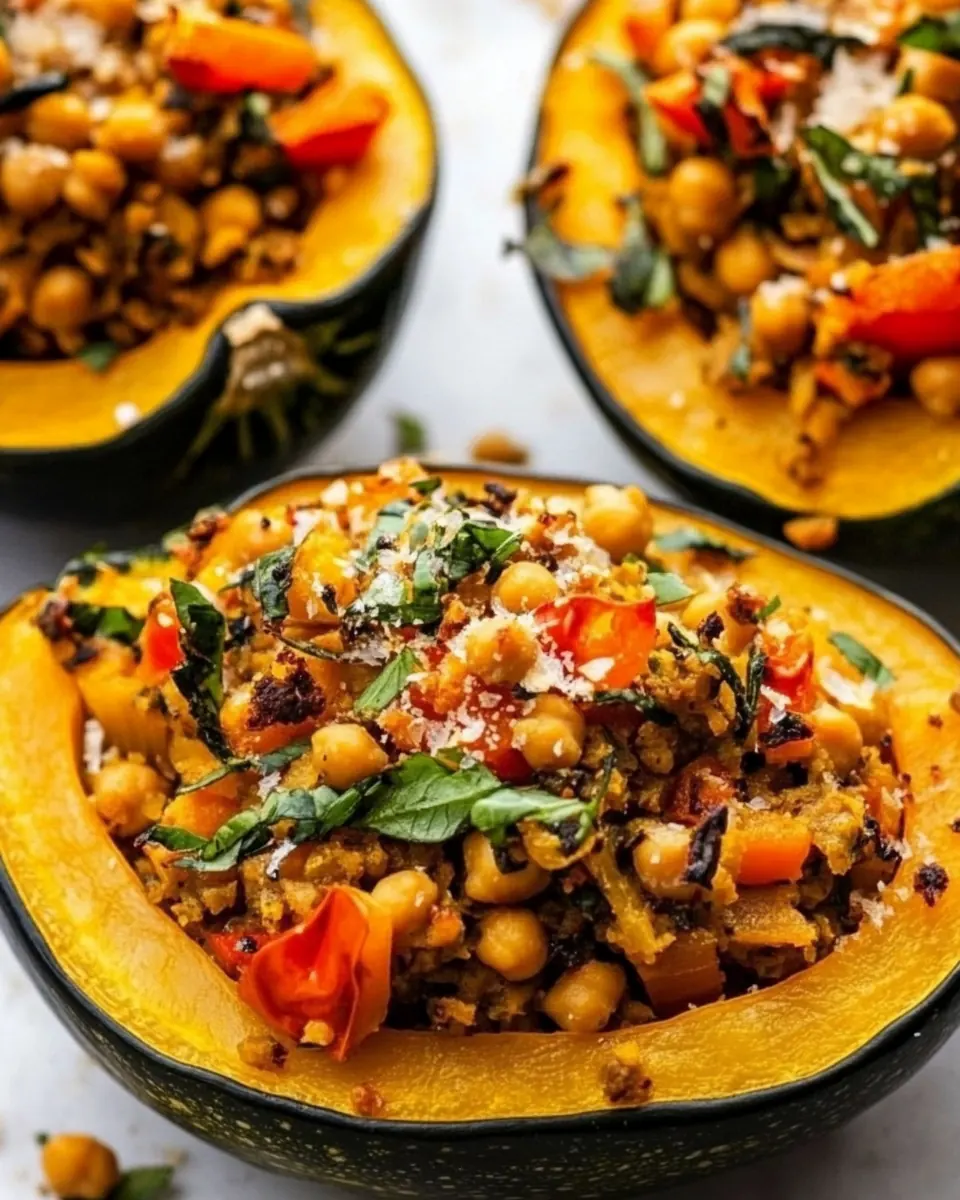
Chickpea Stuffed Acorn Squash
Ingredients
Equipment
Method
- Preheat the oven to 400 degrees Fahrenheit. Line a baking sheet with parchment paper and set aside.: The air warms quickly and the oven produces a steady heat that browns the edges as the squash softens, releasing a toasted, slightly sweet aroma. This step sets the stage for caramelization, which deepens the dish's flavor, and using parchment keeps cleanup easy. A common mistake is skipping the preheat, which results in uneven roasting. If you notice the oven takes longer to reach temperature, give it a few extra minutes so the squash roasts consistently.
- Cut the acorn squashes in half lengthwise. Scoop out the seeds and cut a thin slice from the bottom of each to allow them to sit flat.: The click of the knife as you halve the squash is oddly satisfying, and removing the seeds creates a clean cavity for the filling. Trimming a sliver from the bottom prevents wobbling while roasting, which helps the squash cook evenly and keeps the filling from spilling. A frequent oversight is leaving the halves unbalanced, which can cause uneven browning. If one side seems unstable, trim a little more so each half sits steady on the pan.
- Place the squash on the prepared baking sheet, hollowed-side up. Brush each one with olive oil and bake until tender, 30 to 40 minutes.: As they roast the edges will darken slightly and the flesh becomes soft, yielding to a fork with a gentle pull. Brushing with olive oil encourages golden edges and amplifies the squash's natural sugars. The scent in your kitchen will go from fresh to toasty and warm. Avoid under roasting; the filling will be watery if the squash isn't tender. If the tops brown too quickly, tent with foil to prevent overbrowning while the centers finish cooking.
- Meanwhile, cook the wild rice according to the package directions.: As the wild rice simmers, it emits a nutty, grassy aroma and its grains plump while retaining a pleasant chew. Properly cooked rice adds structure to the filling and absorbs flavors without becoming mushy. A common trap is over cooking, which makes the texture pasty. Rinse, measure, and time the rice precisely so it remains al dente and distinct in the stuffing.
- In a large skillet, heat the remaining tablespoon of olive oil over medium heat. Add the bell pepper and onion and cook until softened, about 10 minutes.: The pan will sizzle softly when the vegetables hit the oil, and after a few minutes you'll notice the onion turning translucent and the pepper releasing sweet notes. Low and slow softening encourages caramelization and draws out natural sugars, creating a rich base for the filling. Do not rush this step with high heat, which can cause uneven charring. Stir regularly to ensure even softening and avoid sticking.
- Add the garlic, cumin, coriander, paprika, and cayenne. Cook until fragrant, about 1 minute.: A burst of perfume fills the air as the spices bloom in the oil, intensifying their flavors and marrying them with the softened vegetables. This quick step is important because it toasts the spices slightly, releasing essential oils that deepen the dish. Beware of leaving spices in the hot pan too long without stirring, which can produce a bitter note. Keep the heat moderate and move them around the skillet just until you smell the aroma.
- Add the chickpeas and Swiss chard, lightly mashing the chickpeas as they cook. Cook until the chickpeas are heated through and the chard is wilted, about 5 minutes.: The texture here transforms as some chickpeas break down, creating a creamy binder while remaining some whole for bite, and the Swiss chard collapses into silky green ribbons. You'll hear a gentle sautéing sound and notice the mixture thickening slightly as moisture reduces. A typical mistake is over mashing, which eliminates texture, so press gently to retain contrast. If the pan looks dry, add a splash of water to prevent sticking while maintaining the desired consistency.
- Stir the wild rice into the filling and season the mixture with salt and pepper, to taste.: The combined ingredients create a mosaic of textures and the flavors meld into a cohesive whole, with the wild rice absorbing the spiced, savory notes. Seasoning at this stage ensures the salt distributes evenly, enhancing each component. Taste as you go to avoid over-salting. If the filling tastes flat, a squeeze of lemon or a pinch more salt will brighten it, but add sparingly.
- Divide the filling between the six squash halves. Return the squash to the oven to heat the filling through, if necessary.: Placing the mixture into the warm cavities produces an inviting visual contrast, and reheating allows the filling to meld into the roasted edges. You may see gentle bubbling and a faint toasty scent as flavors marry. One misstep is overfilling so the stuffing spills during reheating, so distribute evenly and press lightly to compact without packing too tightly.
- Top each squash boat with the toasted pine nuts, cilantro, and green onions before serving.: The final garnishes add a crisp crunch, herbal lift, and sharp freshness that complete the dish. Toasted pine nuts should be fragrant and golden, and the bright green of chopped cilantro and green onions makes the plates sing. Avoid adding garnishes too early or they will wilt; reserve them until the moment of serving for maximum texture and color impact.
Notes
- Choose uniform squash: Pick acorn squash that are similar in size so they roast evenly and finish at the same time, avoiding some being undercooked while others are overdone.
- Measure the rice: Cook the wild rice according to package directions and keep an eye on texture so it remains chewy and distinct in the stuffing, not mushy.
- Toast nuts carefully: Toast pine nuts over medium heat and stir constantly to achieve a golden color without burning, which happens fast once they begin to brown.
- Control spice intensity: Start with the stated amounts of ground cumin, ground coriander, smoked paprika, and cayenne pepper, then taste and adjust to suit your preference rather than adding everything at once.
- Reserve fresh garnish: Add chopped cilantro and green onions right before serving so they retain brightness and a slight crunch, elevating the finished dish.