Easy Lemon Poppy Seed Zucchini Bread
Easy Lemon Poppy Seed Zucchini Bread has been my go to for neighborhood brunches ever since I first sneaked a loaf into a potluck and watched it disappear before I could sit down.
I remember the morning I perfected this loaf, the kitchen windows fogged from a kettle on the stove, and the soft tang of lemon filling the air while I shredded a single large zucchini with the grater I keep for quick vegetable tasks. The batter came together in a single bowl for wet ingredients and a quick whisk for the dry, and while the oven hummed I stood at the counter tasting a spoonful of batter, surprised at the bright citrus and gentle crunch of the poppy seeds. That day a neighbor knocked on the door asking for the recipe, and I scribbled it on a napkin, promising a few tips I had learned through trial and error.
Over the seasons I adapted the loaf to be forgiving, swapping a cup of oil for butter on slow mornings, but always returning to the version where butter and greek yogurt create a tender crumb and the lemon zest wakes up the entire loaf. I love how the grated zucchini melts into the batter, keeping the bread moist without being heavy. Baking two loaves lets one go to friends while the other is sliced across the week for coffee, school lunches, or a late night nibble. I hope this story makes you excited to bake, and that the next time you reach for a loaf you’ll feel comfortable enough to tweak it to your taste.
Recipe Snapshot
1 hr 20 mins
20 mins
60 mins
Medium
250 kcal
American
Gluten-Free, Low FODMAP
Desserts
28.5 x 4.5 baking pans
The Magic of This Easy Lemon Poppy Seed Zucchini Bread
Bright, balanced flavor that feels fresh
I adore how Easy Lemon Poppy Seed Zucchini Bread combines tangy lemon with a soft, not-too-sweet base. The lemon zest and juice—used at key points—give a citrus lift without overpowering the loaf. When I bake it, the aroma alone draws family to the kitchen, and the contrast of floral poppy seeds against the tender crumb keeps each bite interesting.
Moist texture that holds up over days
One of the reasons I keep making this is the crumb. Using greek yogurt and butter together yields a moist, resilient texture that stays pleasant for several days. I often slice a loaf in the evening and it still feels soft the next morning, perfect for toast or a quick snack.
Simple technique, reliable results
I like recipes that are approachable, and this one is forgiving. The method splits wet and dry components, then asks you to stir just until combined. That small instruction prevents overworking the batter, which keeps the crumb light. I always tell friends that the recipe is a great confidence builder for new bakers.
Versatile for serving occasions
Whether it is a casual coffee, a picnic, or a holiday brunch, this loaf adapts. I often double the recipe for company, and the loaf slices nicely for plates and boxes. The subtle lemon glaze adds a little festive finish if you want to dress it up.
Ingredient clarity and pantry friendly
Every item in the ingredient list feels intentional. From the basic all purpose flour to the tiny poppy seeds, each component plays a role. I appreciate that you can bake this without specialty gear, so it’s easy to make on short notice and still get bakery style results at home.
What to Gather for Easy Lemon Poppy Seed Zucchini Bread
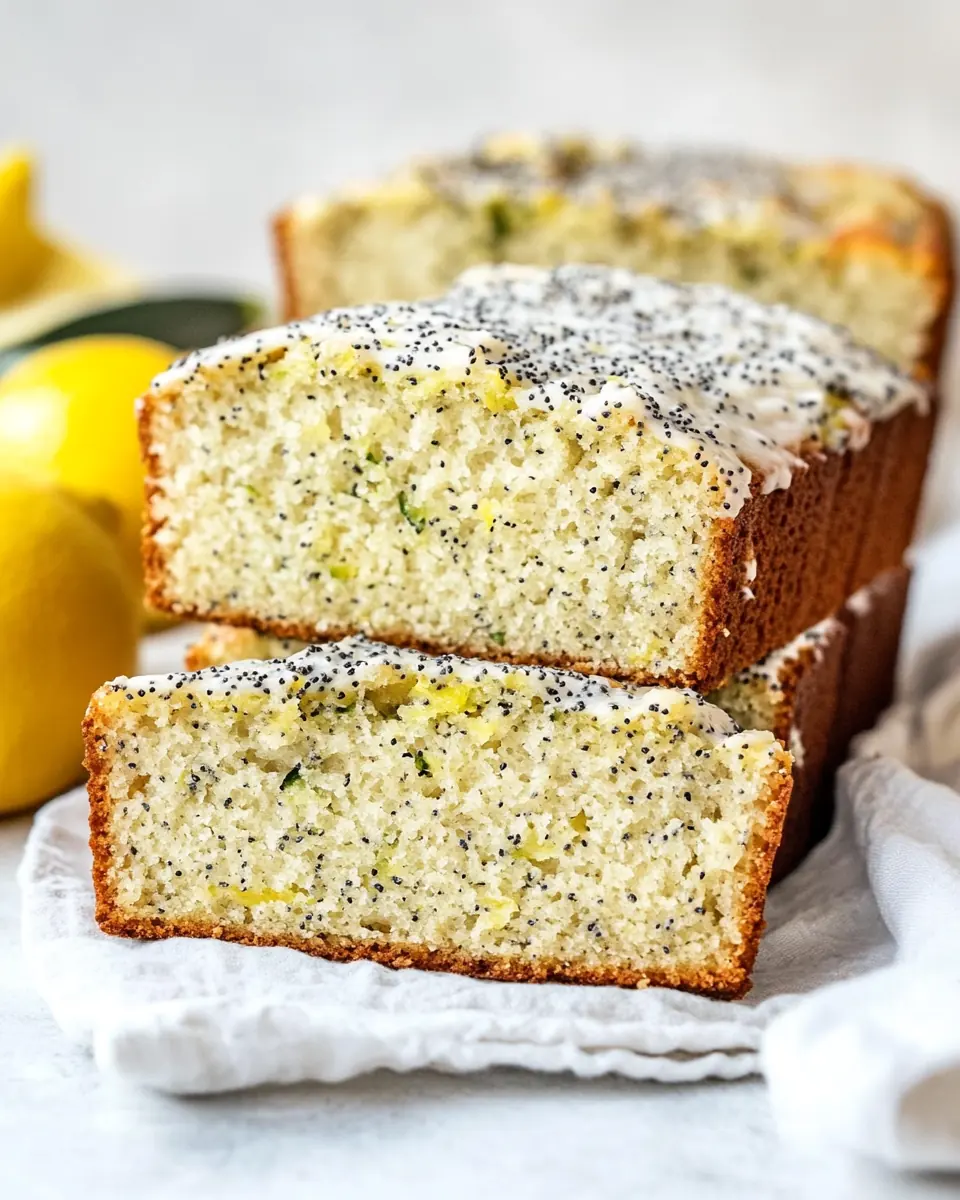
I think of these ingredients as a balance between structure, moisture, and bright flavor. The dry staples build the loaf while the dairy and grated zucchini keep it tender. The star players are the citrus components and poppy seeds, which transform a simple quick bread into something I reach for when I want a cheerful bake.
- 1 cup butter, room temperature: Soften and cream to provide richness and structure to the batter; helps create a tender crumb and adds moisture for the loaf.
- 2 cups sugar: Sweeten the batter and help with browning; also contribute to a moist texture and balance the lemon tang in the bread.
- 3/4 cup plain greek yogurt: Add moisture and slight tanginess while reducing fat; contributes to a tender crumb and helps activate baking soda for lift.
- 1 tbsp lemon juice, + 2 tsp lemon zest (divided): Provide bright acidity and aromatic oils; lemon juice and half of the zest enhance flavor and balance the sweetness in the bread.
- 3 eggs: Bind the ingredients and incorporate air when beaten; eggs provide structure, richness, and help the loaf rise and set.
- 3 cups all-purpose flour: Provide the primary structure and bulk for the bread; flour forms the gluten network that holds the loaf together.
- 1 tsp baking soda: React with acidic ingredients to produce carbon dioxide for leavening; baking soda helps the bread rise and lightens the texture.
- 1 tsp salt: Enhance overall flavor and balance sweetness; salt strengthens gluten slightly and accentuates the other flavors.
- 1/4 tsp baking powder: Provide a small additional lift and slight tenderizing effect; baking powder complements the baking soda for reliable rise.
- 1 tsp lemon zest: Add concentrated lemon aroma and bright citrus flavor; additional zest layers the lemon profile without extra liquid.
- 1 tsp vanilla extract: Impart warm, sweet aromatic notes and boost overall flavor; vanilla complements the lemon and enhances sweetness perception.
- 2 cups zucchini, grated (about one large zucchini): Contribute moisture and texture while adding a mild vegetal note; grated zucchini keeps the bread tender without tasting strongly.
- 2 tbsp poppy seeds: Distribute pleasant crunchy bursts and subtle nuttiness; poppy seeds add texture and visual interest throughout the loaf.
- 1 cup powdered sugar: Create a sweet, smooth glaze to finish the bread; powdered sugar dissolves easily and helps bind the lemon juice for drizzling.
- 1 tbsp lemon juice: Provide concentrated lemon flavor for the glaze; lemon juice thins the powdered sugar and adds brightness to the topping.
- extra lemon zest, for garnish if desired: Garnish with extra citrus aroma and color; additional lemon zest adds an attractive finishing touch and enhances flavor.
Preparation Steps for Easy Lemon Poppy Seed Zucchini Bread

These steps will guide you from a bowl of pantry staples to two golden loaves. I like to take a moment to set out my measured ingredients, preheat the oven, and prepare the pans so the process feels calm and rhythmic. Below I expand each direction with sensory cues, the reasons behind each technique, and common troubleshooting tips I share when teaching friends to bake.
- Preheat oven to 350 degrees F. Spray two 8 1/2 inch x 4 inch bread pans with baking spray (the kind that has the flour in it) and set aside.: Right away you will notice the oven beginning to put out a gentle dry heat, a comforting hum that promises transformation. Preheating ensures the batter hits an already warm environment so the leaveners activate correctly, producing even rise and preventing a heavy, underbaked center. Spraying the pans with a flour inclusive baking spray creates a nonstick surface and a light dusting that helps the crust release cleanly, and the texture will develop a slightly crisper edge where the batter kisses the pan. If you skip preheating or put the batter into a cold oven, the bread can bake unevenly and may sink in the middle. A typical mistake is using too small or too large pans which alters bake time, so use pans close to the listed dimensions.
- Beat the butter and sugar in a large bowl until light and fluffy. Add in the greek yogurt and lemon juice and beat until combined. Add in the eggs one at a time, scraping down sides of bowl as necessary.: As you cream the butter and sugar , listen for a soft, rhythmic scraping and look for the color to lighten and the texture to become airy, which indicates air has been incorporated to help lift the loaf. When the greek yogurt and lemon juice join the mixture, you'll feel the batter soften and smell a brighter, tangy note. Adding the eggs one by one helps maintain an emulsion so the batter stays stable and does not break, which would otherwise lead to a greasy texture. Scraping the bowl ensures no unmixed streaks of cold butter remain, which would create uneven pockets. A common pitfall here is overbeating after eggs are added, which can develop gluten and make the crumb tougher; beat just until combined.
- In a separate bowl combine the flour, baking soda, salt, baking powder and lemon zest, whisk to combine. Pour the dry ingredients into the wet and stir just enough to combine.: Whisking the dry components distributes the leaveners and the salt evenly, so every bite rises and tastes balanced. The fragrant oil from the lemon zest will lift as you whisk, releasing a citrus perfume that hints at the final loaf. When folding the dry into the wet, you want to stop as soon as the streaks of flour disappear, because overmixing activates gluten in the flour , leading to a denser texture. You should see a cohesive batter that is slightly thick and glossy. Watch for dry pockets of flour, but also resist mixing until perfectly smooth to avoid a tight crumb. A typical error is vigorously beating at this stage which creates tunnels and a chewy loaf.
- Fold in the zucchini, vanilla extract and poppy seeds until evenly distributed. Try not to over stir. Pour the batter evenly into the prepared pans and bake for 55 to 60 minutes, or until toothpick inserted in center comes out clean. Let cool for at least 10 minutes in pans before removing to wire rack to cool completely.: When you fold in the grated zucchini , you will see flecks of green throughout the batter and notice a faint vegetal scent that will fade in the oven; the moisture from the zucchini keeps the crumb tender. The vanilla extract gives a warm background note that supports the lemon, and the poppy seeds add tiny audible crunches when you bite into the final loaf. Pouring the batter evenly into both pans promotes uniform baking, and as it bakes the top will deepen to a golden tone and the center will gently spring back when pressed. Use a toothpick to check doneness; if it comes out with moist crumbs, give it a few more minutes. Be careful not to open the oven too often during baking, as that can lower the temperature and cause sinking. Also avoid overbaking which dries the loaf, so aim for that read on the toothpick and a gentle spring to the touch.
- Combine the powdered sugar and lemon juice in a small bowl and whisk until smooth. Drizzle over the bread and garnish with lemon zest if desired. Store bread in an airtight container. Enjoy!: The glaze should be glossy and pourable, a bright white that takes on a pale lemon hue when you add fresh juice. Drizzling it while the loaf is warm allows the glaze to set slightly into the crust, creating a thin, crackled finish that looks inviting and adds a tangy-sweet counterpoint to the buttery crumb. Garnishing with extra lemon zest releases aromatic oils right before serving, heightening the sensory experience. For storage, an airtight container keeps humidity steady and prevents the crust from becoming leathery; I often wrap slices in parchment for sharing. A mistake people make is making the glaze too runny by adding too much lemon juice, which will simply pool and not set, so add liquid gradually until you reach the desired consistency.
Recipe Notes about Easy Lemon Poppy Seed Zucchini Bread
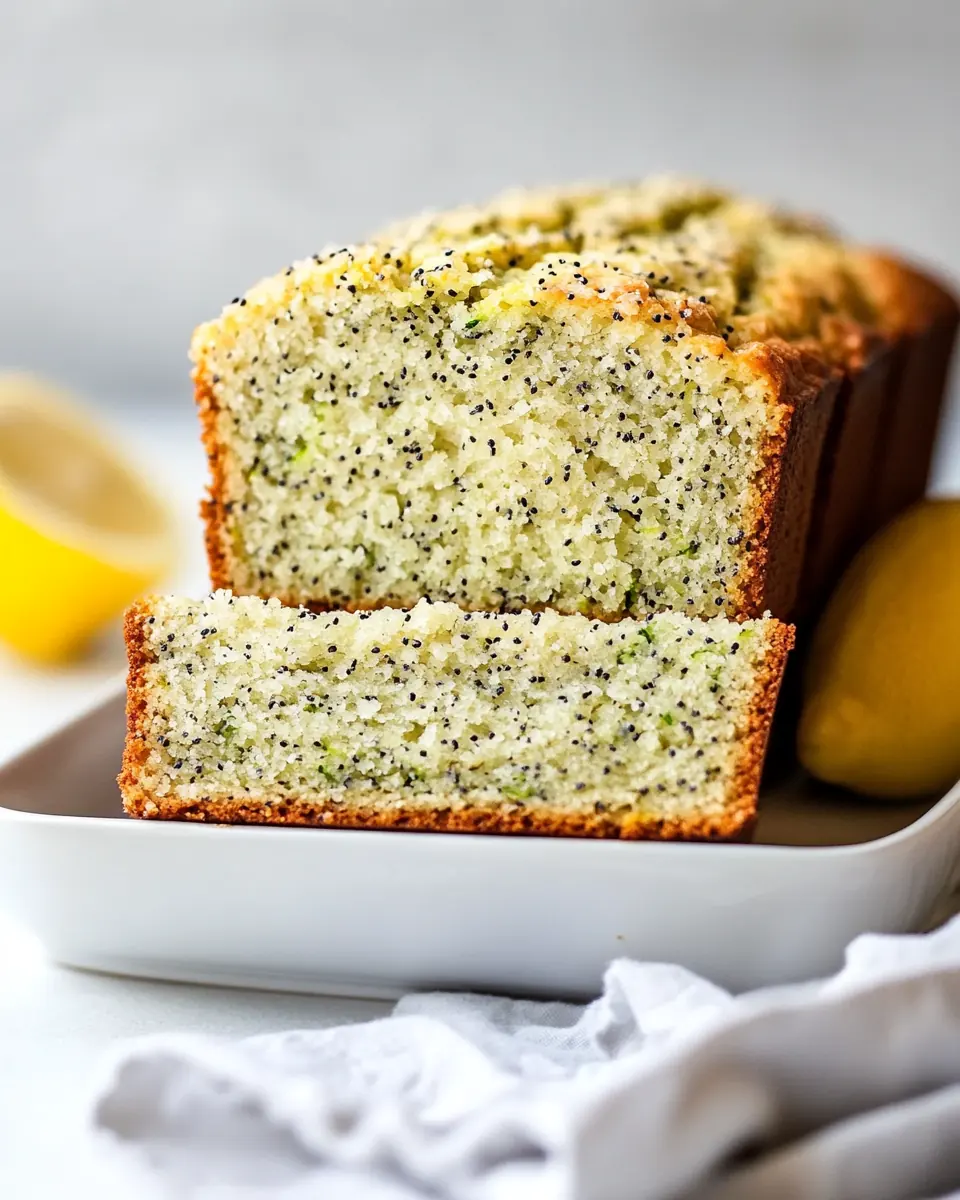
I like to offer clear, practical notes that help you get bakery level results without fuss. Below are expanded tips based on questions I answer the most when I give this loaf to friends and neighbors.
- Room temperature ingredients: Ensure the butter, eggs, and greek yogurt are at room temperature for better emulsification and a smoother batter.
- Drain excess moisture if necessary: If your grated zucchini seems very wet, gently press it in a towel; too much water can extend bake time or create a gummy center.
- Evenly distribute batter: Divide the batter using a scale or by eye so both pans bake uniformly and finish at the same time.
- Store properly: Wrap cooled loaves tightly and keep in an airtight container for up to four days at room temperature, or freeze slices for longer storage.
- Adjust glaze thickness: Add lemon juice slowly to the powdered sugar to control the glaze consistency, aiming for a ribbon that drizzles but does not completely run off the loaf.
Serve This Easy Lemon Poppy Seed Zucchini Bread With
This loaf is wonderfully adaptable and suits many occasions from a casual morning coffee to a festive brunch. Below I outline pairing ideas, serving contexts, and storage suggestions so you can present the loaf with confidence.
- Breakfast or brunch: Slice and serve warm with plain butter or a smear of cream cheese for a balanced morning option that pairs well with coffee or tea.
- Afternoon tea: Cut into thin slices and plate with fresh fruit for a light afternoon spread that feels considered without being fussy.
- Picnic or potluck: Wrap slices in parchment and pack in a chilled container so the loaf remains moist and travels well for outdoor gatherings.
- Gift giving: Wrap a loaf in plastic and tie with twine for a simple, homemade present that friends will appreciate during spring or holiday visits.
- Storage tips: For short term, keep the loaf in an airtight container at room temperature for up to four days; for longer storage, freeze slices in a zip close bag for up to three months and thaw at room temperature or toast straight from frozen for a warm treat.
- Seasonal pairings: Serve alongside bright salads in spring or with spiced teas in cooler months; the loaf’s citrus note makes it versatile across seasons.
FAQ
Conclusion
Easy Lemon Poppy Seed Zucchini Bread stands out because it marries bright citrus with a tender, moist crumb that keeps well across days. The loaf is approachable for bakers of all levels and versatile enough for breakfast, brunch, and gifting. I encourage you to try it this weekend; set aside a relaxed morning, gather the ingredients, and enjoy the calming rhythm of baking. You might find, as I did, that sharing a warm slice becomes a lovely ritual with friends and family.

Easy Lemon Poppy Seed Zucchini Bread
Ingredients
Equipment
Method
- Preheat oven to 350 degrees F. Spray two 8 1/2 inch x 4 inch bread pans with baking spray (the kind that has the flour in it) and set aside.: Right away you will notice the oven beginning to put out a gentle dry heat, a comforting hum that promises transformation. Preheating ensures the batter hits an already warm environment so the leaveners activate correctly, producing even rise and preventing a heavy, underbaked center. Spraying the pans with a flour inclusive baking spray creates a nonstick surface and a light dusting that helps the crust release cleanly, and the texture will develop a slightly crisper edge where the batter kisses the pan. If you skip preheating or put the batter into a cold oven, the bread can bake unevenly and may sink in the middle. A typical mistake is using too small or too large pans which alters bake time, so use pans close to the listed dimensions.
- Beat the butter and sugar in a large bowl until light and fluffy. Add in the greek yogurt and lemon juice and beat until combined. Add in the eggs one at a time, scraping down sides of bowl as necessary.: As you cream the butter and sugar , listen for a soft, rhythmic scraping and look for the color to lighten and the texture to become airy, which indicates air has been incorporated to help lift the loaf. When the greek yogurt and lemon juice join the mixture, you'll feel the batter soften and smell a brighter, tangy note. Adding the eggs one by one helps maintain an emulsion so the batter stays stable and does not break, which would otherwise lead to a greasy texture. Scraping the bowl ensures no unmixed streaks of cold butter remain, which would create uneven pockets. A common pitfall here is overbeating after eggs are added, which can develop gluten and make the crumb tougher; beat just until combined.
- In a separate bowl combine the flour, baking soda, salt, baking powder and lemon zest, whisk to combine. Pour the dry ingredients into the wet and stir just enough to combine.: Whisking the dry components distributes the leaveners and the salt evenly, so every bite rises and tastes balanced. The fragrant oil from the lemon zest will lift as you whisk, releasing a citrus perfume that hints at the final loaf. When folding the dry into the wet, you want to stop as soon as the streaks of flour disappear, because overmixing activates gluten in the flour , leading to a denser texture. You should see a cohesive batter that is slightly thick and glossy. Watch for dry pockets of flour, but also resist mixing until perfectly smooth to avoid a tight crumb. A typical error is vigorously beating at this stage which creates tunnels and a chewy loaf.
- Fold in the zucchini, vanilla extract and poppy seeds until evenly distributed. Try not to over stir. Pour the batter evenly into the prepared pans and bake for 55 to 60 minutes, or until toothpick inserted in center comes out clean. Let cool for at least 10 minutes in pans before removing to wire rack to cool completely.: When you fold in the grated zucchini , you will see flecks of green throughout the batter and notice a faint vegetal scent that will fade in the oven; the moisture from the zucchini keeps the crumb tender. The vanilla extract gives a warm background note that supports the lemon, and the poppy seeds add tiny audible crunches when you bite into the final loaf. Pouring the batter evenly into both pans promotes uniform baking, and as it bakes the top will deepen to a golden tone and the center will gently spring back when pressed. Use a toothpick to check doneness; if it comes out with moist crumbs, give it a few more minutes. Be careful not to open the oven too often during baking, as that can lower the temperature and cause sinking. Also avoid overbaking which dries the loaf, so aim for that read on the toothpick and a gentle spring to the touch.
- Combine the powdered sugar and lemon juice in a small bowl and whisk until smooth. Drizzle over the bread and garnish with lemon zest if desired. Store bread in an airtight container. Enjoy!: The glaze should be glossy and pourable, a bright white that takes on a pale lemon hue when you add fresh juice. Drizzling it while the loaf is warm allows the glaze to set slightly into the crust, creating a thin, crackled finish that looks inviting and adds a tangy-sweet counterpoint to the buttery crumb. Garnishing with extra lemon zest releases aromatic oils right before serving, heightening the sensory experience. For storage, an airtight container keeps humidity steady and prevents the crust from becoming leathery; I often wrap slices in parchment for sharing. A mistake people make is making the glaze too runny by adding too much lemon juice, which will simply pool and not set, so add liquid gradually until you reach the desired consistency.
Notes
- Room temperature ingredients: Ensure the butter, eggs, and greek yogurt are at room temperature for better emulsification and a smoother batter.
- Drain excess moisture if necessary: If your grated zucchini seems very wet, gently press it in a towel; too much water can extend bake time or create a gummy center.
- Evenly distribute batter: Divide the batter using a scale or by eye so both pans bake uniformly and finish at the same time.
- Store properly: Wrap cooled loaves tightly and keep in an airtight container for up to four days at room temperature, or freeze slices for longer storage.
- Adjust glaze thickness: Add lemon juice slowly to the powdered sugar to control the glaze consistency, aiming for a ribbon that drizzles but does not completely run off the loaf.