Peanut Butter Oatmeal Cookies
Peanut Butter Oatmeal Cookies are the kind of cookies I reach for when I want something nostalgic yet straightforward to bake on a busy afternoon.
I remember the first time I mixed these on a rainy Saturday, the whole kitchen filled with the warm, nutty aroma of peanut butter and the faint, toasty scent of oats. I was half listening to an old playlist, and as the dough came together, I kept sneaking tastes. The texture reminded me of childhood lunchbox treats but with a grown up chew from the quick cooking oats. Over the years I refined the cookie so the balance of brown and granulated sugar gives a gentle caramel note while the small amount of butter keeps them tender instead of crumbly.
These cookies are a pantry hero for me, the recipe I turn to when I want something comforting without fuss. I often make a double batch, freezing some dough so I can bake fresh cookies on demand. Each bite offers that classic crisscross fork pattern, a slightly crisp edge, and a soft, chewy center. Honestly, they make excellent gifts in a tin, and I love how versatile they are with add ins when I feel like experimenting.
Recipe Snapshot
34 mins
20 mins
14 mins
Easy
150 kcal
American
Gluten-Free, Low FODMAP
Desserts
Electric mixer, Mixing bowl, Cookie sheets, Parchment paper or silicone baking mats, Fork, Cookie scoop
The Beauty of This Peanut Butter Oatmeal Cookies
They are unbelievably simple
I love that Peanut Butter Oatmeal Cookies require minimal equipment and pantry staples. With just basic mixing and scooping, you can get warm cookies in under an hour. I say this because on hectic days, a recipe that does not demand special tools feels like a small victory.
Comforting, nostalgic flavor
There is something about the combination of creamy peanut butter and chewy oats that triggers happy food memories. When I bake these, I always slow down to inhale the toasty aroma as they bake, and that immediate comfort is why I keep this recipe in heavy rotation.
Great texture contrast
The mix of quick cooking oats with a modest amount of butter and flour yields cookies that are crisp at the edges and tender inside. I appreciate how the oats provide chew without weighing the cookie down, which makes each bite satisfying rather than cloying.
Adaptable to your pantry
I like that these cookies welcome add ins, but they are also excellent as written. If I want a decadent upgrade, I add mix ins. If I need to keep things simpler, the core ingredients already sing. That flexibility makes this recipe a go to for last minute baking.
Kid friendly and crowd pleasing
From school bake sales to casual get togethers, Peanut Butter Oatmeal Cookies are reliably popular. I often hand a plate to neighbors and the smiles tell me everything I need to know about how well these cookies land.
Key Ingredients for Peanut Butter Oatmeal Cookies
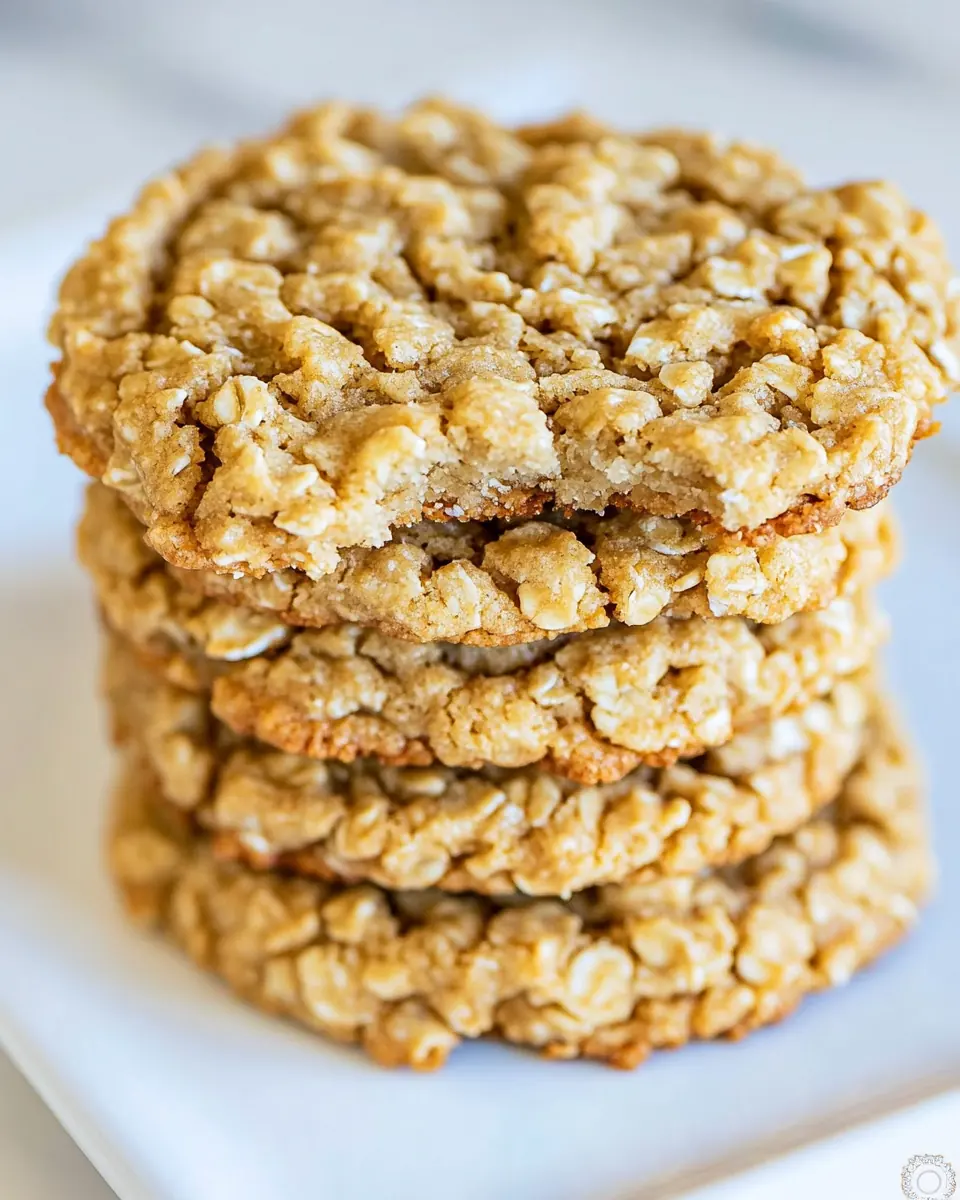
These ingredients form a straightforward harmony. The creamy peanut butter and softened butter bring richness and flavor, while two sugars create depth and tenderness. The quick cooking oats give chew and body, and the small amount of flour ties the matrix together so the cookies hold their shape with a pleasant crumb.
- 1/2 cup (113 g) unsalted butter, softened: Soften and cream to provide a rich, tender base and help incorporate air for a light cookie texture when beaten with sugars.
- 1/2 cup (133 g) creamy peanut butter: Add and bind fats with flavor, contributing creamy peanut taste and helping create a chewy, moist crumb throughout the cookie.
- 1/2 cup (100 g) packed brown sugar: Sweeten and add deep, caramel-like molasses notes while contributing moisture and helping produce a soft, slightly chewy texture.
- 1/3 cup (67 g) granulated sugar: Sweeten and add crispness and structure by dissolving into the dough, balancing the brown sugar’s flavor and aiding browning.
- 1 large egg: Bind and leaven slightly by trapping air; provide moisture and richness that help set the cookie’s structure during baking.
- 1 tablespoon milk: Moisten and soften the dough slightly, aiding in combining ingredients and contributing a bit of tenderness to the final cookie.
- 1 teaspoon vanilla extract: Flavor and enhance overall sweetness; provide aromatic vanilla notes that round out other flavors and deepen the taste profile.
- 1/2 teaspoon baking soda: React with acidic components to produce carbon dioxide for lift, helping the cookies spread and creating a lighter interior.
- 1/2 teaspoon cinnamon: Warm and complement the peanut and brown sugar flavors, adding aromatic complexity and a subtle spiced background to the cookie.
- 1/4 teaspoon salt: Season and enhance the other flavors while balancing sweetness; control overall flavor profile and strengthen dough structure.
- 1 1/2 cup (128 g) quick cooking oats: Provide chewy texture and whole-grain flavor while absorbing moisture and contributing to the cookie’s body and bite.
- 3/4 cup (93 g) all-purpose flour: Supply structure and bulk through gluten development and starches, helping cookies hold together while producing a tender crumb.
How to Cook Peanut Butter Oatmeal Cookies
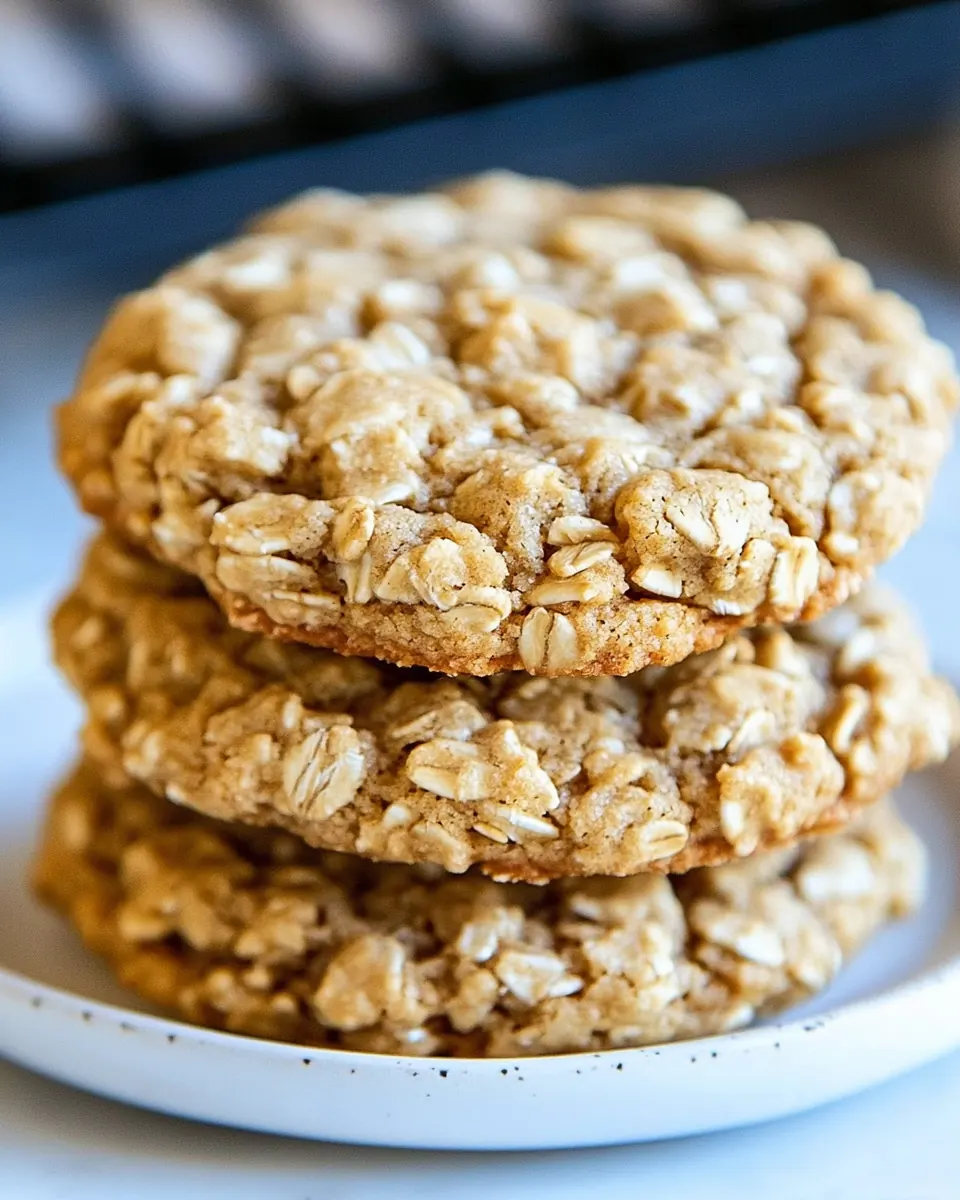
I like to approach the baking phase with a calm rhythm, moving from preheating to mixing, then scooping and watching the oven. These steps will take you from a sticky bowl of dough to warm cookies with crisp edges and a tender center, and I will walk you through sensory cues and what to watch for.
- Preheat oven to 350°F. Line two cookie sheets with parchment paper or silicone baking mats.: When the oven reaches 350°F , you will notice a faint warm smell and a steady, even heat that crisps the cookie edges. Preheating ensures the cookies begin baking immediately on contact, creating lift and caramelization. If you skip this, cookies may spread more and end up flatter. A common mistake is placing cookies in an oven that has not fully warmed, which leads to uneven texture.
- Mix butter and peanut butter in a large bowl with an electric mixer until smooth. Add both sugars and cream until fluffy.: The lined sheets provide a nonstick surface and promote even browning, reducing hot spots that can burn the bottoms. As the sheets warm, you will feel a dry, warm surface when you gently hover your hand above them. Avoid placing dough directly on unlined metal, which can cause uneven browning and sticking.
- Add egg, milk, vanilla, baking soda, cinnamon and salt and mix until smooth. Mix in oats then mix in flour.: Creaming these fats traps air and creates a silky base, and the bowl will sound quieter as the mixture smooths out. The texture should look homogeneous and glossy, not greasy. Overbeating can incorporate too much air, causing the cookies to puff and then collapse, so stop once smooth.
- Scoop 2-tablespoon size balls of cookie dough 2 inches apart onto prepared cookie sheets. Use a fork to press them down with crisscross marks, like you would with regular peanut butter cookies. If the fork sticks to the cookie dough, dip the fork in some granulated sugar.: As you add the brown and granulated sugars and continue to beat, the mixture should lighten in color and become visibly fluffier, with small air pockets that help tenderize the cookie. You may smell a richer, caramel like scent as the sugars integrate. If the mixture remains grainy, beat a little longer; undercreamed sugar can yield dense cookies.
- Bake for 11-14 minutes or until they just lose their glossy sheen. Cool at least 5 minutes before removing from cookie sheets.: After adding the wet ingredients and leavener, the batter will take on a slightly thinner sheen and a fragrant aroma from the vanilla and cinnamon. Mixing until smooth ensures these elements distribute evenly for consistent flavor. Common trouble is curdling when cold egg meets stiff fat, so make sure ingredients are closer to room temperature.
- Store in an airtight container for up to 3 days or freeze for up to 3 months.: When you stir in the quick cooking oats , you will see the dough gain texture and a speckled look. Adding the flour afterward binds everything together and the dough will come away from the bowl sides. If you overmix here, gluten development can cause tougher cookies, so stop as soon as the flour disappears.
- Scoop 2 tablespoon size balls of cookie dough 2 inches apart onto prepared cookie sheets: Scooping uniform dough helps cookies bake evenly. You should hear a soft thud as the scoop hits the parchment, and the dough will hold its round shape initially. Leaving about 2 inches between mounds prevents them from merging into one another. A common mistake is making mounds too large, which lengthens bake time and can leave centers underbaked.
- Use a fork to press them down with crisscross marks, like you would with regular peanut butter cookies: Pressing makes a signature pattern and slightly compresses the dough so it bakes with the classic shape. If the fork sticks, dip it in some granulated sugar to create a clean imprint. If you press too hard, cookies will become overly flat, so aim for gentle, even pressure.
- Bake for 11 to 14 minutes or until they just lose their glossy sheen: As they bake, edges will darken slightly and you will notice a toasty aroma. The glossy surface will dull when they are ready, and the centers will still look a touch soft. Overbaking leads to dry, crunchy cookies, so take them out on the earlier side if you prefer chewiness.
- Cool at least 5 minutes before removing from cookie sheets: Cooling lets the structure set, so cookies firm up enough to transfer without breaking. You may feel the cookies shift from soft to slightly firmer to the touch as they cool. Removing them too soon can cause them to crumble, and leaving them too long on a hot pan can cause residual cooking.
- Store in an airtight container for up to 3 days or freeze for up to 3 months: At room temperature in an airtight container, they retain texture for a few days, and freezing preserves them longer. When freezing, separate layers with parchment so they do not stick. A common slip is storing in a humid spot, which makes cookies lose crisp edges.
Recipe Variations about Peanut Butter Oatmeal Cookies
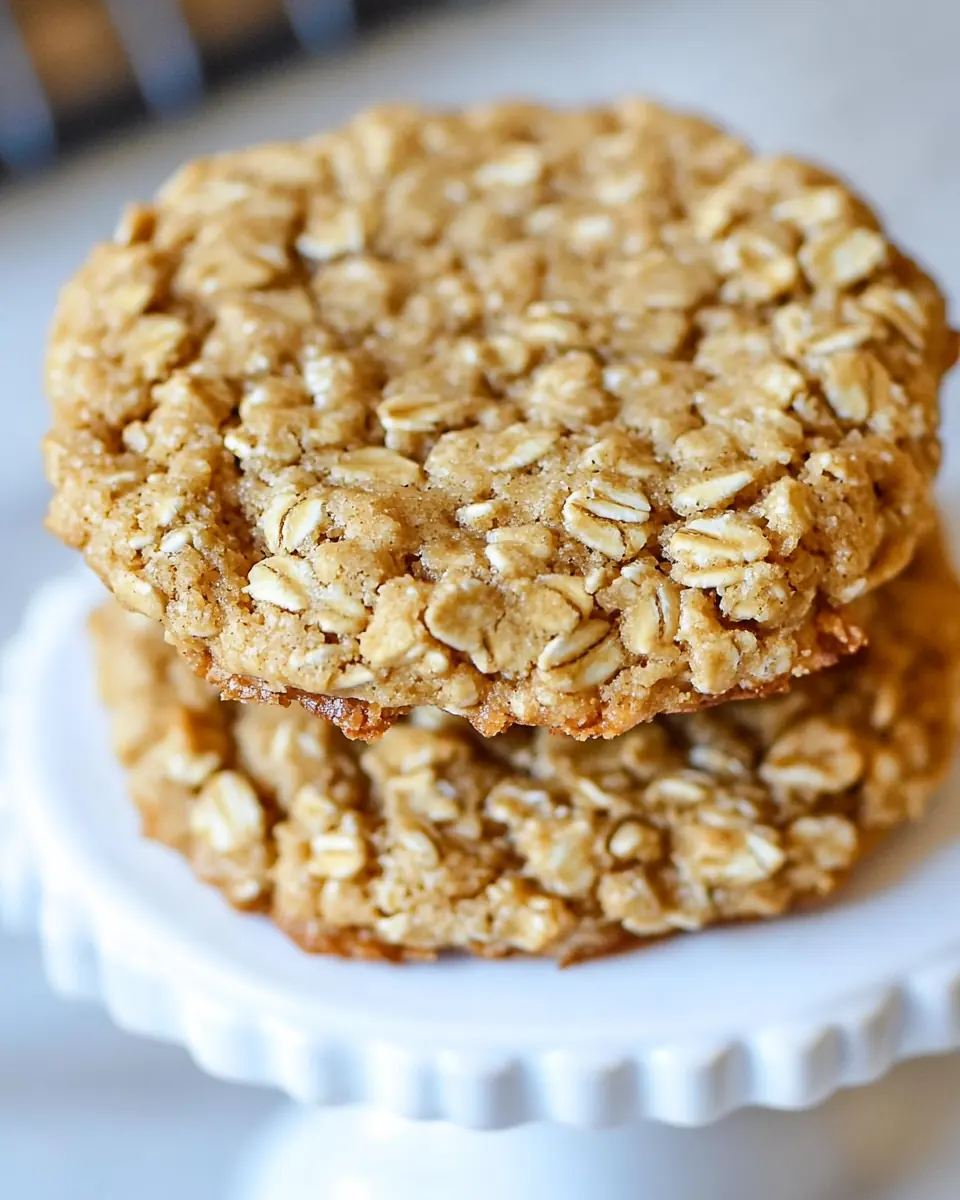
I like to tweak these cookies depending on the mood, and small variations yield very different results. Below are practical ideas to adapt texture and flavor while keeping the core recipe intact. Each tip highlights the first phrase so you can scan quickly for inspiration.
- Add mix ins Use up to 1 1/2 cups of mix ins like chopped nuts or chocolate chips to change the flavor profile while maintaining the original dough. Fold them in gently to avoid overmixing the dough.
- Swap to WOW Butter If someone has a peanut allergy, use WOW Butter as a straight swap for creamy peanut butter, noting the texture may be slightly different but results remain satisfying.
- Freeze for convenience Freeze baked cookies in an airtight container for up to 3 months or freeze scooped dough for ready to bake portions, extending their shelf life and making fresh cookies easy to enjoy.
- Adjust chewiness For chewier cookies, bake toward the shorter end of the time range and allow them to cool on the baking sheet, which finishes them gently and preserves softness.
- Make smaller cookies Use a 1 tablespoon scoop and reduce bake time slightly to create bite sized treats great for lunchboxes or parties.
What Complements This Peanut Butter Oatmeal Cookies
These cookies pair well with simple accompaniments and are suitable for many occasions. Below I list serving ideas, storage notes, and situations where these cookies shine, all in an easy to scan list so you can plan servings and pairings.
- Classic pairing Serve with a glass of cold milk for a comforting, timeless combination that works for afternoon snacks or an after school treat.
- Gift ready Arrange in a tin or box for holidays or casual hostess gifts, layering with parchment to preserve texture and presentation.
- Party platter Include on a cookie tray for gatherings, mixing with other cookie types to offer contrast in flavor and texture for guests.
- Lunchbox friendly Pack one or two cookies in a lunch container for a sweet treat that travels well, keeping them separate from moist foods to avoid sogginess.
- Storage tips Store at room temperature in an airtight container for up to 3 days, or freeze in airtight containers for up to 3 months, thawing at room temperature when ready to serve.
- Seasonal occasions These cookies are versatile for any season and work well for casual gatherings, bake sales, and school events because they are familiar and crowd pleasing.
FAQ
Conclusion
What makes this recipe special is its perfect balance of creamy peanut flavor and oat driven chew that feels both nostalgic and satisfying. If you enjoy straightforward baking that rewards you quickly, give these cookies a try and keep a stash of dough in the freezer for fresh cookies on demand. They are forgiving, adaptable, and consistently comforting, making them a dependable choice for everyday baking and casual entertaining.
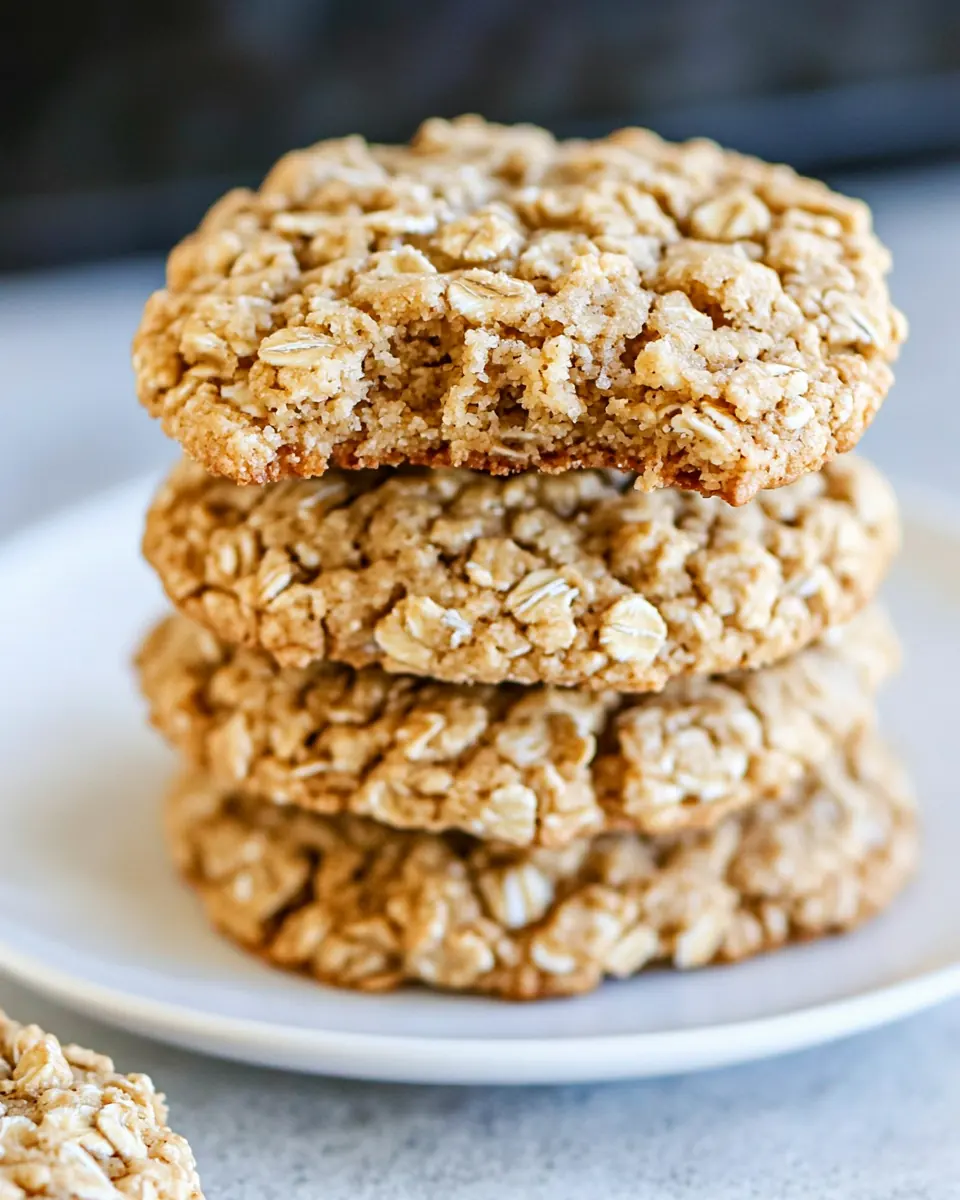
Peanut Butter Oatmeal Cookies
Ingredients
Equipment
Method
- Preheat oven to 350°F. Line two cookie sheets with parchment paper or silicone baking mats.: When the oven reaches 350°F , you will notice a faint warm smell and a steady, even heat that crisps the cookie edges. Preheating ensures the cookies begin baking immediately on contact, creating lift and caramelization. If you skip this, cookies may spread more and end up flatter. A common mistake is placing cookies in an oven that has not fully warmed, which leads to uneven texture.
- Mix butter and peanut butter in a large bowl with an electric mixer until smooth. Add both sugars and cream until fluffy.: The lined sheets provide a nonstick surface and promote even browning, reducing hot spots that can burn the bottoms. As the sheets warm, you will feel a dry, warm surface when you gently hover your hand above them. Avoid placing dough directly on unlined metal, which can cause uneven browning and sticking.
- Add egg, milk, vanilla, baking soda, cinnamon and salt and mix until smooth. Mix in oats then mix in flour.: Creaming these fats traps air and creates a silky base, and the bowl will sound quieter as the mixture smooths out. The texture should look homogeneous and glossy, not greasy. Overbeating can incorporate too much air, causing the cookies to puff and then collapse, so stop once smooth.
- Scoop 2-tablespoon size balls of cookie dough 2 inches apart onto prepared cookie sheets. Use a fork to press them down with crisscross marks, like you would with regular peanut butter cookies. If the fork sticks to the cookie dough, dip the fork in some granulated sugar.: As you add the brown and granulated sugars and continue to beat, the mixture should lighten in color and become visibly fluffier, with small air pockets that help tenderize the cookie. You may smell a richer, caramel like scent as the sugars integrate. If the mixture remains grainy, beat a little longer; undercreamed sugar can yield dense cookies.
- Bake for 11-14 minutes or until they just lose their glossy sheen. Cool at least 5 minutes before removing from cookie sheets.: After adding the wet ingredients and leavener, the batter will take on a slightly thinner sheen and a fragrant aroma from the vanilla and cinnamon. Mixing until smooth ensures these elements distribute evenly for consistent flavor. Common trouble is curdling when cold egg meets stiff fat, so make sure ingredients are closer to room temperature.
- Store in an airtight container for up to 3 days or freeze for up to 3 months.: When you stir in the quick cooking oats , you will see the dough gain texture and a speckled look. Adding the flour afterward binds everything together and the dough will come away from the bowl sides. If you overmix here, gluten development can cause tougher cookies, so stop as soon as the flour disappears.
- Scoop 2 tablespoon size balls of cookie dough 2 inches apart onto prepared cookie sheets: Scooping uniform dough helps cookies bake evenly. You should hear a soft thud as the scoop hits the parchment, and the dough will hold its round shape initially. Leaving about 2 inches between mounds prevents them from merging into one another. A common mistake is making mounds too large, which lengthens bake time and can leave centers underbaked.
- Use a fork to press them down with crisscross marks, like you would with regular peanut butter cookies: Pressing makes a signature pattern and slightly compresses the dough so it bakes with the classic shape. If the fork sticks, dip it in some granulated sugar to create a clean imprint. If you press too hard, cookies will become overly flat, so aim for gentle, even pressure.
- Bake for 11 to 14 minutes or until they just lose their glossy sheen: As they bake, edges will darken slightly and you will notice a toasty aroma. The glossy surface will dull when they are ready, and the centers will still look a touch soft. Overbaking leads to dry, crunchy cookies, so take them out on the earlier side if you prefer chewiness.
- Cool at least 5 minutes before removing from cookie sheets: Cooling lets the structure set, so cookies firm up enough to transfer without breaking. You may feel the cookies shift from soft to slightly firmer to the touch as they cool. Removing them too soon can cause them to crumble, and leaving them too long on a hot pan can cause residual cooking.
- Store in an airtight container for up to 3 days or freeze for up to 3 months: At room temperature in an airtight container, they retain texture for a few days, and freezing preserves them longer. When freezing, separate layers with parchment so they do not stick. A common slip is storing in a humid spot, which makes cookies lose crisp edges.
Notes
- Add mix ins Use up to 1 1/2 cups of mix ins like chopped nuts or chocolate chips to change the flavor profile while maintaining the original dough. Fold them in gently to avoid overmixing the dough.
- Swap to WOW Butter If someone has a peanut allergy, use WOW Butter as a straight swap for creamy peanut butter, noting the texture may be slightly different but results remain satisfying.
- Freeze for convenience Freeze baked cookies in an airtight container for up to 3 months or freeze scooped dough for ready to bake portions, extending their shelf life and making fresh cookies easy to enjoy.
- Adjust chewiness For chewier cookies, bake toward the shorter end of the time range and allow them to cool on the baking sheet, which finishes them gently and preserves softness.
- Make smaller cookies Use a 1 tablespoon scoop and reduce bake time slightly to create bite sized treats great for lunchboxes or parties.