Cranberry Orange Bread
Cranberry Orange Bread is the loaf I reach for when the air turns crisp and the kitchen smells like citrus and baking sugar. I first baked this on an overcast afternoon when I wanted something bright to cut through the heaviness of fall, and the first slice vanished before I could pour my coffee. That moment of warm crumb and the gentle tartness of cranberries reminded me why simple quick breads feel like a small celebration.
I remember juggling a toddler on my hip while zesting an orange, laughing because the peel scent covered up spilled preschool glue. Baking this Cranberry Orange Bread became my tiny act of calm, a rhythm of measuring, whisking, and folding that grounded me. Each time I bake it now, I think of that cozy chaos, and I love offering a loaf to friends who need something homemade and honest. It travels well to a neighbor, pairs nicely with a chat, and somehow feels thoughtful without trying too hard.
Recipe Snapshot
1 hr 20 mins
20 mins
60 mins
Medium
200 kcal
American
Gluten-Free, Low FODMAP
Desserts
5 x 9 inch loaf pan, Mixing bowls, Whisk, Spatula, Wire rack
What Makes This Cranberry Orange Bread Special
Bright, balanced flavor
I love how cranberries bring a lively tartness that pairs with the sweet, fragrant note of the orange. The interplay keeps each bite interesting, so the loaf never tastes flat or cloying. When I slice into it, the citrus aroma rises and makes the whole kitchen feel fresher.
Accessible ingredients
This recipe uses pantry-friendly staples like all purpose flour and granulated white sugar, which means you can pull it together even on short notice. I appreciate recipes that do not demand special shopping runs, and this one fits the bill while still feeling special.
Great for sharing
The loaf shape and forgiving nature of the batter make it ideal for gifting or bringing to gatherings. I frequently wrap a warm slice for a friend or carry a whole loaf to holiday visits, knowing it will be well received. It’s comforting, familiar, and unpretentious.
Textural contrast
The soft, tender crumb contrasts with bursts of fresh cranberries, and the optional chopped walnuts add a crunchy note if you include them. That texture variety keeps the loaf enjoyable slice after slice. For those who like a more rustic bite, the walnuts are a delightful add.
Flexible and forgiving
I find this loaf very forgiving if you mix a little too much or too little. It tolerates small timing or measuring hiccups and still comes out tasty. That reliability makes it a go to when I want dependable results without precision stress.
What Goes Into Cranberry Orange Bread
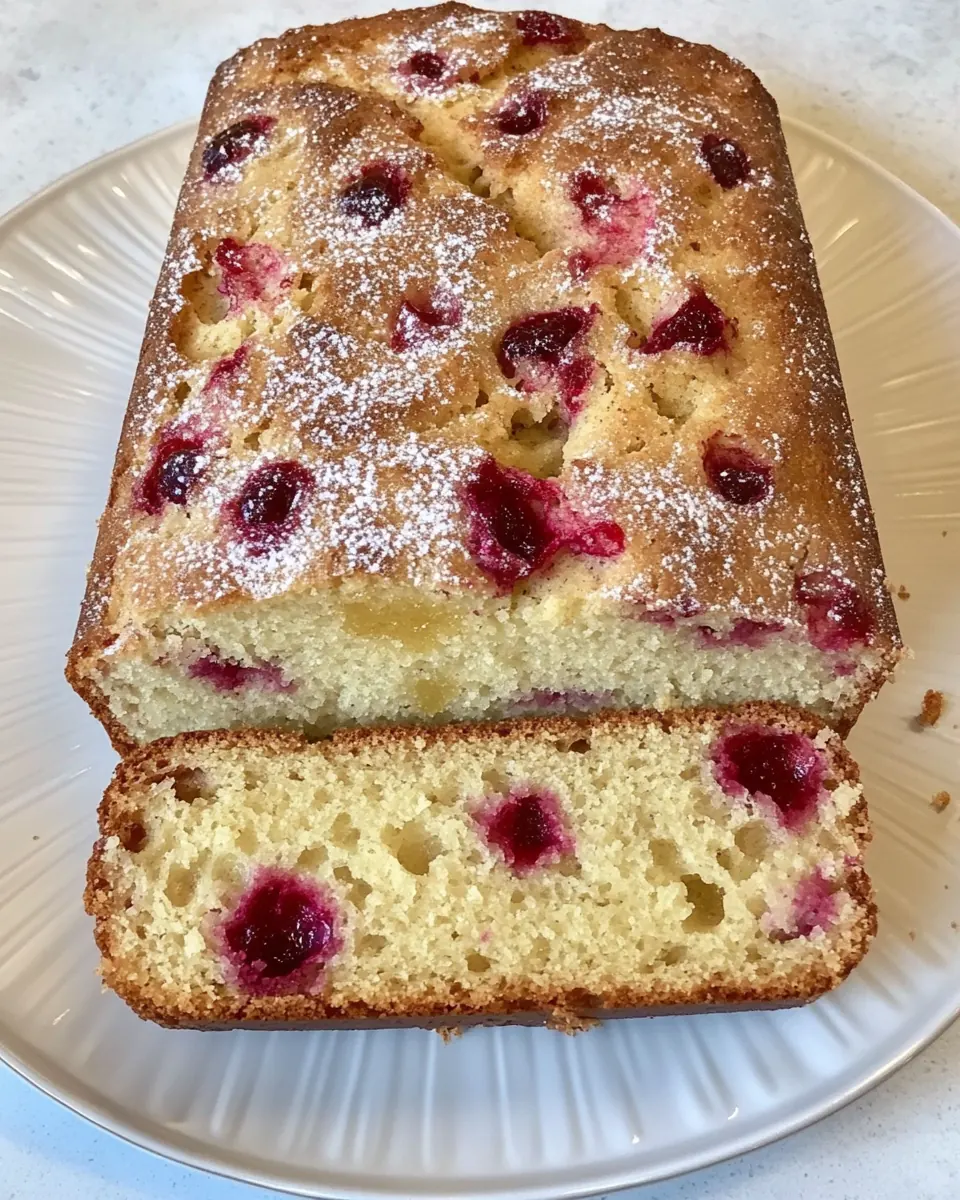
I think of the ingredient list as a small ensemble where each player has a clear job. The dry ingredients build structure, the liquids bring tenderness and moisture, and the citrus and berries deliver the personality. Together they create a loaf that is bright, tender, and slightly rustic, with the optional nuts offering a welcome textural lift.
- 2 cups all purpose flour: Provide structure and bulk to the loaf by forming the gluten network when mixed with liquids; sift or whisk to remove lumps and ensure even incorporation for a tender crumb.
- 1 teaspoons salt: Enhance overall flavor balance and strengthen gluten structure slightly while controlling yeast activity; dissolve evenly into dry ingredients to distribute seasoning throughout the batter.
- 1 1/2 teaspoons baking powder: Lighten the texture and contribute lift during baking by releasing gases when reacting with acids; measure accurately to avoid overly airy or collapsed crumb.
- 1/2 teaspoon baking soda: React with acidic components to produce additional rise and tenderize the crumb; use measured amounts to prevent soapy or metallic taste and ensure proper texture.
- 1 cup granulated white sugar: Sweeten the bread and help retain moisture while aiding in browning; creaming or whisking into the wet ingredients helps dissolve granules for even sweetness.
- 3/4 cup water: Add necessary liquid to hydrate dry ingredients and form the batter; temperature near room temperature ensures proper mixing and activation of leaveners.
- 1/3 cup orange juice (freshly squeezed is best!): Contribute bright citrus flavor and acidity that complements cranberries while adding moisture; freshly squeezed provides the most vibrant aroma and natural acidity.
- 2 tablespoons canola oil: Provide fat for tenderness and moisture, improving mouthfeel and shelf life; neutral oil like canola keeps the orange flavor dominant without added aroma.
- 1 large egg: Bind ingredients, add richness, and contribute to lift and structure through protein coagulation during baking; beat lightly before adding to ensure even distribution.
- 1 tablespoon grated orange zest: Impart concentrated citrus aroma and flavor, enhancing the orange profile while adding natural oils that boost fragrance; finely grate only the colored zest to avoid bitterness from the pith.
- 1 cup fresh cranberries, sliced in half: Introduce tart bursts of flavor, juicy texture, and visual contrast; halving preserves their bright pockets of juice and prevents large whole berries from sinking during baking.
- 1 cup chopped walnuts () (optional): Add crunchy texture and nutty flavor that contrasts the soft crumb; chop to even pieces and fold in gently if keeping them optional for those with allergies or texture preferences.
Cooking Instructions for Cranberry Orange Bread
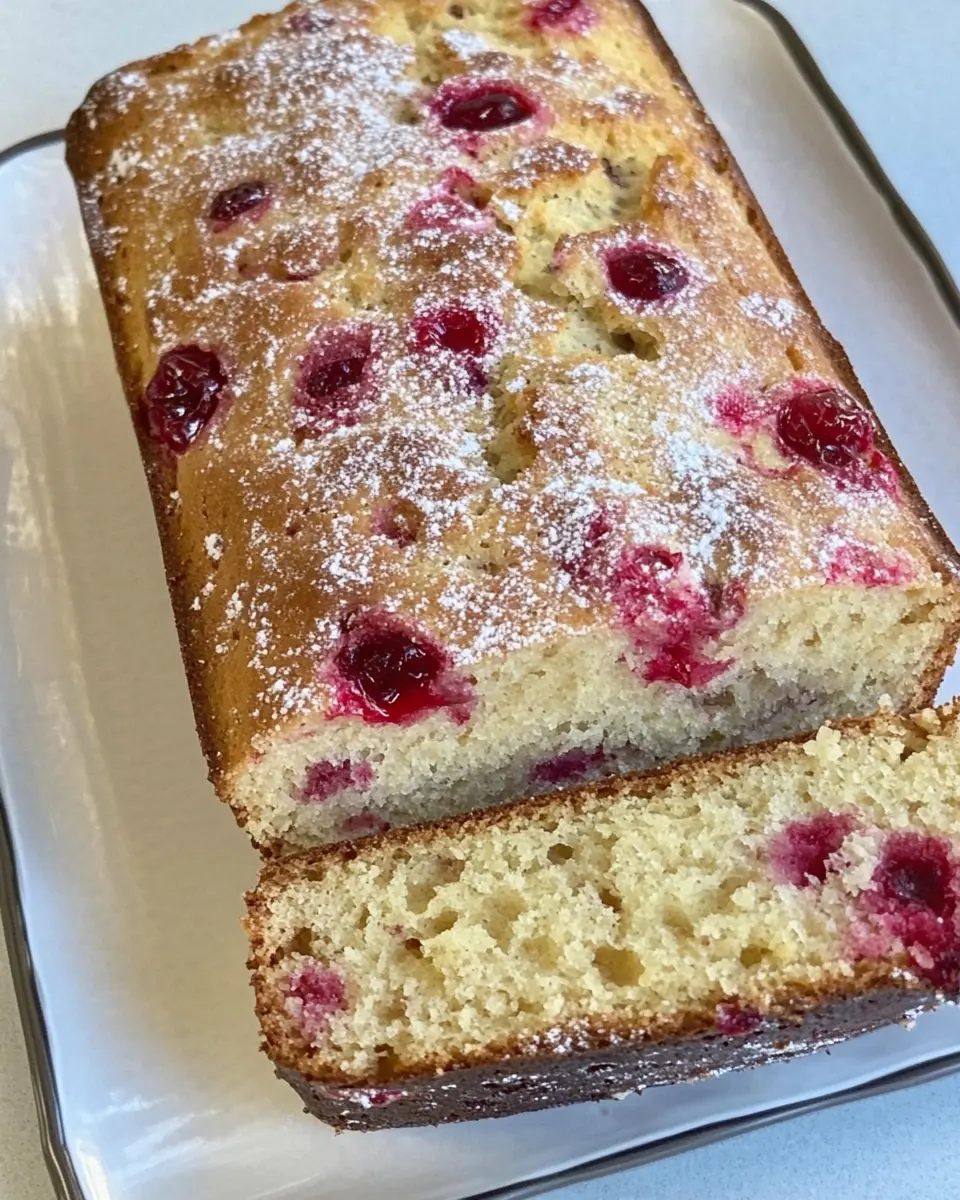
This recipe is straightforward, and I like to approach it with a relaxed but attentive mindset. A bit of care during mixing ensures a tender crumb, and careful observation in the oven prevents overbaking. Below I expand each direction so you get the cues and confidence to bake a perfect loaf.
- Preheat the oven to 350°F. Spray the bottom-only of a 5 x 9-inch loaf pan with nonstick spray.: When the oven heats to 350°F you will notice a steady hum and a warmth that fills the kitchen, signaling it is ready to transform batter into bread. Preheating ensures even rise and predictable baking time, so do not skip this step. Spraying only the bottom of the pan encourages the sides to cling slightly, which helps support the loaf as it rises, reducing the chance of sinking in the center. A common mistake is placing the pan in before the oven is fully hot, which can yield uneven oven spring. If you are unsure if the oven is accurate, an inexpensive oven thermometer can help avoid surprises.
- In a large mixing bowl, whisk together the flour, salt, baking powder and baking soda.: As you whisk, the dry mixture should look uniform and pale, with no streaks of leavening or salt visible, which ensures even distribution. Whisking also introduces a tiny bit of air, helping the loaf feel lighter. The smell at this point is neutral but clean, and you can already sense the promise of baked bread. One pitfall is failing to break up lumps of flour, which can create dense pockets; sift or thoroughly whisk to prevent that. Properly combined dry ingredients form the structural framework that interacts with wet components for an even rise and texture.
- In another bowl, whisk together the sugar, water, orange juice, oil, egg and orange zest; mix well to combine. Stir in the dry ingredients just until moistened. Fold in the cranberries (and nuts, if using). Spoon the batter into the prepared loaf pan.: With the wet ingredients combined, you will notice a glossy, slightly loose batter with flecks of orange zest dancing through it, releasing bright citrus oil. When you add the dry mixture, mix just until you no longer see streaks of flour; the batter should be lumpy and soft rather than silky smooth. Overmixing develops gluten, making the crumb tough, so stop as soon as the ingredients are integrated. Folding in the cranberries distributes tart bursts throughout the loaf, and the occasional visual pop of red is satisfying. If using walnuts, folding them gently preserves their crunch. Spoon the batter into the pan with a spatula and level the top gently; the surface should be slightly uneven rather than perfectly flat. One mistake is overworking the batter, which tightens the crumb, so be gentle and confident when folding.
- Bake for 50 to 60 minutes or until a wooden pick inserted into the center comes out clean. Cool in the pan for 10 minutes. Remove to a wire rack to cool completely. Store, tightly wrapped or in a sealed container, in the refrigerator.: As the loaf bakes, the kitchen fills with the aroma of orange and sugar, and you may hear a gentle crackle as the crust sets. The top should develop a warm golden brown color, slightly darker where the orange note caramelizes. Insert a wooden pick near the center at about 50 minutes; if it comes out with a few moist crumbs but no raw batter, the loaf is done. Cooling in the pan for 10 minutes helps the loaf stabilize so it does not collapse when turned out, and transferring to a wire rack prevents the bottom from steaming and becoming soggy. If you store the loaf, wrap it tightly to preserve moisture and prevent the cranberries from drying. A common error is removing the loaf too soon from the pan, which can cause it to crumble; let those 10 minutes pass before turning out.
Variations to Try
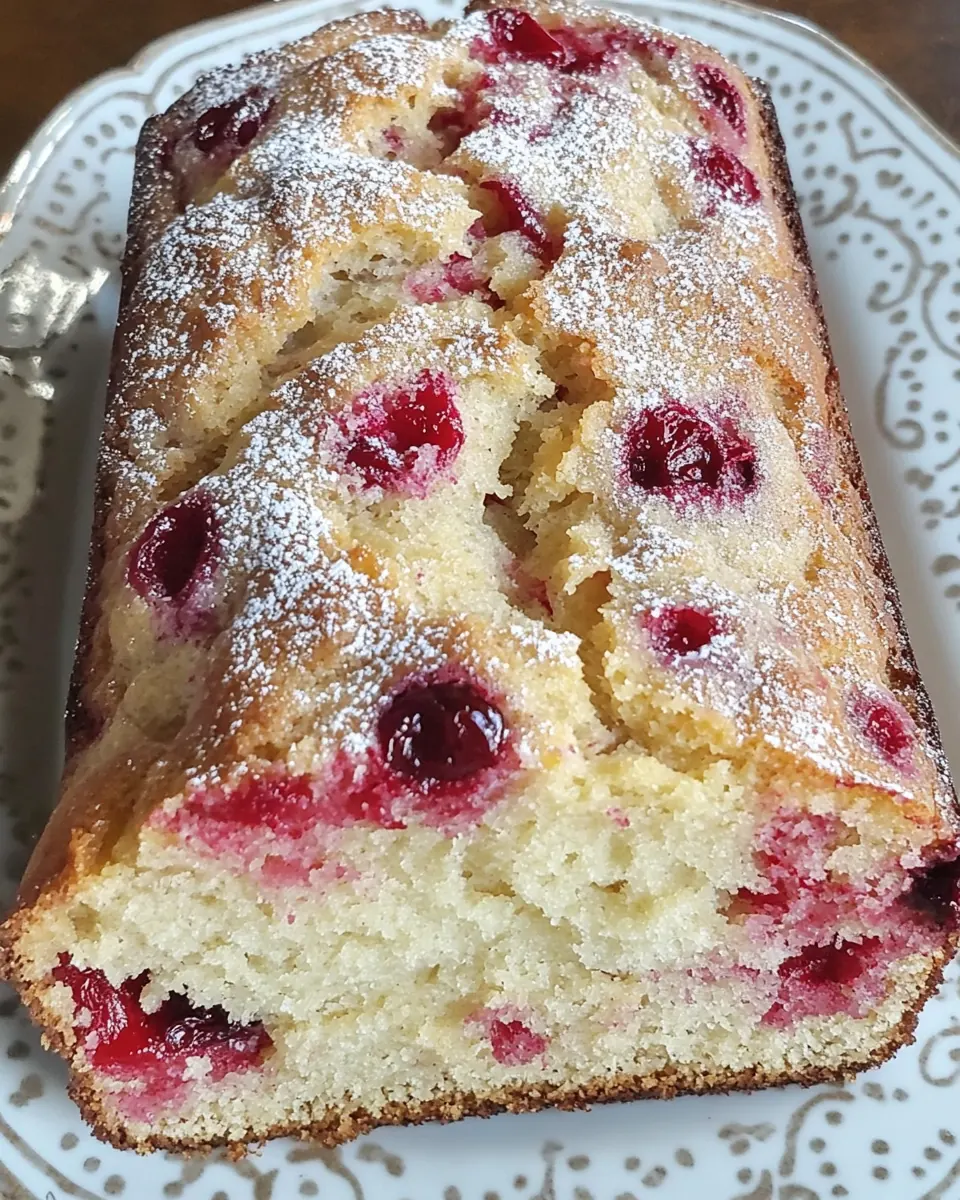
This section offers ways to adapt the loaf while preserving its core personality. Below I expand tips and ideas you can try based on pantry supplies and taste preference.
- Toast the walnuts: Lightly toasting the optional chopped walnuts in a dry skillet for a few minutes deepens their flavor and adds a warm toasted aroma to the finished loaf.
- Use freshly squeezed orange juice: Fresh juice elevates the bright citrus notes and contains aromatic oils that bottled juice lacks, giving a fresher finish to the bread.
- Adjust sugar for tartness preference: If you enjoy more tartness from the cranberries, reduce the granulated white sugar slightly by a couple of tablespoons to let the fruit shine.
- Toast the zest briefly: After grating, gently heat orange zest in a small dry pan for a few seconds to release extra aromatic oils, but avoid browning to prevent bitterness.
- Use room temperature egg: Bringing the large egg to room temperature helps it incorporate smoothly, which can aid in achieving a consistent crumb.
Pairing Suggestions for Cranberry Orange Bread
This loaf pairs beautifully across seasons and occasions. Below I outline serving ideas, storage recommendations, and suitable moments to enjoy a slice. Use the list to plan how you might present the bread for guests or tuck it into your week.
- Breakfast or brunch: Serve slices warm with a spread of butter or a smear of cream cheese for a relaxed morning gathering or a weekend brunch.
- Afternoon tea: Pair a thin slice with a cup of black or herbal tea for a gentle afternoon treat that balances tart and sweet flavors.
- Holiday contribution: Bring the loaf to Thanksgiving or fall gatherings as an easy homemade contribution that feels festive and seasonal.
- Gifting: Wrap a cooled loaf in parchment and tie with twine for a thoughtful hostess gift during the holidays or when visiting friends.
- Storage: Keep the loaf tightly wrapped in the refrigerator for up to one week, or freeze slices for longer storage and thaw as needed in the toaster or at room temperature.
- Seasonal pairing: In fall, serve alongside roasted apples or a warm spiced drink to complement the citrus and berry notes of the bread.
FAQ
Conclusion
This Cranberry Orange Bread stands out for its bright citrus notes and tender crumb, balanced by the tart bursts of fresh cranberries. Give it a try when you want a simple, comforting loaf that still feels a little festive. I hope baking and sharing it brings small moments of joy to your kitchen and the people you gift it to.
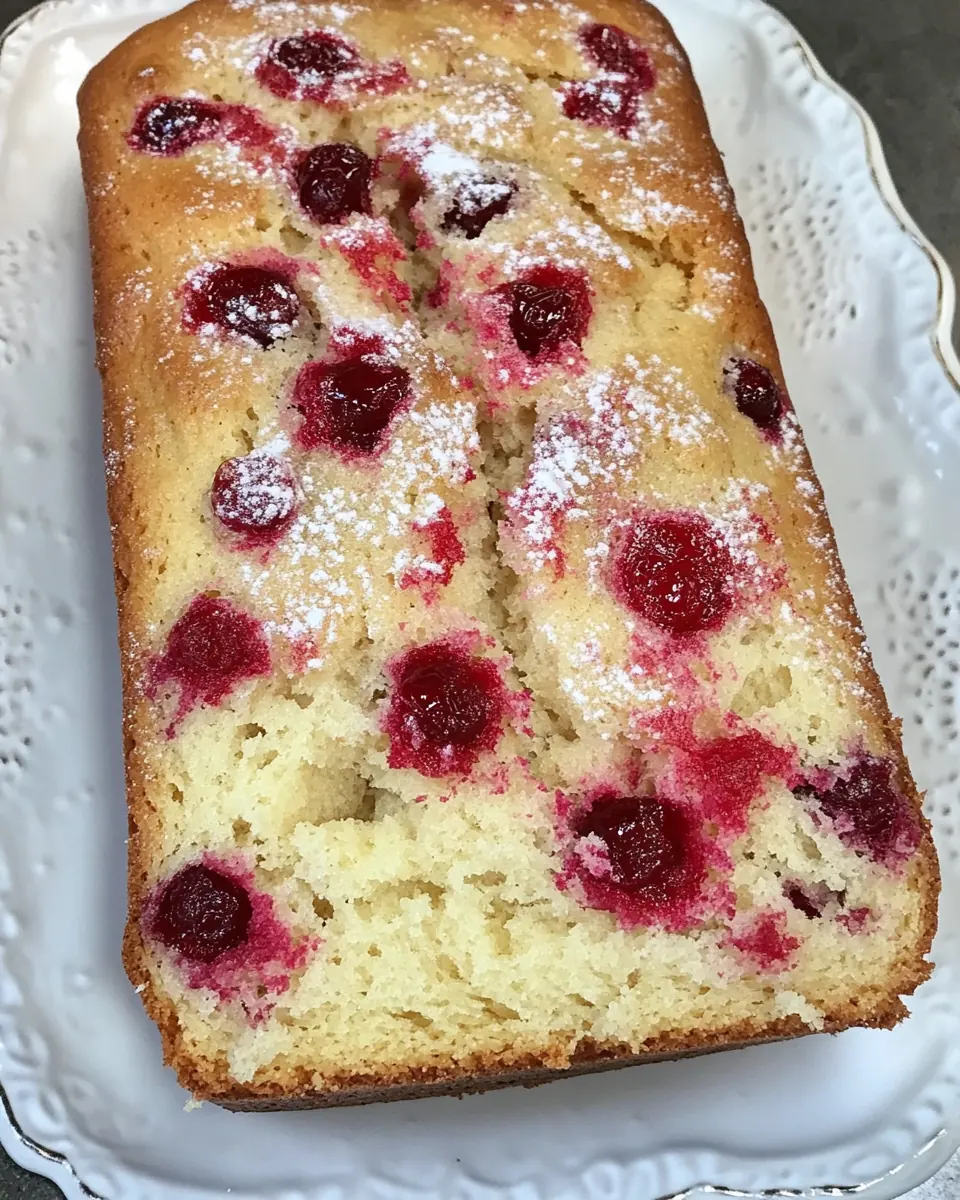
Cranberry Orange Bread
Ingredients
Equipment
Method
- Preheat the oven to 350°F. Spray the bottom-only of a 5 x 9-inch loaf pan with nonstick spray.: When the oven heats to 350°F you will notice a steady hum and a warmth that fills the kitchen, signaling it is ready to transform batter into bread. Preheating ensures even rise and predictable baking time, so do not skip this step. Spraying only the bottom of the pan encourages the sides to cling slightly, which helps support the loaf as it rises, reducing the chance of sinking in the center. A common mistake is placing the pan in before the oven is fully hot, which can yield uneven oven spring. If you are unsure if the oven is accurate, an inexpensive oven thermometer can help avoid surprises.
- In a large mixing bowl, whisk together the flour, salt, baking powder and baking soda.: As you whisk, the dry mixture should look uniform and pale, with no streaks of leavening or salt visible, which ensures even distribution. Whisking also introduces a tiny bit of air, helping the loaf feel lighter. The smell at this point is neutral but clean, and you can already sense the promise of baked bread. One pitfall is failing to break up lumps of flour, which can create dense pockets; sift or thoroughly whisk to prevent that. Properly combined dry ingredients form the structural framework that interacts with wet components for an even rise and texture.
- In another bowl, whisk together the sugar, water, orange juice, oil, egg and orange zest; mix well to combine. Stir in the dry ingredients just until moistened. Fold in the cranberries (and nuts, if using). Spoon the batter into the prepared loaf pan.: With the wet ingredients combined, you will notice a glossy, slightly loose batter with flecks of orange zest dancing through it, releasing bright citrus oil. When you add the dry mixture, mix just until you no longer see streaks of flour; the batter should be lumpy and soft rather than silky smooth. Overmixing develops gluten, making the crumb tough, so stop as soon as the ingredients are integrated. Folding in the cranberries distributes tart bursts throughout the loaf, and the occasional visual pop of red is satisfying. If using walnuts, folding them gently preserves their crunch. Spoon the batter into the pan with a spatula and level the top gently; the surface should be slightly uneven rather than perfectly flat. One mistake is overworking the batter, which tightens the crumb, so be gentle and confident when folding.
- Bake for 50 to 60 minutes or until a wooden pick inserted into the center comes out clean. Cool in the pan for 10 minutes. Remove to a wire rack to cool completely. Store, tightly wrapped or in a sealed container, in the refrigerator.: As the loaf bakes, the kitchen fills with the aroma of orange and sugar, and you may hear a gentle crackle as the crust sets. The top should develop a warm golden brown color, slightly darker where the orange note caramelizes. Insert a wooden pick near the center at about 50 minutes; if it comes out with a few moist crumbs but no raw batter, the loaf is done. Cooling in the pan for 10 minutes helps the loaf stabilize so it does not collapse when turned out, and transferring to a wire rack prevents the bottom from steaming and becoming soggy. If you store the loaf, wrap it tightly to preserve moisture and prevent the cranberries from drying. A common error is removing the loaf too soon from the pan, which can cause it to crumble; let those 10 minutes pass before turning out.
Notes
- Toast the walnuts: Lightly toasting the optional chopped walnuts in a dry skillet for a few minutes deepens their flavor and adds a warm toasted aroma to the finished loaf.
- Use freshly squeezed orange juice: Fresh juice elevates the bright citrus notes and contains aromatic oils that bottled juice lacks, giving a fresher finish to the bread.
- Adjust sugar for tartness preference: If you enjoy more tartness from the cranberries, reduce the granulated white sugar slightly by a couple of tablespoons to let the fruit shine.
- Toast the zest briefly: After grating, gently heat orange zest in a small dry pan for a few seconds to release extra aromatic oils, but avoid browning to prevent bitterness.
- Use room temperature egg: Bringing the large egg to room temperature helps it incorporate smoothly, which can aid in achieving a consistent crumb.