Best Cinnamon Roll Recipe
Best Cinnamon Roll Recipe has been my go to comfort breakfast for years, and the moment I pull a tray from the oven that smell of warm cinnamon and caramelized brown sugar fills the house, I know everything is right. I have memories of early mornings with flour on my hands, teaching a sleepy friend how to roll the dough just so, and the tiny celebration when the first warm, frosted bite made us both grin.
On quiet weekends I prefer to take my time, proofing the dough gently and letting the aroma develop, while on busy mornings I rely on small tricks to speed things up without losing that soft, tender crumb I love. Over the years I learned which parts of the process truly move the needle on texture and which steps I could lightly shortcut when needed. That balance is exactly why I keep returning to this version of the Best Cinnamon Roll Recipe, each time tweaking a gesture or a timing until it feels effortless.
What I enjoy most is the fellowship around the pan, handing out warm rolls, watching faces soften with that first sticky, sweet bite, and hearing the little conversations that happen over coffee and icing. Whether I make a double batch for a crowd or a smaller pan for a cozy morning, the ritual of rolling, slicing, and frosting has become one of those kitchen moments I savor. It’s simple, soulful, and reliably pleasing, and I’m excited to walk you through the entire method so you can capture that same magic at home.
Recipe Snapshot
1 hr 50 mins
90 mins
20 mins
Medium
350 kcal
American
Gluten-Free, Low FODMAP
Breakfast
Large Bowl, Measuring Cups, Rolling Pin, Baking Sheet, 9×13 Baking Dish, Stand Mixer (optional)
What We Adore About This Best Cinnamon Roll Recipe
Classic, comforting flavor
I love how this Best Cinnamon Roll Recipe leans into pure, nostalgic flavors. The marriage of brown sugar and cinnamon creates that familiar, warm profile everyone expects, and the tang from the cream cheese frosting elevates the whole experience. It is an honest, straightforward flavor combination that keeps people coming back for seconds.
Texture that repeats the promise
The dough yields a pillowy, tender interior with a slightly chewy edge when baked correctly. Because I let the dough rise until doubled and knead it to develop structure, the resulting crumb is soft, resilient, and ideal for soaking up the glossy frosting. I find that these tactile contrasts really define why the recipe stands out.
Flexible for schedules and crowds
I often adapt this recipe for different timelines, whether I want to refrigerate the rolls overnight or bake immediately. The recipe scales neatly, which makes it perfect for holiday mornings, brunches, or slow weekend rituals. That flexibility is one reason I return to this recipe year after year.
Frosting that finishes the memory
The cream cheese frosting is rich, tangy, and silky. It melts invitingly into the warm crevices of each roll, adding moisture and a subtle brightness that balances the sweetness. In my kitchen I always remind myself not to overwhip the frosting, so it stays luxuriously smooth.
Reliable technique and approachable steps
I designed this version to be forgiving. Even if your first rise is a touch slow or your roll is slightly thinner, the flavors still shine. I share clear cues so you can learn to trust the signs the dough offers, which helps build confidence in baking and makes the process enjoyable rather than intimidating.
Key Ingredients for Best Cinnamon Roll Recipe
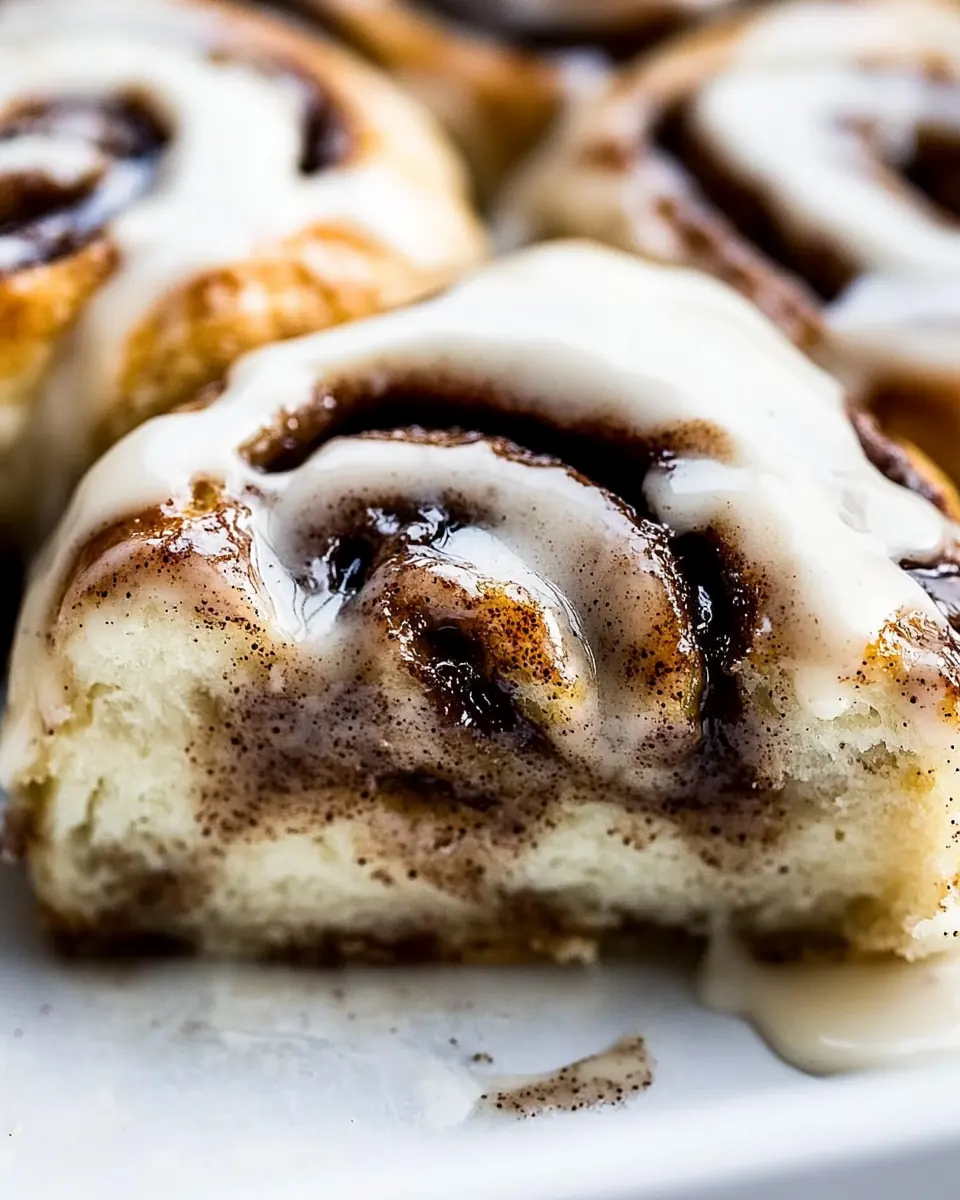
These ingredients form the backbone of a soft, flavorful cinnamon roll. Each component plays a role: the liquids and eggs add richness and tender structure, the flour builds the dough matrix, and the sugars plus cinnamon create the irresistible filling. The cream cheese frosting provides acidity and silkiness to balance the sweetness.
- 1 cup warm milk, 110º F: Warm milk activates yeast and provides liquid to hydrate the dough, contributing to a tender crumb and softer rolls. Maintain a temperature near 110º F to wake the yeast without killing it, ensuring proper fermentation and rise.
- 2 1/4 teaspoons yeast, (1 yeast packet): Proof yeast by blooming it in warm liquid so it produces carbon dioxide for leavening, creating light, airy rolls. Use active yeast measured accurately to guarantee consistent rise and reliable texture.
- 1/2 cup granulated sugar: Granulated sugar sweetens the dough and feeds the yeast, promoting fermentation and browning during baking. Adjust sugar slightly only if needed, as it also contributes to the dough’s tenderness and caramelized crust.
- 1/2 cup melted butter: Melted butter adds rich fat to the dough, improving flavor, tenderness, and shelf life while aiding dough handling. Incorporate while warm but not hot to avoid harming the yeast or cooking eggs.
- 2 teaspoons Kosher salt: Kosher salt enhances overall flavor balance and strengthens gluten structure, improving dough elasticity and rise control. Dissolve salt evenly to prevent concentrated spots that could inhibit yeast activity.
- 2 large eggs, room temperature: Large eggs provide structure, moisture, and emulsification, enriching the dough and contributing to a soft, tender crumb. Use room–temperature eggs for better incorporation and consistent dough temperature.
- 4 1/2 cups all-purpose flour + a little for handling, adjust flour as needed for humidity by adding 1 tablespoon at a time as needed for the dough to be soft, tender, and resilient.: All-purpose flour forms the dough’s gluten network and gives structure, with the specified amount as a starting point adjusted for humidity and dough feel. Add extra flour gradually by tablespoon until dough is soft, resilient, and not sticky.
- 1 cup packed brown sugar: Packed brown sugar sweetens and adds moisture and a molasses note to the filling, enhancing caramelization and depth of flavor. Pack firmly into the measuring cup to ensure consistent sweetness and texture in the filling.
- 2 1/2 tablespoons ground cinnamon: Ground cinnamon delivers warm spice and signature flavor to the filling, pairing with sugar and butter for classic cinnamon rolls. Measure precisely for balanced spice without overwhelming sweetness.
- 1/2 cup butter, softened: Softened butter spreads easily to create an even filling layer, contributing richness and helping sugar–cinnamon adhere to the dough. Ensure butter is soft enough to spread without melting so the filling maintains structure.
- 1/2 cup butter, softened: Softened butter adds additional richness and helps create a distinct layered filling when combined with sugar and cinnamon. Keep at spreadable consistency to evenly coat dough and promote gooey, flavorful swirls.
- 1 1/2 cup confectioners sugar: Confectioners sugar sweetens and helps create a smooth, creamy glaze that melts slightly into warm rolls for a silky finish. Sift if lumpy to ensure a lump-free icing texture that spreads easily.
- 1/4 cup cream cheese, softened: Cream cheese adds tanginess and creaminess to the frosting, balancing sweetness and creating a rich, spreadable topping. Soften fully to avoid lumps and ensure a smooth, glossy glaze when mixed with sugar.
- 1/2 tablespoon vanilla extract: Vanilla extract enhances and rounds out flavors in the frosting and dough, adding aromatic depth and complexity. Use pure vanilla for best flavor impact and add sparingly to avoid overpowering other notes.
- 1/8 teaspoon Kosher salt: Kosher salt balances sweetness in the frosting and brightens overall flavor, preventing cloying taste and enhancing other ingredients. Use a small measured amount to subtly lift flavors without adding noticeable saltiness.
Directions for Best Cinnamon Roll Recipe
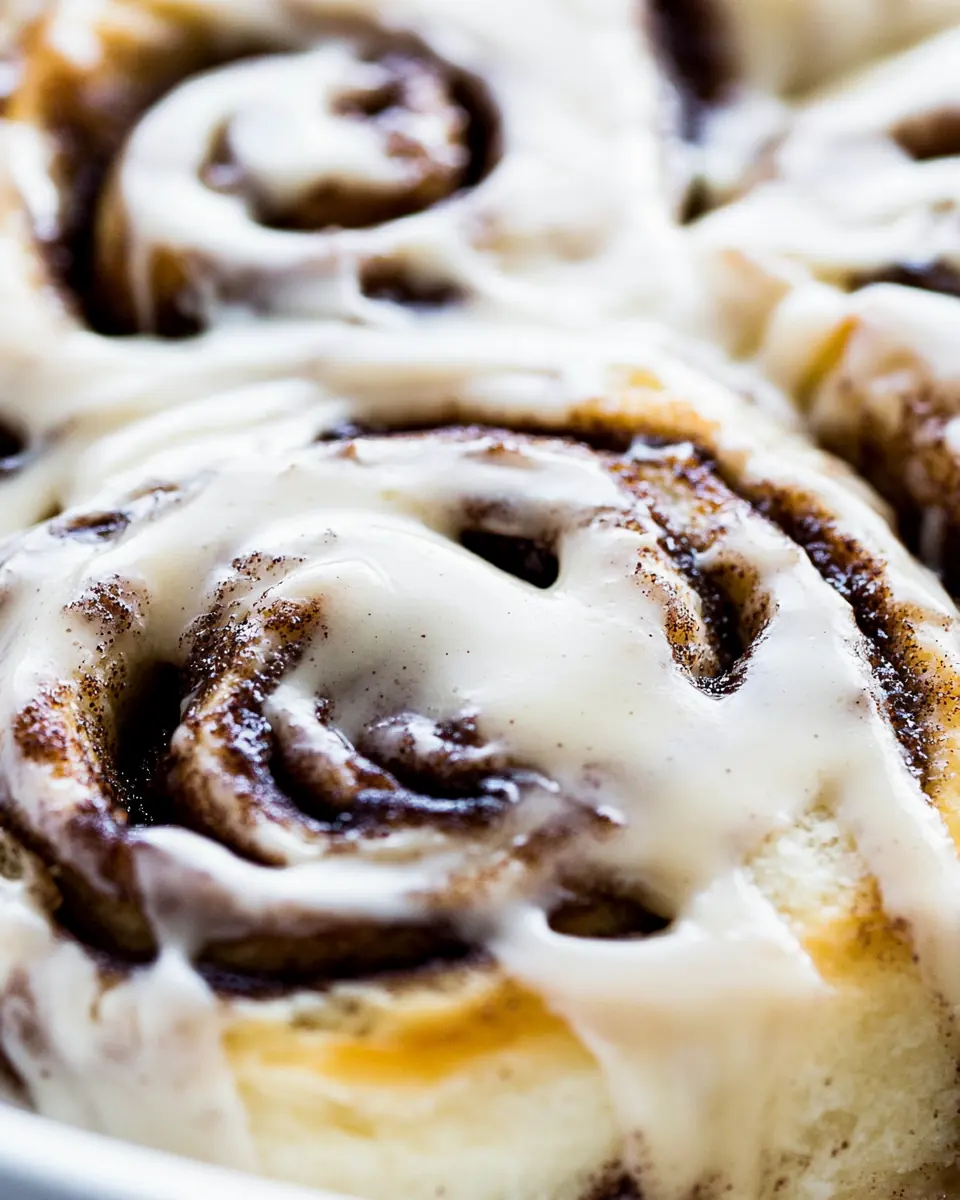
These directions follow a classic approach to enriched dough. I like to stay attentive to the dough as it changes through mixing and rises, using visual and tactile cues rather than strict timing alone. Read each step slowly, and trust the sensory signals described to know when to proceed.
- Add yeast and sugar to warm milk in a large bowl. Stir gently to combine and allow the yeast to foam to proof. Once the yeast has proofed, stir in melted butter, salt, eggs, and flour into yeast mixture. Gently mix until well-combined.: The warm milk should feel like a warm bath, around 110º F, and when you stir in the 2 1/4 teaspoons yeast and a bit of granulated sugar , you should see tiny bubbles form on the surface within 5 to 10 minutes, signaling the yeast is alive. The aroma will begin to smell faintly yeasty and sweet, which reassures you the starter is active. This step matters because if the yeast does not foam, your dough will not rise properly. A common mistake is using water that is too hot, which can kill the yeast ; always test the temperature by touch or use a thermometer.
- Turn dough onto a lightly floured surface and knead for 10-12 minutes. Form the dough into a large ball and place into a large buttered glass bowl. Cover lightly with plastic or with a tea towel and place in a warm location free of any drafts. Allow to rise so that the dough is doubled in size.: After the foam appears, adding the melted butter , measured salt , and the 2 large eggs enriches the dough, creating a slightly glossy, elastic mix. The dough will feel sticky at first, and as you gradually incorporate the 4 1/2 cups all-purpose flour , it will become more cohesive. The richness from the butter and eggs builds tenderness and flavor. Avoid adding all the flour at once; adding it slowly helps you stop when the dough reaches a soft, slightly tacky consistency. A mistake to avoid here is overflouring which leads to dense rolls.
- Place dough on a large lightly floured surface and roll to a 1/4 inch thickness. Spread softened butter over the top of the dough.: When you transfer the dough, it should feel elastic and smooth after kneading, with some bounce when pressed. The kneading builds gluten, which creates structure and interior chew, so you will hear the dough change from sticky to satiny and see it form a smooth ball. The surface will show slight resistance when you fold it, and the dough should hold shape. If you underknead, rolls may be doughy and collapse; overkneading can make them tight and dry. Use tactile feedback to know when to stop kneading.
- Stir together the brown sugar and cinnamon and sprinkle generously all over the buttered dough.: After kneading, the dough will relax and smooth out, and when placed in a buttered bowl it should glide gently when nudged. Cover with plastic or a tea towel and set in a warm, draft free place; you should notice the dough rising and increasing in volume over time, with a faint yeasty aroma filling the space. This rise lets gas pockets form, giving the rolls their airy texture. A common pitfall is placing the bowl in a cold spot which slows the rise; find a warm corner to maintain steady activity.
- Tightly roll the dough, beginning at the long edge, until a log of dough has been formed.: The dough's surface should look slightly domed and may have small bubbles under the skin when it has doubled. Gently press a finger to leave an indentation that springs back slowly; that indicates the dough is ready. This doubling creates the internal lift needed for soft, open crumb. If you rush the rise, the rolls will be dense; if you overproof, they can collapse, so monitor rather than rely strictly on the clock.
- Cut the dough into 3/4-inch to 1-inch slices and place onto a lightly buttered baking sheet pan or into two buttered 9×13 baking dishes.: The rolled dough should look smooth and even, with visible layers starting to form where you will spread the filling. Rolling to this thinness creates many delicate swirls and ensures an ideal ratio of filling to dough. You will feel the resistance change as the dough thins; if it springs back too much, let it rest for a few minutes to relax the gluten. Avoid rolling it so thin it tears, as that will leak the filling.
- Preheat oven to 400º Fahrenheit.: The softened butter should spread like a creamy blanket across the dough, leaving no dry spots so the filling adheres evenly. The butter helps the brown sugar and cinnamon meld into the dough during baking, creating those gooey ribbons. If the butter is too cold it will clump, and if too warm it will run, so aim for spreadable softness.
- Allow rolls to rise for 30 minutes.: As you sprinkle the 1 cup packed brown sugar mixed with 2 1/2 tablespoons ground cinnamon , you should see a uniform, sandy layer that will melt into pockets of caramel while baking. The aroma will become deeply spiced and sweet, signaling good coverage. Take care to reach edges without piling too much in one spot to prevent leaks when rolling.
- Place rolls into oven and allow to cook until lightly browned and cooked through, but not overcooked, about 15-20 minutes.: While rolling, you will feel the filling compress and the dough layer nestle into itself, creating a neat log. A tight roll ensures distinct spirals and prevents seams from opening during slicing. The visual cue is a smooth seam and compact log. A typical error is rolling too loosely which yields loose, misshapen spirals after baking.
- While cinnamon rolls are baking, prepare cream cheese frosting by creaming together butter, confectioner’s sugar, cream cheese, vanilla and salt.: Each slice should reveal concentric rings and a little squish when pressed. Arrange them so they have a touch of space to expand, or nest them snugly for pull apart rolls with soft sides. The texture after baking depends on this spacing, so choose according to your preference. Cutting too thick will increase bake time; too thin may dry them out.
- Remove cinnamon rolls from the oven and allow to cool slightly.: Bring the oven up to temperature so the rolls bake in an even environment; you should notice a steady heat when you open the door briefly. The high initial temperature helps achieve a golden top while keeping the interior tender. Using an oven thermometer helps ensure accuracy. A common issue is baking in an underheated oven, which can cause gummy centers.
- Spread frosting generously over rolls while they are warm.: During this short final rise the rolls will puff and fill the pan, becoming pillowy and springy to the touch. This second rise gives a final lift and creates a light texture. You should see noticeable, but not extreme, expansion. Avoid skipping this rest as it can lead to compact interiors.
- Place rolls into oven and allow to cook until lightly browned and cooked through, but not overcooked, about 15 to 20 minutes: As they bake you will smell rich spices and sweet butter, and visually the tops will turn a warm golden brown while the centers set. The edges may caramelize slightly, offering contrast. Remove when they are set and spring back lightly to touch. Overbaking will dry them, so watch carefully near the end of the time range.
- While cinnamon rolls are baking, prepare cream cheese frosting by creaming together butter, confectioner’s sugar, cream cheese, vanilla and salt: The frosting should be smooth, glossy, and slightly tangy from the cream cheese . Whip until just combined to avoid making it runny; the texture will be thick enough to hold shape but spreadable. If you overbeat, the frosting can become too airy and thin, so stop when it looks silky and uniform.
- Remove cinnamon rolls from the oven and allow to cool slightly: Let the rolls rest until they are warm to the touch but not piping hot, so the frosting will melt modestly into the crevices without disappearing entirely. This cooling period helps the rolls set while still being receptive to the frosting. If you frost them too hot, the topping may become overly thin and runny.
- Spread frosting generously over rolls while they are warm: The final flourish is to spread the frosting so it pools into the swirls, creating glossy ribbons and sticky edges. The contrast between warm rolls and slightly cooled frosting is heavenly on the palate, and you will hear the soft sigh as the frosting settles. A mistake is applying frosting when the rolls are very hot, which will cause the frosting to melt away rather than cling, so aim for warm but not steaming.
Recipe Notes about Best Cinnamon Roll Recipe
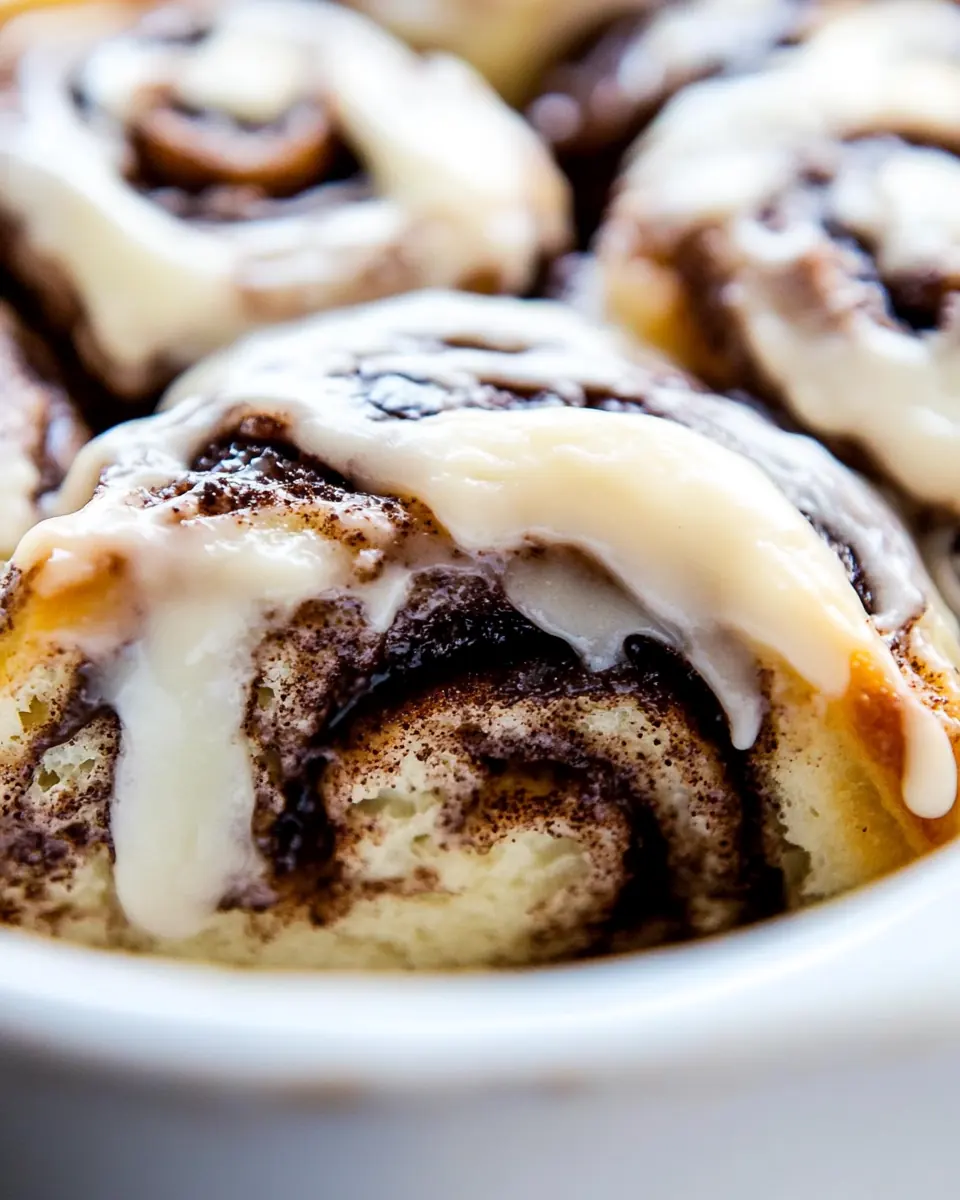
I often include extra guidance to help you succeed, from stand mixer options to freezing strategies. Below are practical notes that expand the recipe workflow and storage ideas so you can plan ahead or adapt to your kitchen setup.
- Stand Mixer Option: Use a stand mixer fitted with a dough hook after the yeast has proofed, and knead for 6 to 8 minutes on low to medium speed to achieve an elastic, smooth dough without tiring your arms.
- Make Ahead Strategy: For unbaked make ahead rolls, assemble and cut the rolls, skip the second rise, cover tightly, and refrigerate overnight; bake the next morning for fresh warm rolls with minimal morning work.
- Freezing Tips: To freeze unbaked rolls, place them in buttered, freezer safe pans and wrap tightly; thaw in the refrigerator before baking and then bring to room temperature as the oven preheats.
- Room Temperature Ingredients: Ensure your eggs and cream cheese are at room temperature so they incorporate smoothly, preventing lumps and ensuring a silky frosting.
- Adjusting Flour: Add the all-purpose flour gradually, one tablespoon at a time as needed, to reach a soft, slightly tacky dough, adjusting for humidity and brand differences.
Pairing Suggestions for Best Cinnamon Roll Recipe
These rolls pair beautifully with a range of beverages and simple additions for brunch, holiday mornings, or cozy weekend treats. Select pairings that complement the warm spice and creamy frosting, and consider make ahead options for hosting. Below are serving ideas, storage guidance, and occasion recommendations to help you plan.
- Morning Brunch Style: Serve warm rolls with a pot of hot coffee and steaming milk based drinks, allowing the rich frosting to balance bold coffee flavors for an indulgent breakfast.
- Holiday Morning: Present these rolls still warm on a platter for holiday gatherings, and consider making them the center of a festive spread with fruit and simple egg dishes to offer contrast.
- Casual Get Together: Offer the rolls on a buffet with napkins and small plates; they are easy to share and encourage relaxed, lingering conversation.
- Storage on the Counter: Store baked rolls covered at room temperature for up to three days, ensuring they remain soft and accessible for quick reheating.
- Reheating: Warm individual rolls briefly in a 300º Fahrenheit oven or microwave for a few seconds to revive the soft interior and gently loosen the frosting.
- Seasonal Pairings: In cooler months, pair with warm spiced drinks and seasonal fruit compotes to enhance the comfort food feel; in spring, a light fruit salad will provide brightness against the sweet rolls.
FAQ
Conclusion
This Best Cinnamon Roll Recipe stands out for its classic balance of soft, enriched dough and a rich, tangy cream cheese frosting. The combination of simple, high impact techniques and reliable ingredient ratios makes it approachable for both weekday treat makers and holiday hosts. Give it a try the next time you want a warm, comforting baked good, and enjoy sharing the fragrant results with friends and family as their faces light up at the first sweet, cinnamon scented bite.
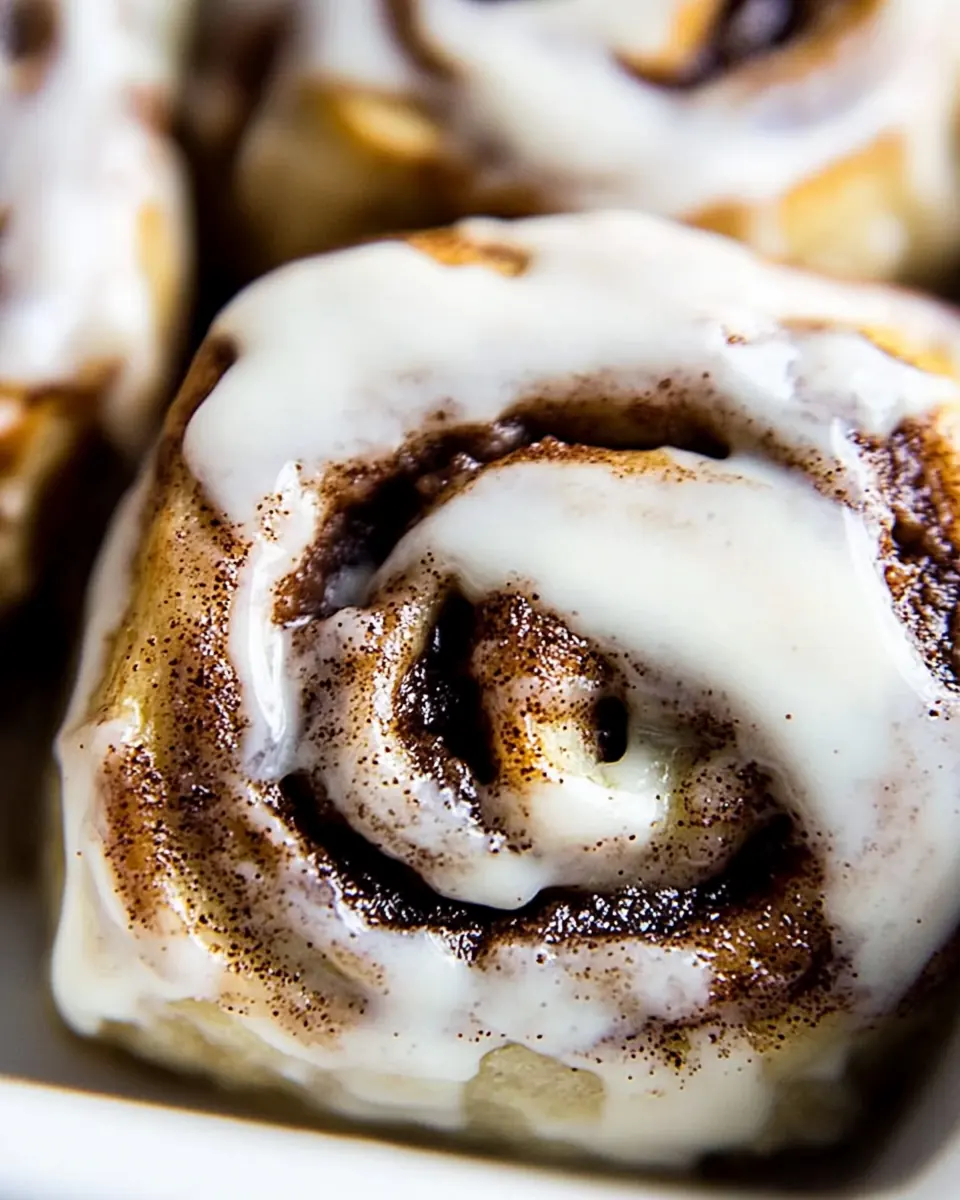
Best Cinnamon Roll Recipe
Ingredients
Equipment
Method
- Add yeast and sugar to warm milk in a large bowl. Stir gently to combine and allow the yeast to foam to proof. Once the yeast has proofed, stir in melted butter, salt, eggs, and flour into yeast mixture. Gently mix until well-combined.: The warm milk should feel like a warm bath, around 110º F, and when you stir in the 2 1/4 teaspoons yeast and a bit of granulated sugar , you should see tiny bubbles form on the surface within 5 to 10 minutes, signaling the yeast is alive. The aroma will begin to smell faintly yeasty and sweet, which reassures you the starter is active. This step matters because if the yeast does not foam, your dough will not rise properly. A common mistake is using water that is too hot, which can kill the yeast ; always test the temperature by touch or use a thermometer.
- Turn dough onto a lightly floured surface and knead for 10-12 minutes. Form the dough into a large ball and place into a large buttered glass bowl. Cover lightly with plastic or with a tea towel and place in a warm location free of any drafts. Allow to rise so that the dough is doubled in size.: After the foam appears, adding the melted butter , measured salt , and the 2 large eggs enriches the dough, creating a slightly glossy, elastic mix. The dough will feel sticky at first, and as you gradually incorporate the 4 1/2 cups all-purpose flour , it will become more cohesive. The richness from the butter and eggs builds tenderness and flavor. Avoid adding all the flour at once; adding it slowly helps you stop when the dough reaches a soft, slightly tacky consistency. A mistake to avoid here is overflouring which leads to dense rolls.
- Place dough on a large lightly floured surface and roll to a 1/4 inch thickness. Spread softened butter over the top of the dough.: When you transfer the dough, it should feel elastic and smooth after kneading, with some bounce when pressed. The kneading builds gluten, which creates structure and interior chew, so you will hear the dough change from sticky to satiny and see it form a smooth ball. The surface will show slight resistance when you fold it, and the dough should hold shape. If you underknead, rolls may be doughy and collapse; overkneading can make them tight and dry. Use tactile feedback to know when to stop kneading.
- Stir together the brown sugar and cinnamon and sprinkle generously all over the buttered dough.: After kneading, the dough will relax and smooth out, and when placed in a buttered bowl it should glide gently when nudged. Cover with plastic or a tea towel and set in a warm, draft free place; you should notice the dough rising and increasing in volume over time, with a faint yeasty aroma filling the space. This rise lets gas pockets form, giving the rolls their airy texture. A common pitfall is placing the bowl in a cold spot which slows the rise; find a warm corner to maintain steady activity.
- Tightly roll the dough, beginning at the long edge, until a log of dough has been formed.: The dough's surface should look slightly domed and may have small bubbles under the skin when it has doubled. Gently press a finger to leave an indentation that springs back slowly; that indicates the dough is ready. This doubling creates the internal lift needed for soft, open crumb. If you rush the rise, the rolls will be dense; if you overproof, they can collapse, so monitor rather than rely strictly on the clock.
- Cut the dough into 3/4-inch to 1-inch slices and place onto a lightly buttered baking sheet pan or into two buttered 9×13 baking dishes.: The rolled dough should look smooth and even, with visible layers starting to form where you will spread the filling. Rolling to this thinness creates many delicate swirls and ensures an ideal ratio of filling to dough. You will feel the resistance change as the dough thins; if it springs back too much, let it rest for a few minutes to relax the gluten. Avoid rolling it so thin it tears, as that will leak the filling.
- Preheat oven to 400º Fahrenheit.: The softened butter should spread like a creamy blanket across the dough, leaving no dry spots so the filling adheres evenly. The butter helps the brown sugar and cinnamon meld into the dough during baking, creating those gooey ribbons. If the butter is too cold it will clump, and if too warm it will run, so aim for spreadable softness.
- Allow rolls to rise for 30 minutes.: As you sprinkle the 1 cup packed brown sugar mixed with 2 1/2 tablespoons ground cinnamon , you should see a uniform, sandy layer that will melt into pockets of caramel while baking. The aroma will become deeply spiced and sweet, signaling good coverage. Take care to reach edges without piling too much in one spot to prevent leaks when rolling.
- Place rolls into oven and allow to cook until lightly browned and cooked through, but not overcooked, about 15-20 minutes.: While rolling, you will feel the filling compress and the dough layer nestle into itself, creating a neat log. A tight roll ensures distinct spirals and prevents seams from opening during slicing. The visual cue is a smooth seam and compact log. A typical error is rolling too loosely which yields loose, misshapen spirals after baking.
- While cinnamon rolls are baking, prepare cream cheese frosting by creaming together butter, confectioner’s sugar, cream cheese, vanilla and salt.: Each slice should reveal concentric rings and a little squish when pressed. Arrange them so they have a touch of space to expand, or nest them snugly for pull apart rolls with soft sides. The texture after baking depends on this spacing, so choose according to your preference. Cutting too thick will increase bake time; too thin may dry them out.
- Remove cinnamon rolls from the oven and allow to cool slightly.: Bring the oven up to temperature so the rolls bake in an even environment; you should notice a steady heat when you open the door briefly. The high initial temperature helps achieve a golden top while keeping the interior tender. Using an oven thermometer helps ensure accuracy. A common issue is baking in an underheated oven, which can cause gummy centers.
- Spread frosting generously over rolls while they are warm.: During this short final rise the rolls will puff and fill the pan, becoming pillowy and springy to the touch. This second rise gives a final lift and creates a light texture. You should see noticeable, but not extreme, expansion. Avoid skipping this rest as it can lead to compact interiors.
- Place rolls into oven and allow to cook until lightly browned and cooked through, but not overcooked, about 15 to 20 minutes: As they bake you will smell rich spices and sweet butter, and visually the tops will turn a warm golden brown while the centers set. The edges may caramelize slightly, offering contrast. Remove when they are set and spring back lightly to touch. Overbaking will dry them, so watch carefully near the end of the time range.
- While cinnamon rolls are baking, prepare cream cheese frosting by creaming together butter, confectioner’s sugar, cream cheese, vanilla and salt: The frosting should be smooth, glossy, and slightly tangy from the cream cheese . Whip until just combined to avoid making it runny; the texture will be thick enough to hold shape but spreadable. If you overbeat, the frosting can become too airy and thin, so stop when it looks silky and uniform.
- Remove cinnamon rolls from the oven and allow to cool slightly: Let the rolls rest until they are warm to the touch but not piping hot, so the frosting will melt modestly into the crevices without disappearing entirely. This cooling period helps the rolls set while still being receptive to the frosting. If you frost them too hot, the topping may become overly thin and runny.
- Spread frosting generously over rolls while they are warm: The final flourish is to spread the frosting so it pools into the swirls, creating glossy ribbons and sticky edges. The contrast between warm rolls and slightly cooled frosting is heavenly on the palate, and you will hear the soft sigh as the frosting settles. A mistake is applying frosting when the rolls are very hot, which will cause the frosting to melt away rather than cling, so aim for warm but not steaming.
Notes
- Stand Mixer Option: Use a stand mixer fitted with a dough hook after the yeast has proofed, and knead for 6 to 8 minutes on low to medium speed to achieve an elastic, smooth dough without tiring your arms.
- Make Ahead Strategy: For unbaked make ahead rolls, assemble and cut the rolls, skip the second rise, cover tightly, and refrigerate overnight; bake the next morning for fresh warm rolls with minimal morning work.
- Freezing Tips: To freeze unbaked rolls, place them in buttered, freezer safe pans and wrap tightly; thaw in the refrigerator before baking and then bring to room temperature as the oven preheats.
- Room Temperature Ingredients: Ensure your eggs and cream cheese are at room temperature so they incorporate smoothly, preventing lumps and ensuring a silky frosting.
- Adjusting Flour: Add the all-purpose flour gradually, one tablespoon at a time as needed, to reach a soft, slightly tacky dough, adjusting for humidity and brand differences.