Linguine Alfredo
Linguine Alfredo is my go to when I want something comforting, quick, and impossibly creamy on a weeknight. I remember the first time I made it for friends who had just moved into a chilly apartment, and the warm bowl of pasta felt like the coziest welcome imaginable. From that night on, this version became the one I return to when I want to impress without fuss.
There is a small ritual to this dish that I love, it begins with a pot of bubbling water and the rhythm of stirring until the pasta hits that perfect tender yet slightly chewy note. The sauce comes together like a little kitchen magic, where a few handfuls of parmesan cheese, a ribbon of melted butter, and a splash of creamy half and half form a glossy coating that clings to each strand of linguine pasta. I often hum a tune as I stir, because the whole thing feels a bit like crafting rather than cooking.
Over the years I have learned to respect the timing, the gentle heat, and the simple tools needed to make the sauce silky and not grainy. I also enjoy how flexible this plate is, it works as a humble main or a decadent side, and it adapts to who I am cooking for. When I serve it, I like to let the room fill with the aroma of garlic, butter, and toasted cheese, that homely scent that always invites second helpings.
Recipe Snapshot
25 mins
5 mins
20 mins
Easy
600 kcal
Italian
Gluten-Free, Low FODMAP
Dinner
2 large pots, 1 wooden spoon, 1 salt for salting the pasta water, 1 water, 1 Tongs helpful for coating the pasta in the sauce, a spaghetti serving spoon with prongs can also work
Why This Linguine Alfredo Hits Different
Classic, comforting flavor that never feels heavy
I love how Linguine Alfredo tastes rich and indulgent while still coming together from a few pantry friendly staples. The balance of butter, half and half, and parmesan cheese creates a sauce that coats the pasta without being cloying. When done right the texture is velvety and light on the tongue, which makes it satisfying without weighing you down.
Speed and simplicity
This recipe is perfect for nights when you want something fast and impressive. You can have a steaming bowl on the table with minimal fuss, because the steps are straightforward and the ingredients are familiar. I often get dinner ready in under thirty minutes, which is a huge win on busy evenings.
Technique driven results
What makes this version stand out is the technique rather than exotic ingredients. Gentle heating, gradual addition of parmesan cheese, and finishing by tossing the warm pasta into the sauce ensure a smooth, glossy finish. Those small details are what separate a good Alfredo from a great one.
Versatile serving options
I appreciate that Linguine Alfredo is a chameleon on the menu. It shines as a cozy main for a quiet dinner or as an elegant side at a dinner party. A little chopped parsley brightens the plate and freshens each bite, which is a nice contrast to the creamy sauce.
Comfort food with crowd appeal
People tend to respond positively to familiar, rich flavors, and this dish reliably hits that sweet spot. I know when I serve it, friends and family will come back for seconds, and that dependable crowd pleasing factor makes it a staple in my rotation.
Ingredients to Make Linguine Alfredo
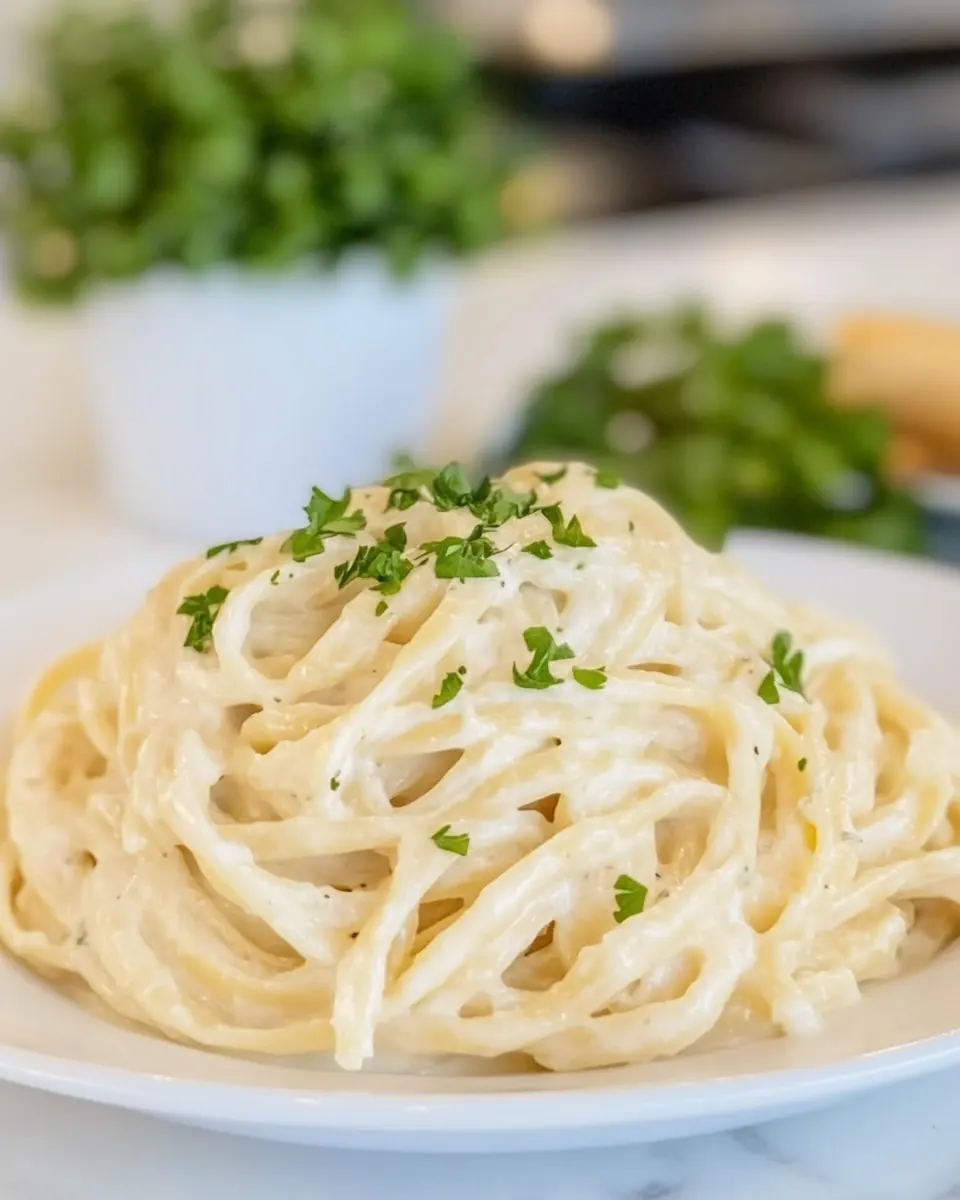
The philosophy here is simple, each ingredient has a clear role. The linguine pasta is the canvas, the butter and half and half form the creamy base, and the parmesan cheese provides salty, savory depth. A touch of garlic and garlic salt lift the flavors, while a sprinkle of parsley adds a fresh finish. Together these players produce a silky sauce that clings to every strand.
- 8 ounces linguine pasta: Boil until al dente to provide the pasta base that carries the Alfredo sauce; drain and reserve some cooking water to adjust sauce consistency if needed.
- 1/4 cup butter salted: Melt to create a rich, creamy fat that forms the foundation of the sauce; stir with garlic and dairy to develop smooth texture and flavor.
- 2 cloves garlic minced or two teaspoons minced garlic: Mince finely to release aromatic compounds that infuse the butter and cream; sauté briefly to mellow sharpness and enhance savory depth.
- 1 1/2 cups half and half can also use heavy cream for a richer sauce: Heat gently with the butter to create a luscious, creamy sauce; choose heavy cream for an even richer, thicker finish if preferred.
- 1 1/2 cups parmesan cheese shredded: Stir in and melt to give the sauce its signature nutty, salty flavor and smooth, cheesy body; grate finely for even melting into the sauce.
- 1 teaspoon garlic salt: Season to taste to add a subtle garlicky saltiness that complements the fresh garlic and enhances overall savory balance; use sparingly to avoid over-salting.
- 1/2 cup parmesan grated: Sprinkle or fold into the sauce for extra umami and a slightly granular cheesy finish; grated form helps finish and thicken the sauce effectively.
- 2 tablespoons parsley chopped ( garnish) (optional): Chop finely and sprinkle over finished dish to add a fresh, herby contrast and bright color; use as an optional garnish to lift richness.
Directions for Linguine Alfredo
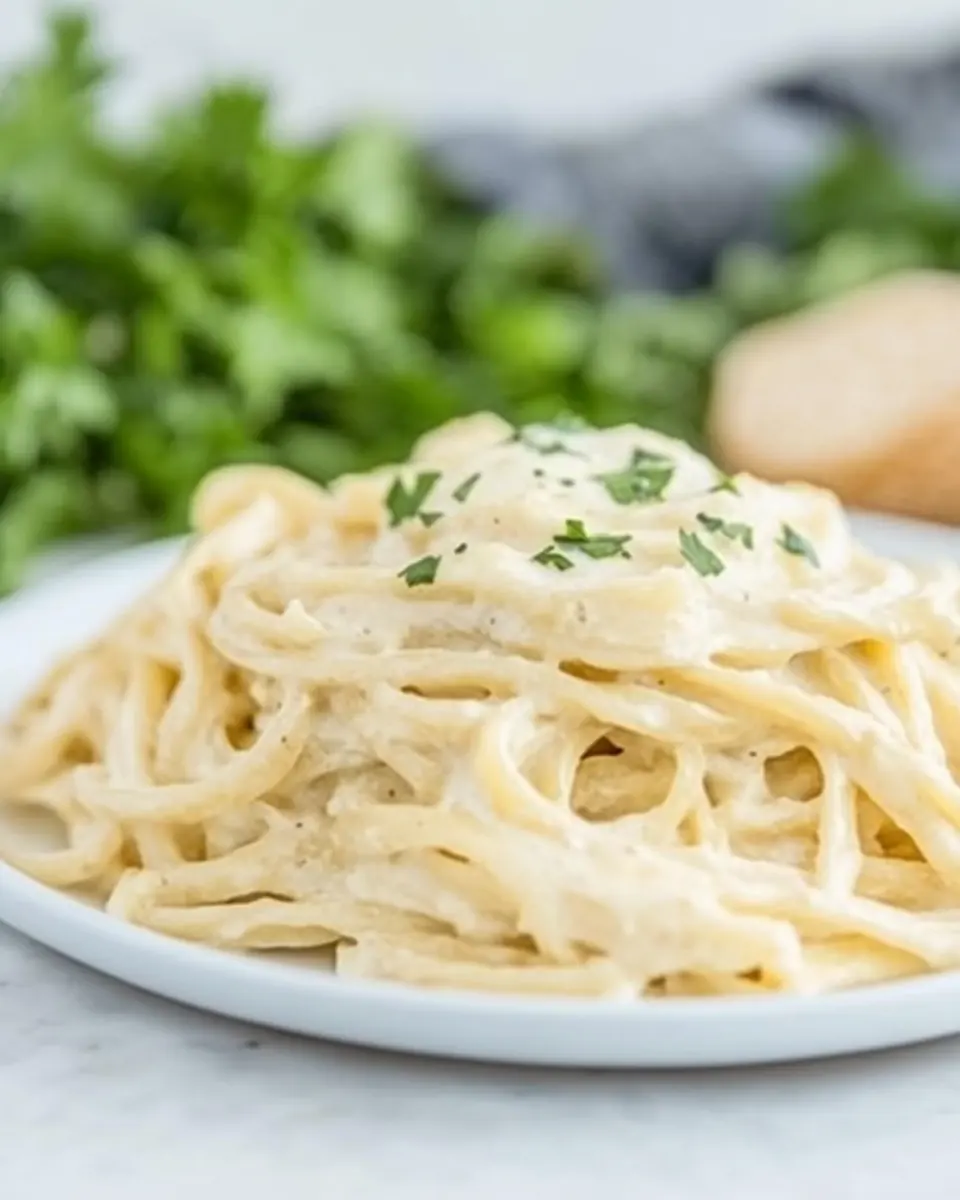
This recipe moves at a steady pace, so stay present at the stove and keep your mise en place ready. The goal is smooth texture, balanced seasoning, and perfectly coated pasta. Below each core step is a detailed, sensory forward description to help you execute like a confident home cook.
- Place a large pot of salted water on the stove. Bring to a boil then add linguine pasta to the pot. Boil the pasta for 8-10 minutes or until al dente according to the package. Drain pasta and set to the side.: You will notice the water glinting as it warms and small bubbles forming along the base of the pot, which signals you are building heat efficiently. Salting the water early seasons the linguine pasta from the inside, enhancing its flavor, and it should taste like the sea when you test a drop. A common mistake is under salting, which leads to bland pasta, so be generous but measured. Avoid adding oil, as that can prevent the sauce from clinging later. Keep the pot covered to reach a boil faster, then uncover before adding the pasta to prevent overflows.
- While the pasta is boiling, place a second large pot on the stove over medium heat. Add the butter allowing it to melt, then add the garlic and cook for one minute until fragrant.: As the water reaches a rolling boil you will see vigorous movement and hear a lively roar. Add the linguine pasta and stir gently so the strands separate and do not stick. The bubbling subsides slightly as the pasta takes up heat, and the surface will look busier with floating strands. Stir occasionally while cooking to prevent clumping. A common error is crowding the pot, which causes uneven cooking, so use a pot that gives the pasta room to move freely.
- Slowly add the heavy cream and then the garlic salt. Allow the heavy cream to just begin to simmer. Add the grated parmesan by the handful, stirring continuously between handfuls to melt.: The pasta will transition from raw to soft, and al dente means it resists gently under the teeth while still tender. Taste a strand around eight minutes, noting the subtle chew and faint white core if it needs more time. Remove just before it feels fully soft, because it will continue to cook slightly when tossed with the warm sauce. Overcooking leads to a mushy texture that cannot be recovered, so err on the side of slightly undercooked for best results.
- Remove the sauce from the heat. Add the grated parmesan and stir well to finish the alfredo sauce.: When the linguine pasta reaches the right texture, drain it quickly and reserve about half a cup of the hot pasta water. You will feel the steam as you lift the colander, and the hot starchy water is a secret tool for smoothing the sauce later. Let the pasta sit briefly in the pot or bowl; avoid rinsing, because rinsing removes the starch that helps the sauce cling. A frequent slip up is discarding the pasta water, which may be needed to rescue a sauce that seems tight or clumpy.
- Add the warm linguine to the creamy alfredo sauce, with tongs, coating completely. Sprinkle with parsley if desired, then serve and enjoy!: Set the pot where you can comfortably stir, and allow it to warm so the butter melts evenly. You should sense gentle radiating heat before adding ingredients, which prevents the butter from browning too quickly. Using medium heat helps the sauce develop slowly and prevents separation. Avoid cranking the flame high, which can scorch dairy and ruin the silky finish.
- Add the butter allowing it to melt, then add the garlic and cook for one minute until fragrant: Watch the butter soften and become glossy, then add minced garlic and stir until you smell a warm, savory perfume. That aroma is a cue that the oils have been released and are ready to flavor the sauce. Cook briefly, because burnt garlic will introduce harsh bitterness. If the garlic begins to brown, reduce the heat immediately and scrape those bits to prevent off flavors.
- Slowly add the heavy cream and then the garlic salt: Pour the half and half or heavy cream in a steady stream while whisking to combine with the melted butter . You will see the liquid transform from separated fats to a unified silky pool as heat integrates them. Add the garlic salt cautiously, tasting as you go, because the cheese will contribute additional salt. Let the mixture come to a gentle simmer where small bubbles gather at the edges, this helps the sauce thicken without boiling aggressively which can cause separation.
- Allow the heavy cream to just begin to simmer: At this stage the surface will show soft, rising bubbles and a faint steam, signaling the right temperature for adding cheese. The gentle heat encourages the sauce to reduce slightly and concentrate flavor, which creates a clingy texture. Avoid a rapid boil, because intense agitation can make a cream based sauce split. If the sauce shows signs of separation, remove from heat and whisk in a splash of reserved pasta water to bring it back together.
- Add the grated parmesan by the handful, stirring continuously between handfuls to melt: As you drop in pieces of parmesan cheese you will hear a soft settling and see the cheese melt into the warm cream, thickening it gradually. Stirring between additions helps the cheese incorporate evenly and prevents clumping. If you add too much at once the cheese can clump and grain the sauce, so patience is key. If clumping occurs, a tablespoon of the reserved hot pasta water whisked in will usually revive the emulsion.
- Remove the sauce from the heat: With the sauce glossy and slightly thickened, lifting the pot off the burner preserves its creamy texture and prevents overcooking. Residual heat will finish melting any remaining cheese. This pause also stops the sauce from developing a cooked dairy edge that dulls flavor. A typical mistake is keeping the sauce on high heat too long, which can separate fats and produce a greasy mouthfeel.
- Add the grated parmesan and stir well to finish the alfredo sauce: Finishing with the remaining parmesan and a final stir creates a cohesive, silky sauce that is evenly seasoned. The surface will sheen and the sauce should be thick enough to coat the back of a spoon. If it feels too thick, whisk in small amounts of the reserved pasta water to reach the desired consistency. Over thinning will make the sauce watery, so add water cautiously.
- Add the warm linguine to the creamy alfredo sauce, with tongs, coating completely: Toss the hot linguine pasta with the sauce using tongs, feeling each strand become slick and glossy. The sound is a soft clinking as strands move, and visually you will see each ribbon transform from pale to lustrous. Tossing right away helps the pasta absorb flavor and temperature evenly. A common error is pouring sauce over cold pasta, which prevents it from coating properly and cools the sauce too quickly.
- Sprinkle with parsley if desired, then serve and enjoy: Adding chopped parsley introduces color and a fresh aroma that contrasts the creamy sauce. Serve immediately while steam rises and the sauce is still fluid, so each forkful is warm and cohesive. Letting the dish sit too long causes the sauce to set and thicken, so serve promptly. If the sauce firms up while resting, stir in a splash of warm pasta water to loosen it before plating.
Expert Tips about Linguine Alfredo
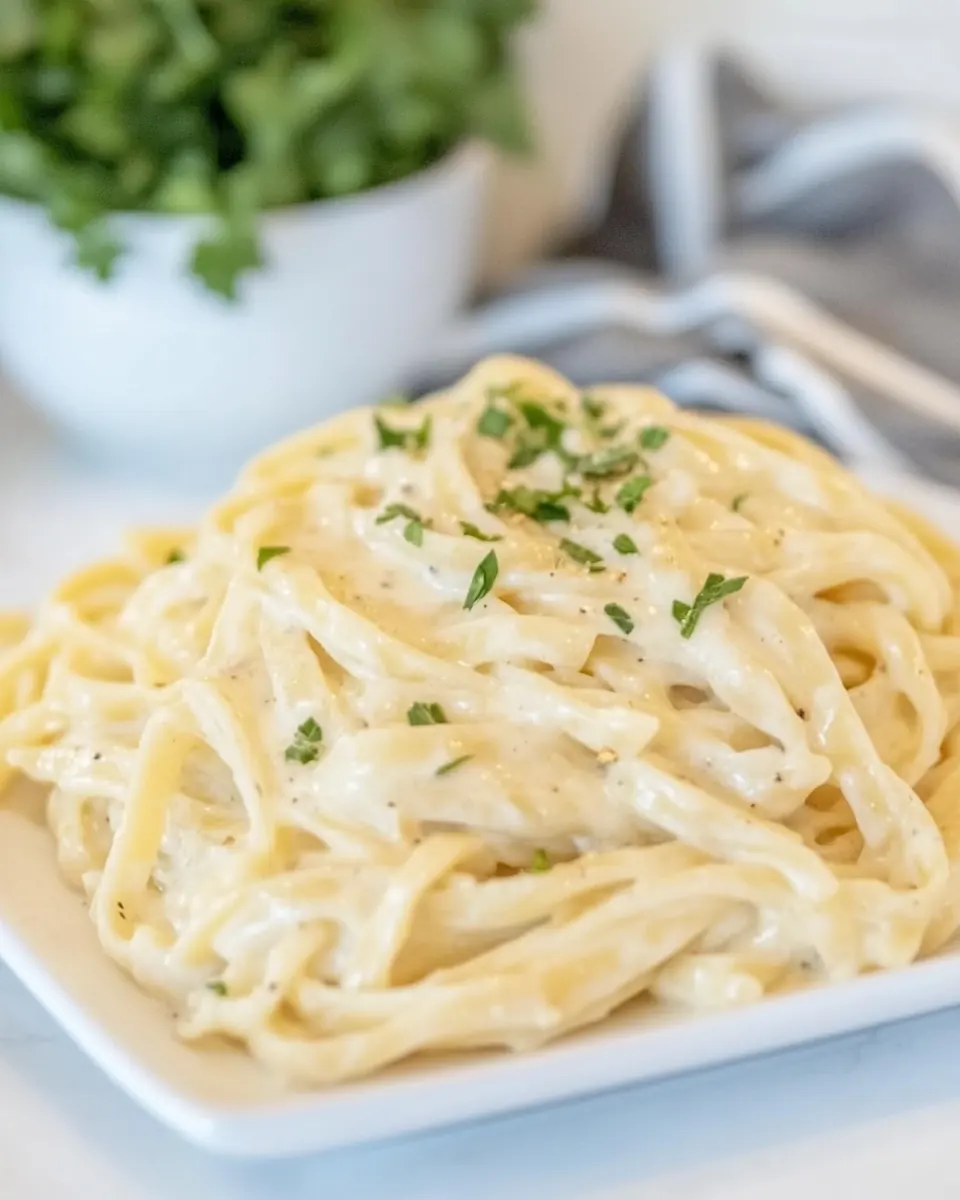
This short intro explains why a few practiced moves can elevate the final plate. Below are detailed tips that expand on technique, timing, and ingredient choices so you can consistently produce silky, restaurant style results at home.
- Measure and prep everything first Because this recipe moves fast, having parmesan cheese, butter, and garlic ready prevents scrambling and ensures smooth timing.
- Use medium heat for dairy stability Gentle heat helps create a stable emulsion between the butter, half and half, and parmesan cheese, avoiding separation and graininess.
- Add cheese gradually Incorporating shredded parmesan cheese by handfuls while stirring helps it melt evenly and prevents clumps from forming in the sauce.
- Reserve pasta water The starchy hot water is an excellent tool to thin and unify the sauce if it becomes too tight or slightly clumpy.
- Do not overcook the pasta Pull linguine pasta just shy of fully soft, because it will finish cooking when tossed with the warm sauce, preserving pleasant bite and texture.
- Finish off heat Removing the sauce from the burner before the final cheese addition stops excessive thickening and keeps the sauce glossy and silky.
What Goes Well With This Linguine Alfredo
This introduction highlights serving contexts and pairing ideas, then the list breaks down practical combos and occasions. Use these suggestions to design a complete meal that complements the creamy pasta.
- Light green salad for contrast A crisp salad with a vinegar forward dressing cuts through the creaminess and brings brightness to the plate, balancing richness.
- Steamed or roasted vegetables Seasonal vegetables such as broccoli or asparagus provide texture and freshness, making the meal feel complete and colorful.
- Simple grilled proteins For a heartier main, pair the dish with simply seasoned grilled chicken or fish, served on the side to keep the pasta the star.
- Serve at intimate dinners This dish works beautifully for cozy dinners or small gatherings, where the rich sauce feels indulgent without requiring complicated preparation.
- Make ahead tips Prepare the sauce gently and keep slightly thinner than desired, then rewarm gently and toss with freshly cooked linguine pasta while stirring in reserved pasta water to refresh the texture.
- Seasonal note In colder months like winter, the warm creamy nature of Linguine Alfredo feels especially comforting and satisfying.
FAQ
Conclusion
What makes this recipe special is its ability to feel luxurious while using a short list of accessible ingredients and straightforward technique. The glossy sauce, made from butter, half and half, and freshly shredded parmesan cheese, clings to the linguine pasta in a way that feels both comforting and elevated. I encourage you to give it a try on a busy night when you want something that feels like a treat without hours of effort. Serve it warm, enjoy the simple pleasures of creamy texture and savory cheese, and tweak the seasoning to make it your own.
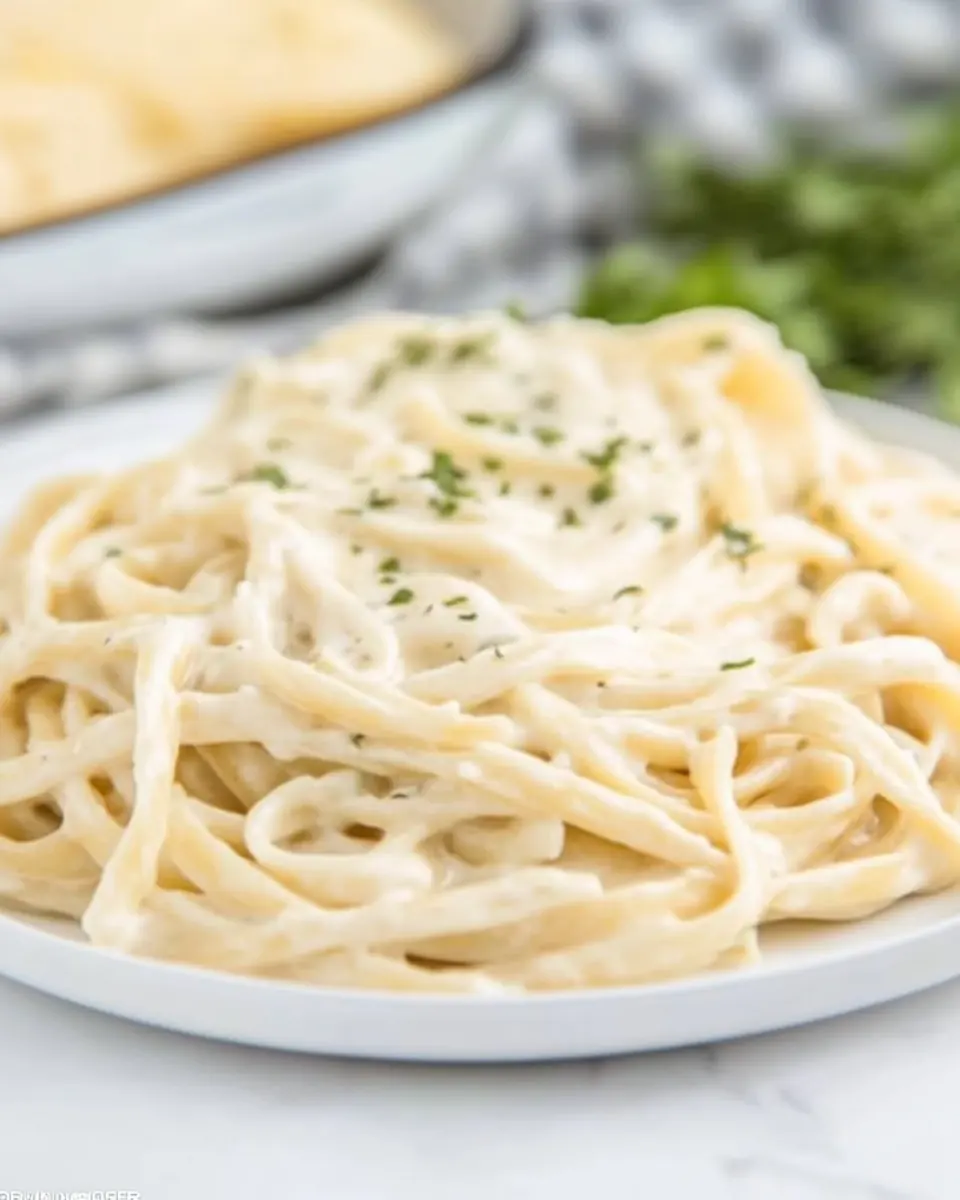
Linguine Alfredo
Ingredients
Equipment
Method
- Place a large pot of salted water on the stove. Bring to a boil then add linguine pasta to the pot. Boil the pasta for 8-10 minutes or until al dente according to the package. Drain pasta and set to the side.: You will notice the water glinting as it warms and small bubbles forming along the base of the pot, which signals you are building heat efficiently. Salting the water early seasons the linguine pasta from the inside, enhancing its flavor, and it should taste like the sea when you test a drop. A common mistake is under salting, which leads to bland pasta, so be generous but measured. Avoid adding oil, as that can prevent the sauce from clinging later. Keep the pot covered to reach a boil faster, then uncover before adding the pasta to prevent overflows.
- While the pasta is boiling, place a second large pot on the stove over medium heat. Add the butter allowing it to melt, then add the garlic and cook for one minute until fragrant.: As the water reaches a rolling boil you will see vigorous movement and hear a lively roar. Add the linguine pasta and stir gently so the strands separate and do not stick. The bubbling subsides slightly as the pasta takes up heat, and the surface will look busier with floating strands. Stir occasionally while cooking to prevent clumping. A common error is crowding the pot, which causes uneven cooking, so use a pot that gives the pasta room to move freely.
- Slowly add the heavy cream and then the garlic salt. Allow the heavy cream to just begin to simmer. Add the grated parmesan by the handful, stirring continuously between handfuls to melt.: The pasta will transition from raw to soft, and al dente means it resists gently under the teeth while still tender. Taste a strand around eight minutes, noting the subtle chew and faint white core if it needs more time. Remove just before it feels fully soft, because it will continue to cook slightly when tossed with the warm sauce. Overcooking leads to a mushy texture that cannot be recovered, so err on the side of slightly undercooked for best results.
- Remove the sauce from the heat. Add the grated parmesan and stir well to finish the alfredo sauce.: When the linguine pasta reaches the right texture, drain it quickly and reserve about half a cup of the hot pasta water. You will feel the steam as you lift the colander, and the hot starchy water is a secret tool for smoothing the sauce later. Let the pasta sit briefly in the pot or bowl; avoid rinsing, because rinsing removes the starch that helps the sauce cling. A frequent slip up is discarding the pasta water, which may be needed to rescue a sauce that seems tight or clumpy.
- Add the warm linguine to the creamy alfredo sauce, with tongs, coating completely. Sprinkle with parsley if desired, then serve and enjoy!: Set the pot where you can comfortably stir, and allow it to warm so the butter melts evenly. You should sense gentle radiating heat before adding ingredients, which prevents the butter from browning too quickly. Using medium heat helps the sauce develop slowly and prevents separation. Avoid cranking the flame high, which can scorch dairy and ruin the silky finish.
- Add the butter allowing it to melt, then add the garlic and cook for one minute until fragrant: Watch the butter soften and become glossy, then add minced garlic and stir until you smell a warm, savory perfume. That aroma is a cue that the oils have been released and are ready to flavor the sauce. Cook briefly, because burnt garlic will introduce harsh bitterness. If the garlic begins to brown, reduce the heat immediately and scrape those bits to prevent off flavors.
- Slowly add the heavy cream and then the garlic salt: Pour the half and half or heavy cream in a steady stream while whisking to combine with the melted butter . You will see the liquid transform from separated fats to a unified silky pool as heat integrates them. Add the garlic salt cautiously, tasting as you go, because the cheese will contribute additional salt. Let the mixture come to a gentle simmer where small bubbles gather at the edges, this helps the sauce thicken without boiling aggressively which can cause separation.
- Allow the heavy cream to just begin to simmer: At this stage the surface will show soft, rising bubbles and a faint steam, signaling the right temperature for adding cheese. The gentle heat encourages the sauce to reduce slightly and concentrate flavor, which creates a clingy texture. Avoid a rapid boil, because intense agitation can make a cream based sauce split. If the sauce shows signs of separation, remove from heat and whisk in a splash of reserved pasta water to bring it back together.
- Add the grated parmesan by the handful, stirring continuously between handfuls to melt: As you drop in pieces of parmesan cheese you will hear a soft settling and see the cheese melt into the warm cream, thickening it gradually. Stirring between additions helps the cheese incorporate evenly and prevents clumping. If you add too much at once the cheese can clump and grain the sauce, so patience is key. If clumping occurs, a tablespoon of the reserved hot pasta water whisked in will usually revive the emulsion.
- Remove the sauce from the heat: With the sauce glossy and slightly thickened, lifting the pot off the burner preserves its creamy texture and prevents overcooking. Residual heat will finish melting any remaining cheese. This pause also stops the sauce from developing a cooked dairy edge that dulls flavor. A typical mistake is keeping the sauce on high heat too long, which can separate fats and produce a greasy mouthfeel.
- Add the grated parmesan and stir well to finish the alfredo sauce: Finishing with the remaining parmesan and a final stir creates a cohesive, silky sauce that is evenly seasoned. The surface will sheen and the sauce should be thick enough to coat the back of a spoon. If it feels too thick, whisk in small amounts of the reserved pasta water to reach the desired consistency. Over thinning will make the sauce watery, so add water cautiously.
- Add the warm linguine to the creamy alfredo sauce, with tongs, coating completely: Toss the hot linguine pasta with the sauce using tongs, feeling each strand become slick and glossy. The sound is a soft clinking as strands move, and visually you will see each ribbon transform from pale to lustrous. Tossing right away helps the pasta absorb flavor and temperature evenly. A common error is pouring sauce over cold pasta, which prevents it from coating properly and cools the sauce too quickly.
- Sprinkle with parsley if desired, then serve and enjoy: Adding chopped parsley introduces color and a fresh aroma that contrasts the creamy sauce. Serve immediately while steam rises and the sauce is still fluid, so each forkful is warm and cohesive. Letting the dish sit too long causes the sauce to set and thicken, so serve promptly. If the sauce firms up while resting, stir in a splash of warm pasta water to loosen it before plating.
Notes
- Measure and prep everything first Because this recipe moves fast, having parmesan cheese, butter, and garlic ready prevents scrambling and ensures smooth timing.
- Use medium heat for dairy stability Gentle heat helps create a stable emulsion between the butter, half and half, and parmesan cheese, avoiding separation and graininess.
- Add cheese gradually Incorporating shredded parmesan cheese by handfuls while stirring helps it melt evenly and prevents clumps from forming in the sauce.
- Reserve pasta water The starchy hot water is an excellent tool to thin and unify the sauce if it becomes too tight or slightly clumpy.
- Do not overcook the pasta Pull linguine pasta just shy of fully soft, because it will finish cooking when tossed with the warm sauce, preserving pleasant bite and texture.
- Finish off heat Removing the sauce from the burner before the final cheese addition stops excessive thickening and keeps the sauce glossy and silky.