Cream Cheese Pecan Snowball Cookies
Cream Cheese Pecan Snowball Cookies are the recipe I reach for when the house needs that warm, nostalgic cookie aroma that somehow still feels fresh and a bit indulgent. The very first time I made these, I was juggling holiday packages and a playlist of old carols, and the little balls of dough on the baking sheet felt like tiny promises of comfort. From the moment I mixed the cream cheese and butter together, the batter smelled faintly tangy and sweet, setting expectations for a cookie that is tender, not cloying. I love how the pecan pieces add a toasty crunch that plays against the melt in your mouth crumb.
Over the years I learned small tweaks that made each batch more reliable. Sometimes I pulse the pecans finer for a more uniform texture, other times I leave larger pieces for contrast. There was one chaotic afternoon when I forgot to take the cream cheese out ahead of time and the dough seemed stubborn, but a few gentle beats and patience saved the day. These cookies are forgiving enough to welcome a little improvisation, and precise enough that a little attention rewards you with delicate, snow dusted rounds that disappear first from any cookie tray. I especially like rolling them in powdered sugar while they are still warm, letting the sugar cling and create that classic snowball look.
Recipe Snapshot
25 mins
10 mins
15 mins
Medium
150 kcal
American
Gluten-Free, Low FODMAP
Desserts
Food processor, Standing mixer or hand mixer, Parchment lined cookie sheet, Cookie scoop
What Sets This Cream Cheese Pecan Snowball Cookies Apart
Soft, tender texture with minimal effort
I find that the addition of cream cheese is a game changer for texture. It keeps the crumb remarkably soft, even after cooling. When you bite in, you should feel a slight give and then a smooth, almost buttery finish, not a dry crumble. For busy bakers, that is a huge win, because you get bakery quality without fuss.
Nutty depth from pecans
I adore how the pecan pieces add warm, toasted notes that lift the whole cookie. Pulsing them with a touch of powdered sugar before folding in boosts their sweetness and helps distribute them evenly. If you love a pronounced nutty flavor, toasting the pecans briefly intensifies aroma and richness, making each bite sing.
Classic holiday look and feel
There is something inherently festive about a cookie rolled in powdered sugar. It reads as holiday ready, which is why these are my go to when I need treats for guests. They dress up easily on a platter and travel well if you need to bring them to a gathering, yet they remain delicate and refined.
Adaptable and forgiving
These cookies forgive small mistakes. The recipe tolerates variations in nut size and small changes in mixing times. If your cream cheese was a touch colder, a bit more mixing smooths it out. If you like more crunch, fold in larger pecan pieces. That flexibility makes these a reliable choice for cooks at different skill levels.
Quick prep, satisfying payoff
From counter to cookie jar these cookies do not demand a long commitment. You get a high reward for a modest amount of work, which is why they show up in my rotation for last minute cookie swaps. The mix of tender dough and nutty texture creates a well balanced bite that keeps people coming back for one more.
What’s In This Cream Cheese Pecan Snowball Cookies
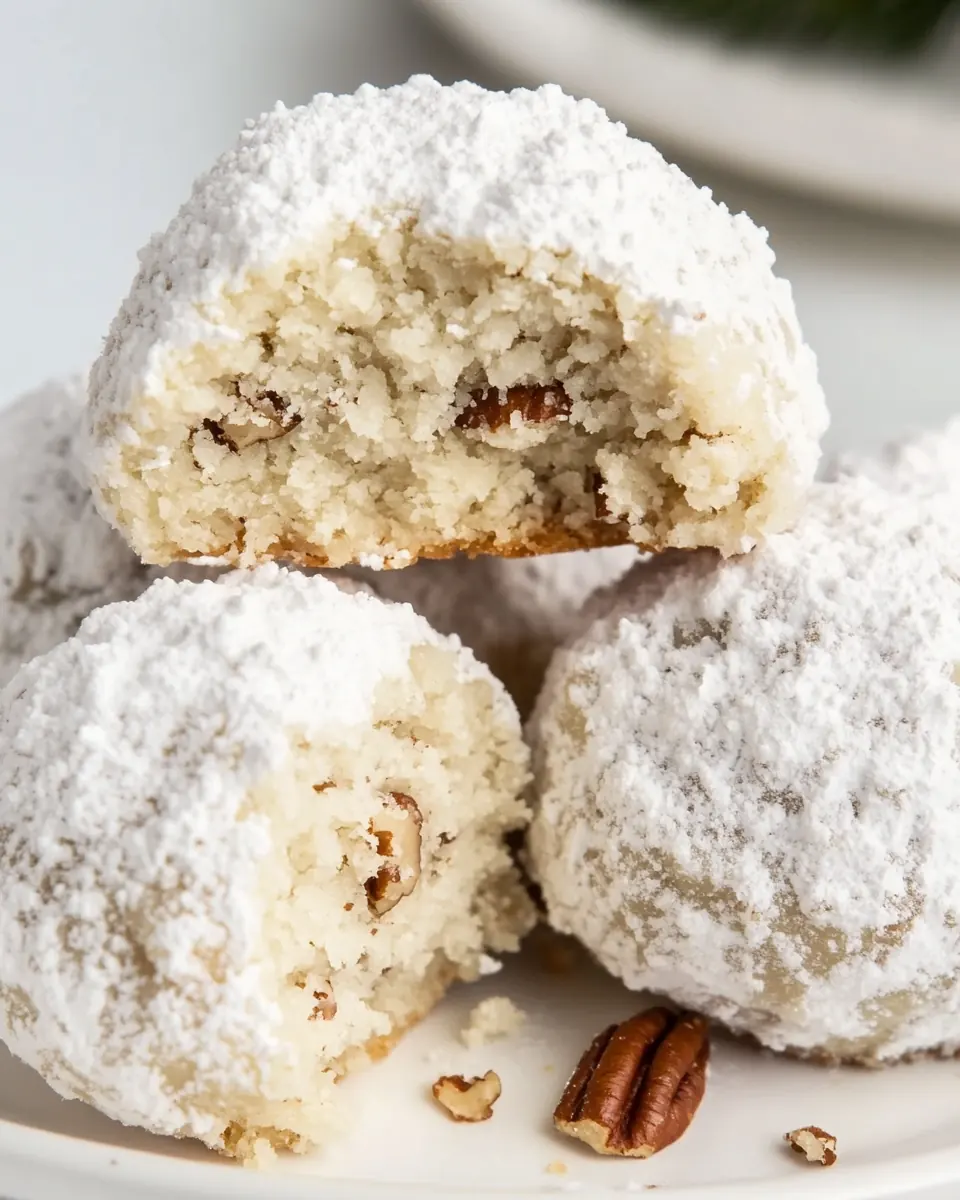
These ingredients form a simple, complementary team. The rich tang of cream cheese softens the dough and adds moisture while the butter lends classic richness. Flour builds structure, with powdered sugar providing both sweetness and that signature snowball coating. Pecan pieces introduce texture and toasted depth, and a touch of vanilla and sea salt elevate the flavors so each bite tastes complete.
- 4 oz cream cheese, softened, 190 g: Soften to room temperature to ensure smooth creaming with butter; contributes tangy richness and tenderizes the dough, creating a delicate crumb. Incorporate thoroughly to distribute moisture evenly and help bind the flour and fat for a melt-in-your-mouth texture.
- 1/2 c butter, softened: Cream thoroughly until light and fluffy to aerate the dough and provide structure; supplies fat for tenderness and flavor balance. Beat with softened cream cheese and powdered sugar to create a homogeneous base that yields tender, well-textured cookies.
- 1 1/2 c flour: Sift or measure properly to provide the dry structure and bulk of the cookies; forms the gluten matrix that sets when baked. Combine gently with fats to avoid overworking, ensuring a tender, crumbly snowball rather than a tough cookie.
- 1/2 c powdered sugar, plus 2 T, separated: Whisk or sift and divide as directed to sweeten the dough and finish the exterior; initial portion sweetens and slightly tenderizes the cookie. Reserve the additional tablespoons to coat cooled cookies, producing the signature snowy appearance and extra sweetness.
- 1 1/3 c pecan pieces: Chop or pulse to even pieces and toast lightly if desired to deepen flavor; adds crunchy texture and a warm, nutty flavor that complements the cream cheese and butter. Fold in at the end to distribute uniformly, ensuring each cookie has nutty pockets without overpowering the delicate crumb.
- 1 tsp vanilla: Measure and add for aromatic depth and classic cookie sweetness; enhances the overall flavor profile and balances the richness of dairy and nuts. Mix into the dough to provide subtle vanilla notes that round out other ingredients without drawing focus away from the pecans.
- 1/2 tsp sea salt: Measure precisely to control flavor balance and enhance other ingredients; small amount elevates sweetness while tempering richness, highlighting the nutty and dairy flavors. Dissolve evenly into the dough to avoid pockets of salt and ensure consistent taste in every cookie.
- 1 c powdered sugar: Sift if needed and use to coat cooled cookies for the signature snowy finish; provides concentrated sweetness and a fine powdery texture on the exterior. Dusting also adds a delicate outer shell that contrasts with the tender interior, completing the classic appearance and taste.
Preparation Steps for Cream Cheese Pecan Snowball Cookies
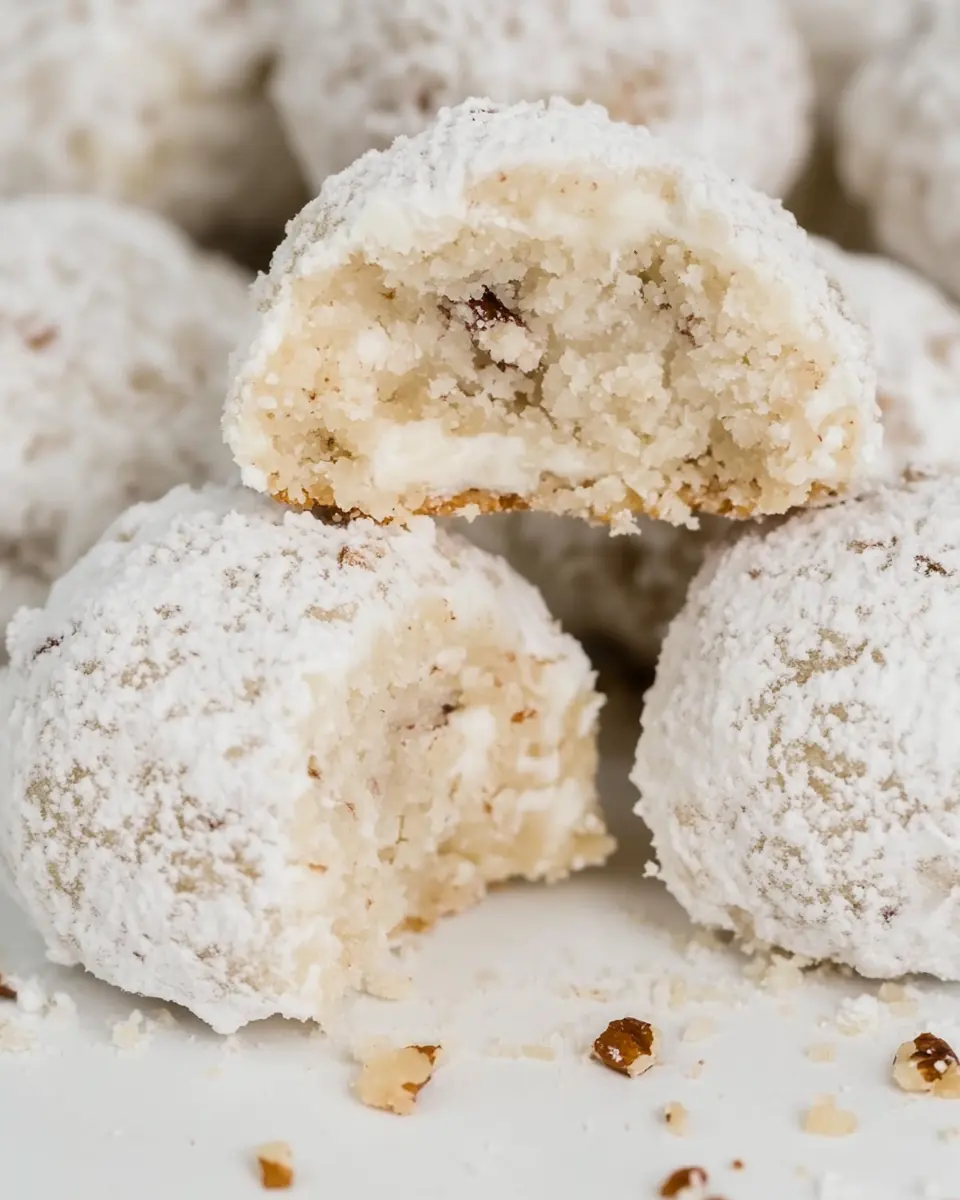
I like to approach these cookies with a relaxed, hands on attitude. The steps are straightforward, but paying attention to texture and temperature will reward you with the most tender results. Keep your equipment nearby and a small bowl of extra powdered sugar ready for coating.
- Preheat oven to 325°.: When you slide the tray into the oven you should already be greeted with a warm, stable oven environment so the cookies bake evenly. The sound at this stage is mostly quiet, but the air should feel dry and consistent when you open the door briefly. Preheating ensures the cookies set properly at the edges while remaining tender inside. A common mistake is not waiting for full preheat, which can cause spread and uneven browning.
- In a food processor, pulse pecans and 2 T powdered sugar until broken down into very small pieces. (This will sweeten the pecans slightly).: You will notice a fragrant, toasty scent as the pecans shred, and the added powdered sugar helps them break down without turning to paste. The texture should be grainy rather than oily. This step matters because it distributes nut flavor without creating thin slippery pockets of oil in the cookie. Watch the processor closely, pulsing in short bursts to avoid creating a nut butter, which is a common error.
- In a medium bowl, using a standing or hand mixer, cream together cream cheese, powdered sugar (1/2 cup), and butter until smooth and creamy. Add in vanilla and mix until incorporated.: As you beat these together you will see the mixture go from lumpy to glossy and smooth, and it should look homogenous with a pale color. This emulsion traps air and gives lift, which influences the cookie's tender texture. Overbeating can warm the mix too much, while under mixing leaves lumps, so aim for a silky consistency. If your cream cheese is too cold, it will resist smoothing, leading to uneven texture.
- Slowly add in flour and salt and beat until fully incorporated. Add in pecans and mix together on low speed or stir them in.: The moment you add vanilla the aroma lifts and brightens the batter, signaling flavor balance. Mix just until the vanilla is evenly distributed to avoid breaking down the emulsion. A pitfall here is adding strong flavored extracts improperly measured which can dominate; use the exact amount for subtle lift.
- Roll into balls (approx. 1 inch) or use a 1 Tablespoon cookie scoop and place on a parchment lined cookie sheet with slight space in between (you can use a 1 1/2 T cookie scoop–this will make approx. 21 cookies).: When the flour goes in, fold or mix on low so the dough remains tender and does not toughen from overworked gluten. The dough should come together without appearing dry, and you may notice a slightly stiffer pull compared to the creamed stage. This technique preserves the delicate crumb. Overmixing at this point will yield dense, tough cookies, so stop as soon as the streaks of flour disappear.
- Bake for 14-17 minutes or until the edges/bottom just start to become lightly golden. Cool for several minutes and before fully cool, roll into powdered sugar. Once fully cooled, roll again (or maybe two more times!) in powdered sugar.: As you fold in the pecan pieces the batter gains texture and visual interest. The nuts should be evenly dispersed so each cookie has bites of crunch. Mixing on low prevents the nuts from pulverizing, which would change the intended texture. A common mistake is overworking and breaking the nuts too finely, losing the delightful contrast.
- Store in an airtight container!: You will feel the dough as slightly tacky but firm enough to shape, and the surface should be smooth with visible flecks of pecan pieces . Leaving space between the balls allows gentle expansion without merging. Using a scoop creates uniform cookies which helps bake them evenly. If you pack them too tightly the centers may remain underbaked, while too much handling can warm the dough and make it greasy.
- Bake for 14 to 17 minutes or until the edges bottom just start to become lightly golden: During baking you may notice a faint nutty aroma as the pecans toast further, and the edges will transition to a very light golden hue. The tops should still look set but not browned. This timing is critical because these cookies do not have eggs to set them, so watch for the subtle color change. Overbaking leads to a dry texture, while underbaking can make them collapse when handled, so remove when edges show the first hint of gold.
- Cool for several minutes and before fully cool, roll into powdered sugar: Rolling warm cookies in powdered sugar helps the sugar cling and form an initial coating. The contrast between the warm, slightly soft surface and the cool sugar creates a pretty, crackled finish. If you wait until they are stone cold the sugar may not adhere as well. A frequent mistake is rolling only once; a second roll after cooling enhances appearance and sweetness balance.
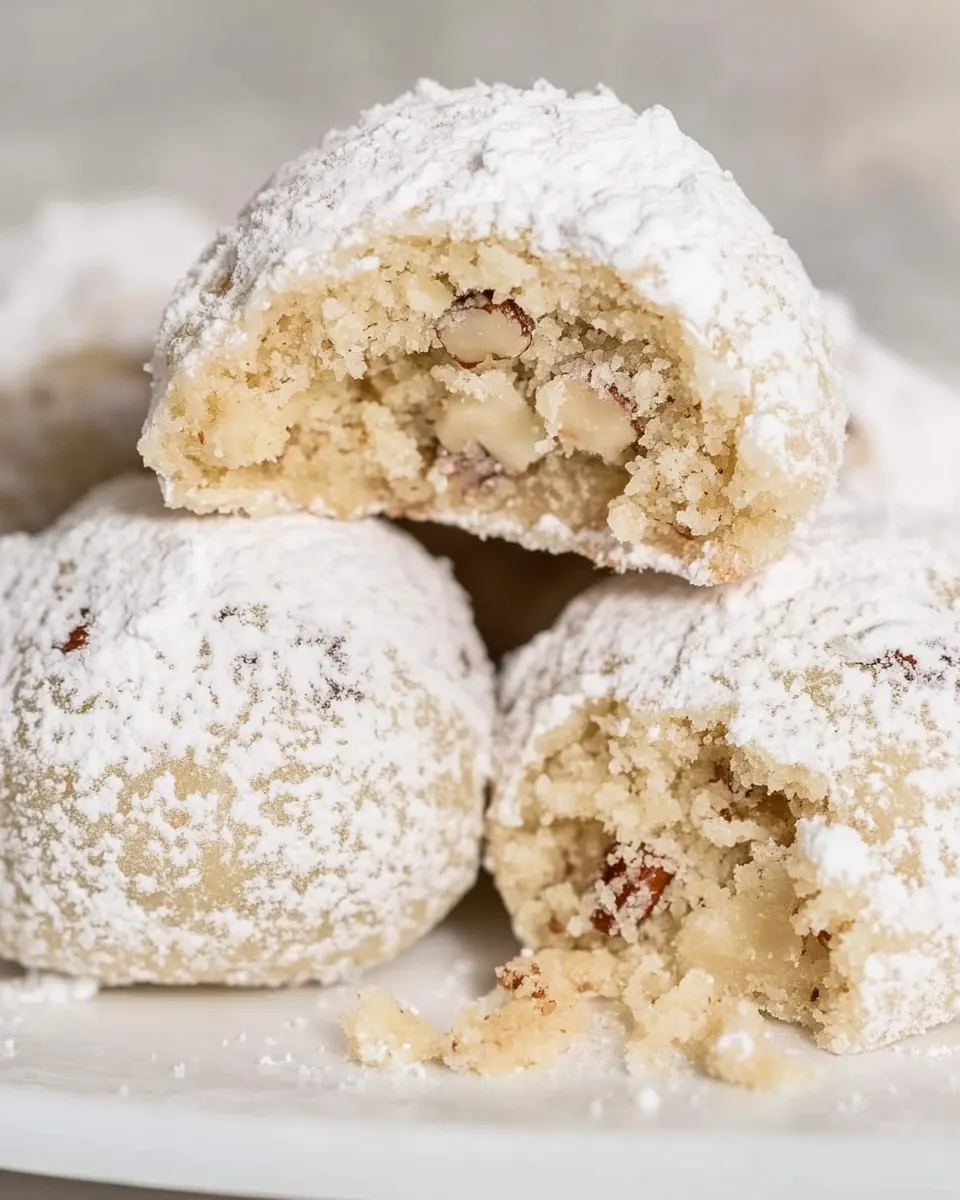
- Once fully cooled, roll again in powdered sugar: After the cookies are cool the second coating creates the classic snowball look and seals in a soft outer shell. You should see a bright white exterior that contrasts with the tiny brown specks of pecan pieces . This step makes them visually festive and adds a pleasant melt in your mouth sugar kiss. Avoid soggy sugar by ensuring cookies are fully cool before the final roll.
- Store in an airtight container: Proper storage preserves tenderness and prevents staling. As you layer cookies, place parchment between layers to keep the powdered sugar intact. Stored at room temperature in a sealed container they remain soft for several days. A common error is leaving them exposed which leads to limp, stale cookies, so airtight is essential.
How to Switch It Up
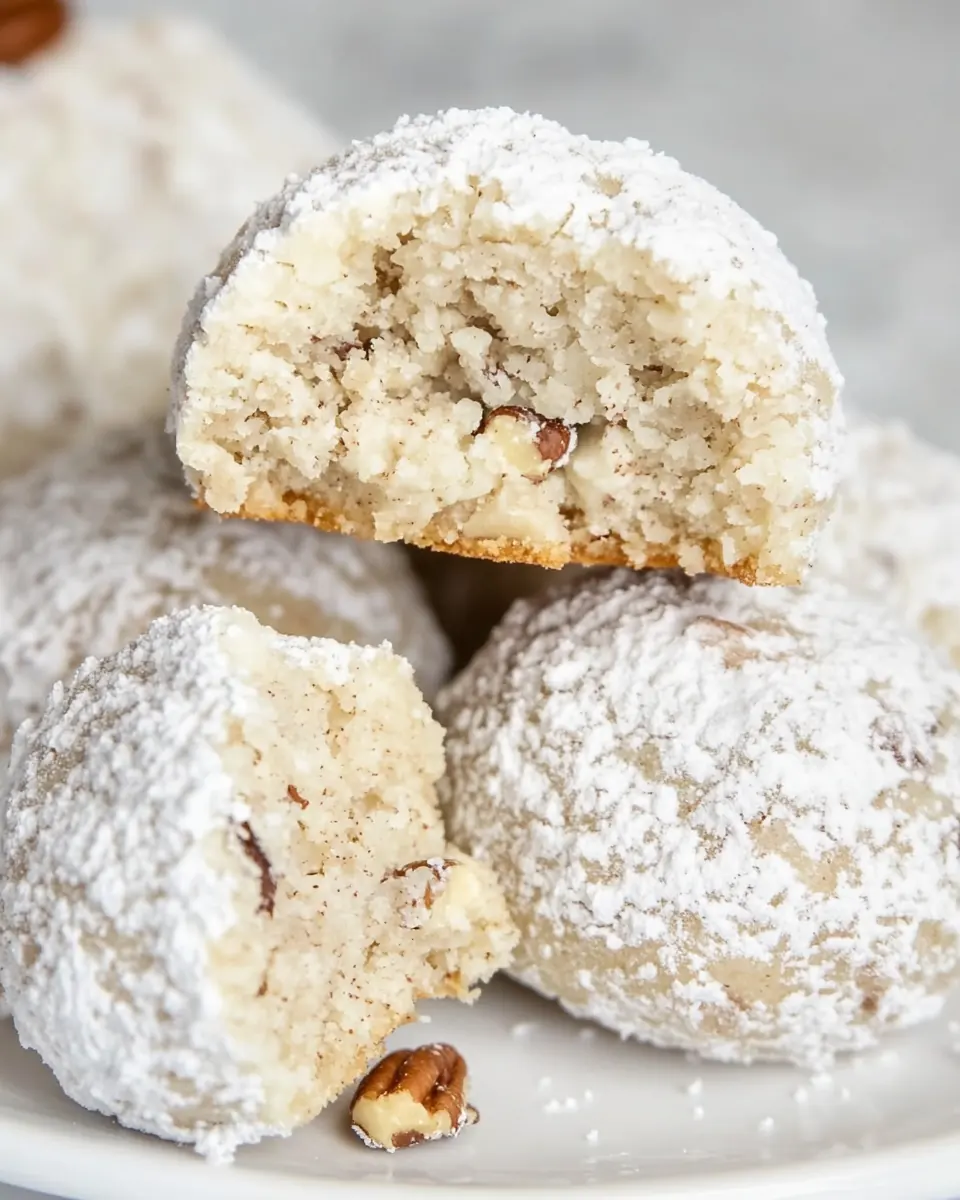
I like to experiment with small swaps that keep the cookie spirit intact while offering new textures or cost effective options. Below are practical, tested ideas that respect the original recipe balance and make it easy to tweak the flavor or budget without sacrificing the signature tender crumb and snowy coating.
- Swap nuts: Use toasted almonds or walnuts in place of pecans for a different flavor profile and potentially lower cost, maintaining the same measurement and pulse method so texture remains balanced.
- Adjust nut size: Pulse the pecan pieces finer for more uniform texture or leave larger pieces for added crunch, watching for oil release if you overprocess the nuts.
- Chill option: Chill the shaped dough for 10 to 20 minutes before baking to help the cookies hold shape and slow spread, especially useful in warm kitchens.
- Toasting nuts: Toast pecans lightly in a dry skillet or oven for a few minutes to enhance aroma and depth, but cool them before pulsing to avoid premature oil release.
- Coating method: Roll once while warm then again after cooling to achieve the classic bright white finish without making the surface soggy.
- Batch timing: Bake a test cookie from the first tray to dial in oven time if your oven runs hot or cold, then adjust the remaining batches accordingly for consistent results.
Serving Ideas for Cream Cheese Pecan Snowball Cookies
These cookies are wonderful on a holiday platter, but they also lend themselves to many serving moments beyond Christmas. They pair with simple hot beverages, make thoughtful gifts, and travel well in tins. Below are detailed ways to present and store them depending on the occasion.
- Holiday dessert tray: Arrange the cookies on a large platter with layers of parchment or doilies, alternating sizes if you made different scoops, for a festive display that invites guests to help themselves.
- Cookie exchange: Pack in decorative tins with parchment layers for gifting, and include a small label noting they contain pecans for allergy awareness and a homemade touch.
- Afternoon tea or coffee: Serve a few cookies on a small plate alongside a mug, highlighting their tender crumb and nutty notes as a delicate companion to warm drinks.
- Storage tip: Keep in an airtight container at room temperature for up to five days, or freeze for longer storage. Thaw at room temperature and give a gentle dusting of extra powdered sugar if needed to refresh the snowy look.
- Occasion pairing: Ideal for winter gatherings, cookie swaps, and as part of a dessert spread for festive dinners, these cookies also work well for casual weekend baking when you want something special without fuss.
FAQ
Conclusion
These Cream Cheese Pecan Snowball Cookies stand out because they combine a velvety, tangy base with toasty nut crunch and the classic snowy powdered sugar coating. Give them a try if you want a festive, reliable cookie that feels both homemade and elegant. I hope you enjoy the process of mixing, shaping, and watching them transform in the oven, and that they become a small, delicious tradition in your kitchen.
Cream Cheese Pecan Snowball Cookies
Ingredients
Equipment
Method
- Preheat oven to 325°.: When you slide the tray into the oven you should already be greeted with a warm, stable oven environment so the cookies bake evenly. The sound at this stage is mostly quiet, but the air should feel dry and consistent when you open the door briefly. Preheating ensures the cookies set properly at the edges while remaining tender inside. A common mistake is not waiting for full preheat, which can cause spread and uneven browning.
- In a food processor, pulse pecans and 2 T powdered sugar until broken down into very small pieces. (This will sweeten the pecans slightly).: You will notice a fragrant, toasty scent as the pecans shred, and the added powdered sugar helps them break down without turning to paste. The texture should be grainy rather than oily. This step matters because it distributes nut flavor without creating thin slippery pockets of oil in the cookie. Watch the processor closely, pulsing in short bursts to avoid creating a nut butter, which is a common error.
- In a medium bowl, using a standing or hand mixer, cream together cream cheese, powdered sugar (1/2 cup), and butter until smooth and creamy. Add in vanilla and mix until incorporated.: As you beat these together you will see the mixture go from lumpy to glossy and smooth, and it should look homogenous with a pale color. This emulsion traps air and gives lift, which influences the cookie's tender texture. Overbeating can warm the mix too much, while under mixing leaves lumps, so aim for a silky consistency. If your cream cheese is too cold, it will resist smoothing, leading to uneven texture.
- Slowly add in flour and salt and beat until fully incorporated. Add in pecans and mix together on low speed or stir them in.: The moment you add vanilla the aroma lifts and brightens the batter, signaling flavor balance. Mix just until the vanilla is evenly distributed to avoid breaking down the emulsion. A pitfall here is adding strong flavored extracts improperly measured which can dominate; use the exact amount for subtle lift.
- Roll into balls (approx. 1 inch) or use a 1 Tablespoon cookie scoop and place on a parchment lined cookie sheet with slight space in between (you can use a 1 1/2 T cookie scoop–this will make approx. 21 cookies).: When the flour goes in, fold or mix on low so the dough remains tender and does not toughen from overworked gluten. The dough should come together without appearing dry, and you may notice a slightly stiffer pull compared to the creamed stage. This technique preserves the delicate crumb. Overmixing at this point will yield dense, tough cookies, so stop as soon as the streaks of flour disappear.
- Bake for 14-17 minutes or until the edges/bottom just start to become lightly golden. Cool for several minutes and before fully cool, roll into powdered sugar. Once fully cooled, roll again (or maybe two more times!) in powdered sugar.: As you fold in the pecan pieces the batter gains texture and visual interest. The nuts should be evenly dispersed so each cookie has bites of crunch. Mixing on low prevents the nuts from pulverizing, which would change the intended texture. A common mistake is overworking and breaking the nuts too finely, losing the delightful contrast.
- Store in an airtight container!: You will feel the dough as slightly tacky but firm enough to shape, and the surface should be smooth with visible flecks of pecan pieces . Leaving space between the balls allows gentle expansion without merging. Using a scoop creates uniform cookies which helps bake them evenly. If you pack them too tightly the centers may remain underbaked, while too much handling can warm the dough and make it greasy.
- Bake for 14 to 17 minutes or until the edges bottom just start to become lightly golden: During baking you may notice a faint nutty aroma as the pecans toast further, and the edges will transition to a very light golden hue. The tops should still look set but not browned. This timing is critical because these cookies do not have eggs to set them, so watch for the subtle color change. Overbaking leads to a dry texture, while underbaking can make them collapse when handled, so remove when edges show the first hint of gold.
- Cool for several minutes and before fully cool, roll into powdered sugar: Rolling warm cookies in powdered sugar helps the sugar cling and form an initial coating. The contrast between the warm, slightly soft surface and the cool sugar creates a pretty, crackled finish. If you wait until they are stone cold the sugar may not adhere as well. A frequent mistake is rolling only once; a second roll after cooling enhances appearance and sweetness balance.
- Once fully cooled, roll again in powdered sugar: After the cookies are cool the second coating creates the classic snowball look and seals in a soft outer shell. You should see a bright white exterior that contrasts with the tiny brown specks of pecan pieces . This step makes them visually festive and adds a pleasant melt in your mouth sugar kiss. Avoid soggy sugar by ensuring cookies are fully cool before the final roll.
- Store in an airtight container: Proper storage preserves tenderness and prevents staling. As you layer cookies, place parchment between layers to keep the powdered sugar intact. Stored at room temperature in a sealed container they remain soft for several days. A common error is leaving them exposed which leads to limp, stale cookies, so airtight is essential.
Notes
- Swap nuts: Use toasted almonds or walnuts in place of pecans for a different flavor profile and potentially lower cost, maintaining the same measurement and pulse method so texture remains balanced.
- Adjust nut size: Pulse the pecan pieces finer for more uniform texture or leave larger pieces for added crunch, watching for oil release if you overprocess the nuts.
- Chill option: Chill the shaped dough for 10 to 20 minutes before baking to help the cookies hold shape and slow spread, especially useful in warm kitchens.
- Toasting nuts: Toast pecans lightly in a dry skillet or oven for a few minutes to enhance aroma and depth, but cool them before pulsing to avoid premature oil release.
- Coating method: Roll once while warm then again after cooling to achieve the classic bright white finish without making the surface soggy.
- Batch timing: Bake a test cookie from the first tray to dial in oven time if your oven runs hot or cold, then adjust the remaining batches accordingly for consistent results.