Furikake Salmon
Furikake Salmon became my go to when I needed something quick that still felt special. The first time I made it, I was juggling a tired weeknight and a grocery bag of random ingredients, and this simple combo of salmon with a punchy sprinkling of Furikake turned into an instant favorite at the table. From that night on, the recipe has been my secret for feeding friends without fuss, and I still smile remembering how the crunchy topping transformed a plain piece of salmon into something exciting.
Over the years I’ve tweaked tiny things, like using a richer mayonnaise and a hint of wasabi to cut the richness. Each time I serve Furikake Salmon, someone asks how it came together so quickly yet tasted like I’d spent hours fussing. It’s the kind of recipe I bring when I want to impress without stress. I love that it’s flexible, and that it works whether I use the oven or the air fryer, so it’s become a fixture for busy nights and casual dinner parties alike.
Recipe Snapshot
20 mins
10 mins
10 mins
Medium
350 kcal
Japanese
Keto, Paleo
Dinner
Oven, Air Fryer, Baking sheet, Parchment paper, Small bowl
The Appeal of This Furikake Salmon
Bold, uncomplicated flavor
I love how Furikake Salmon balances rich and savory notes with minimal effort. The combination of toasted nori flakes and sesame in the Furikake lends deep umami, while the creamy mayonnaise provides a silky base that helps the seasoning cling to the salmon. You get a restaurant worthy bite without complicated steps.
Speed without sacrificing quality
We often need dinner fast, and this recipe delivers in about twenty minutes total. Because the topping toasts quickly, you still achieve a pleasing texture contrast, the exterior becoming slightly crisp while the inside stays tender and moist. I depend on this dish when time is short but standards are high.
Versatile cooking methods
I appreciate that Furikake Salmon adapts to both the oven and the air fryer. The method you choose only changes minor details like timing, not the final flavor. That flexibility means I can make it for a cozy family night or when I want a faster cook time with the air fryer.
Accessible ingredients with big impact
Most of the ingredients are pantry staples for me: mayonnaise, a dab of wasabi, a splash of soy sauce, and that star, Furikake. They combine into something greater than the sum of their parts, elevating plain salmon into a memorable main.
Great for sharing and easy to scale
I like that this recipe scales cleanly depending on whether I have four thin fillets or two thicker ones. It’s simple to multiply for guests, and the results stay consistent. I’ve never had it fail at a gathering, which makes it one of my most reliable go to recipes.
Main Ingredients for Furikake Salmon
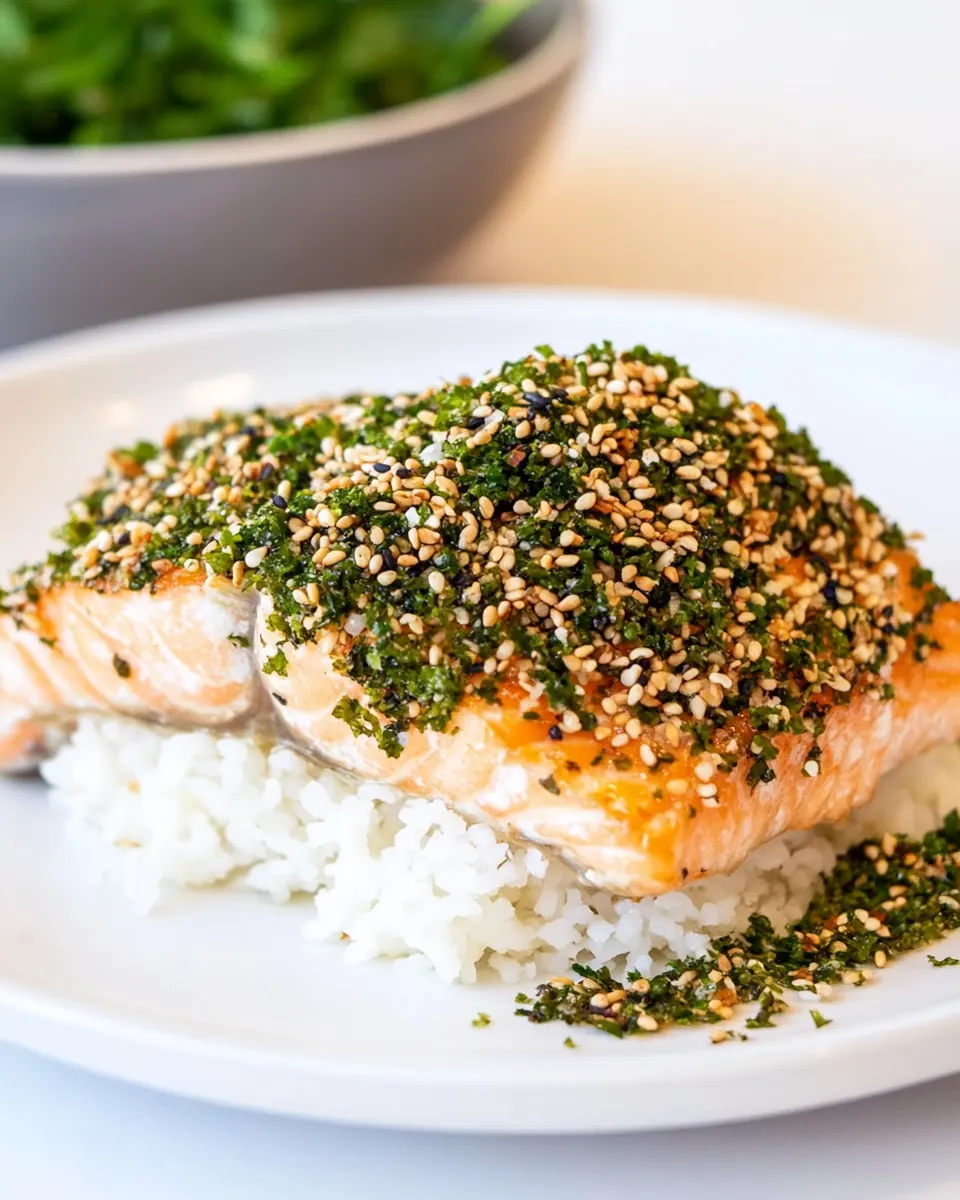
These components are deliberately straightforward so the spotlight stays on the salmon and the crunchy, savory finish. Think of each ingredient as a key player that contributes texture, moisture, or umami, and together they form a balanced, flavorful crust that elevates a simple fillet.
- 1 lbs salmon fillets, skinless (see note 1): Provide a rich, fatty base that keeps the salmon moist during cooking and adds a silky mouthfeel; use skinless fillets for easy portioning and immediate readiness, and note that thickness affects cook time so adjust accordingly.
- 2 tablespoons mayonnaise (see note 2): Add a creamy, tangy binder that helps the wasabi and soy adhere to the fish while contributing a subtle richness; whisk briefly to a smooth consistency to ensure even coating and gentle browning under heat.
- 1 teaspoon wasabi: Contribute a sharp, spicy heat that lifts the overall flavor profile and pairs well with mayo’s creaminess; dissolve into the mayo for even distribution and taste before applying to match your preferred intensity.
- 1/2 teaspoons soy sauce: Provide a salty, umami depth that enhances the salmon and balances the mayo’s richness; use sparingly to avoid overpowering and mix into the mayo-wasabi blend for uniform seasoning.
- 3 tablespoons Furikake: Deliver a crunchy, savory finish with toasted sesame, seaweed, and other aromatics that create signature Japanese flavors; sprinkle generously after cooking or press onto coated fillets before baking or broiling for optimal texture.
Making Furikake Salmon
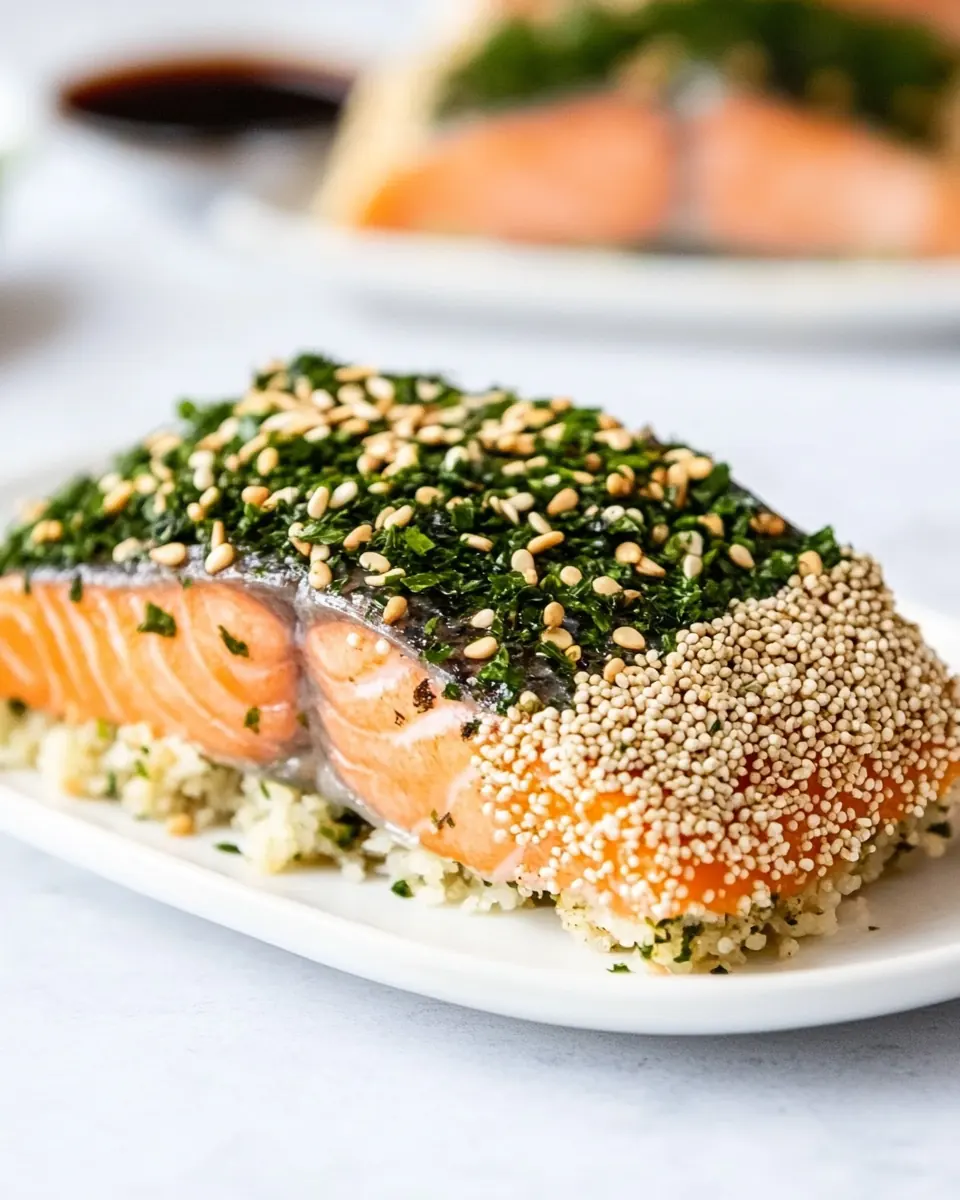
These steps are straightforward, but the small details make a big difference. I’ll walk you through the sensory cues to look for, why each technique matters, and common mistakes to avoid so your Furikake Salmon comes out perfect every time.
- Preheat the oven or air fryer to 400ºF/200ºC: As your appliance heats, you should notice a faint warm metallic scent from the oven or a gentle hum from the air fryer, signaling it is reaching temperature. Preheating ensures the surface of the salmon begins to cook immediately, helping the topping set rather than melt away. If you skip this, the fish can cook unevenly and the Furikake may not crisp. One common mistake is not allowing the oven to fully reach temperature; use an oven thermometer if you suspect your unit runs cool.
- Let the salmon come to room temperature while the oven heats up.: The salmon will feel slightly cool but not icy when it is ready, and the flesh yields gently to the touch. Bringing it closer to room temperature shortens cooking time and promotes even doneness from edge to center. The sensory cue is a uniform, slightly springy feel across the fillet. Avoid leaving fish out for too long; fifteen to twenty minutes is plenty. A typical error is starting with cold fish, which can lead to an overcooked exterior and underdone center.
- Mix the mayonnaise, wasabi, and soy in a small bowl.: As you whisk, the aroma will brighten with a mild tang from the wasabi and a savory note from the soy sauce . This emulsion spreads smoothly and forms the adhesive base for the Furikake . The 'why' is simple, it binds the seasoning and seals moisture in the salmon . A common mistake is adding too much liquid which can make the mixture runny, so measure carefully and taste for balance.
- Spread the mixture over the salmon fillets.: When you apply the mixture, the texture changes from glossy to matte as it forms a thin coating. Use the back of a spoon to create an even layer; this ensures consistent browning and seasoning distribution. Proper application prevents bare spots where the Furikake might not stick. Avoid piling it on too thick, which can insulate the fish and hinder proper cooking.
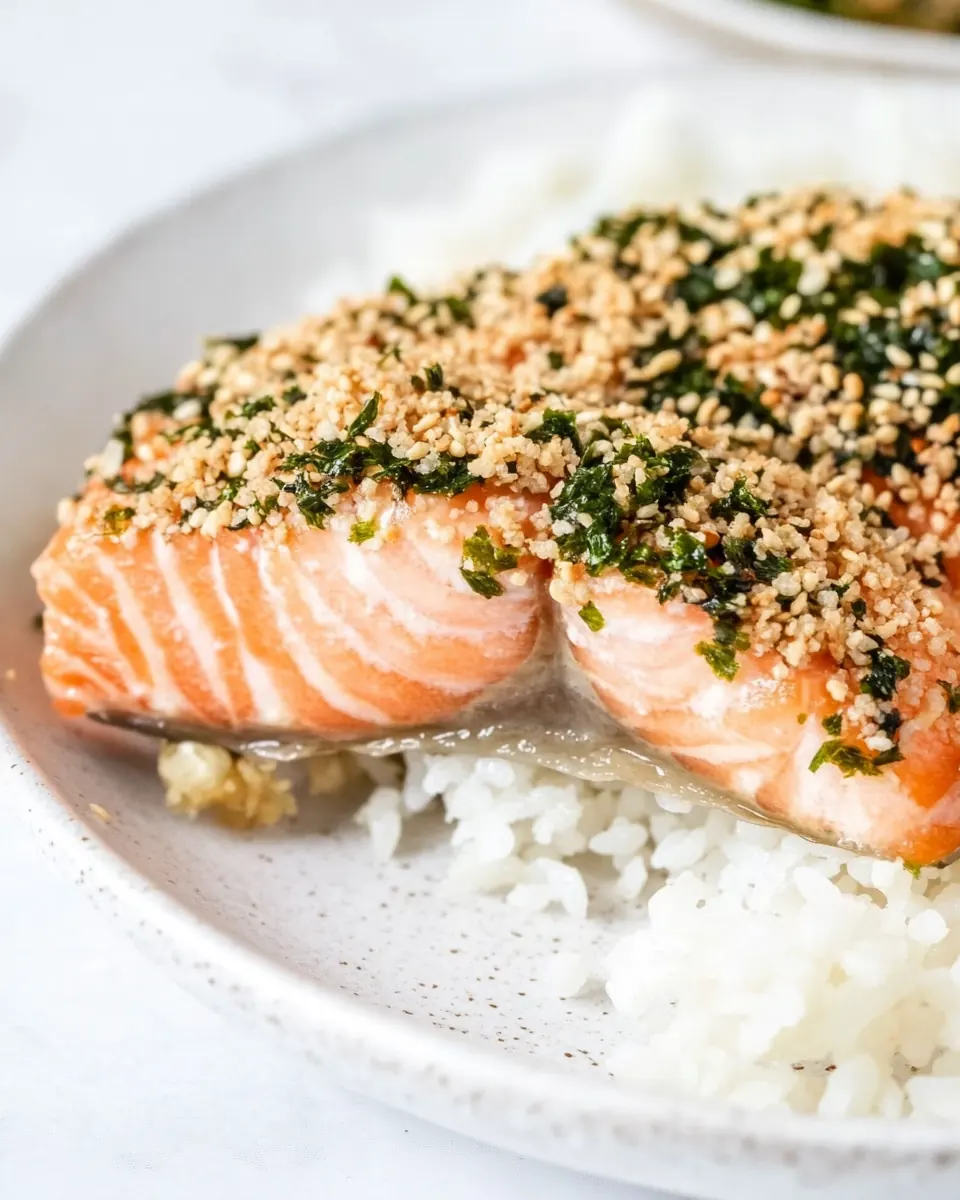
- Sprinkle the furikake over the salmon.: As the Furikake hits the coated surface, you should see the colorful flecks cling immediately. This topping brings crunch and concentrated umami, and the visual contrast makes the dish look finished and appetizing. Press lightly so it adheres, but do not bury the mix. A common oversight is uneven sprinkling, which results in bites that vary wildly in flavor.
- Line a baking sheet with parchment paper.: Lining the sheet reduces sticking and helps with cleanup, and you may notice the faint papery scent as you smooth it out. It also creates a small air gap that promotes even air circulation under the salmon . If you skip this, the fish may stick and fall apart when lifted. People sometimes use foil instead; parchment is preferable to avoid metallic contact with acidic ingredients.
- Place the salmon fillets on the baking sheet and cook in the middle of the oven for 6-8 minutes if you have 4 thin fillets or 8-10 minutes if you have 2 thick fillets.: As the fish roasts, you will see the edges turn opaque and the aroma will become richer and more savory. The timing gives a moist, flaky center while allowing the coating to set. The visual cue for doneness is flakes that separate easily when prodded gently with a fork and a consistent opaque color through most of the fillet. Avoid overcooking, which yields dry texture; check at the earlier end of the range if your fillets are thinner than average.
- Line the air fryer basket with a square of parchment paper or a store-bought liner.: The liner should sit flat and allow air to circulate around the salmon . You will notice a subtle difference in how the air fryer crisps the coating versus the oven, often achieving a slightly quicker browning. Proper lining prevents sticking and makes cleanup faster. Do not block vents or crowd the basket, which can cause uneven cooking and a soggy surface.
- Place the salmon fillets in the basket with space between them. Cook for 6-8 minutes if you have 4 thin fillets or 8-10 minutes if you have 2 thick fillets.: When arranged with breathing room, hot air circulates freely, producing even crisping on the exterior while maintaining a tender interior. You should hear a soft sizzle as the hot air interacts with the coating. Crowding is the most common mistake here, leading to steaming rather than crisping. Keep pieces separated by at least a finger width for the best result.
- Cook for 6 to 8 minutes if you have 4 thin fillets or 8 to 10 minutes if you have 2 thick fillets: During this final cook, watch for the coating to turn slightly toasted and the salmon to become opaque nearly through. The aroma shifts to a toasted nutty note from the Furikake , and the surface gains a slight resistance when pressed. This timing aims for a juicy interior and a texturally interesting top. A frequent error is relying solely on time instead of visual and tactile cues; use a fork to check flakiness at the lower end of the range to avoid drying out.
Make It Your Own
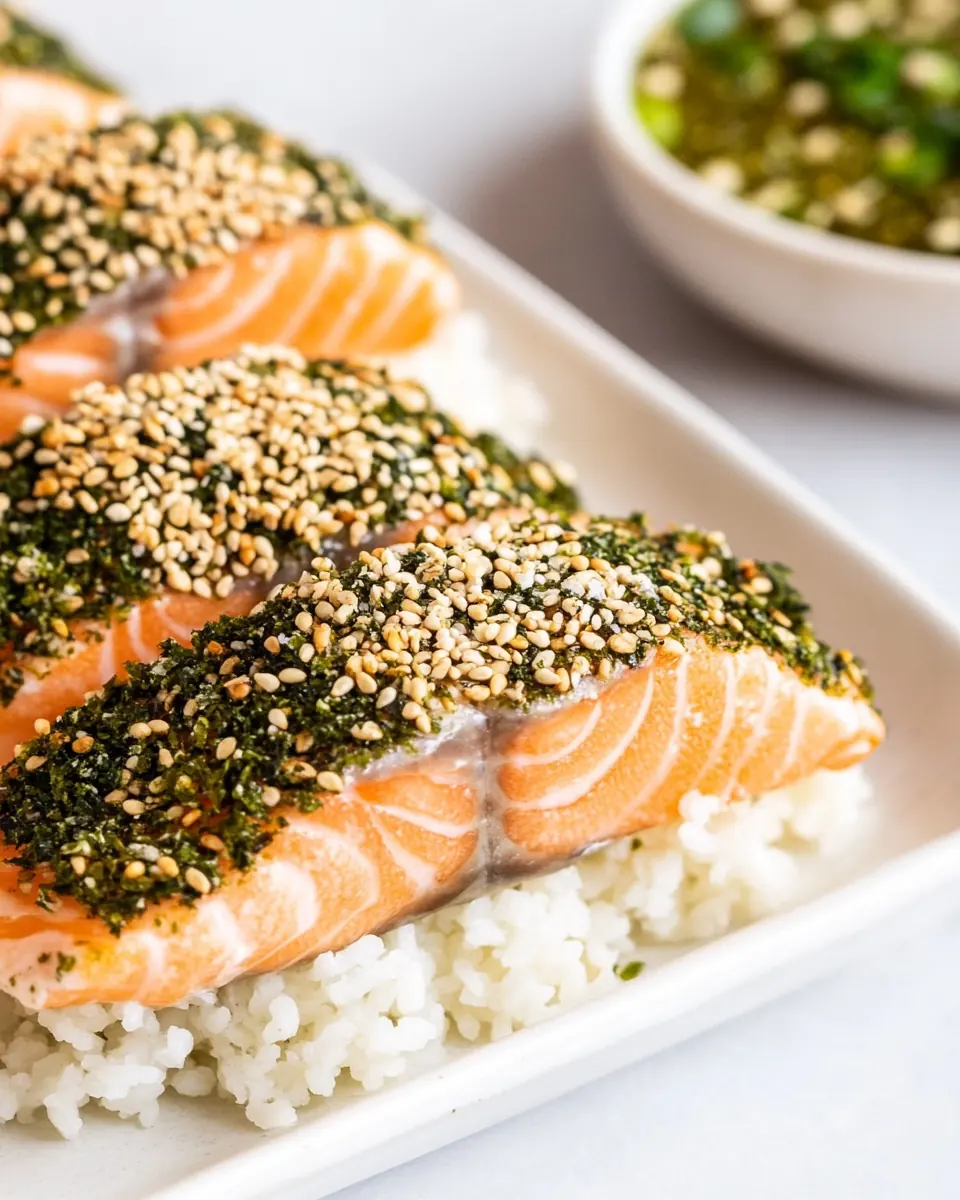
These simple ideas help you make Furikake Salmon reflect your preferences while keeping the core profile intact. Small changes can shift texture, heat, or presentation in delightful ways.
- Swap mayo style: Try a richer Japanese style mayonnaise for a creamier finish and slightly sweeter profile, which complements the Furikake well.
- Adjust wasabi intensity: Start with less and add more to taste; dissolving it fully into the mayo ensures even heat distribution across the salmon.
- Soy sauce control: If you are watching salt, use low sodium soy sauce and taste the mayo mixture before adding more, since the Furikake also contains salt.
- Portion strategy: Four thin fillets cook faster and give more crust per bite, while two thick fillets stay juicier in the center; choose based on your texture preference.
- Air fryer spacing: Give each fillet room so air can circulate, which produces a crisper top without overcooking the interior.
- Parchment tricks: Use parchment to prevent sticking, but trim it so it does not block airflow in the air fryer basket.
- Make ahead: You can mix the mayo, wasabi, and soy a few hours in advance and keep it chilled, allowing flavors to meld and speeding final assembly.
Serve This Furikake Salmon With
Furikake Salmon is versatile at the table, pairing well with simple sides that complement its umami character. Here are ideas for serving, occasions, storage, and seasonal pairings in practical detail.
- Steamed rice or sushi rice: A bowl of warm rice soaks up the savory juices and balances the crunchy topping, making it ideal for a casual weeknight meal or a low fuss dinner party.
- Lightly dressed greens: A crisp green salad with a citrus vinaigrette adds brightness to each bite and cuts the richness of the mayonnaise coating, suitable for lunch or a lighter dinner.
- Quick pickles: Pickled cucumbers or daikon provide a tart contrast and refreshing crunch, perfect for warmer months or when you want an Asian inspired side.
- Occasions: This dish works well for everyday family dinners, a small dinner party, or special occasions like Ramadan if you are serving a modest, flavorful main that comes together quickly.
- Plating tips: Serve each fillet on a warm plate and spoon any resting juices over the rice, finishing with a light extra sprinkle of Furikake for presentation and texture.
- Storage: Cool the cooked salmon to room temperature then refrigerate in an airtight container for up to two days; reheat gently to avoid drying out, ideally in a low oven or brief air fryer cycle.
- Seasonal pairings: In spring or summer, emphasize bright, acidic sides like pickles and salads; in cooler months, pair with warm bowls of rice and steamed vegetables for a cozier meal.
FAQ
Conclusion
What makes this recipe special is how effortless it turns simple salmon into a textured, savory main that feels elevated. The interplay of creamy mayonnaise, bright wasabi, salty soy, and crunchy Furikake gives each bite complexity without lengthy prep. I encourage you to give it a try on a weeknight when you want something quick but memorable, or serve it for guests when you need an impressive yet reliable dish. It’s one of those recipes that rewards small attention to detail with big flavor, and once you taste it, it’s easy to see why it became a staple in my kitchen.
Furikake Salmon
Ingredients
Equipment
Method
- Preheat the oven or air fryer to 400ºF/200ºC: As your appliance heats, you should notice a faint warm metallic scent from the oven or a gentle hum from the air fryer, signaling it is reaching temperature. Preheating ensures the surface of the salmon begins to cook immediately, helping the topping set rather than melt away. If you skip this, the fish can cook unevenly and the Furikake may not crisp. One common mistake is not allowing the oven to fully reach temperature; use an oven thermometer if you suspect your unit runs cool.
- Let the salmon come to room temperature while the oven heats up.: The salmon will feel slightly cool but not icy when it is ready, and the flesh yields gently to the touch. Bringing it closer to room temperature shortens cooking time and promotes even doneness from edge to center. The sensory cue is a uniform, slightly springy feel across the fillet. Avoid leaving fish out for too long; fifteen to twenty minutes is plenty. A typical error is starting with cold fish, which can lead to an overcooked exterior and underdone center.
- Mix the mayonnaise, wasabi, and soy in a small bowl.: As you whisk, the aroma will brighten with a mild tang from the wasabi and a savory note from the soy sauce . This emulsion spreads smoothly and forms the adhesive base for the Furikake . The 'why' is simple, it binds the seasoning and seals moisture in the salmon . A common mistake is adding too much liquid which can make the mixture runny, so measure carefully and taste for balance.
- Spread the mixture over the salmon fillets.: When you apply the mixture, the texture changes from glossy to matte as it forms a thin coating. Use the back of a spoon to create an even layer; this ensures consistent browning and seasoning distribution. Proper application prevents bare spots where the Furikake might not stick. Avoid piling it on too thick, which can insulate the fish and hinder proper cooking.
- Sprinkle the furikake over the salmon.: As the Furikake hits the coated surface, you should see the colorful flecks cling immediately. This topping brings crunch and concentrated umami, and the visual contrast makes the dish look finished and appetizing. Press lightly so it adheres, but do not bury the mix. A common oversight is uneven sprinkling, which results in bites that vary wildly in flavor.
- Line a baking sheet with parchment paper.: Lining the sheet reduces sticking and helps with cleanup, and you may notice the faint papery scent as you smooth it out. It also creates a small air gap that promotes even air circulation under the salmon . If you skip this, the fish may stick and fall apart when lifted. People sometimes use foil instead; parchment is preferable to avoid metallic contact with acidic ingredients.
- Place the salmon fillets on the baking sheet and cook in the middle of the oven for 6-8 minutes if you have 4 thin fillets or 8-10 minutes if you have 2 thick fillets.: As the fish roasts, you will see the edges turn opaque and the aroma will become richer and more savory. The timing gives a moist, flaky center while allowing the coating to set. The visual cue for doneness is flakes that separate easily when prodded gently with a fork and a consistent opaque color through most of the fillet. Avoid overcooking, which yields dry texture; check at the earlier end of the range if your fillets are thinner than average.
- Line the air fryer basket with a square of parchment paper or a store-bought liner.: The liner should sit flat and allow air to circulate around the salmon . You will notice a subtle difference in how the air fryer crisps the coating versus the oven, often achieving a slightly quicker browning. Proper lining prevents sticking and makes cleanup faster. Do not block vents or crowd the basket, which can cause uneven cooking and a soggy surface.
- Place the salmon fillets in the basket with space between them. Cook for 6-8 minutes if you have 4 thin fillets or 8-10 minutes if you have 2 thick fillets.: When arranged with breathing room, hot air circulates freely, producing even crisping on the exterior while maintaining a tender interior. You should hear a soft sizzle as the hot air interacts with the coating. Crowding is the most common mistake here, leading to steaming rather than crisping. Keep pieces separated by at least a finger width for the best result.
- Cook for 6 to 8 minutes if you have 4 thin fillets or 8 to 10 minutes if you have 2 thick fillets: During this final cook, watch for the coating to turn slightly toasted and the salmon to become opaque nearly through. The aroma shifts to a toasted nutty note from the Furikake , and the surface gains a slight resistance when pressed. This timing aims for a juicy interior and a texturally interesting top. A frequent error is relying solely on time instead of visual and tactile cues; use a fork to check flakiness at the lower end of the range to avoid drying out.
Notes
- Swap mayo style: Try a richer Japanese style mayonnaise for a creamier finish and slightly sweeter profile, which complements the Furikake well.
- Adjust wasabi intensity: Start with less and add more to taste; dissolving it fully into the mayo ensures even heat distribution across the salmon.
- Soy sauce control: If you are watching salt, use low sodium soy sauce and taste the mayo mixture before adding more, since the Furikake also contains salt.
- Portion strategy: Four thin fillets cook faster and give more crust per bite, while two thick fillets stay juicier in the center; choose based on your texture preference.
- Air fryer spacing: Give each fillet room so air can circulate, which produces a crisper top without overcooking the interior.
- Parchment tricks: Use parchment to prevent sticking, but trim it so it does not block airflow in the air fryer basket.
- Make ahead: You can mix the mayo, wasabi, and soy a few hours in advance and keep it chilled, allowing flavors to meld and speeding final assembly.