Creamy Wild Rice and Mushroom Soup
Creamy Wild Rice and Mushroom Soup started showing up in my weeknight rotation the moment I discovered how much depth a mix of wild mushrooms can bring to a humble pot of soup. I remember a rainy evening when I wanted something comforting yet interesting, something that felt like a warm sweater but tasted like a memory. I grabbed an assortment of king oyster, shiitake, and portabella, and the kitchen filled with an earthy perfume that made me slow down and breathe. That first spoonful, with its creamy texture and chewy wild rice pearls, convinced me to keep this recipe close at hand.
Over the years I have tweaked small things, but the heart of the recipe remains the same: caramelized mushrooms, a soft mirepoix, and a long gentle simmer that lets the rice puff and the broth concentrate. Friends who visit often ask for the recipe, and I love telling the story of how simple techniques like patiently browning mushrooms and scraping the fond make an everyday bowl feel elevated. When I serve this soup, I usually slice a warm loaf of bread and settle in with a book, because the soup invites a slower pace.
Recipe Snapshot
1 hr 30 mins
20 mins
70 mins
Medium
350 kcal
American
Gluten-Free, Low FODMAP
Soups
Dutch oven, Wooden spoon, Knife, Cutting board
What Makes This Creamy Wild Rice and Mushroom Soup Special
Layered Mushroom Flavor that Feels Luxurious
I adore how sautéing a variety of mushrooms in a mix of butter and olive oil creates a complex, savory base. Using different mushroom types brings textures and umami that a single variety cannot deliver. I like to push the mushrooms into an even layer so they brown deeply, and that caramelized crust is pure magic for the final flavor.
Hearty Texture from Wild Rice
Wild rice adds toothsome texture and nutty notes that hold up to long simmering, so the soup never becomes thin or flat. The grains swell and absorb flavor, giving each spoonful satisfying chew. I appreciate how the rice changes the soup from a starter to a full meal.
Creamy Finish without Overpowering
Finishing with half and half keeps the soup silky without masking the mushroom character. The dairy smooths the acidity from a touch of balsamic and the brightness of lemon while leaving the umami intact. I often prefer just enough creaminess to coat the back of a spoon.
Flexible and Crowd Friendly
This recipe feels forgiving. You can adjust the mushroom mix, swap the rice for brown rice, or use broth in place of beef base without losing the soul of the dish. I love that I can scale it up for company, and it still tastes like something I labored over, even when I did not.
Comfort with a Sophisticated Edge
What I keep returning to is the balance of comfort and refinement. The technique of browning, building a roux, then a long simmer gives a homey, nostalgic mouthfeel, while the beef base and diverse mushrooms keep it interesting. It is the sort of bowl that comforts on a cold evening and impresses at a casual dinner.
Ingredients Overview for Creamy Wild Rice and Mushroom Soup
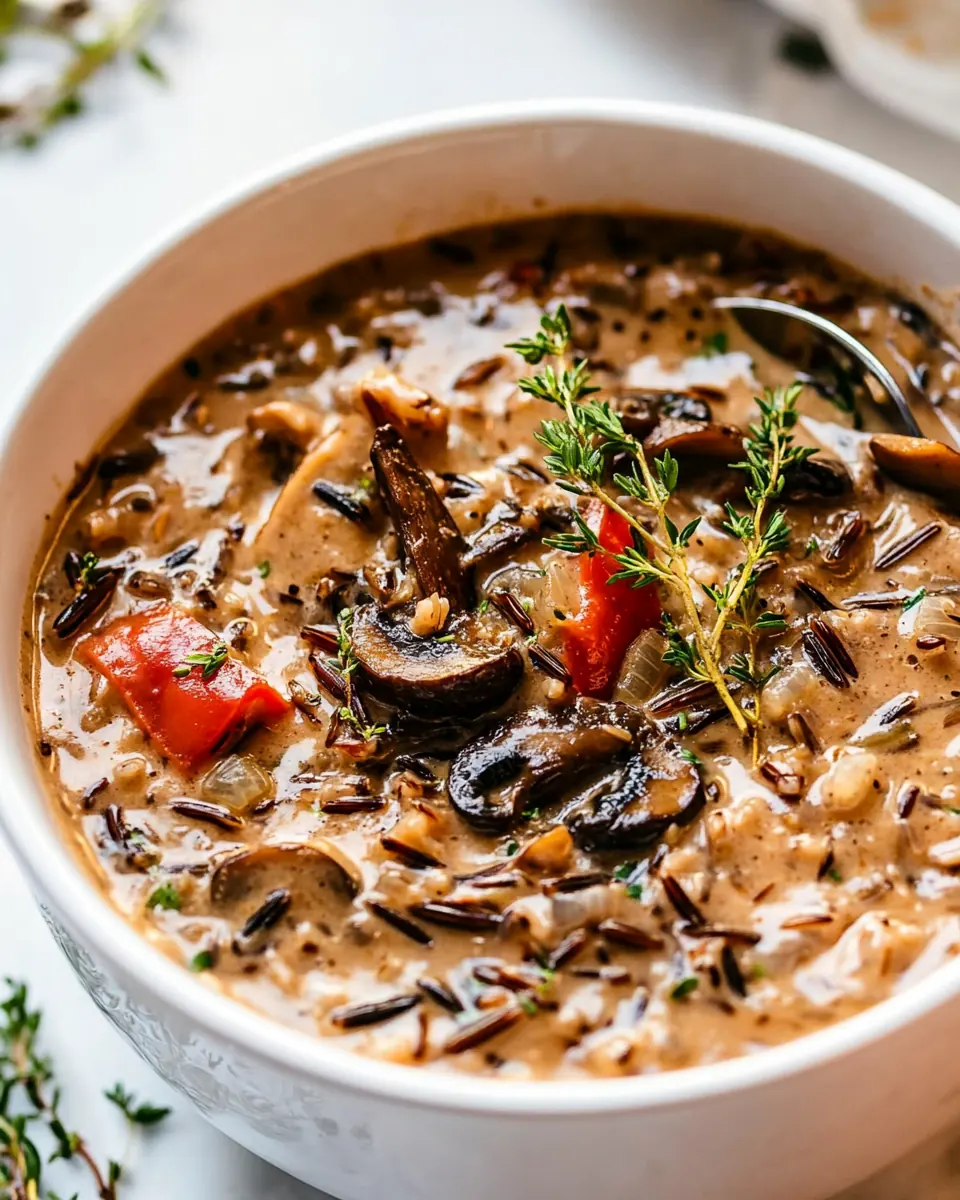
The ingredient list for Creamy Wild Rice and Mushroom Soup is thoughtfully built so each element plays a clear role. The key players are the mushrooms for umami, the wild rice for texture, and the dairy for a lush finish. Butter and olive oil provide fat for browning and flavor, while a small measure of balsamic and lemon juice brighten the bowl at the end. Together they create a layered, comforting soup that rewards patience.
- 4 tablespoons Danish Creamery butter, divided: Melted and divided to provide rich flavor and a silky finish, used for sautéing mushrooms and aromatics and for finishing the soup with creaminess and sheen.
- 4 tablespoons olive oil, divided: Used in two portions to gently sauté vegetables and mushrooms for a lighter mouthfeel and to help prevent burning while contributing fruity depth.
- 1 lb . thinly sliced wild mushrooms (I use a mix of king oyster, shiitakes and portabella – remove stems from shiitakes) Do NOT use white mushrooms: Sliced and sautéed to give the soup earthy, meaty texture and deep umami; selecting wild varieties ensures robust mushroom flavor and varied textures.
- 1 tablespoon Worcestershire sauce: Added sparingly to boost savory umami and deepen the overall flavor profile, balancing the mushrooms with a subtle tang and complexity.
- 1 small yellow onion, chopped: Chopped and sautéed to create a sweet, aromatic base that builds savory depth and provides structure to the soup’s flavor.
- 1 cup diced carrots: Diced and cooked until tender to contribute natural sweetness and body, helping to balance savory and creamy elements of the soup.
- 1 cup diced celery: Diced and sautéed to add aromatic freshness and a slight vegetal crunch, supporting the soup’s aromatic base and overall balance.
- 6 cloves garlic, minced: Minced and added to amplify savory aromatics with pungency and depth; releases flavor early in cooking to permeate the broth and vegetables.
- 1 tsp EACH paprika, dried thyme, dried oregano, rubbed sage, dried dill: Blended and sprinkled to layer warm, herby, and slightly earthy notes; these dried spices build complexity without overpowering the base flavors.
- 1/2 teaspoon pepper: Ground and incorporated to add gentle heat and brightness, helping to season the soup and enhance other savory components.
- 1/4 teaspoon red pepper flakes: Sprinkled in small amount to introduce a touch of heat and balance the richness with a faint lingering spice.
- 1/4 cup flour: Whisked in to thicken the base and create a roux-like body; it helps bind liquids with fat and produces a smooth, velvety texture.
- 1 cup uncooked wild-brown rice blend (I like Lundberg Farms): Added uncooked to simmer and absorb liquid for a nutty, chewy grain component that adds hearty texture and whole-grain flavor.
- 2 tablespoons beef base or granulated beef bouillon, or bouillon cubes: Dissolved or crumbled to concentrate meaty, savory notes when a beef broth is not used directly, enriching the soup’s umami depth.
- 6 cups water (may 6 cups low sodium beef broth and omit beef base): Simmered as the primary liquid so the rice and vegetables cook and meld; can be substituted with low-sodium beef broth for extra flavor.
- 2 cups half and half (may sub 2 cups evaporated milk whisked with 1/2 TBS cornstarch): Stirred in near the end to add creamy richness and a slight sweetness while smoothing the soup’s body and mouthfeel.
- 1 tablespoon balsamic: Swirled in to introduce a tangy, slightly sweet acidity that brightens the mushrooms and balances the soup’s creamy richness.
- 2 tablespoons lemon juice: Squeezed at the finish to provide fresh acidity and lift, cutting through richness while enhancing the overall brightness and flavor clarity.
How to Prepare Creamy Wild Rice and Mushroom Soup
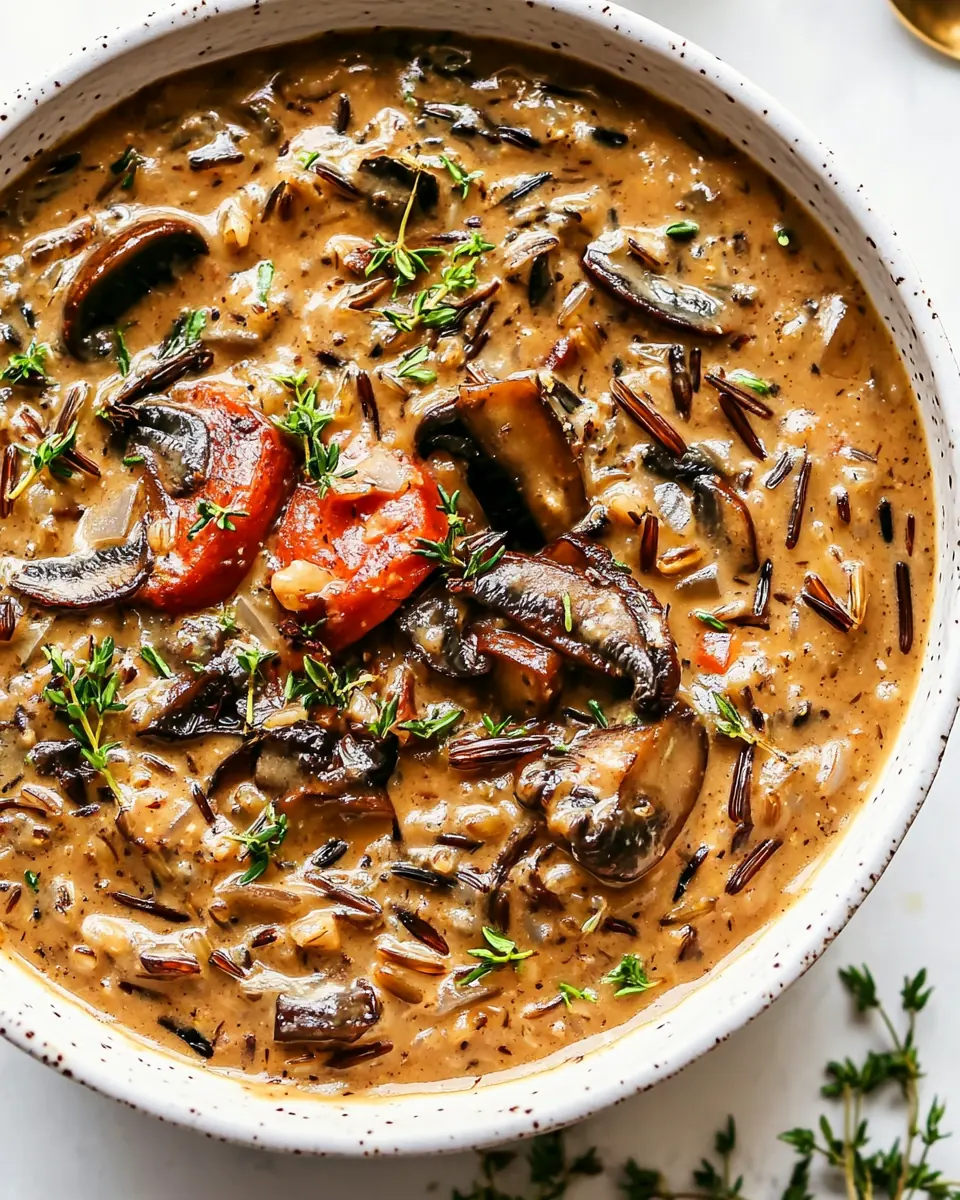
This soup rewards patience and attention. The directions below are faithful to the original steps, expanded with sensory cues, reasons, and troubleshooting guidance so you can follow along confidently. Keep an eye on visual and aromatic signals, because the timing can vary with pan size and heat.
- Melt 2 tablespoons butter with 2 tablespoons olive oil in a large Dutch oven over medium-high heat. Add mushrooms and stir to coat then push into an even layer (not all mushrooms will be touching the bottom). Cook undisturbed until they turn deeply golden brown on the bottom, about 10 minutes. Add Worcestershire and continue to cook, stirring occasionally until the mushrooms are dark (but not burnt) and very dry, about 8 more minutes. Transfer to a bowl; don’t wipe out pot.: The pan will become fragrant with an earthy aroma as the mushrooms begin to brown, and you will hear a soft sizzle that quiets when the juices reduce. Pushing them into an even layer encourages Maillard reaction, giving deep golden color and concentrated flavor. When they release moisture, resist stirring too often, letting the bottom caramelize; then the added Worcestershire will deglaze and intensify the savory notes. A key sensory cue is that the mushrooms will smell nutty and look glossy before turning dry. If you stir constantly you will steam them instead of browning, so avoid that. Watch the heat to prevent spots from burning, and transfer them once they look dry and richly colored so they do not overcook in the pot.
- Reduce heat to medium and melt 2 tablespoons butter with 2 tablespoons olive oil. Add onions, carrots and celery and sauté until the onions are tender, 6-8 minutes. Add garlic, and all seasonings and cook one additional minute. Add flour and cook one additional minute, while stirring (it will be thick).: The softened onion , carrots , and celery will release a sweet, aromatic steam and the pan will sound lively with gentle bubbling. This is where the flavor base forms, so allow the vegetables to sweat and turn translucent, not brown. Adding the garlic and dried herbs briefly releases bright aromatic oils without permitting burning. When you stir in the flour , it should coat the vegetables and smell toasty rather than raw after a minute of cooking. This step thickens the soup so the final texture is velvety. If the mixture smells floury, cook a bit longer to eliminate that raw taste. Stir constantly while the flour cooks to avoid lumps.
- Add the mushrooms back to the pot followed by the wild rice blend and beef base. Add the water while stirring to scrape up the bits from the bottom of the pan.: Returning the browned mushrooms and adding the grain and beef base builds layers of flavor. When you add the water , use a wooden spoon to scrape the fond from the bottom, those brown bits dissolve and enrich the broth. You will see the liquid pick up a deep brown color and the aroma will shift to a concentrated, meaty scent. Stirring as you add water ensures the rice is distributed evenly and the bouillon dissolves. If you do not scrape well, some of that flavor will remain stuck and the soup will be less complex, so take a moment to deglaze thoroughly.
- Cover and bring to a boil, then reduce heat to LOW. Simmer, covered, until rice is tender, 45-60 minutes, stirring occasionally and replacing the lid. Stir more often after 30 minutes so the bottom doesn’t stick and burn as the soup reduces/thickens quite a bit.: As the pot comes to a boil the steam will smell savory and the surface may ripple gently. Lowering to low ensures a steady, gentle simmer where the wild rice slowly hydrates and swells. You will notice the broth gradually darkening and the aroma becoming deeper. After about 30 minutes, the soup will visibly reduce and thicken, so stir more often to prevent sticking and check the rice for tenderness. A sign the rice is done is when the grains are tender with a slight bite, not chalky. Avoid turning the heat too high to speed things up, because vigorous boiling can toughen rice and cause the bottom to scorch.
- Stir in half and half and balsamic vinegar followed by lemon juice to taste. Season with salt and pepper to taste. Dig in!: When you add the half and half , the aroma will become creamier and the surface smooth out; the soup should look glossy and coat a spoon. The small splash of balsamic brightens the deep flavors and the lemon juice lifts the bowl with freshness. After seasoning with salt and pepper , taste and adjust carefully because the concentrated broth can become salty quickly. If the dairy cools the pot too much, gently rewarm on low while stirring. Common errors here are adding too much acid or salt at once; add gradually and taste between additions.
Tips and Tricks about Creamy Wild Rice and Mushroom Soup
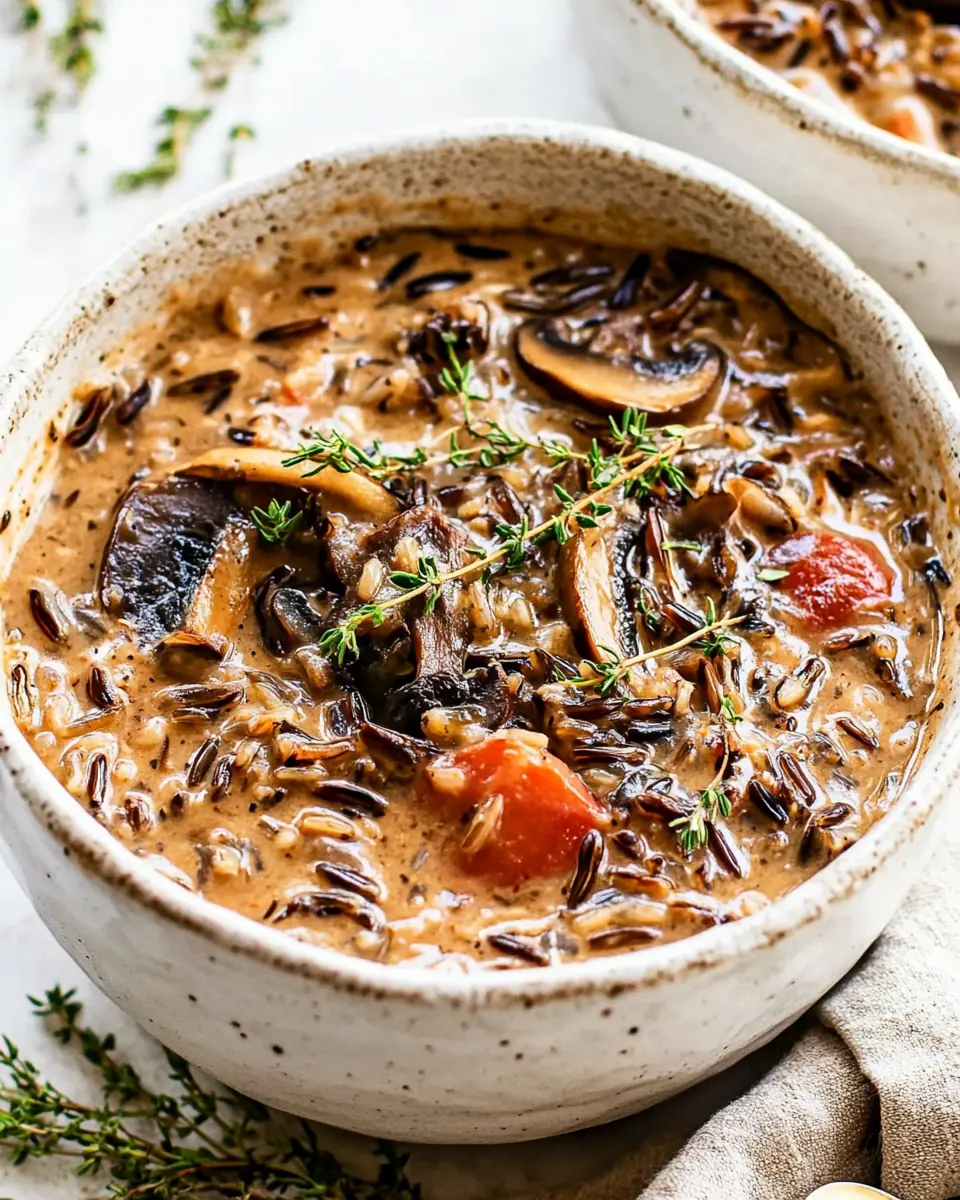
This soup benefits from small attentive moves that transform good into great. Below are practical tips I use every time I make Creamy Wild Rice and Mushroom Soup, expanded so you can apply them confidently.
- Build flavor in stages, brown the mushrooms first to develop deep umami, then cook the aromatics to create a layered base that makes the final soup taste more complex.
- Protect texture, use a wild rice blend for chew that stands up to long simmering, and stir more often late in the cook so the grains do not stick and scorch.
- Choose mushrooms thoughtfully, include a variety such as king oyster, shiitake, and portobello for different textures; avoid white button mushrooms which lack intensity.
- Control salt, add the concentrated beef base sparingly and always finish seasoning after the half and half so you do not over-salt the soup.
- Brighten at the end, a splash of balsamic and a squeeze of lemon juice lift the richness and balance the bowl beautifully.
- Make it dairy free or vegan, substitute olive oil or vegan butter and plant based creamers, and swap beef base for vegetable broth per dietary needs.
How to Serve Creamy Wild Rice and Mushroom Soup
Creamy Wild Rice and Mushroom Soup is versatile and hearty, so serving choices can range from casual family dinners to cozy seasonal gatherings. Below are thoughtful, practical serving ideas to highlight the soup’s rich texture and deep flavor.
- Serve with crusty bread, a warm country loaf or sourdough is excellent for dipping and soaking up the creamy broth, enhancing the comforting factor.
- Pair with a simple salad, a crisp green salad with a light vinaigrette offers a refreshing contrast to the soup’s richness and adds a bright textural counterpoint.
- Family dinner, portion the soup into warmed bowls and offer extra lemon wedges so guests can adjust brightness to their taste, making it a satisfying main for six people.
- Holiday or winter meal, this soup fits winter menus well, bringing earthy, warming flavors that pair nicely with roasted vegetables and oven roasted proteins.
- Storage tips, cool to room temperature, then refrigerate in an airtight container for up to four days. If freezing, omit the half and half and add it when reheating to preserve texture.
- Reheating, warm gently on the stove over medium-low heat, stirring occasionally and adding a splash of broth or milk if the soup has thickened too much after storage.
- Occasions, great for weeknight dinners, casual dinner parties, or a comforting bowl during Ramadan if served after Iftar to replenish energy with hearty grains and savory broth.
FAQ
Conclusion
This recipe stands out because it combines deep mushroom umami, chewy wild rice, and a silky finish into a single comforting bowl. Try it for a cozy weeknight meal or a casual gathering, and you will see how small techniques like patient browning and gentle simmering transform simple ingredients into something memorable. I hope you enjoy making and sharing this soup as much as I do; it rewards attention and tastes even better the next day.
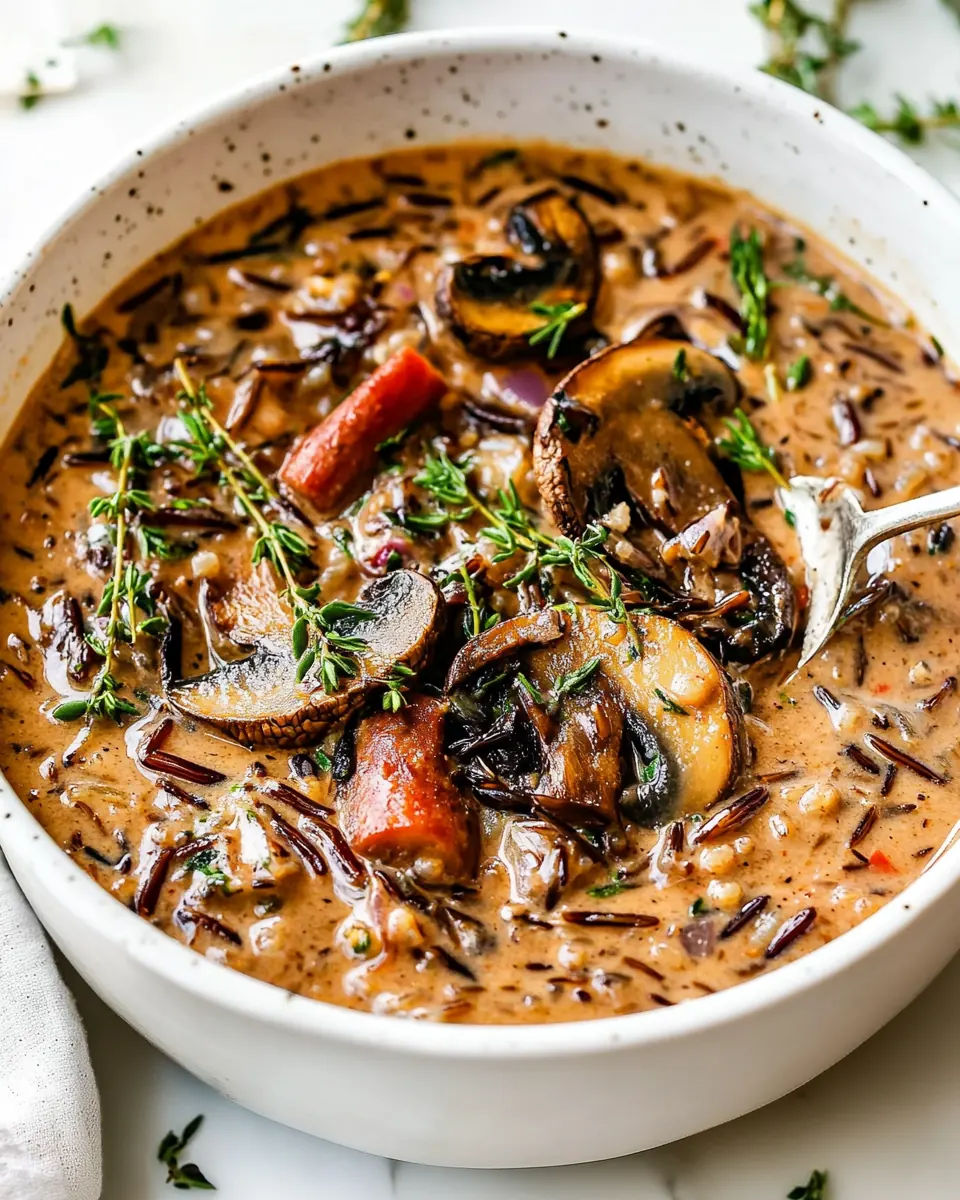
Creamy Wild Rice and Mushroom Soup
Ingredients
Equipment
Method
- Melt 2 tablespoons butter with 2 tablespoons olive oil in a large Dutch oven over medium-high heat. Add mushrooms and stir to coat then push into an even layer (not all mushrooms will be touching the bottom). Cook undisturbed until they turn deeply golden brown on the bottom, about 10 minutes. Add Worcestershire and continue to cook, stirring occasionally until the mushrooms are dark (but not burnt) and very dry, about 8 more minutes. Transfer to a bowl; don’t wipe out pot.: The pan will become fragrant with an earthy aroma as the mushrooms begin to brown, and you will hear a soft sizzle that quiets when the juices reduce. Pushing them into an even layer encourages Maillard reaction, giving deep golden color and concentrated flavor. When they release moisture, resist stirring too often, letting the bottom caramelize; then the added Worcestershire will deglaze and intensify the savory notes. A key sensory cue is that the mushrooms will smell nutty and look glossy before turning dry. If you stir constantly you will steam them instead of browning, so avoid that. Watch the heat to prevent spots from burning, and transfer them once they look dry and richly colored so they do not overcook in the pot.
- Reduce heat to medium and melt 2 tablespoons butter with 2 tablespoons olive oil. Add onions, carrots and celery and sauté until the onions are tender, 6-8 minutes. Add garlic, and all seasonings and cook one additional minute. Add flour and cook one additional minute, while stirring (it will be thick).: The softened onion , carrots , and celery will release a sweet, aromatic steam and the pan will sound lively with gentle bubbling. This is where the flavor base forms, so allow the vegetables to sweat and turn translucent, not brown. Adding the garlic and dried herbs briefly releases bright aromatic oils without permitting burning. When you stir in the flour , it should coat the vegetables and smell toasty rather than raw after a minute of cooking. This step thickens the soup so the final texture is velvety. If the mixture smells floury, cook a bit longer to eliminate that raw taste. Stir constantly while the flour cooks to avoid lumps.
- Add the mushrooms back to the pot followed by the wild rice blend and beef base. Add the water while stirring to scrape up the bits from the bottom of the pan.: Returning the browned mushrooms and adding the grain and beef base builds layers of flavor. When you add the water , use a wooden spoon to scrape the fond from the bottom, those brown bits dissolve and enrich the broth. You will see the liquid pick up a deep brown color and the aroma will shift to a concentrated, meaty scent. Stirring as you add water ensures the rice is distributed evenly and the bouillon dissolves. If you do not scrape well, some of that flavor will remain stuck and the soup will be less complex, so take a moment to deglaze thoroughly.
- Cover and bring to a boil, then reduce heat to LOW. Simmer, covered, until rice is tender, 45-60 minutes, stirring occasionally and replacing the lid. Stir more often after 30 minutes so the bottom doesn’t stick and burn as the soup reduces/thickens quite a bit.: As the pot comes to a boil the steam will smell savory and the surface may ripple gently. Lowering to low ensures a steady, gentle simmer where the wild rice slowly hydrates and swells. You will notice the broth gradually darkening and the aroma becoming deeper. After about 30 minutes, the soup will visibly reduce and thicken, so stir more often to prevent sticking and check the rice for tenderness. A sign the rice is done is when the grains are tender with a slight bite, not chalky. Avoid turning the heat too high to speed things up, because vigorous boiling can toughen rice and cause the bottom to scorch.
- Stir in half and half and balsamic vinegar followed by lemon juice to taste. Season with salt and pepper to taste. Dig in!: When you add the half and half , the aroma will become creamier and the surface smooth out; the soup should look glossy and coat a spoon. The small splash of balsamic brightens the deep flavors and the lemon juice lifts the bowl with freshness. After seasoning with salt and pepper , taste and adjust carefully because the concentrated broth can become salty quickly. If the dairy cools the pot too much, gently rewarm on low while stirring. Common errors here are adding too much acid or salt at once; add gradually and taste between additions.
Notes
- Build flavor in stages, brown the mushrooms first to develop deep umami, then cook the aromatics to create a layered base that makes the final soup taste more complex.
- Protect texture, use a wild rice blend for chew that stands up to long simmering, and stir more often late in the cook so the grains do not stick and scorch.
- Choose mushrooms thoughtfully, include a variety such as king oyster, shiitake, and portobello for different textures; avoid white button mushrooms which lack intensity.
- Control salt, add the concentrated beef base sparingly and always finish seasoning after the half and half so you do not over-salt the soup.
- Brighten at the end, a splash of balsamic and a squeeze of lemon juice lift the richness and balance the bowl beautifully.
- Make it dairy free or vegan, substitute olive oil or vegan butter and plant based creamers, and swap beef base for vegetable broth per dietary needs.