Cornbread Muffins
Cornbread Muffins have been a kitchen staple in my house for years, a warm, crumbly comfort that always brings people to the table. The first time I made these I remember the cozy scent of cornmeal and butter mingling in the air while my kids debated who would get the first still-warm muffin. I like how simple ingredients come together to produce something more than the sum of its parts, and these muffins became my go to when I needed something satisfying fast that still felt homemade and thoughtful.
On weekends I often bake a batch just to have on hand for breakfast or to tuck into lunchboxes. I love the textural contrast between the slightly grainy cornmeal and the tender crumb from the flours. Sometimes I slice one open and spread a little softened butter, and the steam releases a sweet, toasty aroma that’s impossible to resist. Over time I learned small tricks, like letting the batter rest, that lift the crumb and make the tops pleasantly crisp.
Recipe Snapshot
35 mins
10 mins
25 mins
Easy
200 kcal
American
Gluten-Free, Vegan
Breakfast
Mixing bowl, Wooden spoon, Muffin tin, Measuring cups, Wire rack
Why This Cornbread Muffins Works
Classic Comfort with a Simple Ingredient List
I adore how Cornbread Muffins lean on pantry staples, yet taste like something special. With straightforward items such as cornmeal, flour, eggs, and milk, you can pull together a batch quickly. I value recipes that respect good ingredients and do not overwhelm them, and these muffins do exactly that.
Great Texture, Every Time
One of the reasons I keep making these is the texture contrast. The medium grind cornmeal gives gentle crunch, while the combination of whole wheat pastry and all purpose flour keeps the crumb tender and not overly dense. When baked correctly the tops get a light crisp that pairs wonderfully with a soft interior, and that balance always wins compliments when I serve them.
Flexibility for Everyday Meals
These muffins work for breakfast, as a side at dinner, or for packing into school lunches. I often adapt the batch size depending on the week, and the recipe holds up well whether eaten warm or at room temperature. Because they are not overly sweet, they pair well with both savory bowls and sweet toppings, which makes them my go to when I want one recipe to cover several meals.
Technique That Makes a Difference
I appreciate how small techniques like letting the batter rest and using room temperature eggs and warm but not hot melted butter improve the final result. These are not fussy steps, but they matter. When I follow them, the crumb is lighter and the muffins rise more evenly, which makes them look as good as they taste.
Family Friendly and Approachable
Lastly, these Cornbread Muffins are kid friendly and approachable for novice bakers. I’ve coached many friends through their first muffin batch using this formula, and they always end the bake feeling accomplished. That accessibility is part of their charm for me, because food that invites people in is what cooking is all about.
Ingredients for Cornbread Muffins
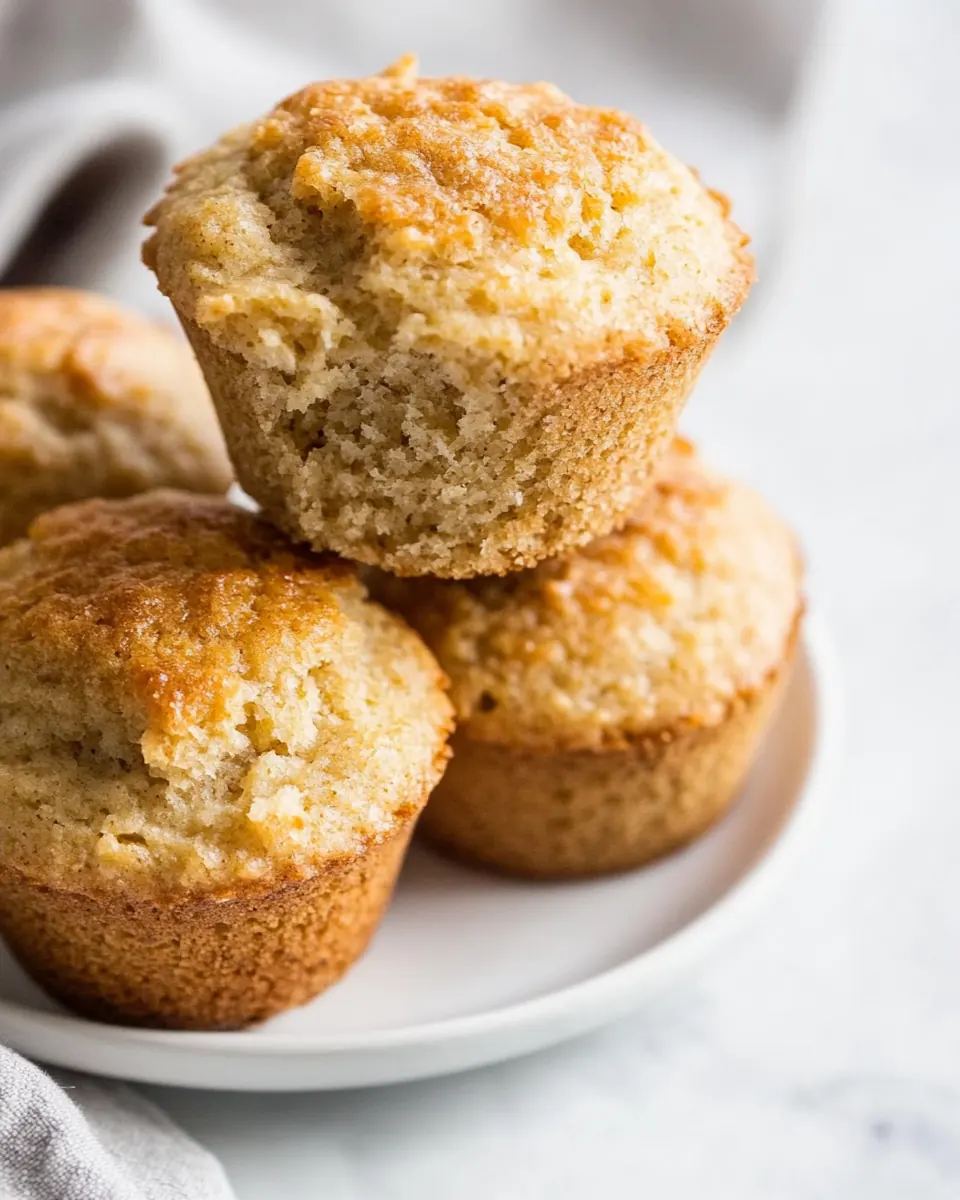
These ingredients work in concert to create a moist, slightly sweet muffin with a toasty corn flavor and tender crumb. The cornmeal gives character and texture, the flours provide structure, leavening lifts the batter, and the wet ingredients bind everything while adding richness. Each element plays a clear role, and together they strike a pleasing balance between heartiness and tenderness.
- 1 cup yellow cornmeal (suggested: medium grind, but do not use coarse): Adds a slightly gritty texture and classic corn flavor while providing structure and golden color; medium grind offers a pleasant mouthfeel without being overly coarse. Helps absorb liquid and disperse corn flavor evenly throughout the batter for balanced texture.
- 1 1/2 cups whole wheat pastry flour or white whole wheat flour: Contributes tender crumb and subtle whole-grain flavor while keeping muffins lighter than regular whole wheat; pastry or white whole wheat flour reduces heaviness. Adds fiber and nutrients and helps create a more tender, cake-like texture.
- 1 1/2 cups all-purpose flour: Provides primary gluten structure and neutral flavor to give the muffins lift and stability when combined with leavening. Balances whole-grain flours to produce a soft crumb and predictable baking performance.
- 2 tablespoons baking powder: Leavens the batter by producing carbon dioxide when heated, creating rise and lightness; measured amount ensures consistent muffin height. Also helps with oven spring and tender crumb when properly mixed into the dry ingredients.
- 1/2 cup granulated sugar: Adds sweetness to balance cornmeal savoriness and enhance browning; helps caramelize the muffin tops for appealing color. Also contributes to tender texture by interacting with the wet ingredients.
- 1 1/2 teaspoons kosher salt: Enhances overall flavor and balances sweetness, while aiding in gluten development control for proper dough handling. Measured kosher salt brings out the corn and wheat flavors without making the muffins salty.
- 2 large eggs at room temperature: Binds ingredients, adds richness, and contributes to structure through coagulation of proteins; room temperature eggs blend more evenly into batter. Also helps trap air whipped into the mixture for better rise and texture.
- 1/2 cup unsweetened applesauce: Replaces some fat while adding moisture and natural sweetness; applesauce contributes tenderness and reduces overall fat content. Helps keep muffins moist during storage and can enhance shelf life slightly.
- 1/4 cup unsalted butter melted and cooled: Adds richness, flavor, and a tender mouthfeel by contributing fat; melted and cooled butter disperses evenly without cooking the eggs. Provides butter flavor and aids in browning while cooperating with applesauce for moistness.
- 1 1/2 cups skim milk: Provides liquid to hydrate flours and activate baking powder while keeping muffins lower in fat; skim milk delivers necessary moisture and light dairy flavor. Contributes to batter consistency and aids in proper leavening activation.
Instructions for Cornbread Muffins
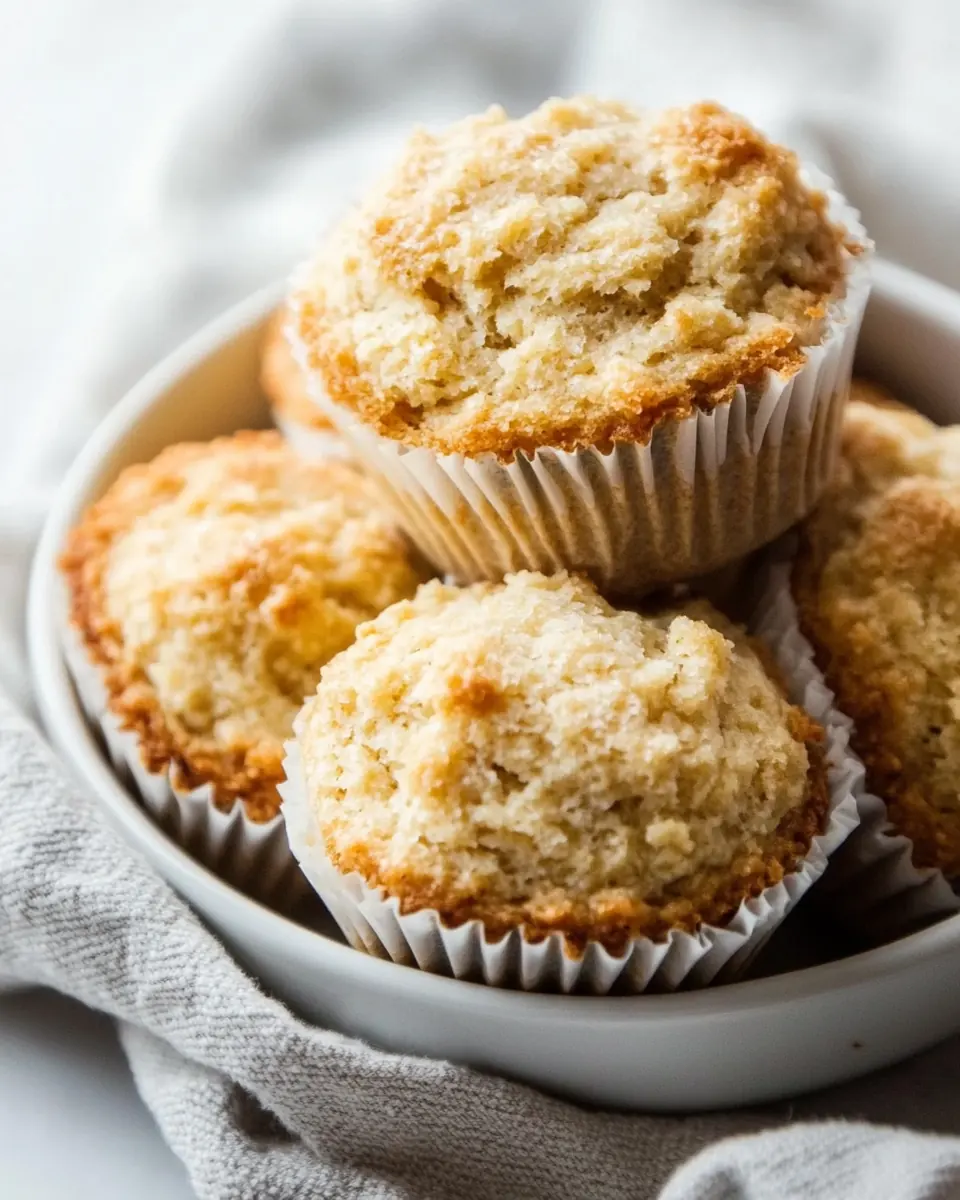
These directions are straightforward, and I like to move through them with a calm rhythm. Read through the steps once, gather your bowls and measuring tools, then follow along. The process emphasizes gentle mixing and attention to temperature for the best rise and tender crumb.
- In a large mixing bowl, combine the cornmeal, whole wheat pastry flour, all-purpose flour, baking powder, sugar and salt in a large bowl. In a separate bowl, mix together the milk, eggs, applesauce, and melted, cooled butter.: The scent at this stage is subtly grainy and bready, and when you whisk the dry ingredients together you create an even base so that the leavening and salt are distributed uniformly. I like to sift the flours together or at least stir vigorously so there are no pockets of baking powder that could cause uneven bubbling. A common mistake is to skip this step and end up with flat spots or uneven texture, so take your time blending the dry mix until it looks homogenous and feels light when you lift the spoon.
- Slowly pour the wet ingredients into the dry ingredients, and stir with a wooden spoon, until they are just blended. Do not over mix. Allow the mixture to rest at room temperature for 20 minutes.: When you whisk the wet ingredients you should notice a glossy sheen and a smooth, slightly viscous texture from the applesauce . The aroma of butter will be present but not overwhelming because it is cooled, which prevents cooking the eggs . Combining the liquids gently prevents over incorporation of air, which could make the batter fragile. Avoid using hot butter, which can scramble the eggs and ruin the texture; if that happens your batter can become lumpy and will not bake evenly.
- Meanwhile, preheat the oven to 350 degrees F. Line a 12-cup muffin tin with paper liners or lightly grease with cooking spray. Spoon the batter into the tin, filling each one just to the top.: At this point the batter will look slightly lumpy and thick, with visible flecks of cornmeal . The key is to stop stirring once you no longer see dry streaks because over mixing develops gluten and yields tough muffins. You will feel resistance when stirring, and the sound is a soft scraping rather than vigorous sloshing. A frequent error is to over mix in hopes of perfect smoothness, so resist that urge and accept a few lumps for a tender crumb.
- Bake the corn muffins for 23-25 minutes, until the tops are lightly crisp and a toothpick inserted in the center comes out clean. Let cool for 5 minutes in the pan, then gently transfer to a wire rack to cool completely…or enjoy them warm right away.: After the batters are combined the surface should be cohesive but not glossy like cake batter, and the interior will hold together when scooped. This restraint preserves the tender mouthfeel we want. If you overwork the batter it becomes elastic and dense; signs include strings when you lift the spoon and a heavy pour. If that happens the muffins may rise poorly and be gummy inside, so mix with gentle strokes only.
- Allow the mixture to rest at room temperature for 20 minutes: Resting lets the cornmeal hydrate and the flours absorb liquid, producing a more unified batter and improving texture. You will notice the batter relaxes, thickens slightly, and the cornmeal swells, making the muffins less likely to crumble. This pause also helps the baking powder begin to act so the oven spring is more effective. Skipping this rest often yields a coarser crumb and can reduce volume, so try not to rush it.
- Meanwhile, preheat the oven to 350 degrees F: As the oven comes up to temperature you will smell a faint warmth in the air and the heating elements will settle into a steady glow. A properly preheated oven ensures even rise and consistent browning of the muffin tops. If you skip preheating or put muffins into a cold oven they will cook unevenly and likely spread rather than dome. Use an oven thermometer if your oven runs hot or cold, since many ovens are off by several degrees.
- Line a 12 cup muffin tin with paper liners or lightly grease with cooking spray: When the tins are prepared the batter releases cleanly after baking, and the liners help prevent sticking while creating a tidy presentation. Greasing is fine, but liners make storing and serving easier. A common oversight is to underprepare the tin, which can lead to muffins sticking and tearing when removed, so ensure each cup is lined or well greased before filling.
- Spoon the batter into the tin, filling each one just to the top: The batter will feel thick but spoonable, and filling to the top gives full, bakery style crowns. As you fill, the surface should be glossy and slightly pebbled from the cornmeal . Avoid overfilling which can cause the muffins to overflow, and underfilling which yields small, flat muffins. I like to use an ice cream scoop for consistency so each muffin bakes evenly.
- Bake the corn muffins for 23 to 25 minutes, until the tops are lightly crisp and a toothpick inserted in the center comes out clean: The oven will produce a warm, toasty aroma of butter and corn as the tops brown. Look for a pale golden color and a slight spring back when pressed. The toothpick test should show no wet batter, only moist crumbs. Opening the oven too frequently to check can cause uneven rise, so trust the timing window and check near the end. If muffins brown too quickly, tent them lightly with foil to avoid overbronning while allowing the centers to finish baking.
- Let cool for 5 minutes in the pan, then gently transfer to a wire rack to cool completely…or enjoy them warm right away: Cooling briefly in the pan lets the crumb set so the muffins do not fall apart, and transferring to a rack prevents soggy bottoms by allowing air to circulate. Warm muffins are especially aromatic, with melted butter and steam adding to their appeal, but cooling makes slicing and storage neater. A typical mistake is leaving them in the hot pan too long which traps steam and softens the exterior, so move them after the short rest for the best texture.
Make It Your Own
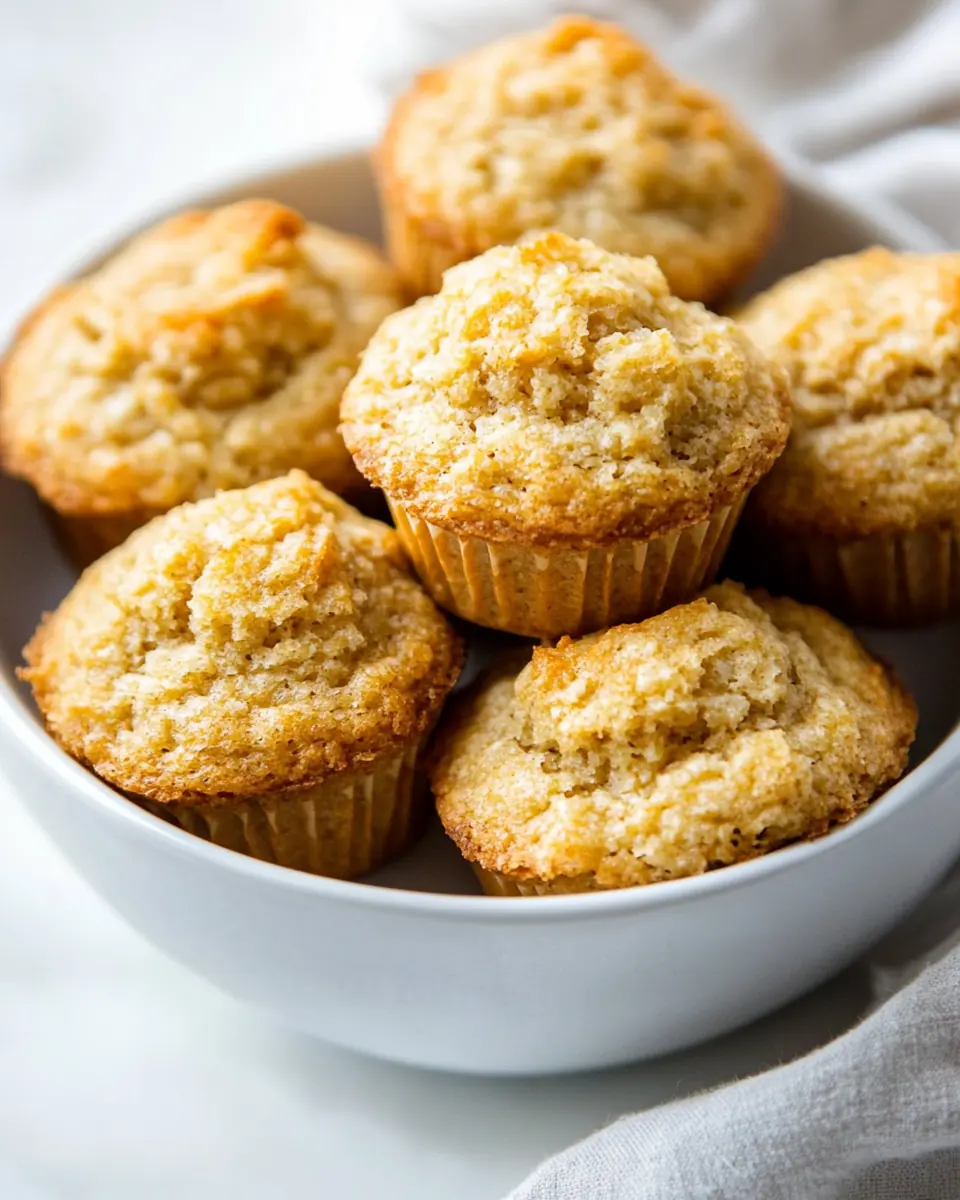
I like to think of these tips as ways to gently personalize the muffins without losing what makes them reliably good. Small adjustments in technique and timing can change texture and flavor, so here are practical ideas to make the recipe fit your tastes and routine.
- Jam filled variation — Follow the recipe as written, then cool the muffins and fill with seedless raspberry preserves using a pastry bag and round tip, squeezing 1 to 2 tablespoons into each muffin for a sweet surprise in the center.
- Storage tip — Store leftover muffins in an airtight container at room temperature for up to 2 days to keep the crumb fresh and avoid drying out.
- Freezing method — Freeze muffins on a baking sheet until solid, then transfer to an airtight freezer bag for up to 3 months; thaw at room temperature or warm gently in the oven.
- Measuring accuracy — Spoon and level the flours into the cup when measuring to prevent a dense batter from too much dry ingredient.
- Consistent portions — Use an ice cream scoop to portion batter into the tin for uniformly sized muffins and even baking.
Great Combinations for Cornbread Muffins
These muffins are versatile and can be served many ways depending on the meal and occasion. Below I outline pairings and serving ideas, plus storage and seasonal suggestions to help you plan a menu around them.
- Breakfast pairing — Serve warm with softened butter or a thin spread of jam for a simple, satisfying morning that complements coffee or tea.
- Brunch idea — Pair with a bowl of fresh fruit and yogurt for a balanced brunch plate where the muffins add substance without overpowering lighter components.
- Weeknight side — These muffins work well alongside soups, stews, or chili; their slightly sweet corn flavor contrasts nicely with savory, spiced mains.
- Lunchbox option — Pack a muffin with a sandwich and crisp veggie sticks for a portable meal that is kid friendly and holds up well at room temperature.
- Holiday use — Include as a bread option on a casual holiday table where they complement roasted vegetables and hearty mains.
- Serving tip — Warm briefly in the oven before serving to revive a fresh baked quality and release aromatic buttery notes.
- Storage note — Keep in an airtight container for up to 2 days at room temperature, or freeze for longer storage and thaw as needed.
FAQ
Conclusion
These Cornbread Muffins are special because they combine simple pantry ingredients into a tender, slightly sweet muffin with a delightful cornmeal texture. They are approachable to bake, adaptable for different meals, and reliably satisfying whether served warm or at room temperature. Give them a try this week; I think you will find they become a dependable recipe to turn to when you want something wholesome, quick, and comforting.
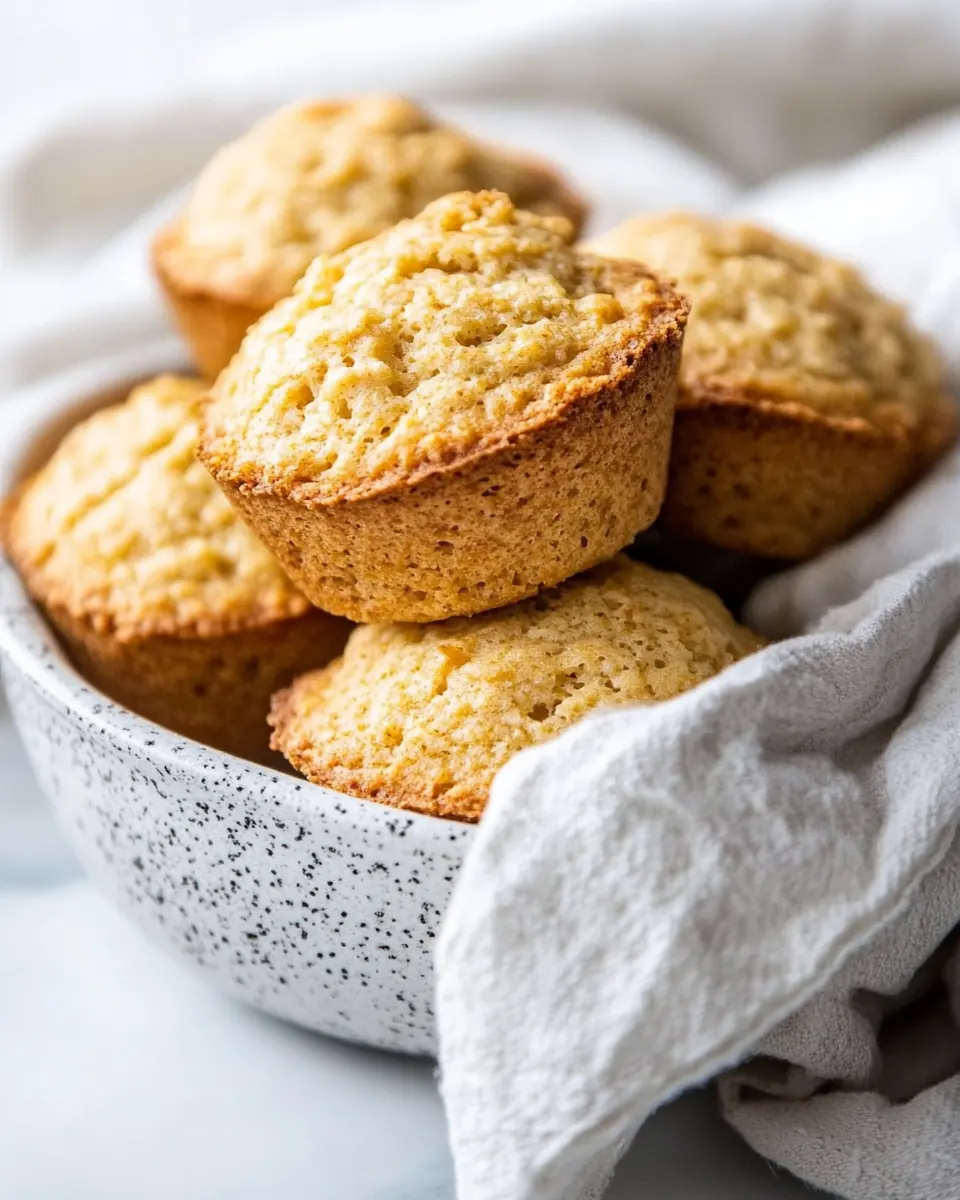
Cornbread Muffins
Ingredients
Equipment
Method
- In a large mixing bowl, combine the cornmeal, whole wheat pastry flour, all-purpose flour, baking powder, sugar and salt in a large bowl. In a separate bowl, mix together the milk, eggs, applesauce, and melted, cooled butter.: The scent at this stage is subtly grainy and bready, and when you whisk the dry ingredients together you create an even base so that the leavening and salt are distributed uniformly. I like to sift the flours together or at least stir vigorously so there are no pockets of baking powder that could cause uneven bubbling. A common mistake is to skip this step and end up with flat spots or uneven texture, so take your time blending the dry mix until it looks homogenous and feels light when you lift the spoon.
- Slowly pour the wet ingredients into the dry ingredients, and stir with a wooden spoon, until they are just blended. Do not over mix. Allow the mixture to rest at room temperature for 20 minutes.: When you whisk the wet ingredients you should notice a glossy sheen and a smooth, slightly viscous texture from the applesauce . The aroma of butter will be present but not overwhelming because it is cooled, which prevents cooking the eggs . Combining the liquids gently prevents over incorporation of air, which could make the batter fragile. Avoid using hot butter, which can scramble the eggs and ruin the texture; if that happens your batter can become lumpy and will not bake evenly.
- Meanwhile, preheat the oven to 350 degrees F. Line a 12-cup muffin tin with paper liners or lightly grease with cooking spray. Spoon the batter into the tin, filling each one just to the top.: At this point the batter will look slightly lumpy and thick, with visible flecks of cornmeal . The key is to stop stirring once you no longer see dry streaks because over mixing develops gluten and yields tough muffins. You will feel resistance when stirring, and the sound is a soft scraping rather than vigorous sloshing. A frequent error is to over mix in hopes of perfect smoothness, so resist that urge and accept a few lumps for a tender crumb.
- Bake the corn muffins for 23-25 minutes, until the tops are lightly crisp and a toothpick inserted in the center comes out clean. Let cool for 5 minutes in the pan, then gently transfer to a wire rack to cool completely…or enjoy them warm right away.: After the batters are combined the surface should be cohesive but not glossy like cake batter, and the interior will hold together when scooped. This restraint preserves the tender mouthfeel we want. If you overwork the batter it becomes elastic and dense; signs include strings when you lift the spoon and a heavy pour. If that happens the muffins may rise poorly and be gummy inside, so mix with gentle strokes only.
- Allow the mixture to rest at room temperature for 20 minutes: Resting lets the cornmeal hydrate and the flours absorb liquid, producing a more unified batter and improving texture. You will notice the batter relaxes, thickens slightly, and the cornmeal swells, making the muffins less likely to crumble. This pause also helps the baking powder begin to act so the oven spring is more effective. Skipping this rest often yields a coarser crumb and can reduce volume, so try not to rush it.
- Meanwhile, preheat the oven to 350 degrees F: As the oven comes up to temperature you will smell a faint warmth in the air and the heating elements will settle into a steady glow. A properly preheated oven ensures even rise and consistent browning of the muffin tops. If you skip preheating or put muffins into a cold oven they will cook unevenly and likely spread rather than dome. Use an oven thermometer if your oven runs hot or cold, since many ovens are off by several degrees.
- Line a 12 cup muffin tin with paper liners or lightly grease with cooking spray: When the tins are prepared the batter releases cleanly after baking, and the liners help prevent sticking while creating a tidy presentation. Greasing is fine, but liners make storing and serving easier. A common oversight is to underprepare the tin, which can lead to muffins sticking and tearing when removed, so ensure each cup is lined or well greased before filling.
- Spoon the batter into the tin, filling each one just to the top: The batter will feel thick but spoonable, and filling to the top gives full, bakery style crowns. As you fill, the surface should be glossy and slightly pebbled from the cornmeal . Avoid overfilling which can cause the muffins to overflow, and underfilling which yields small, flat muffins. I like to use an ice cream scoop for consistency so each muffin bakes evenly.
- Bake the corn muffins for 23 to 25 minutes, until the tops are lightly crisp and a toothpick inserted in the center comes out clean: The oven will produce a warm, toasty aroma of butter and corn as the tops brown. Look for a pale golden color and a slight spring back when pressed. The toothpick test should show no wet batter, only moist crumbs. Opening the oven too frequently to check can cause uneven rise, so trust the timing window and check near the end. If muffins brown too quickly, tent them lightly with foil to avoid overbronning while allowing the centers to finish baking.
- Let cool for 5 minutes in the pan, then gently transfer to a wire rack to cool completely…or enjoy them warm right away: Cooling briefly in the pan lets the crumb set so the muffins do not fall apart, and transferring to a rack prevents soggy bottoms by allowing air to circulate. Warm muffins are especially aromatic, with melted butter and steam adding to their appeal, but cooling makes slicing and storage neater. A typical mistake is leaving them in the hot pan too long which traps steam and softens the exterior, so move them after the short rest for the best texture.
Notes
- Jam filled variation — Follow the recipe as written, then cool the muffins and fill with seedless raspberry preserves using a pastry bag and round tip, squeezing 1 to 2 tablespoons into each muffin for a sweet surprise in the center.
- Storage tip — Store leftover muffins in an airtight container at room temperature for up to 2 days to keep the crumb fresh and avoid drying out.
- Freezing method — Freeze muffins on a baking sheet until solid, then transfer to an airtight freezer bag for up to 3 months; thaw at room temperature or warm gently in the oven.
- Measuring accuracy — Spoon and level the flours into the cup when measuring to prevent a dense batter from too much dry ingredient.
- Consistent portions — Use an ice cream scoop to portion batter into the tin for uniformly sized muffins and even baking.