Gluten Free Cream Of Mushroom Soup
Gluten Free Cream Of Mushroom Soup has been one of those recipes I reach for when a chilly evening calls for something soothing and honest. The first time I made it I remember the kitchen filling with the warm, earthy perfume of sautéing mushrooms, and I felt like I had wrapped a soft blanket around the table. From that day on it became my quiet comfort, something I turn to when I want to cook with purpose, not fuss.
I often serve this soup when friends drop by unexpectedly, because it comes together without drama yet tastes like you spent the afternoon tending a pot. I love how the texture balances between velvety and rustic, a spoonful that carries little flecks of browned mushroom and the gentle silk of evaporated milk. Over time I learned a few small tricks that keep the flavor bright and the mouthfeel creamy, and those are the touches I enjoy sharing with people who sit at my table.
Recipe Snapshot
35 mins
10 mins
25 mins
Easy
150 kcal
American
Gluten-Free, Keto
Soups
Large saucepan, Immersion blender, Whisk
Why This Gluten Free Cream Of Mushroom Soup Hits Different
Comforting texture that does not compromise
I adore how Gluten Free Cream Of Mushroom Soup manages to be luxuriously creamy while staying light. The combination of sautéed mushrooms and a simple roux made with gluten free flour gives body without heaviness. You get that smooth mouthfeel that comforts, plus distinct mushroom bits when you want them, so it never feels one dimensional.
Fast, weeknight friendly
I make this soup on busy evenings because it moves from pan to bowl in about half an hour. The technique is straightforward, and the payoff is immediate. Because the recipe relies on pantry friendly items like vegetable broth and evaporated milk, it saves time without sacrificing flavor, which is why I often call it my weeknight secret.
Naturally inclusive
It’s a recipe that welcomes restrictions. By using gluten free flour and a vegetable broth, it fits into many diets while remaining deeply satisfying. I like how accommodating that is, I can bring it to a friend’s house and not worry about leaving anyone out.
Big mushroom flavor
The heart of the soup is the mushrooms. I like to let them brown well, because that caramelization adds savory depth that an extra splash of seasoning cannot replicate. When you take the time to sauté properly, the soup’s flavor becomes rich and layered, not just creamy.
Versatile serving options
You can puree the whole batch for a silky finish or leave chunks for a more rustic bowl. I enjoy both approaches depending on the mood of the meal. Either way, the recipe adapts, and that flexibility is one of the reasons it has stuck around in my rotation.
Main Ingredients for Gluten Free Cream Of Mushroom Soup
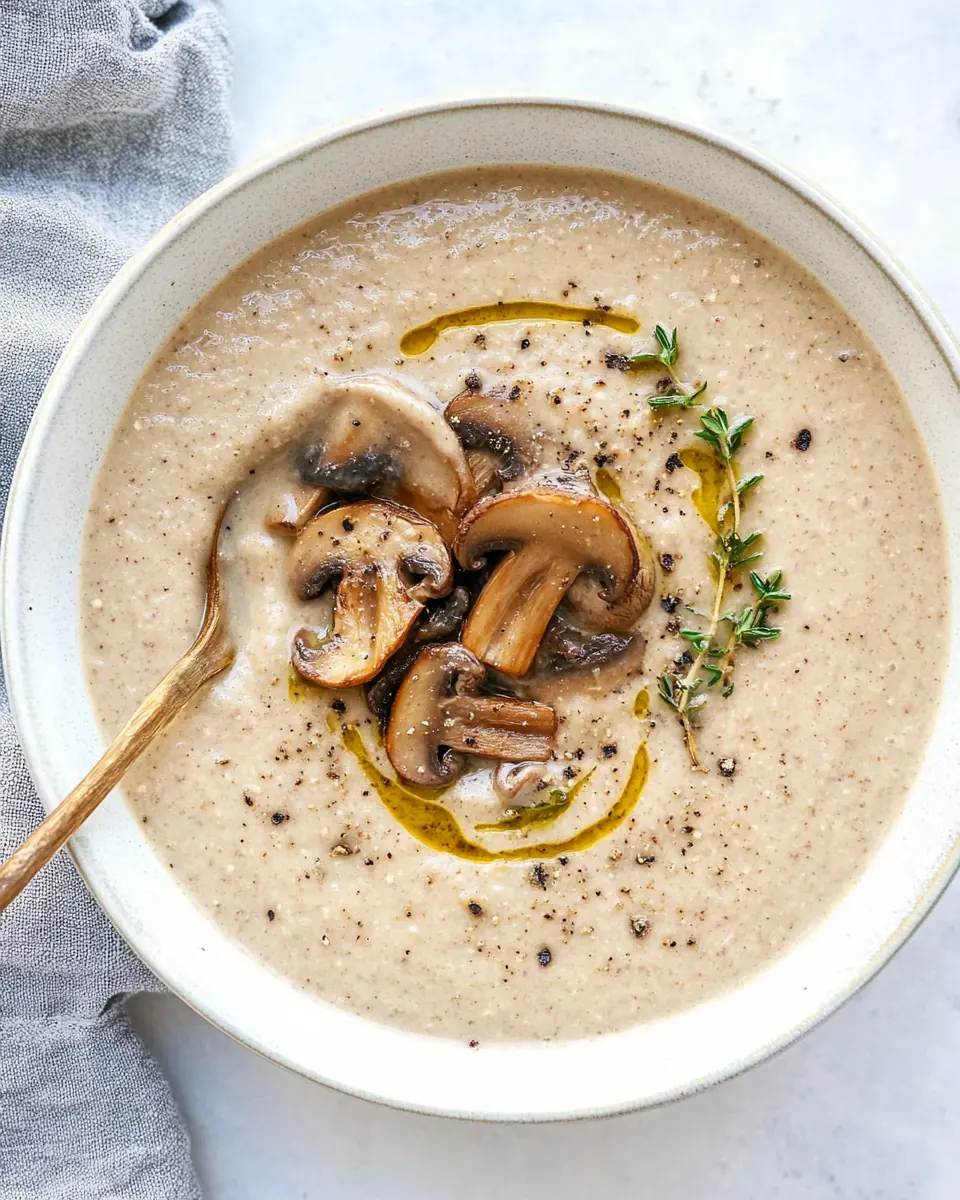
These ingredients are deliberately simple, working together to build a balanced soup. The mushrooms provide the savory backbone, the shallot adds a sweet, aromatic lift, and the fat from butter carries the flavors. The gluten free flour creates structure in the roux, while vegetable broth and evaporated milk blend to form a creamy, silky body that tastes much richer than the ingredient list suggests.
- 1 tablespoon olive oil: Sauté to develop flavor and provide a cooking medium; olive oil helps brown mushrooms and carry aromatics, lending a subtle fruitiness to the soup. Maintain medium heat to prevent burning and preserve its healthy monounsaturated fat profile.
- 1 pound fresh mushrooms sliced: Slice to maximize surface area and release moisture; fresh mushrooms contribute earthy umami and a meaty texture that forms the soup’s main body. Cook down to concentrate flavor and integrate with the butter and shallot for depth.
- 1 small shallot finely chopped: Finely chop to disperse mild onion-like sweetness and bright aromatic notes throughout the soup; shallot balances the mushrooms without overpowering. Gently cook to soften and release sugars that enhance overall savory complexity.
- 3 tablespoons unsalted butter: Melt to build richness and a silky mouthfeel; unsalted butter provides fat that carries flavor and helps form the roux when combined with flour. Add gradually to control browning and adjust seasoning separately since it is unsalted.
- 3 tablespoons gluten-free flour: Whisk in to thicken the soup and create a smooth roux; gluten–free flour binds liquids and gives body without gluten. Cook briefly with butter to eliminate raw starch taste and ensure a velvety consistency.
- 3/4 teaspoon kosher salt: Season to enhance overall taste and balance flavors; kosher salt brightens the natural umami of mushrooms and strengthens aromatics. Add incrementally and taste as the soup reduces to avoid over-salting.
- 1/4 teaspoon ground black pepper: Season to provide mild heat and aromatic lift; ground black pepper complements the earthiness of mushrooms and adds a subtle bite. Grind fresh for best aroma and add near the end to preserve volatile oils.
- 1 1/2 cups vegetable broth (gluten-free): Pour in to form the flavorful liquid base; vegetable broth adds savory depth and dilutes the roux for proper soup texture while keeping the recipe vegetarian-friendly. Use gluten–free labeled broth to maintain the recipe’s dietary restrictions.
- 1 cup evaporated milk: Stir in to add creaminess and a concentrated dairy richness; evaporated milk thickens without curdling and gives a smooth, slightly caramelized milk flavor. Heat gently after adding to prevent separation and create a luxurious finish.
Preparation Steps for Gluten Free Cream Of Mushroom Soup
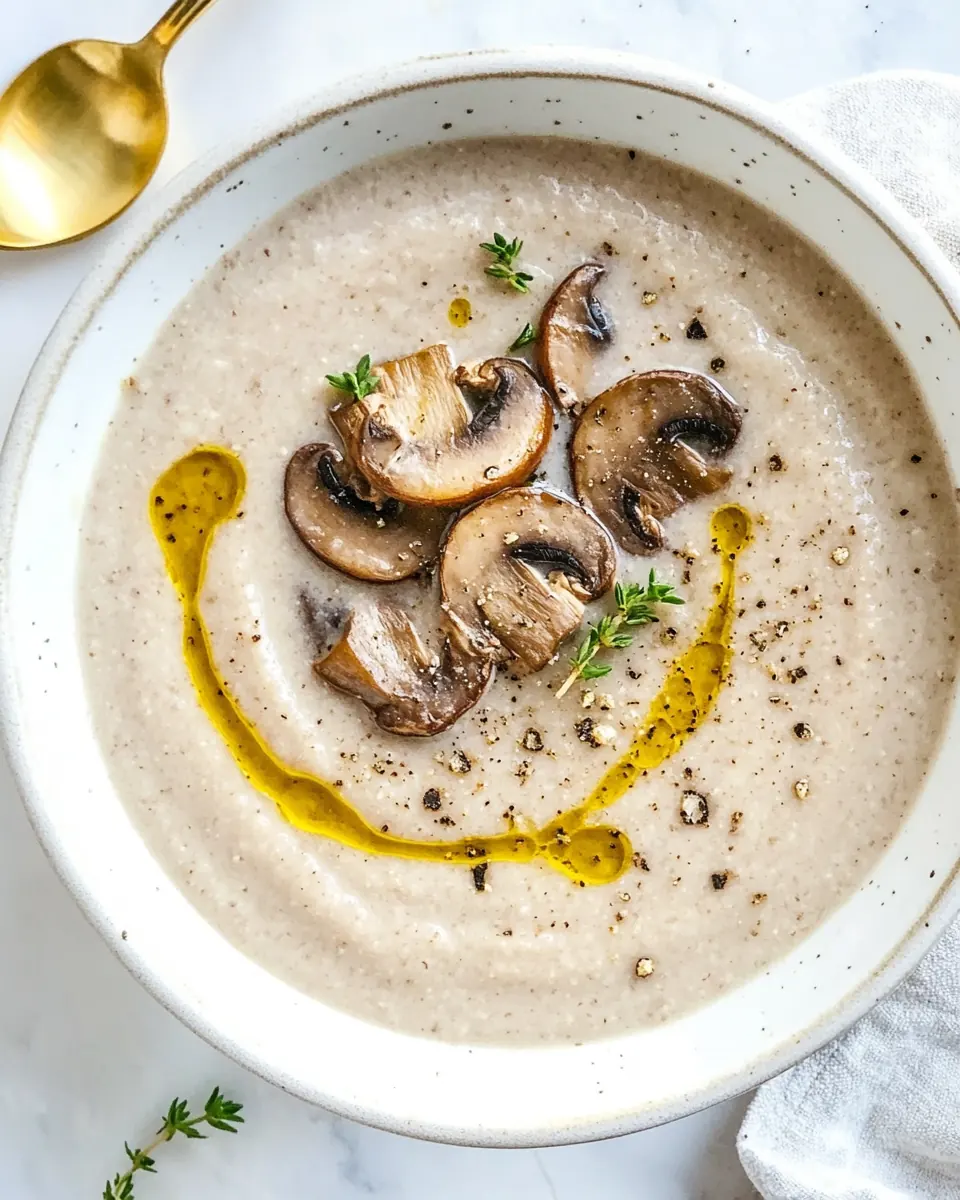
This soup comes together with a few straightforward techniques, each one building a layered flavor. I like to move deliberately through sautéing, making a roux, and simmering, because each stage invites specific sensory cues that let you know you are on the right track.
- In a large saucepan, heat olive oil over medium heat. Add mushrooms and shallot, sauté until tender, about 5 minutes.: The pan will first smell faintly fruity as the olive oil warms, and you should see it shimmer when it reaches the right temperature. This gentle heat sets the stage for a proper sauté, allowing the mushrooms to release moisture then brown. If the oil smokes, the pan is too hot, which will char the shallot and create bitter notes. A common pitfall is starting cold and waiting too long to add aromatics, which leads to uneven cooking rather than the clean, sizzling sound that signals proper contact with the pan.
- Add butter to the saucepan. Once melted, stir in gluten-free flour, salt, and pepper. Cook for 2 minutes until the mixture forms a paste.: As the mushrooms hit the pan you will hear a lively sizzle and smell an immediate earthy aroma. They will first exude liquid, then that liquid will evaporate and the mushrooms will begin to brown, developing nutty, caramelized edges. The shallot will soften and become translucent, contributing a sweet, rounded scent. Stir occasionally to encourage even browning, but avoid constant stirring which prevents proper color development. A common mistake is overcrowding the pan so the mushrooms steam instead of brown, which flattens flavor.
- Gradually add vegetable broth to the roux, whisking continuously. Stir in evaporated milk and bring to a simmer. Cook until the soup reduces and thickens, about 15 minutes.: When you add the butter it will foam and then melt into a glossy pool, carrying the fond from the pan and enriching the aroma. This is the moment when the pan smells warmly savory. You want the butter melted but not browned, because too much color will change the roux’s flavor. If the butter starts to brown too quickly, lower the heat; burnt butter makes the soup taste off.
- Use an immersion blender to blend the soup (or a portion of it if you want to leave some mushroom chunks). Add more broth or hot water to thin the soup to your desired thickness if needed.: The flour will absorb the melted butter and become a paste that clings to the mushrooms, creating the foundation for a silky body. You will want to cook this mixture for a short time until it loses its raw flour scent and becomes slightly glossy. During this brief cook, the aroma shifts from raw starch to a toasted, nutty note. Stir constantly to avoid lumps. A frequent error here is undercooking the roux which leaves a grainy texture, or overcooking it until it darkens, which alters flavor and may make the soup too thick.
- Cook for 2 minutes until the mixture forms a paste: This short cook melds the gluten free flour and butter together, and you should notice the paste smooth out and firm slightly. The surface will take on a satin sheen, and the raw flour smell will evaporate, leaving a toasty undertone. This is crucial because it prevents a pasty aftertaste. If you smell any raw starch, continue to cook very briefly, but be mindful not to let the roux brown excessively.
- Gradually add vegetable broth to the roux, whisking continuously: As you whisk in the warm vegetable broth , steam and a comforting, savory aroma will rise. The whisking binds the liquid to the roux, creating a smooth, glossy sauce rather than a lumpy one. Keep the broth at a warm temperature if possible, because cold liquid can shock the roux and create lumps. A common troubleshooting tip is to pour slowly and whisk vigorously at first, and if small lumps form, press them against the side of the pan with the whisk to break them up.
- Stir in evaporated milk and bring to a simmer: When the evaporated milk joins the pot, the soup takes on a creamier scent and a silkier texture. Bring the mixture to a gentle simmer rather than a rolling boil to avoid curdling and to allow flavors to meld. You should see small bubbles forming along the edge and a gentle steam rising, signaling the right temperature. If the soup begins to bubble aggressively, reduce the heat, because too much agitation can make the texture uneven.
- Cook until the soup reduces and thickens, about 15 minutes: During this simmer the aroma concentrates and the soup will thicken as water evaporates, leaving a richer mouthfeel. Stir occasionally to ensure even heat distribution and to prevent any sticking on the bottom. The visual cue is a coat on the back of a spoon that slowly slides off, and a taste will register deeper umami. One mistake to avoid is walking away; leaving it unattended can lead to over reduction and a concentration that becomes overly salty or viscous.
- Use an immersion blender to blend the soup: As you blend, the soup will change texture and the sound will shift to a low, whispering roar. Blending smooths the mixture into a velvety body while keeping any reserved mushroom pieces if you prefer texture. The aroma becomes more unified, and the color lightens slightly as air incorporates. Be careful to keep the blender head submerged to avoid splatter, and pulse rather than run continuously to maintain control.
- Or a portion of it if you want to leave some mushroom chunks: Reserving some unblended mushrooms adds contrast to each spoonful, offering tender bites against the creamy backdrop. The tactile difference enhances the eating experience, giving lively bursts of mushroom texture. A common misstep is blending everything when you wanted texture, so set aside the portion before you puree. If the soup seems too thick after blending, adjust with hot vegetable broth to reach your ideal consistency.
- Add more broth or hot water to thin the soup to your desired thickness if needed: When you thin the soup you will notice it loosens and the aromas open up a bit, and the mouthfeel shifts from dense to more flowing. Add hot liquid gradually while stirring until the balance feels right. If you add cold liquid, it can momentarily shock the soup and create a slight separation, so use warm broth or hot water. A typical error is adding too much at once; add small amounts and taste as you go.
Substitutions and Tips
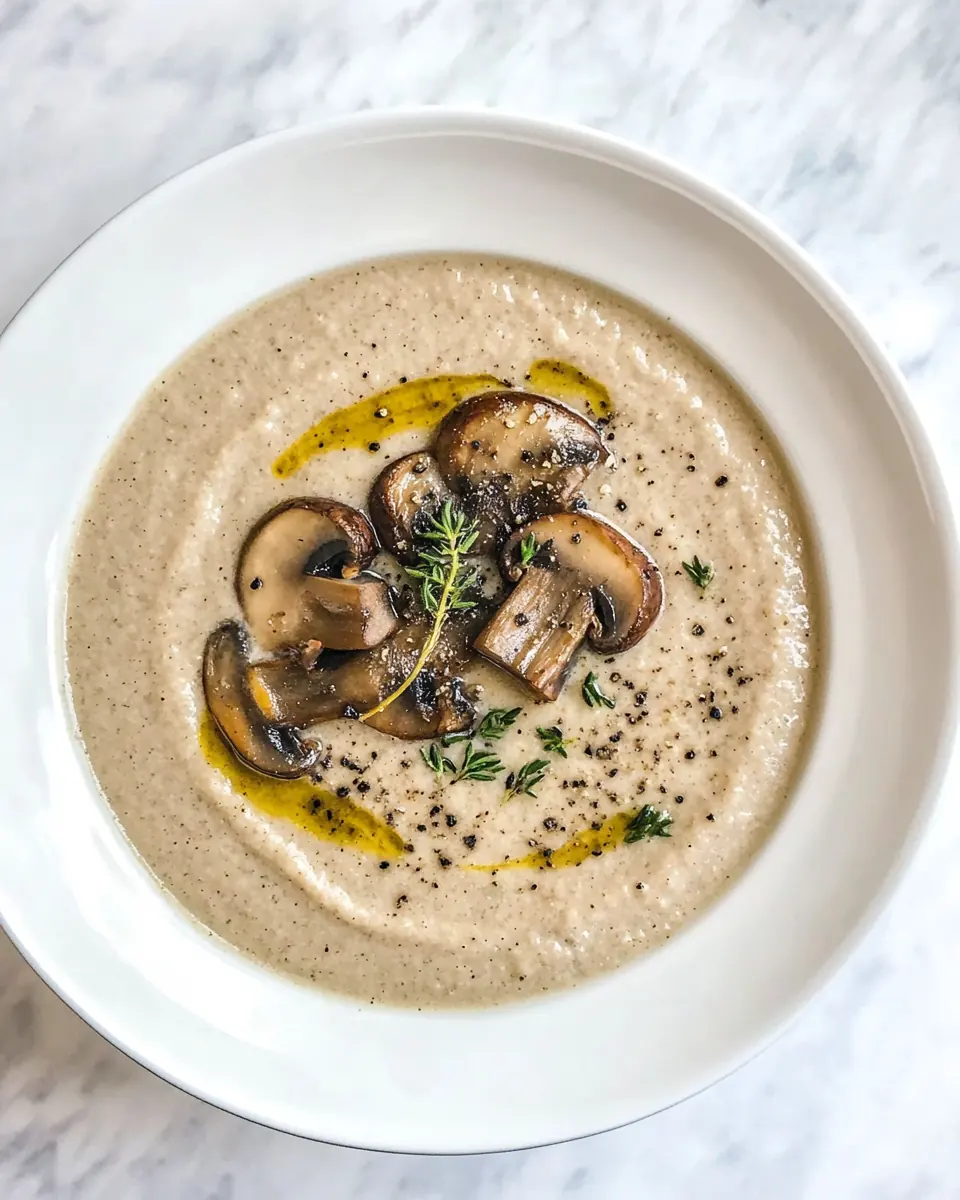
This section contains focused tips and practical swaps that keep the soup flavorful and flexible. Each tip begins with a clear highlight so you can scan quickly and act confidently while cooking.
- Use low sodium broth when possible to control final salt levels, especially since reduction concentrates flavors and saltiness.
- Swap evaporated milk carefully with a lactose free evaporated milk if you need a dairy alternative, maintaining the same volume to preserve texture.
- Enhance mushroom flavor by using a mix of mushroom varieties, but keep the total weight the same to preserve cooking time and liquid balance.
- Adjust thickness deliberately by adding hot vegetable broth a little at a time instead of diluting with cold water which can momentarily shock the soup.
- Toast the gluten free flour in the butter briefly to remove raw flavors, but watch closely to avoid darkening the roux unnecessarily.
Serving Ideas for Gluten Free Cream Of Mushroom Soup
This soup is versatile and comforting, suitable for cozy weeknights or as a starter for a more formal meal. Below are detailed serving ideas, pairings, and storage guidance to help you get the most from each batch.
- Casual bowl: Serve a generous ladle in a warm bowl with a drizzle of olive oil or a small pat of butter on top for an everyday, satisfying meal.
- Starter for dinner: Offer small cups of the soup before the main course to warm guests’ palates; it pairs especially well with light salads or roasted vegetables.
- Comfort at lunch: Pair the soup with crusty bread for dunking, keeping in mind to use gluten free bread if you need to remain fully gluten free.
- Special occasion: Serve in hollowed bread bowls for a charming presentation, but ensure the bowls are gluten free if needed, and add a garnish of finely chopped fresh herbs for color.
- Storage and reheating: Refrigerate in an airtight container for up to 3 days. Reheat gently over low heat, stirring occasionally and adding a splash of hot vegetable broth if it has thickened too much.
- Seasonal pairings: In winter this soup shines alongside roasted root vegetables and warm spices, offering a soothing contrast to crisp sides.
FAQ
Conclusion
This recipe stands out because it brings rich mushroom flavor and a silky texture together in a simple, gluten free package. The method is straightforward, and the results feel comforting and thoughtful without fuss. I encourage you to give it a try on a chilly evening, and experiment with leaving some mushroom pieces for texture or blending it completely for a refined bowl. It’s one of those recipes that rewards small attentions, and it reliably produces satisfying results that feel like a small act of care.
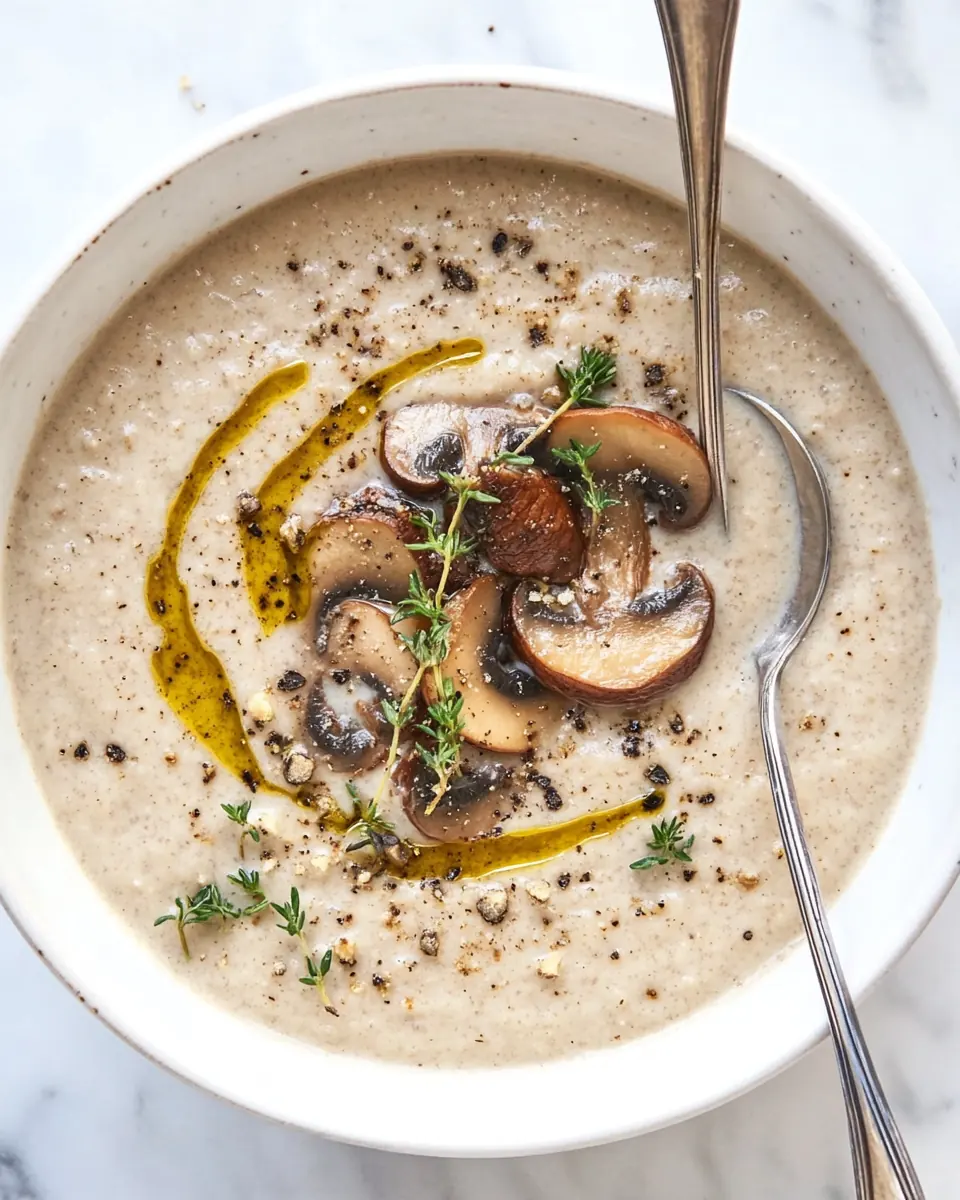
Gluten Free Cream Of Mushroom Soup
Ingredients
Equipment
Method
- In a large saucepan, heat olive oil over medium heat. Add mushrooms and shallot, sauté until tender, about 5 minutes.: The pan will first smell faintly fruity as the olive oil warms, and you should see it shimmer when it reaches the right temperature. This gentle heat sets the stage for a proper sauté, allowing the mushrooms to release moisture then brown. If the oil smokes, the pan is too hot, which will char the shallot and create bitter notes. A common pitfall is starting cold and waiting too long to add aromatics, which leads to uneven cooking rather than the clean, sizzling sound that signals proper contact with the pan.
- Add butter to the saucepan. Once melted, stir in gluten-free flour, salt, and pepper. Cook for 2 minutes until the mixture forms a paste.: As the mushrooms hit the pan you will hear a lively sizzle and smell an immediate earthy aroma. They will first exude liquid, then that liquid will evaporate and the mushrooms will begin to brown, developing nutty, caramelized edges. The shallot will soften and become translucent, contributing a sweet, rounded scent. Stir occasionally to encourage even browning, but avoid constant stirring which prevents proper color development. A common mistake is overcrowding the pan so the mushrooms steam instead of brown, which flattens flavor.
- Gradually add vegetable broth to the roux, whisking continuously. Stir in evaporated milk and bring to a simmer. Cook until the soup reduces and thickens, about 15 minutes.: When you add the butter it will foam and then melt into a glossy pool, carrying the fond from the pan and enriching the aroma. This is the moment when the pan smells warmly savory. You want the butter melted but not browned, because too much color will change the roux’s flavor. If the butter starts to brown too quickly, lower the heat; burnt butter makes the soup taste off.
- Use an immersion blender to blend the soup (or a portion of it if you want to leave some mushroom chunks). Add more broth or hot water to thin the soup to your desired thickness if needed.: The flour will absorb the melted butter and become a paste that clings to the mushrooms, creating the foundation for a silky body. You will want to cook this mixture for a short time until it loses its raw flour scent and becomes slightly glossy. During this brief cook, the aroma shifts from raw starch to a toasted, nutty note. Stir constantly to avoid lumps. A frequent error here is undercooking the roux which leaves a grainy texture, or overcooking it until it darkens, which alters flavor and may make the soup too thick.
- Cook for 2 minutes until the mixture forms a paste: This short cook melds the gluten free flour and butter together, and you should notice the paste smooth out and firm slightly. The surface will take on a satin sheen, and the raw flour smell will evaporate, leaving a toasty undertone. This is crucial because it prevents a pasty aftertaste. If you smell any raw starch, continue to cook very briefly, but be mindful not to let the roux brown excessively.
- Gradually add vegetable broth to the roux, whisking continuously: As you whisk in the warm vegetable broth , steam and a comforting, savory aroma will rise. The whisking binds the liquid to the roux, creating a smooth, glossy sauce rather than a lumpy one. Keep the broth at a warm temperature if possible, because cold liquid can shock the roux and create lumps. A common troubleshooting tip is to pour slowly and whisk vigorously at first, and if small lumps form, press them against the side of the pan with the whisk to break them up.
- Stir in evaporated milk and bring to a simmer: When the evaporated milk joins the pot, the soup takes on a creamier scent and a silkier texture. Bring the mixture to a gentle simmer rather than a rolling boil to avoid curdling and to allow flavors to meld. You should see small bubbles forming along the edge and a gentle steam rising, signaling the right temperature. If the soup begins to bubble aggressively, reduce the heat, because too much agitation can make the texture uneven.
- Cook until the soup reduces and thickens, about 15 minutes: During this simmer the aroma concentrates and the soup will thicken as water evaporates, leaving a richer mouthfeel. Stir occasionally to ensure even heat distribution and to prevent any sticking on the bottom. The visual cue is a coat on the back of a spoon that slowly slides off, and a taste will register deeper umami. One mistake to avoid is walking away; leaving it unattended can lead to over reduction and a concentration that becomes overly salty or viscous.
- Use an immersion blender to blend the soup: As you blend, the soup will change texture and the sound will shift to a low, whispering roar. Blending smooths the mixture into a velvety body while keeping any reserved mushroom pieces if you prefer texture. The aroma becomes more unified, and the color lightens slightly as air incorporates. Be careful to keep the blender head submerged to avoid splatter, and pulse rather than run continuously to maintain control.
- Or a portion of it if you want to leave some mushroom chunks: Reserving some unblended mushrooms adds contrast to each spoonful, offering tender bites against the creamy backdrop. The tactile difference enhances the eating experience, giving lively bursts of mushroom texture. A common misstep is blending everything when you wanted texture, so set aside the portion before you puree. If the soup seems too thick after blending, adjust with hot vegetable broth to reach your ideal consistency.
- Add more broth or hot water to thin the soup to your desired thickness if needed: When you thin the soup you will notice it loosens and the aromas open up a bit, and the mouthfeel shifts from dense to more flowing. Add hot liquid gradually while stirring until the balance feels right. If you add cold liquid, it can momentarily shock the soup and create a slight separation, so use warm broth or hot water. A typical error is adding too much at once; add small amounts and taste as you go.
Notes
- Use low sodium broth when possible to control final salt levels, especially since reduction concentrates flavors and saltiness.
- Swap evaporated milk carefully with a lactose free evaporated milk if you need a dairy alternative, maintaining the same volume to preserve texture.
- Enhance mushroom flavor by using a mix of mushroom varieties, but keep the total weight the same to preserve cooking time and liquid balance.
- Adjust thickness deliberately by adding hot vegetable broth a little at a time instead of diluting with cold water which can momentarily shock the soup.
- Toast the gluten free flour in the butter briefly to remove raw flavors, but watch closely to avoid darkening the roux unnecessarily.