Creamy Pesto Dressing
Creamy Pesto Dressing is the sort of recipe I reach for when I want to turn something ordinary into something memorable in a matter of minutes.
I first mixed this on a rainy afternoon when I had leftover pesto from a weekend batch and a jar of mayo that needed using. The scent of crushed garlic hit me and I remember thinking how a little vinegar and sugar would coax out the basil notes, creating a silky, balanced dressing that clings to greens and sandwiches alike. Ever since that day, this blend has been my shortcut when I want bold flavor without fuss.
Over time I learned how flexible the ratio is, so now I often thin it slightly for salads or keep it thick for spreads. Friends always ask for the recipe because it tastes fresh and rich at once, and they love how easy it is to adjust the tang or sweetness to suit their palate. When I pack lunches or make a quick grilled veg bowl, a spoonful of this dressing transforms everything into a cohesive bite.
Recipe Snapshot
10 mins
10 mins
0 mins
Easy
100 kcal
Italian
Vegan, Gluten-Free
Salads
Bowl, Whisk, Measuring spoons
Why This Creamy Pesto Dressing Is So Good
Versatility that wins
I love that this Creamy Pesto Dressing works in so many roles. Use it as a dip, a sandwich spread, or a salad dressing. It is thick enough to cling to hearty leaves or to dollop on a wrap, yet you can thin it with water to dress more delicate greens. That flexibility means you can make one batch and use it across several meals.
Fast and forgiving
One of the things that keeps me returning to this recipe is how forgiving it is. Whether you measure precisely or eyeball amounts, the flavors meld into something lovely. Letting it rest in the fridge for an hour softens the raw bite of garlic and lets the sweetness and acidity harmonize, so if you are rushed, you can still get a great result with minimal fuss.
Layered flavor from simple ingredients
This recipe proves you do not need a long ingredient list to get complexity. The combination of creamy mayo, bright pesto, tangy white vinegar, and a touch of sugar creates savory, herbal, and slightly sweet notes. The garlic adds depth, and finishing with salt and pepper sharpens the profile, producing a balanced dressing that tastes more gourmet than its humble components suggest.
Customizable to taste
I always encourage you to taste and tweak as you go, because personal preference matters. If your pesto is extra salty, cut back on the added salt. If you do not like sweet dressings, you can halve or omit the sugar. These small adjustments let you tailor the dressing to pair perfectly with salads, sandwiches, or grilled vegetables.
Make ahead friendly
Because the flavors improve with time, I often make this dressing a few hours before serving. It keeps well in the fridge and is a great prep-friendly element to add to weekly meal planning. Having a jar of this on hand simplifies lunches and weeknight dinners, saving time while elevating everyday dishes.
Ingredients to Make Creamy Pesto Dressing
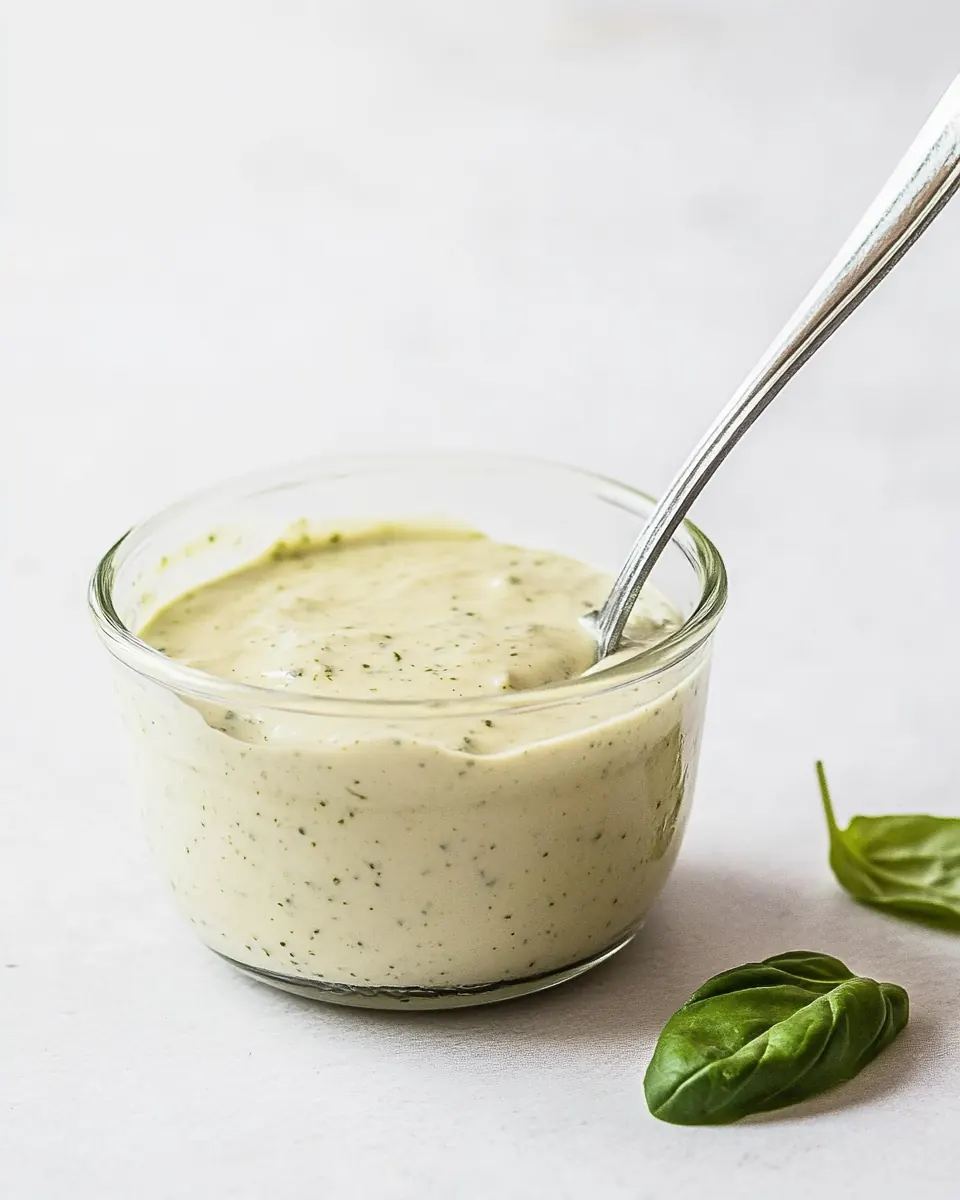
These ingredients are chosen for balance and ease. The creamy texture comes from mayo, while the herbaceous notes come from pesto. A splash of white vinegar brightens the overall flavor, the white sugar rounds the acidity, and a bit of garlic adds depth. Salt and pepper finish and allow you to personalize the seasoning.
- 1 cup mayo: Provides a rich, creamy base that binds the dressing and adds a smooth mouthfeel; offers a neutral tang that balances the pesto's herbs. Enhances body and helps emulsify the mixture so flavors distribute evenly across salads or sandwiches.
- 3 tablespoons pesto your fav or click for my homemade version: Adds concentrated herbaceous flavor and aromatic complexity; introduces basil, garlic, and cheese notes that define the dressing's profile. Contributes color and savory depth while infusing the mayo with Mediterranean character.
- 1 tablespoon white vinegar: Brightens and sharpens the overall flavor by introducing acidity that cuts through the richness; helps balance fat and herbs for a more vibrant dressing. Aids in thinning the texture slightly so the dressing pours and coats ingredients more easily.
- 1 teaspoon white sugar see note: Provides a touch of sweetness to round out acidity and bitterness, harmonizing the savory and herbal elements. Enhances overall flavor balance so the dressing tastes more rounded and pleasant on the palate.
- 1 clove garlic minced: Imparts fresh, pungent aroma and a savory bite that lifts the dressing's flavor; mincing releases oils for better integration. Offers a subtle heat and complexity that complements both the pesto and the mayo.
- Salt & pepper to taste: Season to taste to enhance and adjust overall flavor balance; salt boosts savory notes while pepper adds mild heat and aromatic lift. Use sparingly and taste as you go to avoid overpowering the delicate pesto character.
Step by Step Guide for Creamy Pesto Dressing
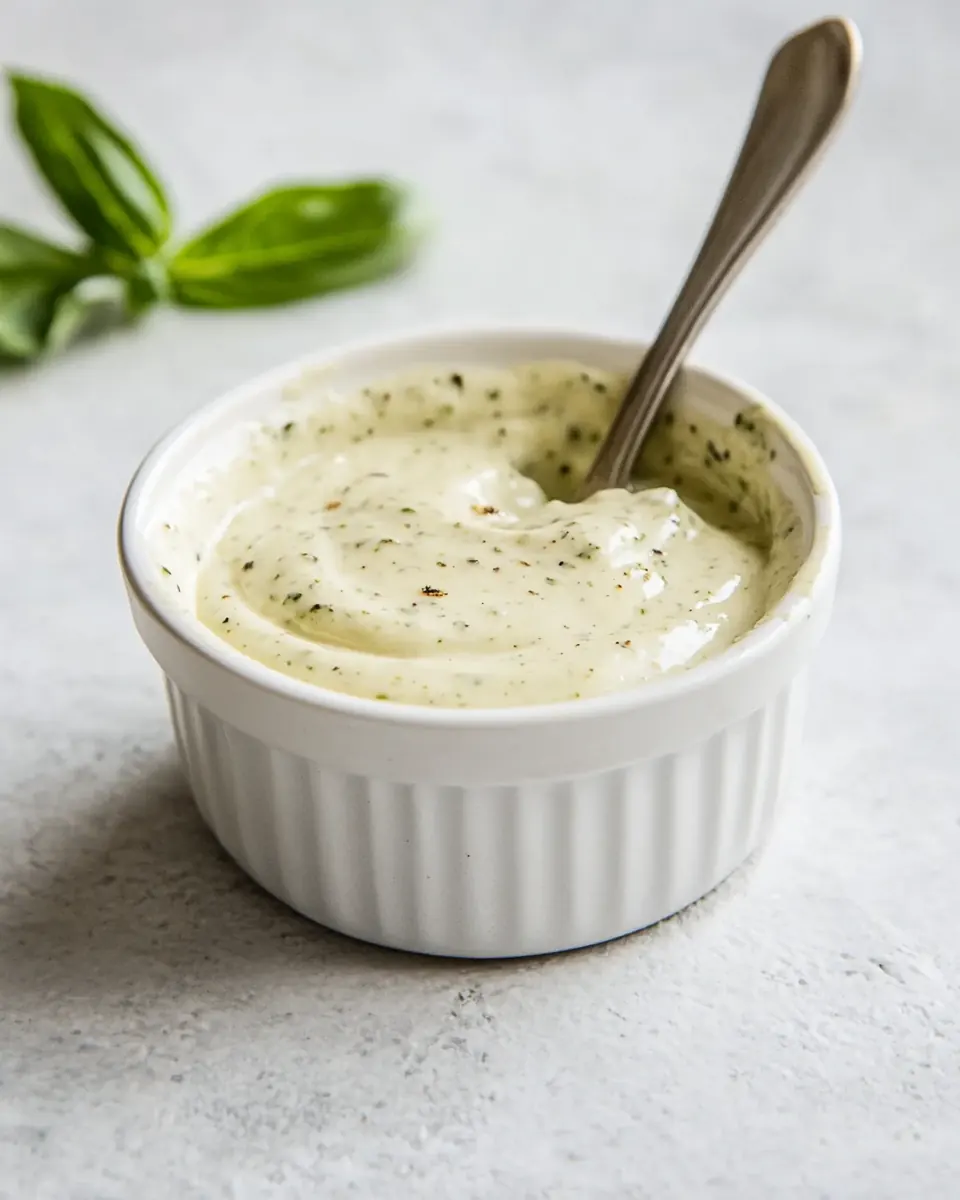
I like to keep instructions friendly and direct, while explaining the sensory cues that tell you things are going well. Follow these steps in order, and taste as you go so you can tailor to your preferences.
- Combine all ingredients in a bowl and stir or whisk together until smooth. Taste & adjust ingredients, and thin it out if needed with some water based on how you want to use it. For example, keep it thick if you want it as a spread for sandwiches/wraps or as a dip, or thin it out to use in a salad if you prefer a less thick dressing. I recommend letting it sit in the fridge for an hour or so to let the sugar dissolve and the flavors meld more prior to using.: The first sensory cue is the texture, you will see a uniform, glossy emulsion form as the mayo and pesto marry, and you may hear the soft whisking sound as air is incorporated. This texture matters because it determines how the dressing will adhere to leaves and sandwiches. If the mixture looks separated or curdled, keep whisking gently, adding a teaspoon of water to help it come together, since too rapid mixing or overly cold ingredients can resist emulsification. Avoid overbeating, which can thin the dressing excessively.
- Taste & adjust ingredients: When you taste the dressing you should notice herbaceous basil from the pesto , creamy fat from the mayo , and a hint of sharpness from the garlic . Adjust by adding more pesto for herbal intensity, a splash more white vinegar for brightness, or a pinch more white sugar to tame acidity. This step is about balance, because small changes dramatically shift the profile. A mistake people make is adjusting too much at once; add small increments and re-taste between adjustments to avoid overshooting the desired flavor.
- Thin it out if needed with some water based on how you want to use it: For salad use you may want a looser texture, and a teaspoon or two of cold water will create a pourable consistency while preserving the flavor. Look for a sheen and a slight ribbon when you drizzle the dressing, that indicates a good pourable body. If you add water, mix slowly and stop once you reach the desired viscosity, because too much liquid will dilute the flavor. A common problem is adding oil or too much water at once, which can make the dressing watery or reduce its emulsified quality.
- Keep it thick if you want it as a spread for sandwiches/wraps or as a dip: For spreading, the dressing should be dense enough to stay put, so avoid thinning. The tactile cue is body when you scoop it on a spoon, it should mound rather than stream. Texture matters here because a thicker dressing creates concentrated pockets of flavor in sandwiches rather than seeping into bread. If yours is too thin, chill it to firm up or whisk in a bit more mayo . Watch out for overthickening by adding too much mayo which can mask the pesto brightness.
- Thin it out to use in a salad if you prefer a less thick dressing: When dressing delicate greens you want even coverage without weighted clumps, so aim for a light coating when you drizzle and toss. The visual sign of success is leaves glistening but not saturated. Add water incrementally and toss a small portion of salad to test coverage, because over-dressing will weigh down greens and make them soggy. One misstep is adding liquid directly to the salad bowl instead of the dressing, which makes controlling distribution harder.
- I recommend letting it sit in the fridge for an hour or so to let the sugar dissolve and the flavors meld more prior to using: After chilling you will notice that the raw tang of the garlic softens, the white sugar disappears into the liquid, and the herb notes of the pesto become more integrated with the creamy base. Aroma becomes rounded and less sharp, signaling that flavors have married. This resting matters because it delivers a more polished final taste, especially if you are serving it to guests. The common pitfall is skipping rest and serving immediately, which can reveal harsh edges rather than the smooth, blended flavor this dressing can achieve.
Make It Your Own
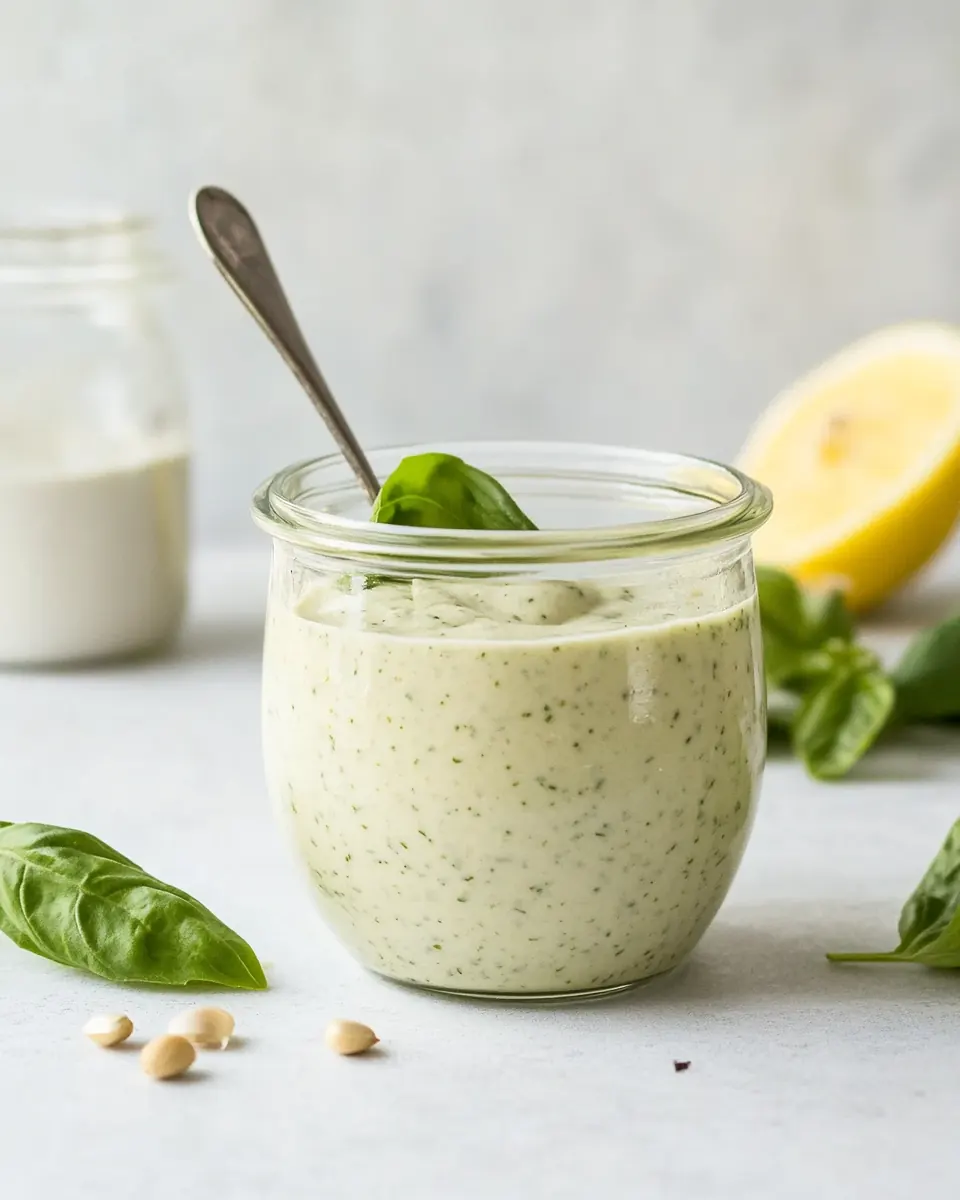
I enjoy offering ways to personalize this dressing. Below are practical tips that let you tailor texture and flavor while keeping the core profile intact.
- Adjust pesto intensity: If your pesto is very bold, start with two tablespoons and build up, tasting after each addition to keep the balance right.
- Control sweetness: Halve or omit the white sugar if you prefer savory forward dressings, but know the sugar smooths sharp edges and mimics bottled-dressing roundness.
- Garlic handling: Mince the garlic very finely or grate it to integrate without biting bursts, and let the dressing sit to mellow raw pungency.
- Serving thickness: Keep the dressing thick for spreads and dips, or thin with small amounts of cold water to make it pourable for salads.
- Make ahead: Store in an airtight container in the fridge for up to five days, and give it a quick whisk before using if separation occurs.
- Season last: Add salt and pepper after chilling, because cold temperatures mute flavors and final seasoning ensures the right balance.
Serving Suggestions
This dressing is a wonderful multiuse condiment. It works equally well as a sandwich spread, salad dressing, or dip for roasted vegetables, and it pairs with many meal occasions from casual lunches to buffet style dinners.
- Sandwich spread: Slather a thin layer on your favorite sandwich bread or wrap for immediate richness that complements veggies and proteins.
- Salad dressing: Thin slightly with water and toss with mixed greens, hearty lettuces, or grilled vegetable salads for an herb forward finish.
- Dip for veggies: Use as a dip for raw or roasted vegetables, offering a creamy contrast to crisp textures.
- Meal occasions: Serve it at casual lunches, potlucks, or weeknight dinners where a quick flavor boost is appreciated.
- Storage tips: Keep in an airtight jar in the fridge for up to five days, and stir or whisk before using if it separates.
FAQ
Conclusion
This recipe’s special blend of creamy texture and bright herb flavor makes it a go to for quick meals and entertaining alike. Give the recipe a try to discover how a small jar of dressing can lift your salads, sandwiches, and roasted vegetables with minimal effort. Enjoy experimenting with thickness and flavor balance, and keep a batch ready in the fridge to simplify weeknight cooking while adding consistent, fresh taste to whatever you serve.
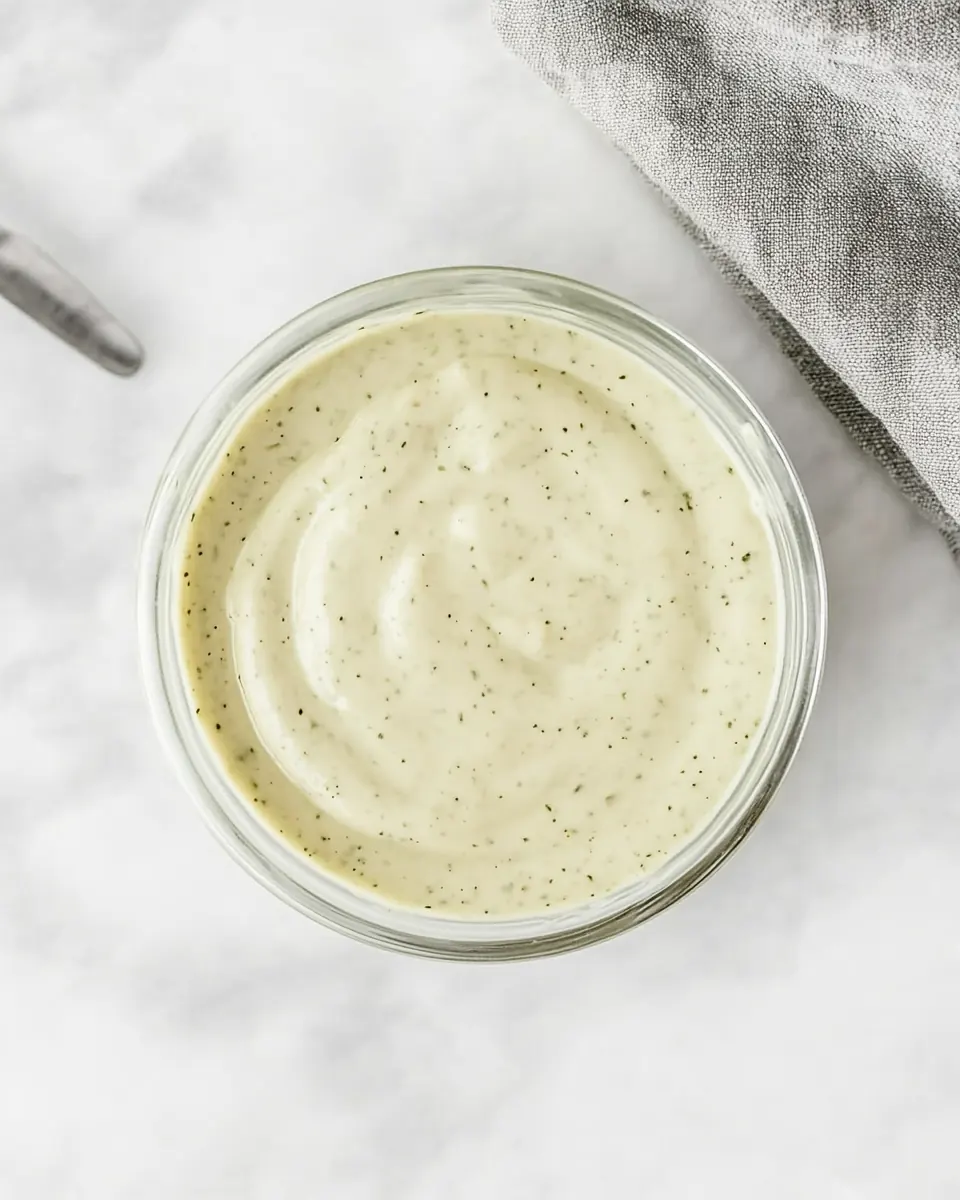
Creamy Pesto Dressing
Ingredients
Equipment
Method
- Combine all ingredients in a bowl and stir or whisk together until smooth. Taste & adjust ingredients, and thin it out if needed with some water based on how you want to use it. For example, keep it thick if you want it as a spread for sandwiches/wraps or as a dip, or thin it out to use in a salad if you prefer a less thick dressing. I recommend letting it sit in the fridge for an hour or so to let the sugar dissolve and the flavors meld more prior to using.: The first sensory cue is the texture, you will see a uniform, glossy emulsion form as the mayo and pesto marry, and you may hear the soft whisking sound as air is incorporated. This texture matters because it determines how the dressing will adhere to leaves and sandwiches. If the mixture looks separated or curdled, keep whisking gently, adding a teaspoon of water to help it come together, since too rapid mixing or overly cold ingredients can resist emulsification. Avoid overbeating, which can thin the dressing excessively.
- Taste & adjust ingredients: When you taste the dressing you should notice herbaceous basil from the pesto , creamy fat from the mayo , and a hint of sharpness from the garlic . Adjust by adding more pesto for herbal intensity, a splash more white vinegar for brightness, or a pinch more white sugar to tame acidity. This step is about balance, because small changes dramatically shift the profile. A mistake people make is adjusting too much at once; add small increments and re-taste between adjustments to avoid overshooting the desired flavor.
- Thin it out if needed with some water based on how you want to use it: For salad use you may want a looser texture, and a teaspoon or two of cold water will create a pourable consistency while preserving the flavor. Look for a sheen and a slight ribbon when you drizzle the dressing, that indicates a good pourable body. If you add water, mix slowly and stop once you reach the desired viscosity, because too much liquid will dilute the flavor. A common problem is adding oil or too much water at once, which can make the dressing watery or reduce its emulsified quality.
- Keep it thick if you want it as a spread for sandwiches/wraps or as a dip: For spreading, the dressing should be dense enough to stay put, so avoid thinning. The tactile cue is body when you scoop it on a spoon, it should mound rather than stream. Texture matters here because a thicker dressing creates concentrated pockets of flavor in sandwiches rather than seeping into bread. If yours is too thin, chill it to firm up or whisk in a bit more mayo . Watch out for overthickening by adding too much mayo which can mask the pesto brightness.
- Thin it out to use in a salad if you prefer a less thick dressing: When dressing delicate greens you want even coverage without weighted clumps, so aim for a light coating when you drizzle and toss. The visual sign of success is leaves glistening but not saturated. Add water incrementally and toss a small portion of salad to test coverage, because over-dressing will weigh down greens and make them soggy. One misstep is adding liquid directly to the salad bowl instead of the dressing, which makes controlling distribution harder.
- I recommend letting it sit in the fridge for an hour or so to let the sugar dissolve and the flavors meld more prior to using: After chilling you will notice that the raw tang of the garlic softens, the white sugar disappears into the liquid, and the herb notes of the pesto become more integrated with the creamy base. Aroma becomes rounded and less sharp, signaling that flavors have married. This resting matters because it delivers a more polished final taste, especially if you are serving it to guests. The common pitfall is skipping rest and serving immediately, which can reveal harsh edges rather than the smooth, blended flavor this dressing can achieve.
Notes
- Adjust pesto intensity: If your pesto is very bold, start with two tablespoons and build up, tasting after each addition to keep the balance right.
- Control sweetness: Halve or omit the white sugar if you prefer savory forward dressings, but know the sugar smooths sharp edges and mimics bottled-dressing roundness.
- Garlic handling: Mince the garlic very finely or grate it to integrate without biting bursts, and let the dressing sit to mellow raw pungency.
- Serving thickness: Keep the dressing thick for spreads and dips, or thin with small amounts of cold water to make it pourable for salads.
- Make ahead: Store in an airtight container in the fridge for up to five days, and give it a quick whisk before using if separation occurs.
- Season last: Add salt and pepper after chilling, because cold temperatures mute flavors and final seasoning ensures the right balance.