Spring Minestrone Soup
Spring Minestrone Soup has been my go to on brisk mornings when the garden is just waking up, and I want something bright, nourishing, and honest on the table. The first time I made this soup I remember chopping a mountain of vegetables while the kettle hissed, and that simple, vegetal aroma drifted through the house, making everyone wander into the kitchen. It felt like a little spring ritual, a way to welcome the season.
Over the years I have adjusted small things, like adding a bit more lemon or a spoon of pesto at the end, so each bowl carries a lively, layered flavor. When I serve Spring Minestrone Soup to friends they often comment on how it tastes like a garden rather than just a pot of soup. I like that; it tells me the balance of textures and brightness is working.
There are nights when I make a double batch and we eat straight from the pot, and there are times I portion it for lunches, reheating until it smells like comfort. The soup is versatile enough for quiet weeknights and social gatherings, and I always feel pleased offering something that is both simple and attention grabbing. It is one of those recipes that invites improvisation, while still delivering a dependable, satisfying bowl every time.
Recipe Snapshot
45 mins
15 mins
30 mins
Medium
220 kcal
Italian
Gluten-Free, Vegan
Soups
Large pot, Wooden spoon, Ladle
Why This Spring Minestrone Soup Stands Out
Vibrant seasonal vegetables
I love how Spring Minestrone Soup showcases fresh spring produce. The combination of asparagus, zucchini, and spinach adds bright color, crisp texture, and delicate vegetal flavors that make each spoonful lively. These vegetables hold up during a gentle simmer, so you get both tender and slightly toothsome bites.
Hearty but light
This soup feels filling thanks to the cannellini beans and ditalini pasta, yet it never becomes heavy. I appreciate that it works as a satisfying solo meal or as part of a bigger spread. The beans add creaminess and protein while the pasta offers familiar comfort, all without weighing the dish down.
Bright finishing touches
Small finishes like lemon juice, basil pesto, and a sprinkle of Parmesan cheese lift the whole bowl. I always tell guests to taste first, then nudge it with more lemon or cheese if they like. Those final notes transform a simple vegetable broth into something round and memorable.
Easy weeknight friendly
I often make this when I need a quick, nourishing dinner. The steps are straightforward, and the hands on time is reasonable. From sautéing the aromatics to a brief simmer for the pasta, the process flows quickly. That makes Spring Minestrone Soup a reliable choice for busy evenings.
Flexible and forgiving
One of my favorite things is how forgiving the recipe is. Swap a vegetable or use a different small pasta and it still sings. I encourage you to treat it like a framework rather than a strict formula, while keeping the core balance of broth, beans, and greens.
Ingredients to Make Spring Minestrone Soup
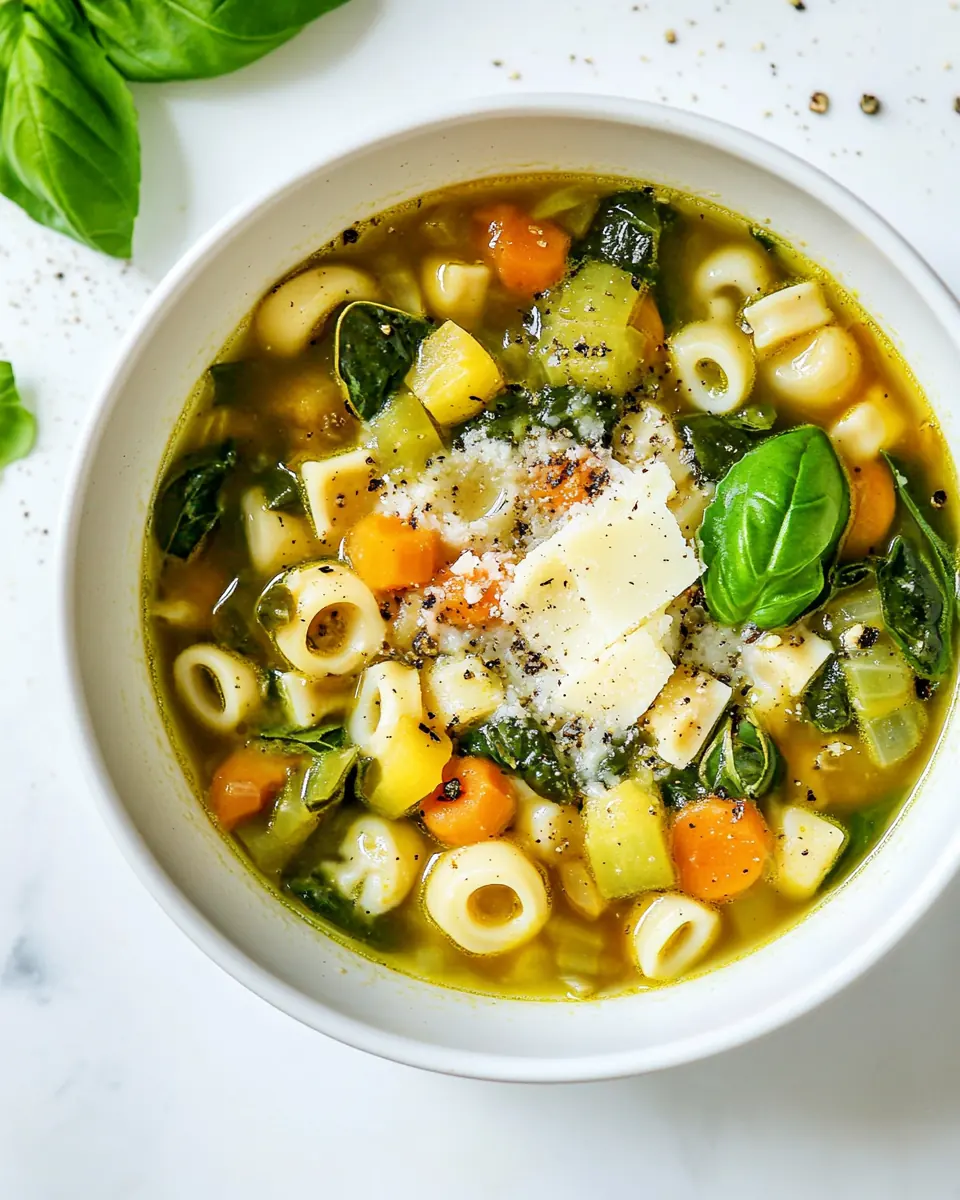
These ingredients are chosen to balance comfort and freshness. The base of olive oil and aromatics builds savory depth, while the combination of starchy potatoes, tender pasta, and creamy cannellini beans creates substance. Bright elements like lemon juice and basil pesto finish the soup with lift, and a final sprinkle of Parmesan cheese adds umami that ties everything together.
- 1 tablespoon olive oil: Sauté gently in a large pot to form the flavor base and help release aromatic compounds; use a medium heat to avoid burning and to coat the pan for even cooking.
- 1 yellow onion, chopped: Chop finely and sweat until translucent to add natural sweetness and depth; layer with other aromatics to build the soup’s savory backbone.
- 1 carrot, diced: Dice uniformly and soften to contribute subtle sweetness and texture; cook until tender so it melds with the other vegetables without overpowering them.
- 1 celery rib, diced: Dice and cook until softened to provide aromatic support and a slight vegetal crunch; combine with onions and carrots for a classic mirepoix foundation.
- 1 cup diced Yukon gold potatoes, (about medium small potato): Cube evenly and simmer until just tender to add starchy body and heartiness; maintain bite so bowls retain textural contrast with pasta and greens.
- 3 cloves garlic, minced: Mince and add near the end of sautéing to release pungent fragrance without becoming bitter; provide a bright garlicky note that lifts the broth.
- 1 medium zucchini, diced: Dice and add mid-cooking to introduce tender summer squash texture; absorb surrounding flavors while keeping a delicate mouthfeel.
- 1 teaspoon dried Italian seasoning: Sprinkle in during sautéing to infuse the dish with a balanced mix of Mediterranean herbs; contributes herby warmth and aromatic complexity.
- 1 teaspoon kosher salt: Season early so it can dissolve into the broth and enhance overall flavor balance; adjust later if needed to account for salty cheese or broth.
- 1/2 teaspoon black pepper: Crack and add to taste to give mild heat and brightness; helps to round out flavors and enhance savory notes throughout the soup.
- 7 cups vegetable broth: Pour in as the cooking liquid to simmer vegetables and meld flavors; choose low-sodium if controlling salt and simmer gently for clarity.
- 15 oz can cannellini beans, rinsed and drained: Rinse, drain, and add to provide creamy protein and a silky texture; contributes body and earthy flavor while boosting nutritional value.
- 1/2 cup ditalini pasta: Measure and add during simmering to provide small pasta bites that soak up broth; cooks quickly and adds pleasant chew to the soup.
- 1 1/2 cups chopped spinach: Chop and stir in near the finish to add tender leafy green freshness and mild iron-rich flavor; wilts quickly and brightens the bowl.
- 1 cup chopped asparagus: Chop and add briefly to retain a tender-crisp bite and grassy sweetness; complements the soup’s spring produce with a distinctive vegetal note.
- 1/2 cup frozen peas: Stir in frozen to add pops of sweet flavor and a contrasting texture; thaw into the hot broth for quick heating without overcooking.
- 1/4 cup Parmesan cheese: Grate and use as a finishing garnish or stirred in for umami-rich, salty depth; adds savory complexity and a creamy mouthfeel when melted.
- 3 tablespoons basil pesto: Spoon in to introduce concentrated herb, garlic, and cheese flavors; emulsifies into the broth to give bright basil aroma and savory richness.
- 2 tablespoons lemon juice: Add near the end to brighten and balance flavors with citrus acidity; prevents the soup from tasting heavy and enhances vegetable notes.
- Garnish: fresh basil and Parmesan cheese: Garnish with fresh leaves and additional grated cheese to provide aromatic lift and finishing salty richness; offers visual appeal and a final flavor boost.
Directions for Spring Minestrone Soup
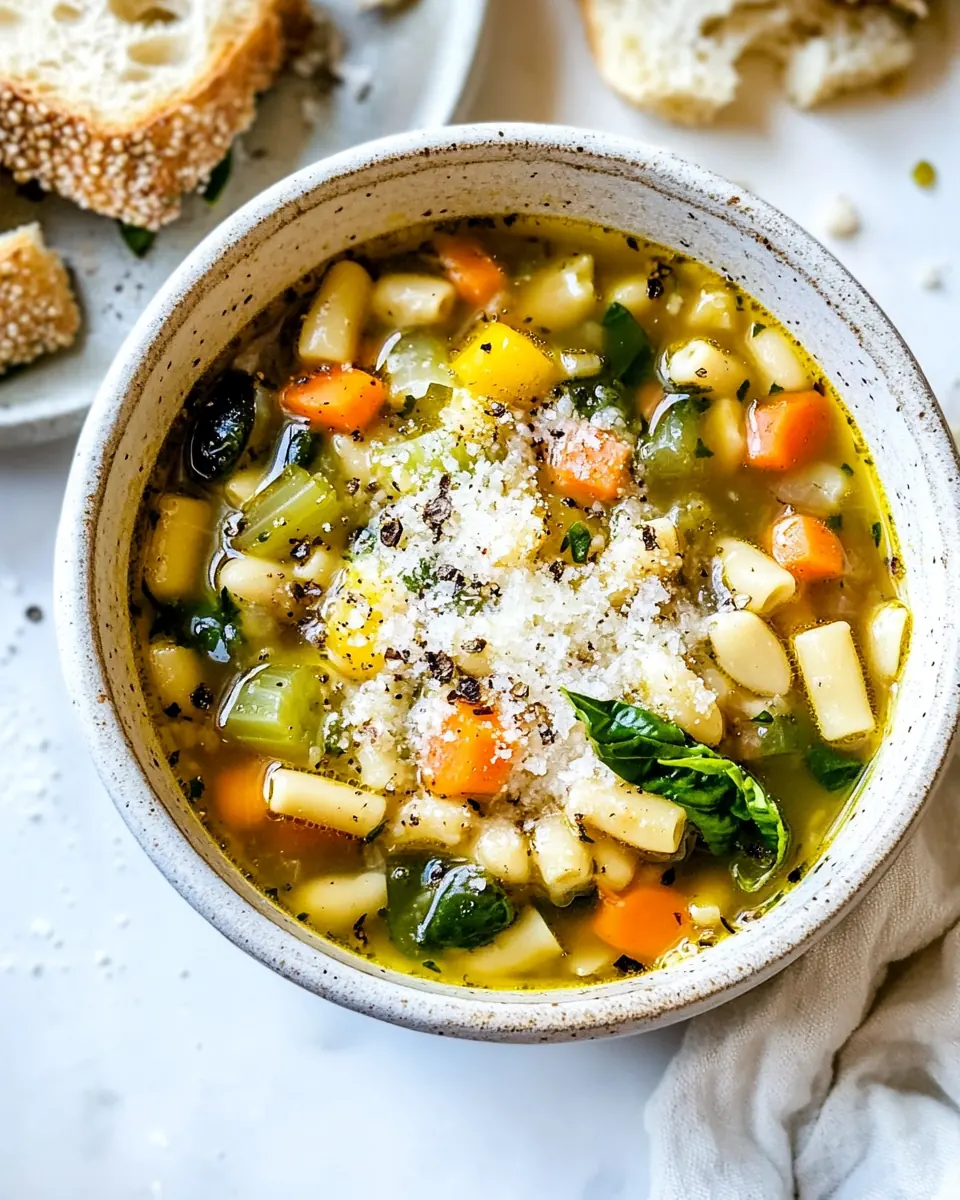
This recipe moves from sauté to simmer in a few focused stages, so you can relax and enjoy the rhythm. I find the key is to pay attention to smell and texture during the initial sauté and then watch the pasta closely as it cooks. With a few small checks you will end up with a perfectly balanced, vibrant soup.
- In a large pot, heat the olive oil over medium-high heat. Add the onion, carrot, celery, potatoes and cook for 5 minutes, stirring occasionally. Add the garlic and cook for 1 minute. Add the zucchini, Italian seasoning, salt, and pepper. Cook for 2 minutes.: When the oil warms, it should shimmer slightly and smell faintly fruity, not smoky. I look for a gentle ripple across the surface before adding any vegetables so they start to sizzle and deglaze the pan, capturing those caramelized bits for flavor. If the oil smokes, the heat is too high and you should reduce it to avoid bitterness. A common mistake is overcrowding the pot too soon, which steams vegetables instead of browning them; give them space so they can develop color and aroma.
- Add the vegetable broth, beans, and pasta. Bring to a boil, then reduce the heat to low and simmer for 8 to 10 minutes or until the pasta is al dente and the potatoes are tender.: During these minutes you should hear a steady, soft sizzle and notice the onion turning translucent while the carrot and celery begin to soften. The potatoes will start to lose their raw edge. This stage builds a sweet, savory base, so resist the urge to rush it. If pieces are browning unevenly, stir more frequently and adjust heat so nothing burns, which would introduce bitter notes.
- Stir in the spinach, asparagus, peas and cook for 2 minutes.: The aroma of garlic should become immediate and warm, but it should not darken. Cook just until fragrant, about a minute, because overcooked garlic turns bitter. If you notice any browning, remove the pot from the heat briefly to cool the pan before continuing, that prevents aftertaste issues.
- Add the Parmesan cheese, pesto, and lemon juice. Stir until combined. Taste and season with salt and pepper, if necessary.: As you stir in the zucchini and herbs, you will see moisture release and the pot will smell herbaceous. The dried seasoning hydrates and releases oils, tying flavors together. Taste the base after a minute and adjust the salt carefully, because the broth and Parmesan cheese later will add more sodium. Over-salting at this point is a common pitfall.
- Ladle into bowls and serve. Garnish with fresh basil and extra Parmesan cheese.: In this brief period the zucchini softens slightly while retaining structure, and the seasoning melds with the aromatics. You should notice the pot smell deepen and the vegetables looking glossy. If the pot seems dry, add a splash of broth to prevent sticking. Watch closely, as cooking too long will make delicate vegetables mushy.
- Add the vegetable broth, beans, and pasta: Pouring in the vegetable broth will deglaze the pot and lift all the caramelized flavors into the liquid. The sight of broth swirling and the gentle steam rising signals the transition from sauté to simmer. The cannellini beans add body while the ditalini pasta will absorb flavor as it cooks. Be sure the broth covers the solids comfortably so everything cooks evenly.
- Bring to a boil, then reduce the heat to low and simmer for 8 to 10 minutes or until the pasta is al dente and the potatoes are tender: The boil is a lively bubble that settles into a soft, steady simmer, which is the ideal environment to cook pasta and potatoes through without breaking them down. Check the pasta at around eight minutes for al dente texture, and pierce a potato to ensure tenderness. A common mistake is over boiling, which makes pasta swell too much; lower the heat to keep a gentle simmer.
- Stir in the spinach, asparagus, peas and cook for 2 minutes: When the greens and spring vegetables hit the hot broth you will see them collapse and turn vivid green quickly. The steam will smell fresh and green. Because these items are delicate, they only need a short time; overcooking will dull their flavor and color. If your pot is too vigorous, reduce heat immediately to preserve texture and brightness.
- Add the Parmesan cheese, pesto, and lemon juice: Stirring in Parmesan cheese and basil pesto will thicken the broth slightly and add concentrated savory and herb notes, while the lemon juice injects bright acidity that balances richness. The soup should smell fragrant and layered. If the mixture tastes flat, a little extra lemon can lift it, but add cautiously to avoid overt tartness.
- Stir until combined: You will notice the broth take on a silkier texture as the cheese and pesto dissolve. Use this moment to look for balance in salt and acid, adjusting if needed. Avoid prolonged stirring that could break down pasta; gentle folds are enough. A frequent error is adding too much finishing ingredients at once, so taste and tweak gradually.
- Taste and season with salt and pepper, if necessary: Tasting at this stage is critical because flavors concentrate as the soup cools slightly. Use small adjustments and taste after each change. Over seasoning is easy to do, especially with salty cheese, so err on the side of less and recheck after a minute or two.
- Ladle into bowls and serve: As you spoon the soup, notice the combined textures of tender potatoes, al dente pasta , and bright vegetables. The aromas should be herb forward with a citrus lift. Serve while hot, and avoid leaving bowls sitting too long, as pasta will continue to absorb broth and change texture. If you intend to store leftovers, undercook the pasta slightly to prevent it from becoming mushy when reheated.
- Garnish with fresh basil and extra Parmesan cheese: The final garnish adds fragrance and visual appeal, and the extra Parmesan cheese offers an immediate savory hit. Tear fresh basil rather than cutting to preserve oils. A typical mistake is overloading garnishes which can overpower the soup, so add sparingly to complement the bowl.
Tips and Variations
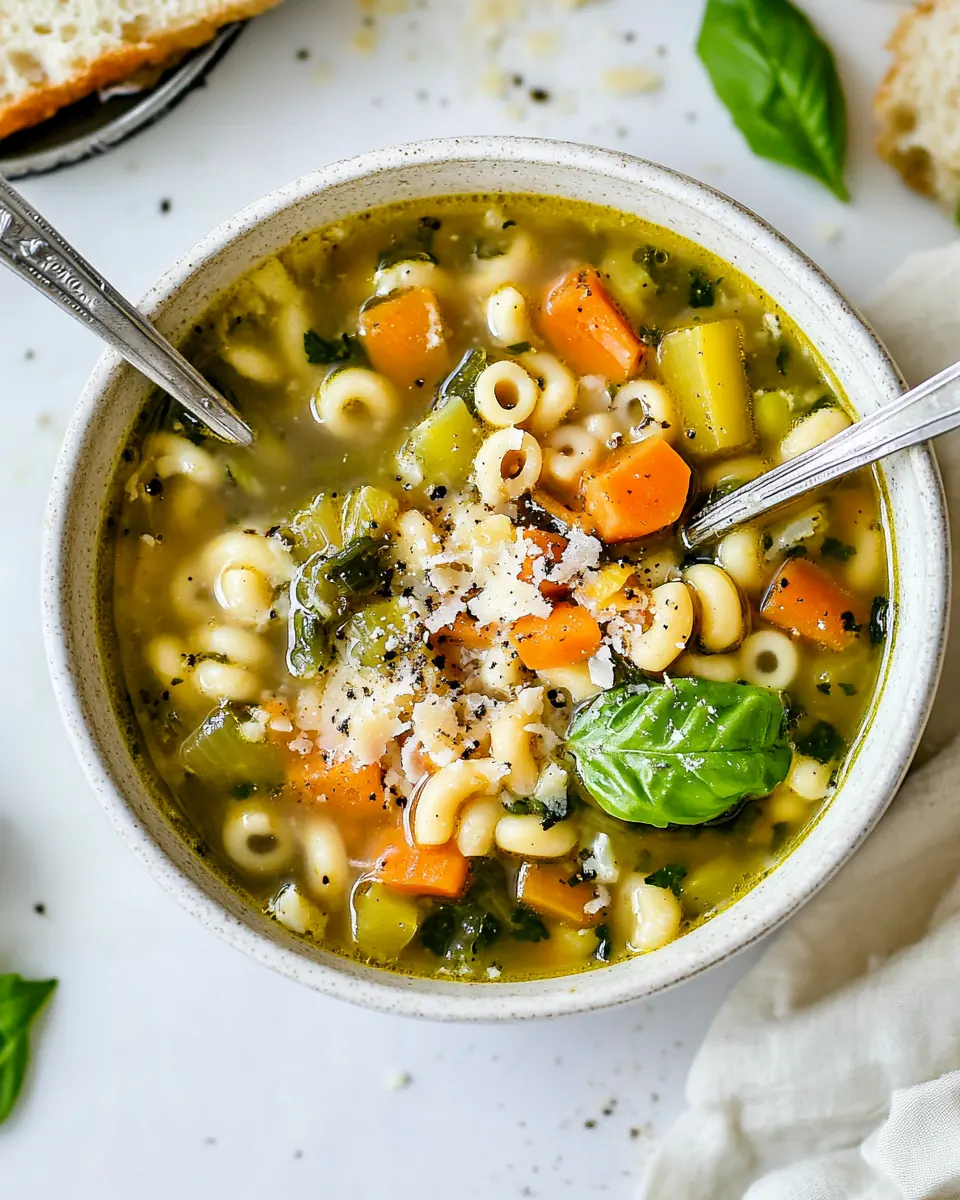
I like to think of tips as small chef tricks that make this soup sing. Below are tested ideas and variations that respect the recipe while offering flexibility for your pantry and preferences.
- Use a flavorful vegetable broth to maximize depth, because the broth carries all the vegetable and herb notes throughout the pot.
- Rinse canned beans thoroughly to remove canning liquid, which helps keep the broth clear and reduces extra sodium.
- Under cook pasta slightly if you plan to store leftovers, as it will soften further when reheated and absorb broth otherwise.
- Add pesto at the end so its fresh basil flavor remains bright, stirring it in just before serving rather than during a long simmer.
- Brighten with lemon at the finish, adding small amounts and tasting, because acid lifts the whole bowl without overwhelming it.
- Freeze without pasta and add freshly cooked ditalini pasta when reheating to preserve texture and avoid mushy leftovers.
Best Served With
This soup is versatile and pairs well with simple sides that echo its fresh, bright flavors. Below are serving suggestions and occasions that highlight the soup’s strengths and practical storage tips to keep leftovers tasting great.
- Crusty bread or focaccia for dipping, which soaks up the broth and adds a toasty contrast to tender vegetables.
- Light green salad dressed with lemon vinaigrette, complementing the soup with crispness and a citrusy echo.
- Grated extra Parmesan on the side so guests can finish their bowls to taste, enhancing the savory profile.
- Serve for lunch or a casual dinner when you want something nourishing but not heavy; it works well for family meals during spring evenings.
- Storage tip: Refrigerate in an airtight container for up to four days, and reheat gently on the stove. Add a splash of broth or water if it reduces, and freshen with a squeeze of lemon before serving.
- Freezing suggestion: Freeze without pasta for up to three months, then add freshly cooked pasta when reheating to maintain ideal texture.
FAQ
Conclusion
Spring Minestrone Soup is special because it balances hearty, comforting elements with bright, seasonal flavors that celebrate spring produce. It delivers satisfying texture from potatoes, beans, and pasta while finishing with pesto and lemon to keep each bowl lively. I encourage you to give it a try as a go to weeknight meal or a make ahead option for lunches, and to tweak the vegetables based on what looks best at your market. This recipe rewards small adjustments, and once you taste that first spoonful you will understand why it becomes a favorite.
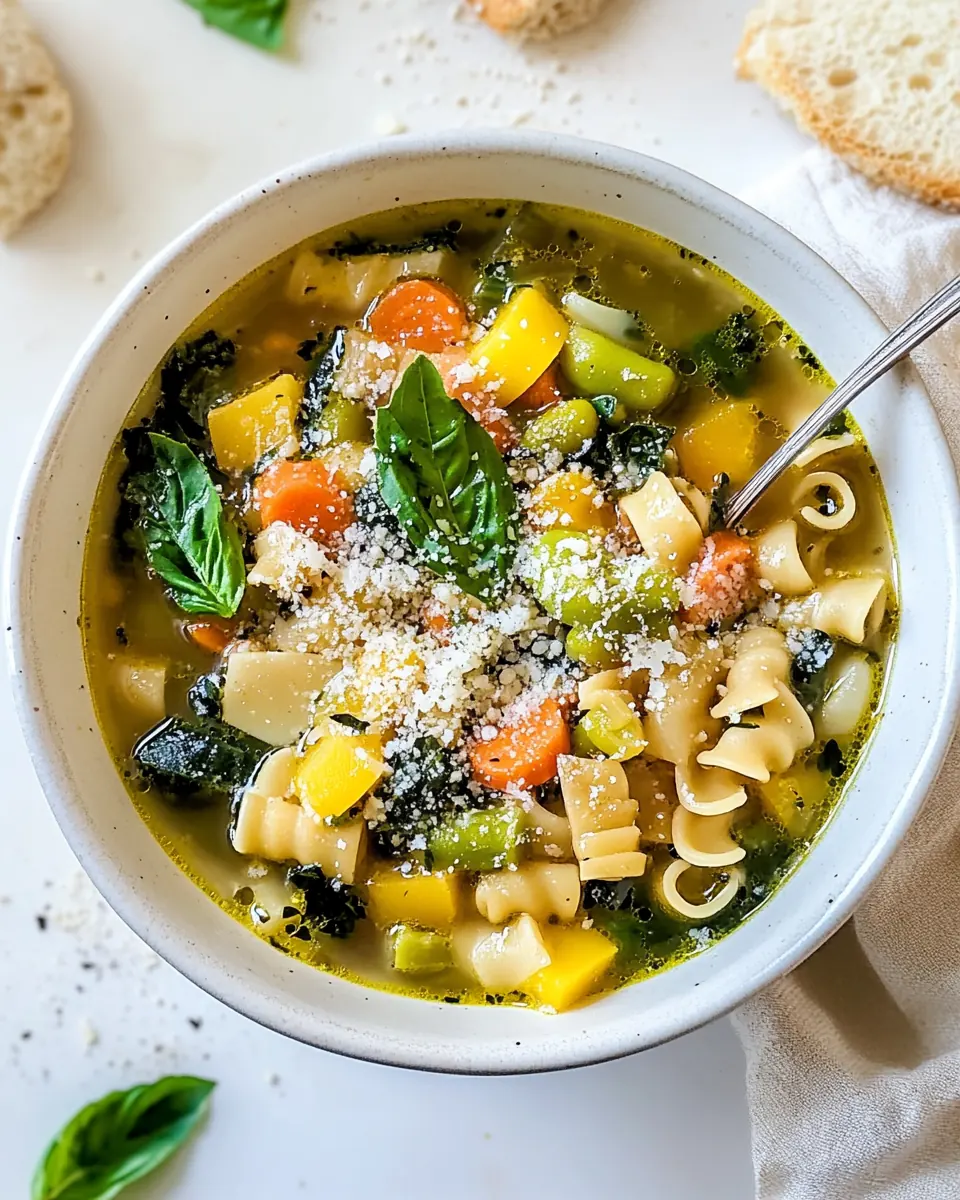
Spring Minestrone Soup
Ingredients
Equipment
Method
- In a large pot, heat the olive oil over medium-high heat. Add the onion, carrot, celery, potatoes and cook for 5 minutes, stirring occasionally. Add the garlic and cook for 1 minute. Add the zucchini, Italian seasoning, salt, and pepper. Cook for 2 minutes.: When the oil warms, it should shimmer slightly and smell faintly fruity, not smoky. I look for a gentle ripple across the surface before adding any vegetables so they start to sizzle and deglaze the pan, capturing those caramelized bits for flavor. If the oil smokes, the heat is too high and you should reduce it to avoid bitterness. A common mistake is overcrowding the pot too soon, which steams vegetables instead of browning them; give them space so they can develop color and aroma.
- Add the vegetable broth, beans, and pasta. Bring to a boil, then reduce the heat to low and simmer for 8 to 10 minutes or until the pasta is al dente and the potatoes are tender.: During these minutes you should hear a steady, soft sizzle and notice the onion turning translucent while the carrot and celery begin to soften. The potatoes will start to lose their raw edge. This stage builds a sweet, savory base, so resist the urge to rush it. If pieces are browning unevenly, stir more frequently and adjust heat so nothing burns, which would introduce bitter notes.
- Stir in the spinach, asparagus, peas and cook for 2 minutes.: The aroma of garlic should become immediate and warm, but it should not darken. Cook just until fragrant, about a minute, because overcooked garlic turns bitter. If you notice any browning, remove the pot from the heat briefly to cool the pan before continuing, that prevents aftertaste issues.
- Add the Parmesan cheese, pesto, and lemon juice. Stir until combined. Taste and season with salt and pepper, if necessary.: As you stir in the zucchini and herbs, you will see moisture release and the pot will smell herbaceous. The dried seasoning hydrates and releases oils, tying flavors together. Taste the base after a minute and adjust the salt carefully, because the broth and Parmesan cheese later will add more sodium. Over-salting at this point is a common pitfall.
- Ladle into bowls and serve. Garnish with fresh basil and extra Parmesan cheese.: In this brief period the zucchini softens slightly while retaining structure, and the seasoning melds with the aromatics. You should notice the pot smell deepen and the vegetables looking glossy. If the pot seems dry, add a splash of broth to prevent sticking. Watch closely, as cooking too long will make delicate vegetables mushy.
- Add the vegetable broth, beans, and pasta: Pouring in the vegetable broth will deglaze the pot and lift all the caramelized flavors into the liquid. The sight of broth swirling and the gentle steam rising signals the transition from sauté to simmer. The cannellini beans add body while the ditalini pasta will absorb flavor as it cooks. Be sure the broth covers the solids comfortably so everything cooks evenly.
- Bring to a boil, then reduce the heat to low and simmer for 8 to 10 minutes or until the pasta is al dente and the potatoes are tender: The boil is a lively bubble that settles into a soft, steady simmer, which is the ideal environment to cook pasta and potatoes through without breaking them down. Check the pasta at around eight minutes for al dente texture, and pierce a potato to ensure tenderness. A common mistake is over boiling, which makes pasta swell too much; lower the heat to keep a gentle simmer.
- Stir in the spinach, asparagus, peas and cook for 2 minutes: When the greens and spring vegetables hit the hot broth you will see them collapse and turn vivid green quickly. The steam will smell fresh and green. Because these items are delicate, they only need a short time; overcooking will dull their flavor and color. If your pot is too vigorous, reduce heat immediately to preserve texture and brightness.
- Add the Parmesan cheese, pesto, and lemon juice: Stirring in Parmesan cheese and basil pesto will thicken the broth slightly and add concentrated savory and herb notes, while the lemon juice injects bright acidity that balances richness. The soup should smell fragrant and layered. If the mixture tastes flat, a little extra lemon can lift it, but add cautiously to avoid overt tartness.
- Stir until combined: You will notice the broth take on a silkier texture as the cheese and pesto dissolve. Use this moment to look for balance in salt and acid, adjusting if needed. Avoid prolonged stirring that could break down pasta; gentle folds are enough. A frequent error is adding too much finishing ingredients at once, so taste and tweak gradually.
- Taste and season with salt and pepper, if necessary: Tasting at this stage is critical because flavors concentrate as the soup cools slightly. Use small adjustments and taste after each change. Over seasoning is easy to do, especially with salty cheese, so err on the side of less and recheck after a minute or two.
- Ladle into bowls and serve: As you spoon the soup, notice the combined textures of tender potatoes, al dente pasta , and bright vegetables. The aromas should be herb forward with a citrus lift. Serve while hot, and avoid leaving bowls sitting too long, as pasta will continue to absorb broth and change texture. If you intend to store leftovers, undercook the pasta slightly to prevent it from becoming mushy when reheated.
- Garnish with fresh basil and extra Parmesan cheese: The final garnish adds fragrance and visual appeal, and the extra Parmesan cheese offers an immediate savory hit. Tear fresh basil rather than cutting to preserve oils. A typical mistake is overloading garnishes which can overpower the soup, so add sparingly to complement the bowl.
Notes
- Use a flavorful vegetable broth to maximize depth, because the broth carries all the vegetable and herb notes throughout the pot.
- Rinse canned beans thoroughly to remove canning liquid, which helps keep the broth clear and reduces extra sodium.
- Under cook pasta slightly if you plan to store leftovers, as it will soften further when reheated and absorb broth otherwise.
- Add pesto at the end so its fresh basil flavor remains bright, stirring it in just before serving rather than during a long simmer.
- Brighten with lemon at the finish, adding small amounts and tasting, because acid lifts the whole bowl without overwhelming it.
- Freeze without pasta and add freshly cooked ditalini pasta when reheating to preserve texture and avoid mushy leftovers.