Blue Cheese Dressing
Blue Cheese Dressing has been my go to when I want to brighten a simple salad or add creamy tang to raw veggies. The first time I made it I remember breaking a wedge of blue cheese over a bowl and feeling a little giddy about how bold and savory that crumble would make a plate of greens. I like that it is unapologetically flavorful, a little salty, and a little sharp, and it pulls together a meal with very little fuss.
Over the years I’ve tuned the balance between creaminess and punch so it serves both as a pourable salad dressing and a thick dip. I sometimes whisk it up in the morning to let the flavors mellow, and other times I mash the cheese coarser for texture. I love how the lemon juice adds brightness, how the herbs add freshness, and how buttermilk thins everything to the perfect consistency.
Recipe Snapshot
5 mins
5 mins
0 mins
Easy
150 kcal
American
Keto, Gluten-Free
Appetizers
Fork, Medium bowl, Measuring cups, Airtight container
Why Try This Blue Cheese Dressing
Creamy yet bold
I adore how Blue Cheese Dressing delivers a velvety mouthfeel from the mayonnaise and sour cream, while the blue cheese asserts itself with unmistakable tang. When I serve it, people always comment on the lush texture, and that first spoonful shows why this balance matters. The creaminess helps coat greens or crudites so every bite feels indulgent without being cloying.
Versatile serving styles
This dressing pulls double duty for me, working as both a pourable sauce and a robust dip. By adjusting the buttermilk and heavy cream quantities you can easily make it thicker for a party platter or thinner for an every night salad. I often halve the liquid for a dip and thin with a splash of buttermilk right before serving if needed.
Fresh herb lift
The chopped parsley or chives brightens an otherwise rich profile and makes the dressing feel homemade. I always add them last so they remain vivid and not lost in the cream. That little green fleck tells diners this was made with care, and I find it elevates simple dishes into something more thoughtful.
Simple pantry ingredients
One reason I reach for this is practicality, the ingredients are staples: mayonnaise, sour cream, buttermilk, and seasonings. There is no complicated technique, and you can make it in minutes. When friends pop by I can pull everything together quickly, which keeps entertaining relaxed and enjoyable.
Make ahead marvel
I like that this improves with time, chilling at least a few hours or overnight deepens the flavors. Planning ahead is rewarded, the sharpness of the blue cheese settles into a more rounded creaminess. I often make a batch the night before a gathering, and it saves me last minute work while tasting better than freshly mixed.
Ingredients You’ll Need for Blue Cheese Dressing
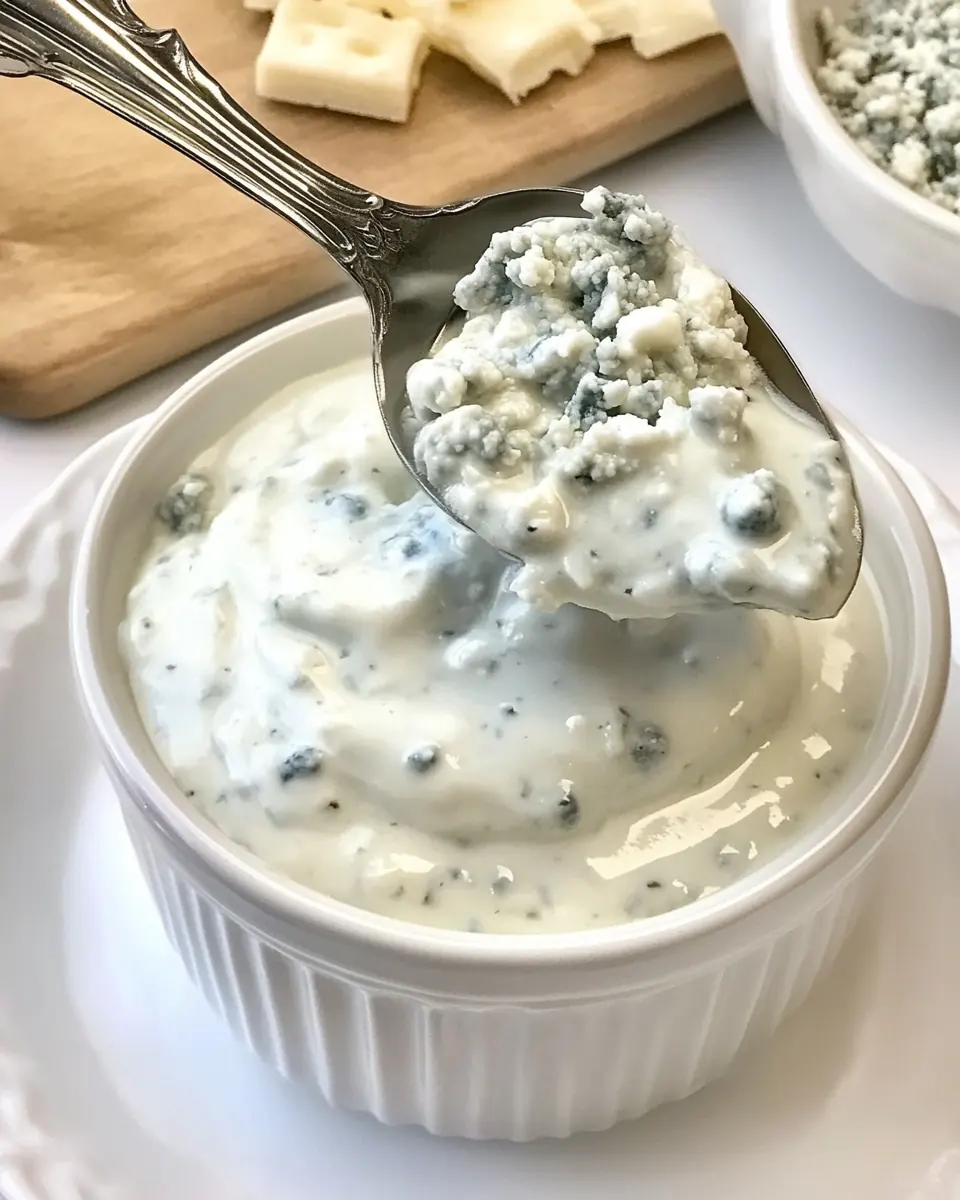
I think of these ingredients as a small ensemble where each player has a clear job. The blue cheese provides character and bite, the mayonnaise and sour cream create the creamy body, and the buttermilk and lemon juice control the texture and brightness. Small seasonings like garlic powder, onion powder, and dry mustard add depth without stealing the show.
- 3 ounces blue cheese (use a wedge, not pre-crumbled *see blog post "Tips"): Provide tangy, pungent flavor and creamy texture when mashed into the dressing; crumble from a wedge for the best texture and avoid pre-crumbled varieties to retain freshness and bold blue mold character.
- 1/3 cup quality mayonnaise: Contribute richness and body to create a smooth, stable emulsion; choose a quality mayonnaise for a balanced fat base that helps bind the dressing ingredients together.
- 1/3 cup sour cream: Add tangy creaminess and lighten the mouthfeel while supporting the dressing's thick texture; use full-fat sour cream for a silky, slightly acidic layer that complements the blue cheese.
- 1/3 cup buttermilk (use less if you want it thicker for a dip): Thin the dressing and add a mild tang that brightens flavors; adjust the amount for desired consistency, using less if making a thicker dip.
- 2 tablespoons heavy cream (omit if you want it thicker for a dip): Enhance silkiness and mouth-coating richness while slightly loosening the dressing; include only if a creamier, less dense finish is desired, omit for thicker dip consistency.
- 2 teaspoons freshly squeezed lemon juice: Brighten and lift the overall flavor profile with fresh acidity; squeeze just before mixing to preserve vibrant citrus notes without overpowering the cheese.
- 1/4 teaspoon garlic powder: Impart mild savory depth and subtle roasted garlic nuance without adding moisture; use a small measured amount to keep the powdery, concentrated garlic flavor balanced.
- 1/4 teaspoon onion powder: Provide gentle sweet-onion background and savory complexity in powdered form; use sparingly to avoid masking the dressing's primary tangy and cheesy notes.
- 1/4 teaspoon dry mustard: Deliver a sharp, concentrated boost of savory piquancy that enhances other seasonings; use dry mustard sparingly to add subtle depth without mustard-forward flavor.
- 1 tablespoon chopped fresh parsley or chives: Introduce a fresh herbal brightness and mild oniony or parsley aroma; chop herbs finely and fold in at the end to preserve color and delicate flavor.
- 1/8 teaspoon freshly ground black pepper: Contribute warm, aromatic sharpness and subtle heat to balance richness; freshly grinding yields more vibrant flavor than preground black pepper.
- 1/4 teaspoon salt: Season overall taste and enhance other flavors while moderating bitterness and saltiness; add judiciously and adjust to taste at the end to avoid over-salting.
Blue Cheese Dressing Instructions
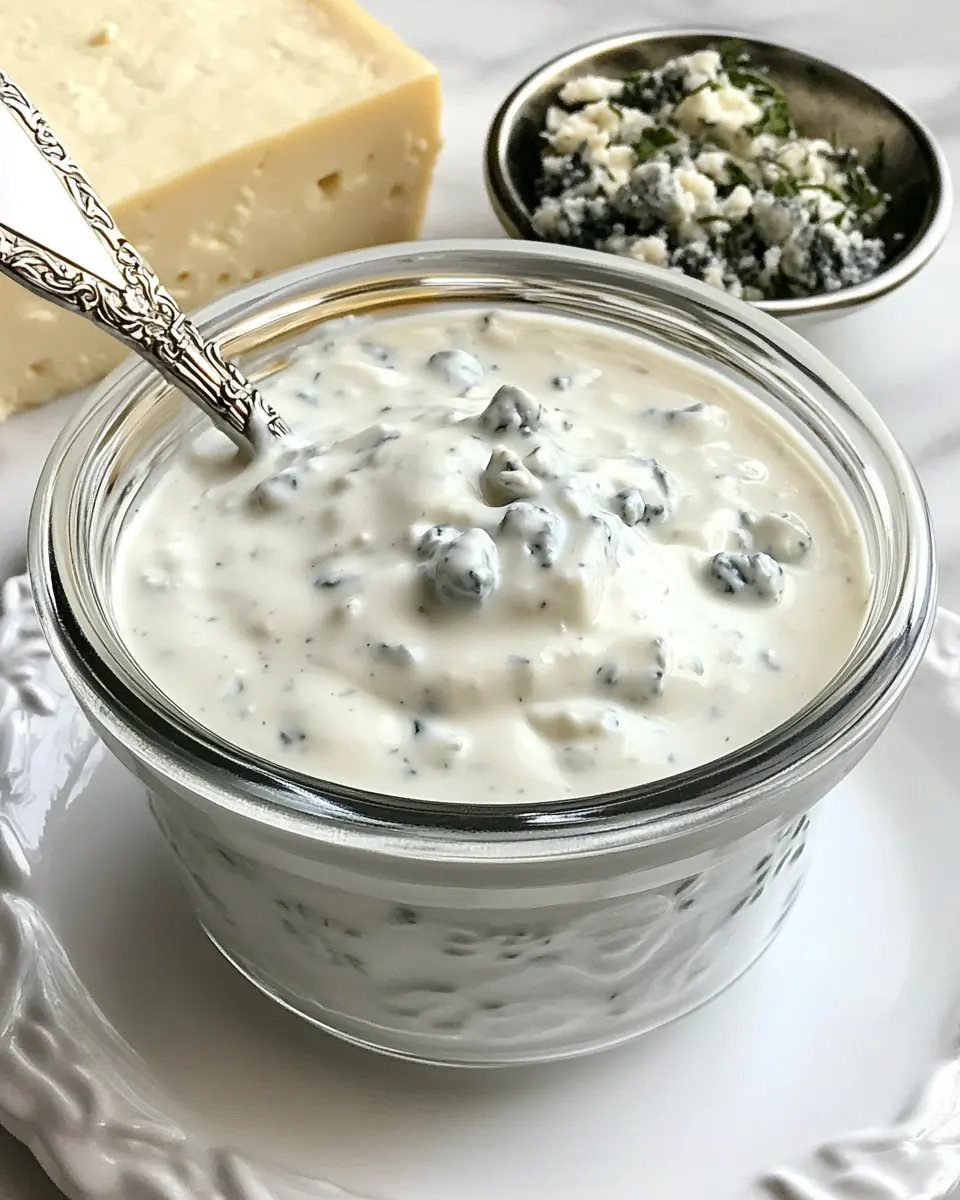
This recipe is straightforward and forgiving, which I love. Below I walk you through each action and explain how to sense when it is just right so you end up with dressing that is balanced in texture and flavor. Read the notes if you want variations and troubleshooting hints for perfect results.
- Place the blue cheese and buttermilk in a medium-sized bowl and mash the blue cheese with a fork until the desired degree of chunkiness is reached. Add the remaining ingredients and stir until combined. Cover and chill for at least 3-4 hours before serving to allow adequate time for the flavors to develop (for best results chill overnight). Taste and add more salt and pepper if desired. Keep stored in an airtight container in the fridge where it will keep for up to a week. Makes about 1 1/2 cups.: The first sensations are tactile and visual, as you press the blue cheese against the bowl and watch creamy streaks form in the pale buttermilk . You may hear small soft thunks as you break up the wedge, and the aroma will be immediately piquant and tangy. Aim for a mix of smooth base and irregular chunks so the dressing has creaminess and intermittent bursts of assertive flavor. Doing this by hand lets you control texture better than a blender, which can overprocess and make the dressing too uniform and thin. A common mistake is overmashing, which removes the satisfying contrast of little blue pockets, so stop when you see both smoothness and crumbly pieces.
- Add the remaining ingredients and stir until combined: After mashing, add the mayonnaise , sour cream , heavy cream , lemon juice , and the powdered seasonings. As you stir, notice how the mixture thickens and the color evens out to a pale, speckled cream. The sound is a soft, steady whisk across the bowl, and the smell will soften as the dairy melds. Stirring, rather than blending, preserves texture and lets the ingredients marry gently. This technique matters because vigorous blending can create an overly loose emulsion and reduce the dressing's body. One mistake to avoid is adding all the liquid at once; if it seems too thin, hold back a little buttermilk or heavy cream to adjust the final thickness.
- Cover and chill for at least 3 to 4 hours before serving to allow adequate time for the flavors to develop: Chilling transforms the mixture, letting the sharp edges of the blue cheese mellow and letting the herbs hydrate. The texture firms slightly as the dairy cools, and the nose will shift from raw sharpness to a rounded, integrated aroma. Overnight chilling is ideal because it gives the seasonings time to fuse, producing a deeper, more cohesive taste. This resting period matters because it softens high notes and makes the dressing taste coherent. Avoid skipping this step if you can, because serving too soon risks uneven spice distribution and a less composed flavor profile.
- Taste and add more salt and pepper if desired: After chilling, sampling is the key sensory checkpoint. Taste for seasoning balance; you should experience creamy richness first, followed by the blue tang and a gentle herbal top note. If the dressing tastes flat, a pinch more salt will brighten it, and a twist more black pepper will sharpen the finish. Be cautious adding salt because the blue cheese often has significant salinity already. A frequent error is over seasoning; add small increments and taste between additions so you maintain control.
- Keep stored in an airtight container in the fridge where it will keep for up to a week: Proper storage keeps the dressing fresh and prevents it from absorbing other refrigerator odors. In a sealed jar the texture stays stable and the flavors remain balanced, though the blue cheese flavor may intensify slightly over days. Note the smell and appearance before serving later, and stir briefly if any separation has occurred. A common oversight is leaving it uncovered, which can dry the surface and degrade flavor, so always use an airtight container.
Tips and Tricks about Blue Cheese Dressing
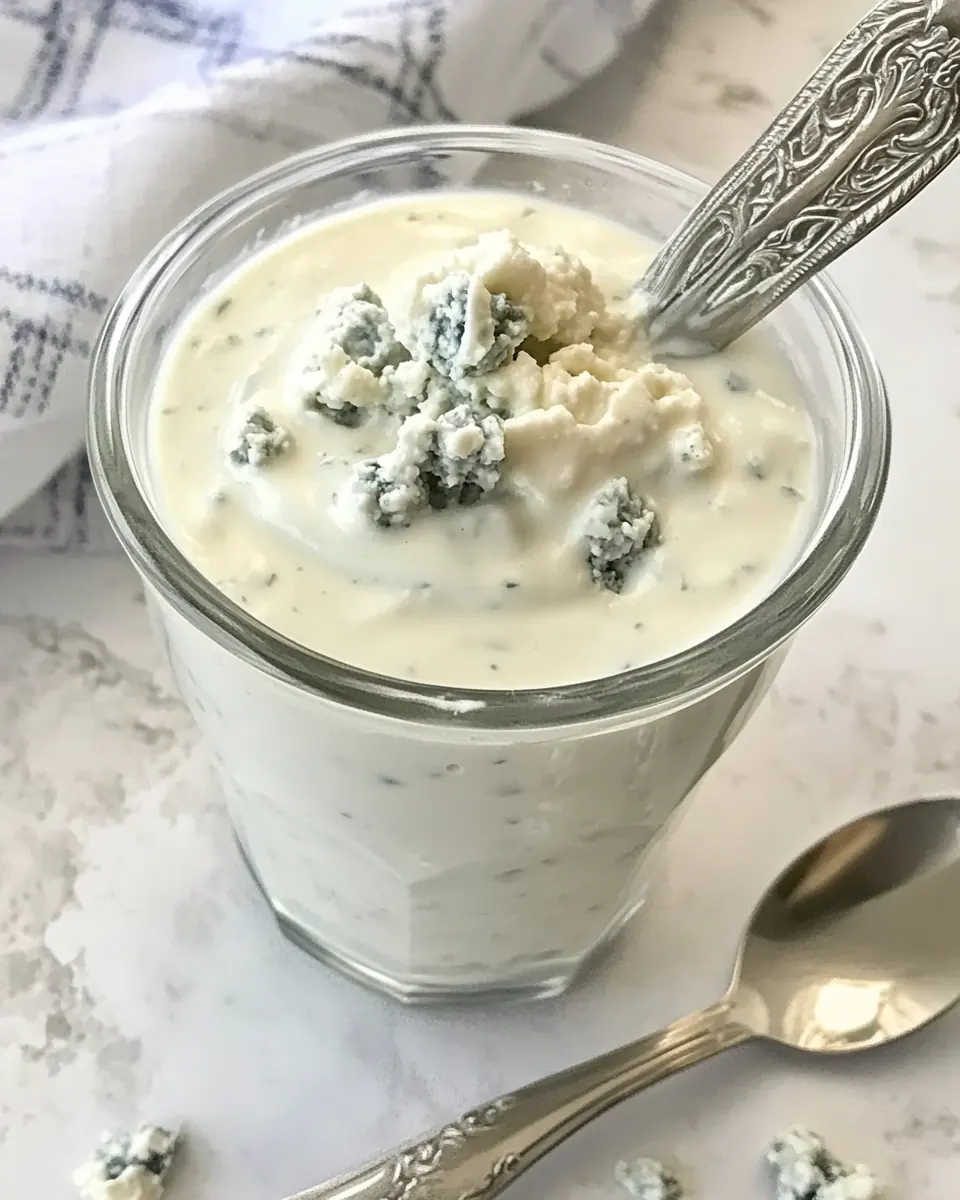
I like to think of these tips as small chef secrets that make the dressing sing. Below are practical pointers and adjustments I use depending on how I plan to serve it, whether as a pourable salad dressing or a thick dip for vegetables.
- Choose a good wedge: Picking a quality blue cheese wedge makes an immediate difference in depth of flavor, texture, and salt level, so buy from the deli counter when possible.
- Adjust consistency mindfully: To change from dressing to dip, reduce the buttermilk or skip the heavy cream, and add liquids a little at a time to reach the desired thickness.
- Fresh herbs last: Stir in the chopped parsley or chives right before serving for visual freshness and a bright herbal note that contrasts the rich base.
- Make ahead for depth: Preparing the dressing several hours in advance or overnight allows the flavors to blend, producing a rounder and more nuanced taste.
- Mind the salt: Because blue cheese can be salty, always taste before adding additional salt to avoid over seasoning.
Great Combinations for Blue Cheese Dressing
This dressing pairs beautifully with crisp greens and crunchy vegetables, and it can anchor heartier plates too. Here are ideas for serving, occasions, and storage to help you plan meals and gatherings.
- Classic wedge salad: Serve the dressing spooned over large wedges of iceberg or romaine with cherry tomatoes and a sprinkle of chives for a retro yet timeless starter.
- Crudite platter dip: Offer the dressing as a thick dip with sliced cucumber, bell pepper, carrot sticks, and celery for a casual appetizer at parties or game day.
- Steak or burger topping: Dollop the dressing on a grilled steak or beef burger for a luxurious finish, letting the creamy tang cut through rich meat flavors.
- Buffalo style wings: Use a chilled version as a cooling counterpoint for spicy wings, offering both dip and drizzled options for guests.
- Sandwich spread: Thin the dressing slightly and spread it on sandwiches or wraps to add savory complexity without overwhelming other fillings.
- Occasions: This is great for casual weeknight dinners, weekend barbecues, holiday buffets, and intimate dinner parties where a punchy dressing is welcome.
- Storage tips: Keep it refrigerated in an airtight container for up to one week, and always smell and stir before using; if it smells off discard it.
- Seasonal pairings: Works year round, particularly with summer salads and hearty winter greens; it is adaptable to seasonal produce.
- Serving style: Offer both pourable and thick versions so guests can choose to dress salads or scoop veggies as they prefer.
- Presentation: Garnish with a few crumbled bits of blue cheese and a sprinkle of chopped parsley or chives to signal freshness and texture to diners.
FAQ
Conclusion
This Blue Cheese Dressing stands out because of its balance of creamy body and assertive blue cheese flavor, finished with bright lemon and fresh herbs. I encourage you to give it a try, whether you want a pourable dressing for a crisp salad or a thick dip for a veggie platter. It is simple to make, benefits from a short chill, and elevates ordinary ingredients into something that feels special and intentional. Invite friends over or make a batch for weeknight dinners, and enjoy how a little dressing can transform a meal.
Blue Cheese Dressing
Ingredients
Equipment
Method
- Place the blue cheese and buttermilk in a medium-sized bowl and mash the blue cheese with a fork until the desired degree of chunkiness is reached. Add the remaining ingredients and stir until combined. Cover and chill for at least 3-4 hours before serving to allow adequate time for the flavors to develop (for best results chill overnight). Taste and add more salt and pepper if desired. Keep stored in an airtight container in the fridge where it will keep for up to a week. Makes about 1 1/2 cups.: The first sensations are tactile and visual, as you press the blue cheese against the bowl and watch creamy streaks form in the pale buttermilk . You may hear small soft thunks as you break up the wedge, and the aroma will be immediately piquant and tangy. Aim for a mix of smooth base and irregular chunks so the dressing has creaminess and intermittent bursts of assertive flavor. Doing this by hand lets you control texture better than a blender, which can overprocess and make the dressing too uniform and thin. A common mistake is overmashing, which removes the satisfying contrast of little blue pockets, so stop when you see both smoothness and crumbly pieces.
- Add the remaining ingredients and stir until combined: After mashing, add the mayonnaise , sour cream , heavy cream , lemon juice , and the powdered seasonings. As you stir, notice how the mixture thickens and the color evens out to a pale, speckled cream. The sound is a soft, steady whisk across the bowl, and the smell will soften as the dairy melds. Stirring, rather than blending, preserves texture and lets the ingredients marry gently. This technique matters because vigorous blending can create an overly loose emulsion and reduce the dressing's body. One mistake to avoid is adding all the liquid at once; if it seems too thin, hold back a little buttermilk or heavy cream to adjust the final thickness.
- Cover and chill for at least 3 to 4 hours before serving to allow adequate time for the flavors to develop: Chilling transforms the mixture, letting the sharp edges of the blue cheese mellow and letting the herbs hydrate. The texture firms slightly as the dairy cools, and the nose will shift from raw sharpness to a rounded, integrated aroma. Overnight chilling is ideal because it gives the seasonings time to fuse, producing a deeper, more cohesive taste. This resting period matters because it softens high notes and makes the dressing taste coherent. Avoid skipping this step if you can, because serving too soon risks uneven spice distribution and a less composed flavor profile.
- Taste and add more salt and pepper if desired: After chilling, sampling is the key sensory checkpoint. Taste for seasoning balance; you should experience creamy richness first, followed by the blue tang and a gentle herbal top note. If the dressing tastes flat, a pinch more salt will brighten it, and a twist more black pepper will sharpen the finish. Be cautious adding salt because the blue cheese often has significant salinity already. A frequent error is over seasoning; add small increments and taste between additions so you maintain control.
- Keep stored in an airtight container in the fridge where it will keep for up to a week: Proper storage keeps the dressing fresh and prevents it from absorbing other refrigerator odors. In a sealed jar the texture stays stable and the flavors remain balanced, though the blue cheese flavor may intensify slightly over days. Note the smell and appearance before serving later, and stir briefly if any separation has occurred. A common oversight is leaving it uncovered, which can dry the surface and degrade flavor, so always use an airtight container.
Notes
- Choose a good wedge: Picking a quality blue cheese wedge makes an immediate difference in depth of flavor, texture, and salt level, so buy from the deli counter when possible.
- Adjust consistency mindfully: To change from dressing to dip, reduce the buttermilk or skip the heavy cream, and add liquids a little at a time to reach the desired thickness.
- Fresh herbs last: Stir in the chopped parsley or chives right before serving for visual freshness and a bright herbal note that contrasts the rich base.
- Make ahead for depth: Preparing the dressing several hours in advance or overnight allows the flavors to blend, producing a rounder and more nuanced taste.
- Mind the salt: Because blue cheese can be salty, always taste before adding additional salt to avoid over seasoning.