Classic Chicken Noodle Soup
Classic Chicken Noodle Soup is a bowl I reach for when the day feels heavy and I want something honest and comforting. I remember making this for my neighbor after their surgery, carrying over a steaming pot that smelled like warm afternoons and quiet kitchens, and watching their shoulders relax with the first spoonful. That memory sits behind every time I stir a pot of this soup, because it is a recipe that calms the room as much as it soothes the body.
There is something about the combination of soft, tender chicken, slurpable egg noodles, and a clear, seasoned chicken stock that feels like home. I like to think of this recipe as practical tenderness, the kind you can make on a weeknight or for someone who needs a little care. Over the years I have tweaked small things, but the core keeps its simplicity, which is why I call it Classic Chicken Noodle Soup when I share it with friends.
When I teach this to people who are new to cooking, I emphasize patience with the aromatics, and respect for good stock. Those moments of gentle simmering are where flavor settles into the broth. The result is a soup that is both humble and deeply satisfying, a real stick-to-your-ribs kind of comfort without heaviness. Every spoonful reminds me of quiet conversations, rainy afternoons, and the small rituals that make a house feel like a home.
Recipe Snapshot
30 mins
10 mins
20 mins
Easy
300 kcal
American
Gluten-Free, Low FODMAP
Soups
Large pot, Wooden spoon
Why This Classic Chicken Noodle Soup Stands Out
Pure comfort in a bowl
I adore how Classic Chicken Noodle Soup feels like a remedy. When we take that first spoonful, the warm broth and tender chicken wrap around you, and it becomes instantly easier to breathe. I love that this recipe delivers that comfort without fuss, making it ideal for tired weeknights or when someone needs nurturing.
Simple ingredients that sing together
The beauty here is the synergy between slick olive oil, a pat of melting butter, and the trio of aromatic onion, carrot, and celery. I always point out that the vegetables are the backbone, giving texture and natural sweetness, while the chicken stock ties everything into a savory, satisfying whole.
Versatile and approachable
One of the reasons I keep this recipe in rotation is its flexibility. You can scale the pot up or down, use homemade or store bought chicken stock, and still end up with a crowd pleasing dish. I find that having a dependable method reduces stress, especially when I am cooking for guests who need something gentle and familiar.
Quick enough for weeknights
Because the steps are straightforward, this recipe fits into busy lives. I appreciate that you can get meaningful comfort on the table in under an hour, which is why I bring it to potlucks or pack it for a friend in need. The minimal fuss makes it approachable for cooks at any level.
Textural contrast that delights
The tender chicken against the al dente egg noodles gives every spoonful a satisfying bite. I like dishes that feel handcrafted, and this soup offers those small contrasts that turn a simple bowl into a memorable one.
Ingredient List for Classic Chicken Noodle Soup
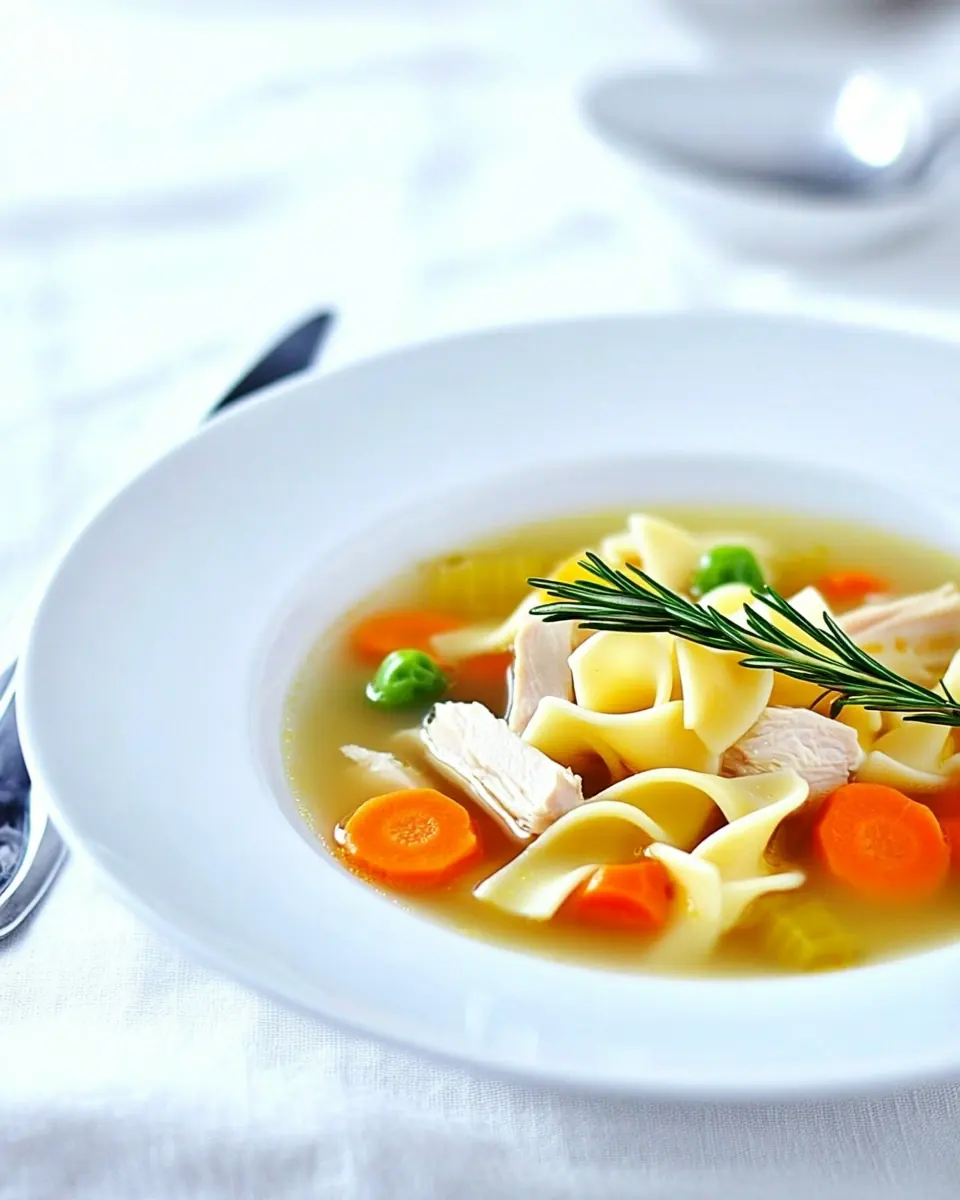
These ingredients come together with an uncomplicated philosophy: build a clear, flavorful broth, layer in softened vegetables for natural sweetness, then add tender chicken and comforting egg noodles. The key players are the aromatics that create depth, the stock that carries flavor, and the cooked chicken and noodles that provide substance.
- 1 tablespoon olive oil: Sauté to provide a fragrant, fruity base and healthy fat for cooking aromatics; helps prevent sticking and enhances the overall mouthfeel of the broth when combined with butter.
- 1 tablespoon butter: Melt to add richness and a silky texture, balancing the olive oil; contributes a subtle creamy flavor that deepens the soup’s savory profile when vegetables are sweated.
- 1/2 large onion diced: Dice finely and soften to release sweet, savory aromatics that form the backbone of flavor; translucent onions add natural sweetness and complexity without overpowering the broth.
- 1 1/2 cups carrot diced: Dice evenly and simmer to contribute natural sweetness, texture, and color; carrots provide a pleasant bite, vitamin content, and visual appeal throughout the soup.
- 1 1/2 cups celery diced: Dice uniformly and cook until tender to add a mild, aromatic vegetal base; celery brings a lightly bitter, herbal note and structural crunch if not overcooked.
- 10 cups chicken stock homemade or store bought…just use one you love: Simmer as the primary liquid to carry and concentrate flavors; a quality chicken stock supplies body, depth, and the savory backbone that defines the soup.
- salt & pepper to taste: Season to adjust and enhance all flavors throughout cooking and before serving; salt and pepper balance sweetness and umami while tailoring the soup to taste.
- 1 tablespoon dried tarragon: Add dried to impart a subtle, slightly sweet, anise-like herbal note; dried tarragon blends into long-simmered soups, enriching aroma without overwhelming delicate chicken flavors.
- 1 bay leaf: Steep whole to provide a gentle, earthy layer of flavor during simmering; bay leaf releases subtle herbal and slightly floral notes that round out the broth while cooking.
- 2 cups diced cooked chicken: Stir in pre-cooked and warm through to supply protein, texture, and heartiness; diced cooked chicken keeps the soup comforting and makes it a complete meal.
- 4 cups egg noodles such as no yolks: Boil until tender to add comforting starch, body, and chew; egg noodles absorb the broth’s flavor and transform the soup into a more filling, family-friendly dish.
The Process for Making Classic Chicken Noodle Soup
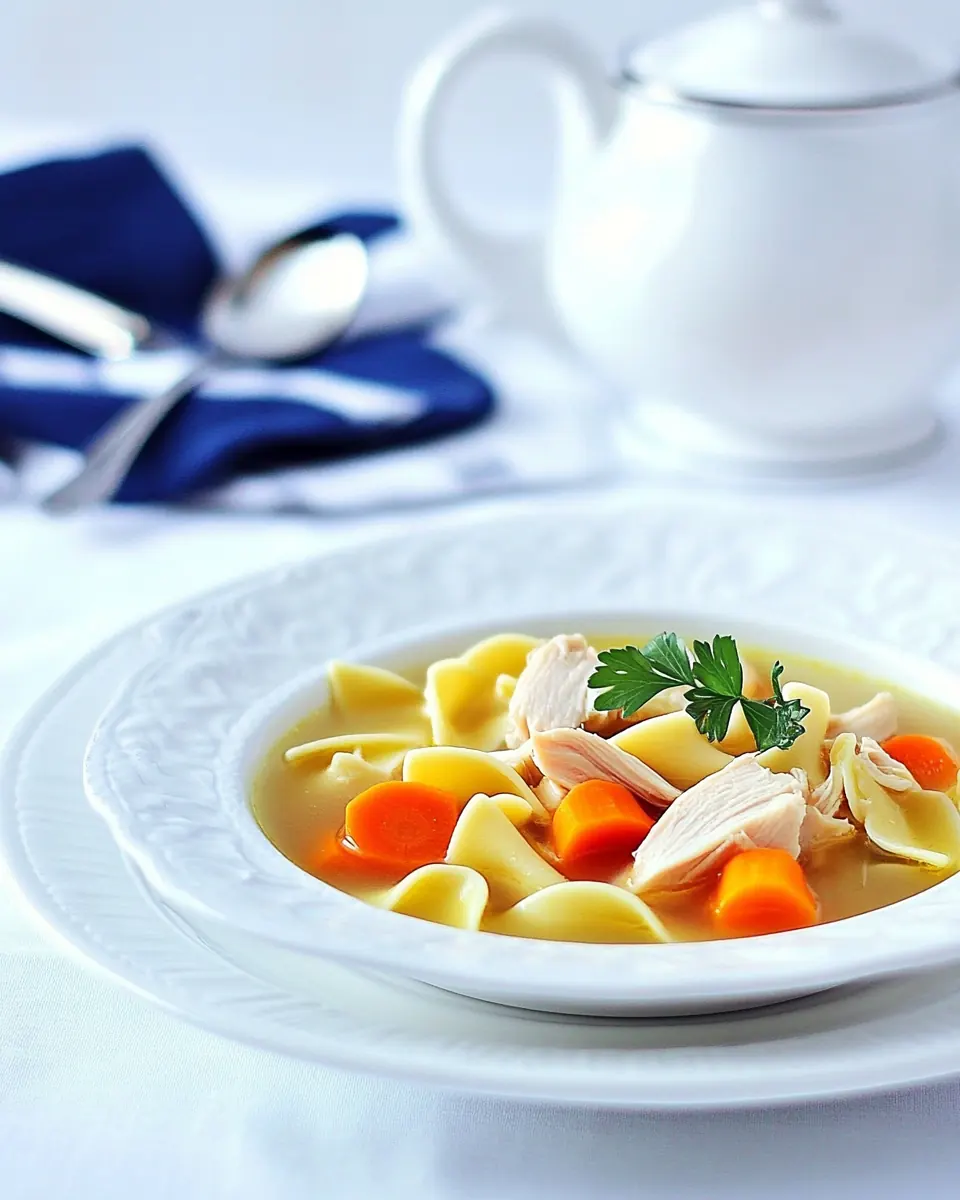
We keep the method approachable and warm. These steps aim to guide you through the sensory cues so you can trust your instincts as the soup comes together, from the aromatic softening of the vegetables to the final seasoning check. Follow the sequence to build layers of flavor and preserve texture.
- In a large pot, saute onion, carrot, and celery in olive oil and butter. Cook until onion starts to soften.: You will smell the vegetables sweetening as they release moisture, and the butter will melt into the oil creating a glossy sheen on the pan. The sound is a gentle sizzle, not an aggressive fry, indicating medium heat; visually the onion should turn translucent and the edges should not brown. This step matters because slow softening brings out the natural sugars that round the broth, avoiding any raw, vegetal bite. A common problem is using too high heat, which will brown or scorch the aromatics and give the soup an off flavor. If that happens, lower the heat and stir frequently to recover the gentle cook.
- Stir in chicken stock and seasonings. Bring to boil and stir in chicken and noodles. Reduce the heat and cook until noodles are tender.: As the chicken stock hits the pot, it will steam and mingle with the sweet vegetable aromas, creating a fragrant uplift. When you bring the pot to a boil, you will hear a full, rolling bubble, but you should reduce to a gentle simmer before adding the chicken and egg noodles so they heat through more gently. The noodles will soften and swell, absorbing flavor; the chicken warms without drying out. This technique ensures the broth remains clear and the textures hold. Avoid a hard boil while the noodles cook because that motion breaks them up and causes cloudy broth. If the soup becomes too starchy, a splash of extra stock or a brief rest off heat helps redistribute the starch.
- Taste, adjust seasonings, remove bay leaf, and serve.: The final stage is all about balance; take a spoon and sample the broth and noodle combination, tuning with salt and pepper to lift the flavors. Remove the bay leaf so no one bites into it, and give the soup a last whisk to distribute the aromatics. You should notice bright, herbaceous tarragon notes threading through the savory broth, and the noodles should be tender but not limp. A frequent oversight is underseasoning, which leaves the soup flat, so always taste and correct. If the seasoning seems off, add a pinch at a time and let it bloom for a minute before retasting.
Variations to Try
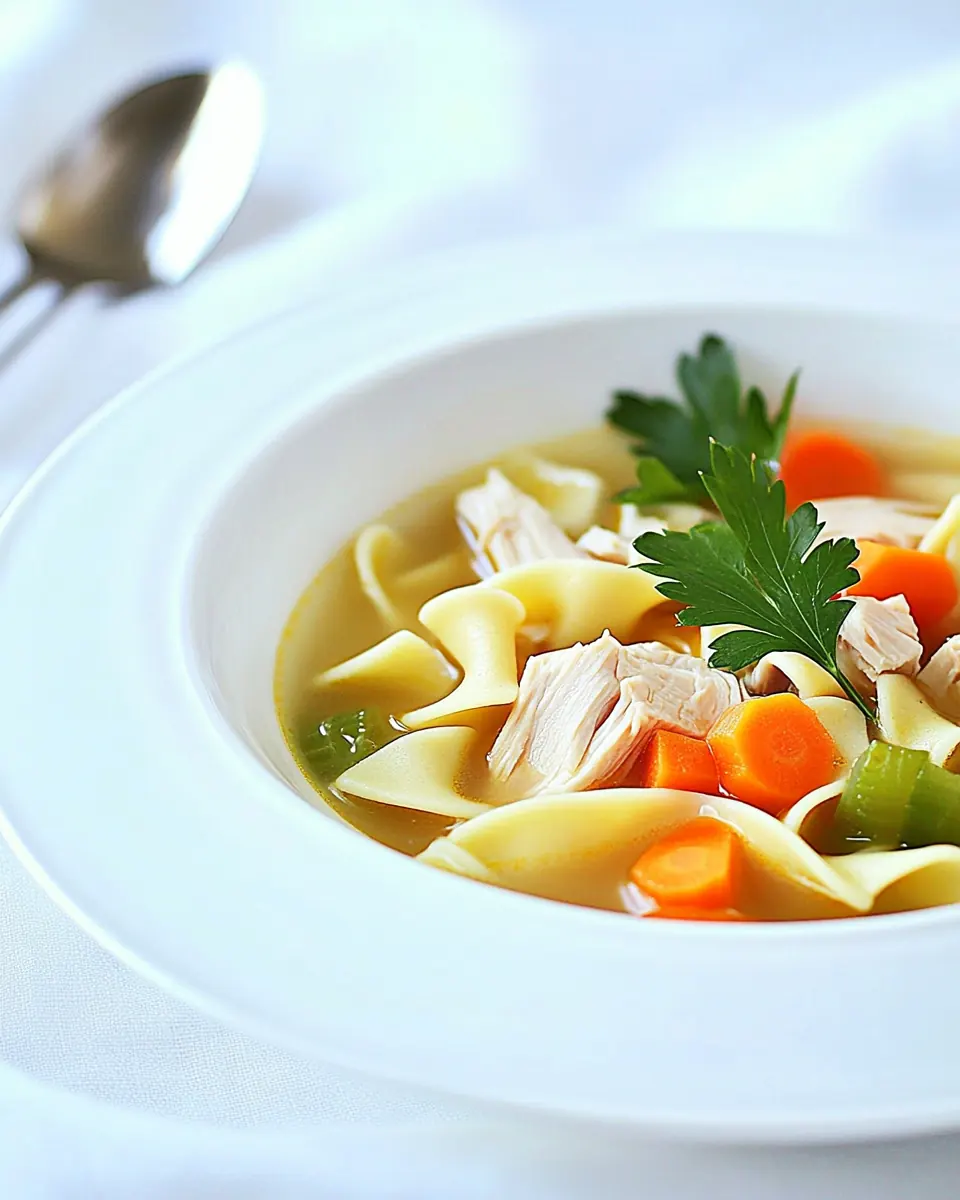
I enjoy offering a few variations when I want to change the mood of the soup. Below are thoughtful options that keep the spirit of the recipe intact while shifting texture or flavor in small ways. Each tip begins with a bold phrase to help you scan quickly.
- Brighten with lemon: Add a squeeze of fresh lemon juice just before serving to lift the broth and highlight the herbs.
- Swap noodles sparingly: Try a different shaped noodle for a playful change, but time cooking carefully to avoid overcooking.
- Use homemade stock for depth: When possible, homemade chicken stock will add body and a fuller mouthfeel than many store bought options.
- Add fresh herbs at the end: Stir in chopped fresh parsley or dill right before serving to preserve color and vibrancy.
- Keep it make ahead friendly: Cook the soup slightly underdone if you plan to refrigerate, then finish cooking the noodles when reheating to retain texture.
Serving Options for Classic Chicken Noodle Soup
This soup fits many moments, simple or ceremonial. Below I describe ideas for serving, pairings, and storage so you can present the bowl in ways that feel intentional and practical. Each suggestion highlights actionable choices for different occasions.
- Weeknight dinner pairing: Serve with crusty bread or a simple green salad for a quick, balanced meal that feels nourishing without fuss.
- Comfort for a friend: Bring to someone recovering from illness, packaged in a thermos or shallow container so it reheats evenly and feels like a warm embrace.
- Family style for gatherings: Keep the soup in a large pot on low heat, with extra noodles and chopped chicken on the side so guests can customize their bowls.
- Storage advice: Refrigerate leftover soup in an airtight container for up to three days; store noodles separately if you plan to reheat to avoid sogginess.
- Seasonal serving: In winter, serve piping hot with extra cracked pepper and a sprinkle of fresh herbs to add brightness to colder days.
- Special occasion tweak: For a gentle holiday option, offer the soup as a starter course, garnished with a small spoonful of minced fresh herbs for presentation.
- Reheating tip: Gently reheat on the stovetop over low heat, stirring occasionally, and add a splash of stock or water if the broth has tightened in the fridge.
- Portioning for guests: Ladle into warmed bowls to keep the soup hot longer and avoid the chill that cool dishes bring to the first few spoonfuls.
- Serving temperature: Aim for a comfortably hot bowl, not scalding, so each spoonful is soothing right away without burning.
- Presentation idea: Finish with a light crack of pepper and a small herb sprig to make the bowl look as comforting as it tastes.
FAQ
Conclusion
Classic Chicken Noodle Soup earns its place in the kitchen because it balances comforting simplicity with thoughtful flavor, offering a warm, nourishing bowl that feels both familiar and restorative. I encourage you to make it when you want something straightforward but deeply satisfying, whether for a quiet night in or to care for someone who needs comfort. It’s a recipe that rewards gentle attention and yields consistently soothing results, so ladle up a bowl and enjoy the small, steady pleasure of a well made soup.
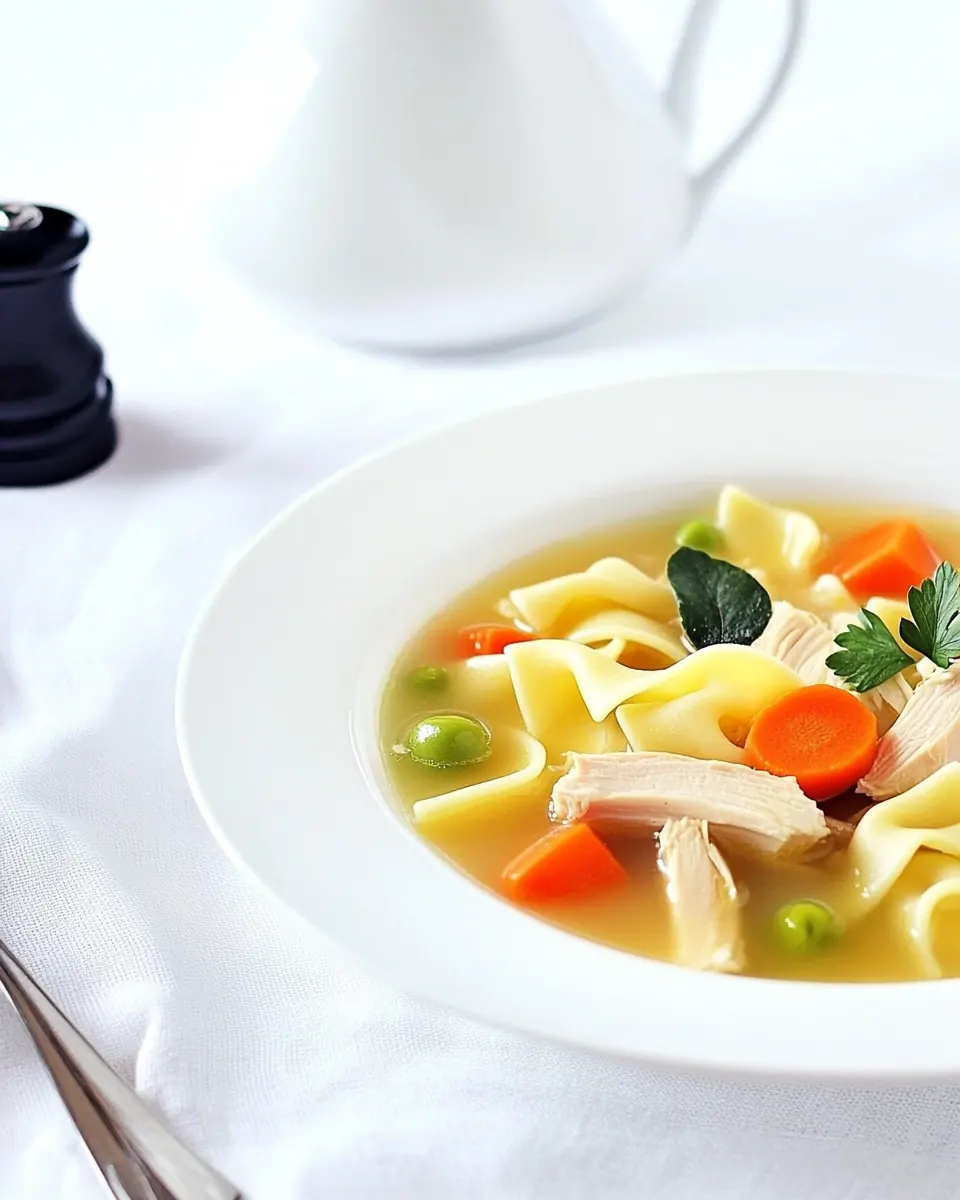
Classic Chicken Noodle Soup
Ingredients
Equipment
Method
- In a large pot, saute onion, carrot, and celery in olive oil and butter. Cook until onion starts to soften.: You will smell the vegetables sweetening as they release moisture, and the butter will melt into the oil creating a glossy sheen on the pan. The sound is a gentle sizzle, not an aggressive fry, indicating medium heat; visually the onion should turn translucent and the edges should not brown. This step matters because slow softening brings out the natural sugars that round the broth, avoiding any raw, vegetal bite. A common problem is using too high heat, which will brown or scorch the aromatics and give the soup an off flavor. If that happens, lower the heat and stir frequently to recover the gentle cook.
- Stir in chicken stock and seasonings. Bring to boil and stir in chicken and noodles. Reduce the heat and cook until noodles are tender.: As the chicken stock hits the pot, it will steam and mingle with the sweet vegetable aromas, creating a fragrant uplift. When you bring the pot to a boil, you will hear a full, rolling bubble, but you should reduce to a gentle simmer before adding the chicken and egg noodles so they heat through more gently. The noodles will soften and swell, absorbing flavor; the chicken warms without drying out. This technique ensures the broth remains clear and the textures hold. Avoid a hard boil while the noodles cook because that motion breaks them up and causes cloudy broth. If the soup becomes too starchy, a splash of extra stock or a brief rest off heat helps redistribute the starch.
- Taste, adjust seasonings, remove bay leaf, and serve.: The final stage is all about balance; take a spoon and sample the broth and noodle combination, tuning with salt and pepper to lift the flavors. Remove the bay leaf so no one bites into it, and give the soup a last whisk to distribute the aromatics. You should notice bright, herbaceous tarragon notes threading through the savory broth, and the noodles should be tender but not limp. A frequent oversight is underseasoning, which leaves the soup flat, so always taste and correct. If the seasoning seems off, add a pinch at a time and let it bloom for a minute before retasting.
Notes
- Brighten with lemon: Add a squeeze of fresh lemon juice just before serving to lift the broth and highlight the herbs.
- Swap noodles sparingly: Try a different shaped noodle for a playful change, but time cooking carefully to avoid overcooking.
- Use homemade stock for depth: When possible, homemade chicken stock will add body and a fuller mouthfeel than many store bought options.
- Add fresh herbs at the end: Stir in chopped fresh parsley or dill right before serving to preserve color and vibrancy.
- Keep it make ahead friendly: Cook the soup slightly underdone if you plan to refrigerate, then finish cooking the noodles when reheating to retain texture.