Eggnog French Toast
Eggnog French Toast is the kind of breakfast that turns an ordinary morning into a cozy ritual I look forward to all winter. The first time I made it, the house smelled like a bakery and my kitchen felt snug, the kind of warmth that begs you to linger over a plate and a hot mug. I remember the way the Eggnog soaked into the slices of challah bread, soft but still holding its shape, and how the edges crisped up in the skillet, giving me that contrast between tender interior and golden exterior.
That holiday morning became a tradition because it was easy to pull together yet felt special, like a little celebration before the day began. I often make a double batch when family visits, because it disappears fast. You can hear forks tapping on plates and the occasional satisfied sigh when someone takes that first bite, warm syrup pooling at the edge, a fluffy touch of whipped cream melting slowly into the crevices. I find those sensory moments are what make this dish memorable, not just for me, but for everyone I serve it to.
Recipe Snapshot
20 mins
10 mins
10 mins
Easy
350 kcal
American
Gluten-Free, Low FODMAP
Breakfast
Medium bowl, Shallow casserole dish, Medium skillet, Sheet pan
What Makes This Eggnog French Toast Special
Comfort and nostalgia
I love how Eggnog French Toast taps into childhood memories without being fussy. The rich, custardy soak brings forward the holiday flavors of eggnog and vanilla, and it makes the whole kitchen smell like celebration. I often think of cozy mornings with family when I serve this, and that sense of warmth is hard to beat.
Simple ingredients, big payoff
This recipe uses a handful of pantry friendly items like eggs, eggnog, and a sturdy loaf of challah bread. Because each component pulls its weight, the result feels luxurious even though it takes minimal effort. I appreciate recipes that let quality ingredients shine, and this one really does.
Texture contrast
The magic is in the balance between soft interior and crisped edges. When you cook the slices slowly in butter, the outside caramelizes to a light golden color while the middle stays pillowy. I always aim for that contrast, because it keeps every bite interesting and satisfying.
Customizable and festive
Whether I am serving guests or keeping a slow morning to myself, Eggnog French Toast adapts well. Top it with a cloud of whipped cream and a generous drizzle of maple syrup, or keep it simple. The flavors are inherently seasonal, yet approachable for weeknight breakfasts when you want something a bit special.
Quick to make
Despite its decadent taste, the recipe moves quickly from bowl to plate. I find this is the kind of dish you can pull together while coffee brews, and still have time to set a pretty table. That efficiency makes it a go to on busy holiday mornings.
Ingredients Overview for Eggnog French Toast
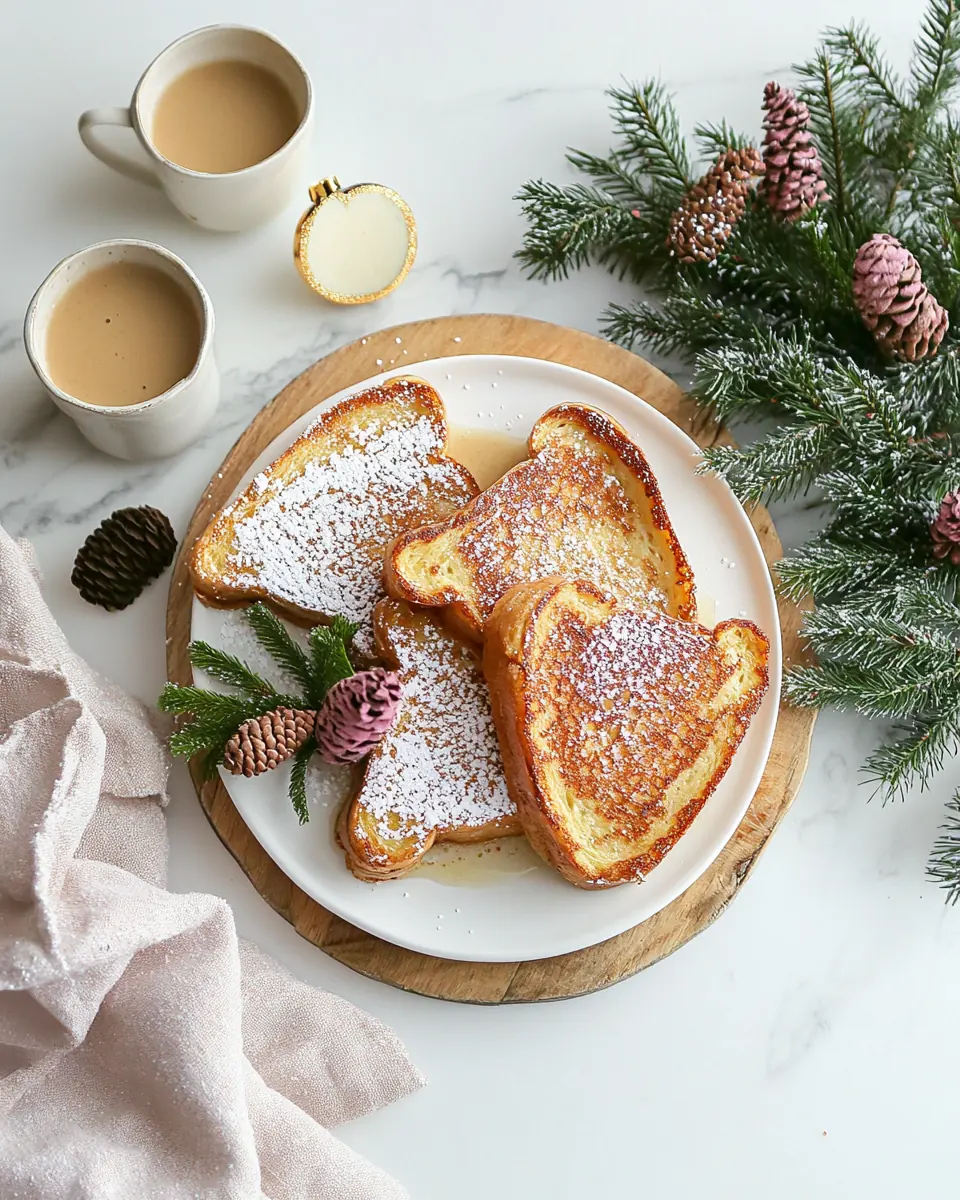
These ingredients are chosen to create a rich, spiced custard that soaks into bread and crisps beautifully on the pan. The key players are the eggs and eggnog, which form the custard base, the vanilla and cinnamon which provide warm aromatics, and the challah bread which holds the custard without falling apart. Butter adds flavor and helps form that golden crust, while simple finishing touches like whipped cream and maple syrup elevate each bite.
- 2 large eggs: Beat thoroughly to create a rich, aerated custard base that binds the bread and adds structure; eggs also provide color and protein for a satisfying texture when cooked.
- 1 1/2 cups eggnog: Pour generously to soak the bread slices with sweet, creamy flavor and additional fat that yields tender, custardy interiors; eggnog also contributes traditional holiday spices and richness.
- 2 teaspoons vanilla extract: Add for floral sweetness and aromatic depth; vanilla enhances overall flavor complexity and rounds out the custard mixture without overwhelming other spices.
- Pinch of cinnamon: Sprinkle lightly to contribute warm, woody spice notes and subtle aromatic complexity; a pinch of cinnamon reinforces classic holiday flavors without dominating the profile.
- Pinch of salt: Season sparingly to balance sweetness and enhance other flavors; a pinch of salt brightens the custard and prevents the final dish from tasting flat.
- 2 tablespoons unsalted butter, for the pan, divided: Melt in the pan to prevent sticking and promote even browning; divided use ensures some butter for cooking and some to finish for gloss and richness.
- 1 loaf challah bread, cut into 1-inch slices: Slice and soak to provide a sturdy, slightly sweet canvas that absorbs the custard; challah’s enriched crumb yields a soft, custardy center and crisp edges when cooked.
- Whipped cream, for serving: Top as a light, airy finishing component that adds creaminess and visual appeal; whipped cream pairs with warm toast for contrast and a decadent mouthfeel.
- Maple syrup, for serving: Drizzle for sweetness and sticky, caramelized flavor that complements the custard; maple syrup adds depth and a classic pairing to French toast.
Step by Step Instructions for Eggnog French Toast
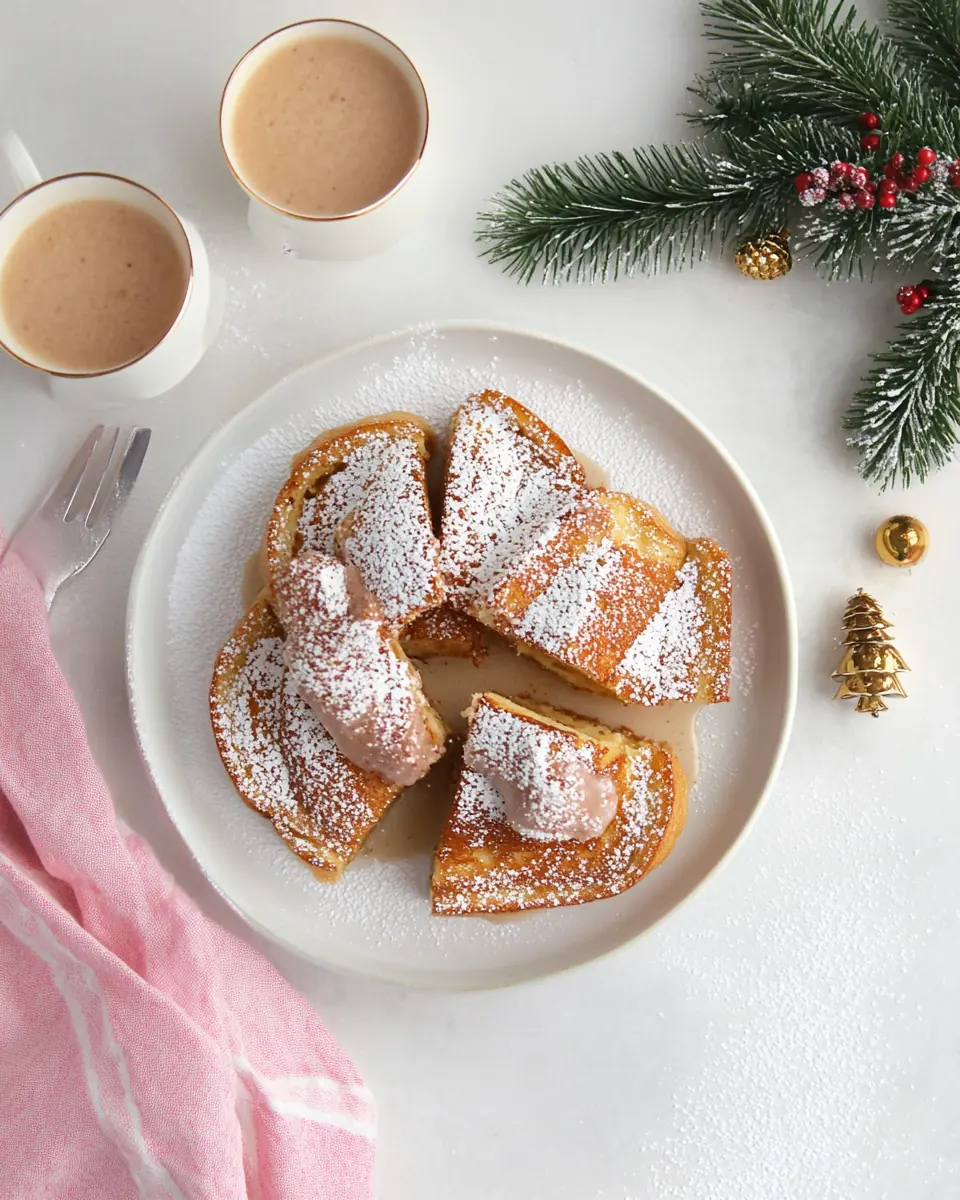
These directions will guide you from whisking the custard to serving plates of warm, golden French toast. The process is straightforward, but I like to move with intention, paying attention to sensory cues so each slice reaches that ideal balance of soft center and crisp edge.
- In a medium bowl or a shallow casserole dish, whisk together the eggs, eggnog, vanilla, cinnamon and salt.: The moment you begin whisking you will notice the aroma of vanilla and cinnamon rising, signaling that the custard is taking shape. The sound is gentle, a steady swish as the eggs and eggnog combine into a glossy, uniform mixture, which is what you want so the liquid absorbs evenly into the challah bread . Whisking well matters because it distributes the flavors and ensures there are no pockets of raw egg. If you skip thorough whisking, the custard can be uneven, leaving some bites underseasoned or with bits of cooked egg when they hit the hot pan. Aim for a smooth, slightly frothy texture, and test a spoonful to confirm the seasoning is balanced.
- In a medium skillet, set over medium heat, add a tablespoon of butter. When the butter has melted, dip a few slices of the challah bread into the eggnog mixture and then flip them to the opposite side. Transfer to the skillet to cook for about 2 to 3 minutes on each side, until golden brown. Place the cooked French toast on a sheet pan in a warm oven. Repeat with the remaining slices of challah French toast, adding more butter as needed.: As the butter melts you will hear a quiet sizzle and see it foam briefly, then settle into a clear, glossy fat which is your cue the pan is ready. Medium heat gives a controlled sear without burning, producing that appealing golden brown color on the toast edge. Using too high heat will brown the exterior too fast while leaving the center undercooked, so adjust the flame if the butter darkens quickly. If the butter begins to smoke, reduce the heat and wipe the pan with a paper towel to remove burnt solids before continuing.
- Serve with warm whipped cream and warm maple syrup.: When you dunk the challah bread , listen for a faint drip and watch how the liquid clings, saturating the crumb. The bread should absorb but not collapse; if it becomes soggy, you soaked it too long. Flip each slice once so both sides develop an even coating, aiming for a brief soak that allows the center to stay tender. A common pitfall is holding the bread in the custard too long, which produces a mushy interior. Use thicker slices and a quick, thorough dip to preserve structure.
- Transfer to the skillet to cook for about 2 to 3 minutes on each side, until golden brown.: As the slices hit the warm skillet, the sound will change to a gentle crackle, and a fragrant caramelized aroma will develop. Watch for a deep golden color at the edges and listen for a steady sizzle rather than a vigorous pop, which indicates the heat is balanced. This caramelization builds flavor, producing a slightly crisp exterior while the interior becomes tender and custardy. If you flip too early, the crust will be pale and miss that toasty depth, so wait until you see that even golden hue before turning.
- Place the cooked French toast on a sheet pan in a warm oven.: Moving slices to a warm oven keeps them from cooling while you finish the batch, and the residual heat helps maintain the interior texture. You will notice the steam easing off the surface, a sign the internal custard is settling. This resting step prevents the toast from becoming soggy when stacked, and it allows flavors to meld subtly. A mistake some people make is piling slices directly; that traps steam and softens the crust, so give each piece a bit of space on the pan.
- Repeat with the remaining slices of challah French toast, adding more butter as needed.: As you continue cooking, the pan will accumulate browned bits that deepen flavor; a little extra butter replenishes the fat and prevents sticking. Keep an eye on the butter color, adding more when the fat looks clear rather than brown, to avoid carrying burned flavors over to new slices. The rhythm of dipping and cooking will become familiar, and you can tweak timing if your pan runs hotter or cooler than expected. Avoid overcrowding the skillet, which lowers the temperature and yields soggy rather than crisp results.
- Serve with warm whipped cream and warm maple syrup.: When plated, the first sensory cue is the aroma of warm maple syrup and the soft, cool cloud of whipped cream beginning to melt into warm crevices. The contrast of temperature and texture lifts the whole bite. Warm the syrup slightly so it pours smoothly, and dollop freshly whipped cream for a light, airy counterpoint. A common misstep is using cold syrup straight from the fridge, which can congeal on the toast and diminish the silky mouthfeel; gentle warming fixes this easily.
Customization Ideas
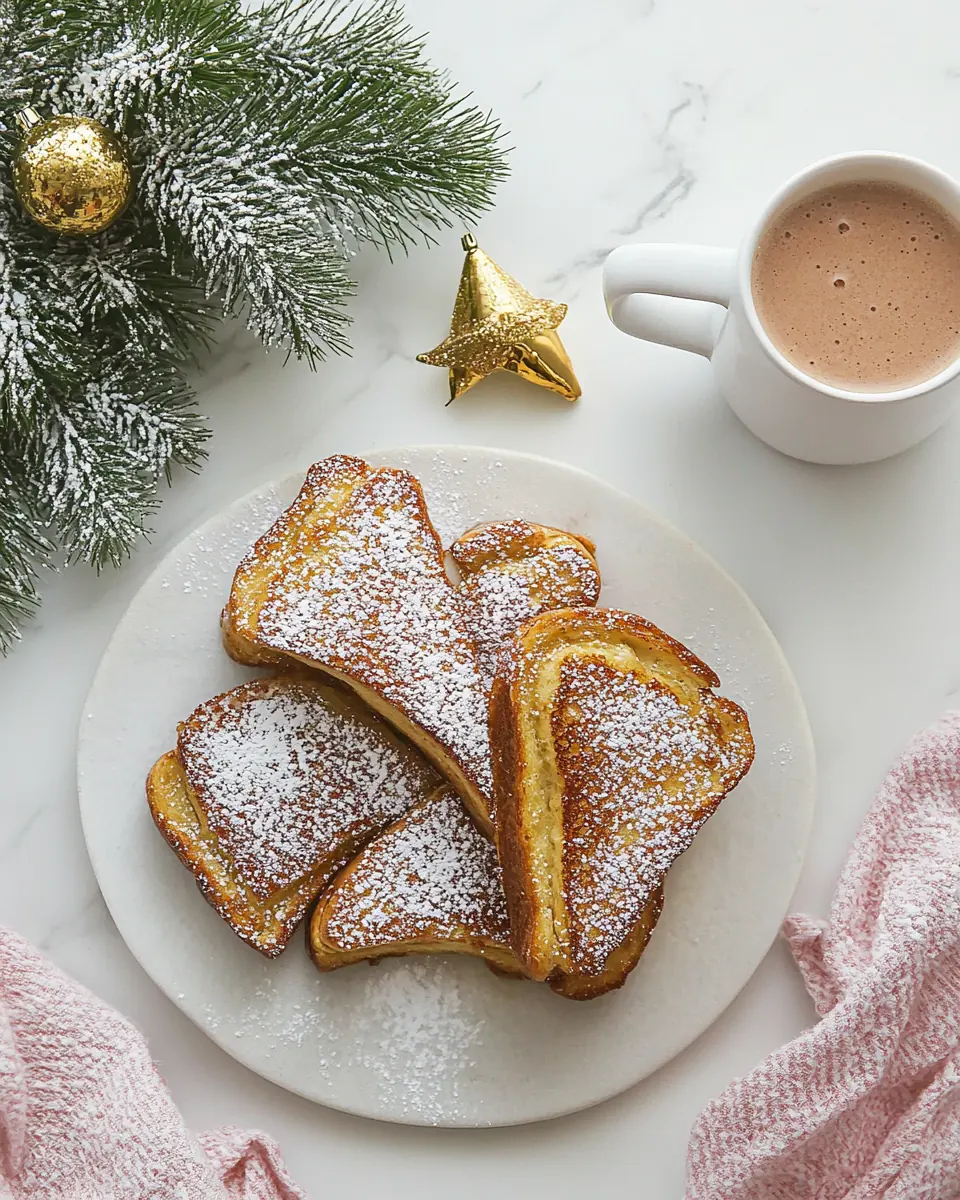
I like to offer a few thoughtful variations that respect the recipe while letting you tailor it to the moment. These ideas keep the core technique intact and play with texture, toppings, and presentation so the dish feels fresh for different occasions.
- Swap the bread thickness Make 1 inch slices for a custardy center, or go slightly thinner if you prefer crispier pieces on the outside.
- Boost the spice Add a pinch more cinnamon to the custard if you want a warmer, more pronounced spice profile for holiday mornings.
- Butter control Use clarified butter for a higher smoke point so the exterior browns without burning, especially if your skillet runs hot.
- Make ahead Prepare the custard and cut the bread the night before to streamline assembly in the morning.
- Presentation Serve with warmed maple syrup in a small pitcher so guests can drizzle to taste, and place a small bowl of whipped cream nearby for an elegant touch.
How to Serve Eggnog French Toast
This dish is versatile enough for casual mornings and holiday brunches alike. I typically set out small bowls of finishing options so everyone can customize their plate. The warm syrup and light whipped cream pair beautifully with the custardy toast and make the meal feel celebratory without being complicated.
- Brunch centerpiece Place stacks of Eggnog French Toast on a large platter with bowls of whipped cream and warmed maple syrup so guests serve themselves.
- Holiday mornings Serve this on Christmas morning when the flavors of eggnog echo the season, creating an aromatic and comforting start to the day.
- Casual breakfast For an easy family meal, plate single slices with a drizzle of syrup and a small dollop of cream for each person.
- Storage tips Keep leftover slices in an airtight container in the fridge for up to two days, then reheat gently in a warm oven to restore crispness.
- Occasion fit Ideal for winter breakfasts and holiday brunches, this dish also works for leisurely weekend mornings when you want a little indulgence.
FAQ
Conclusion
What makes this recipe special is the way simple, seasonal flavors come together to create a cozy, celebratory breakfast that feels both festive and comforting. I encourage you to try it when you want a low fuss yet impressive dish for a holiday morning or a relaxed weekend brunch. The combination of custardy center, golden edges, and warm toppings is reliably satisfying, and once you make it a few times you will find little tweaks that make it uniquely yours.
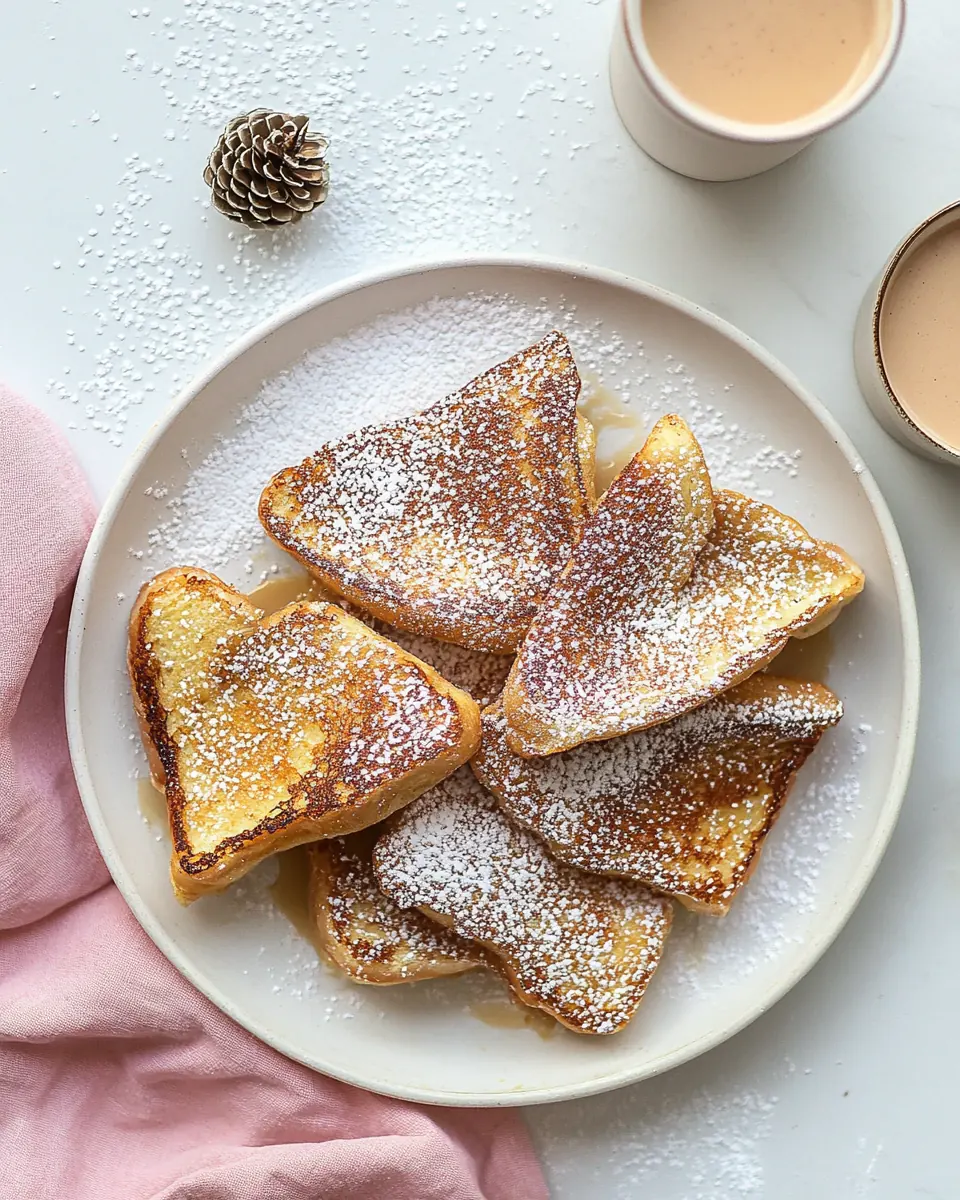
Eggnog French Toast
Ingredients
Equipment
Method
- In a medium bowl or a shallow casserole dish, whisk together the eggs, eggnog, vanilla, cinnamon and salt.: The moment you begin whisking you will notice the aroma of vanilla and cinnamon rising, signaling that the custard is taking shape. The sound is gentle, a steady swish as the eggs and eggnog combine into a glossy, uniform mixture, which is what you want so the liquid absorbs evenly into the challah bread . Whisking well matters because it distributes the flavors and ensures there are no pockets of raw egg. If you skip thorough whisking, the custard can be uneven, leaving some bites underseasoned or with bits of cooked egg when they hit the hot pan. Aim for a smooth, slightly frothy texture, and test a spoonful to confirm the seasoning is balanced.
- In a medium skillet, set over medium heat, add a tablespoon of butter. When the butter has melted, dip a few slices of the challah bread into the eggnog mixture and then flip them to the opposite side. Transfer to the skillet to cook for about 2 to 3 minutes on each side, until golden brown. Place the cooked French toast on a sheet pan in a warm oven. Repeat with the remaining slices of challah French toast, adding more butter as needed.: As the butter melts you will hear a quiet sizzle and see it foam briefly, then settle into a clear, glossy fat which is your cue the pan is ready. Medium heat gives a controlled sear without burning, producing that appealing golden brown color on the toast edge. Using too high heat will brown the exterior too fast while leaving the center undercooked, so adjust the flame if the butter darkens quickly. If the butter begins to smoke, reduce the heat and wipe the pan with a paper towel to remove burnt solids before continuing.
- Serve with warm whipped cream and warm maple syrup.: When you dunk the challah bread , listen for a faint drip and watch how the liquid clings, saturating the crumb. The bread should absorb but not collapse; if it becomes soggy, you soaked it too long. Flip each slice once so both sides develop an even coating, aiming for a brief soak that allows the center to stay tender. A common pitfall is holding the bread in the custard too long, which produces a mushy interior. Use thicker slices and a quick, thorough dip to preserve structure.
- Transfer to the skillet to cook for about 2 to 3 minutes on each side, until golden brown.: As the slices hit the warm skillet, the sound will change to a gentle crackle, and a fragrant caramelized aroma will develop. Watch for a deep golden color at the edges and listen for a steady sizzle rather than a vigorous pop, which indicates the heat is balanced. This caramelization builds flavor, producing a slightly crisp exterior while the interior becomes tender and custardy. If you flip too early, the crust will be pale and miss that toasty depth, so wait until you see that even golden hue before turning.
- Place the cooked French toast on a sheet pan in a warm oven.: Moving slices to a warm oven keeps them from cooling while you finish the batch, and the residual heat helps maintain the interior texture. You will notice the steam easing off the surface, a sign the internal custard is settling. This resting step prevents the toast from becoming soggy when stacked, and it allows flavors to meld subtly. A mistake some people make is piling slices directly; that traps steam and softens the crust, so give each piece a bit of space on the pan.
- Repeat with the remaining slices of challah French toast, adding more butter as needed.: As you continue cooking, the pan will accumulate browned bits that deepen flavor; a little extra butter replenishes the fat and prevents sticking. Keep an eye on the butter color, adding more when the fat looks clear rather than brown, to avoid carrying burned flavors over to new slices. The rhythm of dipping and cooking will become familiar, and you can tweak timing if your pan runs hotter or cooler than expected. Avoid overcrowding the skillet, which lowers the temperature and yields soggy rather than crisp results.
- Serve with warm whipped cream and warm maple syrup.: When plated, the first sensory cue is the aroma of warm maple syrup and the soft, cool cloud of whipped cream beginning to melt into warm crevices. The contrast of temperature and texture lifts the whole bite. Warm the syrup slightly so it pours smoothly, and dollop freshly whipped cream for a light, airy counterpoint. A common misstep is using cold syrup straight from the fridge, which can congeal on the toast and diminish the silky mouthfeel; gentle warming fixes this easily.
Notes
- Swap the bread thickness Make 1 inch slices for a custardy center, or go slightly thinner if you prefer crispier pieces on the outside.
- Boost the spice Add a pinch more cinnamon to the custard if you want a warmer, more pronounced spice profile for holiday mornings.
- Butter control Use clarified butter for a higher smoke point so the exterior browns without burning, especially if your skillet runs hot.
- Make ahead Prepare the custard and cut the bread the night before to streamline assembly in the morning.
- Presentation Serve with warmed maple syrup in a small pitcher so guests can drizzle to taste, and place a small bowl of whipped cream nearby for an elegant touch.