Elote
Elote is a street food memory I keep coming back to, a sticky, tangy, and smoky corn on a stick that always makes me smile. The very first time I chased down a cart selling this in a bustling summer market, the air was thick with charcoal and lime, and I knew I had stumbled on something I wanted to recreate at home. Ever since then, I tinker with small details to honor that fired aroma while keeping the recipe approachable for any cook.
On warm evenings I find myself reaching for Elote because it is both simple and celebratory. I like to make it when friends drop by unexpectedly, when the grill calls, or when I want a side that feels festive without much fuss. The combo of corn charred at the edges, a creamy tang, and crumbly salty cheese always brings the table to life. I often tell guests that the best part of this dish is how it transforms ordinary corn into something that tastes like a summer memory.
Recipe Snapshot
15 mins
5 mins
10 mins
Easy
200 kcal
Mexican
Gluten-Free, Low FODMAP
Side Dishes
Grill, Tongs, Small bowl, Wire brush
The Beauty of This Elote
Bold, straightforward flavors
I love that Elote trusts a few strong players rather than a long list of ingredients. The char from the grill adds an earthy bitterness that pairs beautifully with the bright squeeze of lime and the creamy smear of sour cream and mayonnaise. Together they create a layered flavor profile, which I always find deeply satisfying.
Quick to make, big on impact
This recipe proves you do not need hours to impress. From prep to the first bite, it comes together fast, which makes it my go to when time is tight but I still want something memorable. I often mention to friends that a ten minute grill window is all you need for that unforgettable smoky note.
Versatile for gatherings
Whenever I host a casual backyard dinner, Elote becomes an instant crowd pleaser. It is easy to scale, simple to hand out, and it works for different eating styles. People love holding a cob and customizing the heat and cheese to their taste, which keeps conversation flowing and plates empty.
Textural delight
The contrast between hot, crisp kernels and the creamy coating is what makes me return to this recipe. Each bite gives a pop of juice from the corn, then the velvety coating, and finally the crumbly tang of cotija cheese. That range of textures keeps the experience exciting from the first bite to the last.
Authentic yet forgiving
I appreciate that Elote lends itself to authenticity without being fussy. The elements are traditional, but you can tweak the amount of seasoning or cheese depending on pantry stock and guest preferences. I like to encourage experimentation while staying true to the soul of the dish.
Essential Ingredients for Elote
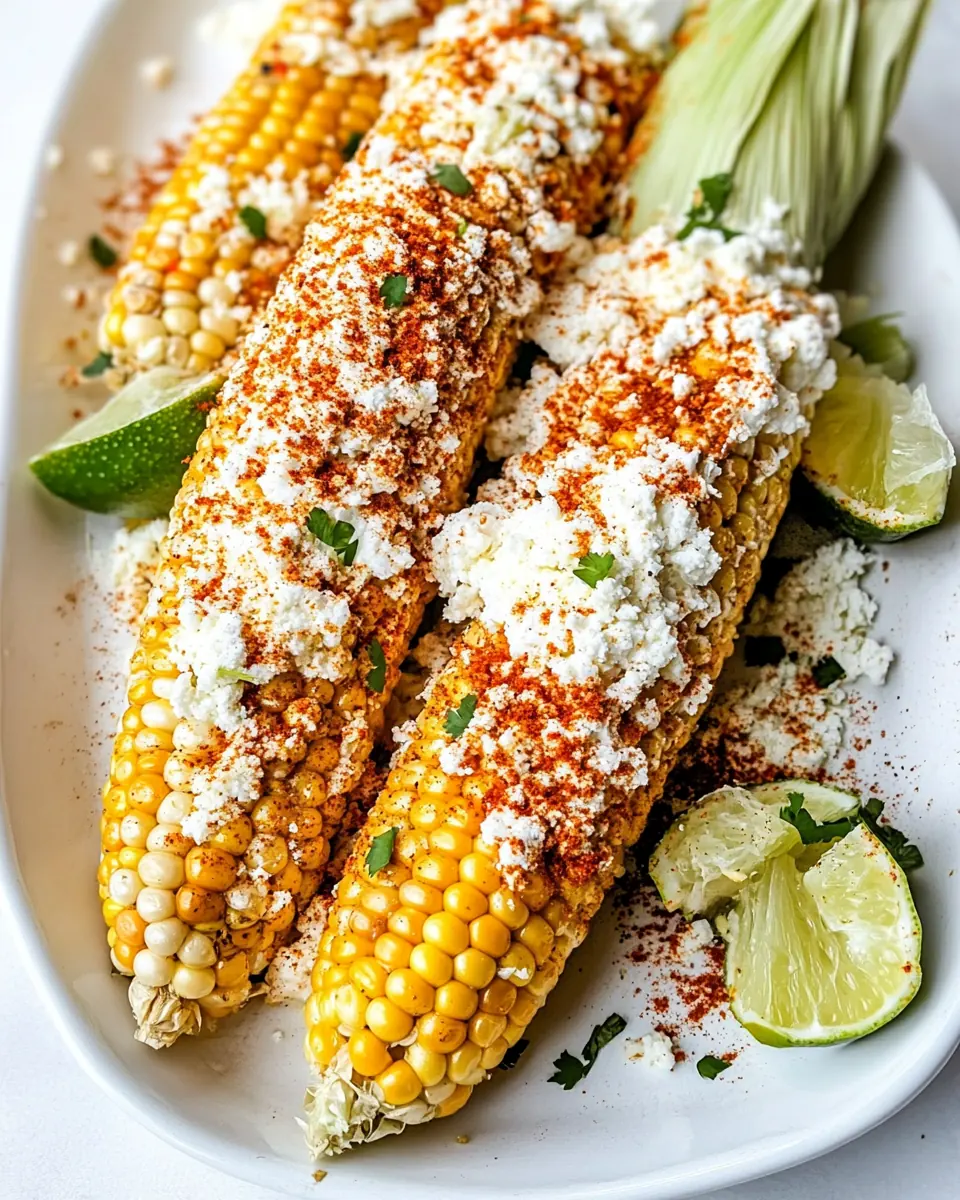
These ingredients are the backbone of the dish, each playing a clear role. The corn supplies sweetness and texture, the sour cream and mayonnaise supply creaminess and body, while lime brings acidity that lifts the whole bite. The cotija cheese contributes salty, crumbly richness, and the chile powder and Tajin Clasico Chile Lime Seasoning add heat and citrusy spice. Together they create a balanced, layered profile that sings when the corn is charred just right.
- 4 ears corn: Shuck and grill or boil to provide sweet, smoky backbone for the dish; kernels can be charred for added depth and should be served hot for best texture and flavor. Pair with creamy toppings immediately so heat helps ingredients adhere. Use fresh ears for juicier kernels and better overall elote experience.
- 3 tablespoons sour cream: Add creamy tang and slight acidity to balance richness from mayonnaise and cheese; spread or mix with lime juice before slathering onto hot corn for smooth coating. Contributes a cooling contrast to chili seasoning and enhances mouthfeel without overpowering other flavors.
- 3 tablespoons mayonnaise: Provide rich, fatty creaminess that helps the condiment mixture cling to the corn while contributing subtle savory flavor; combine with sour cream for a balanced, spreadable consistency. Use mayonnaise sparingly to avoid overwhelming the lime and cheese flavors.
- 1/2 lime, juiced: Squeeze fresh juice to add bright, zesty acidity that cuts through the richness and elevates overall flavor; distribute evenly over coated corn to brighten each bite. Use freshly juiced lime rather than bottled for best aromatic lift.
- 1/2 cup grated cotija cheese or queso fresca: Sprinkle grated cheese to lend salty, crumbly texture and authentic Mexican flavor that contrasts with creamy sauce; cotija or queso fresco both melt slightly against hot corn and add savory umami. Crumble fine to ensure even coverage and satisfying bite.
- 1 teaspoon chili powder: Dust over the finished elote to introduce warm, smoky heat and earthy chile notes that complement the lime and cheese; adjust amount to taste for mild to moderate spice. Helps visually finish the dish with a reddish speckled appearance.
- 1 teaspoon Tajin Clasico Chile Lime Seasoning: Season generously for tangy, salty, and citrusy finish that emphasizes chile–lime character; sprinkle after saucing to add immediate flavor punch and a pleasant textural contrast. Use as a signature garnish to evoke authentic street-corn taste.
Elote Instructions
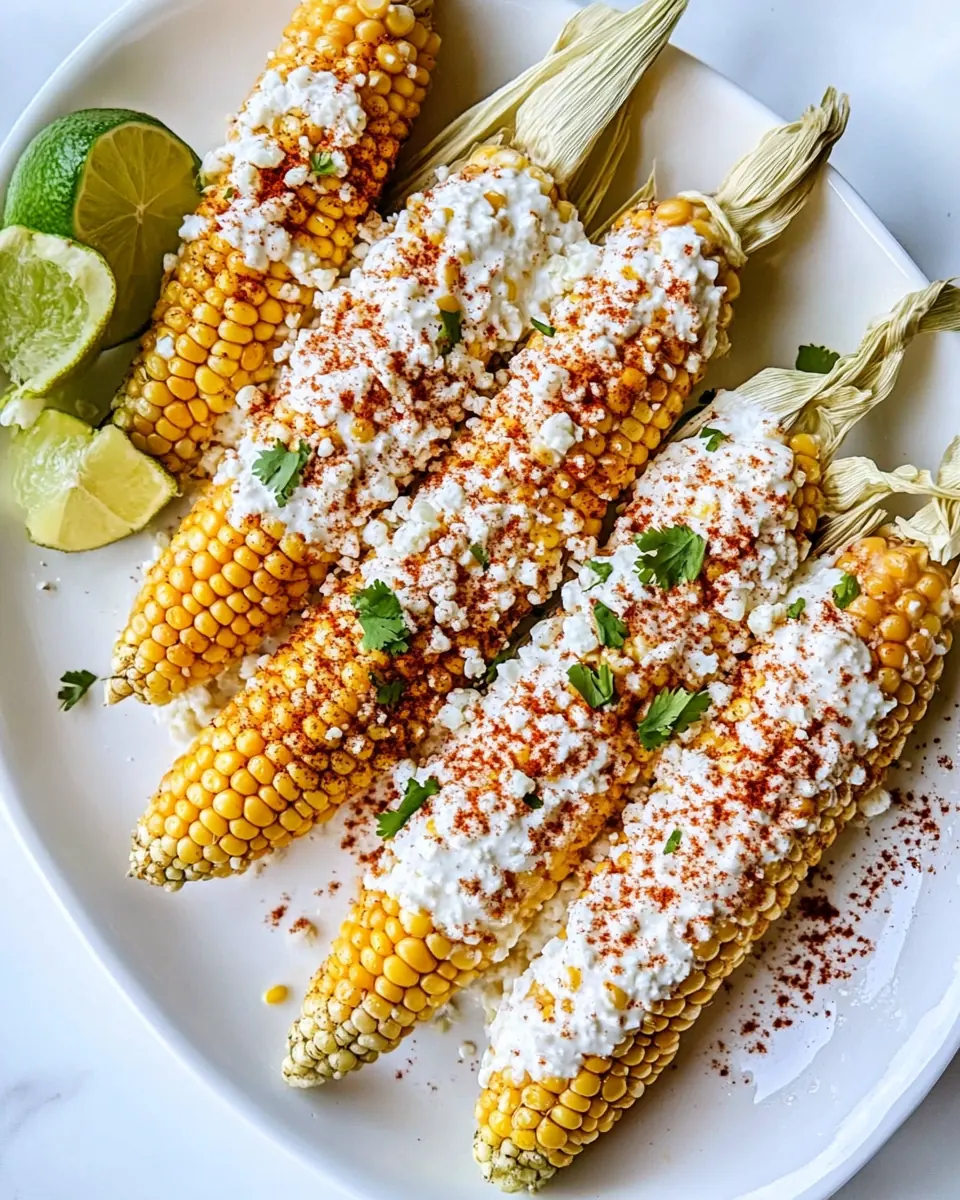
This recipe is straightforward, but the technique for grilling and finishing matters. Follow the steps in order, pay attention to aroma and color on the corn, and take your time with the finishing smear so the flavors cling properly. I always stay close to the grill and taste as I go when possible.
- Prepare the grill for medium-high heat (400-450°F). Heat the grates then brush them clean.: A hot grill is what gives the corn that sought after char and smoky scent, which I look for before I even put the cobs down. You should hear a steady hiss when the corn touches the grates and smell a faint toasty aroma right away, a clear sign the sugars are reacting. If the grill is not hot enough, the kernels will steam rather than char, producing bland results; conversely, if it is too hot they may blacken too quickly and remain raw inside. Keep a close ear for sizzling, and if you see flare ups move the cobs to a cooler zone to avoid burning the husks completely. A common slip at this stage is rushing the heat up with an empty grill which can damage grates, so heat gradually and clean the grates before cooking.
- Remove the first layer of rough husks from the corn cobs, keeping the more tender husk to protect the kernels. Trim the silk tassels from the corn cobs. Place the cobs directly on the grates. Close the lid and grill for 10-15 minutes or until the corn is fragrant and the husks are browned, turning the cobs every few minutes.: Warm, clean grates prevent sticking and promote even contact between the corn and metal, helping produce those attractive grill marks. As you brush, you may notice small bits loosening from previous cooks, but a quick wire brush and a wipe will do the trick. The sound here is subtle, a light rasp as the bristles move across the metal, and you should not hear anything loud or clanging. Leaving debris can cause uneven charring or impart off flavors, so take the extra moment to tidy the surface. Avoid using oily residues which can smoke heavily and give a bitter note to your corn .
- While the corn is cooking, in a small bowl mix the sour cream, mayonnaise, and lime juice. Crumble the cotija cheese in a small bowl. Remove the corn from the grill. Use a towel to hold the corn and shuck the husks and silk. Slather each cob with the mayo spread, sprinkle generously with cheese then season with the chile powder and Tajin, adding more or less to taste. Add a final squeeze of lime if you'd like. Serve warm.: This partial husk removal protects the kernels while allowing some smoke to reach them, giving a soft balance between direct char and steamed sweetness. You will feel the texture difference as you peel; the inner husks are pliable and will help shield the kernels from direct flame while the exposed tips char. Be careful not to strip all husks away, which would expose the cob too much and risk drying the kernels out. A typical mistake is trimming silk hastily, leaving strands that char onto the kernels, so take time to pull the silk gently and remove it thoroughly.
- Trim the silk tassels from the corn cobs: Trimming silk reduces flare ups and prevents tough strands from getting stuck in the final bite, which I always check for when I shuck the cobs later. You will notice a faint papery sound as the tassels are snapped or cut away, and the cob surface will feel smoother to the touch. Leaving too much silk can result in a chewy, unpleasant texture after grilling, so be thorough. A frequent oversight is not washing hands after handling silk which can transfer bits of fiber to other ingredients, so keep a tidy station.
- Place the cobs directly on the grates: As the corn meets the hot metal you will hear a brighter sizzle, and within a minute you should catch a toasty aroma rising. Position each cob with space around it so heat circulates evenly. If you crowd the grill, some cobs will char more than others, creating uneven cooking. If you notice uneven color, rotate the cobs more frequently to promote uniform caramelization. One common hiccup I see is placing cobs too close to a flame source which causes one side to scorch while the other remains pale, so monitor placement closely.
- Close the lid and grill for 10 to 15 minutes or until the corn is fragrant and the husks are browned, turning the cobs every few minutes: The lid traps heat and smoke, aiding even cooking and infusing the kernels with that charcoal essence. You should catch intermittent pops as the kernels release steam, and the husks will darken to a deep brown rather than pure black, signaling readiness. Turn the cobs to all sides to get an even char and toasting of the kernels; a steady, moderate rotation yields the best texture. Avoid leaving the lid up constantly, which cools the grill and lengthens cooking time, producing a steamed texture instead of the desired crisp burst. A common mistake is removing the cobs too early; undercooked kernels feel dense and lack the sweet, tender bite you want.
- While the corn is cooking, in a small bowl mix the sour cream, mayonnaise, and lime juice: The mixture should look glossy and slightly thick, smelling of bright citrus and creamy tang. Whisking briefly by hand is enough, you will notice the texture go from lumpy to smooth, and the aroma should lift as the lime releases its oils. This spread is crucial for helping the cheese and spices adhere, creating that signature mouth coating. If you over dilute it with extra liquid, it will not cling well and the finish will be sloppy, so keep it thick. A typical error is adding too much lime at once; add incrementally and taste to maintain balance.
- Crumble the cotija cheese in a small bowl: The cheese should be crumbly and mildly salty, with a dry texture that helps it cling to the creamy spread on the hot corn . Use your fingers or a fork to break it into fine bits; you will smell a faint milky tang that hints at the final flavor. Finely crumbled cheese adheres better than large chunks which can fall off when eating, so aim for a consistent crumble. Avoid overhandling which can compress the cheese into clumps rather than fluffy crumbles.
- Remove the corn from the grill: When the husks show even browning and the kernels are fragrant and slightly blistered, transfer the cobs to a plate using tongs and a towel for protection. The heat radiating from the cobs will be strong, and you may see small wisps of steam as you move them, a reassuring sign they are hot enough to melt the cheese slightly. If the cob feels too soft or mushy, it may be overcooked, so aim for firm but tender kernels. Common mistakes include leaving the cobs on warm grates where residual heat can continue to cook them beyond the desired point.
- Use a towel to hold the corn and shuck the husks and silk: As you peel back the husks, the aroma intensifies and any remaining silk should come away cleanly. Holding the cob with a towel protects your hand and helps you work quickly while the heat is still helping the spread and cheese adhere. If silk remains, remove it before adding the topping because it can create an unpleasant stringy texture in each bite. A common oversight is shucking too far in advance, which lets heat escape and reduces the cheese's ability to melt slightly into the kernels.
- Slather each cob with the mayo spread, sprinkle generously with cheese then season with the chile powder and Tajin, adding more or less to taste: The tactile pleasure here is unmistakable, as the creamy spread glides over hot kernels and the cotija cheese sticks to this tacky surface, creating a layer that is both rich and crumbly. Dust the surface evenly so each bite has balance between cream, salt, and spice. Taste one cob and adjust the seasoning if needed, perhaps a touch more lime for brightness or extra chili powder for heat. A common mistake at this final stage is over seasoning too early, so season lightly and add more at the table if needed.
- Add a final squeeze of lime if you'd like: That last spritz of lime adds a flash of acidity that wakes the palate and ties all the elements together, making each bite pop with contrast. The scent of citrus at this moment is vivid and uplifting, and it helps cut through the richness so the corn does not feel heavy. Avoid adding too much or it can overpower the more subtle roasted and cheesy notes; a gentle hand yields the best balance. If you are serving to guests, offer extra wedges so individuals can finish to their preference.
- Serve warm: The ideal temperature for Elote is right off the grill, when the heat helps the spreads meld and the textures are at their most inviting. Each bite should present hot kernels, cooling creamy coating, and the dry salt of the cotija cheese . If you let it sit too long, the coating can firm up and lose its luscious mouthfeel, so plan to serve promptly. A frequent misstep is leaving plated cobs in a warm oven which can continue to cook them and change the texture undesirably.
Tips and Tricks about Elote
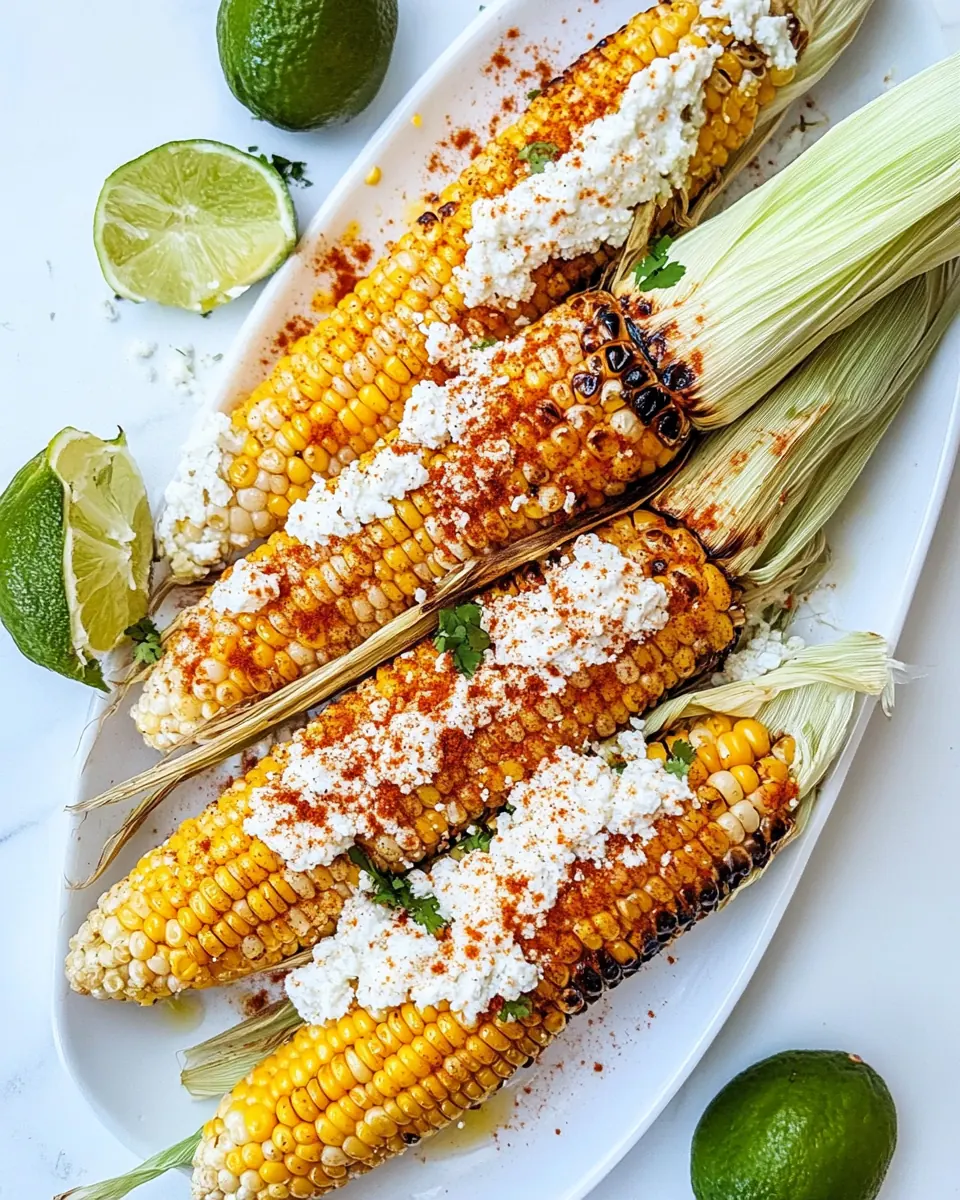
I keep these practical tips close whenever I make Elote, because small choices affect the final bite more than you might expect. Below are focused suggestions I have learned from repeat testing and serving to friends. They help with texture, flavor balance, and presentation, and I use them often when I want consistent results.
- Pick peak season corn: The sweetest, juiciest cobs come from late summer, which enhances caramelization and yields a more vibrant finished dish.
- Preheat the grill thoroughly: A properly heated grill produces a satisfying sizzle and consistent charring, preventing steaming that makes kernels soggy.
- Maintain a thick spread: A viscous mayo and sour cream mixture holds the cotija cheese and spices on the cob, ensuring every bite has balanced flavors.
- Rotate frequently while grilling: Turning the cobs every few minutes creates even color and prevents one side from becoming bitterly burnt.
- Serve immediately: Elote is best hot, when the warmth helps the cheese meld slightly into the kernels and textures are at their peak.
- Adjust heat at the table: Keep extra chili powder and Tajin available so guests can personalize the spice level without risking over seasoning the whole batch.
Perfect Matches for Elote
Elote pairs beautifully with simple, fresh sides and casual main dishes, making it ideal for gatherings like backyard BBQs, summer lunches, or festive dinners. The bright, smoky profile complements grilled proteins and crisp salads, and it slots into menus for seasonal meals, Ramadan iftar spreads, or picnic-style events with ease. Below are thoughtful serving notes to help you plan plating, pairings, and storage.
- Serve with grilled mains: The smoky, tangy profile of Elote complements grilled vegetables and meats, enhancing a BBQ spread with a citrusy, creamy side.
- Pair with fresh salads: A crisp green salad provides a refreshing counterpoint to the rich cheese and creamy spread, balancing the palate during a summer meal.
- Great for casual gatherings: Offer the cobs as a handheld side at backyard dinners or block parties, where guests can customize seasoning for their own bites.
- Storage tips: If you have leftovers, wrap cooled cobs tightly and refrigerate for up to two days, then reheat briefly on the grill to restore warmth and texture.
- Seasonal pairings: Peak summer corn makes this an ideal late summer feature, while citrus and chile seasonings make it lively for transitional months as well.
- Occasion-friendly: Elote works for quick weeknight dinners, festive gatherings, or as part of a street food themed menu, offering versatility across meal plans.
FAQ
Conclusion
Elote stands out because it transforms humble corn into a smoky, creamy, and tangy treat that feels festive yet is wonderfully simple to make. Try it once and you will see how a few fresh ingredients and a hot grill create layers of flavor that keep people coming back for more. Serve it straight from the grill, encourage guests to adjust seasonings to taste, and enjoy the way this street food favorite brings energy and comfort to any table.
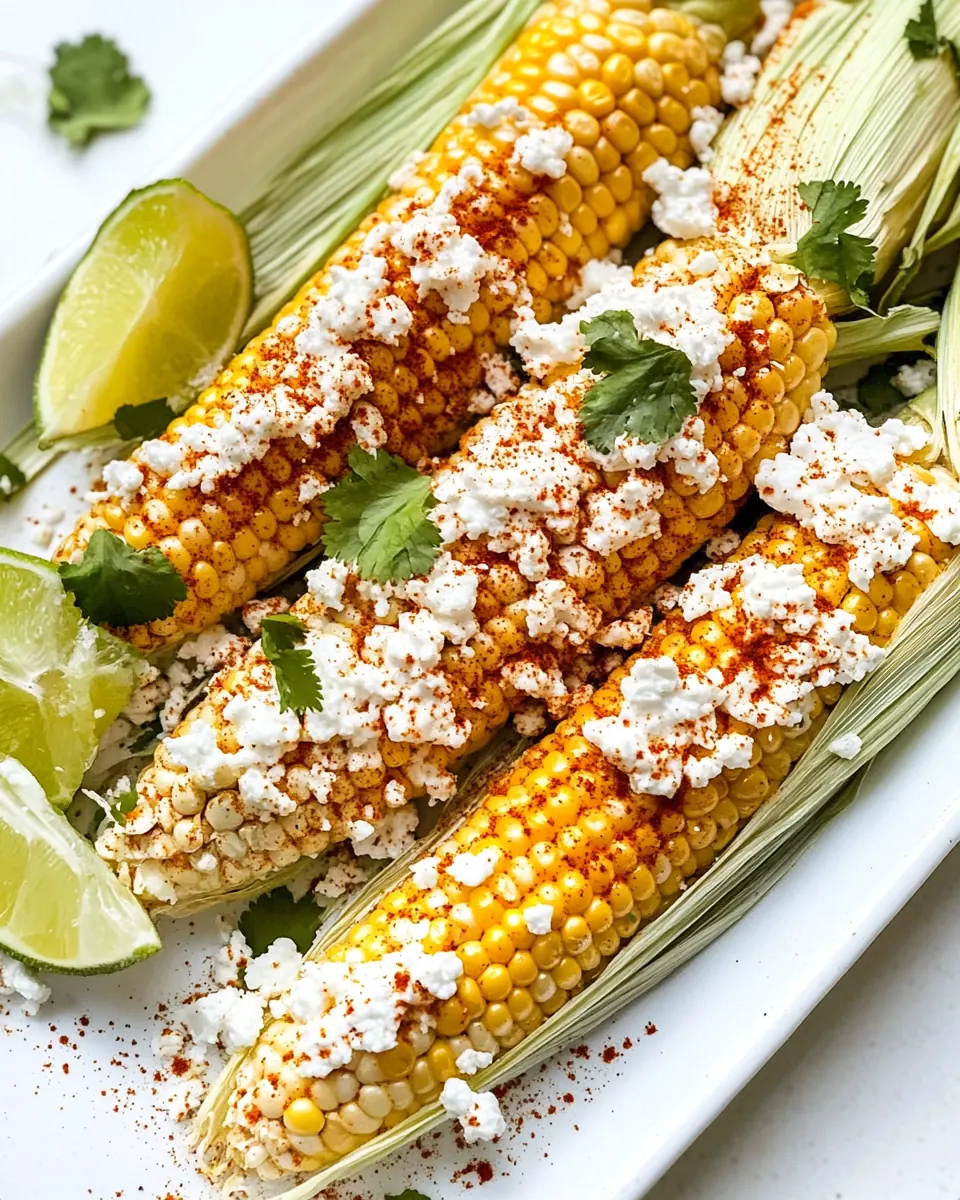
Elote
Ingredients
Equipment
Method
- Prepare the grill for medium-high heat (400-450°F). Heat the grates then brush them clean.: A hot grill is what gives the corn that sought after char and smoky scent, which I look for before I even put the cobs down. You should hear a steady hiss when the corn touches the grates and smell a faint toasty aroma right away, a clear sign the sugars are reacting. If the grill is not hot enough, the kernels will steam rather than char, producing bland results; conversely, if it is too hot they may blacken too quickly and remain raw inside. Keep a close ear for sizzling, and if you see flare ups move the cobs to a cooler zone to avoid burning the husks completely. A common slip at this stage is rushing the heat up with an empty grill which can damage grates, so heat gradually and clean the grates before cooking.
- Remove the first layer of rough husks from the corn cobs, keeping the more tender husk to protect the kernels. Trim the silk tassels from the corn cobs. Place the cobs directly on the grates. Close the lid and grill for 10-15 minutes or until the corn is fragrant and the husks are browned, turning the cobs every few minutes.: Warm, clean grates prevent sticking and promote even contact between the corn and metal, helping produce those attractive grill marks. As you brush, you may notice small bits loosening from previous cooks, but a quick wire brush and a wipe will do the trick. The sound here is subtle, a light rasp as the bristles move across the metal, and you should not hear anything loud or clanging. Leaving debris can cause uneven charring or impart off flavors, so take the extra moment to tidy the surface. Avoid using oily residues which can smoke heavily and give a bitter note to your corn .
- While the corn is cooking, in a small bowl mix the sour cream, mayonnaise, and lime juice. Crumble the cotija cheese in a small bowl. Remove the corn from the grill. Use a towel to hold the corn and shuck the husks and silk. Slather each cob with the mayo spread, sprinkle generously with cheese then season with the chile powder and Tajin, adding more or less to taste. Add a final squeeze of lime if you'd like. Serve warm.: This partial husk removal protects the kernels while allowing some smoke to reach them, giving a soft balance between direct char and steamed sweetness. You will feel the texture difference as you peel; the inner husks are pliable and will help shield the kernels from direct flame while the exposed tips char. Be careful not to strip all husks away, which would expose the cob too much and risk drying the kernels out. A typical mistake is trimming silk hastily, leaving strands that char onto the kernels, so take time to pull the silk gently and remove it thoroughly.
- Trim the silk tassels from the corn cobs: Trimming silk reduces flare ups and prevents tough strands from getting stuck in the final bite, which I always check for when I shuck the cobs later. You will notice a faint papery sound as the tassels are snapped or cut away, and the cob surface will feel smoother to the touch. Leaving too much silk can result in a chewy, unpleasant texture after grilling, so be thorough. A frequent oversight is not washing hands after handling silk which can transfer bits of fiber to other ingredients, so keep a tidy station.
- Place the cobs directly on the grates: As the corn meets the hot metal you will hear a brighter sizzle, and within a minute you should catch a toasty aroma rising. Position each cob with space around it so heat circulates evenly. If you crowd the grill, some cobs will char more than others, creating uneven cooking. If you notice uneven color, rotate the cobs more frequently to promote uniform caramelization. One common hiccup I see is placing cobs too close to a flame source which causes one side to scorch while the other remains pale, so monitor placement closely.
- Close the lid and grill for 10 to 15 minutes or until the corn is fragrant and the husks are browned, turning the cobs every few minutes: The lid traps heat and smoke, aiding even cooking and infusing the kernels with that charcoal essence. You should catch intermittent pops as the kernels release steam, and the husks will darken to a deep brown rather than pure black, signaling readiness. Turn the cobs to all sides to get an even char and toasting of the kernels; a steady, moderate rotation yields the best texture. Avoid leaving the lid up constantly, which cools the grill and lengthens cooking time, producing a steamed texture instead of the desired crisp burst. A common mistake is removing the cobs too early; undercooked kernels feel dense and lack the sweet, tender bite you want.
- While the corn is cooking, in a small bowl mix the sour cream, mayonnaise, and lime juice: The mixture should look glossy and slightly thick, smelling of bright citrus and creamy tang. Whisking briefly by hand is enough, you will notice the texture go from lumpy to smooth, and the aroma should lift as the lime releases its oils. This spread is crucial for helping the cheese and spices adhere, creating that signature mouth coating. If you over dilute it with extra liquid, it will not cling well and the finish will be sloppy, so keep it thick. A typical error is adding too much lime at once; add incrementally and taste to maintain balance.
- Crumble the cotija cheese in a small bowl: The cheese should be crumbly and mildly salty, with a dry texture that helps it cling to the creamy spread on the hot corn . Use your fingers or a fork to break it into fine bits; you will smell a faint milky tang that hints at the final flavor. Finely crumbled cheese adheres better than large chunks which can fall off when eating, so aim for a consistent crumble. Avoid overhandling which can compress the cheese into clumps rather than fluffy crumbles.
- Remove the corn from the grill: When the husks show even browning and the kernels are fragrant and slightly blistered, transfer the cobs to a plate using tongs and a towel for protection. The heat radiating from the cobs will be strong, and you may see small wisps of steam as you move them, a reassuring sign they are hot enough to melt the cheese slightly. If the cob feels too soft or mushy, it may be overcooked, so aim for firm but tender kernels. Common mistakes include leaving the cobs on warm grates where residual heat can continue to cook them beyond the desired point.
- Use a towel to hold the corn and shuck the husks and silk: As you peel back the husks, the aroma intensifies and any remaining silk should come away cleanly. Holding the cob with a towel protects your hand and helps you work quickly while the heat is still helping the spread and cheese adhere. If silk remains, remove it before adding the topping because it can create an unpleasant stringy texture in each bite. A common oversight is shucking too far in advance, which lets heat escape and reduces the cheese's ability to melt slightly into the kernels.
- Slather each cob with the mayo spread, sprinkle generously with cheese then season with the chile powder and Tajin, adding more or less to taste: The tactile pleasure here is unmistakable, as the creamy spread glides over hot kernels and the cotija cheese sticks to this tacky surface, creating a layer that is both rich and crumbly. Dust the surface evenly so each bite has balance between cream, salt, and spice. Taste one cob and adjust the seasoning if needed, perhaps a touch more lime for brightness or extra chili powder for heat. A common mistake at this final stage is over seasoning too early, so season lightly and add more at the table if needed.
- Add a final squeeze of lime if you'd like: That last spritz of lime adds a flash of acidity that wakes the palate and ties all the elements together, making each bite pop with contrast. The scent of citrus at this moment is vivid and uplifting, and it helps cut through the richness so the corn does not feel heavy. Avoid adding too much or it can overpower the more subtle roasted and cheesy notes; a gentle hand yields the best balance. If you are serving to guests, offer extra wedges so individuals can finish to their preference.
- Serve warm: The ideal temperature for Elote is right off the grill, when the heat helps the spreads meld and the textures are at their most inviting. Each bite should present hot kernels, cooling creamy coating, and the dry salt of the cotija cheese . If you let it sit too long, the coating can firm up and lose its luscious mouthfeel, so plan to serve promptly. A frequent misstep is leaving plated cobs in a warm oven which can continue to cook them and change the texture undesirably.
Notes
- Pick peak season corn: The sweetest, juiciest cobs come from late summer, which enhances caramelization and yields a more vibrant finished dish.
- Preheat the grill thoroughly: A properly heated grill produces a satisfying sizzle and consistent charring, preventing steaming that makes kernels soggy.
- Maintain a thick spread: A viscous mayo and sour cream mixture holds the cotija cheese and spices on the cob, ensuring every bite has balanced flavors.
- Rotate frequently while grilling: Turning the cobs every few minutes creates even color and prevents one side from becoming bitterly burnt.
- Serve immediately: Elote is best hot, when the warmth helps the cheese meld slightly into the kernels and textures are at their peak.
- Adjust heat at the table: Keep extra chili powder and Tajin available so guests can personalize the spice level without risking over seasoning the whole batch.