Easy Lemon Meringue Cookies
Easy Lemon Meringue Cookies always feel like sunshine on a plate to me the moment I tuck into one, the bright tartness of lemon curd cutting through the sweet cloud of egg whites. I first made these for a spring potluck when a friend asked for something small and festive, and the response was immediate, warm, and very loud. People kept coming back for another, and someone even asked if I could package them for her to take home. That memory stuck with me because these treats are elegant without being fussy, and they travel well, which is rare for anything crowned with meringue.
I remember standing at my counter, a little nervous about beating egg whites perfectly while the sugar syrup was hot and glossy. The process felt theatrical, but simple, and it taught me to trust gentle heat and timing. The crunch from the shortbread base, the creamy tang of lemon curd, and the toasted shimmer of meringue on top create a tiny layered experience that always makes guests smile. Over time I learned small tricks that save both stress and time, so now these are my go to for gatherings when I want something pretty that does not take over my day.
Recipe Snapshot
25 mins
5 mins
20 mins
Easy
150 kcal
American
Gluten-Free, Low FODMAP
Desserts
Kitchen Scale(optional), Hand Mixer, Kitchen Torch (Click for my favorite)
The Magic of This Easy Lemon Meringue Cookies
Bright, balanced flavor
I love how Easy Lemon Meringue Cookies pair sharp citrus with cloud like sweetness. The lemon curd provides a vibrant, tang forward note that cuts through the sugar, so each bite feels fresh rather than cloying. That contrast is what makes these irresistible to both citrus lovers and those who prefer something lighter after a heavy meal.
Texture party in one bite
The texture contrast is central to why I keep making these. A crisp shortbread base, a silky dollop of lemon curd, and a marshmallow like meringue top come together for a layered mouthfeel. When the meringue gets lightly browned, you get a whisper of toasty flavor that amplifies the overall experience.
Quick and crowd friendly
These cookies are deceptively simple to produce in batches. You can scale up without losing control, which is perfect for parties. I often double the recipe and still manage to finish in under an hour, leaving me free to mingle. They are portable, and they present beautifully, so they work for picnics, showers, or a casual afternoon tea.
Flexible to your skills and tools
Whether you use a hand mixer or a stand mixer, and whether you torch the meringue or simply let it pale, the recipe accommodates both novices and confident bakers. I like that you can make the lemon curd ahead of time, which turns this into more of an assembly project on the day itself. That kind of flexibility keeps me coming back to it when my schedule is tight.
Lovely visual appeal
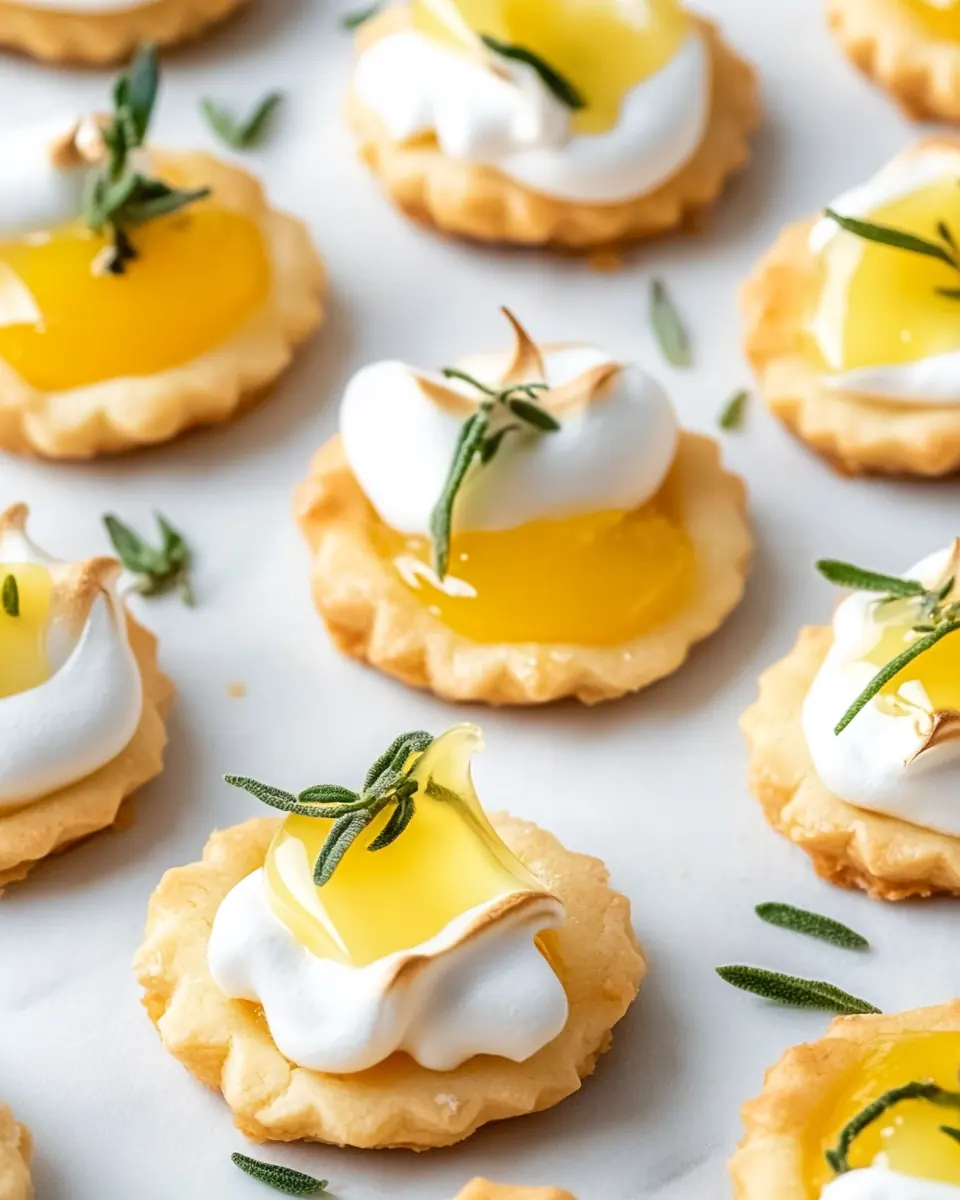
Presentation matters, and these little bites always look special. A small torch kiss on the meringue gives them a patina that makes them appear professionally finished. Garnishing with a tiny herb leaf or zest curls adds personality, and I find people eat with their eyes first, so a pretty cookie goes a long way.
Key Ingredients for Easy Lemon Meringue Cookies

These components are the backbone of flavor and texture. I think of the recipe as three players: the crunchy base, the tart curd, and the airy meringue. Each ingredient has a clear role, and together they balance sweetness, acidity, and crunch to create a memorable bite.
- 3/4 cup caster sugar 150 grams (SEE NOTE): Sweeten the meringue by dissolving sugar into the water and egg whites to create a stable syrup; caster sugar dissolves quickly for a smooth, glossy meringue. Use precise weighing to ensure proper texture and avoid graininess in the finished cookies.
- 1/4 cup water 57 grams: Stabilize the sugar syrup by providing the liquid medium needed to dissolve the caster sugar and help cook it to the desired temperature; water controls the syrup concentration and prevents burning. Measure accurately to achieve the correct consistency for whipping into the egg whites.
- 2 egg whites 70 grams: Whip into stiff peaks to form the base structure of the meringue; egg whites provide volume and aeration when beaten with hot sugar syrup. Ensure no yolk contamination and bring to room temperature for maximum volume and stability.
- 15 shortbread triangles 150 grams, Walker's recommended (1 package): Provide a buttery, crisp base for the cookies with shortbread triangles, adding a contrasting texture and mild sweetness; pre-baked pieces offer convenience and consistent crunch. Use the recommended Walker's shortbread for reliable flavor, and measure according to the package for even portions.
- 1 cup lemon curd 340 grams, store-bought or homemade: Add bright, tangy filling by spooning or piping lemon curd between meringue layers and shortbread bases; lemon curd contributes acidity, moisture, and a glossy finish. Use store–bought or homemade curd depending on desired freshness and control over sweetness.
Directions for Easy Lemon Meringue Cookies
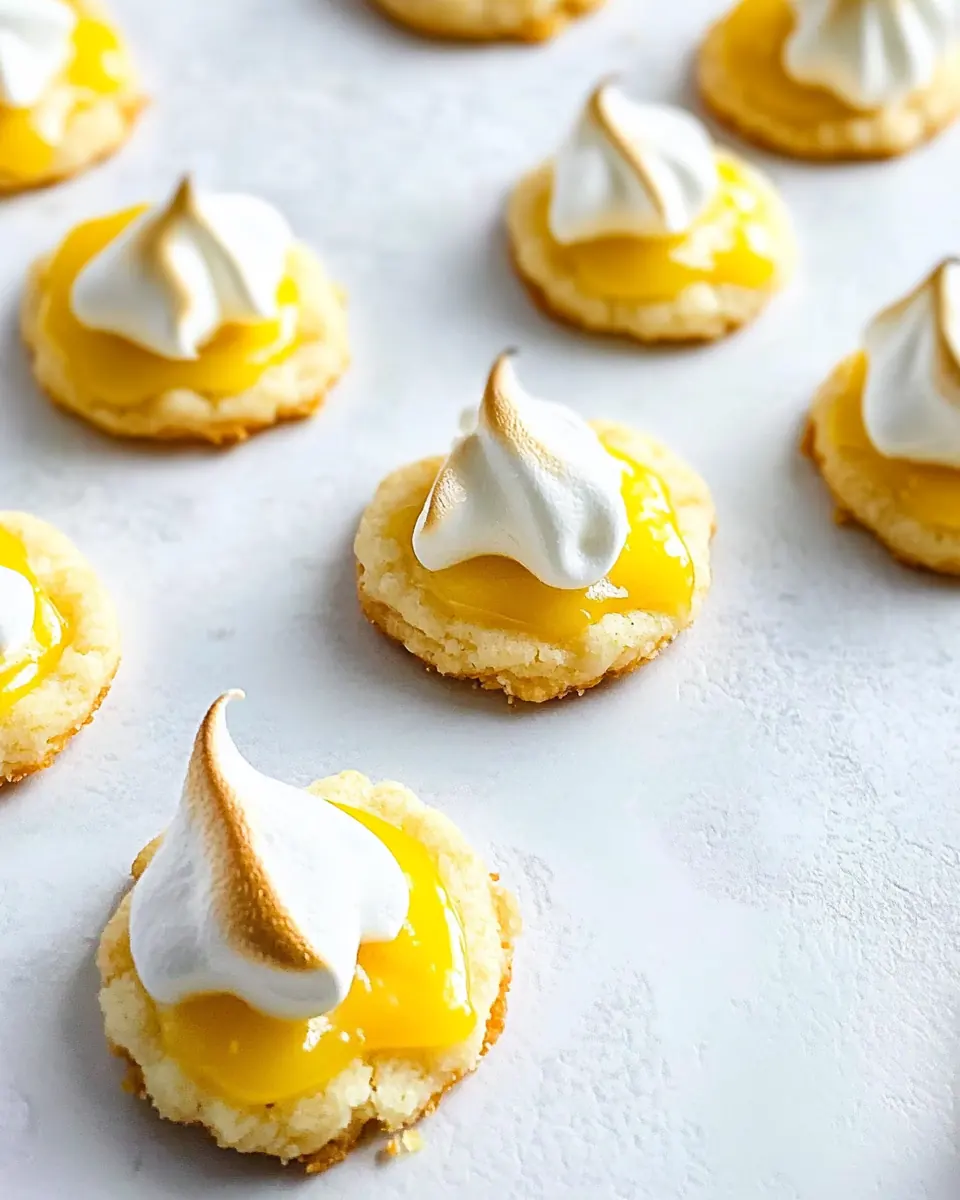
These directions move from syrup to whipped meringue to final assembly. The method is straightforward, but timing and heat matter, so I explain sensory cues and common pitfalls to help you succeed.
- Place the sugar and water in a small saucepan set over medium-low heat, and stir until the sugar dissolves. Simmer for 3 minutes and remove from the heat.: Warmth will bring the syrup to life, and you should see the liquid go from cloudy to clear with a glossy sheen, a sign the sugar has fully dissolved. The gentle hiss as tiny bubbles form tells you the syrup is heating evenly, and the aroma should be clean and slightly sweet rather than caramel like. This step stabilizes the meringue, so accurate simmering is important. If you overheat, the syrup can darken and taste burnt, so watch carefully and remove it promptly when the timer is up.
- Using a hand mixer, beat the egg whites until soft peaks form, and add the sugar water in a thin stream. Continue beating the meringue until the peaks are firm but still glossy.: You will notice the sound change as the mixer runs, the volume increasing and the mixture becoming cloudlike and billowy. Look for soft peaks first, then pour in the warm syrup slowly to avoid deflating the foam. After the syrup is added, keep beating until the peaks stand tall and have a shiny sheen, indicating the sugar is fully incorporated. A dull or grainy texture means the sugar did not dissolve properly. One common mistake is adding the syrup too quickly, which can collapse the foam, so take your time and stream it in thinly.
- Place the cookies on a serving platter and spoon a dollop of lemon curd on top of each one. Pipe or spoon the desired amount of meringue on top of the curd. Use a small kitchen blowtorch to slightly brown the meringue, if desired.: As you work, the cool, velvety lemon curd should contrast with the crisp cookie, and you will feel a satisfying resistance as the spoon transfers the curd onto each triangle. Use a measured spoonful to keep portions consistent, and give the curd a gentle wobble if you want to check its set; it should hold but still look glossy. Avoid piling too much curd, because excess moisture can soften the base over time.
- Garnish each cookie with a mint leaf, if desired.: The meringue should feel light and marshmallow like, and when you pipe it, it will hold its shape. Listen for a soft thud as the piping bag squeezes, and watch the surface for a smooth, satiny finish. Use gentle pressure to avoid air pockets, and smooth any rough edges with a small offset spatula if needed. A frequent error is overworking the meringue at this stage, which can flatten peaks, so shape them with confidence but without excessive handling.
- Use a small kitchen blowtorch to slightly brown the meringue, if desired.: When toasting the meringue, you will see the color shift from white to pale gold, then to deeper amber at the tips, releasing a warm, toasty aroma that complements the citrus. Move the flame in even, circular motions to avoid singeing one spot, and keep the torch a safe distance to create a gentle caramelized surface. If you do not have a torch, a brief stint under a broiler will work but watch closely because the meringue can go from lightly browned to burnt in seconds. A common slip is holding the torch too close which creates dark spots rather than an even golden finish.
- Garnish each cookie with a mint leaf, if desired.: The tiny green leaf adds a fresh herbal note and a pop of color, making the plate visually appealing. Place the garnish carefully on the meringue so it sits delicately without sinking. Fresh herbs should be patted dry so they do not introduce moisture. Avoid using heavy garnishes that weigh the meringue down, and serve soon after garnishing to keep everything looking pristine.
Helpful Notes about Easy Lemon Meringue Cookies

These notes capture practical tricks and alternatives I use frequently. They can make the difference between a stressful bake and a relaxed assembly session, so I include details you will actually use.
- Caster sugar substitution: If you cannot find caster sugar, pulse granulated sugar in a food processor until finer but stop before it becomes powdered. This gives the right texture for a glossy meringue without introducing powdery grit.
- Room temperature egg whites: Let egg whites sit out for 15 to 20 minutes to whip up more fully, which helps achieve tall, stable peaks for easier piping and toasting.
- Stabilizing the meringue: The hot syrup technique creates a stable, glossy meringue that holds up at room temperature for a while, reducing weeping and maintaining texture during service.
- Assembling ahead: You can pipe the meringue just before serving, but you may spoon the curd onto cookies a few hours ahead and refrigerate; this saves last minute work and keeps the curd fresh.
- Torch alternatives: A quick blast under the broiler works as a backup to a kitchen torch, but be ready with the oven door open and an eye on the cookies because browning happens very fast.
- Transport tips: Place the cookies in a single layer with parchment between layers to prevent sticking and protect the delicate meringue while traveling.
Serve This Easy Lemon Meringue Cookies With
These cookies are versatile for many occasions. They shine at afternoon tea, light dessert courses, and spring gatherings. Below are ways to present and pair them, along with storage notes and seasonal ideas.
- Tea service: Arrange the cookies on a small tiered stand alongside simple brewed tea or delicate herbal blends, enhancing the bright lemon curd flavor without overpowering it.
- Brunch platter: Include these with fresh fruit and scones for a layered brunch spread, where the tang of the curd complements savory elements and balances richer items.
- Party finger food: Serve on a platter with small napkins for easy passing; these are great for showers, garden parties, or spring celebrations where bite sized desserts are preferred.
- Storage and make ahead: Keep assembled cookies refrigerated and consume within two days for best texture; store components separately if making far ahead to maintain crispness of the shortbread base.
- Seasonal pairings: In spring, pair with light floral garnishes and citrus themed decorations; they also work well for holiday tea settings when you want a bright, refreshing bite.
- Occasion suggestions: These are ideal for casual gatherings, afternoon treats with friends, or as an elegant dessert option when you want something pretty but not heavy.
- Presentation tips: Garnish with tiny herb leaves or a sliver of zest just before serving to add color and an extra aromatic note without weighing the meringue down.
FAQ
Conclusion
What makes these cookies special is the marriage of crisp shortbread, bright lemon curd, and cloud like meringue that you can toast to a golden finish. They are elegant yet approachable, and they save well as a make ahead option if you separate components. Try them at your next gathering and watch how quickly they disappear, then consider keeping a jar of curd on hand so you can assemble them in minutes the next time guests arrive.
Easy Lemon Meringue Cookies
Ingredients
Equipment
Method
- Place the sugar and water in a small saucepan set over medium-low heat, and stir until the sugar dissolves. Simmer for 3 minutes and remove from the heat.: Warmth will bring the syrup to life, and you should see the liquid go from cloudy to clear with a glossy sheen, a sign the sugar has fully dissolved. The gentle hiss as tiny bubbles form tells you the syrup is heating evenly, and the aroma should be clean and slightly sweet rather than caramel like. This step stabilizes the meringue, so accurate simmering is important. If you overheat, the syrup can darken and taste burnt, so watch carefully and remove it promptly when the timer is up.
- Using a hand mixer, beat the egg whites until soft peaks form, and add the sugar water in a thin stream. Continue beating the meringue until the peaks are firm but still glossy.: You will notice the sound change as the mixer runs, the volume increasing and the mixture becoming cloudlike and billowy. Look for soft peaks first, then pour in the warm syrup slowly to avoid deflating the foam. After the syrup is added, keep beating until the peaks stand tall and have a shiny sheen, indicating the sugar is fully incorporated. A dull or grainy texture means the sugar did not dissolve properly. One common mistake is adding the syrup too quickly, which can collapse the foam, so take your time and stream it in thinly.
- Place the cookies on a serving platter and spoon a dollop of lemon curd on top of each one. Pipe or spoon the desired amount of meringue on top of the curd. Use a small kitchen blowtorch to slightly brown the meringue, if desired.: As you work, the cool, velvety lemon curd should contrast with the crisp cookie, and you will feel a satisfying resistance as the spoon transfers the curd onto each triangle. Use a measured spoonful to keep portions consistent, and give the curd a gentle wobble if you want to check its set; it should hold but still look glossy. Avoid piling too much curd, because excess moisture can soften the base over time.
- Garnish each cookie with a mint leaf, if desired.: The meringue should feel light and marshmallow like, and when you pipe it, it will hold its shape. Listen for a soft thud as the piping bag squeezes, and watch the surface for a smooth, satiny finish. Use gentle pressure to avoid air pockets, and smooth any rough edges with a small offset spatula if needed. A frequent error is overworking the meringue at this stage, which can flatten peaks, so shape them with confidence but without excessive handling.
- Use a small kitchen blowtorch to slightly brown the meringue, if desired.: When toasting the meringue, you will see the color shift from white to pale gold, then to deeper amber at the tips, releasing a warm, toasty aroma that complements the citrus. Move the flame in even, circular motions to avoid singeing one spot, and keep the torch a safe distance to create a gentle caramelized surface. If you do not have a torch, a brief stint under a broiler will work but watch closely because the meringue can go from lightly browned to burnt in seconds. A common slip is holding the torch too close which creates dark spots rather than an even golden finish.
- Garnish each cookie with a mint leaf, if desired.: The tiny green leaf adds a fresh herbal note and a pop of color, making the plate visually appealing. Place the garnish carefully on the meringue so it sits delicately without sinking. Fresh herbs should be patted dry so they do not introduce moisture. Avoid using heavy garnishes that weigh the meringue down, and serve soon after garnishing to keep everything looking pristine.
Notes
- Caster sugar substitution: If you cannot find caster sugar, pulse granulated sugar in a food processor until finer but stop before it becomes powdered. This gives the right texture for a glossy meringue without introducing powdery grit.
- Room temperature egg whites: Let egg whites sit out for 15 to 20 minutes to whip up more fully, which helps achieve tall, stable peaks for easier piping and toasting.
- Stabilizing the meringue: The hot syrup technique creates a stable, glossy meringue that holds up at room temperature for a while, reducing weeping and maintaining texture during service.
- Assembling ahead: You can pipe the meringue just before serving, but you may spoon the curd onto cookies a few hours ahead and refrigerate; this saves last minute work and keeps the curd fresh.
- Torch alternatives: A quick blast under the broiler works as a backup to a kitchen torch, but be ready with the oven door open and an eye on the cookies because browning happens very fast.
- Transport tips: Place the cookies in a single layer with parchment between layers to prevent sticking and protect the delicate meringue while traveling.