Strawberry Shortcake Recipe
Strawberry Shortcake Recipe is the one dessert that always brings me back to warm afternoons and a sticky, joyful kitchen counter. I still remember the first time I made these biscuits for a backyard potluck, watching neighbors hover like eager birds while the sugared strawberries bubbled into a glossy syrup. That first bite, the flaky butter and pillowy flour meeting the bright, sweet strawberry, taught me how simple ingredients can feel celebratory.
I love keeping this version honest and unfussy. The biscuits are built around a straightforward list of pantry staples, and the macerated strawberries practically make themselves while the biscuits bake. Over the years I have learned small habits that change everything, like chilling the butter and whisk attachment, and folding the dough just enough so the layers remain tender. These rituals make the process pleasurable, and they keep cleanup minimal so you spend more time with people and less time at the sink.
Recipe Snapshot
15 mins
5 mins
10 mins
Medium
400 kcal
American
Gluten-Free, Low FODMAP
Desserts
Bowl, Whisk, Pastry cutter, Biscuit cutter or glass, Mixing bowl and whisk attachment, Baking sheet, Serrated knife
Why This Strawberry Shortcake Recipe Works
Layered texture that feels homemade
I adore how the biscuit in this Strawberry Shortcake Recipe manages to be both tender and flaky. The secret is keeping the butter very cold and working the dough just enough so you can still spot pea sized bits of butter. When baked, those pockets melt and steam, creating light layers. I personally prefer this approach to overly kneaded dough because it rewards patience with a superior crumb.
Fresh fruit that sings
The maceration step elevates ordinary strawberry into a syrupy, fragrant topping. A short rest with granulated sugar draws out juices and deepens the flavor without any complicated techniques. I like that you can control the sweetness, and the resulting syrup is a finishing touch that makes every bite juicier and more complex.
Quick but impressive
This recipe is one of my go to options when I want dessert fast but charming. With a handful of steps and a short bake time, you can serve something that looks like you spent twice the time. I find it perfect for last minute guests because the whipped cream and macerated strawberries can be prepared while the biscuits come out golden and hot.
Flexible and forgiving
Whether you use whole milk or buttermilk, cold butter grated or cubed, this method adapts. I appreciate recipes that let me work with what I have, and this one still produces tender results even if the dough needs a sprinkle more flour to handle sticky moments. That margin for error makes it approachable for bakers of all levels.
Classic flavor profile
There is something timeless about the combination of slightly sweet biscuit, bright strawberry, and billowy whipped cream. I reach for this Strawberry Shortcake Recipe whenever I want a dessert that is nostalgic yet fresh. It is the kind of recipe that becomes part of summer traditions, and I keep coming back to it because it always feels like a celebration.
Ingredients Required for Strawberry Shortcake Recipe
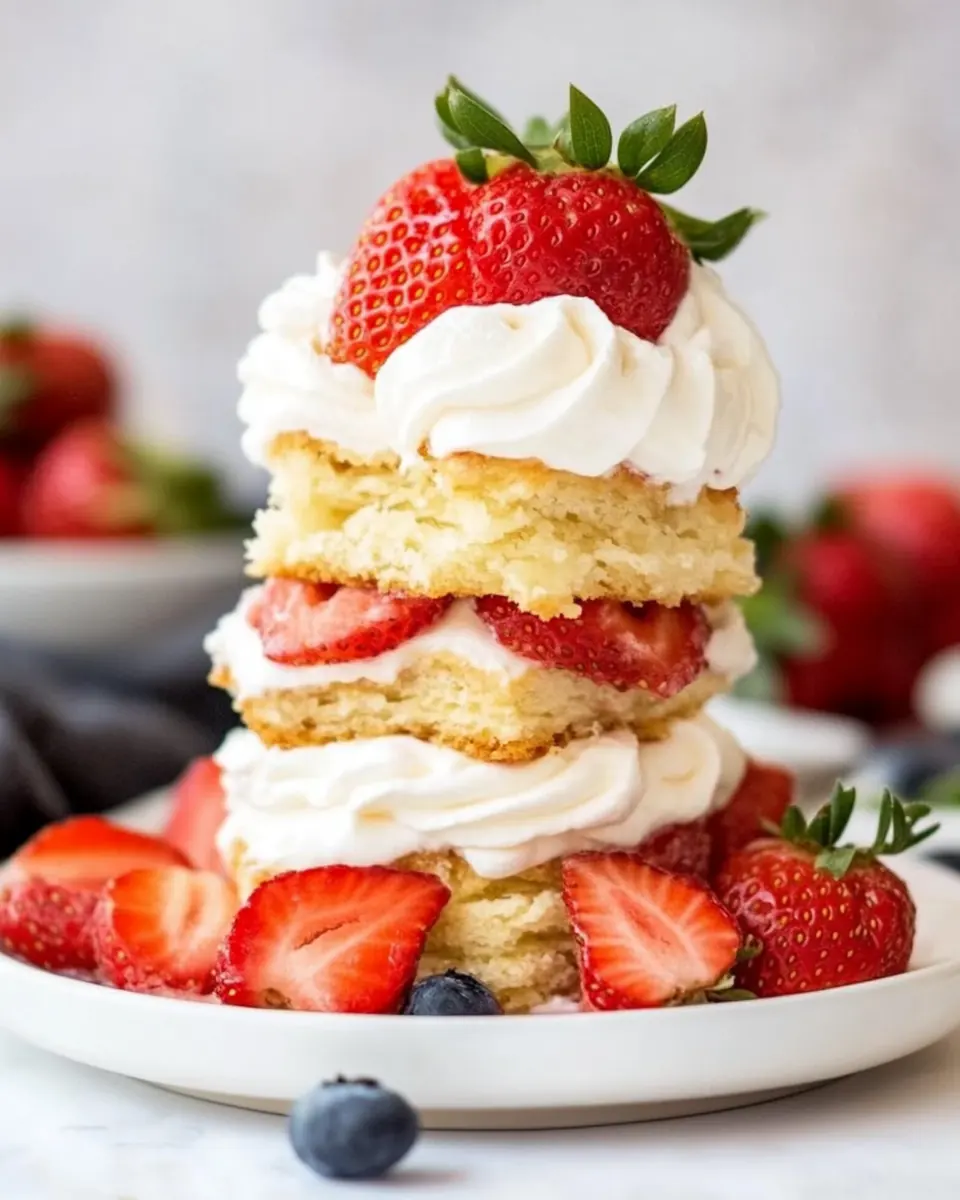
These ingredients form a straightforward, classic shortcake. The method hinges on a small number of key players: the flour makes the structure, the very cold butter creates flaky layers, and the macerated strawberries and whipped cream provide fresh, sweet contrast. Each element is essential, and when combined they produce a balanced dessert that feels both rustic and refined.
- 2 3/4 cups all-purpose flour: Combine to form the dry base of the shortcake; provides structure, gluten development, and bulk for the biscuit dough while absorbing liquids.
- 1/4 cup granulated sugar: Add sweetness and tenderizing effect to the dough; helps balance flavors and promotes browning during baking for a lightly caramelized crust.
- 1/2 teaspoons salt: Season the mixture to enhance flavor and balance sweetness; helps strengthen gluten slightly and regulates yeast or chemical leavening performance.
- 4 teaspoons baking powder: Leaven the biscuit dough by producing gas when heated; creates lift and lightness in the shortcake crumb for a tender texture.
- 1/2 teaspoon cream of tartar (optional): Stabilize and slightly acidify the dough if used; can interact with baking powder to fine-tune rise and tenderize the crumb.
- 3/4 cup unsalted butter cold, cut into small cubes OR grated: Cut into the dry ingredients to create flaky layers; provides richness, moisture, and flavor while contributing to tender, layered texture.
- 1 cup whole milk or buttermilk: Moisten and bind the dough while contributing richness and slight acidity if using buttermilk; helps hydrate dry ingredients and develop tenderness.
- 2 tablespoons heavy cream: Brush or add to the dough for extra richness and a golden finish; contributes to browning and a slightly richer mouthfeel on the biscuit tops.
- 2 tablespoons coarse sugar or turbinado sugar or sanding sugar: Sprinkle on the biscuit tops before baking to add a crunchy, sparkly finish; provides visual appeal and a burst of coarse sweetness.
- 2 pounds strawberries picked through, washed, trimmed and hulled: Prepare by macerating with sugar to release juices; supplies bright, fresh fruit flavor and saucy topping for assembling the shortcake.
- 1/4 to 1/3 cup granulated sugar: Sweeten and draw out natural strawberry juices during maceration; helps create a glossy, syrupy sauce that flavors each serving.
- 1 1/2 cups heavy cream extra cold, can place in the freezer for 10 to 15 minutes: Whip to create the light, airy cream layer; contributes richness and a silky, pillowy component that balances the denser biscuit and tart fruit.
- 1/4 to 1/3 cup powdered sugar depending on how sweet you want your whipped cream: Sweeten whipped cream to taste and stabilize flavor; helps balance the cream's richness and accentuate the dessert's overall sweetness level.
- 1 teaspoon vanilla extract: Flavor the whipped cream with warm vanilla notes; enhances overall aroma and rounds out the sweetness for a classic shortcake profile.
Cooking Method for Strawberry Shortcake Recipe
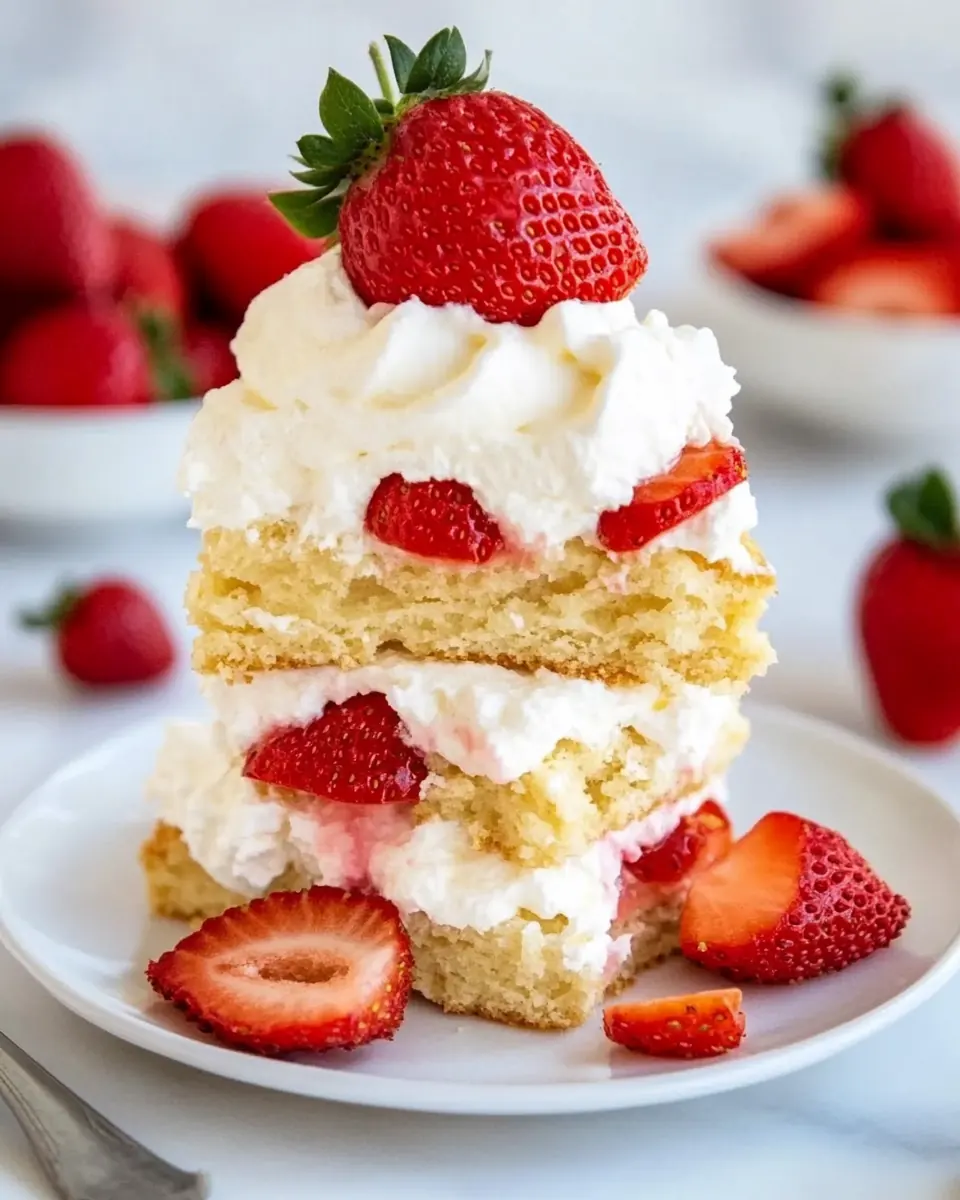
This recipe moves quickly once you begin, so I like to have all my ingredients measured and tools ready. Expect a few simple mixing steps, a short bake, and then assembly with macerated strawberries and freshly whipped cream. Keep chilled elements cold so the texture stays light.
- Preheat oven to 450°F: The moment you smell the warm kitchen when the oven comes up to temperature you will know it is ready. A hot oven encourages rapid steam formation from the melting butter , which creates lift and flaky layers. Make sure your rack is centered so the biscuits brown evenly. A common mistake is preheating too low, which can lead to pale, dense biscuits.
- Whisk together flour, sugar, salt, baking powder and cream of tartar (if using) in a large bowl.: The aroma here is faintly bready and clean, and you want the dry components fully combined for uniform rise. Whisking distributes the baking powder and salt so you do not get pockets of metallic or overly salty bites. Over mixing at this phase is not an issue, but failing to combine leaves uneven texture.
- Use a pastry cutter to cut really cold butter into flour mixture. Don't go too crazy here – you want to see small, pea-sized pieces of butter throughout the dough.: As you work, you will hear a soft rubbing sound as the butter is incorporated and see pea sized bits throughout the pale flour . Those little flecks are essential, they melt and steam, producing flaky layers. Avoid overworking or warming the butter , since that makes the dough greasy and reduces lift.
- Stir in the milk (or buttermilk) and mix just until the ingredients are combined. The dough will be sticky but don't keep working it. You should be able to see the butter pieces in the dough.: The dough will feel sticky, and you may notice a faint sheen from the butter . The goal is gentle incorporation so the butter pieces remain distinct. If you keep handling the dough, the gluten will tighten, making tougher biscuits, which is the mistake I see most often at this step.
- Turn the dough out onto a generously floured surface. Sprinkle some flour on top of dough so it won't stick to your fingers and pat into a rectangle about one inch thick. Fold in half and then pat out again. Repeat a few more times. If the dough is super sticky just sprinkle on some additional flour. Pat the dough out to 3/4 – 1 inch thickness.: The surface will feel cool and the dough slightly tacky, but dusting with flour prevents sticking. Folding the dough and patting again builds layers, and each fold should be gentle. If you skip the folding you lose flakiness, and if you add too much flour the texture becomes heavy.
- Cut with a biscuit cutter or glass or even cut into squares or rectangles if you prefer. I usually end up with about nine.: As you press through the dough you want clean edges, not a twisting motion, so the rise is even. The sound is a soft thud and the edges should pop free easily when lifted. Twisting the cutter seals the edges and can stop the rise, which is a common misstep.
- Place the biscuits on a lightly greased baking sheet or parchment lined baking sheet. Brush top of biscuits with heavy cream and sprinkle sanding sugar or coarse sugar on top.: The brush stroke leaves a glossy sheen and the coarse sugar sparkles, promising a tender top. This is when presentation begins, so try to be even with the cream. If you skip the cream the tops will be paler and less inviting.
- Bake for 10 to 15 minutes or until golden brown on top. Remove and let cool while preparing strawberries and whipped cream.: You will hear a faint crackle as steam escapes and see edges turn golden, that is your cue. The smell becomes warm and comforting, signaling the butter has melted into pockets. Leaving them in too long dries them out, while underbaking leaves a doughy center, so watch the color closely.
- Place sliced or chopped strawberries in a large bowl. Sprinkle granulated sugar on top and stir gently to combine. You want to coat the pieces of strawberry.: The fruit will immediately begin to smell brighter and sweeter as the granulated sugar draws out juices. Stirring should be gentle so pieces keep shape and do not turn to mush. Using too much force here breaks down the strawberries into an unappealing puree, which removes texture.
- Let sit for about 20 to 30 minutes, stirring once or twice. You'll know they're ready when the sugar has completely dissolved and there's a nice syrup developing in the bottom of the bowl.: During this rest the syrup forms and the berries become glossy and tender, releasing a fragrant aroma. Taste after the rest to adjust sweetness, since some berries are naturally sweeter than others. The main pitfall is impatience; skipping this step leaves dry, under flavored fruit.
- Chill the mixing bowl and whisk attachment in the freezer for 5 to 10 minutes.: A cold bowl helps the heavy cream whip faster and reach stable peaks. You will feel the bowl go noticeably colder to the touch, which speeds aeration as you beat. Not chilling the tools means longer whipping times and a higher chance of over whipping.
- Pour heavy whipping cream into mixing bowl and beat on medium to medium high speed with the whisk attachment until the cream gets bubbly and starts to thicken.: You will hear a soft, fast hum as air is incorporated and see the cream transform from glossy liquid to soft foam. This aeration creates the lightness that balances the dense biscuit. Whipping too slowly delays structure, while too fast risks splashing, so aim for steady speed.
- Add the powdered sugar and vanilla extract. Continue beating on medium-high speed until soft peaks form, being careful not to over beat.: The whipped cream will become pillowy and when you lift the whisk a soft peak should hold its shape for a moment before melting back in. Vanilla adds warmth and rounds flavors. Over beating turns the cream grainy and eventually into butter, which is the error to avoid here.
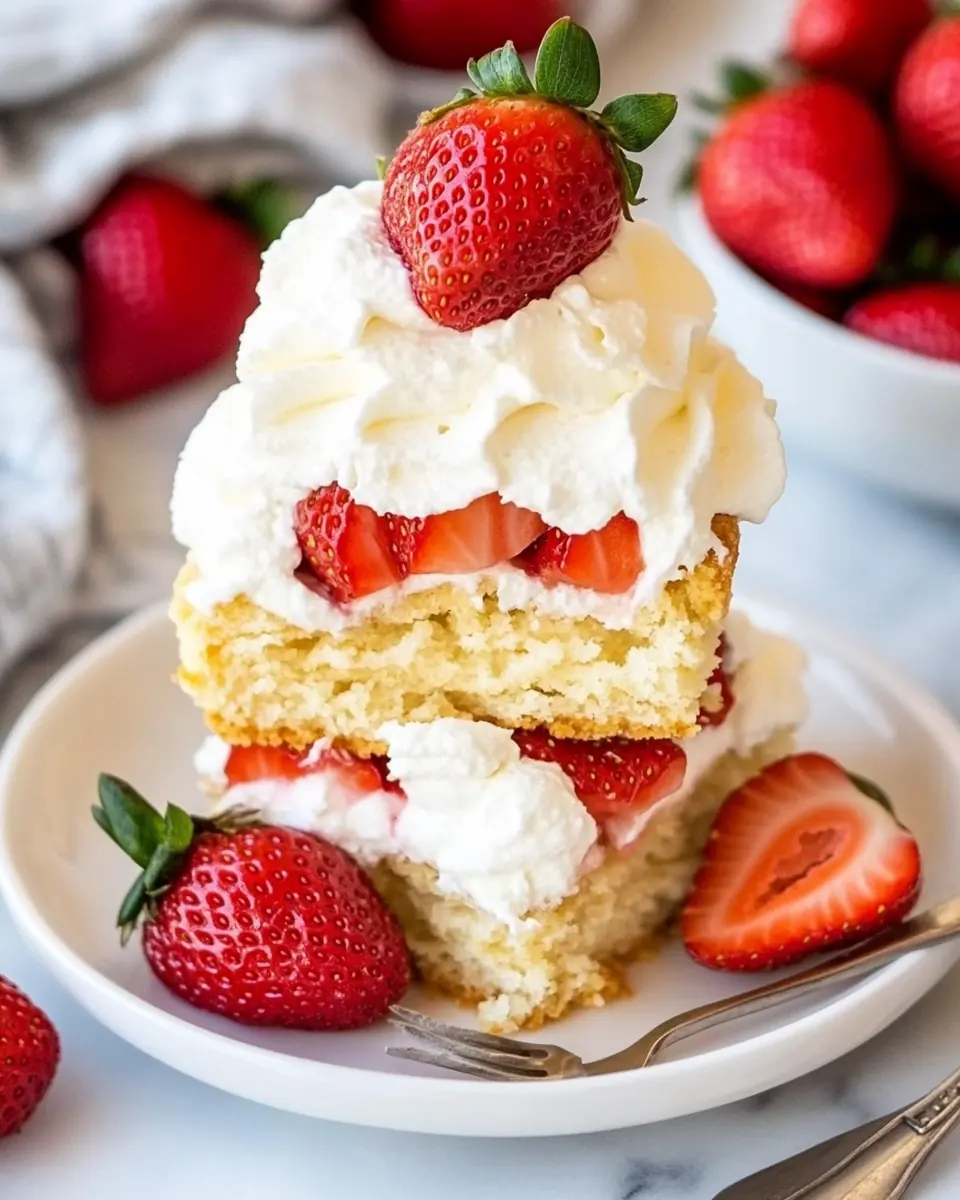
- Use a serrated knife to split the biscuit in two. Place a generous scoop of macerated strawberries directly onto the bottom half, about 1/4 cup or so. Top with whipped cream, a few more strawberries and finally the top half of the biscuit.: The exposed biscuit interior will look tender and slightly steamy if still warm. Spoon on the syrupy strawberries so they sink into the crumb and add moisture. Cutting with a serrated knife prevents squashing, while a blunt tool will compress the biscuit.
- We like to add another dollop of whipped cream and a few strawberries to the very top of the shortcake. For extra sweetness, spoon the strawberry syrup that has developed from the macerated strawberries right on top of the strawberry shortcake. Enjoy immediately.: The contrast of textures is immediate, with soft cream against tender biscuit and juicy strawberries . Add another dollop and a few berries on top for show. Assemble just before serving because the syrup will soften the biscuit over time, so delay assembly if you need them to hold shape for a short while.
Recipe Variations about Strawberry Shortcake Recipe
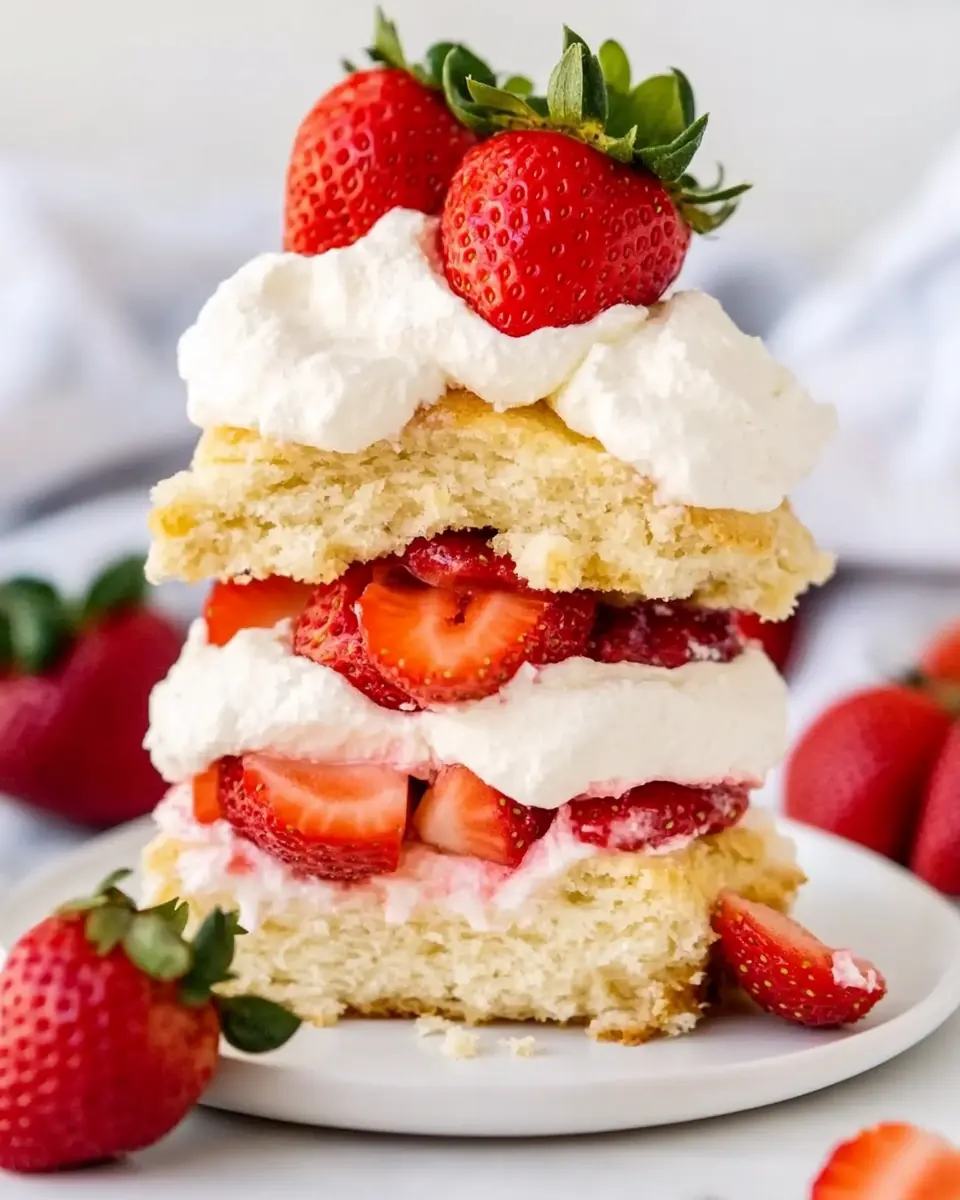
I often tweak small elements to suit the occasion, and these variations let you play with texture and flavor while keeping the core method intact. Below are practical, tested adjustments that keep the spirit of the recipe but offer fresh outcomes for different needs.
- Use buttermilk for tang: Swapping whole milk for buttermilk gives the biscuit a subtle tang and slightly more rise, enhancing the contrast with sweet strawberries.
- Grate the butter for speed: Grating cold butter into the dry mix speeds the process and ensures uniformly small pieces that create consistent flakiness.
- Make mini shortcakes: Cut the dough into smaller rounds to create individual mini shortcakes, which are perfect for parties and reduce assembly time.
- Adjust sugar for tart berries: Increase the maceration granulated sugar toward the upper range if your strawberries are especially tart, then taste and tweak before assembling.
- Stabilize the whipped cream: For longer hold, dust a touch more powdered sugar into the whipped cream or chill the assembled shortcakes briefly before serving.
Serving Ideas for Strawberry Shortcake Recipe
This dessert is wonderfully versatile and works in many settings. It can be a casual picnic treat or a centerpiece for a celebratory meal. Below are specific serving ideas and practical storage notes to help you present it beautifully and keep leftovers tasting great.
- Casual summer picnic: Serve individual shortcakes with a small container of extra macerated strawberries so guests can spoon more syrup as desired.
- Elegant dinner party: Plate the shortcake on chilled dessert plates with a light dusting of powdered sugar and a sprig of fresh herb for contrast; assemble just before serving to keep textures pristine.
- Family gathering: Arrange biscuits on a platter for passing family style, offering bowls of whipped cream and macerated strawberries so everyone can build their own.
- Storage tip: Keep leftover biscuits and macerated strawberries separate. Store biscuits in an airtight container at room temperature for up to two days, and refrigerate the fruit in a sealed jar for up to three days.
- Seasonal pairings: This is ideal in spring and summer when strawberries are at their peak; serve with light tea for brunch or a fruity beverage for afternoon gatherings.
- Occasion ideas: Perfect for backyard lunches, Ramadan iftar treats after sunset, weekend brunches, or as a simple dessert after weekday dinners.
FAQ
Conclusion
This Strawberry Shortcake Recipe stands out because of its simple, classic combination of flaky biscuits, juicy macerated strawberries, and freshly whipped cream. It is both approachable and rewarding, turning a few pantry staples into a dessert that feels celebratory. I encourage you to give it a try, whether for a casual family dinner or a sunny gathering with friends. Enjoy the process of assembling the shortcakes and savor the warm, nostalgic flavors that make this dessert a perennial favorite.
Strawberry Shortcake Recipe
Ingredients
Equipment
Method
- Preheat oven to 450°F: The moment you smell the warm kitchen when the oven comes up to temperature you will know it is ready. A hot oven encourages rapid steam formation from the melting butter , which creates lift and flaky layers. Make sure your rack is centered so the biscuits brown evenly. A common mistake is preheating too low, which can lead to pale, dense biscuits.
- Whisk together flour, sugar, salt, baking powder and cream of tartar (if using) in a large bowl.: The aroma here is faintly bready and clean, and you want the dry components fully combined for uniform rise. Whisking distributes the baking powder and salt so you do not get pockets of metallic or overly salty bites. Over mixing at this phase is not an issue, but failing to combine leaves uneven texture.
- Use a pastry cutter to cut really cold butter into flour mixture. Don't go too crazy here – you want to see small, pea-sized pieces of butter throughout the dough.: As you work, you will hear a soft rubbing sound as the butter is incorporated and see pea sized bits throughout the pale flour . Those little flecks are essential, they melt and steam, producing flaky layers. Avoid overworking or warming the butter , since that makes the dough greasy and reduces lift.
- Stir in the milk (or buttermilk) and mix just until the ingredients are combined. The dough will be sticky but don't keep working it. You should be able to see the butter pieces in the dough.: The dough will feel sticky, and you may notice a faint sheen from the butter . The goal is gentle incorporation so the butter pieces remain distinct. If you keep handling the dough, the gluten will tighten, making tougher biscuits, which is the mistake I see most often at this step.
- Turn the dough out onto a generously floured surface. Sprinkle some flour on top of dough so it won't stick to your fingers and pat into a rectangle about one inch thick. Fold in half and then pat out again. Repeat a few more times. If the dough is super sticky just sprinkle on some additional flour. Pat the dough out to 3/4 – 1 inch thickness.: The surface will feel cool and the dough slightly tacky, but dusting with flour prevents sticking. Folding the dough and patting again builds layers, and each fold should be gentle. If you skip the folding you lose flakiness, and if you add too much flour the texture becomes heavy.
- Cut with a biscuit cutter or glass or even cut into squares or rectangles if you prefer. I usually end up with about nine.: As you press through the dough you want clean edges, not a twisting motion, so the rise is even. The sound is a soft thud and the edges should pop free easily when lifted. Twisting the cutter seals the edges and can stop the rise, which is a common misstep.
- Place the biscuits on a lightly greased baking sheet or parchment lined baking sheet. Brush top of biscuits with heavy cream and sprinkle sanding sugar or coarse sugar on top.: The brush stroke leaves a glossy sheen and the coarse sugar sparkles, promising a tender top. This is when presentation begins, so try to be even with the cream. If you skip the cream the tops will be paler and less inviting.
- Bake for 10 to 15 minutes or until golden brown on top. Remove and let cool while preparing strawberries and whipped cream.: You will hear a faint crackle as steam escapes and see edges turn golden, that is your cue. The smell becomes warm and comforting, signaling the butter has melted into pockets. Leaving them in too long dries them out, while underbaking leaves a doughy center, so watch the color closely.
- Place sliced or chopped strawberries in a large bowl. Sprinkle granulated sugar on top and stir gently to combine. You want to coat the pieces of strawberry.: The fruit will immediately begin to smell brighter and sweeter as the granulated sugar draws out juices. Stirring should be gentle so pieces keep shape and do not turn to mush. Using too much force here breaks down the strawberries into an unappealing puree, which removes texture.
- Let sit for about 20 to 30 minutes, stirring once or twice. You'll know they're ready when the sugar has completely dissolved and there's a nice syrup developing in the bottom of the bowl.: During this rest the syrup forms and the berries become glossy and tender, releasing a fragrant aroma. Taste after the rest to adjust sweetness, since some berries are naturally sweeter than others. The main pitfall is impatience; skipping this step leaves dry, under flavored fruit.
- Chill the mixing bowl and whisk attachment in the freezer for 5 to 10 minutes.: A cold bowl helps the heavy cream whip faster and reach stable peaks. You will feel the bowl go noticeably colder to the touch, which speeds aeration as you beat. Not chilling the tools means longer whipping times and a higher chance of over whipping.
- Pour heavy whipping cream into mixing bowl and beat on medium to medium high speed with the whisk attachment until the cream gets bubbly and starts to thicken.: You will hear a soft, fast hum as air is incorporated and see the cream transform from glossy liquid to soft foam. This aeration creates the lightness that balances the dense biscuit. Whipping too slowly delays structure, while too fast risks splashing, so aim for steady speed.
- Add the powdered sugar and vanilla extract. Continue beating on medium-high speed until soft peaks form, being careful not to over beat.: The whipped cream will become pillowy and when you lift the whisk a soft peak should hold its shape for a moment before melting back in. Vanilla adds warmth and rounds flavors. Over beating turns the cream grainy and eventually into butter, which is the error to avoid here.
- Use a serrated knife to split the biscuit in two. Place a generous scoop of macerated strawberries directly onto the bottom half, about 1/4 cup or so. Top with whipped cream, a few more strawberries and finally the top half of the biscuit.: The exposed biscuit interior will look tender and slightly steamy if still warm. Spoon on the syrupy strawberries so they sink into the crumb and add moisture. Cutting with a serrated knife prevents squashing, while a blunt tool will compress the biscuit.
- We like to add another dollop of whipped cream and a few strawberries to the very top of the shortcake. For extra sweetness, spoon the strawberry syrup that has developed from the macerated strawberries right on top of the strawberry shortcake. Enjoy immediately.: The contrast of textures is immediate, with soft cream against tender biscuit and juicy strawberries . Add another dollop and a few berries on top for show. Assemble just before serving because the syrup will soften the biscuit over time, so delay assembly if you need them to hold shape for a short while.
Notes
- Use buttermilk for tang: Swapping whole milk for buttermilk gives the biscuit a subtle tang and slightly more rise, enhancing the contrast with sweet strawberries.
- Grate the butter for speed: Grating cold butter into the dry mix speeds the process and ensures uniformly small pieces that create consistent flakiness.
- Make mini shortcakes: Cut the dough into smaller rounds to create individual mini shortcakes, which are perfect for parties and reduce assembly time.
- Adjust sugar for tart berries: Increase the maceration granulated sugar toward the upper range if your strawberries are especially tart, then taste and tweak before assembling.
- Stabilize the whipped cream: For longer hold, dust a touch more powdered sugar into the whipped cream or chill the assembled shortcakes briefly before serving.