Cauliflower Pizza Casserole
Cauliflower Pizza Casserole landed on my table one rainy evening when I was craving the cozy charm of pizza, without the guilt of heavy dough. I remember pulling a steaming dish from the oven, the scent of tomato and melted cheese rising like a warm welcome, and feeling instantly reassured that comfort food does not always need to be complicated. That first bite was surprising, crunchy edges giving way to tender cauliflower and a tangy tomato hug, and I knew I had a new weekday favorite.
Since then, Cauliflower Pizza Casserole has become my go to when I want something crowd pleasing yet easy. I love that it takes pantry friendly ingredients and transforms them into something that looks and tastes celebratory. Friends often ask how such simple elements can produce so much flavor, and I always tell them it is about technique, timing, and a little patience. The dish feels like a family recipe, even though it started as a quick experiment one evening.
Recipe Snapshot
58 mins
20 mins
38 mins
Medium
250 kcal
Italian
Keto, Gluten-Free
Dinner
Medium saucepan, 9 inch pie plate, Oven, Greased foil
The Appeal of This Cauliflower Pizza Casserole
Comfort without the heaviness
I love that Cauliflower Pizza Casserole gives you the soul of pizza while keeping things light. The cauliflower soaks up sauce and cheese in a way that creates a creamy, satisfying bite, without the dense chew of a crust. When I want pizza vibes but also want to feel good the next morning, this is my go to.
Fast and forgiving
This recipe is wonderfully forgiving. You can under or over cook the florets slightly and still get a pleasing texture after baking, so it is perfect for busy weeknights when timing is fuzzy. I often adjust small things on the fly, and the results remain reliably tasty.
Family friendly crowd pleaser
Everyone at the table seems to enjoy it, even picky eaters who usually want traditional pizza. The familiar flavors of tomato and melted cheese are comforting, while the cauliflower hides in plain sight. I feel like it bridges the gap between adventurous and familiar, which is why I bring it to casual dinners.
Simple ingredients, big impact
The ingredient list is short, but each item plays a clear role. The tomato basil marinara sauce delivers acidity and herbs, mozzarella cheese brings stretch and creaminess, and Parmesan cheese contributes a salty, nutty finish. Together they amplify the mild sweetness of cauliflower.
Great make ahead option
I often assemble this casserole before guests arrive and bake it closer to mealtime. It holds up well, and leftovers reheat beautifully. That flexibility makes it a practical choice for hosting without fuss.
Essential Ingredients for Cauliflower Pizza Casserole
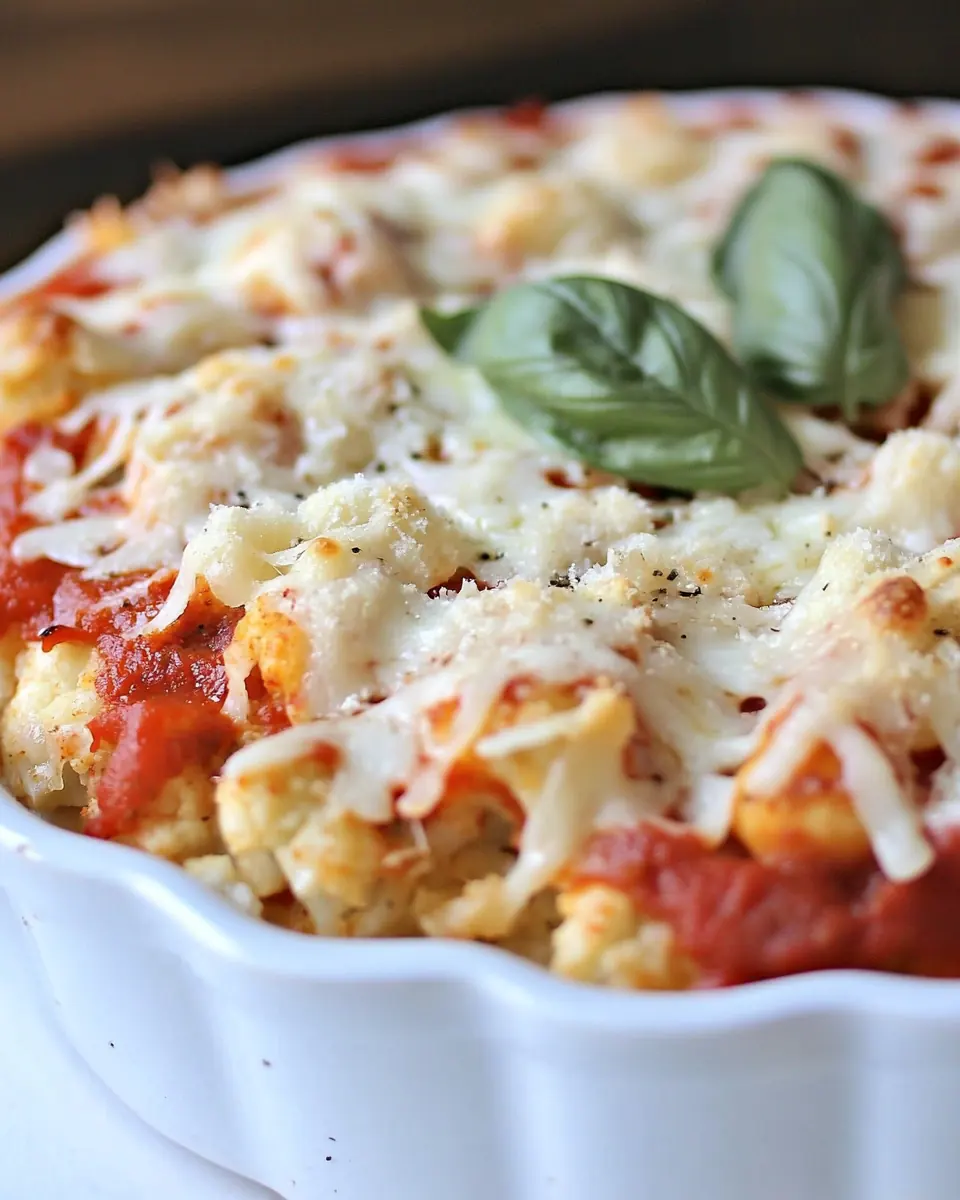
These ingredients are intentionally simple, chosen to highlight texture and classic pizza flavors without the fuss of dough. The cauliflower is the star, providing structure and a mild, slightly sweet base. The tomato basil marinara sauce brings brightness and herbs, while the cheeses create the comforting, melty finish we all crave. Salt ties everything together and brings depth to each bite.
- 1 large head of cauliflower, trimmed and cut into florets: Trimmed and cut into florets to provide a low-carb, vegetable-based crust alternative; cooks until tender to form the casserole base. Adds bulk and mild flavor that soaks up marinara and cheese for cohesive texture.
- 2 cups tomato basil marinara sauce (I like to use Classico brand): Rich and herbaceous sauce that provides moisture, acidity, and concentrated tomato flavor to bind the casserole components. Use a basil-forward marinara for aromatic notes and balanced sweetness to complement the cauliflower.
- 1 cup shredded part-skim mozzarella cheese: Shredded part–skim mozzarella offers melting, stretchy cheese coverage without excessive fat; distributes evenly across the casserole for creamy mouthfeel. Contributes mild dairy flavor and helps brown the top when baked.
- 2 tablespoons freshly grated Parmesan cheese: Freshly grated Parmesan adds concentrated savory, umami, and salty notes that enhance overall depth; sprinkling ensures even flavor distribution and a slightly nutty finish. Small amount boosts complexity without overpowering the dish.
- salt, to taste: Season lightly to taste to enhance and balance flavors; salt accentuates sweetness in tomatoes and brings out the natural flavors of cauliflower and cheeses. Add incrementally and taste before serving to avoid over-salting.
Instructions for Cauliflower Pizza Casserole
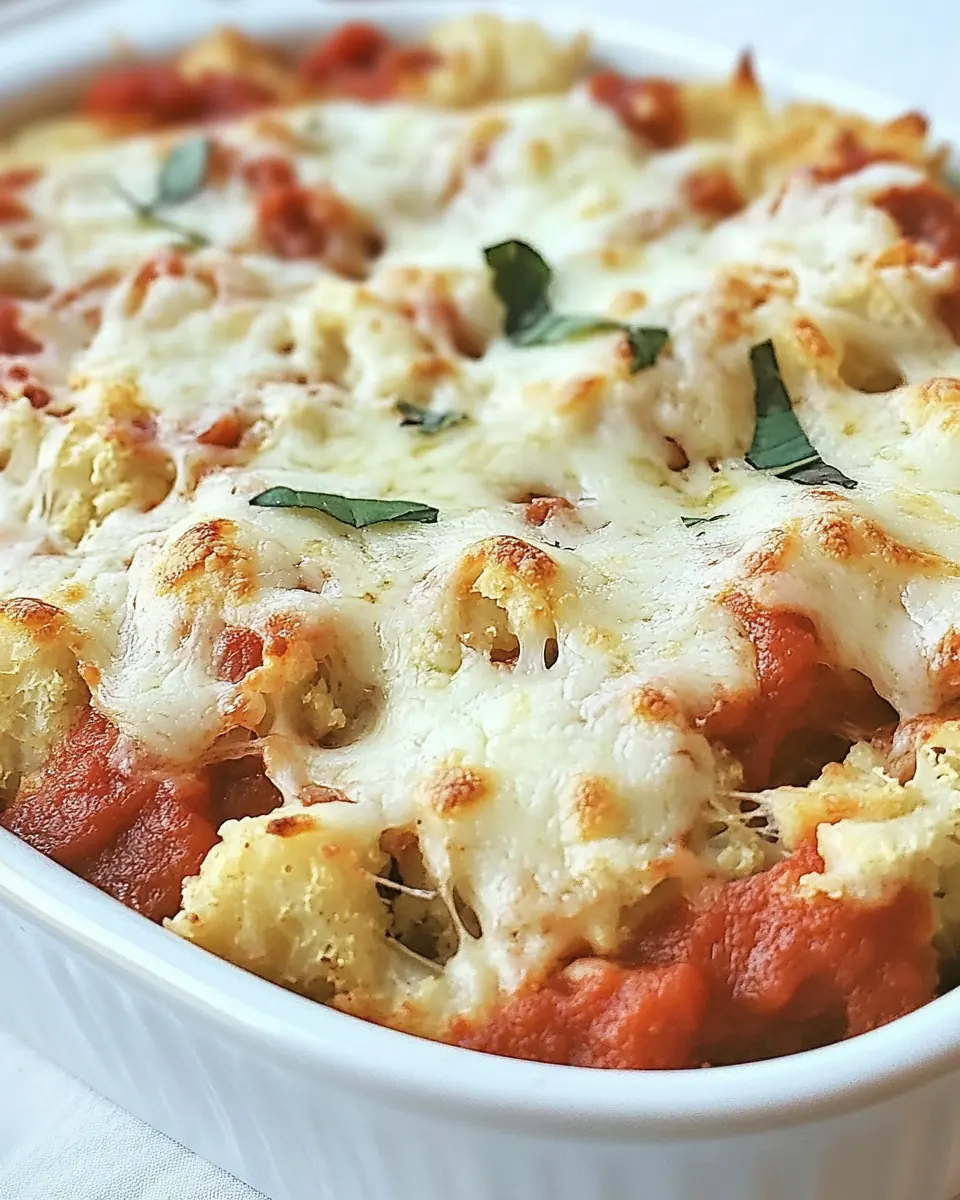
I like to walk through this recipe like a friend cooking at my counter. The steps are straightforward, but paying attention to sensory cues will help you get perfect results. Keep a watchful eye on texture, aroma, and visual changes to time each move just right.
- Preheat the oven to 350°F.: When the oven warms up, you will notice a gentle heat radiating and a faint hum from the elements coming to life. This steady, even heat ensures the casserole bakes through without drying out, producing a gently bubbling cheese top and tender cauliflower . Avoid skipping preheating, as a cold oven can extend baking time and alter texture. A common error is setting the dish in too early which may lead to uneven melting instead of a cohesive, golden finish.
- Fill a medium saucepan 3/4-full of water and bring to a boil. Add the cauliflower; cook until crisp-tender (8 to 10 minutes). Drain thoroughly.: As the water comes to a vigorous boil you will see large rolling bubbles and smell a faint mineral scent from the water; adding the cauliflower will immediately lower the boil and steam will rise vigorously. The florets should yield slightly when pierced with a fork but still hold shape, with a pale golden hue starting at the edges. Draining thoroughly is crucial to avoid watery casserole, so shake or pat dry to remove excess moisture. The mistake here is overcooking, which leaves the florets limp and unable to hold up during baking. Why this matters, the right pre-bake texture lets the tomato basil marinara sauce cling to the pieces instead of pooling.
- Spread 1 cup of sauce in a 9-inch pie plate. Add the cauliflower, then pour the remaining sauce on top. Sprinkle with both cheeses.: When you spread the tomato basil marinara sauce you should see a bright red bed that smells of herbs and tomato, creating a flavorful foundation. Nestle the drained cauliflower into the sauce so each floret contacts the tomato, which helps flavor penetrate during baking. Pouring the remaining sauce over fills gaps and ensures even coverage, then the layer of mozzarella cheese and Parmesan cheese will sit on top and melt into a cohesive blanket. The visual cue to watch for is an even coating of sauce and a uniform cheese layer; if sauce pools, gently redistribute. A common pitfall is overcrowding the dish, which prevents even heating and soggy centers, so use the indicated size for best results.
- Cover with greased foil and bake 30 minutes or until the cauliflower is soft and the cheese is melted.: As the casserole bakes under foil you will first sense the aroma of tomato and melting cheese wafting from the oven, a warm, inviting scent. Steam trapped under the foil helps finish cooking the cauliflower , making the interiors tender while protecting the cheese from burning. After about 30 minutes remove the foil briefly to check doneness; the top should show melted, slightly bubbling cheese and the florets should be soft through to the center. If the cheese has not fully melted, return to oven uncovered for a few minutes to achieve a golden finish. A typical mistake is leaving the foil on the entire time which can prevent the cheese from developing a pleasing surface texture, so uncover near the end if needed.
Make It Your Own
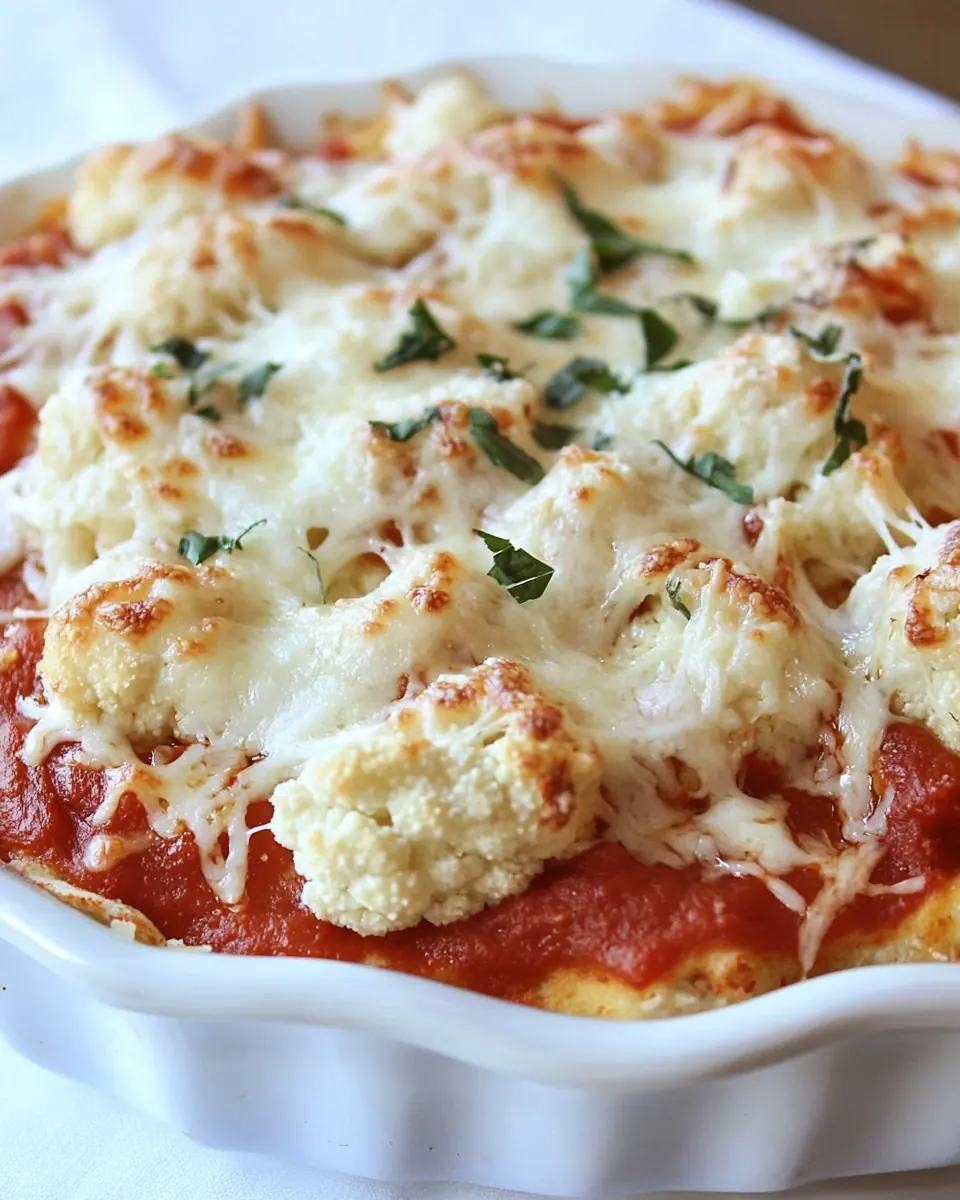
I like to think of this section as permission to tweak. A few small swaps or techniques can help you match your pantry or mood, while keeping the soul of the dish intact.
- Honor the sauce, choose a robust tomato basil marinara sauce that you enjoy, because it carries the primary flavor through every bite and sets the tone for the casserole.
- Adjust the cheese level, if you want a lighter dish stick to the listed cheese amounts, but if you crave indulgence add a little more mozzarella cheese for extra stretch and richness.
- Watch your cauliflower texture, slightly undercook the florets if you plan to bake longer uncovered so they do not become mushy, preserving pleasant bite and contrast.
- Measure salt carefully, since both cheeses and the sauce contain sodium, add salt sparingly before baking and taste a small piece after assembly if you can.
- Use a 9 inch pie plate, the specified size helps ensure even layering and consistent bake times, avoiding overcrowded florets and uneven melting.
Best Served With
This casserole works in many contexts, from casual weeknight dinners to shared gatherings. Pair it with contrasting textures and refreshing elements to balance the warm, cheesy main. Below are ways I like to serve and enjoy it, and practical ideas for storage and occasions.
- Light green salad, a crisp salad with a tangy vinaigrette brightens the rich, melty profile of the casserole and adds a refreshing contrast to each bite.
- Warm bread, serve with slices of warm bread for those who enjoy scooping up sauce and cheese, turning the casserole into a heartier meal for family style dinners.
- Family dinner, this makes an easy main for weeknight family dinners, especially when you want something quick to assemble that still feels homemade and satisfying.
- Make ahead for gatherings, assemble the casserole and refrigerate before guests arrive, then bake when ready to serve so you can tend to other tasks without last minute fuss.
- Storage tips, cool completely before covering and refrigerate for up to three days, reheat in a moderate oven until warmed through to preserve texture and melt the cheese back to a pleasing consistency.
- Seasonal pairing, it feels right year round, pairing well with spring lightness or winter warmth, which is why it sits comfortably in casual menus anytime you want pizza inspired comfort.
FAQ
Conclusion
This Cauliflower Pizza Casserole stands out for turning simple ingredients into a comforting, pizza inspired meal without the dough. Give it a try the next time you want something familiar yet lighter, and you might find it becomes a low fuss favorite for weeknights and casual gatherings. I hope you enjoy the mix of tender cauliflower, bright marinara, and melty cheese as much as I do; it’s one of those recipes I keep returning to when I want warm, uncomplicated satisfaction.
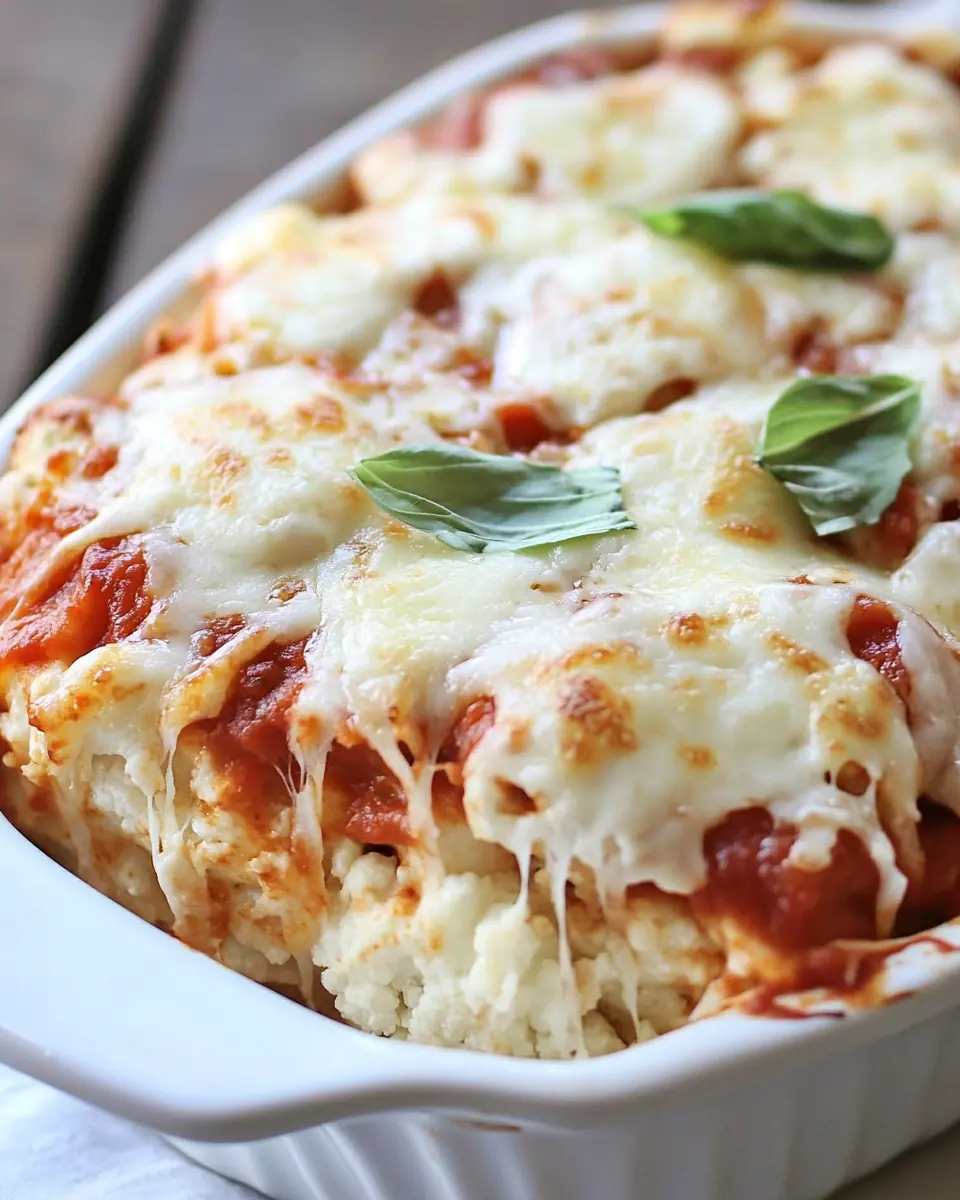
Cauliflower Pizza Casserole
Ingredients
Equipment
Method
- Preheat the oven to 350°F.: When the oven warms up, you will notice a gentle heat radiating and a faint hum from the elements coming to life. This steady, even heat ensures the casserole bakes through without drying out, producing a gently bubbling cheese top and tender cauliflower . Avoid skipping preheating, as a cold oven can extend baking time and alter texture. A common error is setting the dish in too early which may lead to uneven melting instead of a cohesive, golden finish.
- Fill a medium saucepan 3/4-full of water and bring to a boil. Add the cauliflower; cook until crisp-tender (8 to 10 minutes). Drain thoroughly.: As the water comes to a vigorous boil you will see large rolling bubbles and smell a faint mineral scent from the water; adding the cauliflower will immediately lower the boil and steam will rise vigorously. The florets should yield slightly when pierced with a fork but still hold shape, with a pale golden hue starting at the edges. Draining thoroughly is crucial to avoid watery casserole, so shake or pat dry to remove excess moisture. The mistake here is overcooking, which leaves the florets limp and unable to hold up during baking. Why this matters, the right pre-bake texture lets the tomato basil marinara sauce cling to the pieces instead of pooling.
- Spread 1 cup of sauce in a 9-inch pie plate. Add the cauliflower, then pour the remaining sauce on top. Sprinkle with both cheeses.: When you spread the tomato basil marinara sauce you should see a bright red bed that smells of herbs and tomato, creating a flavorful foundation. Nestle the drained cauliflower into the sauce so each floret contacts the tomato, which helps flavor penetrate during baking. Pouring the remaining sauce over fills gaps and ensures even coverage, then the layer of mozzarella cheese and Parmesan cheese will sit on top and melt into a cohesive blanket. The visual cue to watch for is an even coating of sauce and a uniform cheese layer; if sauce pools, gently redistribute. A common pitfall is overcrowding the dish, which prevents even heating and soggy centers, so use the indicated size for best results.
- Cover with greased foil and bake 30 minutes or until the cauliflower is soft and the cheese is melted.: As the casserole bakes under foil you will first sense the aroma of tomato and melting cheese wafting from the oven, a warm, inviting scent. Steam trapped under the foil helps finish cooking the cauliflower , making the interiors tender while protecting the cheese from burning. After about 30 minutes remove the foil briefly to check doneness; the top should show melted, slightly bubbling cheese and the florets should be soft through to the center. If the cheese has not fully melted, return to oven uncovered for a few minutes to achieve a golden finish. A typical mistake is leaving the foil on the entire time which can prevent the cheese from developing a pleasing surface texture, so uncover near the end if needed.
Notes
- Honor the sauce, choose a robust tomato basil marinara sauce that you enjoy, because it carries the primary flavor through every bite and sets the tone for the casserole.
- Adjust the cheese level, if you want a lighter dish stick to the listed cheese amounts, but if you crave indulgence add a little more mozzarella cheese for extra stretch and richness.
- Watch your cauliflower texture, slightly undercook the florets if you plan to bake longer uncovered so they do not become mushy, preserving pleasant bite and contrast.
- Measure salt carefully, since both cheeses and the sauce contain sodium, add salt sparingly before baking and taste a small piece after assembly if you can.
- Use a 9 inch pie plate, the specified size helps ensure even layering and consistent bake times, avoiding overcrowded florets and uneven melting.