Rice Pudding
Rice Pudding has been my cozy kitchen companion on chilly nights when I want something soothing and honest.
Years ago I discovered a bowl of warm, creamy comfort that tasted like a hug from childhood, and since then I keep a jar of rice and a scratched little wooden spoon close at hand. I remember the slow, patient stirring, the tiny pop of milk as it hit the hot pot, and how the aroma of vanilla and cinnamon filled the house until everyone wandered into the kitchen. That first spoonful taught me that simple ingredients, treated with care, can feel luxurious.
Tonight I wanted to recreate that memory but with a clearer technique so you can do it without anxiety. I like recipes that let me focus on rhythm rather than precision, and Rice Pudding is one of those dishes where rhythm matters: steady stirring, gentle heat, and a final touch that turns good into unforgettable. I’ll share what I learned about timing, texture, and those tiny cues that tell you the pudding is ready.
Recipe Snapshot
35 mins
15 mins
20 mins
Medium
220 kcal
American
Gluten-Free, Low FODMAP
Desserts
Medium pot, Wooden spoon, Measuring cups
The Magic of This Rice Pudding
Comforting texture that feels homemade
I love how Rice Pudding delivers a creamy, slightly chewy texture that comforts without being heavy. The combination of tender rice and warm milk creates a balance that feels both rustic and refined. When I stir through the finished pudding, the spoon drags with a pleasing weight that promises a luscious mouthfeel.
Simple pantry ingredients with big impact
One reason I reach for this recipe often is the honesty of the ingredient list. Basic staples like water, rice, milk, butter, and sugar are elevated by a vanilla bean and a whisper of cinnamon. Each element plays a clear role, so small adjustments make noticeable differences, which I enjoy experimenting with.
Flexible for many occasions
Whether I want a quiet solo dessert or a warm finale for company, Rice Pudding fits. It warms up beautifully, and leftovers taste just as good chilled. I find it perfect for winter evenings, late night snacks, or a gentle finish to a big meal.
Technique teaches patience and reward
Making this pudding helps me practice attentive cooking. Low heat and gentle stirring coax starch out of the rice, giving body without needing thickening agents. When I slow down and watch the pot, I wind up with a richer flavor and a silkier texture, which is a small, satisfying skill to master.
Kid friendly and nostalgic
People I serve this to often go quiet for a moment, the kind of silence that means they are transported. For many, Rice Pudding carries childhood memories, and I love being able to offer that nostalgia in a simple, well made bowl.
Rice Pudding Ingredients
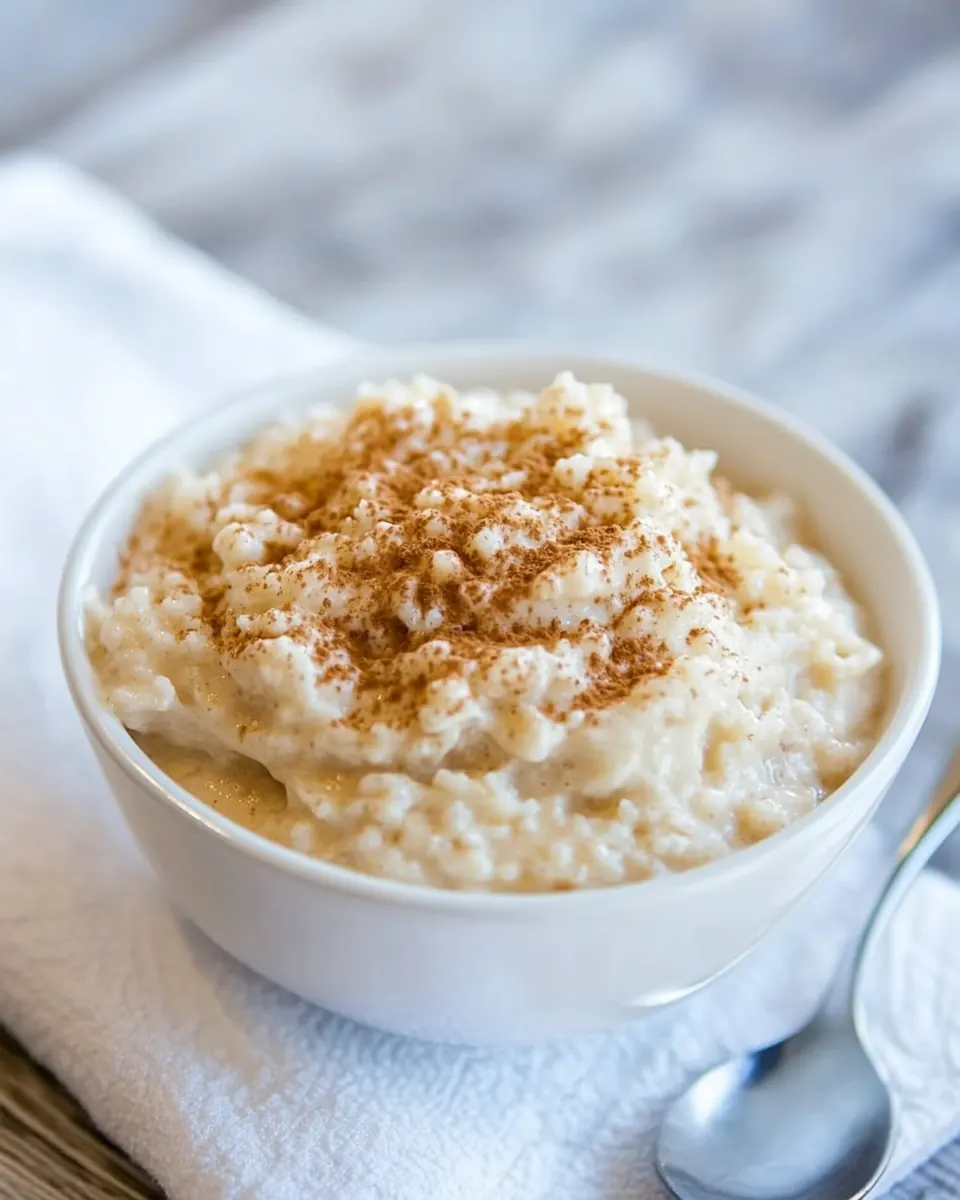
These pantry friendly ingredients come together to make a creamy, warmly spiced pudding. I think of the key players as builders: rice gives texture and body, milk brings creaminess, and the vanilla bean with a touch of cinnamon adds aromatic depth. Each item is essential, and they cooperate to create the comforting result I look for.
- 1 1/2 cups water: Bring water to a gentle boil to provide the initial cooking liquid for the rice; it helps hydrate the grains and create a tender texture. Maintain a simmer so the rice absorbs liquid evenly for a creamy base. Adjust heat as needed to prevent scorching.
- 1/4 teaspoon kosher salt: Season lightly with kosher salt to enhance overall flavor and balance the sweetness of the pudding. Dissolve the salt into the cooking liquid so it distributes uniformly through the rice. Use measured amount to avoid over-salting delicate dairy.
- 3/4 cup long grain white rice: Rinse and add long grain white rice to absorb water and swell into tender kernels; it provides the starchy foundation for the pudding's creamy body. Simmer until grains are nearly cooked through before adding milk to finish cooking. Ensure even stirring to prevent clumping.
- 1 1/2 cups whole milk: Warm whole milk and incorporate it to enrich the texture and create a creamy consistency; milk contributes both fat and proteins that thicken the pudding. Add gradually to avoid shocking the rice and to encourage gentle absorption. Heat just below boiling to prevent scalding.
- 4 tablespoons unsalted butter: Melt unsalted butter into the hot mixture to lend richness and a smooth mouthfeel while carrying flavors throughout the pudding. Use unsalted to control overall salt levels and avoid overpowering sweetness. Stir well so butter emulsifies into the dairy base.
- 1/4 cup granulated white sugar: Dissolve granulated white sugar to sweeten the pudding and aid in creating a glossy, slightly syrupy finish. Add gradually and taste to reach desired sweetness while allowing the sugar to blend into the milk and rice. Ensure complete dissolution to prevent grittiness.
- 1/8 teaspoon ground cinnamon: Sprinkle ground cinnamon for warm aromatic notes that complement the rice and vanilla; it provides a subtle spice complexity. Add sparingly to avoid overpowering the delicate dairy flavors. Stir in towards the end for even distribution.
- 1 whole vanilla bean: Split and scrape whole vanilla bean seeds and steep them in the warm milk to impart deep, natural vanilla flavor and aromatic depth. Reserve the pod to simmer further for additional infusion or remove before serving. Use seeds for intense, authentic vanilla character.
- 1 large egg, lightly beaten: Temper the lightly beaten large egg and incorporate it carefully to thicken the pudding and create a velvety custard-like texture. Mix a small amount of hot liquid into the egg before adding back to avoid curdling, then cook gently until set. Stir constantly to achieve smoothness.
The Method for Rice Pudding
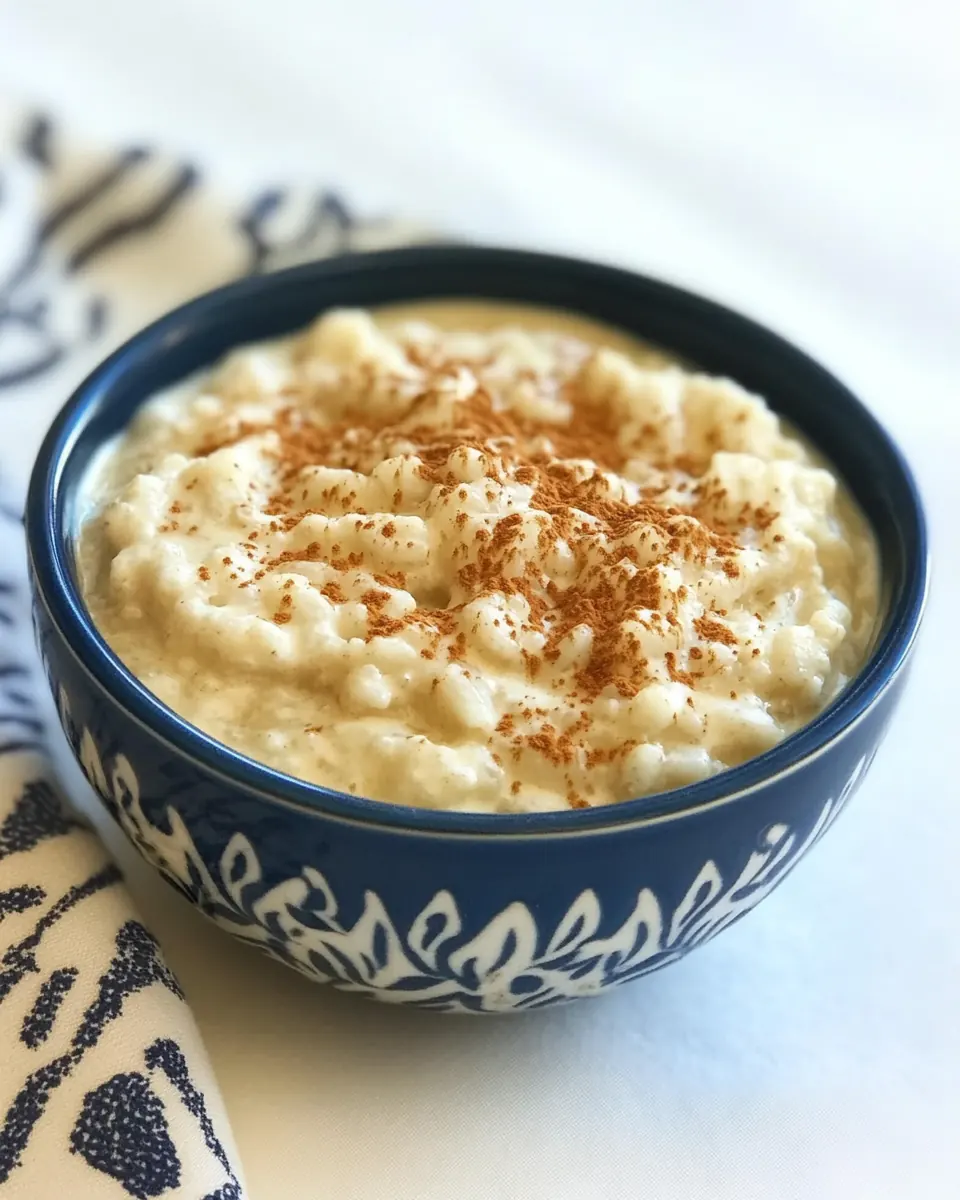
I like to approach the cooking with calm and attention. The method moves from boiling to gentle simmering and finishes with a careful tempering step to achieve that lush, custardy texture. Keep your tools handy and trust the visual and sensory cues I describe below.
- Bring the water to a simmer in a medium pot over high heat.: You will hear the water move and see small bubbles appear around the edge before a full boil, and that initial simmer warms the pot so the next steps are even. This preheating helps the rice start softening consistently when added. If you rush to a roaring boil, the rice can clump or cook unevenly, so look for gentle bubbling and steam as your cue. A common mistake is not using a pot large enough which can cause boil over, so choose one with some headroom.
- Stir in the salt and the rice.: After adding the salt and rice , you will notice the grains glisten as they become coated, and a faint toasty scent may develop once they hit hot water. The brief stirring helps distribute the salt so it seasons evenly. I find a wooden spoon works well to separate grains initially. Avoid stirring constantly during the simmer phase because that can release excess starch and make the texture gluey.
- Allow it to come back to a boil and then turn the heat to low and simmer, covered, until the rice is tender (about 15 minutes).: Once the pot returns to a boil you will see larger bubbles and more vigorous steam, then lowering the heat lets the rice cook gently. Covered simmering traps steam, cooking the grains through; you should hear a low, steady hiss and see the pot top lightly condense. The rice will become plump and tender without being mushy if you keep the heat low. Opening the lid too often can extend cooking time and create uneven texture, so trust the clock and test a grain near the end.
- Fluff the rice with a fork and stir in the milk, butter, sugar, and cinnamon.: Fluffing separates the cooked grains so they combine better with the milk . When you pour in the milk , notice a gentle steaming and the aroma will shift to creamy sweetness. The butter melts and adds sheen, while the sugar dissolves to sweeten gradually and the cinnamon lifts the aroma. Stirring here should be steady and patient to integrate everything. If the pot feels too cold, warm the milk slightly first to avoid shocking the mixture, which can slow thickening.
- Split the vanilla bean, scrape out the seeds, and add the seeds and the empty pod to the pot. Simmer the mixture on low heat (stirring) until slightly thickened (about 5 minutes).: Scraping the vanilla bean releases tiny black seeds that smell intensely fragrant and floral, and adding the pod deepens the infusion. As you simmer, you will see the mixture gain body, forming a gentle ribbon when stirred. Listen for a low simmer and watch for small bubbles on the surface that indicate the starches are unlocking and the pudding is starting to thicken. Stir frequently to prevent scorching on the bottom; burnt milk flavors are hard to fix.
- Remove the pot from the heat and vigorously stir in the beaten egg.: After taking the pot off the heat, the surface will show movement but not active bubbling, and this moment is ideal to temper in the egg . The egg brings a glossy silkiness when incorporated correctly. To avoid curdling, let the hot pudding cool for a short minute, then add a small ladle of the hot mixture into the beaten egg while whisking, and return that mixture to the pot, stirring quickly. The sensory payoff is a thicker, custard like texture. An error here is adding the raw egg straight into boiling pudding which causes scrambling, so patience is crucial.
- Fish out the empty vanilla bean pod before serving.: Once the pudding has the texture you like and the egg is fully incorporated, use a spoon to remove the empty vanilla bean pod. The removal is a small, finishing gesture that prevents a chewy bit in the bowl and leaves the dispersed seeds behind. By now the aroma should be deeply vanilla scented with a hint of cinnamon , and the surface will look creamy and slightly glossy. If you leave the pod in, it will continue to infuse and can become overpowering over time, so take it out before plating.
Substitutions and Tips
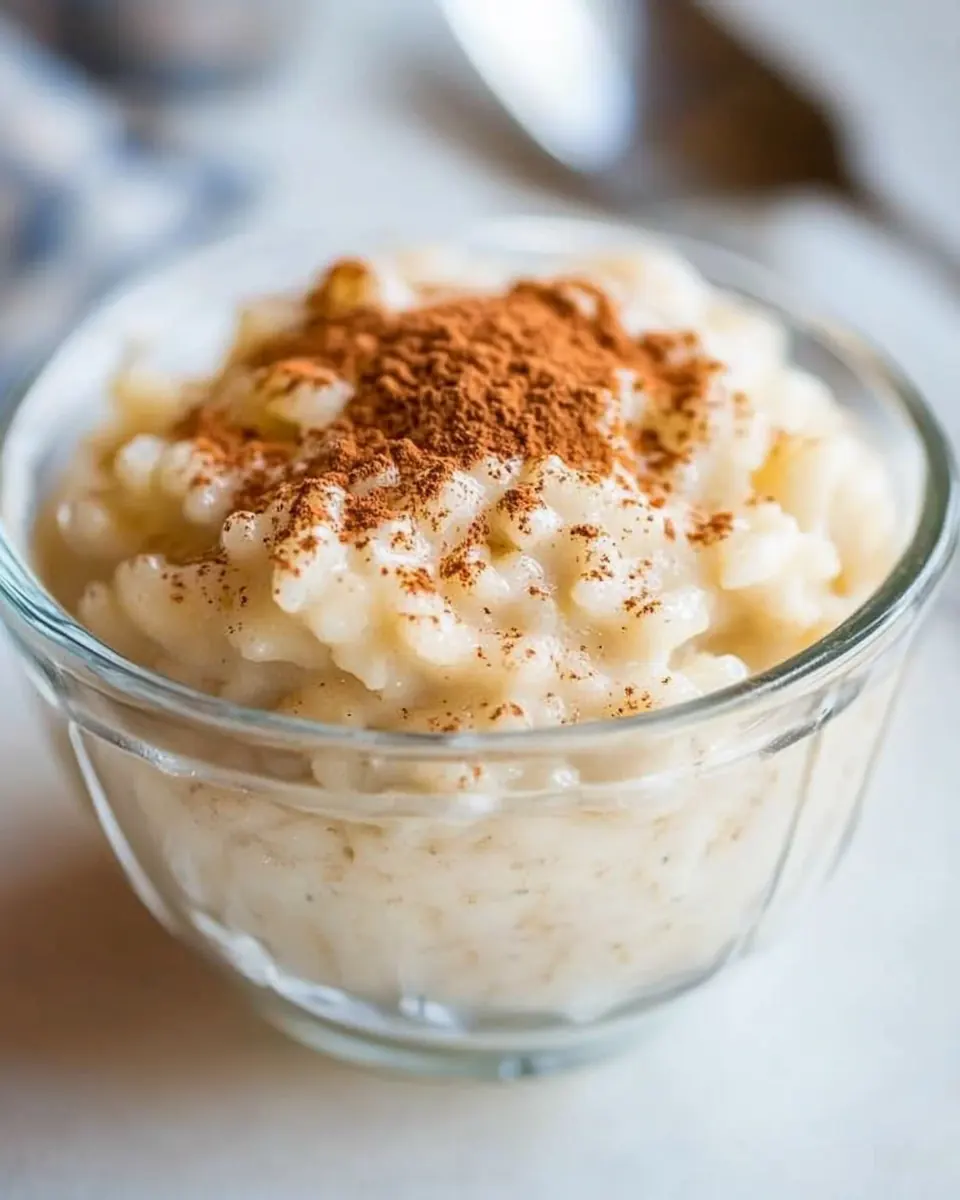
This recipe is forgiving but benefits from attention to technique. Below are practical tips and small substitutions that keep the spirit of the dish while helping you adapt to what you have on hand.
- Choose your rice carefully The recipe uses long grain white rice for a tender, slightly separate texture. If you prefer a creamier pudding, short grain rice will release more starch and thicken more, but expect a different mouthfeel. Rinsing removes surface starch and can lighten the pudding.
- Warm the milk slightly Bringing the milk to room temperature before adding reduces the shock to the pot and speeds incorporation, helping maintain a silky texture and lowering the risk of scorching.
- Use the vanilla pod fully Scrape the seeds and simmer the pod in the mixture to extract maximum aroma, then remove the pod before serving to avoid texture issues while keeping the deep vanilla flavor.
- Control sweetness gradually Add the sugar in stages and taste as you go, since heat concentrates sweetness and preferences vary. You can always add more after cooling, but you cannot remove excess once dissolved.
- Be patient with low heat Gentle simmering produces a creamier result than aggressive boiling. Low and slow preserves the integrity of the milk and allows the rice to absorb flavors without breaking down too much.
- Stir with purpose Regular, steady stirring during the milk phase prevents scorching and helps the pudding develop its signature body. Use a wooden spoon for control and to avoid scratching cookware.
- Finish with an egg for silkiness Tempering the egg adds richness and a custard like finish; do it slowly to prevent scrambling and achieve a glossy texture.
How to Enjoy Rice Pudding
Rice Pudding is versatile and comforting whether served warm or chilled. Here are detailed serving ideas and contexts where it shines, including storage tips to keep leftovers delightful.
- Serve warm in small bowls Warm pudding is perfect for a cozy winter evening. Use shallow bowls to let the aroma of vanilla and cinnamon come forward, and garnish simply with a light dusting of cinnamon if desired.
- Chilled for a refreshing finish Refrigerate leftover pudding until cool for a different texture. Chilling firms it slightly, making it pleasant on warmer days or as a make ahead dessert for gatherings.
- Pair with fruit or compotes A spoonful of poached fruit or a tart compote provides a bright contrast to the creamy pudding, balancing richness with acidity and texture variations.
- Portion for special occasions For celebrations or a gentle end to a holiday meal, offer individual ramekins, warmed briefly just before serving to revive their silky texture and scent.
- Store properly Place cooled pudding in an airtight container and refrigerate up to three days. Reheat gently over low heat, stirring to restore creaminess; adding a splash of milk helps loosen the texture if it thickens too much.
- Consider as a breakfast treat Leftover pudding makes for a comforting breakfast, topped with nuts or fruit, offering a sweet start without heavy pastry.
- Seasonal pairing In winter, enjoy it with warm spices like extra cinnamon; in warmer months, serve with bright citrus zest or fresh berries to lighten the profile.
FAQ
Conclusion
What makes this Rice Pudding special is its honest reliance on simple ingredients treated with patience to produce a creamy, comforting finish. The gentle simmering, the fragrant lift from the vanilla bean, and the final tempering step all contribute to a smooth, nostalgic dessert that feels both homey and refined. I encourage you to give it a try, keeping an eye on the sensory cues I described, and enjoy the warm satisfaction of a dish that connects technique with memory.
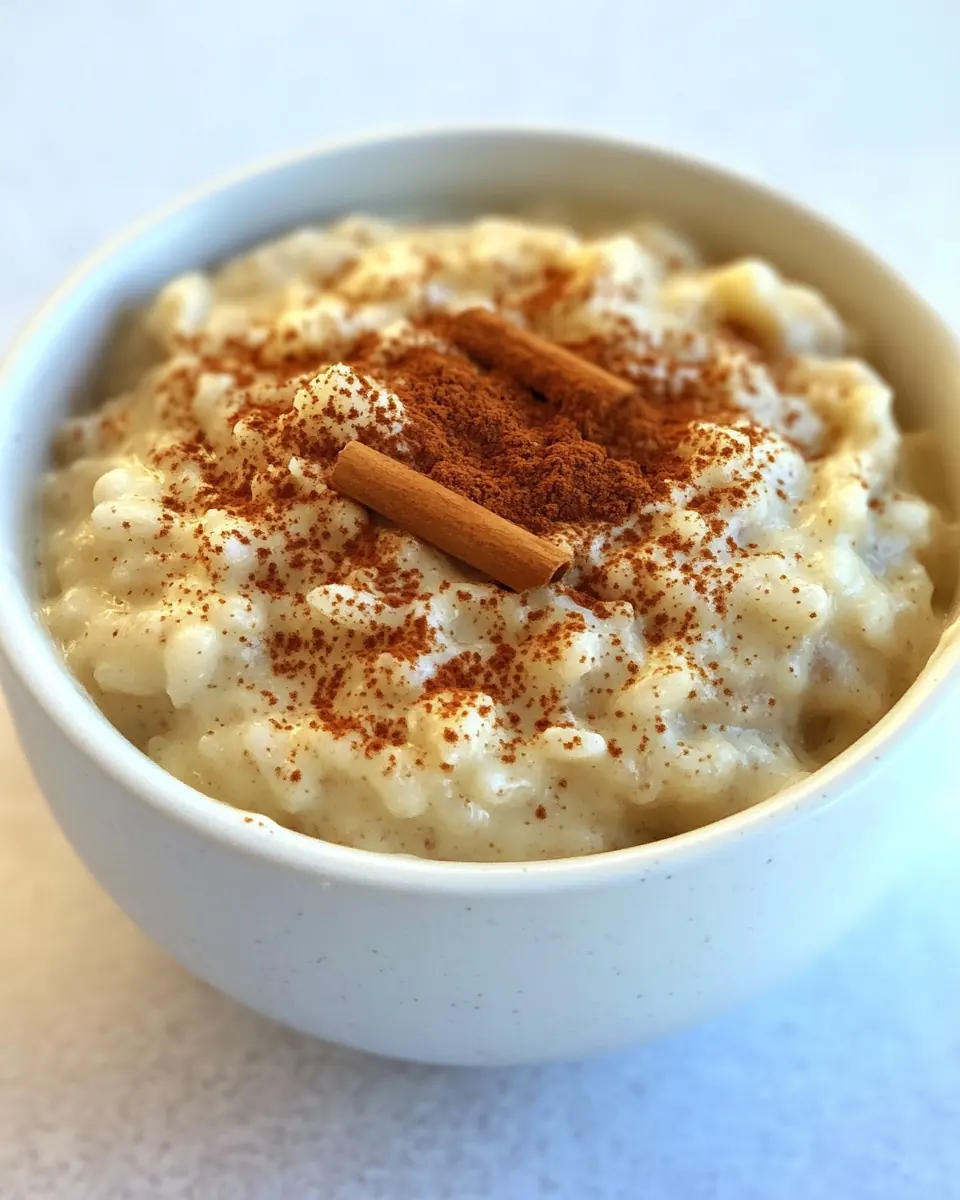
Rice Pudding
Ingredients
Equipment
Method
- Bring the water to a simmer in a medium pot over high heat.: You will hear the water move and see small bubbles appear around the edge before a full boil, and that initial simmer warms the pot so the next steps are even. This preheating helps the rice start softening consistently when added. If you rush to a roaring boil, the rice can clump or cook unevenly, so look for gentle bubbling and steam as your cue. A common mistake is not using a pot large enough which can cause boil over, so choose one with some headroom.
- Stir in the salt and the rice.: After adding the salt and rice , you will notice the grains glisten as they become coated, and a faint toasty scent may develop once they hit hot water. The brief stirring helps distribute the salt so it seasons evenly. I find a wooden spoon works well to separate grains initially. Avoid stirring constantly during the simmer phase because that can release excess starch and make the texture gluey.
- Allow it to come back to a boil and then turn the heat to low and simmer, covered, until the rice is tender (about 15 minutes).: Once the pot returns to a boil you will see larger bubbles and more vigorous steam, then lowering the heat lets the rice cook gently. Covered simmering traps steam, cooking the grains through; you should hear a low, steady hiss and see the pot top lightly condense. The rice will become plump and tender without being mushy if you keep the heat low. Opening the lid too often can extend cooking time and create uneven texture, so trust the clock and test a grain near the end.
- Fluff the rice with a fork and stir in the milk, butter, sugar, and cinnamon.: Fluffing separates the cooked grains so they combine better with the milk . When you pour in the milk , notice a gentle steaming and the aroma will shift to creamy sweetness. The butter melts and adds sheen, while the sugar dissolves to sweeten gradually and the cinnamon lifts the aroma. Stirring here should be steady and patient to integrate everything. If the pot feels too cold, warm the milk slightly first to avoid shocking the mixture, which can slow thickening.
- Split the vanilla bean, scrape out the seeds, and add the seeds and the empty pod to the pot. Simmer the mixture on low heat (stirring) until slightly thickened (about 5 minutes).: Scraping the vanilla bean releases tiny black seeds that smell intensely fragrant and floral, and adding the pod deepens the infusion. As you simmer, you will see the mixture gain body, forming a gentle ribbon when stirred. Listen for a low simmer and watch for small bubbles on the surface that indicate the starches are unlocking and the pudding is starting to thicken. Stir frequently to prevent scorching on the bottom; burnt milk flavors are hard to fix.
- Remove the pot from the heat and vigorously stir in the beaten egg.: After taking the pot off the heat, the surface will show movement but not active bubbling, and this moment is ideal to temper in the egg . The egg brings a glossy silkiness when incorporated correctly. To avoid curdling, let the hot pudding cool for a short minute, then add a small ladle of the hot mixture into the beaten egg while whisking, and return that mixture to the pot, stirring quickly. The sensory payoff is a thicker, custard like texture. An error here is adding the raw egg straight into boiling pudding which causes scrambling, so patience is crucial.
- Fish out the empty vanilla bean pod before serving.: Once the pudding has the texture you like and the egg is fully incorporated, use a spoon to remove the empty vanilla bean pod. The removal is a small, finishing gesture that prevents a chewy bit in the bowl and leaves the dispersed seeds behind. By now the aroma should be deeply vanilla scented with a hint of cinnamon , and the surface will look creamy and slightly glossy. If you leave the pod in, it will continue to infuse and can become overpowering over time, so take it out before plating.
Notes
- Choose your rice carefully The recipe uses long grain white rice for a tender, slightly separate texture. If you prefer a creamier pudding, short grain rice will release more starch and thicken more, but expect a different mouthfeel. Rinsing removes surface starch and can lighten the pudding.
- Warm the milk slightly Bringing the milk to room temperature before adding reduces the shock to the pot and speeds incorporation, helping maintain a silky texture and lowering the risk of scorching.
- Use the vanilla pod fully Scrape the seeds and simmer the pod in the mixture to extract maximum aroma, then remove the pod before serving to avoid texture issues while keeping the deep vanilla flavor.
- Control sweetness gradually Add the sugar in stages and taste as you go, since heat concentrates sweetness and preferences vary. You can always add more after cooling, but you cannot remove excess once dissolved.
- Be patient with low heat Gentle simmering produces a creamier result than aggressive boiling. Low and slow preserves the integrity of the milk and allows the rice to absorb flavors without breaking down too much.
- Stir with purpose Regular, steady stirring during the milk phase prevents scorching and helps the pudding develop its signature body. Use a wooden spoon for control and to avoid scratching cookware.
- Finish with an egg for silkiness Tempering the egg adds richness and a custard like finish; do it slowly to prevent scrambling and achieve a glossy texture.