Air Fryer Apples
Air Fryer Apples have been my secret for turning a few spare fruit into a warm, cozy treat that feels like a hug on a plate.
I first discovered how transformative a hot, crisped apple can be the afternoon I needed something simple after a long market run. I had two bruised apples left and an impatient craving for something sweet but not heavy, so I tossed them with a little cinnamon and maple and let the air fryer work its magic. The result was tender centers and edges that caramelized into sticky, fragrant jewels. That day I learned how such a tiny ritual can shift the mood of an evening, and since then these baked fruit morsels have become my go to for quiet nights and quick after school treats.
What I love is how adaptable the process feels. Sometimes I slice into thin chips that crackle under my fork, other times I cube them so each bite has a perfect balance of soft inside and crisped exterior. The aroma fills the kitchen in minutes, pulling people toward the counter without any persuasion. You do not need fancy equipment or dozens of ingredients to get a dessert that tastes like it took hours to make, only a little intent and a hot basket.
Recipe Snapshot
15 mins
5 mins
10 mins
Easy
150 kcal
American
Gluten-Free, Vegan
Desserts
Air Fryer, Mixing Bowl, Knife, Cutting Board
The Appeal of This Air Fryer Apples
Quick satisfaction with minimal fuss
I value recipes that deliver big flavor in a small time window, and Air Fryer Apples do exactly that. With only a handful of pantry items, you get a caramelized, warm result that feels decadent. The concentration of natural sugars during the hot crisping makes them taste almost candied, so you barely need any added sweetener.
Versatility for all kinds of meals
We often eat these apples as a light dessert after a weeknight dinner, but they also make a fantastic breakfast topper. I like to spoon them over yogurt or porridge, and on slower weekends I pair them with a scoop of coconut ice cream for an easy treat. Their flavor plays well with both savory and sweet accompaniments, which is why I keep this recipe in heavy rotation.
Hands off, but not impersonal
Because the air fryer does most of the work, you can step away and tidy up the kitchen or set the table while the apples crisp. I still check halfway through and give them a shake, which gives me that satisfying tactile connection to the food. The technique produces a texture that is hard to replicate in a pan, with edges that caramelize evenly while the centers stay tender.
Simple ingredients that shine
The ingredient list is intentionally short, and that is the point. Each component has a job, from enhancing natural sweetness to encouraging caramelization. I appreciate recipes where every item contributes meaningfully, and these apples illustrate that principle well.
A habit that feels impressive
Serving Air Fryer Apples feels like you did something special without complicated steps. Guests are always surprised they were so easy to make. I love the sense of satisfaction it gives, and it has become my fallback when I want to conjure warmth and comfort fast.
Ingredients Required for Air Fryer Apples
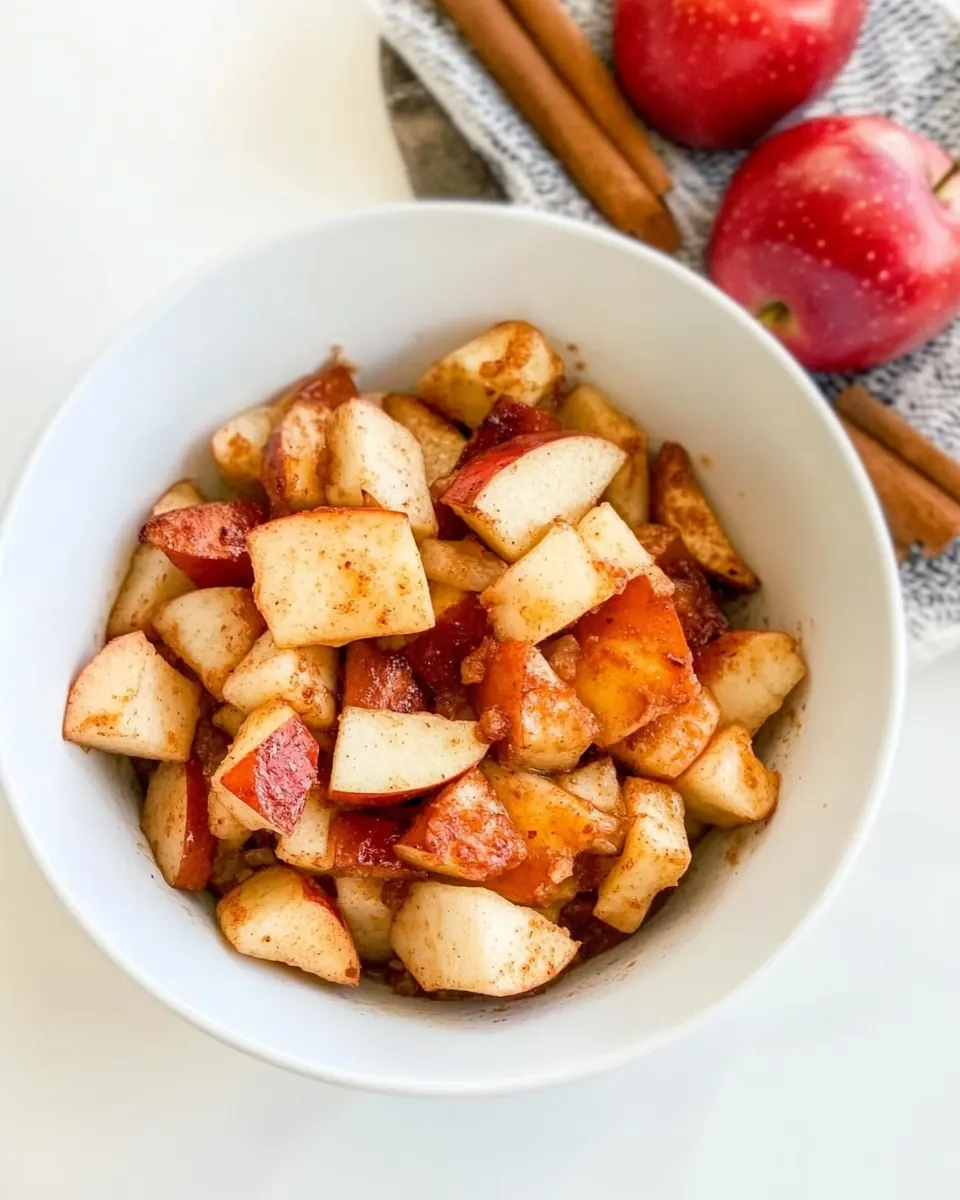
I think of these ingredients as a small team where each player complements the others. The apples provide texture and natural sweetness, while cinnamon lifts the aroma. A touch of maple syrup adds complexity and helps caramelization, and the optional oil or butter speeds browning and adds richness. Together they create a snack that is fragrant, cozy, and satisfying.
- 2 large apples: Provide sweetness and body while becoming tender when cooked; core and slice before air frying to ensure even texture and caramelization that complements spices.
- 1 tsp cinnamon: Add warm, aromatic spice that enhances the fruit’s flavor; sprinkle evenly to create a balanced cinnamon note without overpowering the apples.
- 1 tbsp pure maple syrup or sweetener of choice: Contribute a natural sweetening glaze and light caramelization when warmed; drizzle over apple slices to help them brown and bind any spices.
- 2 tsp oil or butter, or omit for fat free: Supply fat for browning and a richer mouthfeel, or omit for a lighter result; brush lightly on slices to promote crisp edges and prevent sticking.
Cooking Method for Air Fryer Apples
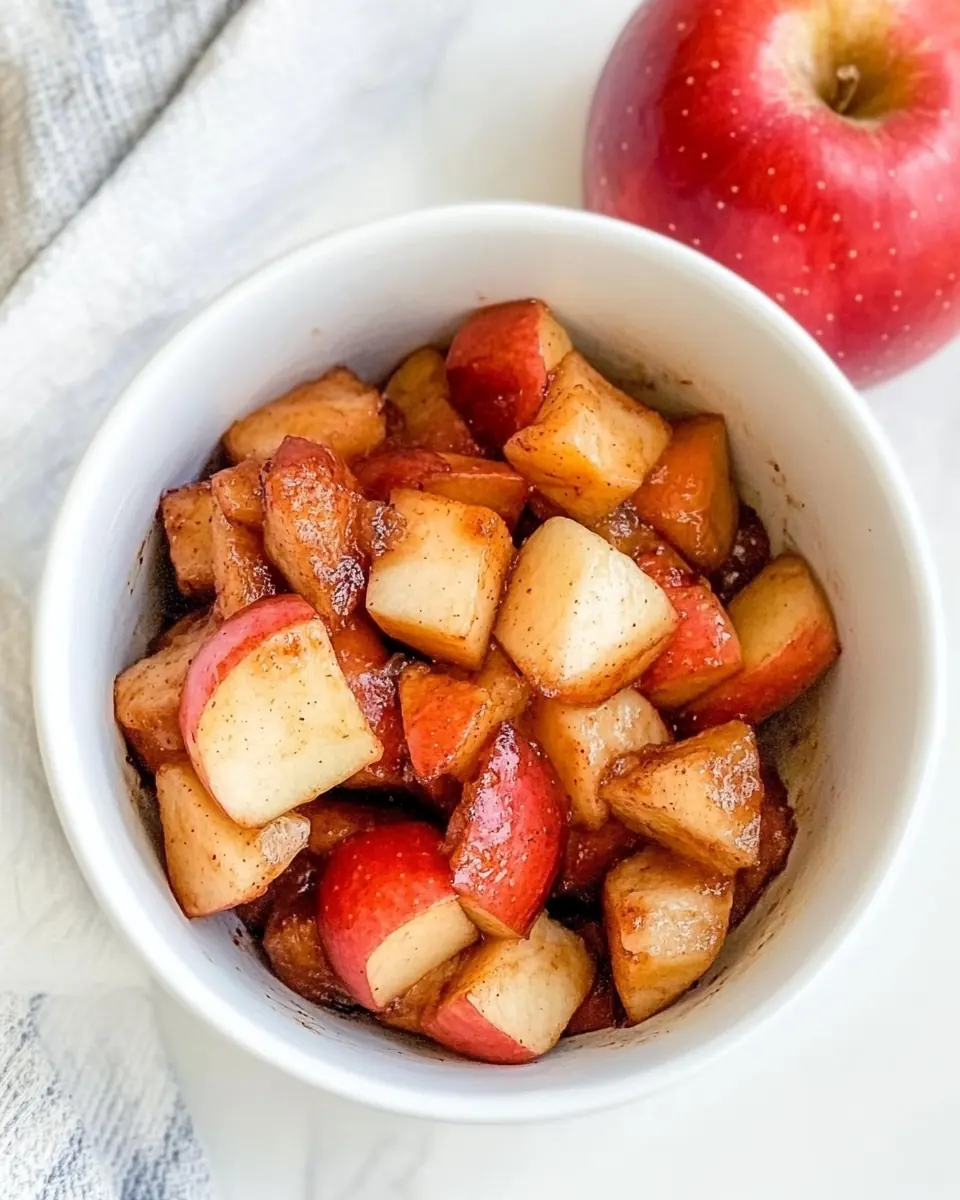
These directions are straightforward but worth following closely to achieve the right texture. The air fryer needs space and a hot start to properly crisp the fruit. I recommend reading each step before you begin so you can move smoothly from prep to the basket.
- Gather all ingredients, and grease the air fryer tray or line it with air fryer liners. Peel the apples if desired, then chop them into small squares. Or chop into apple sticks or thinly sliced apple chips. Discard the cores and seeds. Toss the fruit in a bowl with the cinnamon, sweetener, and optional melted butter or oil. Preheat the air fryer to 400 F. Arrange the apples in a single layer on the greased tray. If your machine is small, it may be best to do this in two batches so as not to overcrowd the apples. Air fry for seven minutes. Open the door and shake to turn the cinnamon apples. Bake an additional eight minutes or until crispy and caramelized to your liking.: The first sensory cue you get is the scent of spices ready to mingle. Greasing the tray prevents sticking and helps the fruit brown. If you skip this, the apples can cling to the basket and tear when you try to turn them, so make sure the surface is lightly oiled or lined.
- Peel the apples if desired, then chop them into small squares: The sound of a knife against the cutting board is satisfying and the visual of uniform cubes is important for even cooking. Smaller pieces will caramelize faster, while larger pieces stay juicier inside. A common mistake is uneven chopping which leads to a mix of burnt bits and underdone centers.
- Or chop into apple sticks or thinly sliced apple chips: Thin slices will crisp more like chips, giving a different textural payoff with crackling edges and a sweet snap. Watch closely as thin slices can go from nicely browned to scorched in moments. Avoid crowding the basket when making chips, as steam will prevent crisping.
- Discard the cores and seeds: Removing the core eliminates tough, bitter bits and leaves only the sweet, tender flesh to cook. The tactile step of coring and seeding ensures a pleasant eating experience. Forgetting to core can leave fibrous pieces that disrupt the texture.
- Toss the fruit in a bowl with the cinnamon, sweetener, and optional melted butter or oil: At this stage you will notice the sugary glaze begin to coat the fruit, and the air will carry a warm spice note. Tossing ensures even coverage so each piece browns similarly. A frequent pitfall is uneven coating, leading to some slices browning more and others remaining pale.
- Preheat the air fryer to 400 F: You should feel a rush of hot air once you open the preheated basket and see a faint steam. High heat promotes quick caramelization and helps achieve contrast between tender centers and crisp edges. Avoid placing cold apples into a cold basket, which causes prolonged cooking and soggy results.
- Arrange the apples in a single layer on the greased tray: Visually, a single layer allows hot air to circulate and touch every surface, which is why the texture becomes beautifully caramelized. If apples overlap, steam will accumulate and the pieces will steam rather than crisp. The main mistake here is overcrowding which prevents proper browning.
- If your machine is small, it may be best to do this in two batches so as not to overcrowd the apples: When you hear the air fryer hum at full speed, that is when it does its best work. Separate batches ensure each piece gets direct exposure to hot air, producing uniform color and texture. Trying to rush everything in one batch often produces uneven results.
- Air fry for seven minutes: After this period you will notice the edges starting to color and the kitchen filling with cinnamon scented steam. This initial cook softens the fruit and begins the Maillard reaction with the sugars. A common error is leaving them in too long at this stage, which can overbrown before the centers soften.
- Open the door and shake to turn the cinnamon apples: The noise of the pieces moving and the brief burst of aroma are satisfying cues that the dish is progressing. Shaking redistributes heat and ensures all sides get exposure, improving evenness. Be careful not to jostle aggressively, which can break delicate slices.
- Bake an additional eight minutes or until crispy and caramelized to your liking: In these final minutes you will observe deepening color and a sticky glaze forming on the surface, signaling readiness. The texture will shift from taut and glossy to slightly crackly at the edges, and the smell will become richer, almost caramel like. Overcooking here is the main trap, so check early and often if you prefer a softer finish.
Making Adjustments
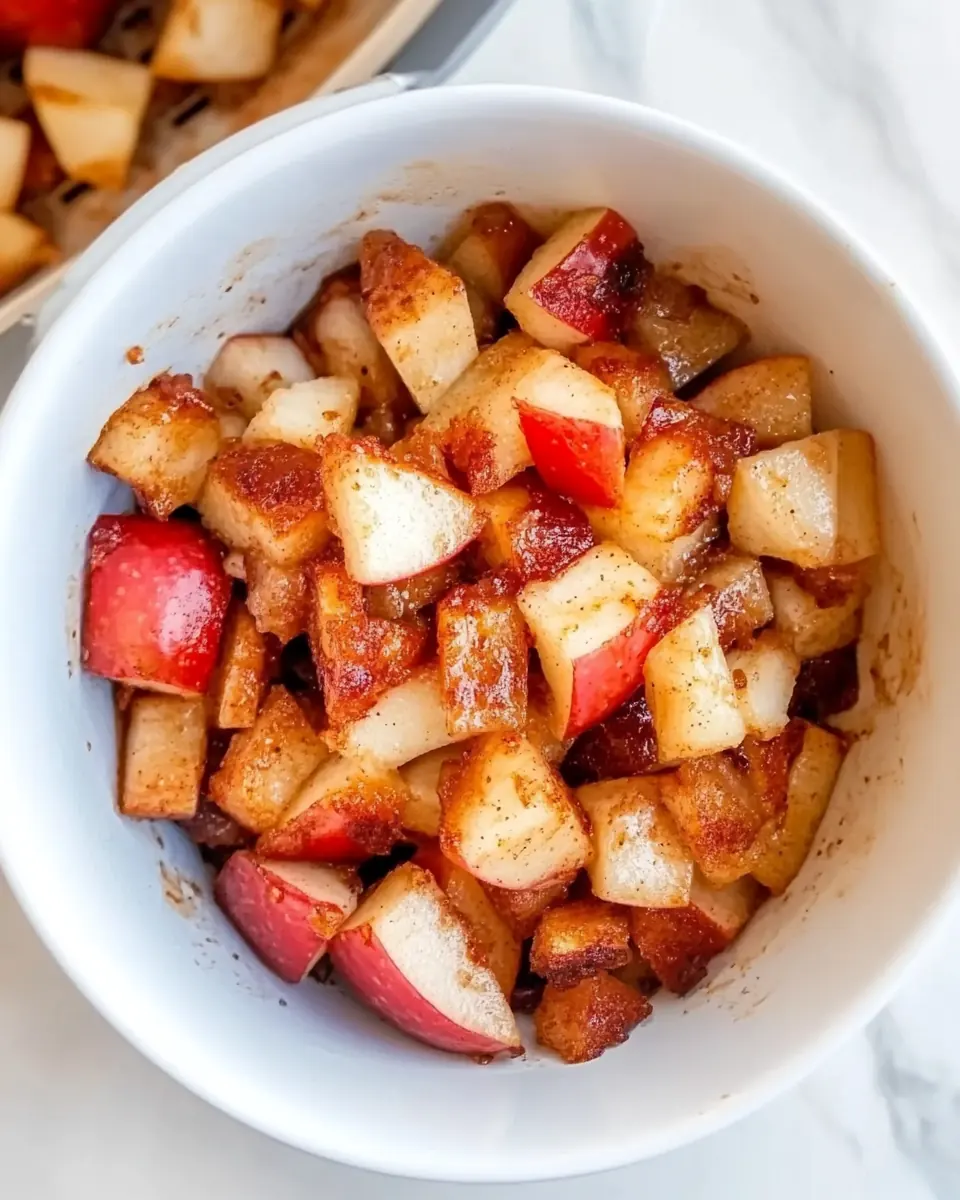
These brief notes will help you tweak the recipe to match your preferences, whether you want a lighter snack or something richer and more indulgent. Small adjustments in cut size, fat, and sweetener can transform the texture and intensity without changing the core method.
- Reduce added sweetener: If you prefer less sugar, cut the maple syrup to half a tablespoon or omit it entirely, relying on the fruit sugars for sweetness.
- Use butter for richer flavor: Swap the oil for 2 teaspoons of melted butter to add depth and a slightly toasted dairy note to the caramelization.
- Make apple chips: Slice the apples very thinly and arrange in a single layer to produce crisp, snackable chips instead of tender cubes.
- Fat free option: Omit the oil or butter for a lighter plate; be aware the apples will brown more slowly and the finish will be less glossy.
- Adjust cook time by size: Thicker pieces need more time, so increase the second stage in two minute increments until you reach the desired texture.
How to Enjoy Air Fryer Apples
These serving suggestions will help you pair the apples for different moods and occasions. They work well as dessert, a breakfast addition, or a cozy snack, depending on how you present them.
- As a simple dessert: Serve warm apples in a bowl with a small scoop of cold coconut ice cream, letting the contrast of temperatures create a delightful bite.
- Breakfast topping: Spoon the warm apples over oatmeal or yogurt to add a fragrant, spiced layer that feels both wholesome and indulgent.
- Snack or lunchbox treat: Pack cooled apple pieces in a small container for a portable sweet that holds up well for a few hours without losing texture.
- Occasions: These are perfect for quick weeknight desserts, fall gatherings, or a light finish to a Ramadan iftar when you want something warm and gentle on the stomach.
- Storage: Refrigerate cooled apples in an airtight container for up to three days. Reheat briefly in the air fryer or a warm oven to restore some crispness.
- Seasonal pairing: Embrace fall by serving them alongside spiced drinks and warm bread; the cinnamon notes harmonize especially well with autumn flavors.
FAQ
Conclusion
What makes this recipe special is how little it asks of you and how much warmth and aroma it returns. The caramelized edges, fragrant cinnamon, and simple maple sweetness create a small dish that feels much more elaborate than the handful of steps it takes. I hope you give Air Fryer Apples a try the next time you want a fast, comforting treat. They are forgiving, quick, and a lovely way to celebrate seasonal fruit without fuss.
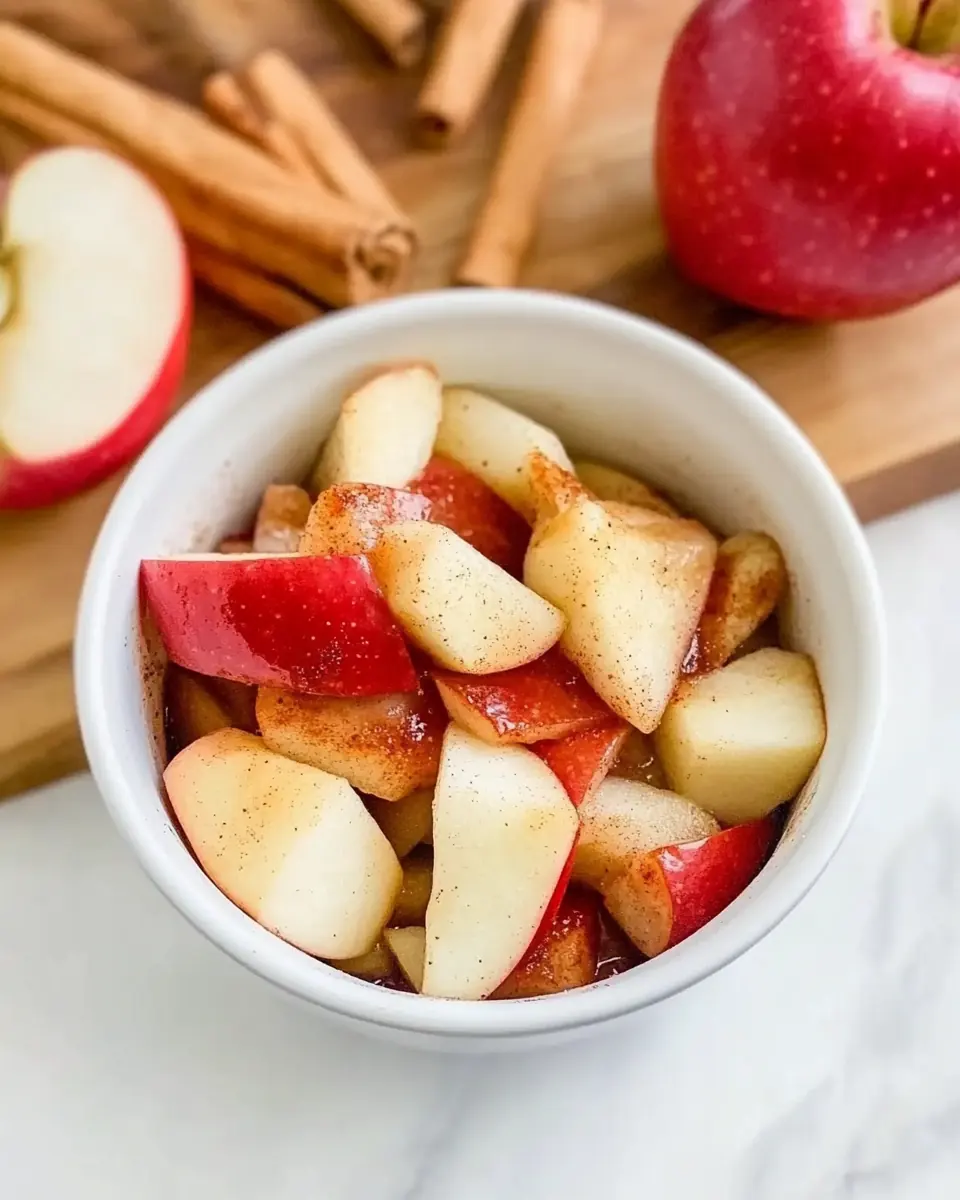
Air Fryer Apples
Ingredients
Equipment
Method
- Gather all ingredients, and grease the air fryer tray or line it with air fryer liners. Peel the apples if desired, then chop them into small squares. Or chop into apple sticks or thinly sliced apple chips. Discard the cores and seeds. Toss the fruit in a bowl with the cinnamon, sweetener, and optional melted butter or oil. Preheat the air fryer to 400 F. Arrange the apples in a single layer on the greased tray. If your machine is small, it may be best to do this in two batches so as not to overcrowd the apples. Air fry for seven minutes. Open the door and shake to turn the cinnamon apples. Bake an additional eight minutes or until crispy and caramelized to your liking.: The first sensory cue you get is the scent of spices ready to mingle. Greasing the tray prevents sticking and helps the fruit brown. If you skip this, the apples can cling to the basket and tear when you try to turn them, so make sure the surface is lightly oiled or lined.
- Peel the apples if desired, then chop them into small squares: The sound of a knife against the cutting board is satisfying and the visual of uniform cubes is important for even cooking. Smaller pieces will caramelize faster, while larger pieces stay juicier inside. A common mistake is uneven chopping which leads to a mix of burnt bits and underdone centers.
- Or chop into apple sticks or thinly sliced apple chips: Thin slices will crisp more like chips, giving a different textural payoff with crackling edges and a sweet snap. Watch closely as thin slices can go from nicely browned to scorched in moments. Avoid crowding the basket when making chips, as steam will prevent crisping.
- Discard the cores and seeds: Removing the core eliminates tough, bitter bits and leaves only the sweet, tender flesh to cook. The tactile step of coring and seeding ensures a pleasant eating experience. Forgetting to core can leave fibrous pieces that disrupt the texture.
- Toss the fruit in a bowl with the cinnamon, sweetener, and optional melted butter or oil: At this stage you will notice the sugary glaze begin to coat the fruit, and the air will carry a warm spice note. Tossing ensures even coverage so each piece browns similarly. A frequent pitfall is uneven coating, leading to some slices browning more and others remaining pale.
- Preheat the air fryer to 400 F: You should feel a rush of hot air once you open the preheated basket and see a faint steam. High heat promotes quick caramelization and helps achieve contrast between tender centers and crisp edges. Avoid placing cold apples into a cold basket, which causes prolonged cooking and soggy results.
- Arrange the apples in a single layer on the greased tray: Visually, a single layer allows hot air to circulate and touch every surface, which is why the texture becomes beautifully caramelized. If apples overlap, steam will accumulate and the pieces will steam rather than crisp. The main mistake here is overcrowding which prevents proper browning.
- If your machine is small, it may be best to do this in two batches so as not to overcrowd the apples: When you hear the air fryer hum at full speed, that is when it does its best work. Separate batches ensure each piece gets direct exposure to hot air, producing uniform color and texture. Trying to rush everything in one batch often produces uneven results.
- Air fry for seven minutes: After this period you will notice the edges starting to color and the kitchen filling with cinnamon scented steam. This initial cook softens the fruit and begins the Maillard reaction with the sugars. A common error is leaving them in too long at this stage, which can overbrown before the centers soften.
- Open the door and shake to turn the cinnamon apples: The noise of the pieces moving and the brief burst of aroma are satisfying cues that the dish is progressing. Shaking redistributes heat and ensures all sides get exposure, improving evenness. Be careful not to jostle aggressively, which can break delicate slices.
- Bake an additional eight minutes or until crispy and caramelized to your liking: In these final minutes you will observe deepening color and a sticky glaze forming on the surface, signaling readiness. The texture will shift from taut and glossy to slightly crackly at the edges, and the smell will become richer, almost caramel like. Overcooking here is the main trap, so check early and often if you prefer a softer finish.
Notes
- Reduce added sweetener: If you prefer less sugar, cut the maple syrup to half a tablespoon or omit it entirely, relying on the fruit sugars for sweetness.
- Use butter for richer flavor: Swap the oil for 2 teaspoons of melted butter to add depth and a slightly toasted dairy note to the caramelization.
- Make apple chips: Slice the apples very thinly and arrange in a single layer to produce crisp, snackable chips instead of tender cubes.
- Fat free option: Omit the oil or butter for a lighter plate; be aware the apples will brown more slowly and the finish will be less glossy.
- Adjust cook time by size: Thicker pieces need more time, so increase the second stage in two minute increments until you reach the desired texture.