Carrot Cake
Carrot Cake has been my go to celebration cake for years, the kind I make when a neighbor has a new baby, when a friend gets a promotion, or simply when I need a sweet, comforting project on a quiet Saturday.
I remember the first time I baked this from a handwritten card, sleeves rolled up, the kitchen smelling like warm cinnamon and sweet carrots, and I kept stealing tiny tastes of the batter until there was barely enough left for the pans. Over time I tuned the texture so the crumb stays tender but sturdy enough to hold a generous smear of frosting, and I learned to laugh when my first attempt at decorating looked more rustic than refined. That trial and error shaped how I approach each bake now, with patience and small adjustments.
Friends always ask why this version stands out, and I tell them it’s the balance between the bright, earthy carrot notes and the spiced cinnamon in the batter, plus a tangy, silky cream cheese frosting that tames the sweetness. I also love adding crunchy pecans for contrast, and I rarely skip them. Baking this cake slows me down in the best way, letting me enjoy simple steps that add up to something celebratory and homey.
Recipe Snapshot
50 mins
15 mins
35 mins
Medium
350 kcal
American
Gluten-Free, Low FODMAP
Desserts
9 inch round cake pans, Mixing bowls, Handheld mixer, Offset spatula, Cooling rack
Why This Carrot Cake Works
Texture that feels right
I want a cake that is moist without being gummy, and Carrot Cake delivers because the grated carrot and vegetable oil keep the crumb tender while the flour and eggs give needed structure. When you slice into it, the crumb should yield slightly under the knife, and that balance is what makes me reach for this recipe again.
Warm spiced flavor
The simple addition of ground cinnamon turns basic batter into something cozy and aromatic. I love how the spice blooms as the cake cools, giving each slice a comforting perfume that pairs perfectly with the tang of the frosting.
Frosting that sings
The frosting uses soft cream cheese and butter to create a lush, creamy layer that is slightly tangy. This contrast is why I believe the cake never tastes too sweet, even when you scoop on a generous helping. The texture is silk like, and it spreads smoothly for a homey, rustic finish.
Crunch and contrast
I include chopped pecans in the batter and as an optional garnish because their crunchy bite offsets the softness of the cake. That contrast in mouthfeel is a small detail that makes every forkful interesting, and I always recommend it to guests who like a bit of texture.
Reliable, approachable process
This recipe is straightforward, which is why I often recommend it to bakers who are hesitant to try layer cakes. The steps are forgiving, and with a few simple cues like a clean toothpick test and cooled layers before frosting, you’ll get consistent results you can be proud of.
Recipe Ingredients for Carrot Cake
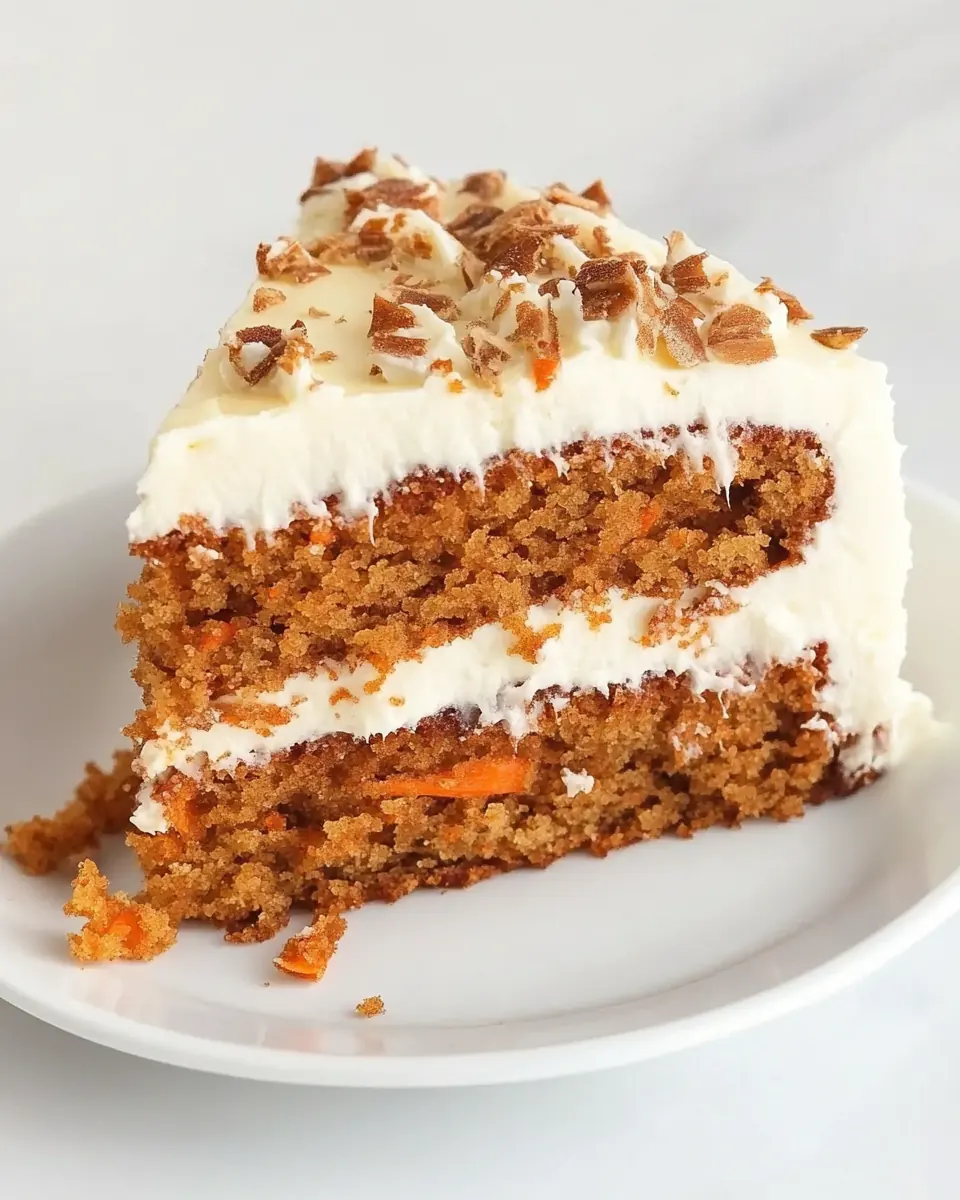
I like to think of these ingredients as a compact team. The dry staples create structure, the carrot and oil bring moisture, and the cream cheese frosting adds tang and richness. Each player contributes a clear role, so when they come together, you get a cake that is balanced, tender, and subtly spiced.
- 2 cups all-purpose flour: Provide structure and bulk to the cake batter, giving the crumb its framework and texture; sifted if needed to avoid lumps and ensure even mixing. Combine thoroughly with wet ingredients to create a consistent batter that rises uniformly during baking.
- 13/4 cups granulated sugar: Sweeten the batter and contribute to moisture and tenderness by dissolving into the wet mixture; can caramelize slightly during baking to add depth of flavor. Measure accurately to balance sweetness and prevent an overly dense cake.
- 2 teaspoons ground cinnamon: Add warm, aromatic spice and enhance overall flavor profile; distribute evenly through dry ingredients to avoid clumps of concentrated spice. Complement the sweetness of sugar and the earthiness of carrots without overpowering other flavors.
- 1 teaspoon baking powder: Provide gentle leavening and a light lift to the cake when combined with wet ingredients; helps produce a tender crumb and moderate rise. Mix with the flour and other dry components to ensure even distribution throughout the batter.
- 1 teaspoon baking soda: Act as a stronger leavening agent that reacts with acidic components in the batter to create carbon dioxide bubbles for lift; balances texture and prevents excessive density. Dissolve into the dry mix so it activates properly during baking.
- 11/2 cups vegetable oil: Contribute richness and moistness, keeping the cake tender and soft while aiding in mouthfeel; oil also helps extend shelf life and maintain moisture. Incorporate with sugar and eggs to form an emulsion that supports uniform crumb development.
- 4 large eggs (at room temperature): Bind ingredients together and incorporate air for structure and volume; eggs also add richness and a silkier texture to the cake. Beat to combine with sugar and oil, bringing warmth to room temperature helps create a smoother, more stable batter.
- 3 cups finely shredded carrots (5 to 6 medium carrots): Provide primary flavor, moisture, and texture through natural sweetness and fiber; finely shredded carrots distribute evenly to prevent heavy pockets. Fold into the batter to add moisture and subtle vegetal sweetness that defines the cake.
- 1 cup chopped pecans: Add crunchy texture and a nutty, buttery flavor that complements the sweetness and spices; toasting briefly enhances aroma and depth. Stir into batter toward the end to maintain some crunch without sinking to the bottom.
- 8 ounces cream cheese (softened at room temperature): Create a tangy, creamy base for the frosting and contribute smooth richness; soften to room temperature for easier blending. Beat with butter and powdered sugar to achieve a velvety cream cheese frosting that balances cake sweetness.
- 1/2 cup salted sweet cream butter (softened): Provide a creamy, buttery foundation and slight saltiness to balance the sweet frosting while adding smooth texture; soften for easy creaming. Combine with cream cheese to build a stable, spreadable frosting with richer mouthfeel.
- 3 cups powdered sugar: Sweeten and thicken the frosting to achieve a smooth, pipeable consistency while delivering sweetness and structure; sift if necessary to prevent lumps. Add gradually to reach desired firmness and sweetness without making the frosting grainy.
- 1 teaspoon clear vanilla flavoring: Impart sweet, vanilla aroma and enhance overall flavor complexity without adding additional color; clear flavoring keeps frosting pale. Use a small amount to lift the dairy flavors and round out the sweetness of the icing.
- 1/2 cup chopped pecans ( garnish) (optional): Provide a decorative crunchy garnish that echoes flavors in the cake and adds visual contrast; optional for texture and presentation. Sprinkle over frosted cake just before serving to preserve crunch and enhance bite.
Directions for Carrot Cake
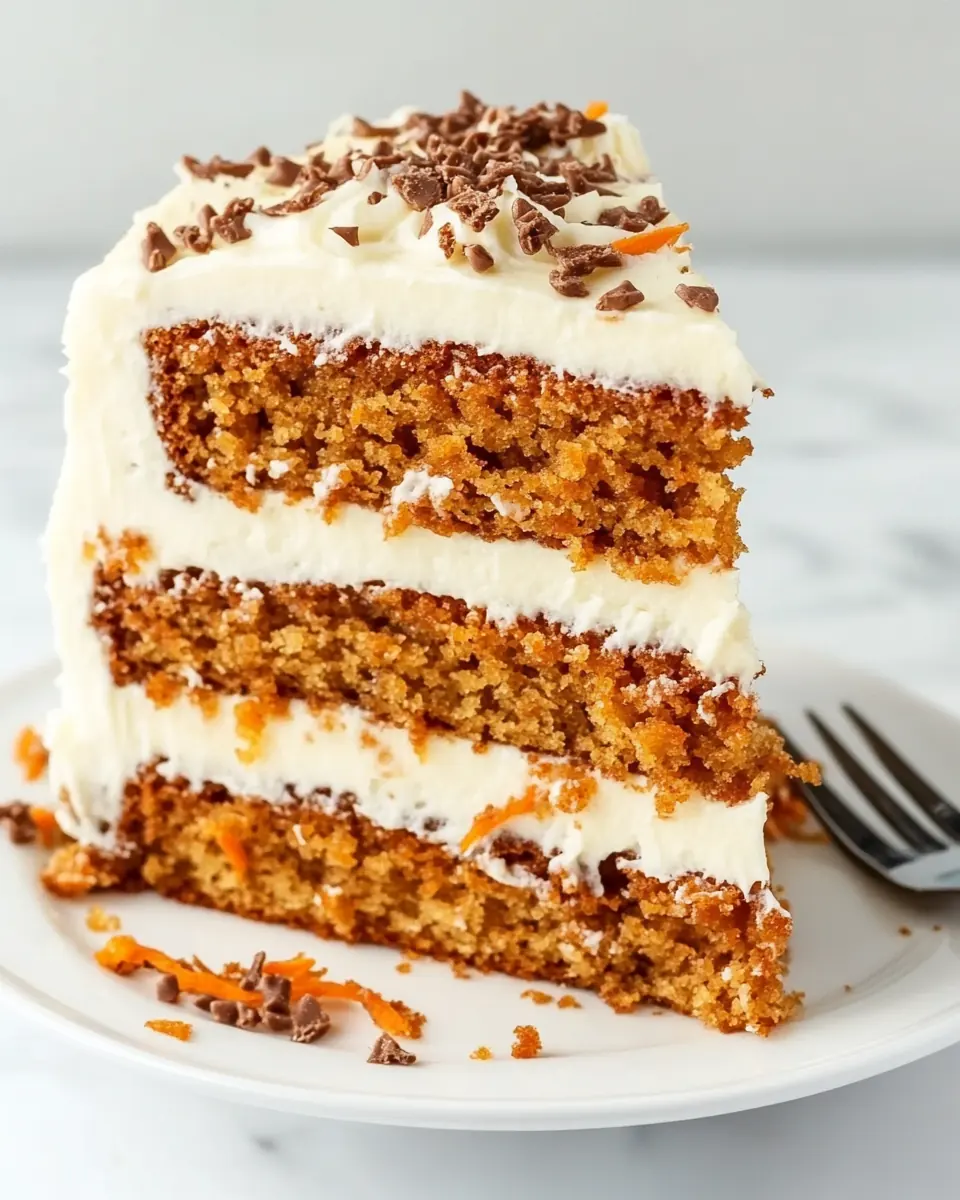
These directions are friendly and sequential, designed to guide you through each key phase from batter to frosting. Take your time with the sensory cues, and remember that cooling before frosting is essential for a clean finish.
- Preheat the oven to 350°F. Generously spray two 9-inch round cake pans with baking spray (Baker’s Joy or generic version). Set them aside.: You will notice the oven warming and a faint scent as it reaches temperature, which helps the cake begin baking immediately and evenly. Making sure the oven has fully preheated prevents uneven rise and a dense center. A common mistake is putting the pans in before the oven hits 350°F, which can yield underbaked middles, so always allow the oven a few extra minutes to stabilize.
- Using a large mixing bowl, whisk together the flour, sugar, cinnamon, baking powder and baking soda.: The oil in the spray provides a thin, even coating that releases the cakes cleanly when they are baked, and you will hear a soft rustle when you tap the pan to check for slickness. If you skip this step or undercoat, cakes can stick; instead brush a thin layer of oil and dust with flour if you do not have baking spray.
- Add in the vegetable oil and eggs. Using a handheld mixer on medium speed, blend the ingredients just until well combined.: As you whisk, the dry ingredients will become evenly blended and you may see the cinnamon distribute into the lighter flour. This uniformity ensures consistent flavor and rise. A frequent error is to add wet ingredients to unmixed drys, which can create pockets of leavening and uneven texture, so take the extra moment to whisk thoroughly.
- Fold in the shredded carrot and chopped pecans.: When you incorporate the oil and room temperature eggs, the batter will take on a glossy appearance and loosen noticeably. Using a handheld mixer on medium speed helps emulsify the fat into the drys for a smooth result, and you'll hear a steady mixing sound rather than splattering. Avoid overbeating after adding the oil because that can develop gluten and make the cake tough.
- Divide the cake batter evenly between the prepared cake pans. Bake for 30 to 35 minutes, or until a toothpick inserted comes out clean.: The batter will thicken and show flecks of orange and brown as you fold, and you should feel slight resistance as the carrots and nuts distribute. Folding gently keeps air in the batter while evenly dispersing add ins. If you stir aggressively, you risk deflating the batter and ending up with a dense cake, so use a gentle hand.
- Allow the cakes to cool in the pans, on a cooling rack for 15 minutes. Gently flip the cakes upside down on the cooling rack to remove the pans and continue to completely cool.: Pouring into the pans, you will see the batter settle into smooth domes that reflect light slightly. Level the tops with a spatula for even layers. Uneven filling causes one layer to bake faster than the other, so weigh the pans or eyeball carefully to keep bake times consistent.
- Using either a stand mixer, or a medium-sized mixing bowl with a handheld mixer on medium-high speed, beat the cream cheese and butter for 1 to 11/2 minutes.: As the cakes bake, the kitchen will fill with a warm cinnamon aroma and the tops will set into a light golden brown. The toothpick test is the surest cue the center is done, and a clean toothpick means you can remove them. Common mistakes include relying on color alone, which varies by oven, so always test the center for doneness.
- Lower the mixer speed to medium, and add in the powdered sugar and vanilla. Mix until the frosting is completely smooth.: The cakes will continue to set as they rest, releasing steam that keeps them moist. Cooling in the pans prevents the delicate crust from tearing, and the cakes will shrink slightly from the pan edges as they relax. Trying to unmold too soon can break the layers, so be patient and wait the full resting time.
- Once the cakes are completely cooled, place the bottom cake layer onto a serving plate.: When you invert the pans, you may hear a light sigh as the cakes release, and the exposed crumb should feel springy. Cooling completely is important so the frosting does not melt on contact. A common mistake is frosting warm cakes, which causes the frosting to run, so ensure the layers are fully cool.
- Using an offset spatula, spread a thick layer of frosting over the top of the bottom cake layer.: The cream cheese and butter will whip into a paler, airy mixture with a soft sheen, and this step builds the frosting base so it is smooth and spreadable. If either component is too cold, lumps remain; if too warm, the frosting will be too soft, so aim for room temperature.
- Carefully place the top layer of cake on top of the bottom frosted layer.: Adding the powdered sugar gradually produces a velvet like frosting, and the mixer will hum more steadily as the sugar dissolves. The vanilla rounds the flavor, and when the frosting becomes completely smooth, it should hold soft peaks. A mistake to avoid is dumping all the sugar at once which can send clouds of sugar into the air and make the frosting gritty.
- Using an offset spatula, spread a thick layer of frosting on the top of the cake layer. Frost the sides of the cake as well.: Setting the first layer down, you will feel the gentle weight of the cake and see a stable base for frosting. Choosing a sturdy plate or cake board helps when you move the cake later. Frosting on an unstable base can make assembling difficult, so pick a surface that stays put.
- Sprinkle the optional chopped pecans over the very center of the cake. Evenly slice 12 slices when you are ready to serve.: The frosting will glide across the crumb, leaving a creamy, even coat that cushions the top layer. Spreading in steady strokes creates a smooth surface. A troubleshooting tip is to chill the bottom layer slightly if it seems too fragile, which prevents tearing while you spread.
- Carefully place the top layer of cake on top of the bottom frosted layer: When you lower the top layer, align the edges gently so the stack looks intentional. The small sound of contact is reassuring, and if the top layer shifts, nudge it into place quickly. Avoid pressing down hard, as that can squeeze out the frosting and compact the cake.
- Using an offset spatula, spread a thick layer of frosting on the top of the cake layer: Apply the frosting in sweeping motions until the top is covered, and then turn to the sides, creating an even coat. Take moments to smooth and then texture as you prefer for a homemade look. If the frosting starts to droop, refrigerate briefly to firm it up before continuing.
- Frost the sides of the cake as well: With the sides frosted, you will create a cohesive appearance and seal in moisture. Use vertical strokes or a bench scraper for a neat finish. One common mistake is overworking the sides, which can create uneven ridges, so work steadily and pause to rotate the cake.
- Sprinkle the optional chopped pecans over the very center of the cake: Adding the nuts brings a toasty aroma and a crunchy focal point at the center, and they will cling better if you press them gently into the fresh frosting. If you want even coverage, press them into the sides as well. Avoid adding them too early if the frosting is warm, because they will sink.
- Evenly slice 12 slices when you are ready to serve: Use a clean, sharp knife and wipe it between cuts for tidy slices, and you will notice each piece reveal a tender crumb and ribboned frosting. For the cleanest cuts, chill the cake slightly before slicing. Cutting immediately after frosting can lead to squashed slices, so a short rest helps keep slices pristine.
Recipe Notes about Carrot Cake
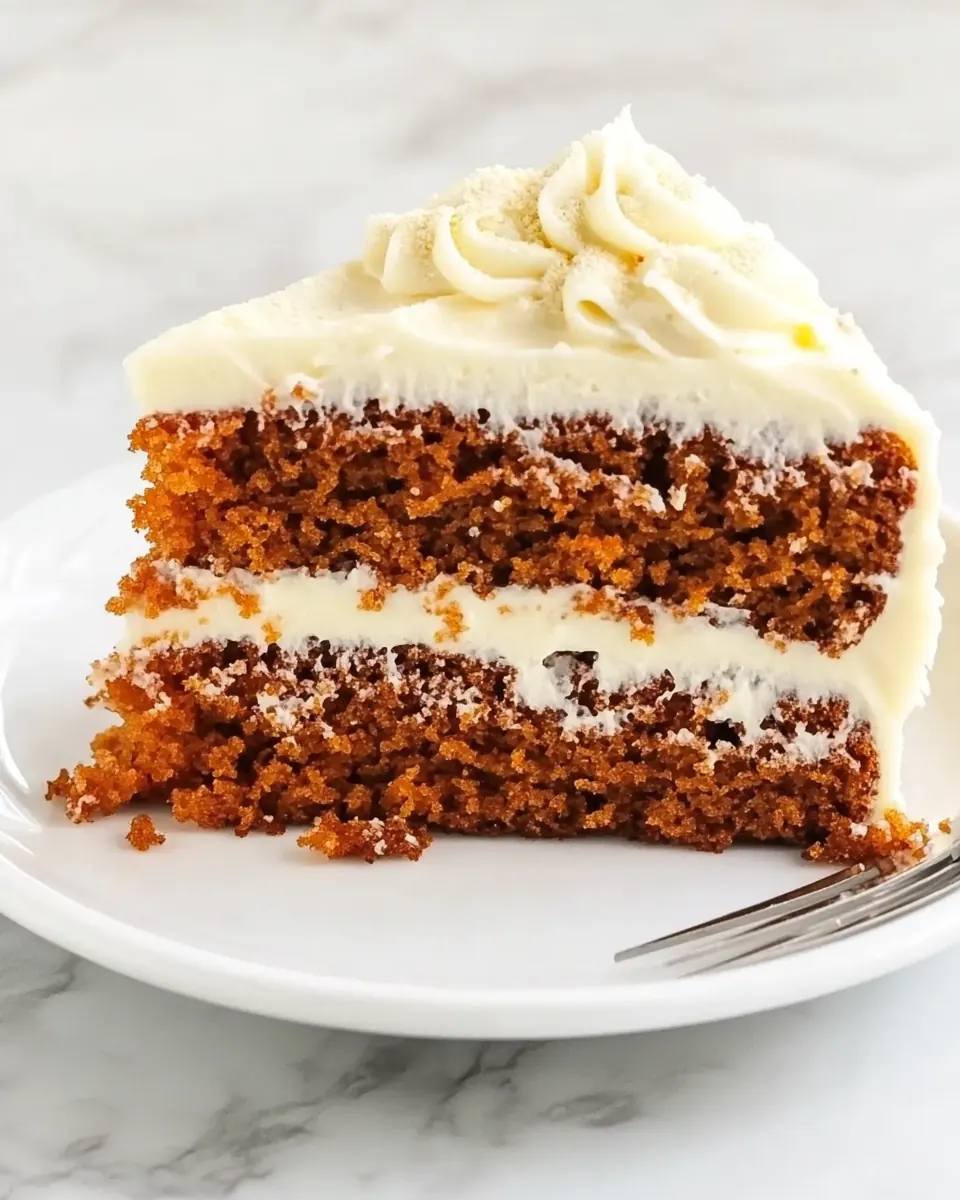
This section expands on practical tips I use to get consistent results, whether you are making a layered cake or cupcakes. Below are detailed, actionable items that address common pitfalls and flavor boosters for Carrot Cake.
- Room temperature ingredients: Bring the eggs, cream cheese, and butter to room temperature so they emulsify properly. Cold dairy can cause lumps in the frosting and uneven mixing in the batter, which affects final texture.
- Measure precisely: Use a kitchen scale for the flour and sugar if possible. Spoon and level the flour when not weighing to avoid packing, which can lead to a dense crumb rather than a tender cake.
- Grate carrots finely: Use a fine shred for the carrot so it distributes evenly and adds moisture without creating wet pockets. A uniform shred also helps the cake slice cleanly and look pleasing.
- Gentle folding: Fold in the carrot and pecans with a spatula to preserve air in the batter. Over mixing here can deflate the batter and produce a heavy cake rather than a light, tender one.
- Toasting nuts: Lightly toast the pecans in a dry skillet for a minute or two to intensify their flavor. Remove them from heat at the first fragrant moment to prevent bitterness from over toasting.
- Stabilize frosting: If your frosting seems too soft, briefly chill it for 10 to 15 minutes and then re whip it to reach a pipeable consistency. This helps when decorating in warm kitchens or humid conditions.
How to Enjoy Carrot Cake
This cake works for so many occasions, from birthdays to afternoon tea. Below are serving ideas, pairing suggestions, and storage guidance to help you present and preserve the cake beautifully.
- Slice size and plating: Cut into 12 even slices and serve on simple white plates so the cake’s textures and frosting can shine. A fork and a napkin are usually all you need for a relaxed affair.
- Occasions: Serve at brunch, celebrations, or holiday gatherings where a sweet, spiced cake feels right. It is especially nice for family dinners and festive events where guests appreciate a classic dessert.
- Beverage pairings: Offer black coffee or a lightly brewed tea to temper the sweetness. The tannins and gentle bitterness of these drinks provide a nice contrast to the cream cheese frosting.
- Storage: Keep the cake covered in the refrigerator for up to four days to preserve the cream cheese frosting. Bring to room temperature for 20 to 30 minutes before serving for the best texture and flavor.
- Make ahead: Bake the layers one day ahead, wrap them tightly, and refrigerate. Frost the next day for fresher frosting and less last minute work.
- Freezing: You can freeze unfrosted layers wrapped in plastic and foil for up to two months, then thaw in the refrigerator overnight before bringing to room temperature and frosting.
FAQ
Conclusion
This Carrot Cake shines because it balances moist, tender crumb with warm spice and a tangy, silky frosting. I hope the approachable steps and sensory cues here make you feel confident to bake it for family occasions or a quiet treat. Try it this weekend, and notice how the simple ingredients come together to create something that feels both comforting and celebratory. Share a slice with someone, and enjoy the little ritual of baking and serving a memory.
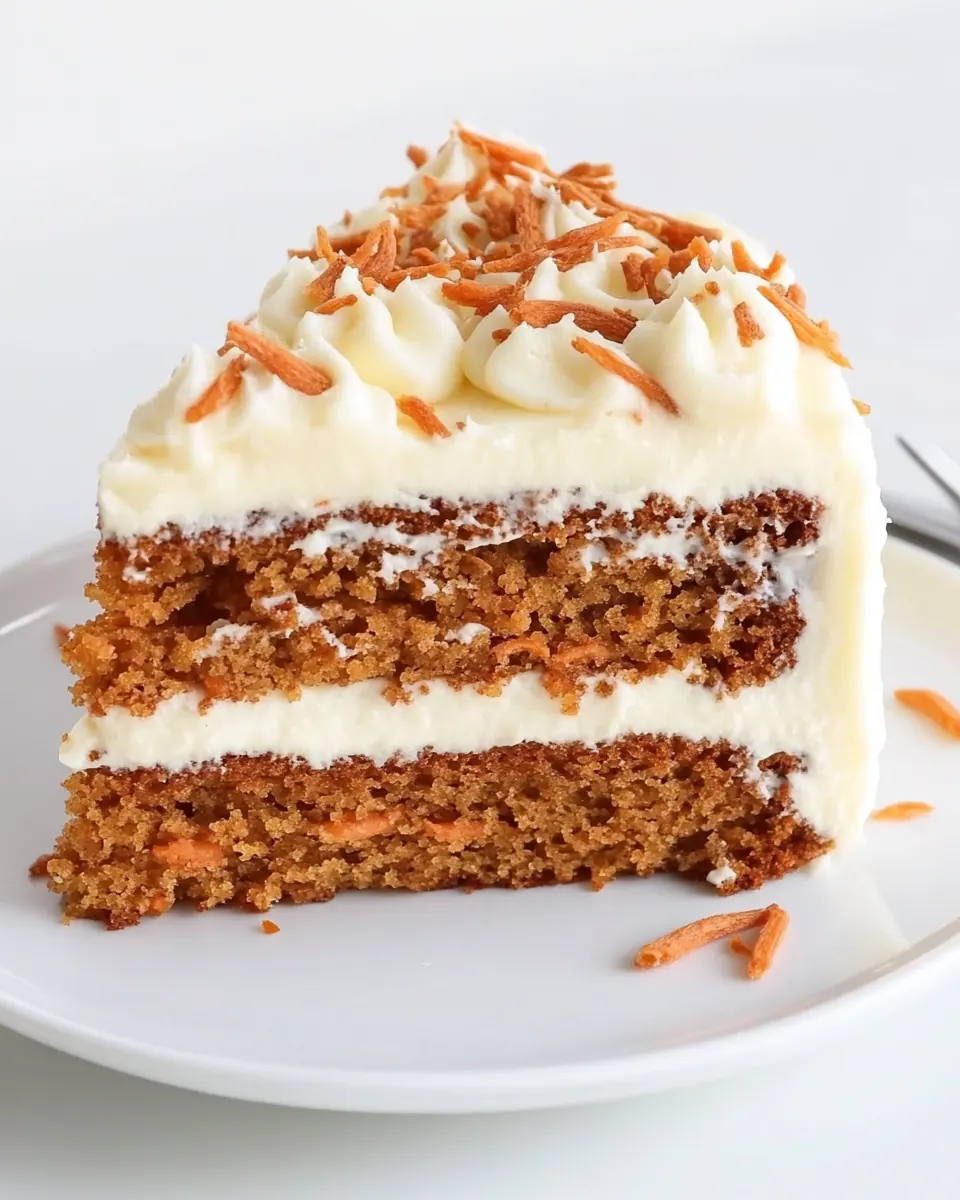
Carrot Cake
Ingredients
Equipment
Method
- Preheat the oven to 350°F. Generously spray two 9-inch round cake pans with baking spray (Baker’s Joy or generic version). Set them aside.: You will notice the oven warming and a faint scent as it reaches temperature, which helps the cake begin baking immediately and evenly. Making sure the oven has fully preheated prevents uneven rise and a dense center. A common mistake is putting the pans in before the oven hits 350°F, which can yield underbaked middles, so always allow the oven a few extra minutes to stabilize.
- Using a large mixing bowl, whisk together the flour, sugar, cinnamon, baking powder and baking soda.: The oil in the spray provides a thin, even coating that releases the cakes cleanly when they are baked, and you will hear a soft rustle when you tap the pan to check for slickness. If you skip this step or undercoat, cakes can stick; instead brush a thin layer of oil and dust with flour if you do not have baking spray.
- Add in the vegetable oil and eggs. Using a handheld mixer on medium speed, blend the ingredients just until well combined.: As you whisk, the dry ingredients will become evenly blended and you may see the cinnamon distribute into the lighter flour. This uniformity ensures consistent flavor and rise. A frequent error is to add wet ingredients to unmixed drys, which can create pockets of leavening and uneven texture, so take the extra moment to whisk thoroughly.
- Fold in the shredded carrot and chopped pecans.: When you incorporate the oil and room temperature eggs, the batter will take on a glossy appearance and loosen noticeably. Using a handheld mixer on medium speed helps emulsify the fat into the drys for a smooth result, and you'll hear a steady mixing sound rather than splattering. Avoid overbeating after adding the oil because that can develop gluten and make the cake tough.
- Divide the cake batter evenly between the prepared cake pans. Bake for 30 to 35 minutes, or until a toothpick inserted comes out clean.: The batter will thicken and show flecks of orange and brown as you fold, and you should feel slight resistance as the carrots and nuts distribute. Folding gently keeps air in the batter while evenly dispersing add ins. If you stir aggressively, you risk deflating the batter and ending up with a dense cake, so use a gentle hand.
- Allow the cakes to cool in the pans, on a cooling rack for 15 minutes. Gently flip the cakes upside down on the cooling rack to remove the pans and continue to completely cool.: Pouring into the pans, you will see the batter settle into smooth domes that reflect light slightly. Level the tops with a spatula for even layers. Uneven filling causes one layer to bake faster than the other, so weigh the pans or eyeball carefully to keep bake times consistent.
- Using either a stand mixer, or a medium-sized mixing bowl with a handheld mixer on medium-high speed, beat the cream cheese and butter for 1 to 11/2 minutes.: As the cakes bake, the kitchen will fill with a warm cinnamon aroma and the tops will set into a light golden brown. The toothpick test is the surest cue the center is done, and a clean toothpick means you can remove them. Common mistakes include relying on color alone, which varies by oven, so always test the center for doneness.
- Lower the mixer speed to medium, and add in the powdered sugar and vanilla. Mix until the frosting is completely smooth.: The cakes will continue to set as they rest, releasing steam that keeps them moist. Cooling in the pans prevents the delicate crust from tearing, and the cakes will shrink slightly from the pan edges as they relax. Trying to unmold too soon can break the layers, so be patient and wait the full resting time.
- Once the cakes are completely cooled, place the bottom cake layer onto a serving plate.: When you invert the pans, you may hear a light sigh as the cakes release, and the exposed crumb should feel springy. Cooling completely is important so the frosting does not melt on contact. A common mistake is frosting warm cakes, which causes the frosting to run, so ensure the layers are fully cool.
- Using an offset spatula, spread a thick layer of frosting over the top of the bottom cake layer.: The cream cheese and butter will whip into a paler, airy mixture with a soft sheen, and this step builds the frosting base so it is smooth and spreadable. If either component is too cold, lumps remain; if too warm, the frosting will be too soft, so aim for room temperature.
- Carefully place the top layer of cake on top of the bottom frosted layer.: Adding the powdered sugar gradually produces a velvet like frosting, and the mixer will hum more steadily as the sugar dissolves. The vanilla rounds the flavor, and when the frosting becomes completely smooth, it should hold soft peaks. A mistake to avoid is dumping all the sugar at once which can send clouds of sugar into the air and make the frosting gritty.
- Using an offset spatula, spread a thick layer of frosting on the top of the cake layer. Frost the sides of the cake as well.: Setting the first layer down, you will feel the gentle weight of the cake and see a stable base for frosting. Choosing a sturdy plate or cake board helps when you move the cake later. Frosting on an unstable base can make assembling difficult, so pick a surface that stays put.
- Sprinkle the optional chopped pecans over the very center of the cake. Evenly slice 12 slices when you are ready to serve.: The frosting will glide across the crumb, leaving a creamy, even coat that cushions the top layer. Spreading in steady strokes creates a smooth surface. A troubleshooting tip is to chill the bottom layer slightly if it seems too fragile, which prevents tearing while you spread.
- Carefully place the top layer of cake on top of the bottom frosted layer: When you lower the top layer, align the edges gently so the stack looks intentional. The small sound of contact is reassuring, and if the top layer shifts, nudge it into place quickly. Avoid pressing down hard, as that can squeeze out the frosting and compact the cake.
- Using an offset spatula, spread a thick layer of frosting on the top of the cake layer: Apply the frosting in sweeping motions until the top is covered, and then turn to the sides, creating an even coat. Take moments to smooth and then texture as you prefer for a homemade look. If the frosting starts to droop, refrigerate briefly to firm it up before continuing.
- Frost the sides of the cake as well: With the sides frosted, you will create a cohesive appearance and seal in moisture. Use vertical strokes or a bench scraper for a neat finish. One common mistake is overworking the sides, which can create uneven ridges, so work steadily and pause to rotate the cake.
- Sprinkle the optional chopped pecans over the very center of the cake: Adding the nuts brings a toasty aroma and a crunchy focal point at the center, and they will cling better if you press them gently into the fresh frosting. If you want even coverage, press them into the sides as well. Avoid adding them too early if the frosting is warm, because they will sink.
- Evenly slice 12 slices when you are ready to serve: Use a clean, sharp knife and wipe it between cuts for tidy slices, and you will notice each piece reveal a tender crumb and ribboned frosting. For the cleanest cuts, chill the cake slightly before slicing. Cutting immediately after frosting can lead to squashed slices, so a short rest helps keep slices pristine.
Notes
- Room temperature ingredients: Bring the eggs, cream cheese, and butter to room temperature so they emulsify properly. Cold dairy can cause lumps in the frosting and uneven mixing in the batter, which affects final texture.
- Measure precisely: Use a kitchen scale for the flour and sugar if possible. Spoon and level the flour when not weighing to avoid packing, which can lead to a dense crumb rather than a tender cake.
- Grate carrots finely: Use a fine shred for the carrot so it distributes evenly and adds moisture without creating wet pockets. A uniform shred also helps the cake slice cleanly and look pleasing.
- Gentle folding: Fold in the carrot and pecans with a spatula to preserve air in the batter. Over mixing here can deflate the batter and produce a heavy cake rather than a light, tender one.
- Toasting nuts: Lightly toast the pecans in a dry skillet for a minute or two to intensify their flavor. Remove them from heat at the first fragrant moment to prevent bitterness from over toasting.
- Stabilize frosting: If your frosting seems too soft, briefly chill it for 10 to 15 minutes and then re whip it to reach a pipeable consistency. This helps when decorating in warm kitchens or humid conditions.