Asparagus Frittata with Herb Blossoms
Asparagus Frittata with Herb Blossoms is one of those sunrise dishes I reach for when spring shows up and the market stalls are piled high with tender green stalks and tiny floral treasures. The first time I made this Asparagus Frittata with Herb Blossoms, I was rushing between errands, but the aroma of sizzling extra virgin olive oil and gently cooking eggs stopped me in my tracks. I remember leaning against the counter, listening to the faint hiss as the mixture set at the edges, and feeling unexpectedly proud to be coaxing something simple into something memorable.
That morning I used a few chive blossoms and a single sage blossom plucked straight from a pot on my windowsill, and the dish felt like a little celebration of seasonality. We sat on the back steps with coffee, tearing pieces and passing them around, each bite light and savory with the slightest floral note. It became my go to for when guests drop by unannounced and when I want something that reads elegant on the plate but is effortless to make.
Recipe Snapshot
25 mins
15 mins
10 mins
Medium
250 kcal
Italian
Gluten-Free, Keto
Breakfast
Saucepan, Pot, Bowl, Plate
The Best Thing About This Asparagus Frittata with Herb Blossoms
Bright seasonal flavor
I love how Asparagus Frittata with Herb Blossoms showcases the crisp, green bite of asparagus. The vegetable keeps a delicate snap if you blanch it briefly, which contrasts with the custardy eggs and creates a lively mouthfeel. When I serve it during spring, people comment on how fresh and vibrant the flavors are.
Minimalist ingredient list
There is a real joy in using just a handful of pantry staples like eggs and parmesan cheese alongside a few standout additions such as chive blossoms. I find the restraint forces you to focus on technique, and that minimalist approach consistently yields clean, clear flavors.
Quick and adaptable
I often reach for this recipe when time is short because the rhythm is forgiving. It moves fast from start to finish, and the process lends itself to small adjustments depending on what I have on hand. That flexibility makes it a favorite for casual brunches or a speedy weeknight supper.
Elegant presentation
Sprinkling a few extra herb blossoms on top turns a humble skillet into something you want to photograph. I always notice how a simple garnish elevates the dish visually, making it suitable for guests without extra fuss in the kitchen.
Comfort with a lift
There is a comforting, homely quality to a well made frittata, but the herb blossoms add a floral lift that keeps it from feeling heavy. I appreciate recipes that strike that balance, and this one does it consistently, whether I serve it warm right from the pan or at room temperature.
Ingredient List for Asparagus Frittata with Herb Blossoms
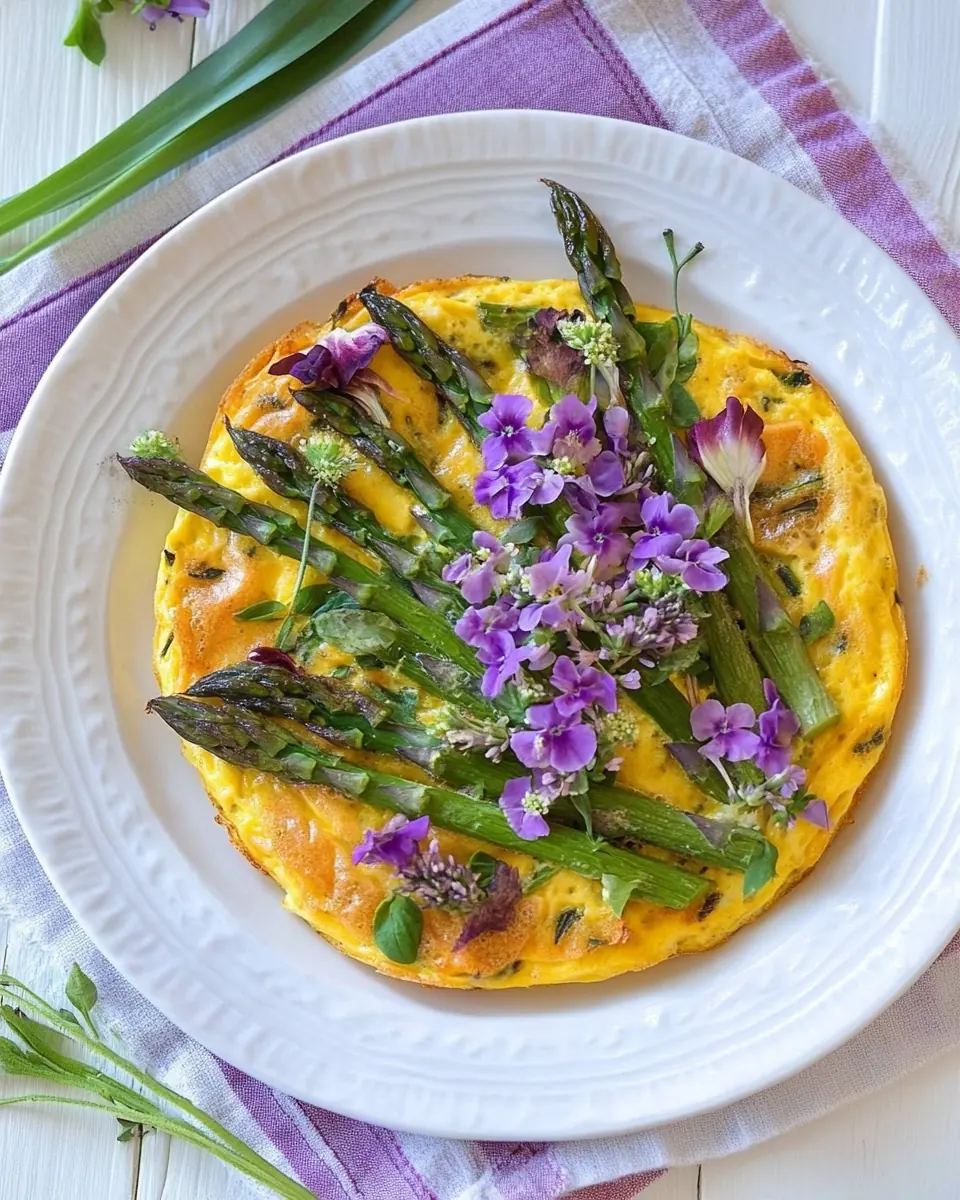
These ingredients are purposefully simple, chosen to celebrate fresh spring produce and to let each element sing. The backbone is eggs, which provide a silky, binding custard, while parmesan cheese brings savory umami. The asparagus supplies texture, and the floral chive blossoms and sage blossom add aromatic complexity. Together, they create a balanced, seasonal frittata that is both rustic and refined.
- 4 asparagus spears rough ends cut off (plus more if using for garnish): Trimmed and tender, provides the primary vegetable texture and delicate green flavor; slice or leave whole for visual appeal and even cooking throughout the frittata. Adds a slightly grassy, sweet note that pairs well with eggs and herbs, and can be reserved extra for crisp garnish.
- 4 eggs: Beaten until combined, supplies structure, richness, and protein to bind all components into a cohesive frittata; whisk to incorporate air for a lighter texture. Cooks quickly and sets around vegetables and cheese to create the classic custardy interior.
- 2 tablespoons parmesan cheese grated: Finely grated to contribute savory umami and salty depth; sprinkle into the egg mixture to melt and enrich the custard while adding a subtle nutty character. Helps with browning on the top and enhances overall savory balance.
- 1/4 teaspoons salt: Measured to season and balance the flavors, enhancing the natural sweetness of asparagus and the creaminess of the eggs; add carefully to avoid oversalting. Can be adjusted to taste and is best added to the egg mixture before cooking for even distribution.
- 1/8 teaspoon pepper: Ground to provide mild heat and aromatic lift; season lightly to bring out brightness without overpowering delicate herbs and asparagus. Freshly cracked yields more vibrant flavor and complements the savory cheese.
- 1 chive blossoms divided into florets (plus more if using for garnish): Divided into tiny florets, offers delicate onion-like floral notes and a pleasing visual accent; fold some into the eggs and reserve a few for garnish to showcase the blossoms. Contributes subtle mild onion flavor and a pretty finish when scattered on top.
- 1 sage blossom: Used sparingly, imparts a soft, savory herb aroma and a floral hint; tuck into the frittata or use as a single garnish to elevate presentation. Delicate texture means it should be added near the end of cooking to preserve its fragrance.
- 2 tablespoons extra virgin olive oil: Poured to coat the pan and gently sauté the asparagus and aromatics; creates a nonstick surface and adds fruity, peppery background flavor. Use moderate heat so oil enhances browning without smoking, contributing to overall mouthfeel.
Preparation Steps for Asparagus Frittata with Herb Blossoms
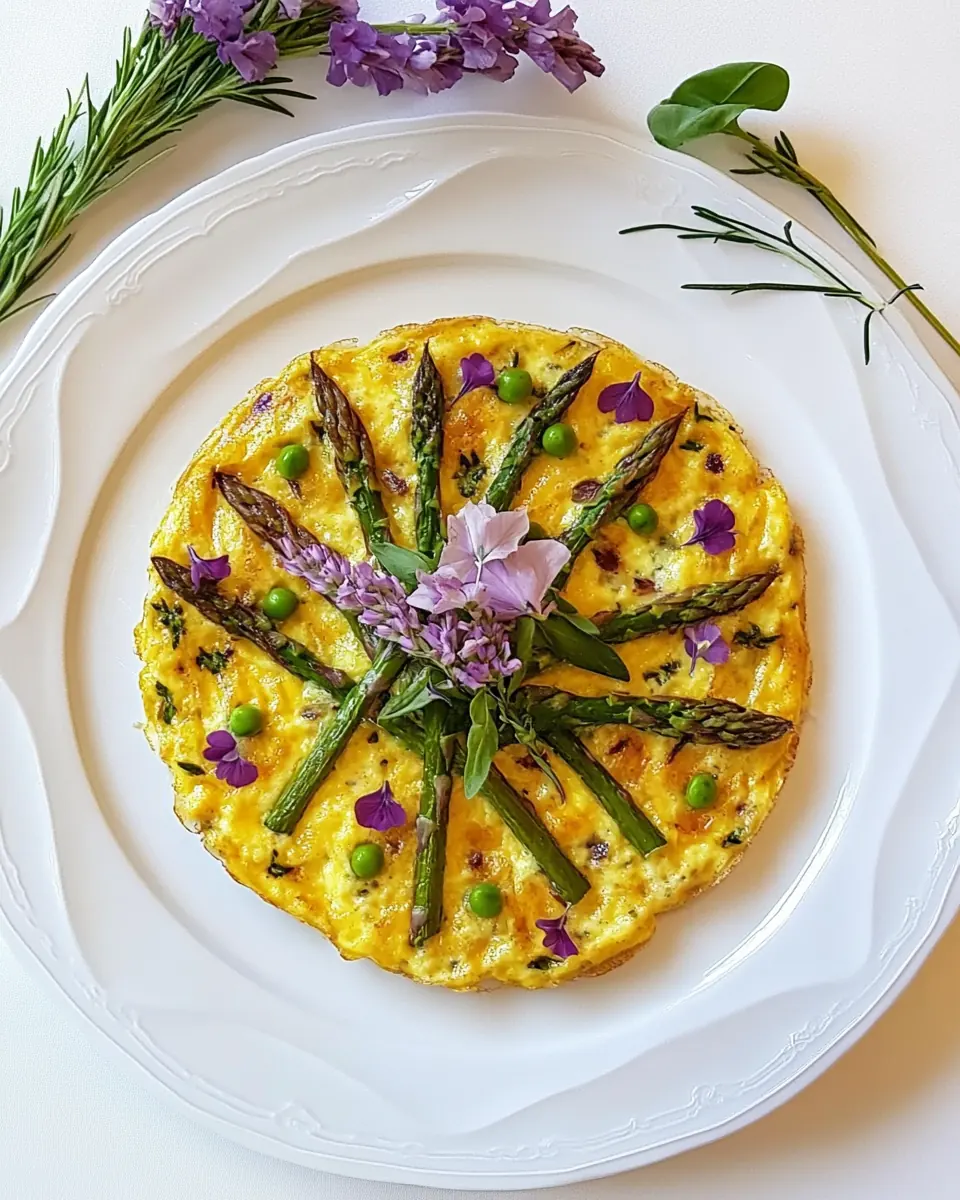
I like to move through the preparation with calm attention, so the timing and textures align. The directions below guide you from blanching to the final flip, with sensory cues and troubleshooting notes so you can cook with confidence and ease.
- In a pot of boiling water, blanch the asparagus for 5 minutes. Immediately immerse them in a bowl of ice water then let them cool. Drain the water when the asparagus have reached room temperature. Chop then set aside.: Shortly after submerging the asparagus , you should hear a gentle hush as bubbles lap around them, and their color will intensify to a vivid green within minutes, signaling they are nearing the perfect tender crisp texture. Blanching softens the fibrous stalks, making them easy to bite while preserving structure. A common pitfall is overcooking, which turns them limp and dull, so set a timer and watch carefully.
- In a bowl, prepare the frittata by whisking the eggs with the Parmesan, salt, and pepper then set aside.: The shock of cold water will stop the cooking instantly and lock in that brilliant color, and you will feel the sudden chill transfer through the stalks when you lift them from the ice bath. Cooling also firms the texture so they slice cleanly. Forgetting this step can leave you with overdone asparagus that loses its bright flavor and pleasing snap.
- In a warm saucepan with the extra virgin olive oil, pour the frittata mixture.: As they drain, you can notice the surface beads of water diminish and the scent shift to a fresher, greener aroma, which means they are ready for chopping. Proper draining prevents watery pockets in the frittata that can make the custard weep. If you skip draining well enough, the extra moisture can make the eggs take longer to set.
- When the frittata is halfway cooked, distribute the asparagus and the herb blossoms.: Cutting the cooled asparagus into bite sized pieces reveals clean, fibrous interiors and a crisp texture that will distribute evenly through the frittata. Uniform pieces ensure consistent bites and balanced cooking. Chopping unevenly could leave some bits overcooked while others remain too firm.
- When the bottom part is cooked and the top part is already solid, turn the frittata by placing a plate on top of the saucepan (the plate should be bigger than the saucepan), reverse quickly and let the frittata fall on the plate.: As you whisk, the mixture should gain a slightly glossy sheen and a homogenous pale yellow color, with the grated parmesan cheese melting into small pearls of flavor. Proper whisking helps the custard set evenly and creates a smooth mouthfeel. Overbeating can introduce too much air, producing an overly puffy texture that collapses, so whisk just until combined.
- Put back the frittata on the saucepan carefully by sliding it inside. Cook for another minute.: When the extra virgin olive oil shimmers gently, but is not smoking, pour the custard in and tilt the pan to level the mixture, listening for a soft sizzle that signals the edges are beginning to set. That sound and the thin film forming around the perimeter are your cues to lower the heat for a gentle, even cook. If the pan is too hot you will get a dark crust and an undercooked center.
- Transfer the frittata to the serving plate and garnish. Serve while hot.: At the halfway mark you will notice the custard firming but still slightly wobbly in the center, which is the ideal time to tuck in the asparagus and scatter the chive blossoms and sage blossom . This timing preserves the blossoms delicate color and ensures the vegetables stay tender. Adding them too early will wilt the flowers and water down their aroma.
- When the bottom part is cooked and the top part is already solid, turn the frittata by placing a plate on top of the saucepan (the plate should be bigger than the saucepan), reverse quickly and let the frittata fall on the plate.: You will feel a satisfying release when the set underside releases from the pan, and the surface that was facing up should appear glossy but firm. Using a slightly larger plate allows a smooth flip; hesitating during the reversal can cause the frittata to fold or break. If it tears, don’t panic, you can nestle it back together and continue cooking gently.
- Put back the frittata on the saucepan carefully by sliding it inside. Cook for another minute.: As you slide the frittata back into the warm pan, listen for a soft reconnection hiss and watch the edges seal, which adds a little caramelized edge without overcooking the interior. That minute helps finish any residual uncooked custard and melds the flavors. Cooking much longer risks drying out the texture and losing the delicate floral notes.
- Transfer the frittata to the serving plate and garnish. Serve while hot.: The final plate transfer should feel celebratory, with the aroma of warm parmesan cheese and olives oil rising, and the blossoms bright against the golden custard. Serving warm ensures the texture is silky and the flavors are most expressive. Letting it sit too long will cool the fats and mute the aromatics, so aim to serve promptly.
Variations to Try
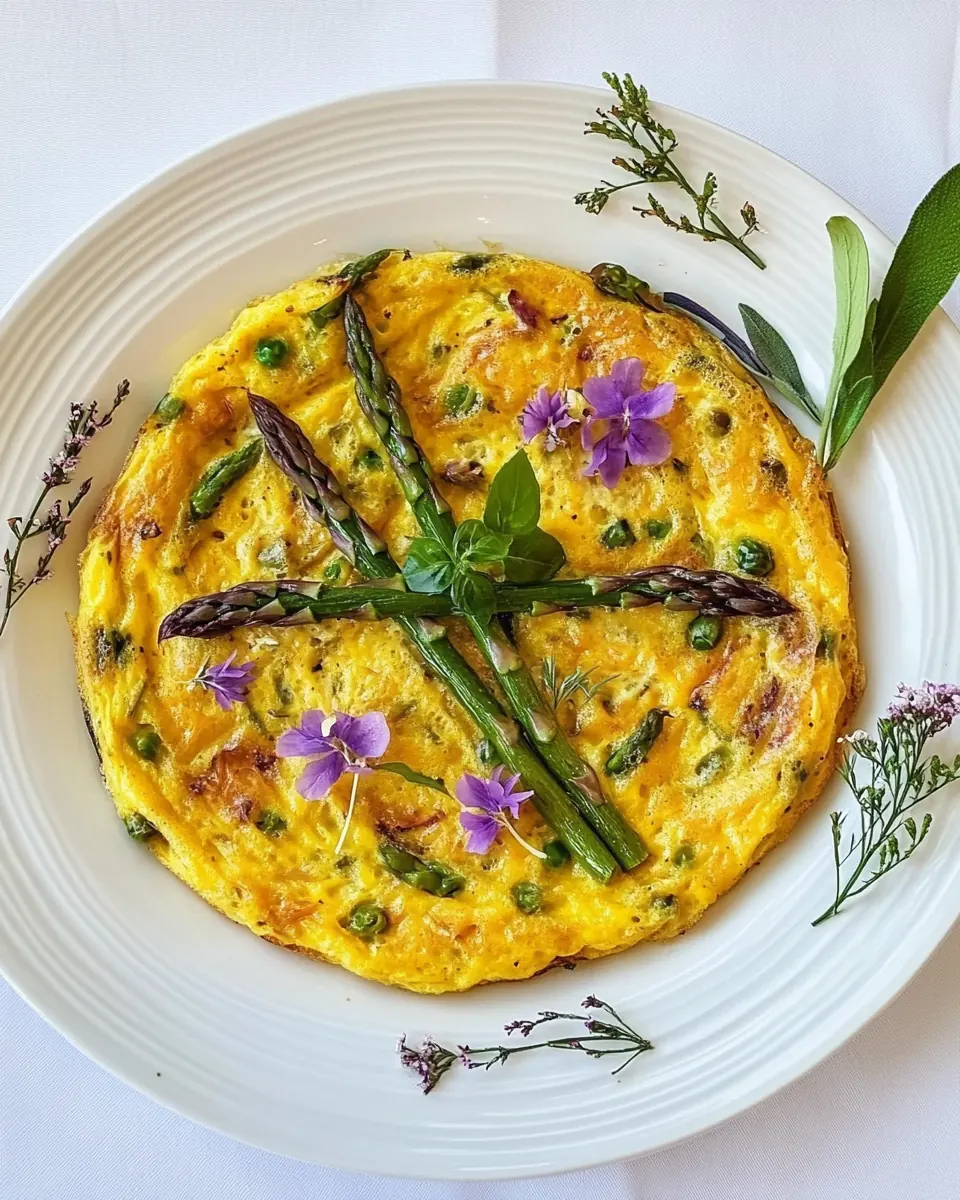
This frittata is a terrific canvas for small, seasonal swaps and simple additions. Below are ideas to help you personalize the recipe while keeping the spirit of the original.
- Spring vegetable mix Try folding in a few extra blanched green peas or thinly sliced scallions for additional texture and sweetness, keeping the blossom accents for aroma.
- Cheese swap Substitute the parmesan cheese with a milder hard cheese if you prefer a softer salty note, but be mindful of salt adjustments.
- Herb-forward Increase the quantity of chive blossoms and gently chop additional fresh herbs for a more floral, garden forward profile while balancing aromatic intensity.
- Pan size Use a slightly larger or smaller saucepan to change the frittata thickness, adjusting cooking time by small increments to maintain a tender center.
- Serving temperature Serve at room temperature for picnics or slightly warm for breakfasts, the texture holds well and the blossoms remain expressive.
What Complements This Asparagus Frittata with Herb Blossoms
This dish pairs beautifully with crisp, lightly dressed greens and simple carbohydrate sides that do not overpower the fragile herb notes. It is versatile across meals and occasions, and you can adapt pairings to suit a relaxed brunch or a light dinner. Below are serving ideas, storage notes, and seasonal pairings to make the most of this recipe.
- Light salad A bowl of mixed spring greens dressed with lemon and olive oil brightens the plate and echoes the fresh flavors of the asparagus and blossoms.
- Crusty bread Thin slices of warm crusty bread or a soft roll help soak up any residual custard and nourish the meal without competing with the floral notes.
- Occasions Perfect for weekend brunch, a casual lunch, or a light dinner. It also fits well into spring gatherings where seasonal produce is the focus.
- Storage Refrigerate in an airtight container for up to two days, reheat gently to preserve the texture, and avoid microwaving at high power which can dry the eggs.
- Seasonal pairing Spring herbs and a simple citrus vinaigrette complement the herb blossoms, while late spring fruits like strawberries provide a sweet counterpoint on the side.
- Presentation Garnish with reserved chive blossoms and a drizzle of good quality extra virgin olive oil just before serving to highlight aroma and shine.
FAQ
Conclusion
This Asparagus Frittata with Herb Blossoms stands out for its bright seasonal flavors and elegant simplicity. It combines tender asparagus, silky eggs, and delicate floral accents to create a dish that feels both homey and refined. Give it a try the next time you have fresh spring produce on hand, and enjoy how little effort yields a memorable result. Share it with friends or savor a quiet morning with a slice, and let the fresh flavors speak for themselves.
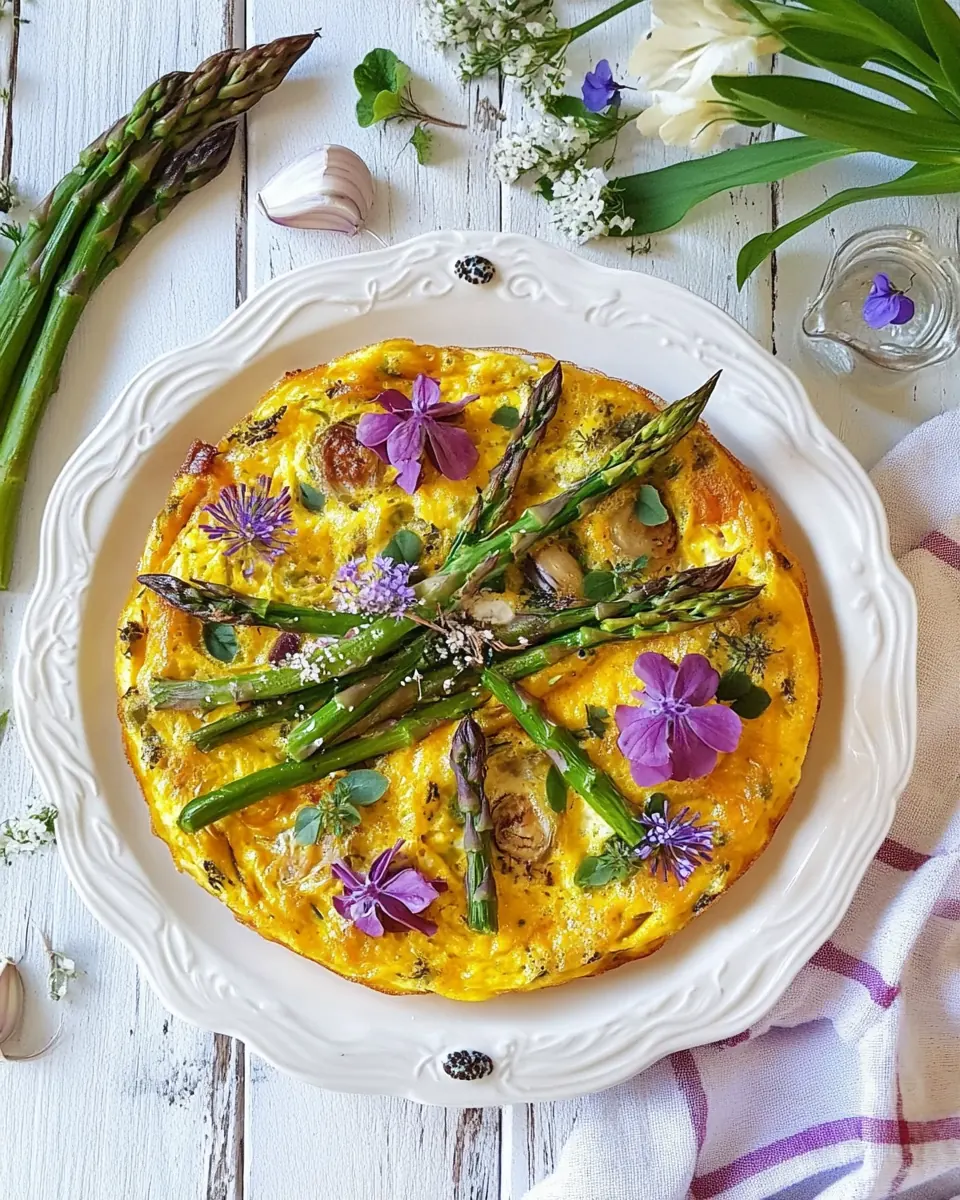
Asparagus Frittata with Herb Blossoms
Ingredients
Equipment
Method
- In a pot of boiling water, blanch the asparagus for 5 minutes. Immediately immerse them in a bowl of ice water then let them cool. Drain the water when the asparagus have reached room temperature. Chop then set aside.: Shortly after submerging the asparagus , you should hear a gentle hush as bubbles lap around them, and their color will intensify to a vivid green within minutes, signaling they are nearing the perfect tender crisp texture. Blanching softens the fibrous stalks, making them easy to bite while preserving structure. A common pitfall is overcooking, which turns them limp and dull, so set a timer and watch carefully.
- In a bowl, prepare the frittata by whisking the eggs with the Parmesan, salt, and pepper then set aside.: The shock of cold water will stop the cooking instantly and lock in that brilliant color, and you will feel the sudden chill transfer through the stalks when you lift them from the ice bath. Cooling also firms the texture so they slice cleanly. Forgetting this step can leave you with overdone asparagus that loses its bright flavor and pleasing snap.
- In a warm saucepan with the extra virgin olive oil, pour the frittata mixture.: As they drain, you can notice the surface beads of water diminish and the scent shift to a fresher, greener aroma, which means they are ready for chopping. Proper draining prevents watery pockets in the frittata that can make the custard weep. If you skip draining well enough, the extra moisture can make the eggs take longer to set.
- When the frittata is halfway cooked, distribute the asparagus and the herb blossoms.: Cutting the cooled asparagus into bite sized pieces reveals clean, fibrous interiors and a crisp texture that will distribute evenly through the frittata. Uniform pieces ensure consistent bites and balanced cooking. Chopping unevenly could leave some bits overcooked while others remain too firm.
- When the bottom part is cooked and the top part is already solid, turn the frittata by placing a plate on top of the saucepan (the plate should be bigger than the saucepan), reverse quickly and let the frittata fall on the plate.: As you whisk, the mixture should gain a slightly glossy sheen and a homogenous pale yellow color, with the grated parmesan cheese melting into small pearls of flavor. Proper whisking helps the custard set evenly and creates a smooth mouthfeel. Overbeating can introduce too much air, producing an overly puffy texture that collapses, so whisk just until combined.
- Put back the frittata on the saucepan carefully by sliding it inside. Cook for another minute.: When the extra virgin olive oil shimmers gently, but is not smoking, pour the custard in and tilt the pan to level the mixture, listening for a soft sizzle that signals the edges are beginning to set. That sound and the thin film forming around the perimeter are your cues to lower the heat for a gentle, even cook. If the pan is too hot you will get a dark crust and an undercooked center.
- Transfer the frittata to the serving plate and garnish. Serve while hot.: At the halfway mark you will notice the custard firming but still slightly wobbly in the center, which is the ideal time to tuck in the asparagus and scatter the chive blossoms and sage blossom . This timing preserves the blossoms delicate color and ensures the vegetables stay tender. Adding them too early will wilt the flowers and water down their aroma.
- When the bottom part is cooked and the top part is already solid, turn the frittata by placing a plate on top of the saucepan (the plate should be bigger than the saucepan), reverse quickly and let the frittata fall on the plate.: You will feel a satisfying release when the set underside releases from the pan, and the surface that was facing up should appear glossy but firm. Using a slightly larger plate allows a smooth flip; hesitating during the reversal can cause the frittata to fold or break. If it tears, don’t panic, you can nestle it back together and continue cooking gently.
- Put back the frittata on the saucepan carefully by sliding it inside. Cook for another minute.: As you slide the frittata back into the warm pan, listen for a soft reconnection hiss and watch the edges seal, which adds a little caramelized edge without overcooking the interior. That minute helps finish any residual uncooked custard and melds the flavors. Cooking much longer risks drying out the texture and losing the delicate floral notes.
- Transfer the frittata to the serving plate and garnish. Serve while hot.: The final plate transfer should feel celebratory, with the aroma of warm parmesan cheese and olives oil rising, and the blossoms bright against the golden custard. Serving warm ensures the texture is silky and the flavors are most expressive. Letting it sit too long will cool the fats and mute the aromatics, so aim to serve promptly.
Notes
- Spring vegetable mix Try folding in a few extra blanched green peas or thinly sliced scallions for additional texture and sweetness, keeping the blossom accents for aroma.
- Cheese swap Substitute the parmesan cheese with a milder hard cheese if you prefer a softer salty note, but be mindful of salt adjustments.
- Herb-forward Increase the quantity of chive blossoms and gently chop additional fresh herbs for a more floral, garden forward profile while balancing aromatic intensity.
- Pan size Use a slightly larger or smaller saucepan to change the frittata thickness, adjusting cooking time by small increments to maintain a tender center.
- Serving temperature Serve at room temperature for picnics or slightly warm for breakfasts, the texture holds well and the blossoms remain expressive.