Bright Vegetable Pasta
Bright Vegetable Pasta started as a weeknight lifesaver in my kitchen, a bowl I turned to when the fridge was full of little colorful odds and ends and I wanted something comforting but light. I remember coming home on a rainy spring evening with a craving for something warm and citrusy, and the combination of tender pasta, crisp green vegetables, and a bright squeeze of lemon felt like the perfect remedy. That night I tossed everything together, and the result felt both nostalgic and unexpectedly fresh, so I kept refining it until it became a staple.
Over time, Bright Vegetable Pasta became my go to for casual dinners and for feeding picky friends who secretly love vegetables when they are treated right. I learned which textures play off each other best, and which moments of finishing flourish make the dish hum. There is comfort in the soft pasta, a little crunch from the veggies, and a bright finish that keeps it lively. I enjoy how forgiving the recipe is, yet how satisfying the balance of flavors becomes when you pay attention to the small details.
Recipe Snapshot
20 mins
10 mins
10 mins
Easy
350 kcal
Italian
Gluten-Free, Vegan
Dinner
Large pot, Saute pan, Colander, Measuring spoons
Why We Love This Bright Vegetable Pasta
Quick and Reliable
I love how Bright Vegetable Pasta comes together fast, making it perfect for nights when time is short but you still want a real meal. The simplicity of cooking the pasta while sautéing the vegetables means you get a finished dish in under 30 minutes, and that efficiency keeps this recipe in heavy rotation.
Bright, Balanced Flavors
The interplay of savory parmesan cheese and tangy lemon juice lifts the earthy notes from the broccoli and peas. I find that a little acid wakes up the whole plate and keeps the vegetables tasting fresh rather than stewed, so every bite feels lively rather than heavy.
Flexible and Friendly
I often adapt the recipe to what I have on hand, and it rarely fails. The core idea is straightforward: tender pasta, crisp vegetables, bright citrus, and a finishing bind from reserved cooking liquid and parmesan cheese. This flexibility makes it a reliable weeknight hero and an easy dish to scale up for company.
Textural Harmony
There is a comforting contrast when the pasta is soft but the broccoli and carrots retain a little bite, while the spinach wilts into silk. That mix of textures is what makes the dish feel thoughtfully composed even though it is quick to prepare.
Approachable for Cooks of Any Level
I always tell friends that Bright Vegetable Pasta is forgiving. It teaches timing and balance without intimidating techniques. If you can boil pasta and sauté vegetables, you can make something that tastes like effort and care.
What Goes Into Bright Vegetable Pasta
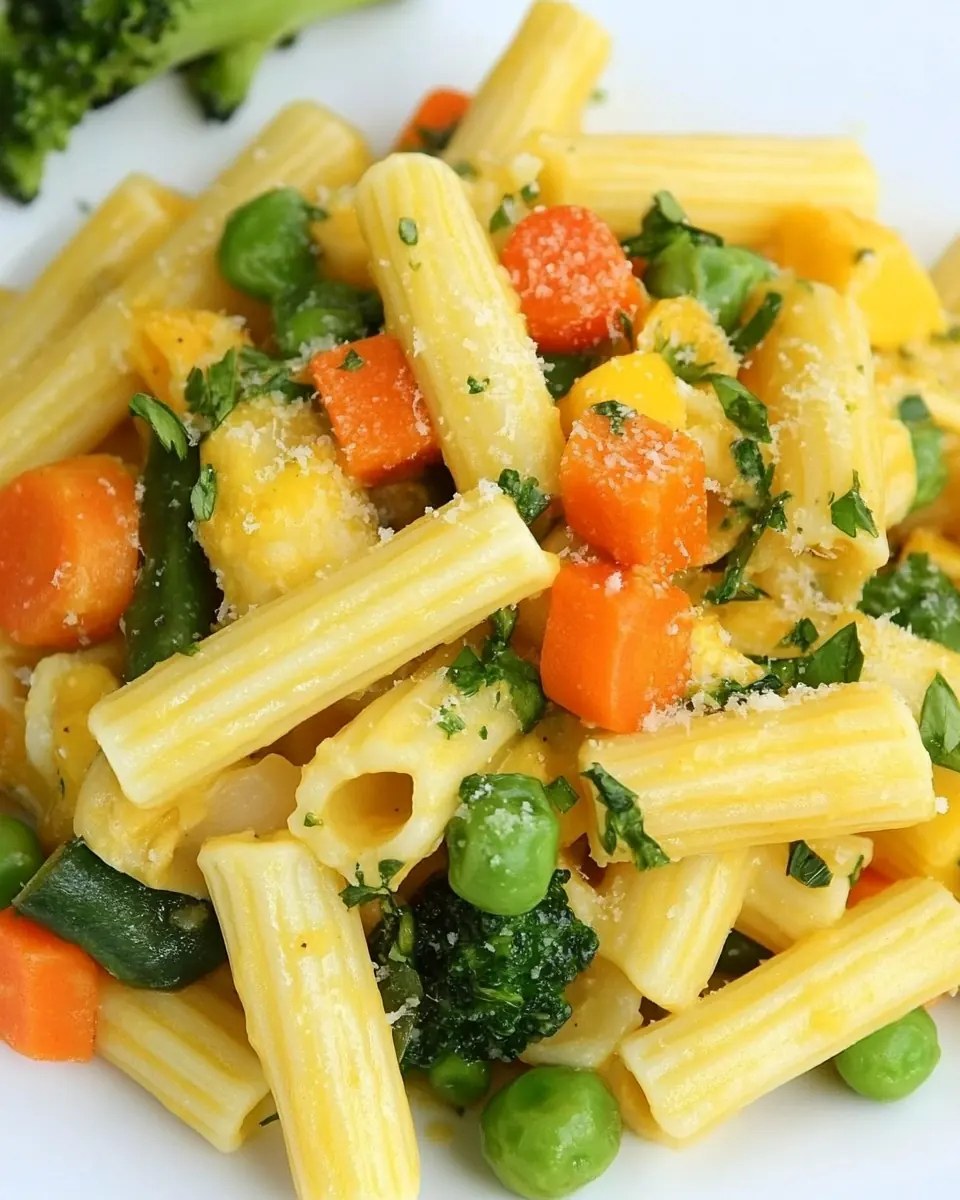
I think of the ingredients here as a small orchestra where each player has a clear role. The pasta provides the comfortable foundation, while the vegetables add color, texture, and freshness. The finishing duo of lemon and parmesan cheese ties everything together, brightening and binding the dish so it feels cohesive. These are humble ingredients that, when treated with basic attention to timing and seasoning, produce a lively, satisfying plate.
- 2 cups mini pasta (such as wheels, penne, bowties or spirals): Cook until al dente to provide the comforting base and texture for the dish; mini shapes hold sauce and vegetables well, creating a playful mouthfeel. Use pasta as the primary carby component that absorbs flavors while balancing the vegetables' brightness.
- 1 tablespoon vegetable or canola oil: Heat briefly to sauté aromatics and prevent sticking while adding a neutral backdrop for flavor development; choose a high-heat neutral oil like vegetable or canola. Use oil to carry flavors and help soften vegetables without overwhelming the delicate lemon and parmesan notes.
- 2 garlic cloves, minced: Mince finely to release pungent, savory aroma and infuse the oil with flavor; garlic adds depth and umami when gently cooked. Use garlic early in the cooking process to layer complexity and complement both the onions and the cheese.
- 1 small onion, chopped: Chop small to provide a mild sweet-savory foundation that softens and caramelizes slightly when cooked; onion contributes body and complexity. Use onion to build flavor, adding subtle sweetness that balances the carrots and lemon.
- 1/2 cup grated carrots: Grate finely to disperse sweet, earthy notes throughout the pasta and ensure quick, even cooking; carrots contribute color and a gentle natural sweetness. Use grated carrots to add texture and bright orange contrast without large crunchy pieces.
- 1/2 cup finely chopped broccoli: Chop finely to add tender green bites and a mild, slightly bitter contrast that pairs well with cheese; broccoli florets offer nutrition and visual interest. Use chopped broccoli to introduce a firmer vegetable element that still cooks quickly in the pan.
- 1/2 cup frozen peas: Add frozen to introduce a pop of sweetness, color, and tender texture with minimal prep; peas thaw and heat quickly, preserving their bright flavor. Use peas for convenience and to contribute small bursts of natural sweetness and visual contrast.
- 1/2 cup packed fresh baby spinach: Pack gently to wilt quickly and contribute vibrant color and mild leafy flavor; baby spinach adds nutrients and a tender texture that melds into the pasta. Use spinach at the end of cooking so it brightens the dish without becoming mushy.
- 2 –3 tablespoons lemon juice (about 1 small lemon): Squeeze freshly to brighten the entire dish with acidity and lift heavier flavors; lemon juice balances richness and enhances freshness. Use 2–3 tablespoons according to taste to achieve the ideal tang that complements parmesan and vegetables.
- 1/4 cup grated parmesan cheese: Grate finely to provide savory, salty, and nutty umami notes that finish the pasta with creaminess and depth; parmesan binds flavors and adds a luxurious touch. Use parmesan sparingly to enhance overall savoriness while letting the vegetables remain protagonistic.
How to Make Bright Vegetable Pasta
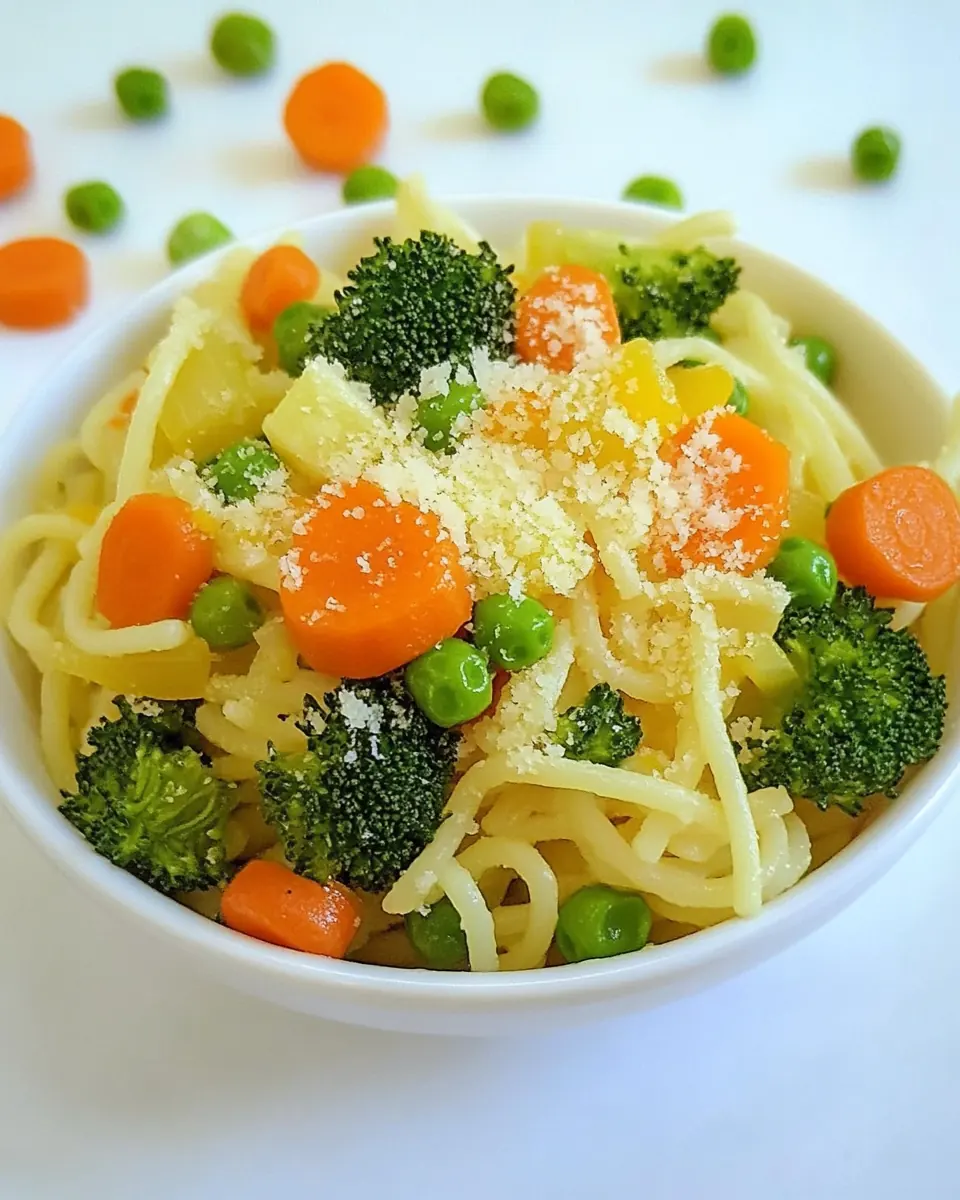
I like to approach this recipe as a choreography of simple actions, timing the pasta and the vegetables so they finish together. The goal is soft, tender pasta and vibrant vegetables that still have bite. Read through the steps so you can coordinate the pan and the pot smoothly, and keep a cup of the starchy cooking liquid for a glossy finish.
- Cook the pasta according to package directions. Reserve 1 cup of the cooking liquid before draining.: The scent of boiling water and warm starch signals the foundation of the dish. As you stir the pasta , you'll hear a soft rolling sound as the shapes tumble, and the water will take on a slightly cloudy look from released starch. Reserving a cup of that liquid is crucial because it acts as a binder later, helping parmesan cheese and lemon cling to the noodles. If you skip saving this liquid, the final sauce can feel dry or grainy. A common mistake is draining and rinsing the pasta ; that washes away starch and prevents the sauce from emulsifying, so avoid rinsing unless you plan a cold salad.
- While the pasta is cooking, heat the oil in a saute pan over medium heat. Add the onions and saute until soft, about 3 minutes. Add the garlic, carrots, broccoli, and peas and saute another 3-5 minutes. Add the spinach and cook for 1 minute more.: You'll notice aroma building as the onion hits the warm oil, releasing sweet, savory notes that create the dish's base. The sound is a gentle sizzle and the visual cue is translucence and soft edges. Softening rather than browning keeps the flavor mild and allows the other vegetables to shine; if the onion begins to brown too quickly, lower the heat to prevent bitterness. Many cooks make the mistake of rushing the heat, which leads to uneven texture, so watch for gentle softening rather than aggressive caramelization.
- Add the vegetables to the cooked pasta, toss with the lemon juice, parmesan cheese and reserved pasta water to combine thoroughly.: As the garlic joins the pan, its fragrance becomes immediate and warm; keep it moving so it does not burn and turn bitter. The grated carrots will start to soften and sweeten, while the finely chopped broccoli will take on a bright green hue and tenderize. Frozen peas will release a burst of sweet perfume as they heat. Listen for a steady gentle sizzle and watch for vegetables becoming tender yet still vibrant. Overcooking here will lead to mushy texture, so aim for a tender but slightly firm bite to preserve textural contrast in the final plate.
- Add the spinach and cook for 1 minute more.: When the spinach hits the pan it will immediately shrink and release a fresh green aroma, turning silkier as it wilts. This quick finish preserves its color and delicate texture, melding into the vegetables without dominating. If you leave it in too long, it can become limp and lose its bright presence, so one minute is usually enough. A frequent oversight is adding spinach too early, resulting in overwilted greens that fail to contribute freshness.
- Add the vegetables to the cooked pasta, toss with the lemon juice, parmesan cheese and reserved pasta water to combine thoroughly.: At this point you will have a chorus of steam and lifted lemon fragrance as the warm pasta meets the skillet vegetables. Use the reserved starchy cooking liquid to coax the parmesan cheese into a smooth coating, stirring so the sauce glosses the noodles and clings to the vegetables. The lemon brightens and balances the salty richness of the parmesan cheese . If the mixture seems dry, add a splash more pasta water; if it becomes too loose, a touch more parmesan cheese will thicken and bind it. A common pitfall is adding too much water at once, which dilutes flavor, so add incrementally while observing the glossy sheen forming on the noodles.
Ways to Customize
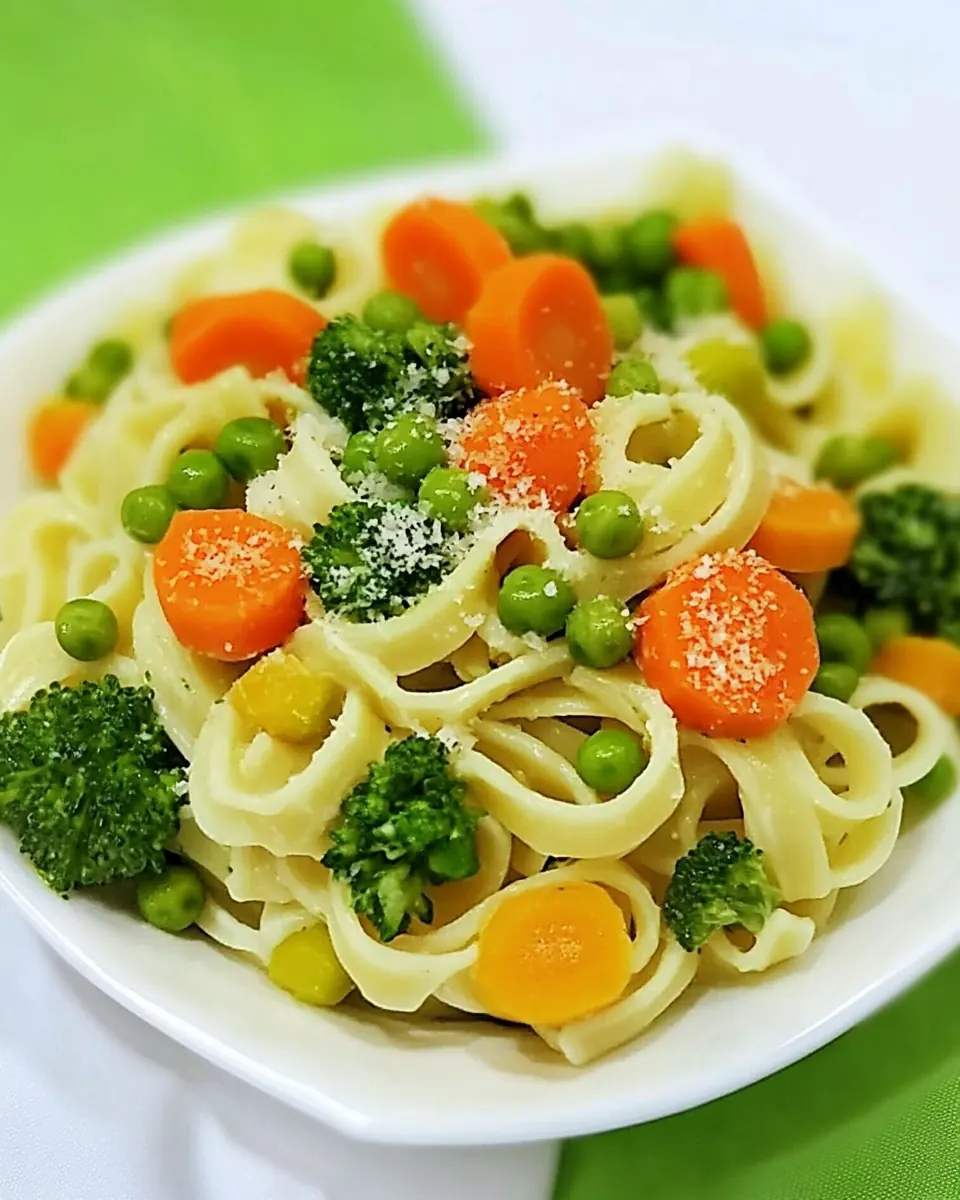
I like to think of customizations as gentle nudges rather than wholesale changes. They let you tune the dish to the mood of the night, the produce in your fridge, or the preferences of your guests. Here are practical ideas to personalize Bright Vegetable Pasta.
- Switch the pasta shape: Choosing a different small shaped pasta changes the bite and how the sauce clings, try wheels for more sauce pockets or spirals for twisting coatings.
- Boost the cheese: Increase parmesan cheese slightly for a richer, creamier finish, which helps if you prefer a more indulgent texture.
- Lemon intensity: Use 2 tablespoons for a subtle lift or 3 tablespoons for a pronounced bright note, adjusting to your personal palate.
- Vegetable texture: Chop the broccoli finer for even cooking or leave slightly larger for more chew and visual contrast.
- Pea timing: Add frozen peas earlier for a softer result or right at the end for a firmer pop, depending on your texture preference.
What Complements This Bright Vegetable Pasta
This dish pairs well with simple sides and occasions where light, colorful food is welcome. It works for a casual weeknight meal, a spring lunch, or as part of a larger spread at a relaxed gathering. Below I outline serving ideas and storage guidance to help you make the most of the recipe.
- Simple green salad: A crisp mixed leaf salad adds refreshing texture contrast and keeps the meal balanced for lunch or dinner.
- Crusty bread: Serve with warm bread to mop up any glossy sauce, especially helpful if you love finishing the plate with a little extra parmesan cheese.
- Occasions: Ideal for spring lunches, light family dinners, or a simple Ramadan iftar meal where fresh flavors are appreciated.
- Storage: Store leftovers in an airtight container in the refrigerator for up to 3 days. Reheat gently with a splash of water to rehydrate the noodles and help the parmesan cheese loosen into a creamy coating again.
- Seasonal pairing: This recipe shines in spring when baby greens and tender vegetables are abundant, but it can be adapted year round with frozen peas and stored vegetables.
FAQ
Conclusion
Bright Vegetable Pasta stands out for its quick assembly, vibrant flavor balance, and textural harmony. It manages to feel both comforting and light, combining tender mini pasta with crisp vegetables, a bright squeeze of lemon, and a savory finish from parmesan cheese. Give it a try on a busy weeknight or when you want a simple, colorful meal that comes together fast; I promise it will become one of your reliable go to dishes. Enjoy the easy coordination of pot and pan, and tweak the brightness to your taste as you make it your own.
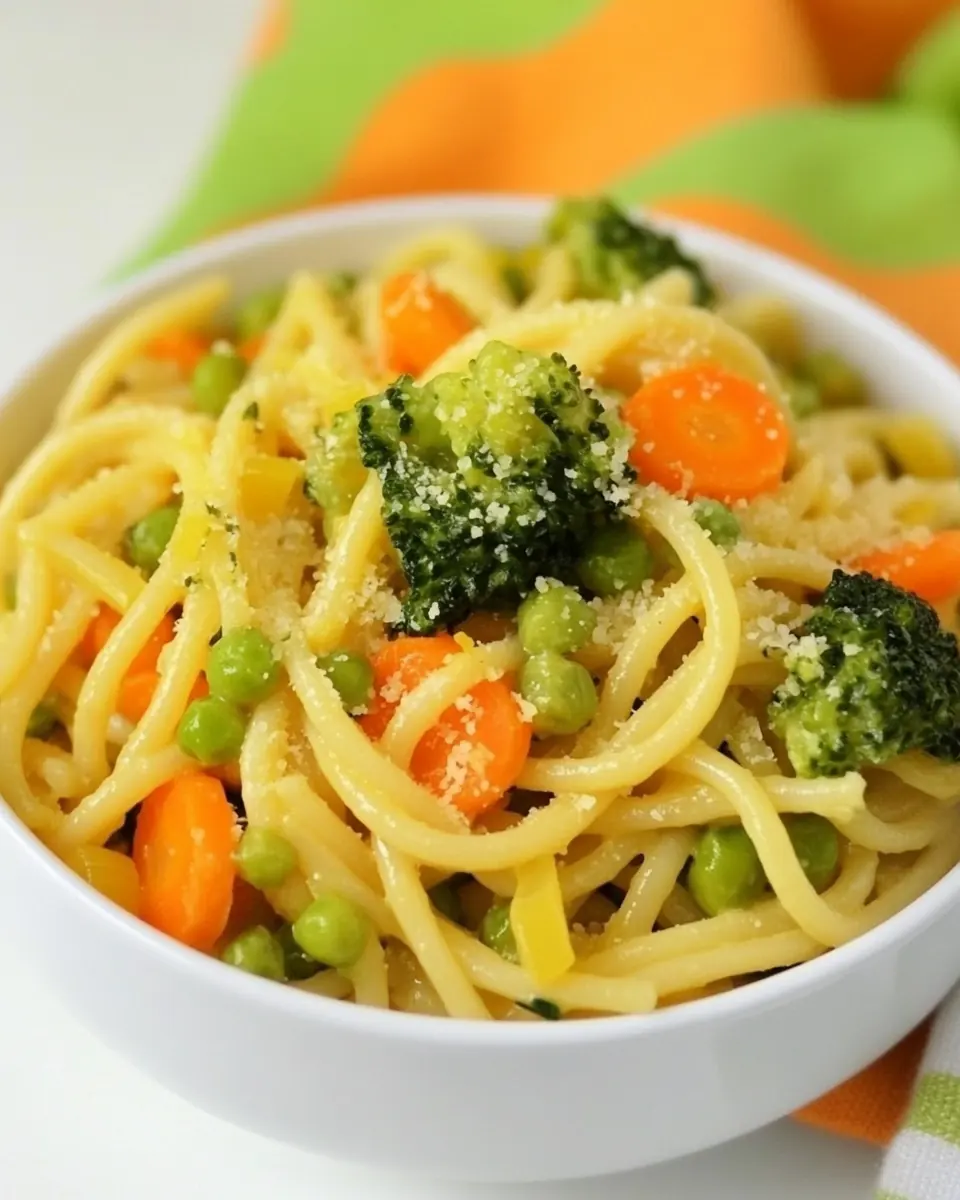
Bright Vegetable Pasta
Ingredients
Equipment
Method
- Cook the pasta according to package directions. Reserve 1 cup of the cooking liquid before draining.: The scent of boiling water and warm starch signals the foundation of the dish. As you stir the pasta , you'll hear a soft rolling sound as the shapes tumble, and the water will take on a slightly cloudy look from released starch. Reserving a cup of that liquid is crucial because it acts as a binder later, helping parmesan cheese and lemon cling to the noodles. If you skip saving this liquid, the final sauce can feel dry or grainy. A common mistake is draining and rinsing the pasta ; that washes away starch and prevents the sauce from emulsifying, so avoid rinsing unless you plan a cold salad.
- While the pasta is cooking, heat the oil in a saute pan over medium heat. Add the onions and saute until soft, about 3 minutes. Add the garlic, carrots, broccoli, and peas and saute another 3-5 minutes. Add the spinach and cook for 1 minute more.: You'll notice aroma building as the onion hits the warm oil, releasing sweet, savory notes that create the dish's base. The sound is a gentle sizzle and the visual cue is translucence and soft edges. Softening rather than browning keeps the flavor mild and allows the other vegetables to shine; if the onion begins to brown too quickly, lower the heat to prevent bitterness. Many cooks make the mistake of rushing the heat, which leads to uneven texture, so watch for gentle softening rather than aggressive caramelization.
- Add the vegetables to the cooked pasta, toss with the lemon juice, parmesan cheese and reserved pasta water to combine thoroughly.: As the garlic joins the pan, its fragrance becomes immediate and warm; keep it moving so it does not burn and turn bitter. The grated carrots will start to soften and sweeten, while the finely chopped broccoli will take on a bright green hue and tenderize. Frozen peas will release a burst of sweet perfume as they heat. Listen for a steady gentle sizzle and watch for vegetables becoming tender yet still vibrant. Overcooking here will lead to mushy texture, so aim for a tender but slightly firm bite to preserve textural contrast in the final plate.
- Add the spinach and cook for 1 minute more.: When the spinach hits the pan it will immediately shrink and release a fresh green aroma, turning silkier as it wilts. This quick finish preserves its color and delicate texture, melding into the vegetables without dominating. If you leave it in too long, it can become limp and lose its bright presence, so one minute is usually enough. A frequent oversight is adding spinach too early, resulting in overwilted greens that fail to contribute freshness.
- Add the vegetables to the cooked pasta, toss with the lemon juice, parmesan cheese and reserved pasta water to combine thoroughly.: At this point you will have a chorus of steam and lifted lemon fragrance as the warm pasta meets the skillet vegetables. Use the reserved starchy cooking liquid to coax the parmesan cheese into a smooth coating, stirring so the sauce glosses the noodles and clings to the vegetables. The lemon brightens and balances the salty richness of the parmesan cheese . If the mixture seems dry, add a splash more pasta water; if it becomes too loose, a touch more parmesan cheese will thicken and bind it. A common pitfall is adding too much water at once, which dilutes flavor, so add incrementally while observing the glossy sheen forming on the noodles.
Notes
- Switch the pasta shape: Choosing a different small shaped pasta changes the bite and how the sauce clings, try wheels for more sauce pockets or spirals for twisting coatings.
- Boost the cheese: Increase parmesan cheese slightly for a richer, creamier finish, which helps if you prefer a more indulgent texture.
- Lemon intensity: Use 2 tablespoons for a subtle lift or 3 tablespoons for a pronounced bright note, adjusting to your personal palate.
- Vegetable texture: Chop the broccoli finer for even cooking or leave slightly larger for more chew and visual contrast.
- Pea timing: Add frozen peas earlier for a softer result or right at the end for a firmer pop, depending on your texture preference.