Mississippi Pot Roast
Mississippi Pot Roast is one of those comforting recipes that felt like a secret handshake in my kitchen the first time I made it. I remember pulling a well marbled chuck roast from the butcher, the kind that promises cozy Sundays, and thinking I had nothing more than a humble roast and pantry packets. As the slow cooker warmed, the scent of savory seasonings and butter filled the room, and I kept wandering back to the counter, drawn by the gentle, reassuring steam.
Over the years I have leaned on this dish whenever I needed something forgiving and generous, the kind of meal that forgives a busy week and rewards you with shredded, melt in your mouth meat. Friends who were skeptical about boxed mixes have returned as believers after one bite, and I love that it asks for so little fuss while giving so much comfort. I also enjoy swapping where I serve it, from a cozy plate with mashed potatoes to a heaped sandwich for a casual night with guests.
Recipe Snapshot
8 hr 10 mins
10 mins
480 mins
Hard
350 kcal
American
Keto, Gluten-Free
Dinner
Slow Cooker, Meat Thermometer, Two Forks
What We Adore About This Mississippi Pot Roast
Comfort and consistency
I adore how reliably tender this roast turns out when cooked low and slow. I have learned to trust the long, gentle simmer, because the connective tissue in a chuck beef roast breaks down into silky goodness. Every time I lift the lid and breathe in the aroma, I know dinner will be worth the wait.
Minimal prep, maximum payoff
One of the best reasons I keep this recipe in heavy rotation is how little hands on time it needs. Sprinkle, layer, and go. For busy weeknights or when I need to entertain without hovering by the stove, the recipe frees me to focus on side dishes or conversation instead of fussing over a sauce.
Flavor chemistry
The simple trio of ranch seasoning, brown gravy mix, and butter creates a glossy, savory sauce that clings to the shredded meat. I love how the pepperoncini peppers add both acidity and a faint chile tang, cutting through the rich mouthfeel. It feels like a little magic trick where humble components combine to taste far more complex than they seem.
Very flexible serving styles
I often serve this over mashed potatoes or on a soft roll for sandwiches, and sometimes I spoon it over noodles when I want something homey and saucy. It’s a forgiving recipe that looks and tastes great no matter the plate, which makes it perfect for potlucks, family dinners, or a relaxed Sunday supper.
Great for leftovers and make ahead
I appreciate recipes that improve after a night in the fridge, and this roast often tastes even better the next day once the flavors marry. I’ll make a big batch and portion it out for quick lunches or reheat gently for an easy weeknight dinner. That convenience keeps me coming back to this recipe season after season.
Ingredients for Mississippi Pot Roast
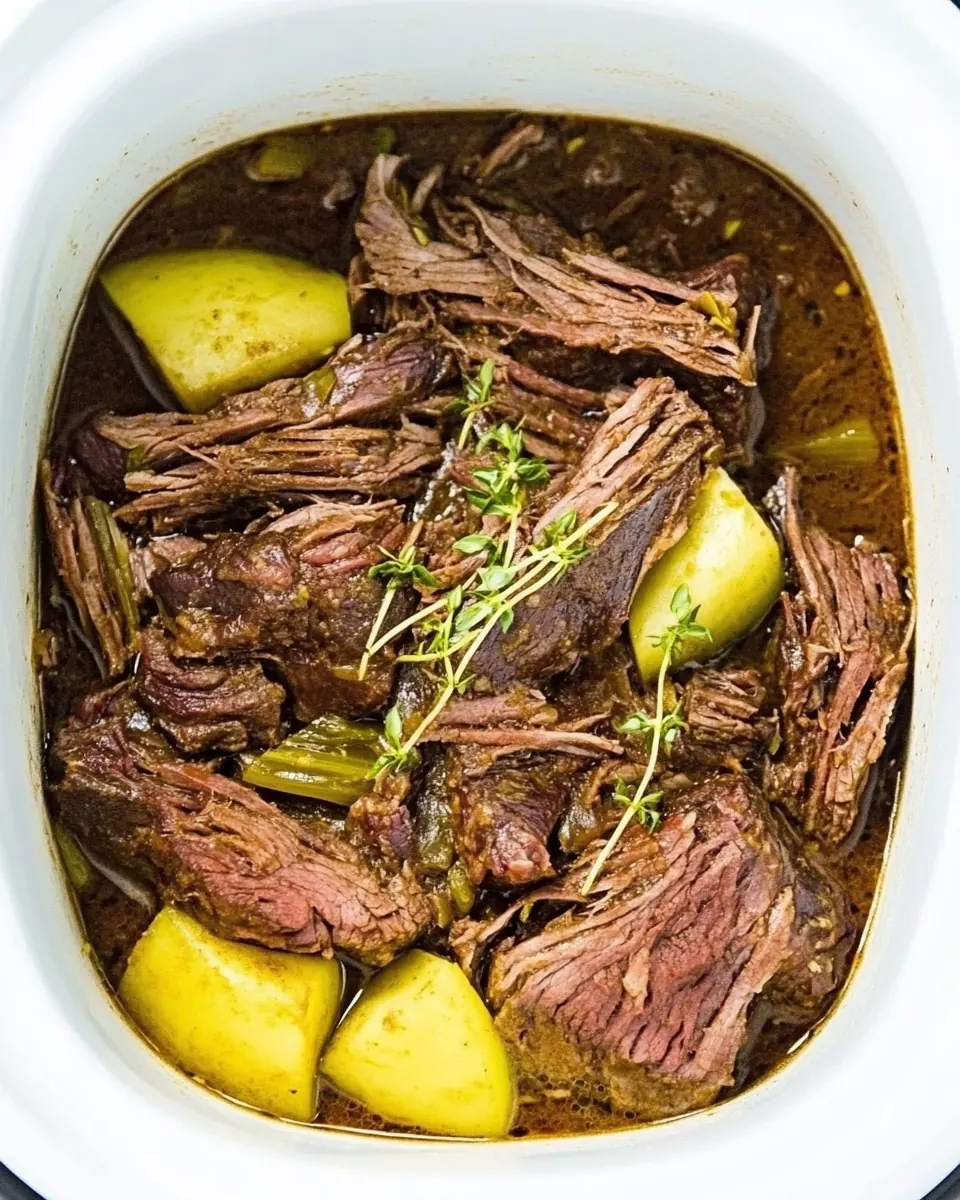
These ingredients are intentionally simple, each playing a clear role in creating the final dish. The chuck beef roast brings rich, beefy structure and connective tissue that melts into tenderness. The seasoning packets supply instant layered flavor without long prep. Butter adds silkiness to the sauce, while pepperoncini peppers and a splash of beef broth and water provide the tang and moisture that keep the meat succulent while it slow cooks.
- 3 pounds chuck beef roast you can use 2.5-3.5 pounds, see notes: Provide rich, tender flavor and connective-tissue collagen that breaks down during long, slow cooking to create a succulent, shreddable roast; choose a 2.5–3.5 pound chuck for even cooking and optimal marbling, trimming excess fat as desired.
- 2 tablespoons ranch seasoning: Add concentrated savory and herby seasoning with a creamy, tangy profile that helps build the classic Mississippi pot roast flavor; sprinkle evenly to coat the meat so the seasoning infuses during braising.
- 2 tablespoons brown gravy dry seasoning mix can also use au jus gravy mix, these are usually found in 1 ounce packets which equals 2 tablespoons: Contribute savory depth and a touch of umami with a brown gravy or au jus dry mix that thickens pan juices and enhances gravy flavor; dissolve into cooking liquid to meld with other seasonings.
- 1/2 cup butter sliced: Provide rich fat for basting and melting into the braising liquid to create a silky mouthfeel and help carry flavors through the roast; slice so it melts evenly over the meat.
- 6 pieces pepperoncini peppers plus more for serving: Deliver bright, tangy acidity and mild heat that balances the richness of the beef and butter while infusing the braising liquid with peppery, slightly vinegary notes; add extra when serving for more zip.
- 3/4 cup beef broth: Supply a concentrated, beefy cooking liquid base that maintains moisture and helps extract savory flavors and gelatin from the roast; use to adjust braising level for a well-rounded sauce.
- 1/4 cup water: Adjust braising volume and concentrate flavors without diluting the sauce; add sparingly to reach the desired liquid level and control sauce intensity and consistency.
Step by Step Instructions for Mississippi Pot Roast
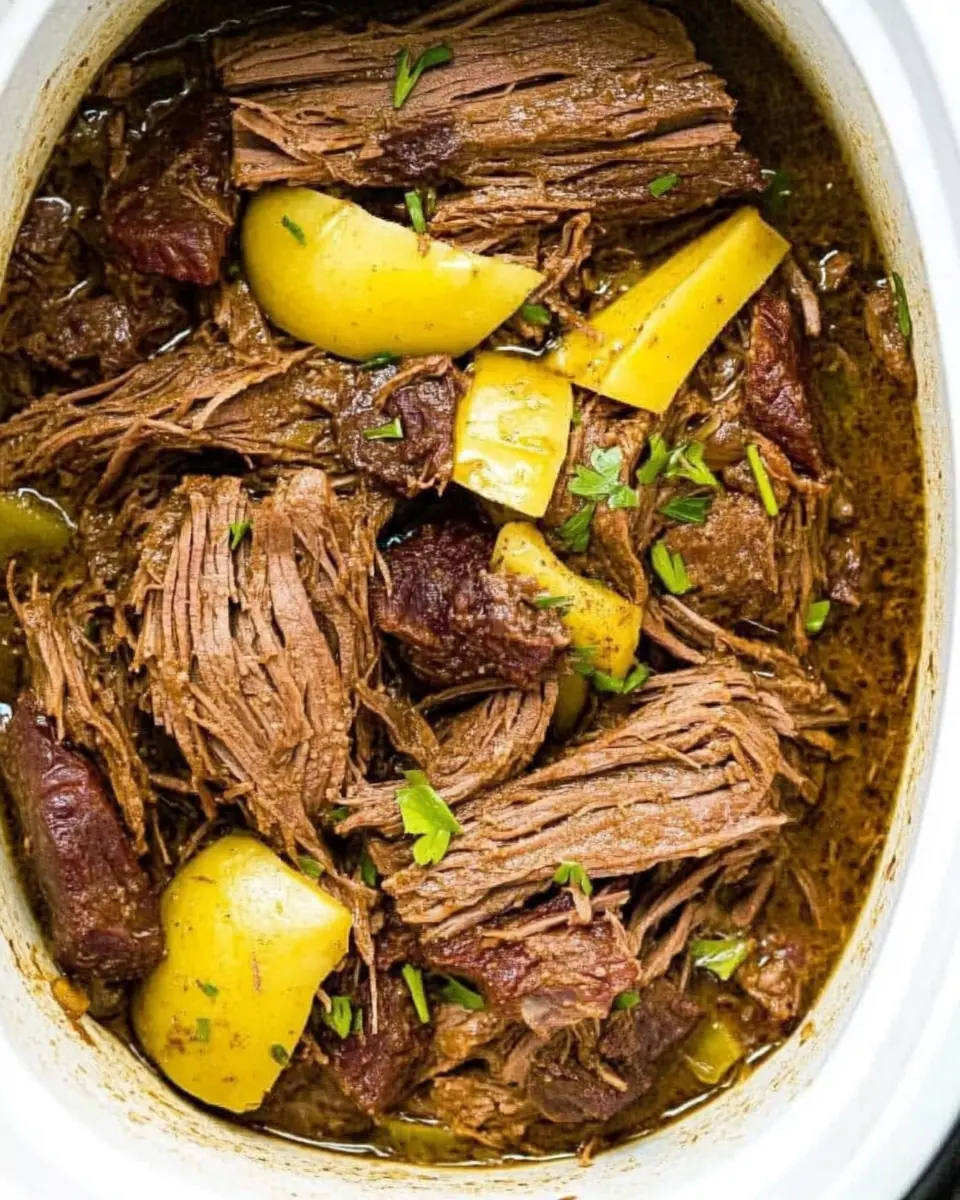
I like to think of the directions as a gentle guided process rather than a rigid checklist. The slow cooker does most of the heavy lifting, but attention to small details during assembly makes a big difference. Below I expand each instruction with sensory cues, the reasoning behind techniques, and troubleshooting notes so you can feel confident at every stage.
- Spray a 6 quart or 8 quart slow cooker with spray cooking oil. Place the chuck roast into the slow cooker.: The air carries a faint scent of oil and raw beef at this point, and you should hear a small hiss if the cooker is warm, which tells you it will create a nonstick base for the roast. The reason for using a 6 quart or 8 quart cooker is to allow enough room for the roast to sit without crowding, so the juices can circulate around it. When you nestle the chuck beef roast into the cooker, you may notice a cold, dense weight, and that contrast helps you appreciate how the heat will slowly transform it. One common mistake is using a too small cooker, which can cause uneven cooking or prevent the roast from being adequately surrounded by liquid. If your roast has a thick fat cap, place it fat side up so the fats render down and baste the meat during cooking, enhancing flavor and mouthfeel.
- Sprinkle the ranch and brown gravy seasoning over the top of the roast. Slice the butter into pieces. Place the butter pieces on top of the roast. Add the pepperoncini peppers around the roast. Pour the beef broth and the water around the edges of the roast.: At this step the aroma of dried herbs begins to surface, and the butter, once sliced and placed on top, glistens like tiny golden coins that will slowly melt. Layering the seasonings and butter on top encourages gradual flavor infusion, as the melting butter carries the seasoning down into the meat. The pepperoncini peppers contribute a bright, vinegary note that will seep into the cooking liquid, cutting through richness. Pouring the beef broth and water around the edges, rather than over the top, keeps the seasoning in place so it does not wash away, while still supplying moisture to produce a gentle steam. A typical error is stirring everything together immediately, which can cause clumping of the dry mixes; leave them layered so they dissolve slowly and evenly.
- Cover the slow cooker and cook on low for 8-10 hours, or until the roast shreds easily. The roast needs to be at least 145 degrees to be safe to eat, but will taste most tender when registering over 190 degrees on a meat thermometer. See notes.: Once the lid is down, you will hear a barely audible simmer and notice a warm, enveloping steam scent as hours pass. This long, low heat is what converts the connective tissue into tender gelatin, producing the silky texture when shredded. I check for doneness by seeing how easily a fork separates the fibers, and by probing with a thermometer aimed for 190 to 195 degrees for a truly tender result. Avoid lifting the lid repeatedly, as that releases heat and stretches the cooking time. Another common pitfall is stopping early when the roast is only partially tender; patience at this stage yields the most rewarding texture.
- Shred the meat with two forks turned backward in the crock pot, allowing the meat to soak up the juices. Remove any large pieces of fat or chewy connective pieces as you shred.: As you shred, the wet, glossy strands will glisten and steam, releasing a savory perfume of rendered fat and seasoning. Shredding right in the crock pot lets the meat immediately absorb the sauce, making each strand flavorful and moist. Use two forks turned backward to create opposing tines that pull the meat apart gently, creating irregular, bite sized pieces which hold sauce better. While shredding, look for and discard any tough connective bits or very large chunks of fat that did not render, as they can distract from the tenderness. A mistake to avoid is over shredding into mush; aim for distinct strands so the texture remains pleasant.
- Serve warm over your favorite mashed potatoes, over egg noodles or on a bun. Top with extra pepperoncini peppers if desired, then enjoy!: The final sensory reward is the steam and the interplay of soft starch with savory, saucy meat, where the glossy juices pool and mingle with the mashed potatoes or noodles. Each bite should deliver a contrast between the creamy base and the richly seasoned, tender shredded chuck beef roast , with the pepperoncini adding pops of bright acidity. If serving on a bun, lightly toast it so it holds up to the juices without becoming soggy. A common error is serving it too cold; always reheat gently until steaming so the sauce becomes syrupy again and coats the meat beautifully.
Tips and Variations
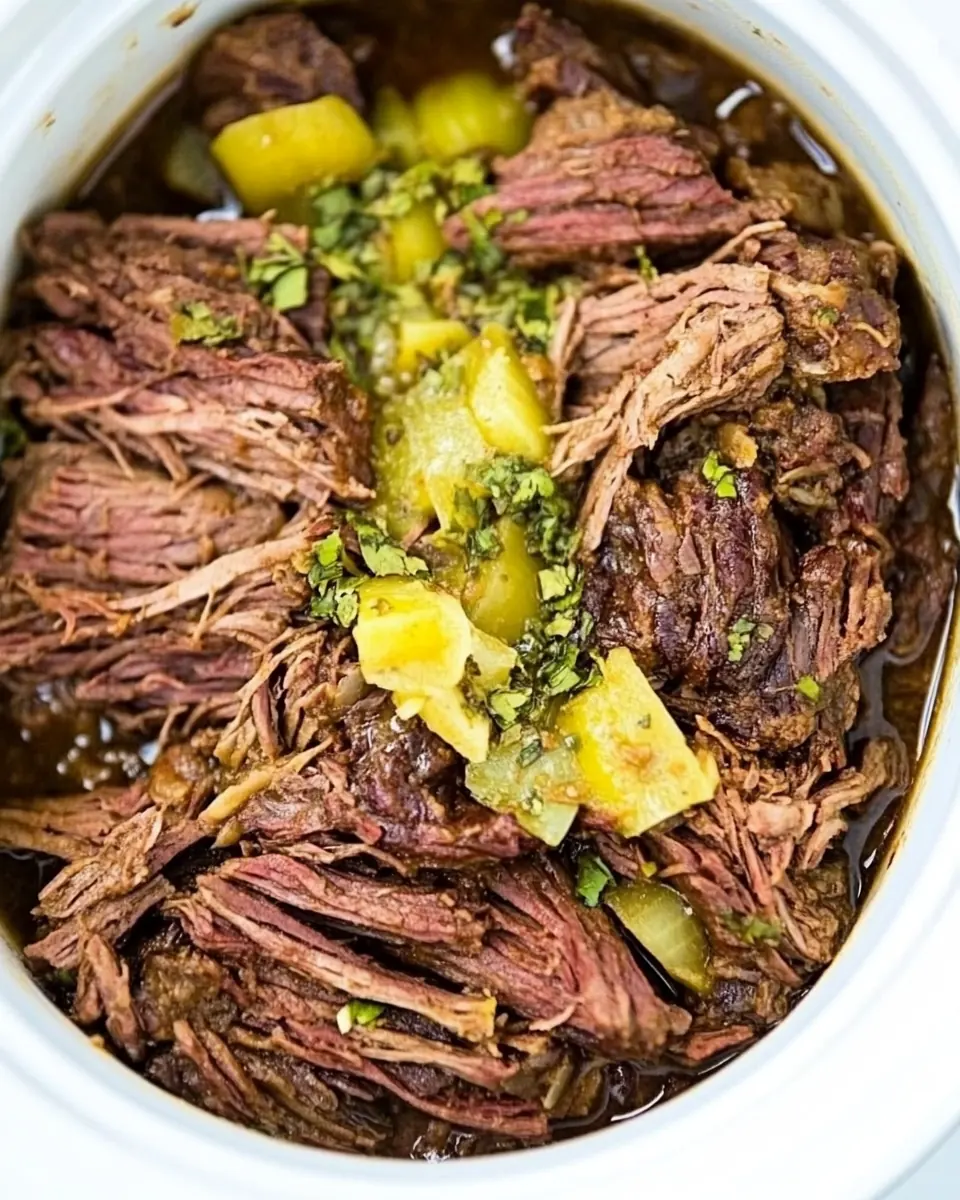
I like to offer practical adjustments and creative serving ideas that keep the recipe approachable. Below are focused tips and variations that I use regularly to tailor the roast to the meal and occasion.
- Choose the right cut: Pick a well marbled chuck beef roast for the best balance of flavor and connective tissue that will render down into gelatin during the long cook.
- Distribute seasonings evenly: Sprinkle the ranch seasoning and brown gravy mix across the surface rather than dumping them in one place to avoid concentrated salty spots.
- Butter placement matters: Slice the butter and place it on top so it melts slowly, basting the roast as it renders and enriching the cooking liquid.
- Pepperoncini timing: Tuck the pepperoncini peppers around the roast early so their briny tang infuses the liquid, balancing the richness of the meat and butter.
- Low and slow is ideal: Cook on low for 8 to 10 hours whenever possible for the most tender, shreddable texture; high heat can work in a pinch but may yield a firmer bite.
- Serving flexibility: This roast pairs well with mashed potatoes, egg noodles, or on sandwiches, making it a versatile main for casual dinners or larger gatherings.
Serving Options for Mississippi Pot Roast
This roast is incredibly versatile, so I like to offer a range of serving ideas to match different occasions and tastes. Below I explain pairings, storage guidance, and seasonal suggestions so you can present it beautifully no matter the event.
- Classic plated dinner: Spoon warm shredded roast over creamy mashed potatoes for a comforting, family style meal perfect for winter evenings.
- Hearty sandwich: Pile the shredded meat on a soft roll or bun, add extra pepperoncini for brightness, and serve with pickles and a crisp side salad for a satisfying casual lunch.
- Over noodles: Toss the shredded meat with egg noodles to soak up the glossy sauce, creating a cozy, stick to the ribs dinner great for slow Sunday meals.
- Potluck friendly: Keep the roast warm in the slow cooker on low at gatherings, provide buns and sides of mashed potatoes so guests can serve themselves, making it ideal for family events or community meals.
- Storage and reheating: Refrigerate leftovers in an airtight container for up to three days, and reheat gently on low in a covered skillet or in the slow cooker to keep the meat moist; avoid high heat which can dry the meat.
- Freezing: Portion the shredded roast into freezer safe containers with some of the cooking liquid, freeze up to three months, and thaw overnight in the refrigerator before reheating to maintain texture.
- Seasonal pairing: This roast is especially welcome in winter months when hearty, warming dishes are preferred, but it also makes a delightful sandwich for spring gatherings when paired with fresh pickles or crisp slaw.
FAQ
Conclusion
What makes this recipe special is how humble ingredients combine to deliver reliably tender, deeply flavored meat with minimal fuss. The simple pairing of ranch and gravy mixes with butter and pepperoncini transforms a chuck beef roast into a dish that feels luxurious and familiar at the same time. Give it a try the next time you need a hands off meal that feeds a crowd or yields satisfying leftovers, you might find it becomes a go to in your rotation.
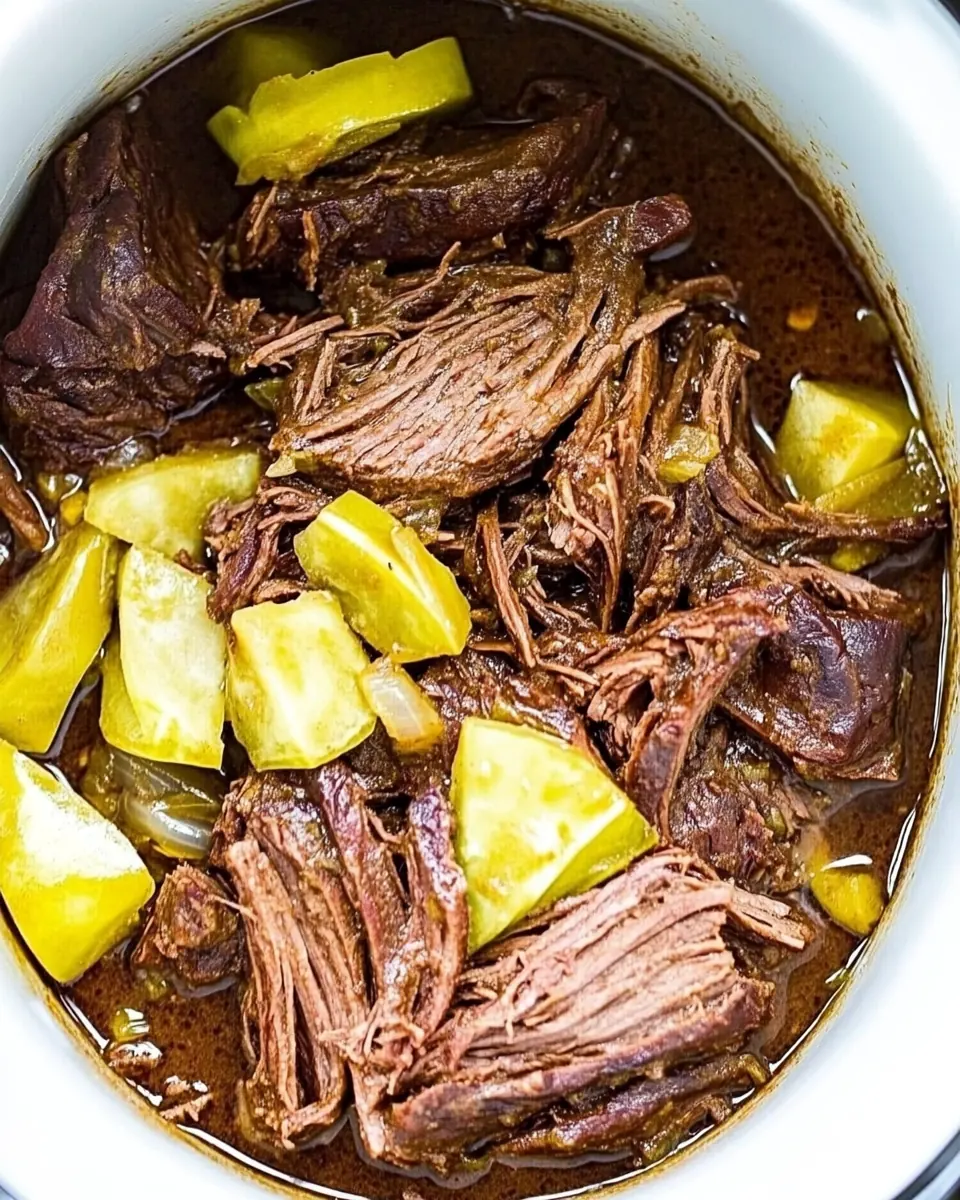
Mississippi Pot Roast
Ingredients
Equipment
Method
- Spray a 6 quart or 8 quart slow cooker with spray cooking oil. Place the chuck roast into the slow cooker.: The air carries a faint scent of oil and raw beef at this point, and you should hear a small hiss if the cooker is warm, which tells you it will create a nonstick base for the roast. The reason for using a 6 quart or 8 quart cooker is to allow enough room for the roast to sit without crowding, so the juices can circulate around it. When you nestle the chuck beef roast into the cooker, you may notice a cold, dense weight, and that contrast helps you appreciate how the heat will slowly transform it. One common mistake is using a too small cooker, which can cause uneven cooking or prevent the roast from being adequately surrounded by liquid. If your roast has a thick fat cap, place it fat side up so the fats render down and baste the meat during cooking, enhancing flavor and mouthfeel.
- Sprinkle the ranch and brown gravy seasoning over the top of the roast. Slice the butter into pieces. Place the butter pieces on top of the roast. Add the pepperoncini peppers around the roast. Pour the beef broth and the water around the edges of the roast.: At this step the aroma of dried herbs begins to surface, and the butter, once sliced and placed on top, glistens like tiny golden coins that will slowly melt. Layering the seasonings and butter on top encourages gradual flavor infusion, as the melting butter carries the seasoning down into the meat. The pepperoncini peppers contribute a bright, vinegary note that will seep into the cooking liquid, cutting through richness. Pouring the beef broth and water around the edges, rather than over the top, keeps the seasoning in place so it does not wash away, while still supplying moisture to produce a gentle steam. A typical error is stirring everything together immediately, which can cause clumping of the dry mixes; leave them layered so they dissolve slowly and evenly.
- Cover the slow cooker and cook on low for 8-10 hours, or until the roast shreds easily. The roast needs to be at least 145 degrees to be safe to eat, but will taste most tender when registering over 190 degrees on a meat thermometer. See notes.: Once the lid is down, you will hear a barely audible simmer and notice a warm, enveloping steam scent as hours pass. This long, low heat is what converts the connective tissue into tender gelatin, producing the silky texture when shredded. I check for doneness by seeing how easily a fork separates the fibers, and by probing with a thermometer aimed for 190 to 195 degrees for a truly tender result. Avoid lifting the lid repeatedly, as that releases heat and stretches the cooking time. Another common pitfall is stopping early when the roast is only partially tender; patience at this stage yields the most rewarding texture.
- Shred the meat with two forks turned backward in the crock pot, allowing the meat to soak up the juices. Remove any large pieces of fat or chewy connective pieces as you shred.: As you shred, the wet, glossy strands will glisten and steam, releasing a savory perfume of rendered fat and seasoning. Shredding right in the crock pot lets the meat immediately absorb the sauce, making each strand flavorful and moist. Use two forks turned backward to create opposing tines that pull the meat apart gently, creating irregular, bite sized pieces which hold sauce better. While shredding, look for and discard any tough connective bits or very large chunks of fat that did not render, as they can distract from the tenderness. A mistake to avoid is over shredding into mush; aim for distinct strands so the texture remains pleasant.
- Serve warm over your favorite mashed potatoes, over egg noodles or on a bun. Top with extra pepperoncini peppers if desired, then enjoy!: The final sensory reward is the steam and the interplay of soft starch with savory, saucy meat, where the glossy juices pool and mingle with the mashed potatoes or noodles. Each bite should deliver a contrast between the creamy base and the richly seasoned, tender shredded chuck beef roast , with the pepperoncini adding pops of bright acidity. If serving on a bun, lightly toast it so it holds up to the juices without becoming soggy. A common error is serving it too cold; always reheat gently until steaming so the sauce becomes syrupy again and coats the meat beautifully.
Notes
- Choose the right cut: Pick a well marbled chuck beef roast for the best balance of flavor and connective tissue that will render down into gelatin during the long cook.
- Distribute seasonings evenly: Sprinkle the ranch seasoning and brown gravy mix across the surface rather than dumping them in one place to avoid concentrated salty spots.
- Butter placement matters: Slice the butter and place it on top so it melts slowly, basting the roast as it renders and enriching the cooking liquid.
- Pepperoncini timing: Tuck the pepperoncini peppers around the roast early so their briny tang infuses the liquid, balancing the richness of the meat and butter.
- Low and slow is ideal: Cook on low for 8 to 10 hours whenever possible for the most tender, shreddable texture; high heat can work in a pinch but may yield a firmer bite.
- Serving flexibility: This roast pairs well with mashed potatoes, egg noodles, or on sandwiches, making it a versatile main for casual dinners or larger gatherings.