Homemade Cheesy Pizza Rolls
Homemade Cheesy Pizza Rolls have been my go to party snack since college, the sort of thing that turns a late night into a memory. The first time I made them I was short on time and long on hunger, and the way the mozzarella pulled and the provolone melted into pockets of molten comfort convinced me that simple ingredients can feel downright celebratory. I still remember the warm, garlicky smell filling the kitchen and a roommate declaring them officially indispensable.
Over the years I tweaked the ratio of cheeses and the crust crisping technique until these Homemade Cheesy Pizza Rolls reliably emerge golden, crunchy and utterly addictive. I like to assemble while chatting with friends, because folding the wrappers becomes strangely meditative, and the baking is short enough that we can nibble the first ones while the rest finish. You will notice I favor bold flavors like grated parmesan and a pinch of red pepper flakes to give the filling personality.
What I love most is how forgiving this recipe is. You can make a big batch for a game night, or a smaller tray for a cozy weeknight snack. The finished rolls are crisp on the outside, with a soft, cheesy interior, and when dunked into warm marinara they become comfort food with attitude. Serve them with extra sauce and watch everyone compete for the last roll.
Recipe Snapshot
40 mins
30 mins
10 mins
Easy
300 kcal
Italian
Gluten-Free, Paleo
Appetizers
Oven, Baking sheet, Mixing bowl, Shallow bowl, Grater
What’s Great About This Homemade Cheesy Pizza Rolls
Cheesy, comforting, and familiar
I adore how Homemade Cheesy Pizza Rolls taste like a tiny, portable pizza. The combination of mozzarella, provolone, and parmesan gives a melty, slightly tangy profile that satisfies cravings without fuss. Every time I bite into one I get that warm, gooey stretch that feels handcrafted, even when I make a large batch.
Speed without sacrifice
These rolls come together quickly, and yet they never feel rushed. From assembly to oven, the process flows and I can chat with guests or prep a salad while the tray bakes. The short bake time means the cheese is perfectly melted before the wrappers turn too dark, delivering both texture and speed.
Snackable and shareable
I make these for gatherings because they are easy to eat with your hands and fun to serve. They hold up well on a platter, and guests can help themselves. I find the crunchy breadcrumb coating makes them feel special, not just fried food dressed up, which keeps people coming back for more.
Simple pantry friendly ingredients
Most of the ingredients are staples for me. A jar of marinara, a block of cheese to shred, and a box of wonton wrappers are enough to make dozens. They are economical too, so I never hesitate to double the recipe when I know company is coming.
Versatility and reliability
Whether you want them for an afternoon snack, a party appetizer, or a playful dinner side, these rolls adapt. They reheat well and the flavors hold up. I often change the seasoning slightly depending on mood, but the core formula stays the same because it just works.
Main Ingredients for Homemade Cheesy Pizza Rolls
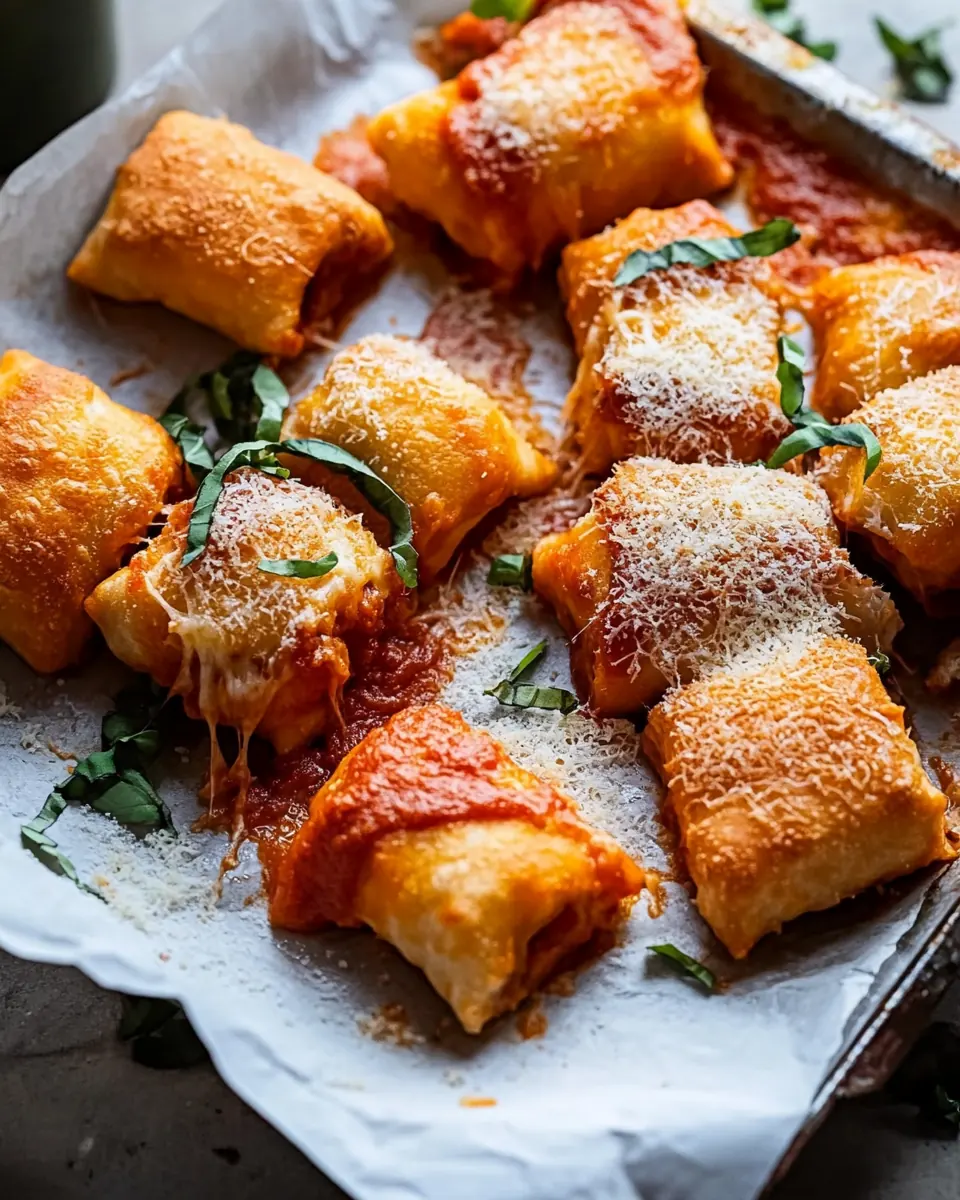
These ingredients are chosen to work together so the filling melts, the seasoning sings, and the wrapper crisps to a perfect golden bite. The cheeses supply creaminess and salt, the herbs bring Italian character, and the wonton wrapper gives you a thin, crisp shell that browns quickly in high heat. Breadcrumbs create a toasty outer texture that contrasts with the molten center.
- extra virgin olive oil, for drizzling: Drizzle gently to add a fruity, peppery finish and help crisp the dough edges while enhancing overall mouthfeel and sheen.
- 1 cup shredded mozzarella cheese: Melt thoroughly to provide creamy stretch and gooey texture that binds fillings and creates the classic pizza pull when served.
- 1 cup shredded provolone cheese: Blend smoothly with other cheeses to add a mild, slightly tangy flavor and help create a rich, melty interior structure.
- 3/4 cup grated parmesan cheese: Sprinkle evenly to contribute a nutty, salty umami boost and granular texture that amplifies savory depth throughout the filling.
- 3/4 cup marinara sauce, plus more for serving (warmed): Spoon liberally to supply concentrated tomato flavor and moisture for the rolls, while serving warmed on the side for dipping.
- 1/3 cup chopped pepperoni () (optional): Toss in as an optional savory addition to introduce cured-meat richness and a spicy, slightly chewy contrast to the cheeses.
- 1 clove garlic, grated: Grate finely to infuse sharp aromatic garlic flavor that permeates the filling, boosting savory complexity without large chunks.
- 1 tablespoon dried basil: Sprinkle dry to impart warm, slightly sweet herbaceous notes that mimic fresh basil aroma and enhance the Italian profile.
- 1 tablespoon dried oregano: Sprinkle dry to contribute classic Mediterranean savory and slightly bitter tones that round out the herb mix in the filling.
- 1 teaspoon dried thyme leaves: Measure precisely to add earthy, slightly minty and lemony undertones that complement other dried herbs and savory cheeses.
- 1/2 teaspoon crushed fennel seed: Crush lightly to provide a subtle anise-like warmth and crunchy texture that nods to traditional pizza-seasoning profiles.
- 1 pinch red pepper flakes: Pinch carefully to introduce a controlled touch of heat that livens the filling without overpowering the other flavors.
- 1 pinch kosher salt and black pepper: Season sparingly to balance and elevate all flavors, ensuring the rolls are properly seasoned with a rounded savory finish.
- 1/2 cup plain breadcrumbs: Coat evenly to add a toasty texture and help absorb excess moisture, promoting crisp, golden edges on the baked rolls.
- 36 40 square wonton wrappers: Wrap individually to encase the filling and form uniform bite-sized rolls with a thin, crisp exterior ideal for frying or baking.
How to Cook Homemade Cheesy Pizza Rolls
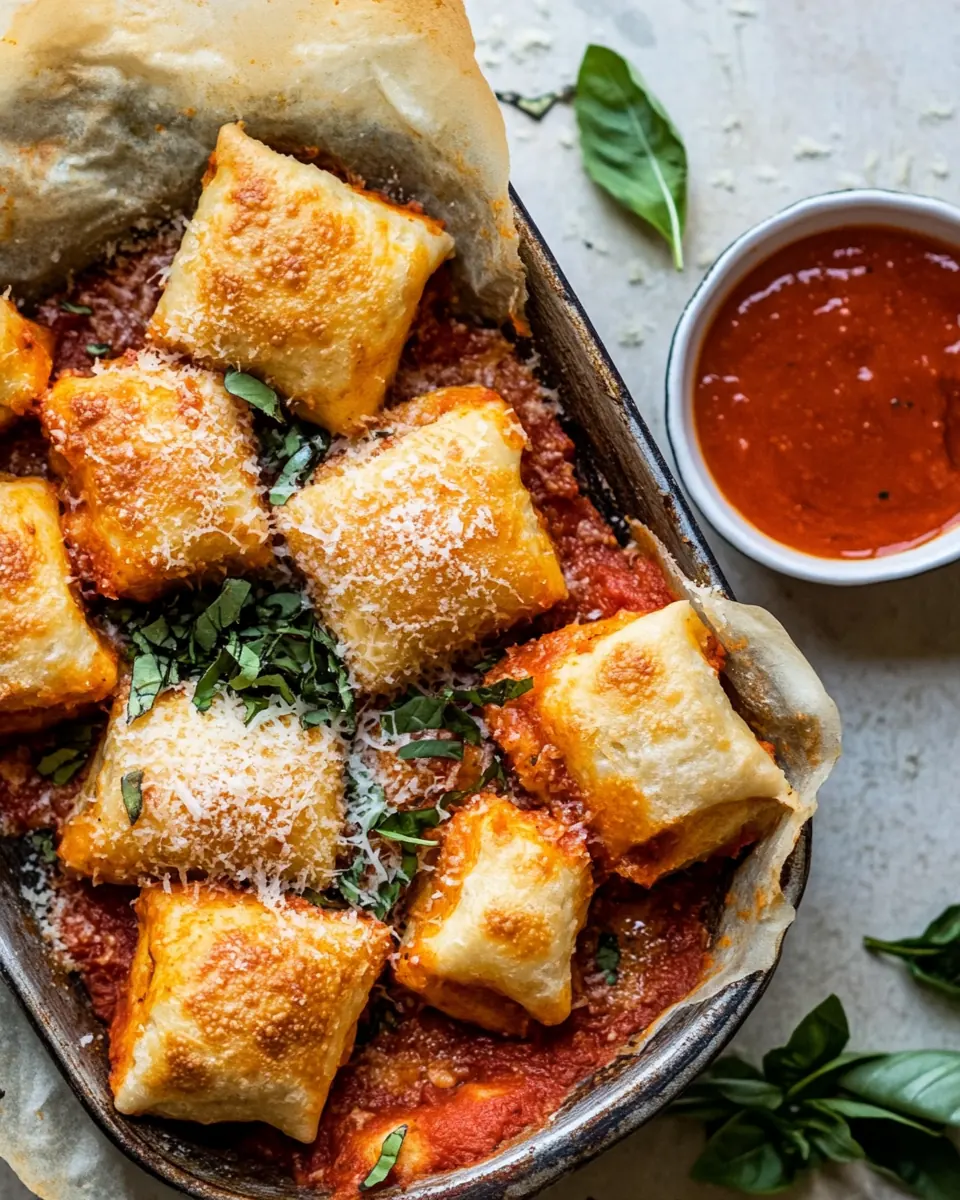
I like to think of the cooking process as rhythmic: a few small repetitive motions that quickly turn into a tray of golden, cheesy bites. Pay attention to texture cues and aromas, because those will tell you when the rolls are done. Keep your workspace damp for easier sealing, and have the baking sheets ready to go before you start assembly.
- Preheat the oven to 425° F. Lightly grease 2 baking sheets. In a bowl, combine the mozzarella, provolone, 1/4 cup parmesan, marinara, pepperoni, garlic, basil, oregano, thyme, fennel, and a pinch each of red pepper flakes, salt, and pepper. In a shallow bowl, combine the breadcrumbs and a half cup parmesan. Fill a bowl with water. Brush 4 wrappers with water, dampening them. Add 1 scant tablespoon of the cheese mix to the center of each wrapper. Fold both sides of the wrapper over the filling (like a letter) overlapping them and pressing gently to seal. Then, flip the 2 ends of the wrapper over the fold, press to seal. Repeat with the remaining wrappers and filling. Dip each roll in water, letting the excess water drip off back into the bowl, then dredge the roll through the breadcrumbs, tossing to coat. Place the rolls on the prepared baking sheets. Drizzle each roll with olive oil. Bake for 10-12 minutes, until golden and toasted. Serve the rolls warm, along with warmed marinara sauce for dipping. Enjoy!: The oven should be hot enough so the wrappers crisp quickly while the cheeses melt into a cohesive, gooey filling. You'll notice a warm, dry heat that browns the edges, and as the tray goes in a faint toasty scent will rise. Why this matters, the high temperature creates contrast between a crunchy exterior and a molten interior, ensuring the rolls are not rubbery. Common mistake to avoid, do not preheat to a lower temperature or the wrappers will absorb moisture and become soggy rather than crisp.
- Lightly grease 2 baking sheets: Greasing prevents sticking and encourages even browning across the bottom, producing a crunchy underside. You should feel the slight resistance of oil on a spatula when you slide a roll, and the finished rolls will come away cleanly. Why this matters, direct contact with a lightly oiled surface encourages uniform heat transfer. Troubleshooting tip, avoid heavy oiling which can pool and make the bottoms greasy instead of crisp.
- In a bowl, combine the mozzarella, provolone, 1/4 cup parmesan, marinara, pepperoni, garlic, basil, oregano, thyme, fennel, and a pinch each of red pepper flakes, salt, and pepper: The filling should be homogenous, with cheese strands and herb flecks visible, and a slight tomato sheen from the marinara . When mixed, press a small amount between your fingers to check texture, it should be cohesive but not runny. Why this matters, even distribution ensures every roll has balanced flavor and melty texture. A common error is over wetter filling which leaks; if it seems too loose, add a touch more shredded mozzarella or some of the parmesan to firm it up.
- In a shallow bowl, combine the breadcrumbs and a half cup parmesan: This coating should be noticeably granular and fragrant with parmesan nuttiness. Toss to mix so the salty cheese evenly coats the crumbs. Why this matters, the breadcrumb mix creates the crunchy contrast and adds a seasoned crust. Mistake to avoid, do not use sweetened or flavored crumbs, as they will clash with the Italian seasoning profile.
- Fill a bowl with water: Use the water to dampen wrappers for sealing and to moisten rolls before dredging, you will see a thin film of moisture on the wrapper when tapped. This small amount of water acts like an edible glue, ensuring tight seals. Why this matters, a proper seal prevents filling leakage during baking. One troubleshooting note, avoid submerging the wrapper or it will become too floppy and tear while folding.
- Brush 4 wrappers with water, dampening them: Dampening should make the wrapper slightly translucent at the edges and pliable to fold. The surface will feel tacky but not soggy. Why this matters, tacky wrappers seal better and hold their shape as you fold. Pitfall to avoid, over wetting will make the wrapper fragile and prone to ripping when you lift or fold.
- Add 1 scant tablespoon of the cheese mix to the center of each wrapper: Place the portioned filling as a small mound in the center so the wrapper can fold around it without bulging. You should see the cheeses and herbs, and the mound should not be so large that it forces seams open. Why this matters, correct portioning ensures a good seal and even cooking. Common mistake, overfilling leads to leakage and uneven cooking, so err on the side of slightly less filling if unsure.
- Fold both sides of the wrapper over the filling overlapping them and pressing gently to seal: As you fold, the wrapper edges should join cleanly without gaps, and you will hear a faint tack when they meet. Press firmly along the seam to remove trapped air. Why this matters, removing air prevents steam pockets that can burst the wrapper. Troubleshooting, if the seam does not stick, dab a bit more water to the edge and press again.
- Then, flip the 2 ends of the wrapper over the fold, press to seal: The finished shape should resemble a small parcel with all edges sealed, and the surface should feel uniform. Proper folding keeps the filling secured and creates neat, consistent bites. Why this matters, a fully sealed roll prevents filling from escaping and ensures even browning. A common error is uneven folding that leaves thin spots which can tear during baking.
- Repeat with the remaining wrappers and filling: Work methodically, keeping assembled rolls on a lightly floured or parchment lined surface so they do not stick together. You will notice a rhythm as your hands become quicker and the rolls more uniform. Why this matters, consistent size ensures even bake times for all rolls. Pitfall to avoid, stacking wet rolls will cause them to stick; place them spaced on a tray or single layer until dredging.
- Dip each roll in water, letting the excess water drip off back into the bowl, then dredge the roll through the breadcrumbs, tossing to coat: The roll should emerge with a thin, even breadcrumb layer that clings to the surface, creating a textured finish. You will hear a light pat as excess water drips and feel the crumb adhere when you roll it between palms. Why this matters, the breadcrumb coating browns and crisps, delivering that signature crunch. Troubleshooting, if crumbs clump, tap gently to remove loose pieces before baking.
- Place the rolls on the prepared baking sheets: Arrange them with space between so hot air can circulate and each surface crisps uniformly. The rolls should sit flat and stable, not crowded. Why this matters, spacing prevents steaming and ensures an even golden color. Common mistake, overcrowding the pan will cause uneven browning and soggy spots.
- Drizzle each roll with olive oil: A light, even drizzle promotes deep color and a glossy finish, and the oil will sizzle faintly when the rolls hit the oven. The aroma will become more pronounced as they bake. Why this matters, oil encourages the Maillard reaction on the wrapper for better flavor and texture. Troubleshooting, too much oil will pool and create greasy bottoms, so use sparingly.
- Bake for 10-12 minutes, until golden and toasted: Watch for a deep golden hue at the edges and a toasted breadcrumb crust, and you will hear a faint crisping sound when you lift the tray. The cheeses inside should be fully melted and slightly bubbling when you peek into a seam. Why this matters, proper baking time produces the desired contrast between crunchy exterior and molten interior. A frequent mistake is leaving them in too long which can dry out the filling and burn the wrapper edges.
- Serve the rolls warm, along with warmed marinara sauce for dipping: Serving hot ensures maximal cheesiness and aroma, and the warm marinara enhances the tomato notes. The texture contrast is at its best right out of the oven, and you will hear the light crunch as you bite. Why this matters, heat intensifies flavors and ensures the cheeses are luxuriously gooey. Troubleshooting, if the rolls cool and the interior firms, reheat briefly in a hot oven to restore texture rather than microwaving which can make the wrapper soggy.
- Enjoy!: Savor the combination of crunchy breadcrumb exterior, crisp wrapper, and molten, herbed cheese center along with a tangy dip of warm marinara . Take care to serve on a heat safe platter, and watch the smiles around the table grow. Why this matters, the sensory experience is what turns these into memorable bites. A common oversight is serving them cold, which diminishes the sensory impact, so time them close to serving.
Ways to Adapt This Recipe
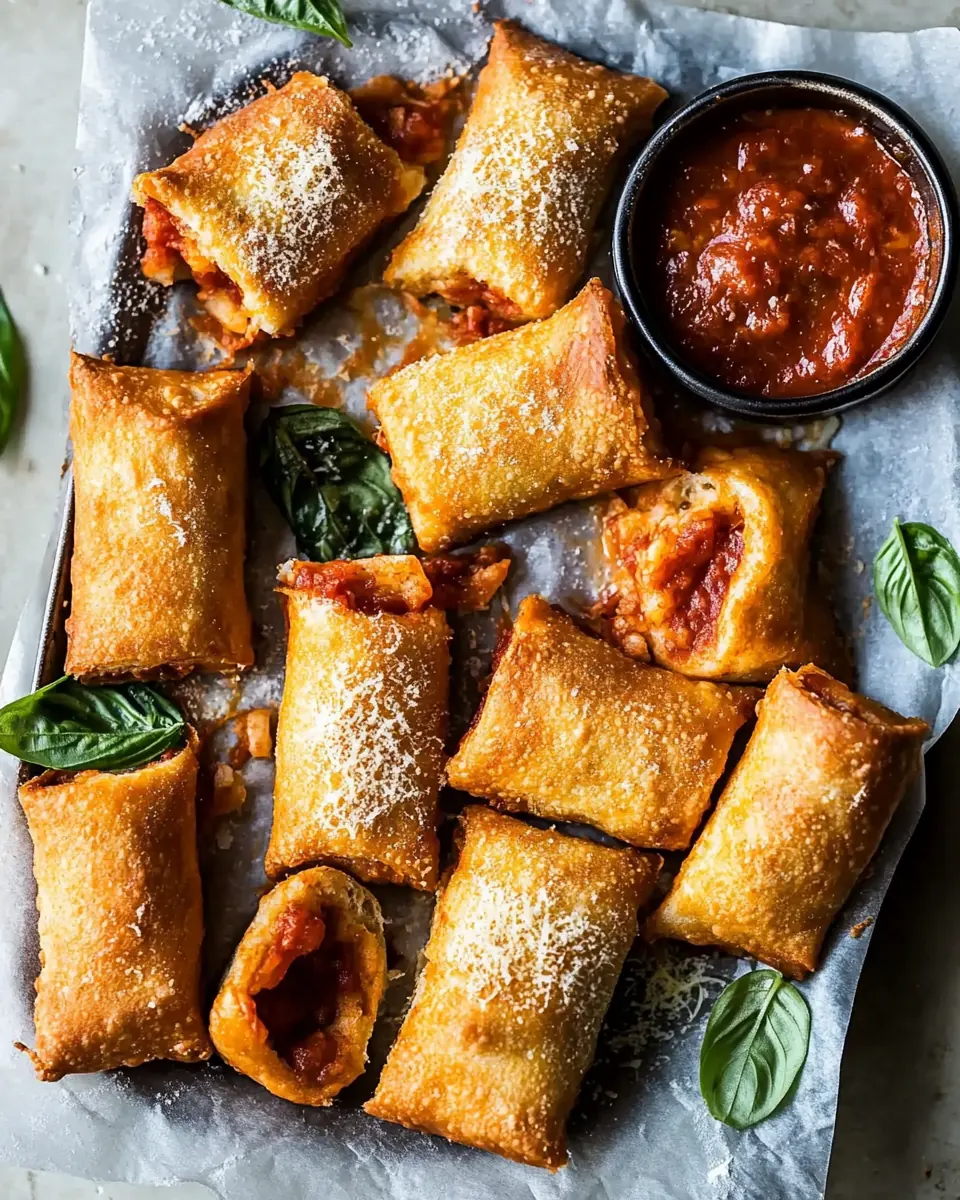
These adaptations let you tailor the Homemade Cheesy Pizza Rolls to the occasion without changing the core technique. Below are practical tweaks I often use, each designed to preserve the crisp exterior and gooey interior while shifting flavor or texture.
- Make a vegetarian batch by omitting the optional 1/3 cup chopped pepperoni and increasing the cheeses slightly for a richer filling, or fold in roasted vegetables after baking for added texture.
- Double the batch when hosting, because these keep well briefly on a warming tray and you can bake in shifts if oven space is limited, just rest assembled rolls on parchment until ready to bake.
- Make ahead and bake later by assembling the rolls and refrigerating them uncovered on a tray for up to a day, then dredge in breadcrumbs and bake right before serving to maintain maximum crispness.
- Control the spice level by adjusting the pinch of red pepper flakes in the filling, or serve extra flakes on the side for people who want more heat.
- Toast the breadcrumbs lightly before coating to deepen the nutty flavor and ensure they brown evenly in the oven, especially helpful if your oven runs hot or the rolls brown unevenly.
- Swap cheeses carefully if needed, choose melters with similar moisture content to mozzarella and provolone so the filling maintains its gooey texture without becoming greasy.
What Goes Well With This Homemade Cheesy Pizza Rolls
These rolls are wonderfully flexible when it comes to serving. They pair with simple sides, make great party fare, and can be adapted for casual meals or special gatherings. Below are ideas for accompaniments, occasions, and storage strategies to keep them tasting at their best.
- Classic dipping: Serve with warmed marinara in a shallow bowl for dipping, the warm sauce complements the cheesy interior and adds a bright tomato contrast.
- Salad pairing: A crisp green salad with a tangy vinaigrette balances the richness, offering a refreshing textural and flavor contrast that cleanses the palate between bites.
- Party platter: Arrange on a large board with small bowls of extra marinara and perhaps a herb sprinkled olive oil for guests to choose their dip, making these ideal for finger food at gatherings.
- Occasion ideas: Great for game nights, casual dinners, potlucks, or as an appetizer during communal Iftar meals when you want shareable finger food that everyone can enjoy.
- Storage: Leftovers keep well in an airtight container refrigerated for up to three days; reheat in a hot oven to restore crispness rather than microwaving which softens the wrapper.
- Seasonal serving: Because these are evergreen in appeal, they work year round, pairing nicely with light sides in summer or heartier soups in colder months to make a comforting meal.
FAQ
Conclusion
What makes this recipe special is its combination of gooey, melty cheeses and a crisp, golden wrapper that transforms simple pantry ingredients into shareable comfort food. These rolls are quick to assemble, bake fast, and always please a crowd, whether you serve them at a party or as a casual weeknight treat. I hope you give them a try and see how a few small techniques like proper sealing and a short, hot bake elevate the result. They have become a trusted staple in my kitchen for good reason, and I think you will find them equally satisfying.
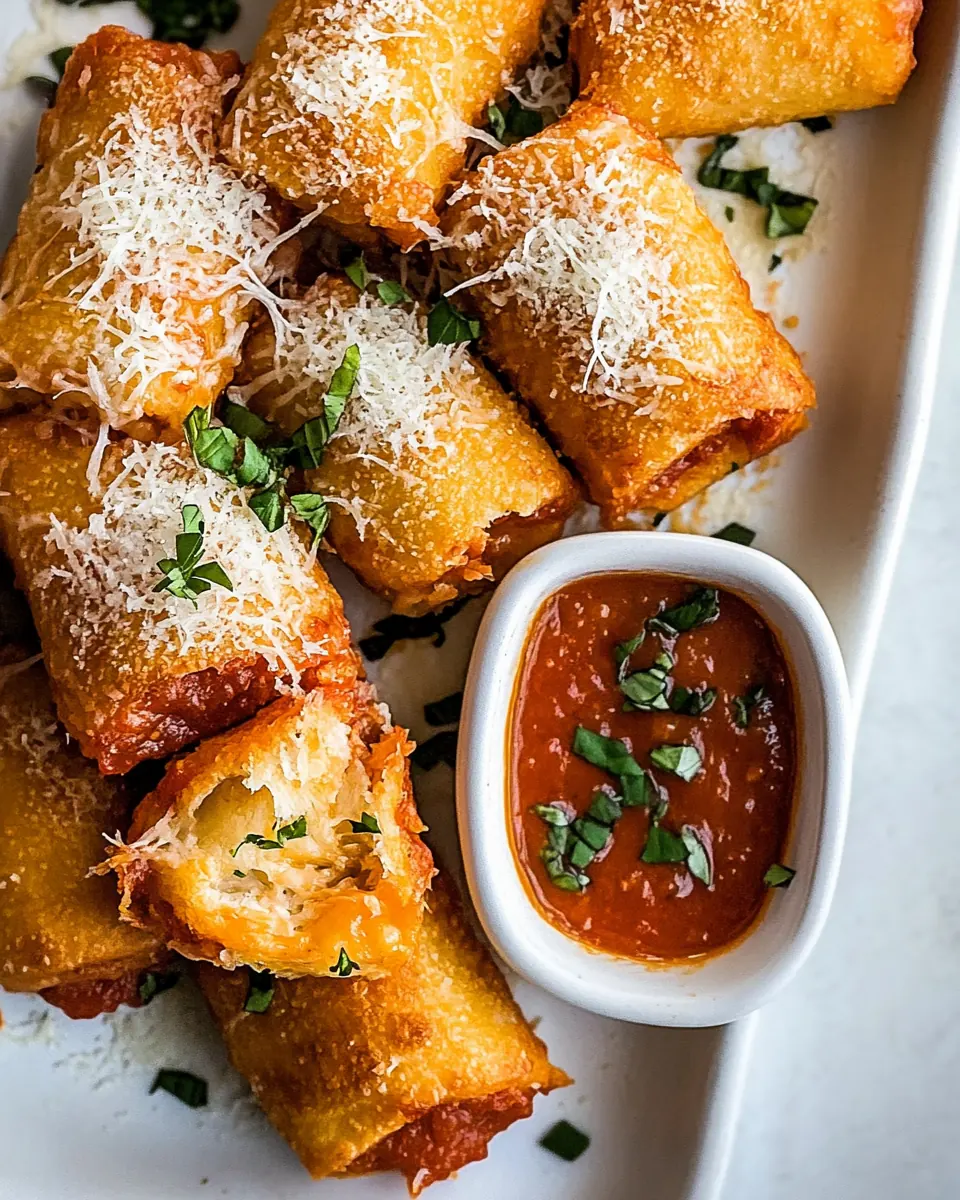
Homemade Cheesy Pizza Rolls
Ingredients
Equipment
Method
- Preheat the oven to 425° F. Lightly grease 2 baking sheets. In a bowl, combine the mozzarella, provolone, 1/4 cup parmesan, marinara, pepperoni, garlic, basil, oregano, thyme, fennel, and a pinch each of red pepper flakes, salt, and pepper. In a shallow bowl, combine the breadcrumbs and a half cup parmesan. Fill a bowl with water. Brush 4 wrappers with water, dampening them. Add 1 scant tablespoon of the cheese mix to the center of each wrapper. Fold both sides of the wrapper over the filling (like a letter) overlapping them and pressing gently to seal. Then, flip the 2 ends of the wrapper over the fold, press to seal. Repeat with the remaining wrappers and filling. Dip each roll in water, letting the excess water drip off back into the bowl, then dredge the roll through the breadcrumbs, tossing to coat. Place the rolls on the prepared baking sheets. Drizzle each roll with olive oil. Bake for 10-12 minutes, until golden and toasted. Serve the rolls warm, along with warmed marinara sauce for dipping. Enjoy!: The oven should be hot enough so the wrappers crisp quickly while the cheeses melt into a cohesive, gooey filling. You'll notice a warm, dry heat that browns the edges, and as the tray goes in a faint toasty scent will rise. Why this matters, the high temperature creates contrast between a crunchy exterior and a molten interior, ensuring the rolls are not rubbery. Common mistake to avoid, do not preheat to a lower temperature or the wrappers will absorb moisture and become soggy rather than crisp.
- Lightly grease 2 baking sheets: Greasing prevents sticking and encourages even browning across the bottom, producing a crunchy underside. You should feel the slight resistance of oil on a spatula when you slide a roll, and the finished rolls will come away cleanly. Why this matters, direct contact with a lightly oiled surface encourages uniform heat transfer. Troubleshooting tip, avoid heavy oiling which can pool and make the bottoms greasy instead of crisp.
- In a bowl, combine the mozzarella, provolone, 1/4 cup parmesan, marinara, pepperoni, garlic, basil, oregano, thyme, fennel, and a pinch each of red pepper flakes, salt, and pepper: The filling should be homogenous, with cheese strands and herb flecks visible, and a slight tomato sheen from the marinara . When mixed, press a small amount between your fingers to check texture, it should be cohesive but not runny. Why this matters, even distribution ensures every roll has balanced flavor and melty texture. A common error is over wetter filling which leaks; if it seems too loose, add a touch more shredded mozzarella or some of the parmesan to firm it up.
- In a shallow bowl, combine the breadcrumbs and a half cup parmesan: This coating should be noticeably granular and fragrant with parmesan nuttiness. Toss to mix so the salty cheese evenly coats the crumbs. Why this matters, the breadcrumb mix creates the crunchy contrast and adds a seasoned crust. Mistake to avoid, do not use sweetened or flavored crumbs, as they will clash with the Italian seasoning profile.
- Fill a bowl with water: Use the water to dampen wrappers for sealing and to moisten rolls before dredging, you will see a thin film of moisture on the wrapper when tapped. This small amount of water acts like an edible glue, ensuring tight seals. Why this matters, a proper seal prevents filling leakage during baking. One troubleshooting note, avoid submerging the wrapper or it will become too floppy and tear while folding.
- Brush 4 wrappers with water, dampening them: Dampening should make the wrapper slightly translucent at the edges and pliable to fold. The surface will feel tacky but not soggy. Why this matters, tacky wrappers seal better and hold their shape as you fold. Pitfall to avoid, over wetting will make the wrapper fragile and prone to ripping when you lift or fold.
- Add 1 scant tablespoon of the cheese mix to the center of each wrapper: Place the portioned filling as a small mound in the center so the wrapper can fold around it without bulging. You should see the cheeses and herbs, and the mound should not be so large that it forces seams open. Why this matters, correct portioning ensures a good seal and even cooking. Common mistake, overfilling leads to leakage and uneven cooking, so err on the side of slightly less filling if unsure.
- Fold both sides of the wrapper over the filling overlapping them and pressing gently to seal: As you fold, the wrapper edges should join cleanly without gaps, and you will hear a faint tack when they meet. Press firmly along the seam to remove trapped air. Why this matters, removing air prevents steam pockets that can burst the wrapper. Troubleshooting, if the seam does not stick, dab a bit more water to the edge and press again.
- Then, flip the 2 ends of the wrapper over the fold, press to seal: The finished shape should resemble a small parcel with all edges sealed, and the surface should feel uniform. Proper folding keeps the filling secured and creates neat, consistent bites. Why this matters, a fully sealed roll prevents filling from escaping and ensures even browning. A common error is uneven folding that leaves thin spots which can tear during baking.
- Repeat with the remaining wrappers and filling: Work methodically, keeping assembled rolls on a lightly floured or parchment lined surface so they do not stick together. You will notice a rhythm as your hands become quicker and the rolls more uniform. Why this matters, consistent size ensures even bake times for all rolls. Pitfall to avoid, stacking wet rolls will cause them to stick; place them spaced on a tray or single layer until dredging.
- Dip each roll in water, letting the excess water drip off back into the bowl, then dredge the roll through the breadcrumbs, tossing to coat: The roll should emerge with a thin, even breadcrumb layer that clings to the surface, creating a textured finish. You will hear a light pat as excess water drips and feel the crumb adhere when you roll it between palms. Why this matters, the breadcrumb coating browns and crisps, delivering that signature crunch. Troubleshooting, if crumbs clump, tap gently to remove loose pieces before baking.
- Place the rolls on the prepared baking sheets: Arrange them with space between so hot air can circulate and each surface crisps uniformly. The rolls should sit flat and stable, not crowded. Why this matters, spacing prevents steaming and ensures an even golden color. Common mistake, overcrowding the pan will cause uneven browning and soggy spots.
- Drizzle each roll with olive oil: A light, even drizzle promotes deep color and a glossy finish, and the oil will sizzle faintly when the rolls hit the oven. The aroma will become more pronounced as they bake. Why this matters, oil encourages the Maillard reaction on the wrapper for better flavor and texture. Troubleshooting, too much oil will pool and create greasy bottoms, so use sparingly.
- Bake for 10-12 minutes, until golden and toasted: Watch for a deep golden hue at the edges and a toasted breadcrumb crust, and you will hear a faint crisping sound when you lift the tray. The cheeses inside should be fully melted and slightly bubbling when you peek into a seam. Why this matters, proper baking time produces the desired contrast between crunchy exterior and molten interior. A frequent mistake is leaving them in too long which can dry out the filling and burn the wrapper edges.
- Serve the rolls warm, along with warmed marinara sauce for dipping: Serving hot ensures maximal cheesiness and aroma, and the warm marinara enhances the tomato notes. The texture contrast is at its best right out of the oven, and you will hear the light crunch as you bite. Why this matters, heat intensifies flavors and ensures the cheeses are luxuriously gooey. Troubleshooting, if the rolls cool and the interior firms, reheat briefly in a hot oven to restore texture rather than microwaving which can make the wrapper soggy.
- Enjoy!: Savor the combination of crunchy breadcrumb exterior, crisp wrapper, and molten, herbed cheese center along with a tangy dip of warm marinara . Take care to serve on a heat safe platter, and watch the smiles around the table grow. Why this matters, the sensory experience is what turns these into memorable bites. A common oversight is serving them cold, which diminishes the sensory impact, so time them close to serving.
Notes
- Make a vegetarian batch by omitting the optional 1/3 cup chopped pepperoni and increasing the cheeses slightly for a richer filling, or fold in roasted vegetables after baking for added texture.
- Double the batch when hosting, because these keep well briefly on a warming tray and you can bake in shifts if oven space is limited, just rest assembled rolls on parchment until ready to bake.
- Make ahead and bake later by assembling the rolls and refrigerating them uncovered on a tray for up to a day, then dredge in breadcrumbs and bake right before serving to maintain maximum crispness.
- Control the spice level by adjusting the pinch of red pepper flakes in the filling, or serve extra flakes on the side for people who want more heat.
- Toast the breadcrumbs lightly before coating to deepen the nutty flavor and ensure they brown evenly in the oven, especially helpful if your oven runs hot or the rolls brown unevenly.
- Swap cheeses carefully if needed, choose melters with similar moisture content to mozzarella and provolone so the filling maintains its gooey texture without becoming greasy.