Eggplant Timballo
Eggplant Timballo was the dish I insisted on bringing the first time I helped host my family’s holiday table, and it still carries that warm, bustling memory for me. I remember juggling a pot of boiling water while coaxing thin slices of eggplant under the broiler, the kitchen filling with a cozy, roasted aroma that made everyone drift toward the stove. That single night taught me how a composed, layered pasta dish can feel celebratory and homey at once, and why I keep returning to this recipe when I want comfort with a little ceremony.
Over the years I experimented with the filling, textures, and assembly until the layers held together and the flavors sang in harmony. The interplay of tender roasted eggplant, toothsome pasta, bright artichoke hearts, briny olives, and a saucy meatiness from the sausage creates contrasts I love. Each bite has a little crisp edge, a soft center, and a pop of savory olive and herb laden marinara. Making Eggplant Timballo became my go to when I wanted something that looks impressive but rewards simple, steady work.
What I cherish most is how forgiving the dish is. You can prep components ahead, and the assembly is oddly meditative. When it emerges from the oven, edges browned and bubbling, people gather without being asked. Serve it with a green salad and a steady rhythm of chatter, and it becomes a memorable meal. That is the magic for me, and why I reach for this recipe year after year, especially when the calendar nudges me toward something special.
Recipe Snapshot
1 hr 20 mins
20 mins
60 mins
Medium
300 kcal
Italian
Gluten-Free, Whole30
Dinner
Large pot, Baking sheet, Large sided skillet, 9 inch springform pan
Why This Eggplant Timballo Works
Layered celebration on a plate
I love how Eggplant Timballo looks when you slice into it, revealing its neat concentric layers. It reads as a showstopper, so when guests arrive I already feel like I have a centerpiece. The visual payoff is huge, and it makes weekday entertaining feel a touch festive without overcomplicating things.
Balanced textures
There is a satisfyingly varied texture profile here. The roasted eggplant softens and concentrates in flavor, while the pasta holds a springy bite. The sautéed sausage adds meaty depth and the artichoke hearts and olives bring briny pops that keep every forkful interesting. I designed the recipe so no single texture overwhelms the plate.
Make ahead friendliness
I often prepare components in advance, because this recipe rewards patience. Roasting the eggplant and simmering the sauce a few hours earlier reduces day of stress. When you reheat and bake, the flavors knit together beautifully, and the timballo holds its shape better when it has cooled briefly before slicing.
Comfort with sophistication
This is a comforting, honest dish that still reads as refined. The marinara carries the melody, but the addition of artichoke hearts and green olives gives it an elegant, slightly unexpected note. I reach for it when I want to serve something homey but thoughtful.
Flexible and forgiving
I appreciate recipes that adapt to pantry reality, and this one does. If you need to tweak quantities or prep ahead, the structure tolerates that without sacrificing outcome. That flexibility makes it a keeper in my kitchen rotation.
What You’ll Need for Eggplant Timballo
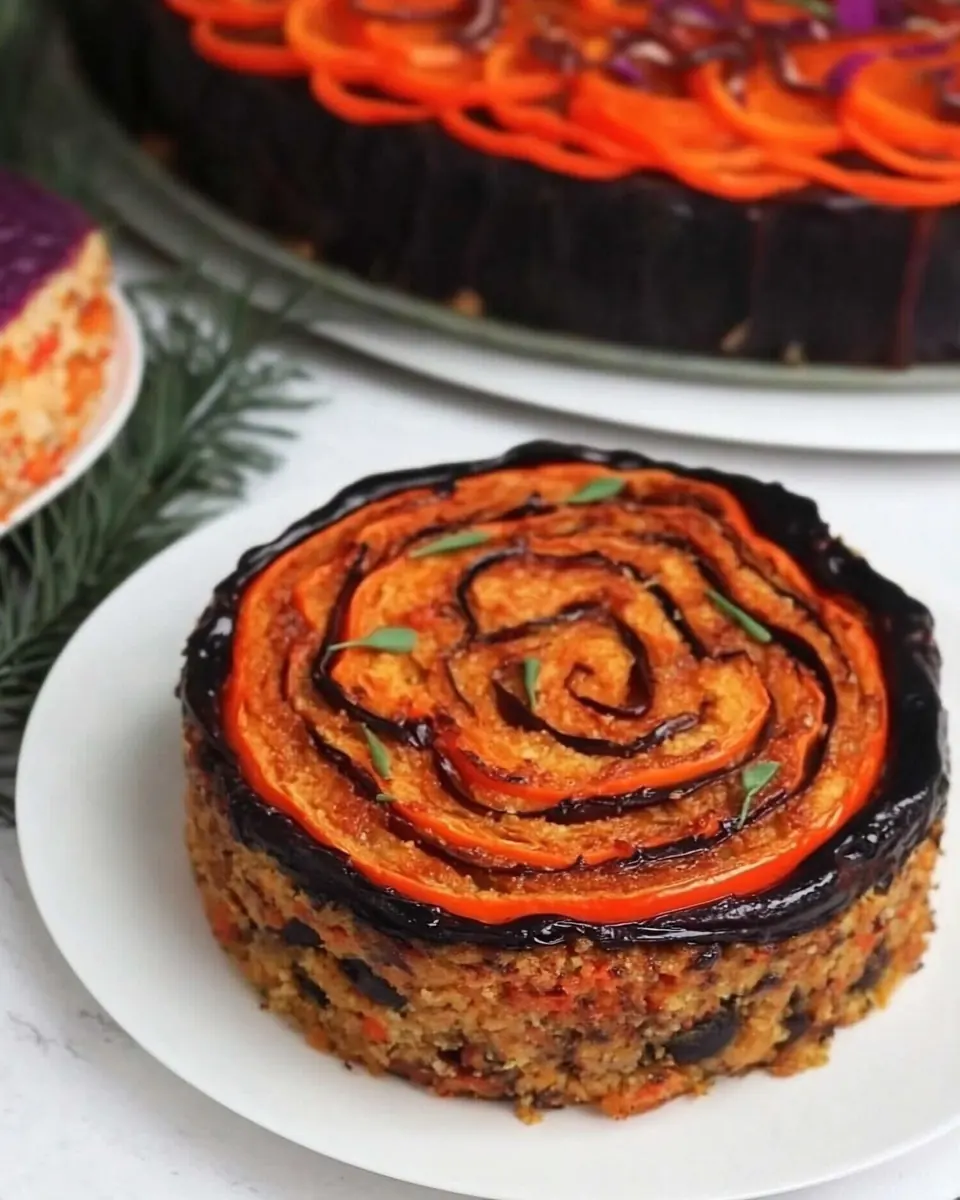
These ingredients come together to create a comforting, layered casserole that is both rustic and composed. The pasta provides the body, the eggplant brings a smoky, silky counterpoint, and the sauce elements add savory, briny, and vegetal accents. Each listed item plays a clear role, and together they make a dish that is hearty without feeling heavy.
- 3/4 lb Colavita 100% Whole Wheat Cappellini: Boil briefly and toss with sauce to provide a whole-grain pasta base that adds nutty flavor and chewy texture to the timballo. Pair with robust sauces and vegetables so it holds up under baking and layers well with fillings.
- 1 medium-large eggplant: Slice and roast or pan-sear until tender to contribute a meaty, savory component and slight smokiness that complements sausage and marinara. Use salted roasting or salting beforehand to remove excess moisture and prevent a soggy timballo.
- 2 tablespoons Colavita extra virgin olive oil plus 1 teaspoon: Drizzle and sauté to serve as the primary cooking fat, supplying fruity, peppery notes and enabling onion and garlic to soften without burning. Reserve 1 teaspoon for finishing or brushing to keep edges glossy after baking.
- 1/2 onion, chopped: Sauté until translucent to add sweetness and a soft aromatic base that deepens the overall flavor of the filling. Chop fine enough to distribute evenly so every bite contains balanced savory elements.
- 2 garlic cloves, minced: Mince and cook briefly to release pungent, aromatic oils that brighten and elevate the tomato and sausage flavors. Add early in the sauté process to mellow sharpness and infuse the oil.
- 8 ounces organic hot Italian sausage, removed from casing: Crumble and brown thoroughly to provide a spicy, meaty backbone and render fat that enriches the sauce and filling. Remove casing and break into small pieces so it integrates evenly with pasta, vegetables, and eggs.
- 26 ounces jar Colavita Spicy Marinara: Pour and simmer to bind the filling components while contributing tangy, herb-laced tomato flavor and moisture for the timballo. Choose spicy marinara here to complement hot sausage and avoid adding extra heat later.
- 1 10-ounce jar Colavita Artichoke Hearts in Olive Oil, drained and chopped: Drain and chop to introduce tender, slightly briny artichoke hearts that add a tangy, earthy contrast and textural interest to the layered casserole. Use oil-packed variety for added richness; drain well to prevent excess liquid.
- 1/4 cup Colavita Bella di Cerignola Olives, pitted and chopped (or other green olive): Pit and chop to lend salty, fruity brininess that cuts through rich meats and cheeses while adding Mediterranean flavor and small bursts of texture. Choose green olives with firm flesh so they maintain shape when baked.
- 1 cup frozen peas: Stir in frozen and briefly thaw or cook to provide bright color, subtle sweetness, and tender pop that lightens the overall richness. Add toward the end of cooking so peas remain vibrant and avoid becoming mushy.
- 2 eggs, beaten: Beat and fold in to act as a binder that sets the timballo when baked, giving structure and a custardy texture between pasta and fillings. Whisk until smooth and combine evenly so the casserole slices cleanly.
Cooking Instructions for Eggplant Timballo
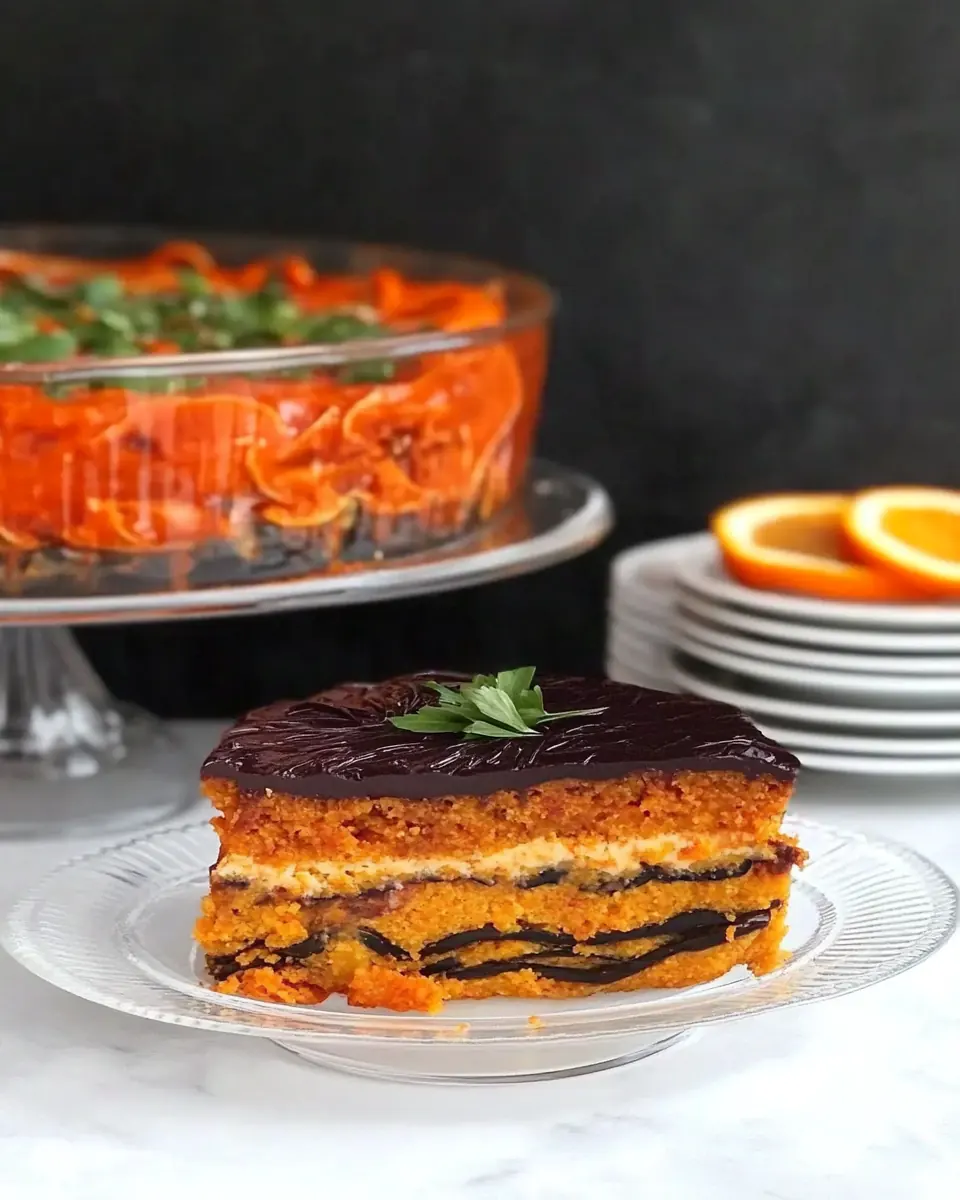
I like to think of the assembly as choreography, where timing and texture matter. Read through the steps so you can stage each component and keep things flowing smoothly.
- Bring large pot of salted water to a boil and cook pasta according to package directions to al dente. Drain and set aside until ready to use.: When the water hits a rolling boil and you add salt, the kitchen fills with a faint mineral steam and the pot hums as starches swell. Cooking the pasta to al dente ensures it retains structure after mixing with sauce and baking, preventing a mushy final texture. A good cue is to taste a strand about a minute earlier than the package suggests, you want a slight resistance in the center. Avoid overcooking, which is a common misstep and will lead to a soft, limp timballo that collapses when sliced. After draining, let the pasta sit briefly so excess water evaporates, which helps the sauce cling better during assembly.
- While pasta is cooking, prepare the eggplant. Set oven to broil. Trim top and slice 1/2-inch thick. Brush bottom of baking sheet with some of the 2 tablespoons of olive oil. Spread eggplant evenly on the baking sheet. Brush the remaining olive oil over the top of the eggplant. Place under the broiler and cook until tender and browned, about 6-7 minutes total, flipping halfway. Remove from oven and set aside until ready to use.: Broiling eggplant slices brings an immediate caramelized aroma and a visual cue of browned edges. When you brush the baking sheet and both sides of the slices with olive oil , you'll hear a faint sizzle as they hit the hot surface under the broiler, and the slices will soften and take on golden to dark brown spots. Flip halfway to achieve even charring, and test tenderness by pressing with a fork; the flesh should yield without falling apart. This method concentrates flavor and reduces moisture that could make the timballo soggy. Common problems include slicing unevenly which causes thinner pieces to overcook; aim for consistent 1/2 inch thickness.
- In a large sided skillet, heat 1 teaspoon olive oil on medium-high heat. Add onion and garlic and cook until tender, about 3-4 minutes. Add sausage, crumbling with a spatula, and cook until browned, about 7-9 minutes total. Add marinara, artichoke hearts, and olives. Bring to a simmer and cook 15 minutes until flavors have melded. Stir in peas and cook until warmed through. Remove from heat and set aside to cool slightly.: Oiling the sheet prevents sticking and helps the eggplant brown rather than steam. You should see the oil shimmer when the sheet warms under the broiler, and the surface will smell faintly fruity from the olive oil . This simple step promotes even contact and crisping on the exterior of the slices. If you skip enough oil, the eggplant can adhere and tear when you try to flip, so take the moment to coat the pan evenly.
- Preheat oven to 375 degrees. Brush a 9 inch springform pan with olive oil. Layer eggplant slices evenly over the bottom, overlapping if needed. Stir pasta into the sauce. Add beaten egg and toss until evenly combined. Pour pasta over the eggplant slices and flatten with a spatula. Place in the oven and bake 45 minutes until edges are browned and timballo is set. Remove from oven and set aside to cool at least 20 minutes before slicing, otherwise it will fall apart.: Laying the eggplant slices in a single layer ensures consistent broiling and uniform texture. When the slices are crowded, they steam instead of brown, losing that desired edge. You should be able to see spaces between slices and smell the developing roasted notes after a few minutes under heat. If your sheet is too small, use two batches to avoid uneven results, which is an easy oversight that affects final mouthfeel.
- Brush the remaining olive oil over the top of the eggplant: A light brush on top seals in moisture and promotes a glossy, caramelized surface. The oil will aid in crisping and give the roasted slices a richer mouthfeel, noticeable in the first bite. Over-oiling can lead to greasy patches, so aim for an even, thin coat. This finishing touch matters because it keeps the eggplant from drying out during cooling and assembly.
- Place under the broiler and cook until tender and browned, about 6 to 7 minutes total, flipping halfway: Under the broiler, you'll see edges color quickly and a toasted scent will fill the air. Flip when the top looks golden to deeply speckled, and expect a soft interior that resists gently to a fork. This balance of exterior char and a yielding center is what makes the eggplant layer both flavorful and structural. Watch closely as broilers vary wildly; too close and they blacken too fast, too far and they barely brown, which is a frequent timing pitfall.
- Remove from oven and set aside until ready to use: Allowing the eggplant to rest cools it so it does not steam the assembled timballo. You should notice it becoming slightly firmer as it cools, which makes layering easier. If you try to build immediately while pieces are piping hot, the trapped steam can make the final dish damp and compromise the set when baked. Patience here improves structure.
- In a large sided skillet, heat 1 teaspoon olive oil on medium-high heat: Heating the skillet until the oil just shimmers primes the pan for aromatic release. The first sizzle when ingredients hit signals that flavor development through browning will occur. This step creates the savory foundation for the sauce, and rushing it by starting on too low heat prevents the caramelized notes that define the final profile. Avoid burning by keeping an eye on the oil and adjusting heat as needed.
- Add onion and garlic and cook until tender, about 3 to 4 minutes: The smell of softened onion and roasted garlic is immediate and comforting, releasing sweet and savory aromatics that form the base of the sauce. You want translucency and gentle browning without charring, which yields sweeter depth. If the pan seems to dry, a splash of the reserved oil helps; scorching raw aromatics is a typical mistake that makes the sauce bitter, so keep them moving in the pan.
- Add sausage, crumbling with a spatula, and cook until browned, about 7 to 9 minutes total: As the sausage sizzles and browns, it releases fat and rich meaty aromas that coat the pan. Breaking it into small bits creates crispy edges and concentrated flavor pockets. Browning transforms the sausage through Maillard reactions, adding complexity you will taste in the final dish. Be mindful to stir and scrape up browned bits, as those browned fond pieces are flavor gold; underbrowning leaves the sauce flat.
- Add marinara, artichoke hearts, and olives: Once you introduce the marinara , the pan will steam slightly and the sauce will take on a tangy, herb scented personality. The artichoke hearts and chopped olives add textural and flavor contrasts that punctuate the sauce, providing briny and bright moments. Stir to combine so each forkful will have a balance of elements. If you add these too early, the delicate artichokes can break down excessively, losing their pleasant bite.
- Bring to a simmer and cook 15 minutes until flavors have melded: A gentle simmer lets acidity soften and ingredients harmonize, producing a cohesive sauce that tastes more rounded than a quick combine. You will notice the aroma deepen and the sauce thicken slightly as water reduces. Stir occasionally to prevent sticking, and taste to adjust seasoning in your head; lack of simmer time is a common cause of a thin, undeveloped sauce.
- Stir in peas and cook until warmed through: Adding the peas at the end preserves their color and a tender pop in texture. They will blanch in the hot sauce and introduce a sweet vegetal note that brightens the overall dish. Overcooking the peas makes them lose their snap and vibrant hue, so fold them in only to warm through.
- Remove from heat and set aside to cool slightly: Cooling the sauce before tossing with pasta prevents the eggs from scrambling when you add them later. You should see steam subside and viscosity settle, which helps in achieving an even coating on the pasta . If the sauce is too hot, the final bake can become watery or the binder may fail, so patience is important.
- Preheat oven to 375 degrees: Setting the oven early ensures it reaches a stable temperature so the timballo bakes evenly once assembled. You will feel the ambient heat and can rely on a consistent environment to set the eggs and brown the edges properly. An oven that is not fully preheated often leads to uneven baking and soggy outcomes.
- Brush a 9 inch springform pan with olive oil: Oiling the pan inside helps the eggplant release after baking and promotes a lightly crisp exterior on the edges. The oil will also help the first layer adhere slightly, forming a base. If you skip oiling, parts may stick and tear when unmolding, so take this small step for a clean presentation.
- Layer eggplant slices evenly over the bottom, overlapping if needed: Creating a continuous, overlapping layer of eggplant forms the timballo's base and keeps fillings contained. You want a neat mosaic so the final slice looks composed. Overlapping helps seal gaps where sauce could seep, but avoid piling too thickly or it will hinder even baking.
- Stir pasta into the sauce: Coating the pasta evenly lets every strand absorb flavor and makes for cohesive layers. Visually, the pasta should glisten with sauce and be free of excess liquid. If you see pools of sauce, let some reduce or blot very gently, because excess moisture can make the timballo soft rather than set.
- Add beaten egg and toss until evenly combined: The beaten eggs act as a binder, creating a custardy matrix as the timballo bakes. When mixed through the warm pasta and sauce, the eggs will distribute so each bite sets together. If the mixture is steaming hot, the eggs may coagulate prematurely; cooling slightly before adding is a safeguard against a scrambled texture.
- Pour pasta over the eggplant slices and flatten with a spatula: Pressing the mixture into the pan compacts it so the timballo holds together after baking. You want to feel slight resistance and see a smooth top as air pockets are worked out. If you leave it loose, the structure will be fragile when sliced, so take time to tamp it evenly.
- Place in the oven and bake 45 minutes until edges are browned and timballo is set: During baking you will notice the edges turn a golden brown and the center becomes firm to the touch. The aroma will deepen and the surface may develop gentle bubbling where sauce rises. This baking step finishes the custard set and melds flavors. Underbaking results in a wobbly center, while overbaking can dry the timballo, so aim for a firm but not desiccated texture.
- Remove from oven and set aside to cool at least 20 minutes before slicing, otherwise it will fall apart: Cooling allows the internal structure to firm up so slices hold together neatly. You should see steam dissipate and feel the timballo become more sliceable as it cools. Cutting too soon is a frequent error and will result in a collapsed presentation, so be patient and let the layers rest before serving.
Expert Tips about Eggplant Timballo
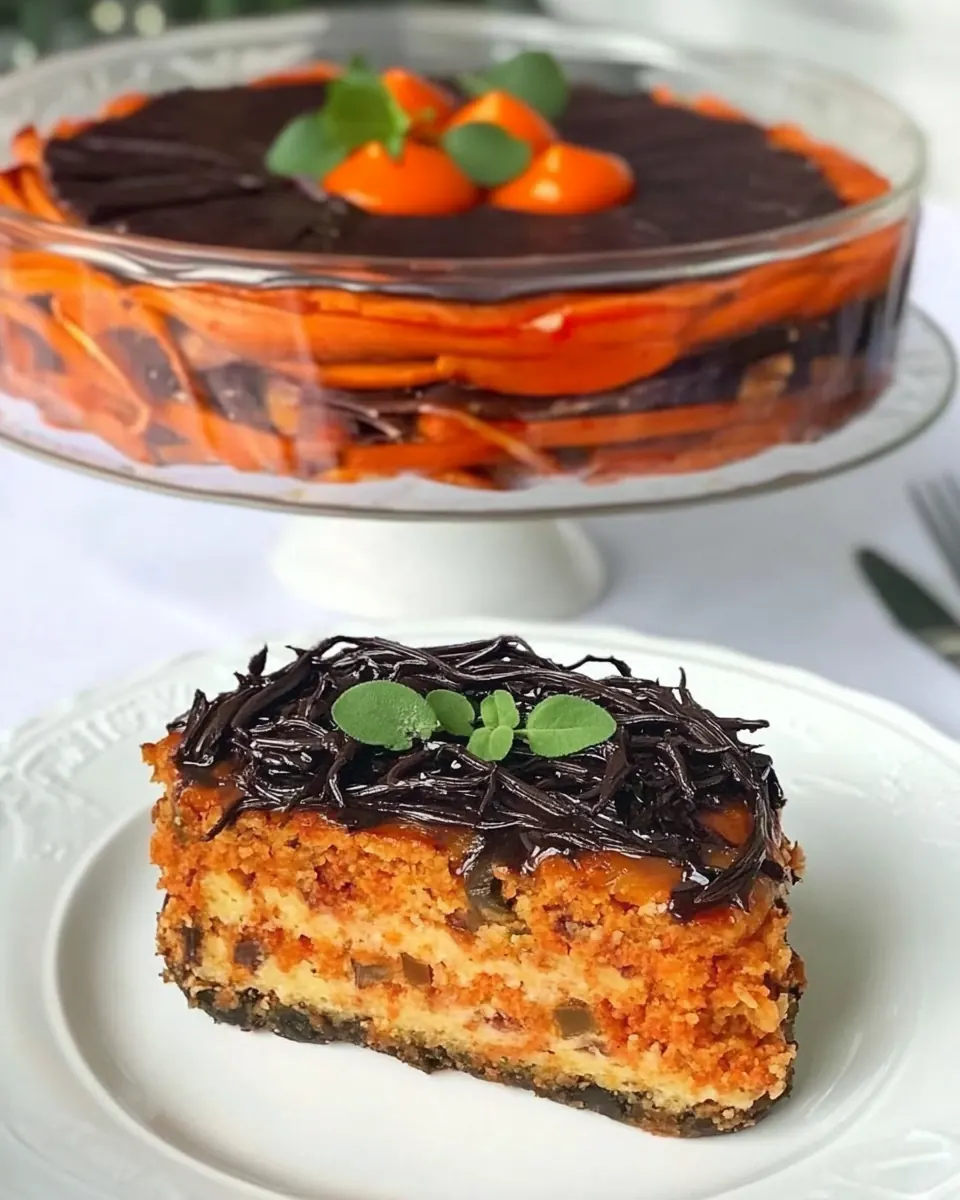
These tips will help you elevate your Eggplant Timballo from good to memorable, focusing on timing, texture, and flavor balance. They are practical, easy to follow, and aimed at reducing stress during preparation.
- Prep components ahead: Roast the eggplant and simmer the sauce earlier in the day to reduce hands on time before assembly, which makes the final bake restful and organized.
- Taste as you go: Sample the sauce before mixing with the pasta so you can adjust seasoning; flavors concentrate during baking and a well seasoned sauce is the backbone of a great timballo.
- Mind the moisture: If the sauce seems loose, simmer it down to avoid a watery bake; excess liquid is the most common reason for a timballo that will not set.
- Use a springform pan: The removable sides make unmolding simpler and protect the presentation, especially when slices need to be neat for guests.
- Let it rest: Allow at least 20 minutes of cooling so the eggs set and the structure firms up, preventing the dish from collapsing when sliced.
Great Combinations for Eggplant Timballo
This section outlines serving ideas and pairings that enhance the timballo’s Mediterranean character, plus storage and occasion suggestions to make it adaptable for different meals.
- Light green salad: A crisp salad dressed simply with olive oil and lemon provides a bright counterpoint to the rich timballo, balancing textures and cleansing the palate.
- Steamed seasonal vegetables: Lightly seasoned seasonal veg add freshness and color, making the meal feel balanced for a family dinner or holiday spread.
- Occasions: Serve the timballo for a relaxed holiday table or a weekend dinner when you want an impressive centerpiece with minimal last minute fuss.
- Make ahead: Assemble and refrigerate up to one day before baking, then bake when ready; this is ideal for entertaining and reduces day of stress.
- Leftovers storage: Refrigerate cooled slices in an airtight container for up to three days, reheating gently in the oven to preserve texture.
- Seasonal pairing: In fall when eggplant is at its peak, serve with roasted root vegetables; in milder months lean on fresh greens to complement the dish.
FAQ
Conclusion
This Eggplant Timballo is special because it combines rustic, roasted eggplant and whole wheat pasta with a savory, well developed sauce into a composed, sliceable dish. I encourage you to try it when you want a memorable meal that still feels approachable, whether for a holiday table or a weekend dinner. The recipe rewards patience and careful staging, and when it comes out browned and set, it offers a satisfying blend of textures and flavors that invite conversation and seconds.
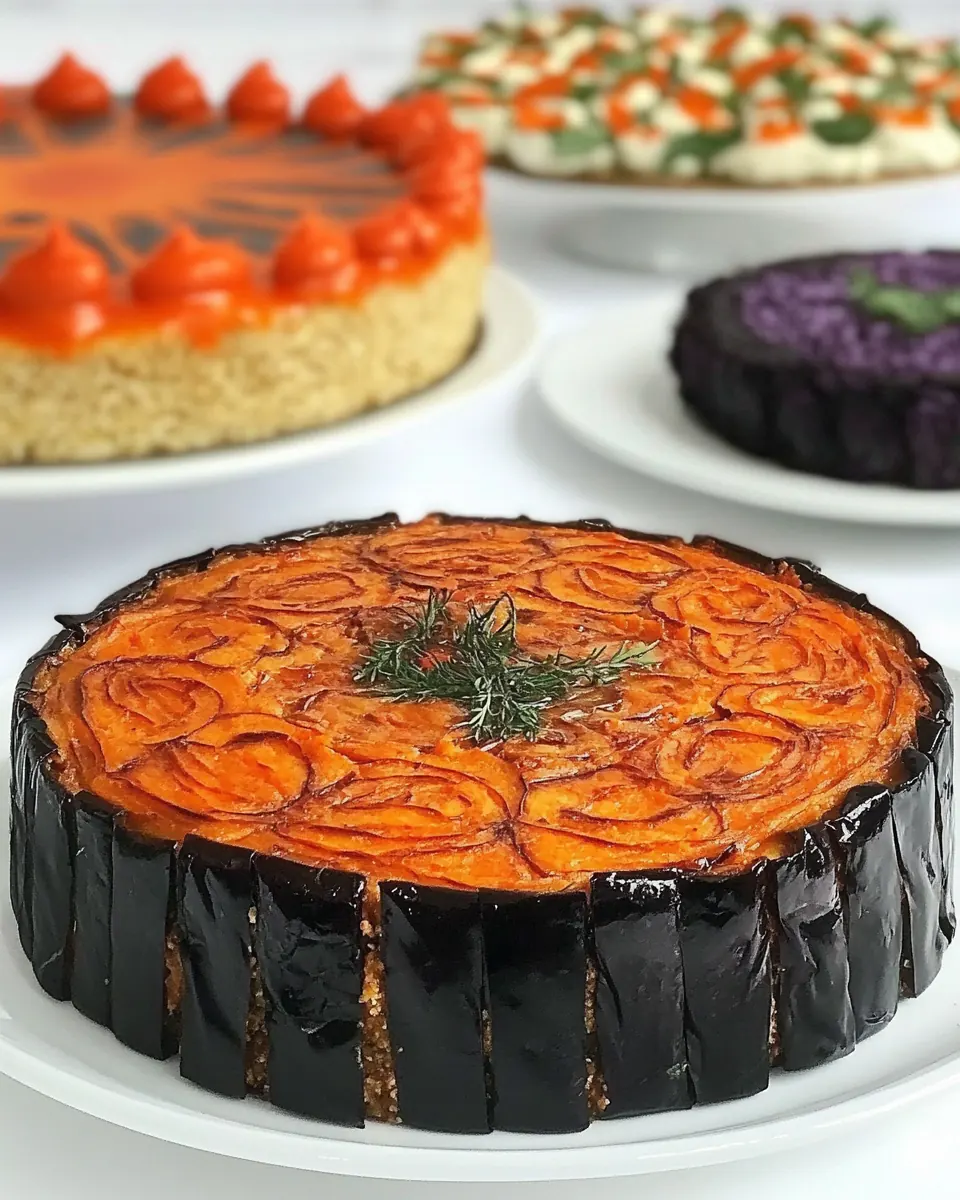
Eggplant Timballo
Ingredients
Equipment
Method
- Bring large pot of salted water to a boil and cook pasta according to package directions to al dente. Drain and set aside until ready to use.: When the water hits a rolling boil and you add salt, the kitchen fills with a faint mineral steam and the pot hums as starches swell. Cooking the pasta to al dente ensures it retains structure after mixing with sauce and baking, preventing a mushy final texture. A good cue is to taste a strand about a minute earlier than the package suggests, you want a slight resistance in the center. Avoid overcooking, which is a common misstep and will lead to a soft, limp timballo that collapses when sliced. After draining, let the pasta sit briefly so excess water evaporates, which helps the sauce cling better during assembly.
- While pasta is cooking, prepare the eggplant. Set oven to broil. Trim top and slice 1/2-inch thick. Brush bottom of baking sheet with some of the 2 tablespoons of olive oil. Spread eggplant evenly on the baking sheet. Brush the remaining olive oil over the top of the eggplant. Place under the broiler and cook until tender and browned, about 6-7 minutes total, flipping halfway. Remove from oven and set aside until ready to use.: Broiling eggplant slices brings an immediate caramelized aroma and a visual cue of browned edges. When you brush the baking sheet and both sides of the slices with olive oil , you'll hear a faint sizzle as they hit the hot surface under the broiler, and the slices will soften and take on golden to dark brown spots. Flip halfway to achieve even charring, and test tenderness by pressing with a fork; the flesh should yield without falling apart. This method concentrates flavor and reduces moisture that could make the timballo soggy. Common problems include slicing unevenly which causes thinner pieces to overcook; aim for consistent 1/2 inch thickness.
- In a large sided skillet, heat 1 teaspoon olive oil on medium-high heat. Add onion and garlic and cook until tender, about 3-4 minutes. Add sausage, crumbling with a spatula, and cook until browned, about 7-9 minutes total. Add marinara, artichoke hearts, and olives. Bring to a simmer and cook 15 minutes until flavors have melded. Stir in peas and cook until warmed through. Remove from heat and set aside to cool slightly.: Oiling the sheet prevents sticking and helps the eggplant brown rather than steam. You should see the oil shimmer when the sheet warms under the broiler, and the surface will smell faintly fruity from the olive oil . This simple step promotes even contact and crisping on the exterior of the slices. If you skip enough oil, the eggplant can adhere and tear when you try to flip, so take the moment to coat the pan evenly.
- Preheat oven to 375 degrees. Brush a 9 inch springform pan with olive oil. Layer eggplant slices evenly over the bottom, overlapping if needed. Stir pasta into the sauce. Add beaten egg and toss until evenly combined. Pour pasta over the eggplant slices and flatten with a spatula. Place in the oven and bake 45 minutes until edges are browned and timballo is set. Remove from oven and set aside to cool at least 20 minutes before slicing, otherwise it will fall apart.: Laying the eggplant slices in a single layer ensures consistent broiling and uniform texture. When the slices are crowded, they steam instead of brown, losing that desired edge. You should be able to see spaces between slices and smell the developing roasted notes after a few minutes under heat. If your sheet is too small, use two batches to avoid uneven results, which is an easy oversight that affects final mouthfeel.
- Brush the remaining olive oil over the top of the eggplant: A light brush on top seals in moisture and promotes a glossy, caramelized surface. The oil will aid in crisping and give the roasted slices a richer mouthfeel, noticeable in the first bite. Over-oiling can lead to greasy patches, so aim for an even, thin coat. This finishing touch matters because it keeps the eggplant from drying out during cooling and assembly.
- Place under the broiler and cook until tender and browned, about 6 to 7 minutes total, flipping halfway: Under the broiler, you'll see edges color quickly and a toasted scent will fill the air. Flip when the top looks golden to deeply speckled, and expect a soft interior that resists gently to a fork. This balance of exterior char and a yielding center is what makes the eggplant layer both flavorful and structural. Watch closely as broilers vary wildly; too close and they blacken too fast, too far and they barely brown, which is a frequent timing pitfall.
- Remove from oven and set aside until ready to use: Allowing the eggplant to rest cools it so it does not steam the assembled timballo. You should notice it becoming slightly firmer as it cools, which makes layering easier. If you try to build immediately while pieces are piping hot, the trapped steam can make the final dish damp and compromise the set when baked. Patience here improves structure.
- In a large sided skillet, heat 1 teaspoon olive oil on medium-high heat: Heating the skillet until the oil just shimmers primes the pan for aromatic release. The first sizzle when ingredients hit signals that flavor development through browning will occur. This step creates the savory foundation for the sauce, and rushing it by starting on too low heat prevents the caramelized notes that define the final profile. Avoid burning by keeping an eye on the oil and adjusting heat as needed.
- Add onion and garlic and cook until tender, about 3 to 4 minutes: The smell of softened onion and roasted garlic is immediate and comforting, releasing sweet and savory aromatics that form the base of the sauce. You want translucency and gentle browning without charring, which yields sweeter depth. If the pan seems to dry, a splash of the reserved oil helps; scorching raw aromatics is a typical mistake that makes the sauce bitter, so keep them moving in the pan.
- Add sausage, crumbling with a spatula, and cook until browned, about 7 to 9 minutes total: As the sausage sizzles and browns, it releases fat and rich meaty aromas that coat the pan. Breaking it into small bits creates crispy edges and concentrated flavor pockets. Browning transforms the sausage through Maillard reactions, adding complexity you will taste in the final dish. Be mindful to stir and scrape up browned bits, as those browned fond pieces are flavor gold; underbrowning leaves the sauce flat.
- Add marinara, artichoke hearts, and olives: Once you introduce the marinara , the pan will steam slightly and the sauce will take on a tangy, herb scented personality. The artichoke hearts and chopped olives add textural and flavor contrasts that punctuate the sauce, providing briny and bright moments. Stir to combine so each forkful will have a balance of elements. If you add these too early, the delicate artichokes can break down excessively, losing their pleasant bite.
- Bring to a simmer and cook 15 minutes until flavors have melded: A gentle simmer lets acidity soften and ingredients harmonize, producing a cohesive sauce that tastes more rounded than a quick combine. You will notice the aroma deepen and the sauce thicken slightly as water reduces. Stir occasionally to prevent sticking, and taste to adjust seasoning in your head; lack of simmer time is a common cause of a thin, undeveloped sauce.
- Stir in peas and cook until warmed through: Adding the peas at the end preserves their color and a tender pop in texture. They will blanch in the hot sauce and introduce a sweet vegetal note that brightens the overall dish. Overcooking the peas makes them lose their snap and vibrant hue, so fold them in only to warm through.
- Remove from heat and set aside to cool slightly: Cooling the sauce before tossing with pasta prevents the eggs from scrambling when you add them later. You should see steam subside and viscosity settle, which helps in achieving an even coating on the pasta . If the sauce is too hot, the final bake can become watery or the binder may fail, so patience is important.
- Preheat oven to 375 degrees: Setting the oven early ensures it reaches a stable temperature so the timballo bakes evenly once assembled. You will feel the ambient heat and can rely on a consistent environment to set the eggs and brown the edges properly. An oven that is not fully preheated often leads to uneven baking and soggy outcomes.
- Brush a 9 inch springform pan with olive oil: Oiling the pan inside helps the eggplant release after baking and promotes a lightly crisp exterior on the edges. The oil will also help the first layer adhere slightly, forming a base. If you skip oiling, parts may stick and tear when unmolding, so take this small step for a clean presentation.
- Layer eggplant slices evenly over the bottom, overlapping if needed: Creating a continuous, overlapping layer of eggplant forms the timballo's base and keeps fillings contained. You want a neat mosaic so the final slice looks composed. Overlapping helps seal gaps where sauce could seep, but avoid piling too thickly or it will hinder even baking.
- Stir pasta into the sauce: Coating the pasta evenly lets every strand absorb flavor and makes for cohesive layers. Visually, the pasta should glisten with sauce and be free of excess liquid. If you see pools of sauce, let some reduce or blot very gently, because excess moisture can make the timballo soft rather than set.
- Add beaten egg and toss until evenly combined: The beaten eggs act as a binder, creating a custardy matrix as the timballo bakes. When mixed through the warm pasta and sauce, the eggs will distribute so each bite sets together. If the mixture is steaming hot, the eggs may coagulate prematurely; cooling slightly before adding is a safeguard against a scrambled texture.
- Pour pasta over the eggplant slices and flatten with a spatula: Pressing the mixture into the pan compacts it so the timballo holds together after baking. You want to feel slight resistance and see a smooth top as air pockets are worked out. If you leave it loose, the structure will be fragile when sliced, so take time to tamp it evenly.
- Place in the oven and bake 45 minutes until edges are browned and timballo is set: During baking you will notice the edges turn a golden brown and the center becomes firm to the touch. The aroma will deepen and the surface may develop gentle bubbling where sauce rises. This baking step finishes the custard set and melds flavors. Underbaking results in a wobbly center, while overbaking can dry the timballo, so aim for a firm but not desiccated texture.
- Remove from oven and set aside to cool at least 20 minutes before slicing, otherwise it will fall apart: Cooling allows the internal structure to firm up so slices hold together neatly. You should see steam dissipate and feel the timballo become more sliceable as it cools. Cutting too soon is a frequent error and will result in a collapsed presentation, so be patient and let the layers rest before serving.
Notes
- Prep components ahead: Roast the eggplant and simmer the sauce earlier in the day to reduce hands on time before assembly, which makes the final bake restful and organized.
- Taste as you go: Sample the sauce before mixing with the pasta so you can adjust seasoning; flavors concentrate during baking and a well seasoned sauce is the backbone of a great timballo.
- Mind the moisture: If the sauce seems loose, simmer it down to avoid a watery bake; excess liquid is the most common reason for a timballo that will not set.
- Use a springform pan: The removable sides make unmolding simpler and protect the presentation, especially when slices need to be neat for guests.
- Let it rest: Allow at least 20 minutes of cooling so the eggs set and the structure firms up, preventing the dish from collapsing when sliced.