Sour Cream Noodle Bake
Sour Cream Noodle Bake has been my go to when I need comfort food that comes together without drama. I first made this dish on a snowy evening when the power flickered and I wanted something hearty that would warm the whole house. The mix of soft egg noodles, creamy sour cream and tangy marinara sauce felt like a cozy hug in a casserole dish, and it quickly became a recipe I turn to when friends drop by or when I want a no fuss weeknight hit.
Over the years I’ve adapted the assembly to suit quick dinners and small dinner parties. I remember layering the first pan for a potluck, watching the golden shredded mozzarella cheese bubble and stretch as guests crowded the kitchen. That warm, slightly browned top and the steam that smelled of marinara sauce and melted cheddar cheese is exactly the sort of memory I chase on busy evenings. You’ll notice the textures balance between silky cheeses and tender egg noodles.
When I make Sour Cream Noodle Bake for my family, I intentionally undercook the egg noodles just a touch so they keep some bite after baking. I like that the layers let you peek inside and find pockets of cheesy goodness and saucy meat, each forkful delivering a different note. It’s forgiving too; if you want to prep earlier in the day you can assemble and refrigerate until baking time, which has saved me on many hectic evenings.
Recipe Snapshot
40 mins
20 mins
20 mins
Medium
450 kcal
American
Keto, Gluten-Free
Dinner
Saucepan, Sauté pan, 9×13 inch baking pan, Oven
What’s Great About This Sour Cream Noodle Bake
Comforting Creamy Texture
I love how Sour Cream Noodle Bake achieves a rich, creamy mouthfeel without feeling heavy. The combination of sour cream, ricotta, and cottage cheese creates a silky binder that clings to the egg noodles, so each bite is lush and satisfying. That creaminess is what makes it an easy weeknight dinner winner.
Simple, Reliable Ingredients
One of the reasons I reach for this recipe is its simplicity. Pantry staples like marinara sauce and the dried seasonings in the list mean I rarely need a special shopping trip. The lineup of ingredients is straightforward, which makes the dish predictable and approachable for cooks of all levels.
Layered Flavors and Textures
The layering technique gives you contrast: tender egg noodles, savory browned ground beef, and melted cheeses. I appreciate how the sharp edge of cheddar cheese plays against the milder mozzarella cheese, creating pockets of flavor that keep the bake interesting across multiple servings.
Family Friendly and Flexible
I’ve served Sour Cream Noodle Bake for casual weeknights and for gatherings when people bring sides. It travels well and reheats nicely, which means leftovers remain reliable the next day. The recipe’s forgiving nature makes it easy to scale up for a crowd or to personalize while keeping the core comforting profile intact.
Hands Off Once Assembled
After a little stovetop work and an assembly step, the oven does the rest. That hands off quality is precious on busy nights, because you can prep other dishes while the casserole bakes. The end result is a golden, bubbling top and a filling that feels thoughtfully made without demanding constant attention.
What You’ll Need for Sour Cream Noodle Bake
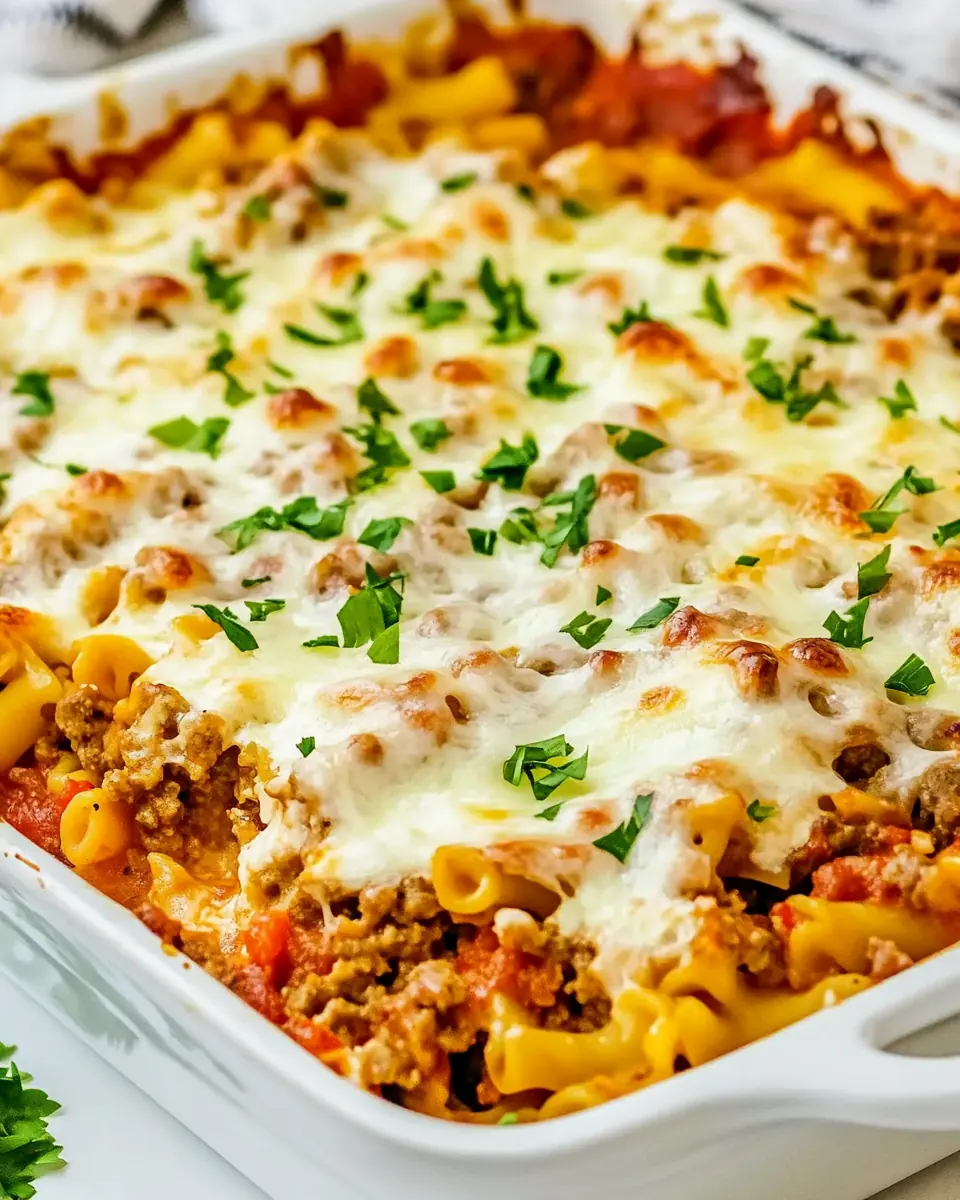
These ingredients work together to build a dish that is at once creamy, saucy, and satisfying. The key players are the egg noodles that carry the sauce, the seasoned ground beef that brings savory depth, and the trio of soft cheeses that create a luxurious texture. I choose simple seasonings so the cheese and sauce can shine.
- 8 ounces egg noodles: Boil until tender and provide the pasta base that soaks up sauces and binds the casserole together. Egg noodles offer a soft, slightly chewy texture and mild flavor that complements rich dairy and tomato components. Use cooked and drained noodles to prevent excess moisture in the bake.
- 1 pound lean ground beef: Brown thoroughly and supply savory, meaty flavor and protein to the dish. Lean ground beef contributes richness without excessive fat, creating a hearty layer that pairs well with tomato sauce and cheeses. Drain any excess fat to keep the casserole from becoming greasy.
- 2 cups marinara sauce: Simmer to add concentrated tomato flavor, acidity, and moisture that melds the layers. Marinara sauce brings herbs and umami, helping to season the beef and coat the noodles evenly. Use a smooth sauce to create a cohesive, flavorful base for the bake.
- 1/2 teaspoon garlic powder: Season lightly to contribute mellow garlic aroma and enhance overall savory notes without adding moisture. Garlic powder is a convenient way to distribute garlic flavor evenly through the meat and cheese mixtures. Add at the browning stage or mix into dairy for consistent seasoning.
- 1/2 teaspoon onion powder: Season subtly to supply sweet onion undertones and deepen savory complexity in the filling. Onion powder disperses easily and complements both meat and dairy components without needing sautéing. Adjust amount to taste to avoid overpowering delicate cheeses.
- 1/2 cups sour cream: Fold gently to introduce creamy tang that enriches texture and balances acidity from the tomato sauce. Sour cream provides moisture and a silky mouthfeel, helping to bind ingredients while lending a bright, slightly tangy finish. Use at room temperature for easier integration into the mixture.
- 1/2 cup ricotta: Blend smoothly to add mild, slightly sweet creaminess and help thicken the casserole filling. Ricotta contributes a delicate curd structure that lightens the overall texture while holding moisture within the bake. Spoon evenly to distribute pockets of creamy richness.
- 1 cup small curd cottage cheese: Stir in to deliver a lumpy, milky texture and mild saltiness that complements ricotta and cheddar. Small curd cottage cheese adds protein and moisture, creating a cottage–cheese–like body that prevents the bake from drying out. Drain slightly if a firmer consistency is desired.
- 1 cup shredded cheddar cheese: Sprinkle generously to provide sharp, tangy flavor and melty pockets of golden color on top or within the layers. Shredded cheddar brings bold cheesiness and a pleasing bite that contrasts softer dairy components. Use freshly shredded cheese for best melting and flavor.
- 1 cup shredded mozzarella cheese: Top liberally to contribute gooey stretch and mild, milky flavor that unifies the casserole surface. Shredded mozzarella melts into a smooth, elastic layer and creates an appealing browned crust when baked. Distribute evenly to ensure consistent melting over the entire dish.
- 1 teaspoon parsley chopped, for serving: Garnish finely chopped to add bright herbal freshness and a mild, parsley-like flavor contrast. Parsley lifts the rich, creamy elements and adds visual color, completing the presentation and balancing heavier components. Scatter just before serving to preserve its fresh appearance.
How to Cook Sour Cream Noodle Bake
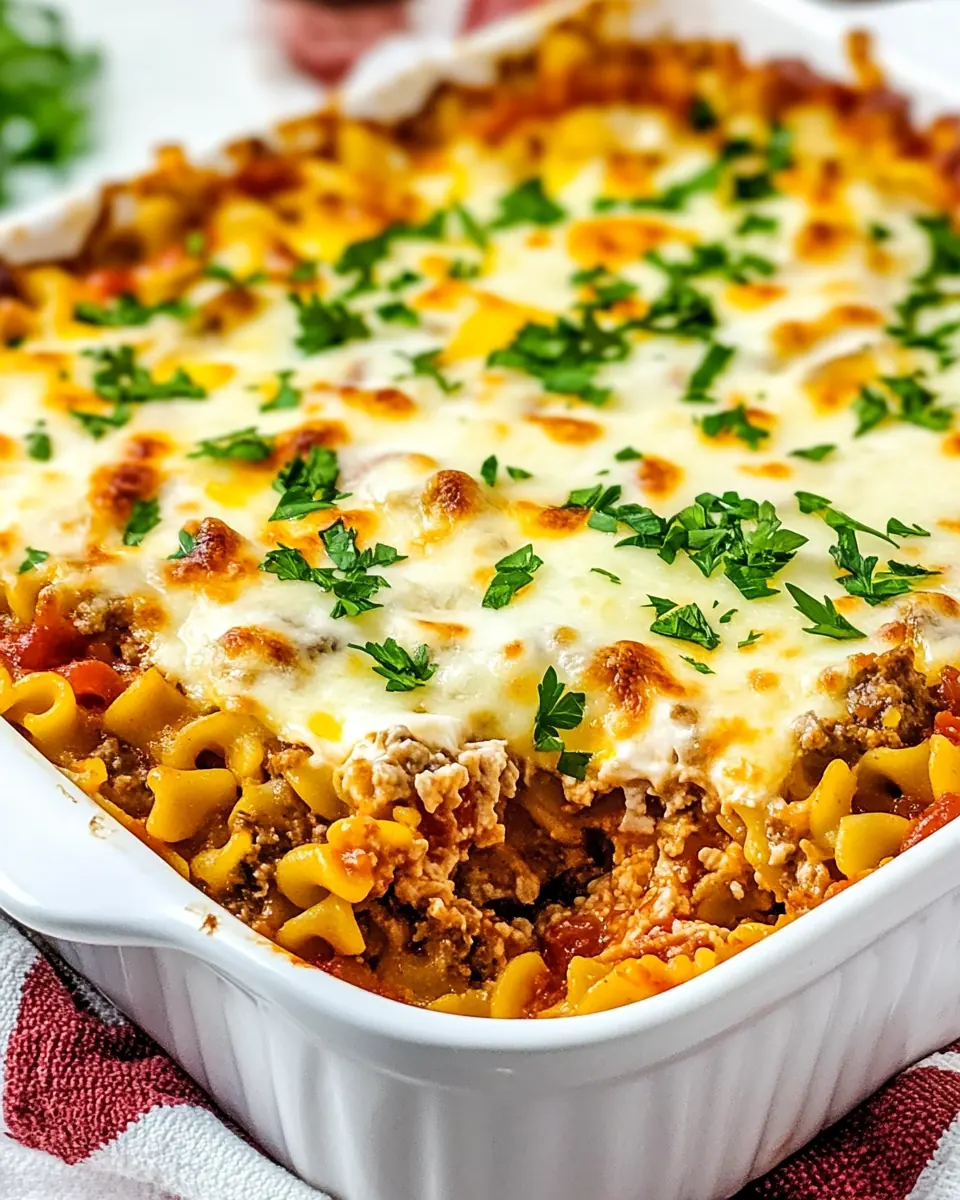
This recipe moves from stovetop to oven in a few clear stages. I like to work systematically so everything is warm when assembled, and the layering step is where the dish comes together visually and texturally. Read each step fully so you can watch for the sensory cues that tell you it is progressing correctly.
- Cook the egg noodles according to package directions. Drain and keep warm.: The boiling of the egg noodles produces a fragrant, wheaty steam and a soft, plump texture that should still hold a slight bite when you drain them. You want the water to be at a vigorous boil before adding the noodles, and the surface will foam with starch as they cook. After draining, toss them gently to prevent sticking, and keep them covered so they stay warm and pliable for assembly. The why here is that slightly undercooked noodles finish in the oven, ensuring a pleasing al dente result rather than a mushy mass. A typical mistake is overcooking to complete softness, which ruins the texture after baking. If the noodles seem to stick together, toss them with a small splash of olive oil or a bit of reserved sauce.
- Cook the ground beef in a sauté pan until no longer pink, drain off excess grease and add the marinara sauce.: As the ground beef browns you'll hear a steady sizzle and smell rich, meaty notes as Maillard flavors develop. Break the beef up with a wooden spoon so it browns evenly, producing small browned bits that contribute deep savory taste. Drain excess grease to prevent the final bake from becoming greasy, then return the beef to the pan and stir in the marinara sauce , allowing the sauce to simmer briefly and absorb the meat flavors. This step matters because well browned beef gives the sauce a fuller, more complex profile. A common misstep is skipping the drain, which leaves excess fat in the casserole and makes the top look oily rather than golden. If your sauce seems thin, simmer a few extra minutes to concentrate flavor.
- In a separate bowl, combine the garlic powder, onion powder, sour cream, ricotta, and cottage cheese. Add the noodles and toss to coat.: When you fold the dairy mixture with the warm egg noodles , you'll notice steam rising and a creamy sheen forming as the cheeses soften. The powders distribute flavor evenly without adding texture. Tossing by hand ensures each noodle is coated and every bite gets a balance of tang and silk from the sour cream , ricotta , and cottage cheese . This matters because the even coating prevents dry patches in the casserole and helps the layers meld. A mistake here is combining cold cheese with hot noodles which can cause clumping; bring the cheeses to room temperature for a smoother mix.
- Heat the oven to 350° and spray a 9×13-inch pan with cooking spray.: As the oven warms to 350° , you can feel the kitchen heat shift and the air become ready for baking. Spraying the pan prevents sticking and ensures easy serving after baking. Choosing the right pan size ensures proper depth for even cooking, so use a 9 by 13 inch pan as directed to keep the layers balanced. The rationale is that the oven temperature allows cheeses to melt and the sauce to bubble without overbrowning. A misstep is using a much smaller or larger pan which changes bake time and can result in uneven doneness.
- Spoon half the noodles evenly in the pan, spread with half the meat sauce and top with the cheddar cheese.: When you spread the first noodle layer, you should see a dense, textured bed of pasta that accepts the warm marinara sauce and browned beef. The cheddar cheese on top will sit and begin to soften from the residual heat, creating pockets of sharp flavor. Layering in this order helps the sauce penetrate the noodles and the cheddar to create a flavorful barrier before the second noodle layer. This technique matters because it creates alternating layers of creaminess and savory meat. Avoid piling ingredients unevenly, which can create dry edges or a soggy center.
- Spread the remaining noodles over the cheese and top with remaining meat sauce and the mozzarella cheese.: As you add the final noodle layer and the remaining marinara sauce , the casserole will gain height and weight, and the top will be ready to accept the mozzarella cheese . The mozzarella cheese will melt into a smooth, stretchy blanket that browns attractively in the oven. This final assembly step balances textures and ensures the cheese melts over the sauce rather than sinking. A pitfall is pressing down hard on the layers, which compacts the casserole and can hinder even baking.
- Place in the oven and bake for 20 minutes until the cheese melted.: In the oven you will witness the cheese transform, bubbling and then settling into a golden, slightly blistered top while the sauce simmers at the edges. The sound is subtle, a gentle bubble rather than a roar, and the aroma will deepen to a comforting tomato and toasted cheese fragrance. Baking allows the components to marry, creating a cohesive casserole. The key sign of readiness is thoroughly melted cheese and hot center when tested. A common error is underbaking which leaves the center cool and the cheeses not fully integrated. If the top browns too quickly, tent loosely with foil for the remaining time.
- Remove and sprinkle with parsley.: After you pull the pan from the oven, the stream of steam and the smell of browned cheese is immediate and inviting. Letting the casserole rest for a few minutes lets the layers settle so it slices cleanly, and the chopped parsley scattered on top adds a fresh herbal finish and color contrast. This resting period is important because it prevents the filling from running when you serve. Avoid cutting into it immediately, which will yield a loose, less presentable portion.
Variations to Try
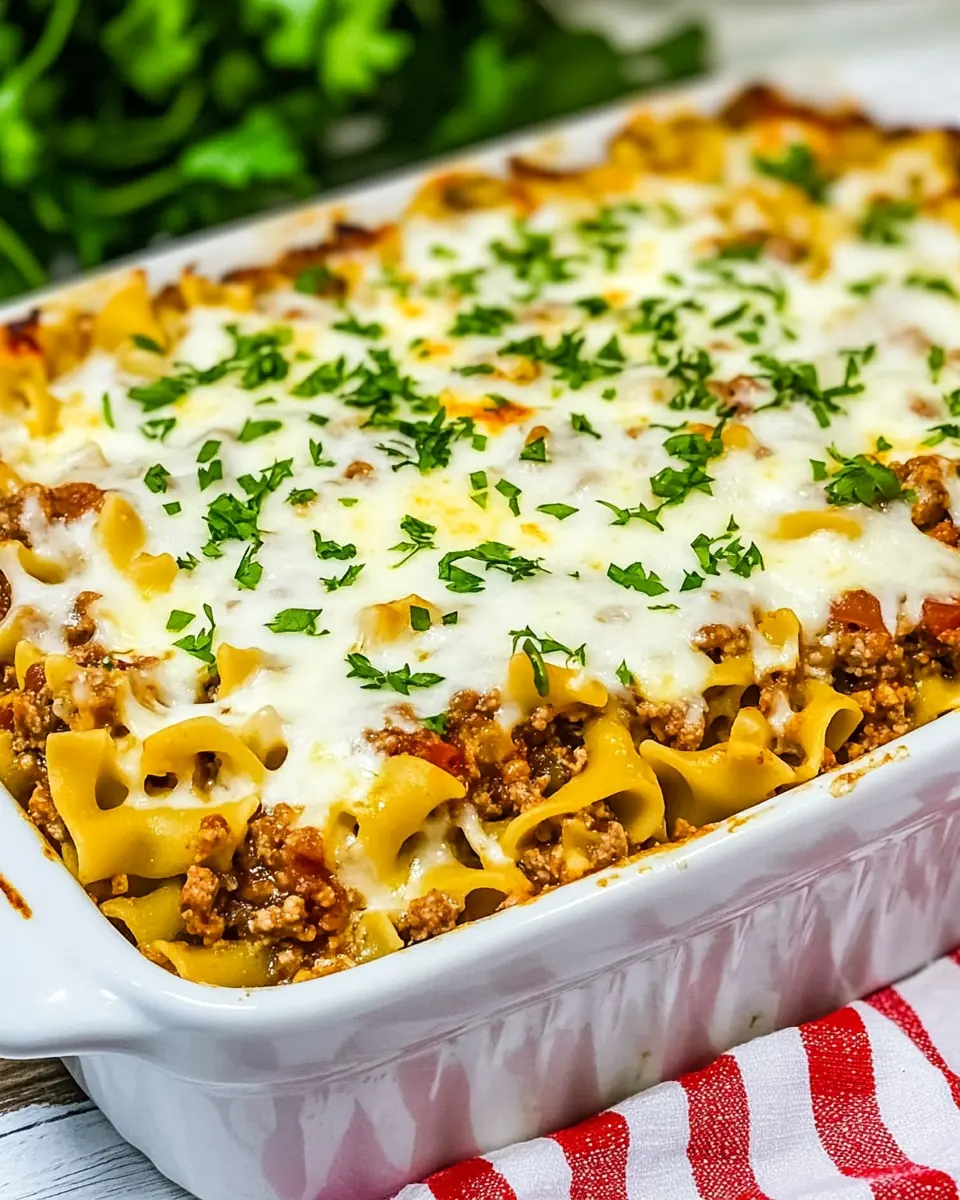
I like to tweak this dish depending on mood and pantry supplies. Small changes can shift texture or flavor while keeping the familiar comfort intact. Below are practical variations and adjustments you can make to customize the bake without changing its heart.
- Double the sauce if you love a saucier casserole, adding extra marinara sauce between layers for more tomato brightness and moisture.
- Swap cheese ratios by using more mozzarella cheese for extra stretch, or more cheddar cheese for sharper bites in every serving.
- Make ahead assembly by preparing up to the baking step and refrigerating, then bake when ready for a freshly finished dish.
- Control sodium by choosing low sodium marinara sauce and unsalted cheeses if you are watching salt intake.
- Texture play by choosing slightly larger noodles for more bite, or smaller shapes if you prefer a denser, homogenous interior.
Great Combinations for Sour Cream Noodle Bake
This casserole pairs well with simple sides that complement its creamy and tangy profile. I often choose crisp, acidic accompaniments to cut through the richness, and serve it for casual dinners, family gatherings, or cozy winter evenings.
- Light green salad with a vinegar based dressing to provide acidity that balances the rich sour cream and cheeses.
- Steamed green vegetables such as green beans or broccoli that offer textural contrast and freshness on the plate.
- Crusty bread for scooping up any remaining sauce and giving a crunchy counterpoint to the soft noodles.
- Serve for dinner or family gatherings where the casserole can be placed in the center for sharing, making it ideal for weeknight comfort or informal entertaining.
- Storage tips let the bake cool to room temperature, then refrigerate in an airtight container for up to five days, or freeze in portions for longer keeping.
- Seasonal pairing this is especially comforting during colder months like winter, when warm, cheesy casseroles feel most welcome.
FAQ
Conclusion
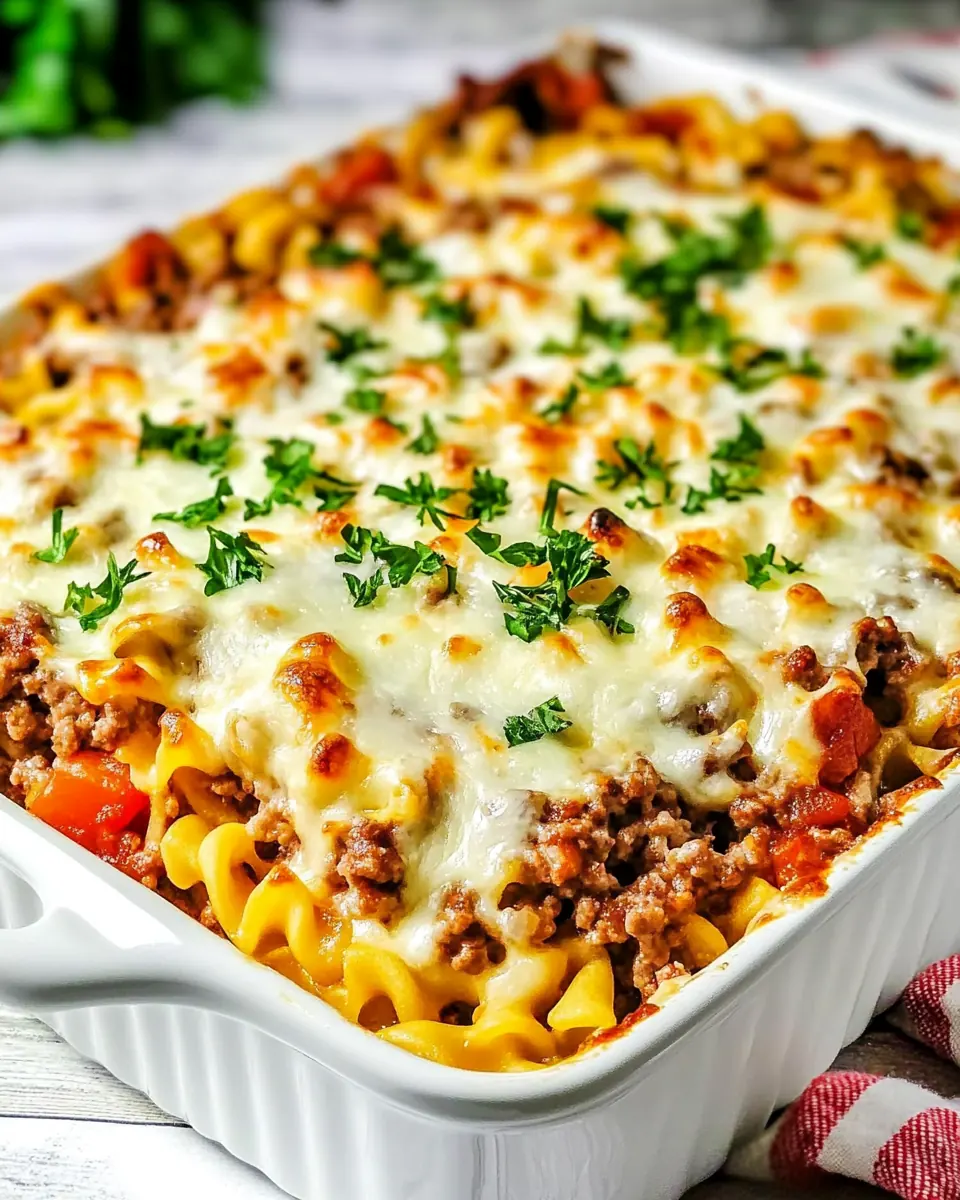
Sour Cream Noodle Bake stands out because it delivers creamy, layered comfort with minimal fuss, marrying tender noodles, savory meat, and melted cheeses into a family friendly casserole. I encourage you to give it a try on a busy weeknight or for a casual gathering, because its forgiving nature and make ahead potential make it a reliable crowd pleaser. Enjoy the warmth and the simple pleasure of a dish that feels like homemade comfort in every bite.
Sour Cream Noodle Bake
Ingredients
Equipment
Method
- Cook the egg noodles according to package directions. Drain and keep warm.: The boiling of the egg noodles produces a fragrant, wheaty steam and a soft, plump texture that should still hold a slight bite when you drain them. You want the water to be at a vigorous boil before adding the noodles, and the surface will foam with starch as they cook. After draining, toss them gently to prevent sticking, and keep them covered so they stay warm and pliable for assembly. The why here is that slightly undercooked noodles finish in the oven, ensuring a pleasing al dente result rather than a mushy mass. A typical mistake is overcooking to complete softness, which ruins the texture after baking. If the noodles seem to stick together, toss them with a small splash of olive oil or a bit of reserved sauce.
- Cook the ground beef in a sauté pan until no longer pink, drain off excess grease and add the marinara sauce.: As the ground beef browns you'll hear a steady sizzle and smell rich, meaty notes as Maillard flavors develop. Break the beef up with a wooden spoon so it browns evenly, producing small browned bits that contribute deep savory taste. Drain excess grease to prevent the final bake from becoming greasy, then return the beef to the pan and stir in the marinara sauce , allowing the sauce to simmer briefly and absorb the meat flavors. This step matters because well browned beef gives the sauce a fuller, more complex profile. A common misstep is skipping the drain, which leaves excess fat in the casserole and makes the top look oily rather than golden. If your sauce seems thin, simmer a few extra minutes to concentrate flavor.
- In a separate bowl, combine the garlic powder, onion powder, sour cream, ricotta, and cottage cheese. Add the noodles and toss to coat.: When you fold the dairy mixture with the warm egg noodles , you'll notice steam rising and a creamy sheen forming as the cheeses soften. The powders distribute flavor evenly without adding texture. Tossing by hand ensures each noodle is coated and every bite gets a balance of tang and silk from the sour cream , ricotta , and cottage cheese . This matters because the even coating prevents dry patches in the casserole and helps the layers meld. A mistake here is combining cold cheese with hot noodles which can cause clumping; bring the cheeses to room temperature for a smoother mix.
- Heat the oven to 350° and spray a 9×13-inch pan with cooking spray.: As the oven warms to 350° , you can feel the kitchen heat shift and the air become ready for baking. Spraying the pan prevents sticking and ensures easy serving after baking. Choosing the right pan size ensures proper depth for even cooking, so use a 9 by 13 inch pan as directed to keep the layers balanced. The rationale is that the oven temperature allows cheeses to melt and the sauce to bubble without overbrowning. A misstep is using a much smaller or larger pan which changes bake time and can result in uneven doneness.
- Spoon half the noodles evenly in the pan, spread with half the meat sauce and top with the cheddar cheese.: When you spread the first noodle layer, you should see a dense, textured bed of pasta that accepts the warm marinara sauce and browned beef. The cheddar cheese on top will sit and begin to soften from the residual heat, creating pockets of sharp flavor. Layering in this order helps the sauce penetrate the noodles and the cheddar to create a flavorful barrier before the second noodle layer. This technique matters because it creates alternating layers of creaminess and savory meat. Avoid piling ingredients unevenly, which can create dry edges or a soggy center.
- Spread the remaining noodles over the cheese and top with remaining meat sauce and the mozzarella cheese.: As you add the final noodle layer and the remaining marinara sauce , the casserole will gain height and weight, and the top will be ready to accept the mozzarella cheese . The mozzarella cheese will melt into a smooth, stretchy blanket that browns attractively in the oven. This final assembly step balances textures and ensures the cheese melts over the sauce rather than sinking. A pitfall is pressing down hard on the layers, which compacts the casserole and can hinder even baking.
- Place in the oven and bake for 20 minutes until the cheese melted.: In the oven you will witness the cheese transform, bubbling and then settling into a golden, slightly blistered top while the sauce simmers at the edges. The sound is subtle, a gentle bubble rather than a roar, and the aroma will deepen to a comforting tomato and toasted cheese fragrance. Baking allows the components to marry, creating a cohesive casserole. The key sign of readiness is thoroughly melted cheese and hot center when tested. A common error is underbaking which leaves the center cool and the cheeses not fully integrated. If the top browns too quickly, tent loosely with foil for the remaining time.
- Remove and sprinkle with parsley.: After you pull the pan from the oven, the stream of steam and the smell of browned cheese is immediate and inviting. Letting the casserole rest for a few minutes lets the layers settle so it slices cleanly, and the chopped parsley scattered on top adds a fresh herbal finish and color contrast. This resting period is important because it prevents the filling from running when you serve. Avoid cutting into it immediately, which will yield a loose, less presentable portion.
Notes
- Double the sauce if you love a saucier casserole, adding extra marinara sauce between layers for more tomato brightness and moisture.
- Swap cheese ratios by using more mozzarella cheese for extra stretch, or more cheddar cheese for sharper bites in every serving.
- Make ahead assembly by preparing up to the baking step and refrigerating, then bake when ready for a freshly finished dish.
- Control sodium by choosing low sodium marinara sauce and unsalted cheeses if you are watching salt intake.
- Texture play by choosing slightly larger noodles for more bite, or smaller shapes if you prefer a denser, homogenous interior.