Super Easy Cherry Turnovers
Super Easy Cherry Turnovers are one of those recipes I reach for when I want something sweet and impressive without a lot of fuss. The first time I made them I was racing the clock before guests arrived, and these flaky parcels saved the day. I remember the kitchen filling with a warm, fruity aroma as the puff pastry rose and browned, and everyone dove in before I could finish plating. That moment convinced me that simple can taste spectacular.
Over the years I have tweaked how I fill, seal, and finish these turnovers, and I love how forgiving the whole process is. You can count on the buttery layers of puff pastry dough to turn golden and crisp while the cherry pie filling bubbles gently inside, releasing a sweet, slightly tart perfume. I often make a batch while I sip coffee, then pop them in the oven when guests text they are 10 minutes away. Watching the pastry puff up is a tiny, satisfying thrill, and drizzling the glossy glaze feels like the final flourish.
What I enjoy most is how approachable these treats are. If you are nervous about pastry, this recipe removes the intimidation by using store bought components that still deliver bakery level results. I never worry about perfection, because the rustic folds and sticky glaze are part of the charm. And when a child asks to help, I hand over the pastry squares and a spoon, because the whole process is forgiving and playful.
Recipe Snapshot
35 mins
10 mins
25 mins
Easy
250 kcal
American
Gluten-Free, Low FODMAP
Desserts
Baking sheet, Wire rack, Mixing bowl, Frosting bag or zip close bag
Why You Need This Super Easy Cherry Turnovers
They come together fast and reliably
I love how Super Easy Cherry Turnovers feel like a special project that takes almost no time. With a few pantry staples and a thawed sheet of puff pastry dough, you can have warm pastries out of the oven in under an hour, which makes them perfect for last minute company.
Texture that wows
The contrast between the flaky, buttery layers of puff pastry dough and the glossy, slightly syrupy cherry pie filling is what keeps people coming back for seconds. I pay attention to how golden the edges turn, because that crisp shell gives way to the juicy filling, creating a delightful mouthfeel.
Totally adaptable
One of my favorite reasons to love these turnovers is their flexibility. Swap the filling without changing the technique, or even dollop a spoon of chocolate in place of a fruit filling for a different mood. I often change flavors for seasons or celebrations, and it all works because the method is forgiving.
Kid friendly and fun to make
These pastries are an easy task to hand off to a helper. I let kids spoon the filling and crimp the edges, which turns baking into a hands on activity. The mess is minimal, and the payoff is huge when they beam at a warm, finished turnover.
Great for entertaining
Whether I am hosting brunch or bringing something to a potluck, Super Easy Cherry Turnovers travel well and present beautifully. They can be made ahead and glazed just before serving, so you can spend more time with guests and less time warming the oven.
Super Easy Cherry Turnovers Ingredients
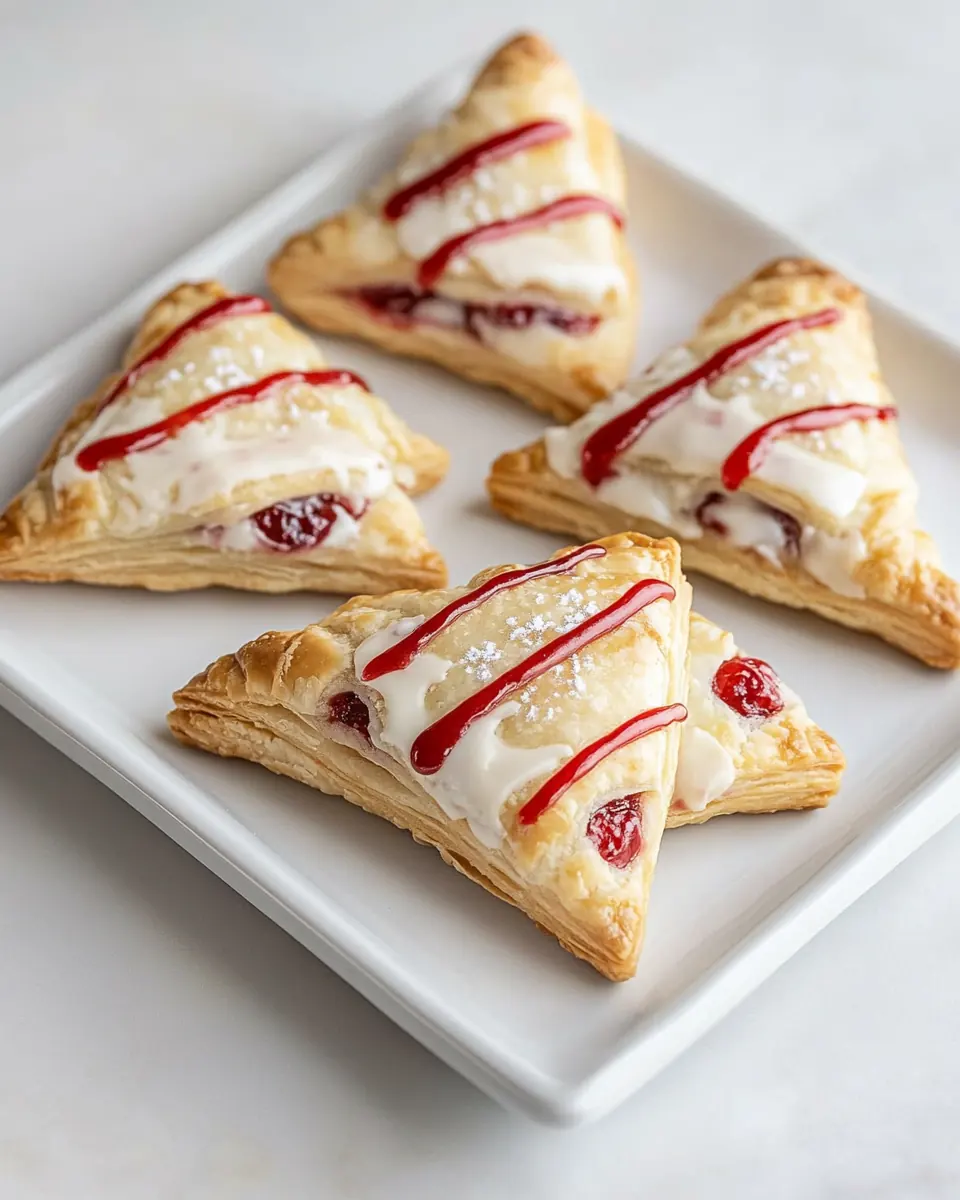
These ingredients are intentionally simple, built on a foundation of convenience and flavor. The star is the puff pastry dough, whose butter layers produce lift and crispness. The cherry pie filling brings concentrated fruit flavor and a glossy texture, while the egg white helps seals the pastry for tidy pockets. The glaze ingredients tie everything together, adding sweetness and a delicate sheen.
- 1 Puff Pastry Dough, box (found in the freezer section, thawed according to package instructions): Provides a flaky, buttery base for the turnovers; thaw according to package instructions to ensure workable dough without tearing. Acts as the structural component that holds the filling and crisps up golden during baking.
- 1 Cherry Pie filling, 21 oz can: Supplies the sweet, fruit-filled center with ready-made cherry pieces and thick syrup; use straight from the can for convenience and consistent flavor. Balances tartness and sweetness to create the signature filling of the pastry.
- 1 egg white, lightly beaten: Adds a light glaze and helps seal pastry edges when brushed along seams; whisk gently to incorporate a bit of air without breaking it down. Promotes even browning and a glossy finish on the turnovers.
- 1 1/2 cups powdered sugar: Creates a smooth, sweet icing when combined with milk and vanilla; sift if needed to avoid lumps for a silky texture. Provides a finishing touch that complements the fruit filling and adds sweetness without overwhelming the pastry.
- 2 tbsp milk: Thins powdered sugar to the desired glaze consistency while adding a touch of creaminess; start with the amount listed and adjust for drizzle or spread. Helps the icing set and gives a slightly tangy dairy note when used sparingly.
- 1 tsp vanilla extract: Imparts warm, aromatic flavor to the glaze and enhances overall sweetness; stir into the icing for a subtle vanilla undertone. Complements the cherry filling and balances the sugary glaze with familiar depth.
How to Make Super Easy Cherry Turnovers
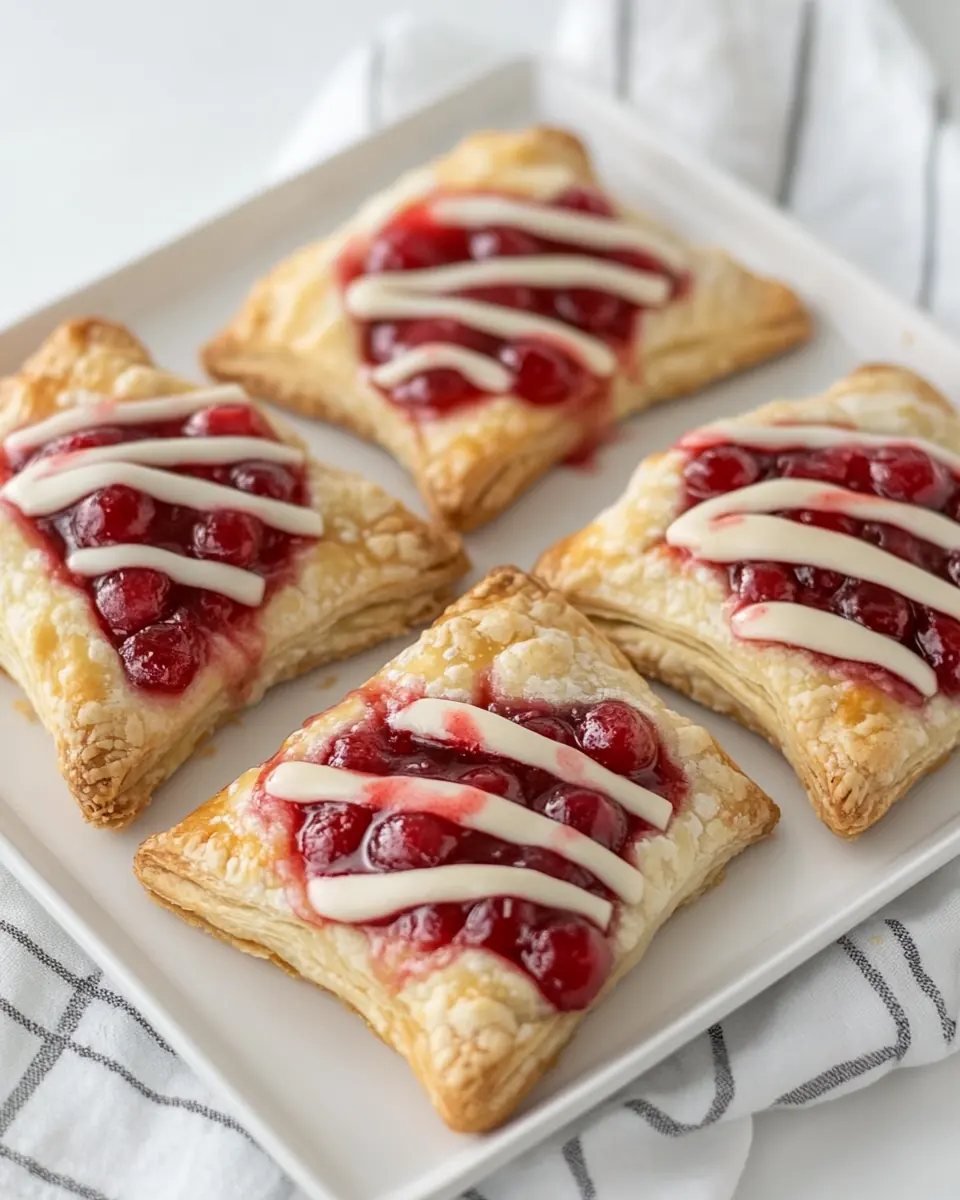
These instructions are straightforward and friendly, designed for cooks of all skill levels. I like to move through the steps deliberately, paying attention to visual and tactile cues so each turnover bakes up with optimal texture. Keep tools nearby and a wire rack ready for cooling.
- Preheat oven to 375 degrees F.: As you start, you will notice a clean, warm heat build in the oven that prepares the puff pastry dough to rise properly. The warmth activates the layers and ensures an even bake, producing that flaky, golden crust we want. A common mistake is not allowing the oven to fully reach temperature, which can result in dense pastry, so wait until the oven signals it is ready. You might hear the oven fan kick in and see the interior light glow, and the smell of warmed metal is familiar and reassuring. Set your rack in the center for balanced browning, and keep a baking sheet handy.
- Unwrap both of the puff pastry doughs and cut into 8 squares (4 from each dough).: When you unfold the puff pastry dough , it will feel cold and slightly tacky, and you should see distinct layers. Use a sharp knife or a bench scraper to cut cleanly so edges seal properly later. The sound is faint as the blade slices through layers. Work quickly to prevent the dough from warming, because excess warmth melts the butter and deflates the layers. If the dough softens, chill it briefly on a sheet pan. Uniform squares help the turnovers cook evenly and look consistent.
- Place a heaping tablespoon or two of cherry pie filling in the center of each square. Brush the edges of the squares with the egg white and fold over to enclose the pie filling.: The cherry pie filling will glisten, and spooning it into the center leaves room at the edges for sealing. Brush a thin line of egg white around the perimeter to create a tacky surface that bonds the dough. As you fold, press the edges firmly so the filling stays inside, and crimp with a fork or your fingers for a decorative seal. Watch for any leaking filling, which means the seal needs reinforcement. Overfilling is a common trap, causing bursts in the oven, so stick to the suggested spoonfuls.
- Bake on an un-greased baking sheet for 20 to 25 minutes, or until puff pastry is golden brown.: Once in the oven, the pastries will begin to swell and the surface will change from pale to a deep, inviting gold. You may hear a gentle crackle as steam expands the layers. Visual cues are key here, because exact time varies with ovens; aim for an even golden color and crispy edges. Avoid opening the oven frequently, because that lets heat escape and hinders rise. A common mistake is baking until the top is brown but the bottom is undercooked, so rotate the sheet once if your oven has hot spots.
- Let cool on a wire rack.: After baking, the turnovers will be hot and their centers actively bubbling. Placing them on a wire rack prevents the bottoms from steaming and keeps the crust crisp. You will notice a faint aroma of cooked fruit and butter as they cool. Give them a short rest so the filling sets slightly; piping glaze onto piping hot pastries can cause it to slide off. Avoid stacking them while warm, which can trap moisture and soften the crust.
- Combine the powdered sugar, milk and vanilla extract in a bowl and whisk until smooth. Pour in a frosting bag or zip close bag then snip off the tip or corner to pipe on the cooled turnovers. Enjoy!: The glaze should be silky and pourable, with a glossy sheen. Start with the measured powdered sugar and add milk slowly while whisking to avoid lumps, then stir in vanilla extract for aroma. The mixture will smell sweet and fragrant, and its texture should coat a spoon cleanly. If it seems too thick, add a teaspoon of milk at a time. Lumps or an overly thin glaze are common pitfalls, but a vigorous whisk corrects texture.
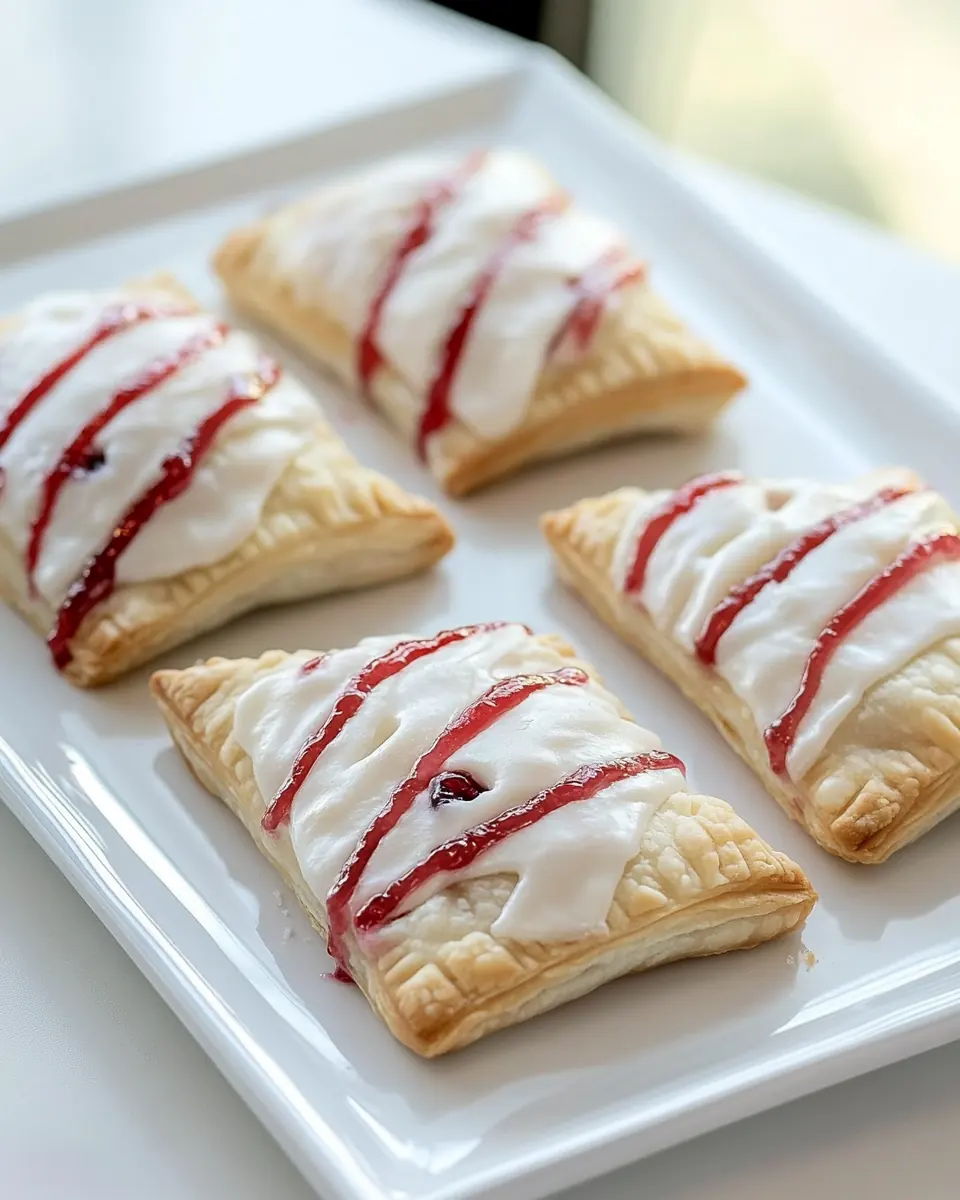
- Pour in a frosting bag or zip close bag then snip off the tip or corner to pipe on the cooled turnovers. Enjoy!: Transfer the glaze into a bag and apply gentle pressure to drizzle over each turnover in a ribbon or crosshatch pattern. The sound is quiet as the glaze falls, and it quickly sets to a glossy finish on the cooled pastry. Visually, the white glaze contrasts with the golden crust and sticky cherry patches, making them look irresistible. Serve once the glaze has set enough to avoid sticky fingers. A frequent oversight is glazing while the pastries are too warm, which causes the glaze to melt away, so ensure they are cool enough to hold the finish.
Change It Up
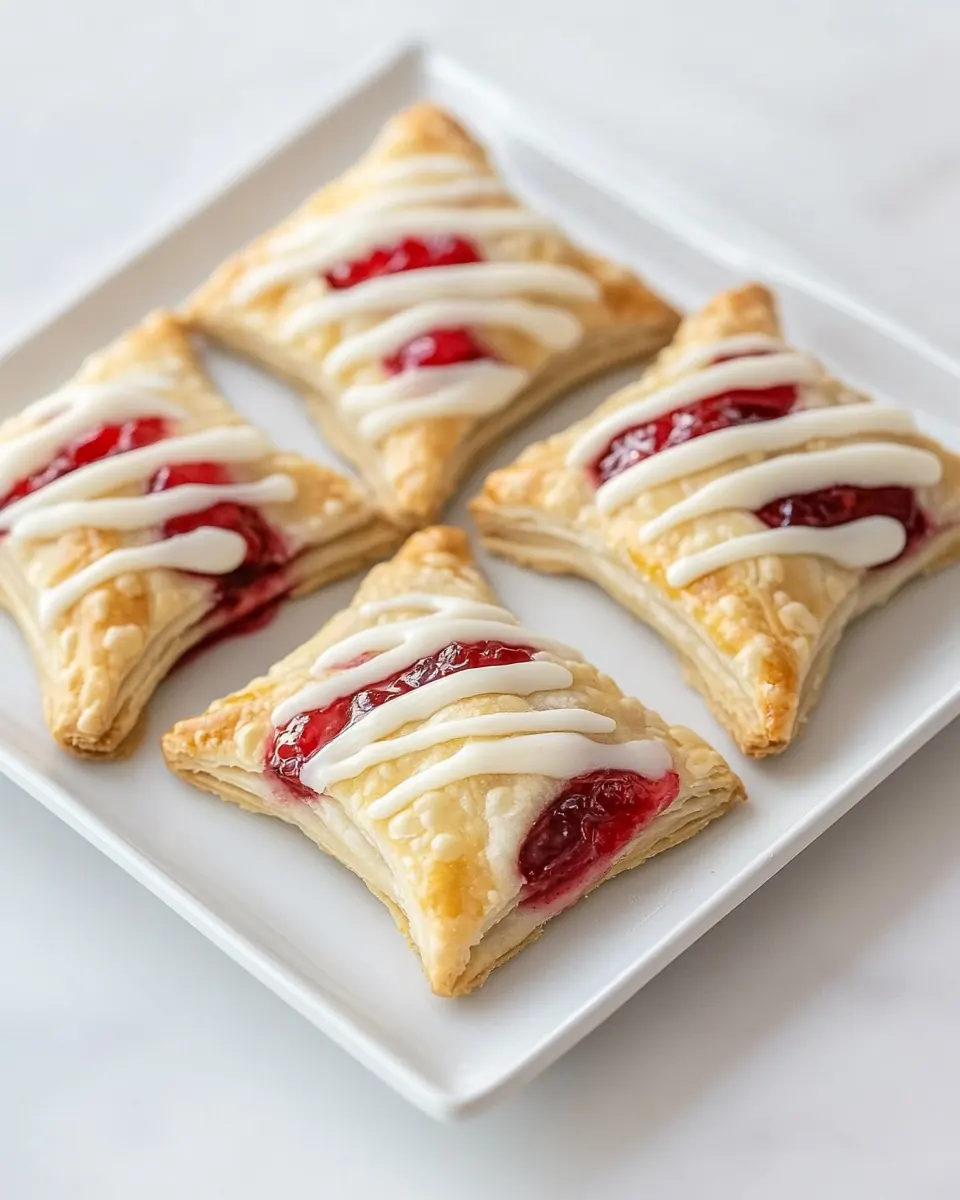
I like offering a few thoughtful variations so you can make these turnovers your own. Each tip below starts with a clear action phrase and then explains how to adapt with confidence.
- Swap the filling: Use a different canned filling to change the flavor profile, like apple or blueberry, keeping the same technique so you can experiment without altering the process.
- Make mini turnovers: Cut smaller squares to create bite sized pastries, which are perfect for parties and reduce baking time slightly, though watch carefully to avoid overbaking.
- Add a citrus twist: Stir a teaspoon of lemon or orange zest into the glaze for a bright counterpoint to the sweet filling, enhancing complexity without extra steps.
- Use a decorative edge: Crimp with a fork or press pastry cutters along the seam for a pretty finish that also helps seal the turnovers firmly.
- Glaze alternatives: Swap milk for cream in the glaze for a richer finish, or thin with a touch of water if you need a more transparent sheen for presentation.
Perfect Matches for Super Easy Cherry Turnovers
These turnovers pair beautifully with simple accompaniments and suit a range of occasions, from a casual brunch to a festive gathering. Below are pairing ideas, serving styles, storage tips, and seasonal notes to help you present them with confidence.
- Brunch pairing: Serve warm with a pot of coffee or tea for an easy morning spread, and arrange on a platter for self service.
- Party platter: Offer mini turnovers alongside fresh fruit and cheese for a balanced snack board that guests can graze from.
- Make ahead: Bake the turnovers, cool completely, and store in an airtight container for up to two days; reheat briefly in a 350 degree F oven to refresh crispness.
- Seasonal notes: These work well in summer when stone fruits are in season, but canned fillings make them a year round treat for holidays or casual get togethers.
- Storage tips: Keep the glaze separate if you plan to stack pastries, then glaze just before serving to preserve appearance and texture.
FAQ
Conclusion
What makes these Super Easy Cherry Turnovers so special is their combination of impressive texture and straightforward technique. They give you bakery worthy flaky pastry and a juicy, sweet filling with minimal hands on time, making them perfect for both casual mornings and unexpected guests. I encourage you to give them a try, adapt the filling to your taste, and enjoy the little moments of delight when the pastry puffs and the glaze sets. They are forgiving, adaptable, and reliably delicious, which is why I keep this recipe in rotation.
Super Easy Cherry Turnovers
Ingredients
Equipment
Method
- Preheat oven to 375 degrees F.: As you start, you will notice a clean, warm heat build in the oven that prepares the puff pastry dough to rise properly. The warmth activates the layers and ensures an even bake, producing that flaky, golden crust we want. A common mistake is not allowing the oven to fully reach temperature, which can result in dense pastry, so wait until the oven signals it is ready. You might hear the oven fan kick in and see the interior light glow, and the smell of warmed metal is familiar and reassuring. Set your rack in the center for balanced browning, and keep a baking sheet handy.
- Unwrap both of the puff pastry doughs and cut into 8 squares (4 from each dough).: When you unfold the puff pastry dough , it will feel cold and slightly tacky, and you should see distinct layers. Use a sharp knife or a bench scraper to cut cleanly so edges seal properly later. The sound is faint as the blade slices through layers. Work quickly to prevent the dough from warming, because excess warmth melts the butter and deflates the layers. If the dough softens, chill it briefly on a sheet pan. Uniform squares help the turnovers cook evenly and look consistent.
- Place a heaping tablespoon or two of cherry pie filling in the center of each square. Brush the edges of the squares with the egg white and fold over to enclose the pie filling.: The cherry pie filling will glisten, and spooning it into the center leaves room at the edges for sealing. Brush a thin line of egg white around the perimeter to create a tacky surface that bonds the dough. As you fold, press the edges firmly so the filling stays inside, and crimp with a fork or your fingers for a decorative seal. Watch for any leaking filling, which means the seal needs reinforcement. Overfilling is a common trap, causing bursts in the oven, so stick to the suggested spoonfuls.
- Bake on an un-greased baking sheet for 20 to 25 minutes, or until puff pastry is golden brown.: Once in the oven, the pastries will begin to swell and the surface will change from pale to a deep, inviting gold. You may hear a gentle crackle as steam expands the layers. Visual cues are key here, because exact time varies with ovens; aim for an even golden color and crispy edges. Avoid opening the oven frequently, because that lets heat escape and hinders rise. A common mistake is baking until the top is brown but the bottom is undercooked, so rotate the sheet once if your oven has hot spots.
- Let cool on a wire rack.: After baking, the turnovers will be hot and their centers actively bubbling. Placing them on a wire rack prevents the bottoms from steaming and keeps the crust crisp. You will notice a faint aroma of cooked fruit and butter as they cool. Give them a short rest so the filling sets slightly; piping glaze onto piping hot pastries can cause it to slide off. Avoid stacking them while warm, which can trap moisture and soften the crust.
- Combine the powdered sugar, milk and vanilla extract in a bowl and whisk until smooth. Pour in a frosting bag or zip close bag then snip off the tip or corner to pipe on the cooled turnovers. Enjoy!: The glaze should be silky and pourable, with a glossy sheen. Start with the measured powdered sugar and add milk slowly while whisking to avoid lumps, then stir in vanilla extract for aroma. The mixture will smell sweet and fragrant, and its texture should coat a spoon cleanly. If it seems too thick, add a teaspoon of milk at a time. Lumps or an overly thin glaze are common pitfalls, but a vigorous whisk corrects texture.
- Pour in a frosting bag or zip close bag then snip off the tip or corner to pipe on the cooled turnovers. Enjoy!: Transfer the glaze into a bag and apply gentle pressure to drizzle over each turnover in a ribbon or crosshatch pattern. The sound is quiet as the glaze falls, and it quickly sets to a glossy finish on the cooled pastry. Visually, the white glaze contrasts with the golden crust and sticky cherry patches, making them look irresistible. Serve once the glaze has set enough to avoid sticky fingers. A frequent oversight is glazing while the pastries are too warm, which causes the glaze to melt away, so ensure they are cool enough to hold the finish.
Notes
- Swap the filling: Use a different canned filling to change the flavor profile, like apple or blueberry, keeping the same technique so you can experiment without altering the process.
- Make mini turnovers: Cut smaller squares to create bite sized pastries, which are perfect for parties and reduce baking time slightly, though watch carefully to avoid overbaking.
- Add a citrus twist: Stir a teaspoon of lemon or orange zest into the glaze for a bright counterpoint to the sweet filling, enhancing complexity without extra steps.
- Use a decorative edge: Crimp with a fork or press pastry cutters along the seam for a pretty finish that also helps seal the turnovers firmly.
- Glaze alternatives: Swap milk for cream in the glaze for a richer finish, or thin with a touch of water if you need a more transparent sheen for presentation.