Non fried Coconut Shrimp
Non fried Coconut Shrimp is one of those recipes that sneaks into your weeknight rotation and then stays for good. I first made it on a humid summer evening when I wanted the crunch and tropical flavors of coconut shrimp without hauling out a deep fryer. The result was a lighter, brighter dish that still felt indulgent, and I remember licking the sweet heat from my fingers while the kids argued over the last bite.
Over the years I have tweaked the balance of the sauce and the way I cook the shrimp so they stay tender instead of rubbery. I like serving this with a simple bed of linguine pasta to soak up the creamy coconut sauce and a crisp lettuce salad with citrus on the side. Every time I pull together these ingredients, the kitchen fills with the scent of coconut and thyme, and people gather around the stove out of curiosity as much as hunger.
Recipe Snapshot
40 mins
15 mins
25 mins
Medium
450 kcal
American
Gluten-Free, Low FODMAP
Dinner
Large skillet, Pot for pasta, Large bowl
Why This Non fried Coconut Shrimp Shines
1. Light yet satisfying
I love that Non fried Coconut Shrimp delivers the indulgence of a classic coconut shrimp without the heaviness of frying. The combination of coconut milk and yogurt creates a silky sauce that clings to the shrimp and pasta, giving you creamy mouthfeel without excess oil. This makes it perfect when you want comfort food that still feels balanced.
2. Bright, layered flavors
There is a pleasing contrast between the sweet coconut, the gentle heat of sriracha sauce, and the aromatic lift from thyme. I find those layers keep every bite interesting. The tossed lettuce salad with tangerine slices cuts through the richness, so the overall meal never feels cloying.
3. Quick and approachable
This dish comes together in about the time it takes to set a table, making it an easy weeknight winner. The most time consuming parts are slicing the bell peppers and cooking the pasta, tasks that can be done while the sauce simmers. I always appreciate recipes that let me noodle on other things while they work for me.
4. Family friendly but restaurant worthy
When I serve Non fried Coconut Shrimp to friends, they assume I spent hours on it. The visual pop from mixed bell peppers and the orange wedges makes it gorgeous on the plate, and the flavors are familiar without being boring. You can easily scale it up for dinner guests without losing the personality of the dish.
5. Flexible sides and easy swaps
Because the core is a creamy coconut sauce and tender shrimp, you can pair it with linguine pasta, rice, or a bed of greens. I often switch the dressing on the salad depending on what I have on hand. These choices change the mood of the meal, but the central appeal remains the same.
Ingredients to Make Non fried Coconut Shrimp
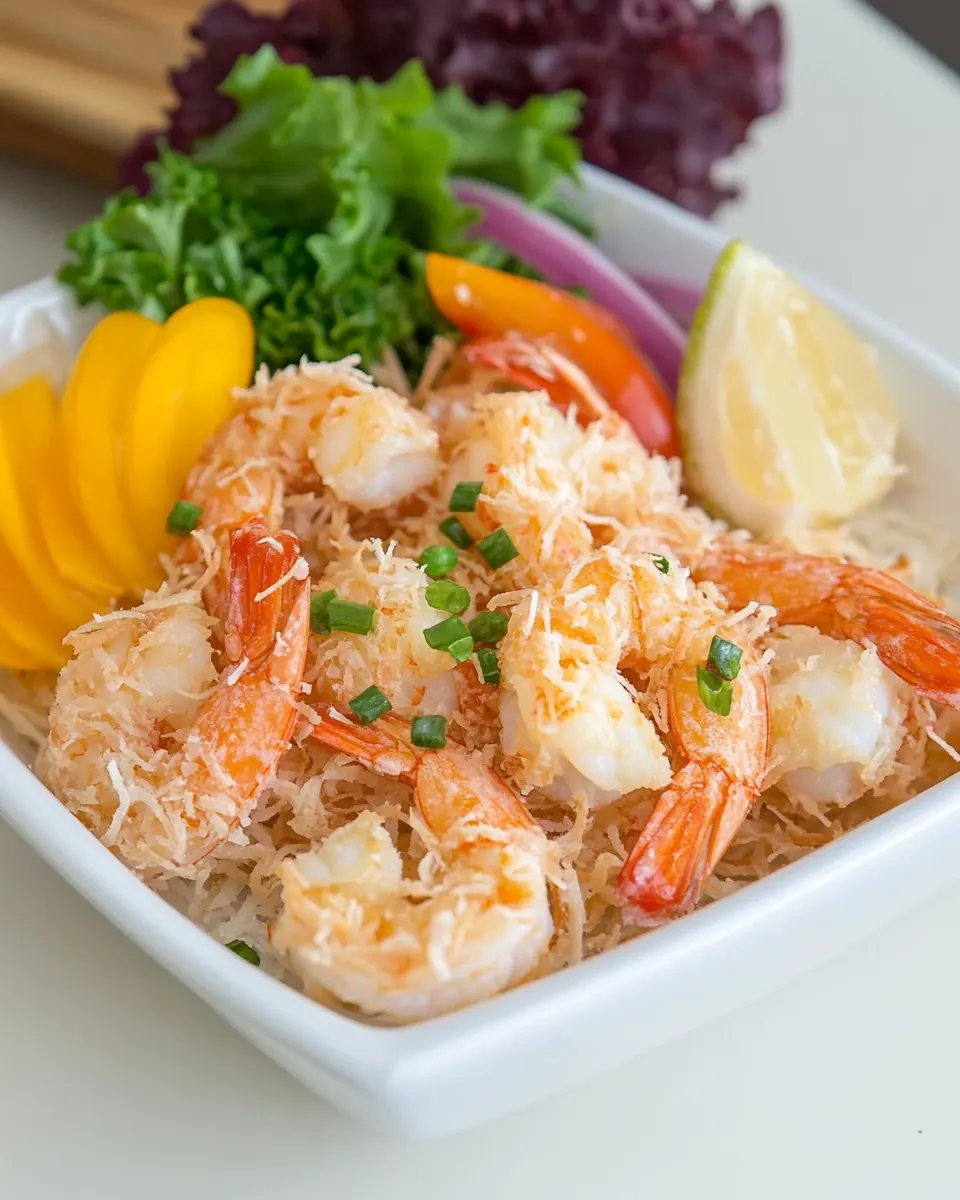
The ingredient list for Non fried Coconut Shrimp blends tropical creaminess with bright, crisp vegetables. The key players are the coconut milk which forms the sauce base, the plump shrimp which cook quickly and absorb flavor, and the trio of colorful bell peppers that provide texture contrast. Together these ingredients create harmony on the plate, where richness meets acidity and crunch.
- 4 ounce linguine pasta, dry: Cook to al dente following package instructions; provides a tender, neutral base to absorb sauces and bring bulk to the dish. Helps balance richer flavors from coconut milk and sriracha while offering pleasant texture contrast with shrimp.
- 2 tablespoon olive oil: Heat gently to release fruity, savory aromatics; provides cooking fat and helps sauté vegetables without overpowering other flavors. Contributes a subtle peppery note and promotes even browning on vegetables and shrimp.
- 1 medium bell pepper, green: Slice or dice and sauté until slightly softened; adds crisp-tender vegetal sweetness and a fresh green color contrast. Balances richness and adds bright, slightly bitter notes that complement the coconut and citrus.
- 1 medium bell pepper, orange: Slice or dice and sauté until tender; supplies sweet, fruity flavor and vibrant orange color to the dish. Enhances complexity and pairs well with citrus and spicy elements for layered taste.
- 1 medium bell pepper, red: Slice or dice and sauté until caramelized edges form; brings a sweet, robust pepper flavor and striking red color. Provides depth and melds with the coconut milk to create a harmonious savory profile.
- 1 medium onion, red: Slice and cook until translucent or lightly caramelized; contributes a savory-sweet backbone and aromatic complexity. Offers moisture release that helps build the sauce and melds flavors across the other vegetables.
- 1/2 teaspoon thyme, dried: Sprinkle during cooking to impart warm, herbaceous notes; works well with onion and bell peppers to create an aromatic foundation. Enhances savory components without dominating the dish.
- 1/2 teaspoon salt: Season toward the end of cooking to balance flavor and enhance other ingredients; controls overall saltiness of the recipe. Helps bring out natural sweetness in peppers and tomatoes while seasoning shrimp and pasta.
- 1 teaspoon black pepper, ground: Grind over the dish for a sharp, pungent heat that brightens flavors; use to adjust spiciness to taste. Complements salt and acidity, adding a warm, peppery finish to the sauce and shrimp.
- 1 cup coconut milk: Stir in to create a creamy, slightly sweet base with tropical notes; blends with spices and sriracha for a cohesive sauce. Adds richness and helps coat the pasta and shrimp evenly while contributing subtle coconut flavor.
- 1 pounds shrimp, peeled and deveined: Pat dry and cook until just opaque; provides tender seafood protein with a delicate texture that pairs well with creamy coconut sauce. Absorbs surrounding flavors like sriracha and citrus while delivering a satisfying main protein.
- 1 tablespoon sriracha sauce: Mix into sauce sparingly to introduce concentrated spicy and tangy heat; balances sweetness from coconut milk and fruit elements. Adds a bold kick that lifts the overall flavor profile and provides contrast to creamy components.
- 1 cup Greek yogurt, plain: Fold in as a cooling element or use as sauce base to temper heat; offers tangy creaminess and protein for a lighter dressing. Enhances mouthfeel and brightness while helping to bind sauces or dress the salad components.
- 4 cup lettuce, romaine: Tear and toss fresh to add crisp, cooling texture and a neutral green base for plated portions. Provides a refreshing contrast to warm shrimp and rich sauce while contributing bulk and a clean finish to each bite.
- 1/8 cup Parmesan cheese, grated: Sprinkle over finished plates to add salty, nutty umami and delicate texture; finely grated, it melts slightly into warm pasta. Complements creamy coconut and enhances savory depth across the dish.
- 1 cup cherry tomatoes: Halve or leave whole to introduce bursts of acidity and sweet freshness; brightens the dish and adds juicy texture. Balances richer elements and pairs aromatically with citrus and sriracha notes.
- 4 medium tangerine (mandarin orange): Peel and segment to add bright, citrus sweetness and a fragrant, juicy finish; use as garnish or mixed into salad for fresh contrast. Provides natural acidity that cuts richness and enhances seafood flavors.
Recipe Directions for Non fried Coconut Shrimp
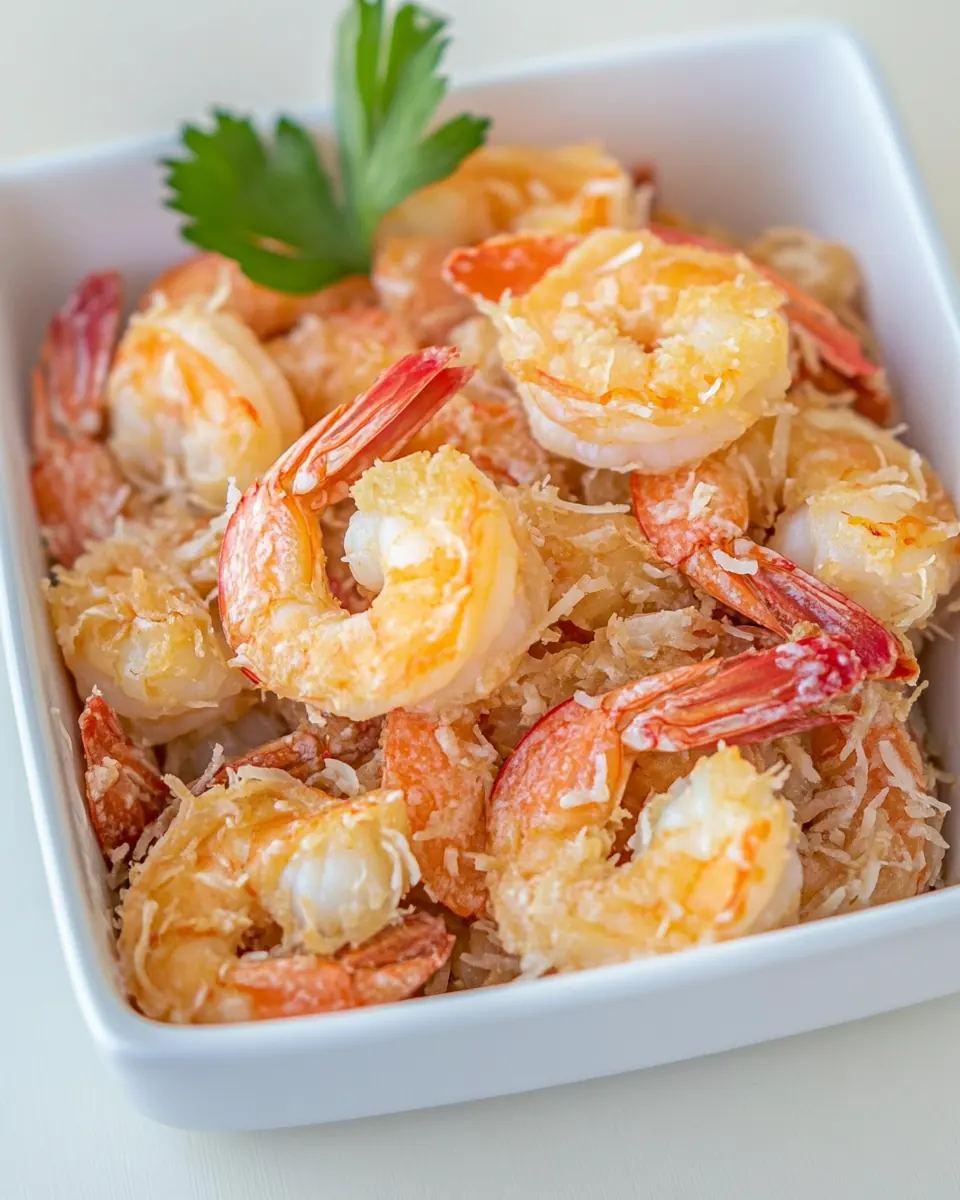
The directions below walk you through building the sauce, cooking the shrimp, and assembling the meal so everything arrives at the table hot and balanced. Read each step so you know the sensory cues to look for, and relax while the dish comes together quickly.
- Cook pasta according to package directions; drain, cover, and set aside.: The pasta should be cooked to al dente, when it still has a slight bite, and it will continue to soften when dressed with the warm sauce. You should smell the faint wheaty aroma as it boils and see the steam rise as you drain it, which signals moisture that helps the sauce adhere. Keep it covered to retain heat, which prevents the strands from clumping. The most common mistake is overcooking, which makes the pasta mushy and unable to hold the sauce.
- Meanwhile, thinly slice bell peppers and onion. Roughly chop lettuce, grate Parmesan, and slice tomatoes in half.: When you slice the bell pepper s thinly, they will soften quickly and caramelize at the edges slightly, giving a sweet roasted note. The onion should release a faint sharpness that mellows as it cooks. Grating the Parmesan cheese fresh creates a nuttier aroma than pre-grated versions. A frequent oversight is uneven slicing, which leads to some pieces burning while others remain raw.
- Heat oil in a large skillet over medium heat. Add onion and peppers and cook 4-5 minutes until tender.: As the olive oil warms, it releases a golden sheen and a glossy shimmer on the skillet surface. You will hear a gentle sizzle when the onion and bell pepper s hit the pan, and within minutes their edges will soften and color slightly. This step develops sweetness through gentle caramelization, which deepens the sauce flavor. Avoid cranking the heat too high, which can char the vegetables and create bitterness.
- Stir in thyme, salt, and pepper, and cook 1 minute longer.: Adding the dried thyme and seasoning at this point wakes up their aromatics, releasing an herbal scent that melds with the softened vegetables. The brief cook time allows the spices to bloom without becoming dry. You should smell a savory shift, signaling readiness for the liquid. A common slip is adding too much salt early, which can concentrate and over-season the sauce as it reduces.
- Pour in coconut milk and simmer 5 minutes or until reduced by about half.: The coconut milk will steam and thicken as water evaporates, leaving a glossy, slightly viscous sauce. Look for tiny bubbles at the edges and a fragrant coconut aroma, and watch the color shift to a richer, creamier tone. This reduction concentrates flavor so the sauce has body rather than being runny. If you do not reduce it enough, the finished dish can taste diluted.
- Add shrimp and cook until they curl, approximately 2 minutes.: When the shrimp hit the simmering sauce, you will hear soft, rapid bubbles and see the flesh change from translucent to opaque, turning pink and curling into a loose C shape. That gentle movement and color change are your doneness cues; overcooked shrimp will tighten into an O shape and feel rubbery. One common mistake is overcrowding the pan, which causes steaming instead of quick sear and uneven cooking.
- Turn off heat and stir in chili sauce and plain yogurt.: Removing the skillet from heat before adding the sriracha sauce and Greek yogurt prevents curdling and keeps the yogurt creamy. As you stir, you will notice the sauce becoming silkier, with a balanced tang and gentle heat. This blending step harmonizes flavors without additional cooking. A typical error is adding yogurt while the pan is too hot, which can break the sauce texture.
- In a large bowl, toss together lettuce, Parmesan, tomatoes, and your favorite dressing.: Tossing the lettuce with the grated Parmesan cheese and halved cherry tomatoes introduces crispness and bright acidity. The dressing should coat each leaf lightly, and you will feel the salad give a satisfying crunch when served. Make sure to dress the salad just before plating to avoid limp greens, which is a frequent pitfall.
- Serve shrimp mixture over a bed of pasta, with salad and oranges on the side.: When plating, nestle the warm shrimp and sauce over the linguine pasta so the strands soak up the coconut flavor, and arrange the dressed salad and tangerine segments alongside for contrast. You will notice steam rising and a layered aroma of coconut, citrus, and herbs. A final mistake to watch for is serving everything at vastly different temperatures; aim for the salad cool and the shrimp and pasta warm for the best contrast.
Pro Tips and Tweaks
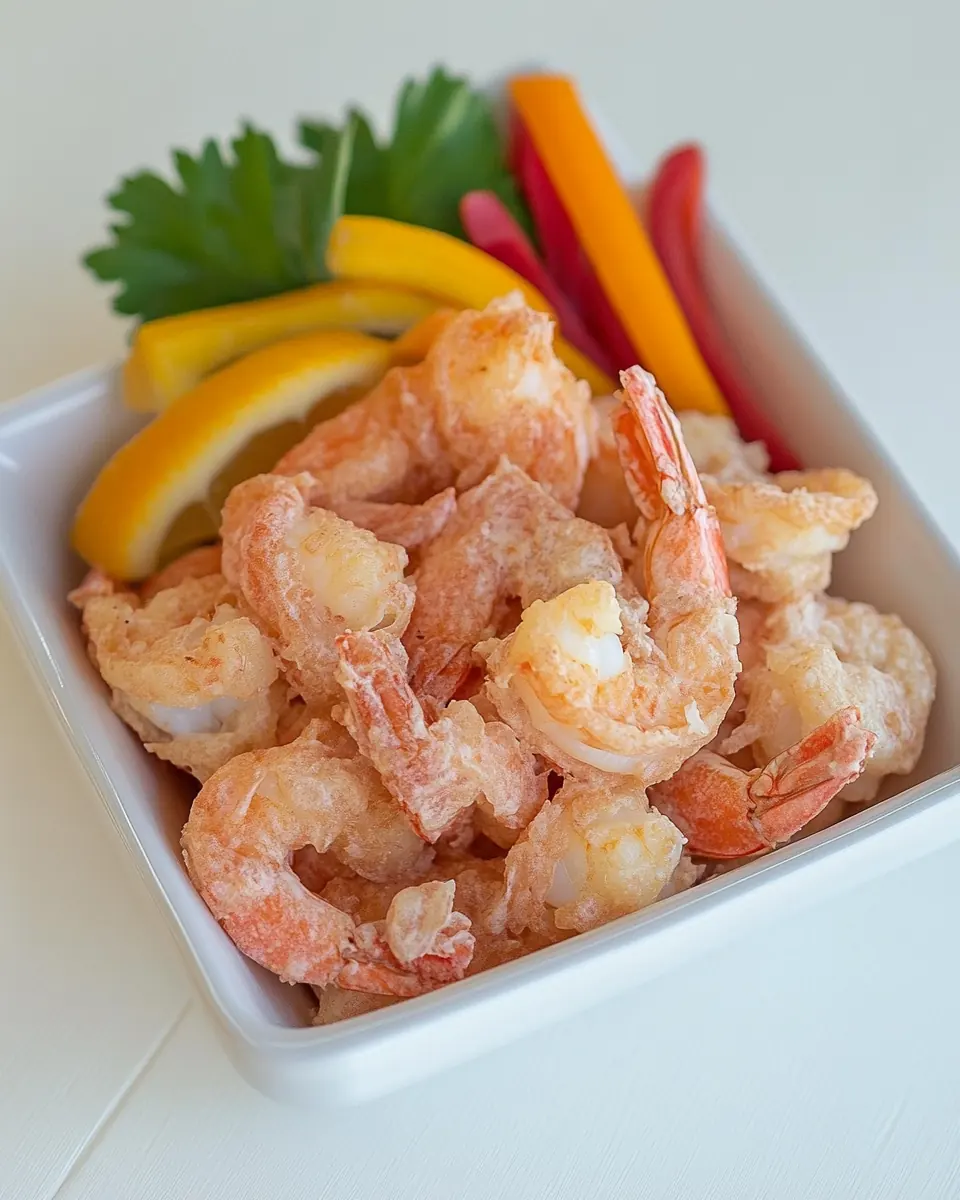
A few focused tips will elevate your Non fried Coconut Shrimp and keep the textures just right. These practical tweaks help whether you are cooking for a weeknight family meal or entertaining guests. Read through them and pick the ones that fit your pantry and pace.
- Choose the right shrimp: Opt for peeled and deveined medium to large shrimp so they cook quickly and remain juicy; smaller shrimp can overcook faster and become rubbery.
- Reduce the coconut milk: Simmer the coconut milk until it thickens and its aroma intensifies, this prevents a thin sauce and gives a clingy texture to the pasta.
- Treat the yogurt gently: Add the Greek yogurt off the heat to keep the sauce creamy and avoid curdling, tempering works too if your sauce is very hot.
- Cut vegetables evenly: Slice the bell peppers and onion evenly to ensure uniform cooking and avoid some pieces burning while others remain raw.
- Reserve pasta water: If the sauce is too thick, add a splash of the reserved pasta water to loosen it while maintaining flavor and sheen on the linguine pasta.
- Serve immediately: Plate the warm shrimp over the pasta right away so the textures stay distinct, with the salad cool on the side for contrast.
- Adjust spice level: Start with half a tablespoon of sriracha sauce and add more to taste, since heat preferences vary between households.
Serving Options for Non fried Coconut Shrimp
This dish is versatile and can be dressed up or down depending on the occasion. Whether you want a cozy family dinner or a summery outdoor meal, the components of Non fried Coconut Shrimp allow lots of serving flexibility. Below are several ways to present and pair the recipe to suit different settings.
- Weeknight family dinner: Serve the warm shrimp and coconut sauce over linguine pasta with a simple dressed lettuce salad and tangerine segments on the side for a quick, balanced meal.
- Casual lunch or picnic: Pack the chilled salad with Parmesan cheese and cherry tomatoes separately and bring the shrimp and sauce in an insulated container; reheat gently and toss with pasta when ready to serve.
- Summer entertaining: Plate the shrimp over long nests of linguine pasta and scatter sliced bell peppers for color, offer extra sriracha sauce and lemon wedges at the table so guests can customize heat and brightness.
- Ramadan or special occasions: Serve as part of a larger spread with light, refreshing sides; keep the salad chilled and the shrimp warm for a satisfying iftar dish that is gentle yet flavorful.
- Storage tips: Refrigerate leftover shrimp and sauce in an airtight container for up to two days, and store the dressed lettuce separately to prevent sogginess; reheat gently on low to preserve texture.
- Seasonal pairing: In summer, lean into fresh citrus like the included tangerines and ripe cherry tomatoes; in cooler months, a heartier green can replace the lettuce for a warm salad option.
FAQ
Conclusion
Non fried Coconut Shrimp stands out because it captures the tropical creaminess of coconut shrimp while skipping the heavy frying, resulting in a lighter but still indulgent meal. Give it a try when you want a weeknight dinner that feels special, with tender shrimp, vibrant bell peppers, and a tangy salad on the side. It is quick to make, adaptable to your spice preference, and impressive enough for guests, so I hope you enjoy making and sharing it as much as I do.
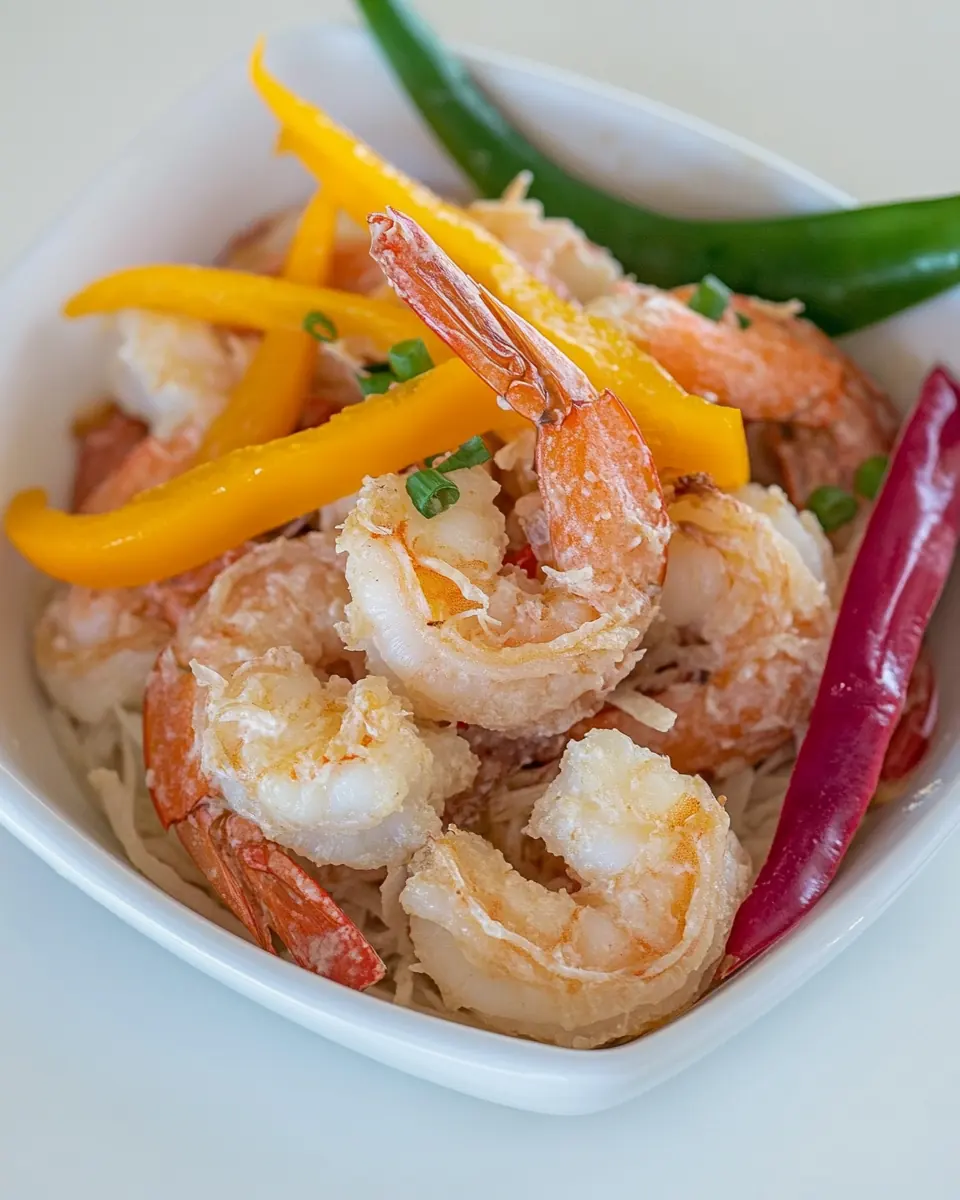
Non fried Coconut Shrimp
Ingredients
Equipment
Method
- Cook pasta according to package directions; drain, cover, and set aside.: The pasta should be cooked to al dente, when it still has a slight bite, and it will continue to soften when dressed with the warm sauce. You should smell the faint wheaty aroma as it boils and see the steam rise as you drain it, which signals moisture that helps the sauce adhere. Keep it covered to retain heat, which prevents the strands from clumping. The most common mistake is overcooking, which makes the pasta mushy and unable to hold the sauce.
- Meanwhile, thinly slice bell peppers and onion. Roughly chop lettuce, grate Parmesan, and slice tomatoes in half.: When you slice the bell pepper s thinly, they will soften quickly and caramelize at the edges slightly, giving a sweet roasted note. The onion should release a faint sharpness that mellows as it cooks. Grating the Parmesan cheese fresh creates a nuttier aroma than pre-grated versions. A frequent oversight is uneven slicing, which leads to some pieces burning while others remain raw.
- Heat oil in a large skillet over medium heat. Add onion and peppers and cook 4-5 minutes until tender.: As the olive oil warms, it releases a golden sheen and a glossy shimmer on the skillet surface. You will hear a gentle sizzle when the onion and bell pepper s hit the pan, and within minutes their edges will soften and color slightly. This step develops sweetness through gentle caramelization, which deepens the sauce flavor. Avoid cranking the heat too high, which can char the vegetables and create bitterness.
- Stir in thyme, salt, and pepper, and cook 1 minute longer.: Adding the dried thyme and seasoning at this point wakes up their aromatics, releasing an herbal scent that melds with the softened vegetables. The brief cook time allows the spices to bloom without becoming dry. You should smell a savory shift, signaling readiness for the liquid. A common slip is adding too much salt early, which can concentrate and over-season the sauce as it reduces.
- Pour in coconut milk and simmer 5 minutes or until reduced by about half.: The coconut milk will steam and thicken as water evaporates, leaving a glossy, slightly viscous sauce. Look for tiny bubbles at the edges and a fragrant coconut aroma, and watch the color shift to a richer, creamier tone. This reduction concentrates flavor so the sauce has body rather than being runny. If you do not reduce it enough, the finished dish can taste diluted.
- Add shrimp and cook until they curl, approximately 2 minutes.: When the shrimp hit the simmering sauce, you will hear soft, rapid bubbles and see the flesh change from translucent to opaque, turning pink and curling into a loose C shape. That gentle movement and color change are your doneness cues; overcooked shrimp will tighten into an O shape and feel rubbery. One common mistake is overcrowding the pan, which causes steaming instead of quick sear and uneven cooking.
- Turn off heat and stir in chili sauce and plain yogurt.: Removing the skillet from heat before adding the sriracha sauce and Greek yogurt prevents curdling and keeps the yogurt creamy. As you stir, you will notice the sauce becoming silkier, with a balanced tang and gentle heat. This blending step harmonizes flavors without additional cooking. A typical error is adding yogurt while the pan is too hot, which can break the sauce texture.
- In a large bowl, toss together lettuce, Parmesan, tomatoes, and your favorite dressing.: Tossing the lettuce with the grated Parmesan cheese and halved cherry tomatoes introduces crispness and bright acidity. The dressing should coat each leaf lightly, and you will feel the salad give a satisfying crunch when served. Make sure to dress the salad just before plating to avoid limp greens, which is a frequent pitfall.
- Serve shrimp mixture over a bed of pasta, with salad and oranges on the side.: When plating, nestle the warm shrimp and sauce over the linguine pasta so the strands soak up the coconut flavor, and arrange the dressed salad and tangerine segments alongside for contrast. You will notice steam rising and a layered aroma of coconut, citrus, and herbs. A final mistake to watch for is serving everything at vastly different temperatures; aim for the salad cool and the shrimp and pasta warm for the best contrast.
Notes
- Choose the right shrimp: Opt for peeled and deveined medium to large shrimp so they cook quickly and remain juicy; smaller shrimp can overcook faster and become rubbery.
- Reduce the coconut milk: Simmer the coconut milk until it thickens and its aroma intensifies, this prevents a thin sauce and gives a clingy texture to the pasta.
- Treat the yogurt gently: Add the Greek yogurt off the heat to keep the sauce creamy and avoid curdling, tempering works too if your sauce is very hot.
- Cut vegetables evenly: Slice the bell peppers and onion evenly to ensure uniform cooking and avoid some pieces burning while others remain raw.
- Reserve pasta water: If the sauce is too thick, add a splash of the reserved pasta water to loosen it while maintaining flavor and sheen on the linguine pasta.
- Serve immediately: Plate the warm shrimp over the pasta right away so the textures stay distinct, with the salad cool on the side for contrast.
- Adjust spice level: Start with half a tablespoon of sriracha sauce and add more to taste, since heat preferences vary between households.