Keto Lemon Bars
Keto Lemon Bars have a special place in my kitchen, the kind of recipe I reach for when I want a bright, tangy dessert that still feels indulgent but keeps my carb count in check. The first time I made these I was chasing a memory of a sunny bakery lemon square, trying to recreate that sharp lemony snap without the traditional wheat flour and sugar. I swapped in almond flour and erythritol, and the result was a satisfying balance of a tender crust and a silky, citrusy filling that made everyone ask for seconds.
Over the years I have tweaked the ratio of crust to filling, learned to trust the visual cue of golden edges on the crust, and discovered that letting the bars cool fully makes all the difference in texture. I like to zest the lemon into the filling so you get little bursts of aromatic oils that cut through the sweetness. When I serve these, people often comment on how familiar and fresh they taste, even though they are clearly made with different pantry players than a classic recipe.
One memorable afternoon I brought a pan of Keto Lemon Bars to a picnic and watched them vanish first, which told me two things. First, good citrus transcends diet labels. Second, using quality almond flour and fresh lemon juice matters. I now keep lemons and a small jar of powdered erythritol on hand so I can whip these up whenever I want a quick, bright dessert that still feels like a treat.
Recipe Snapshot
50 mins
5 mins
45 mins
Medium
150 kcal
American
Keto, Gluten-Free
Desserts
9 x 9 inch baking dish, Parchment paper, Mixing bowls, Measuring cups, Whisk
Why Try This Keto Lemon Bars
Bright, Clean Flavor That Still Feels Like Dessert
I love how Keto Lemon Bars offer that unmistakable citrus punch without the heavy sweetness that can hide flavor. The tang of fresh lemon juice and the floral lift from lemon zest keep every bite lively, so you get dessert satisfaction without being overwhelmed.
Texture Contrast That Works
The combination of a crumbly almond flour crust and a silky, slightly custardy filling gives each square a wonderful contrast in mouthfeel. I appreciate that textural interplay, it makes the bars feel more sophisticated than a one note sweet.
Easy Pantry Ingredients, Big Impact
These bars rely on a handful of straightforward ingredients like almond flour, butter, eggs, and erythritol, which means they are accessible and quick to assemble. When I want to impress without fuss, this recipe is my go to because it delivers maximum flavor with minimum ingredients.
Great for Sharing and Portion Control
I often cut these into small squares to serve at gatherings. They feel indulgent while letting everyone take a modest portion, which is perfect for dessert spreads. The recipe scales well, so you can make a single pan or double up for a crowd.
Flexible Sweetness and Simple Tweaks
Because the recipe uses erythritol, you can easily adjust sweetness to taste. I sometimes reduce the sweetener a touch to let the citrus shine, and that tweak always lands well with people who prefer less sweet desserts.
Recipe Ingredients for Keto Lemon Bars
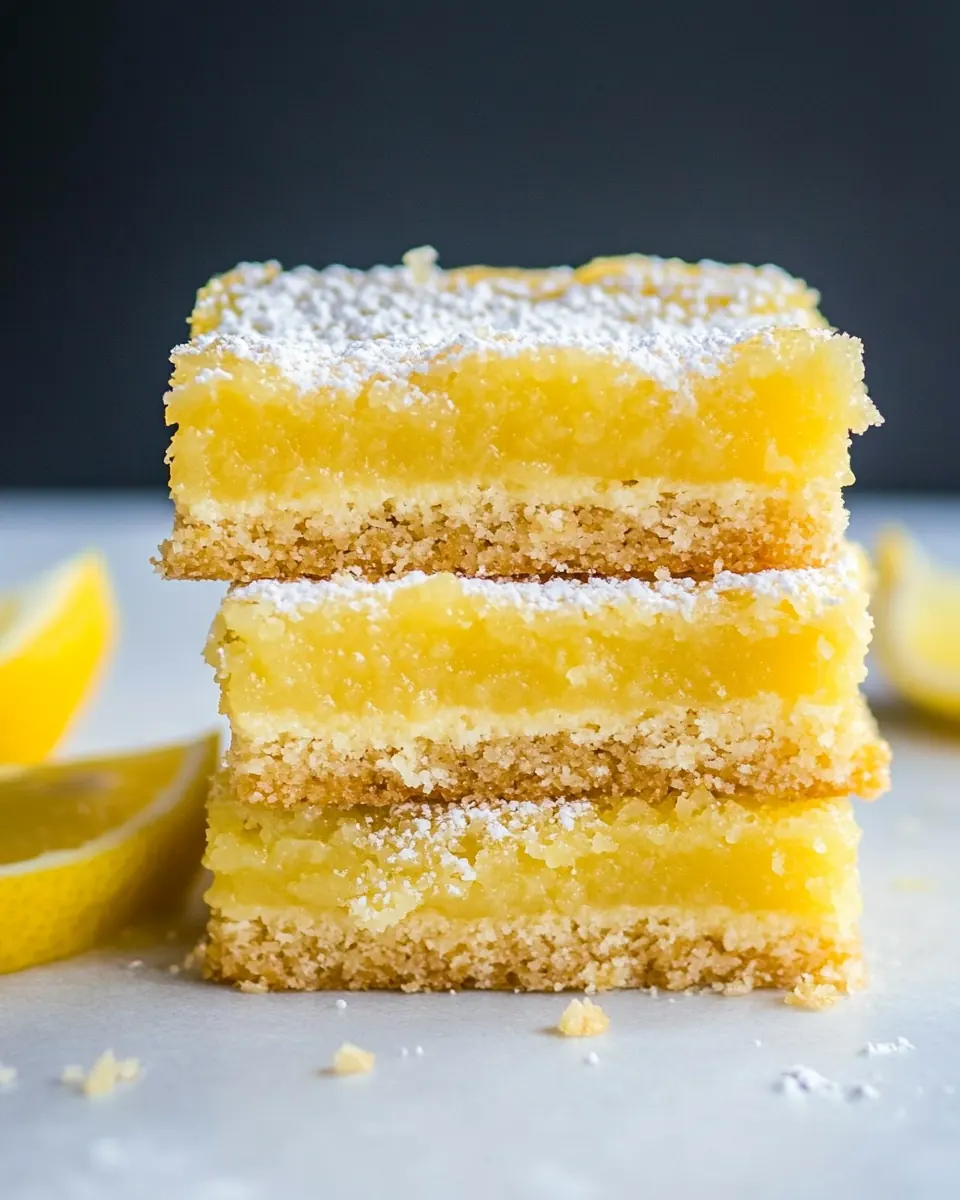
These ingredients are chosen to create a delicate balance between a tender, nutty crust and a bright, citrusy filling. The star players are the almond flour that provides structure and a subtle nutty flavor, the butter that binds and browns for richness, and the combination of eggs and lemon juice that create the custard like filling. Each item works in concert to produce a bar that is both satisfying and light.
- 1 1/2 cup almond flour: Provide a tender, crumbly base and sandy texture when combined with butter and sweetener; helps form the crust that holds the bars together and offers a mild, nutty flavor. Works well in low-carb baking by supplying structure and moisture while keeping carbohydrates low.
- 1/2 cup butter, at room temp (or slightly melted): Bring rich fat and moisture to the crust, aiding in binding the almond flour and creating a golden, tender texture; can be softened or slightly melted for easier mixing. Contribute a buttery flavor that enhances overall mouthfeel and helps the crust brown during baking.
- 1/4 cup erythritol: Add sweetness without sugar and help stabilize the crust and filling, contributing a clean, sweet finish; dissolves readily in the batter and reduces overall carbohydrates. Provide bulk for sweetening while keeping the recipe keto-friendly and preventing grittiness when well mixed.
- Pinch of salt: Enhance and balance flavors by highlighting the sweetness and acidity, while reducing blandness in both crust and filling; a small amount helps round out the overall taste profile. Assist in activating any leavening in other recipes and improve the perception of other ingredients' flavors.
- 1/2 tsp vanilla (optional): Impart a warm, aromatic background note that deepens the dessert's flavor; optional use allows customization to personal preference. Help brighten the lemon flavor and integrate the sweet and tangy components without overpowering the bars.
- 1 cup almond flour: Supply additional structure and body for the crust or topping when combined with butter and erythritol; doubles the almond flour content necessary for thicker bases. Maintain low-carb integrity while contributing to a denser, more substantial texture in the final bars.
- 1 cup erythritol: Provide the primary sweetening for the filling or additional crust sweetness, balancing the lemon's tartness and egg richness; dissolves into the custard-like layer for uniform sweetness. Help achieve a pleasant level of sweetness while maintaining keto compatibility and preventing the filling from tasting too sharp.
- 4 large eggs: Create the set, custardy filling by coagulating and thickening when baked, lending richness and a smooth, silky texture; eggs also help bind the filling to the crust. Contribute body, structure, and a golden color to the bars while helping the lemon flavor carry throughout.
- 1/2 cup fresh lemon juice, about 3 lemons: Deliver bright acidity and citrus flavor that defines the lemon bars, providing necessary tang to balance the sweetener and enrich the filling's profile. Supply fresh juice for a clean, zesty taste and enough liquid to help the filling achieve the right consistency when mixed with eggs and sweetener.
- Zest of 1 lemon, about 2 tablespoons: Provide concentrated citrus oils and intense lemon aroma to enhance and brighten the filling's flavor; zest contributes strong lemon character without adding extra liquid. Add visual appeal and a fresh, fragrant finish that complements the tartness of the lemon juice and the sweetness of the erythritol.
Step by Step Guide for Keto Lemon Bars
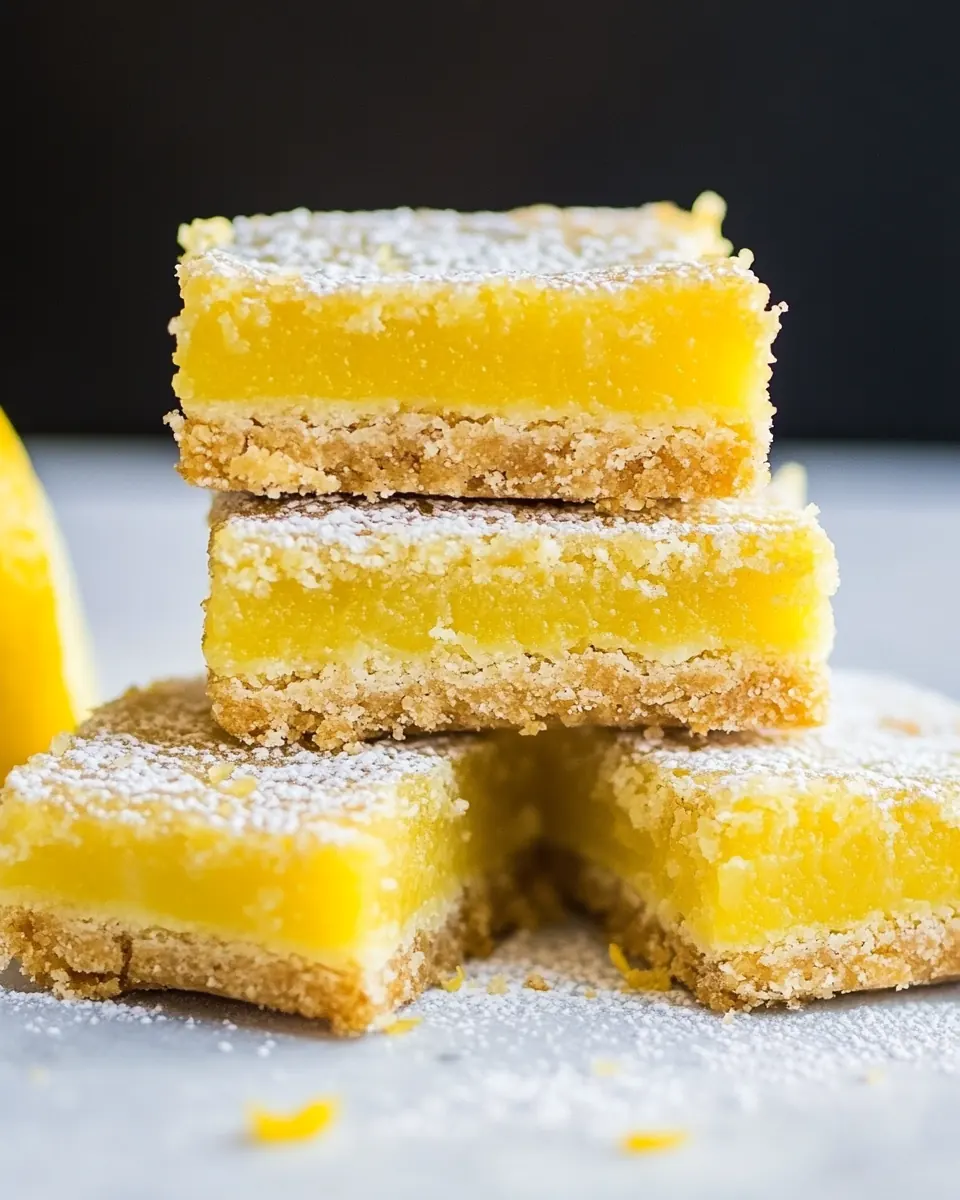
These directions take you from mixing to a fully set, sliceable bar. I like to move steadily through the process so the crust bakes while I prepare the filling, which saves time and ensures even texture. Keep an eye on visual cues during baking because they tell you more than a timer does.
- Preheat oven to 350 F. Combine butter, 1 1/2 cup almond flour, 1/4 cup erythritol, vanilla, and a pinch of salt. Press evenly into a 9 x 9" parchment paper-lined baking dish. Bake for 15 minutes or until crust starts to become golden on the edges.: As the oven warms you will notice a faint rising oven smell and a steady hum, which signals a stable baking environment. Preheating ensures the crust begins to set immediately, helping it become crisp at the edges while remaining tender inside. If you skip preheating you risk an underbaked, dense crust. Place a rack in the center so heat circulates evenly.
- While the crust is baking, in a large bowl, combine the ingredients for the filling and beat or whisk until lump free and fully incorporated.: The mixture should feel slightly sandy and cohesive when your fingers press it together, with the butter coating the almond flour particles. This coating helps produce a crumbly yet compact crust that will brown attractively. If the mixture seems too dry, a touch more softened butter can help, but add sparingly to avoid greasiness.
- Pour the filling onto the pre-baked crust & bake for 25 minutes. Cool for at least 30 minutes, cut into 12-16 small squares and sprinkle with powdered erythritol if desired.: Press with the flat bottom of a measuring cup for an even, compact layer, paying attention to the corners where thickness can vary. An even press ensures uniform baking and a consistent bite across the pan. Avoid overworking the dough, as this can make the crust dense instead of tender.
- Bake for 15 minutes or until crust starts to become golden on the edges: You will see the edges take on a warm golden hue and smell a toasty, buttery note. These cues indicate the crust's moisture has reduced and it will hold up under the filling. If the center still looks pale after 15 minutes, give it a few more minutes, watching closely to prevent burning.
- While the crust is baking, in a large bowl, combine the ingredients for the filling and beat or whisk until lump free and fully incorporated: The filling should become smooth, glossy, and slightly thickened, with the eggs fully emulsified into the sweetened almond flour and lemon juice . This smooth texture ensures even setting and avoids curdled pockets. Strain the mixture if small lumps persist for a silkier finish.
- Pour the filling onto the pre-baked crust & bake for 25 minutes: As the filling bakes you will notice it puff slightly and the surface may change from glossy to a more matte finish, often with tiny set edges around the pan. That visual change means the proteins in the eggs are coagulating and the filling is setting. Avoid opening the oven too frequently, as sudden temperature shifts can cause the filling to crack.
- Cool for at least 30 minutes: Cooling lets residual heat finish the setting process and prevents the bars from crumbling when sliced. During cooling you may smell a concentrated lemon aroma and notice the bars firm from warm and wobbly to stable and sliceable. Cutting too soon is a common mistake, leading to sloppy slices.
- Cut into 12-16 small squares and sprinkle with powdered erythritol if desired: Use a sharp knife wiped between cuts for clean edges, and press gently to avoid crumbling the crust. The powdered erythritol adds a delicate sweet finish and a pretty presentation without overpowering the lemon. If you see crumbling, return the pan to the fridge briefly to firm up before slicing.
Helpful Hints
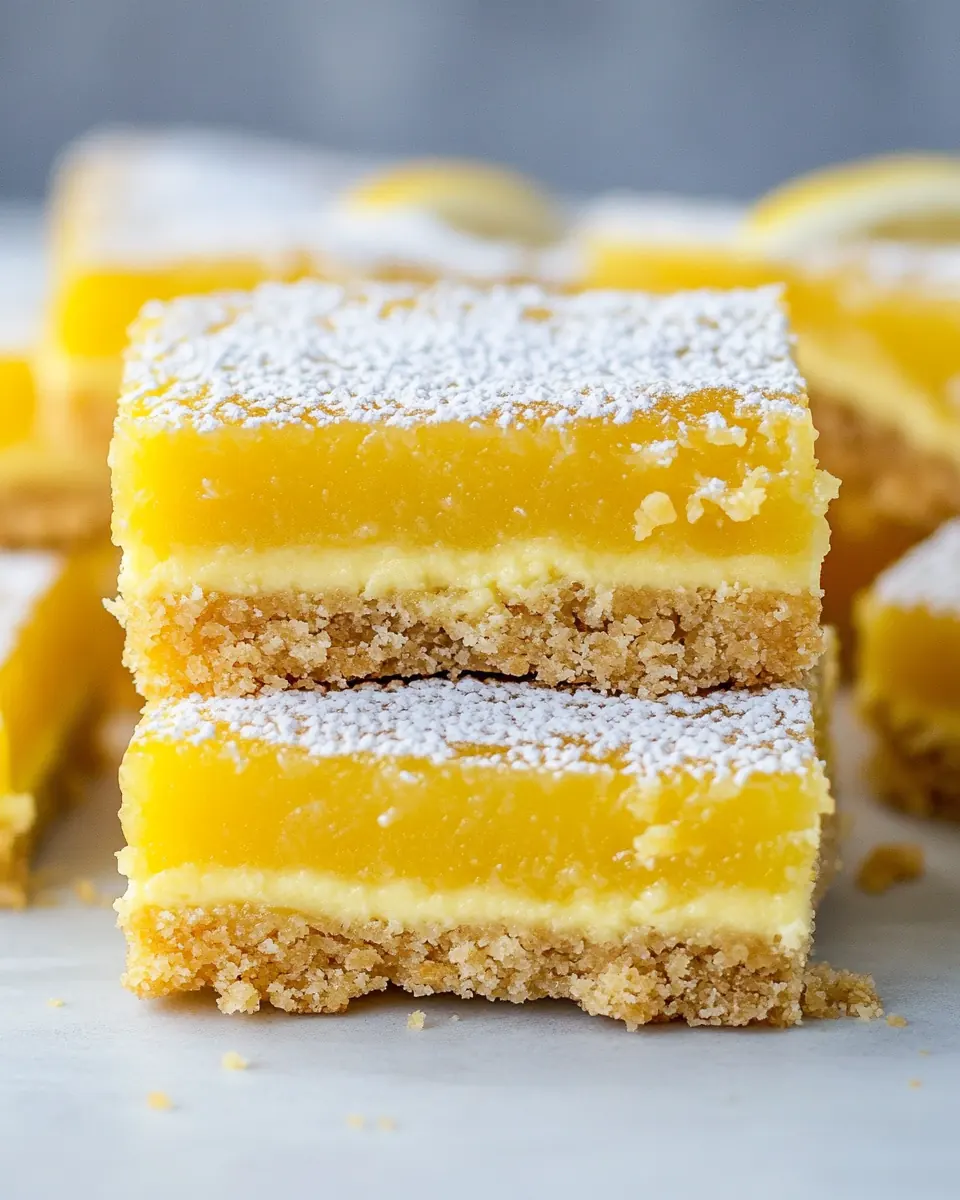
I like to collect tips that save time and improve results. These hints reflect techniques I use repeatedly to ensure consistent texture and bright flavor when making Keto Lemon Bars. Each tip starts with a short, strong phrase so you can scan quickly before diving into the details.
- Room temperature ingredients: Let the butter and eggs come to room temperature for smoother mixing and better incorporation into the almond flour, which helps prevent clumps in the crust or filling.
- Measure carefully: Use a scale when possible, especially for almond flour, because its density can vary and affect the final texture if overpacked.
- Zest before juicing: Zest the lemon first so you capture the aromatic oils, then squeeze out the juice, ensuring maximum lemon flavor in the filling.
- Press crust firmly: Use a measuring cup or flat object to compact the crust evenly, which creates a sturdy base that holds the filling without crumbling.
- Watch the edges: Pull the pan when the crust edges show a light golden color, that indicates readiness and helps avoid an overbrowned base.
- Cool completely: Resist the urge to slice warm bars; full cooling produces clean slices and a better mouthfeel.
Perfect Matches for Keto Lemon Bars
These bars pair well with light beverages and simple accompaniments. Below I describe several serving ideas, storage suggestions, and occasions where Keto Lemon Bars shine.
- Tea or coffee service: Serve a small square with a cup of unsweetened tea or coffee to balance the citrus and offer a pleasant contrast in flavors.
- Brunch spread: Include these bars on a brunch table alongside fruit and savory bites for a bright, sweet option that feels refreshing.
- Picnic friendly: Pack chilled bars in a container with layers of parchment to keep them from sticking, they travel well and stay firm when refrigerated.
- Storage tips: Store in an airtight container in the refrigerator for up to five days, or freeze individual squares for longer storage, thawing in the fridge before serving.
- Occasions: These bars work for gatherings, potlucks, or after dinner when you want a light dessert option that still satisfies sweet cravings.
- Seasonal pairing: They feel especially right in spring and summer when citrus is bright and refreshing, but their appeal is year round.
FAQ
Conclusion
What makes these bars special is their bright lemon flavor balanced with a tender almond flour crust that feels indulgent while keeping carbs low. I encourage you to give this recipe a try because it manages to be both simple and impressive, delivering citrus clarity and a pleasant texture in every bite. Share them chilled or at room temperature, and notice how a small square can be the perfect finish to a meal or a bright addition to a casual gathering.
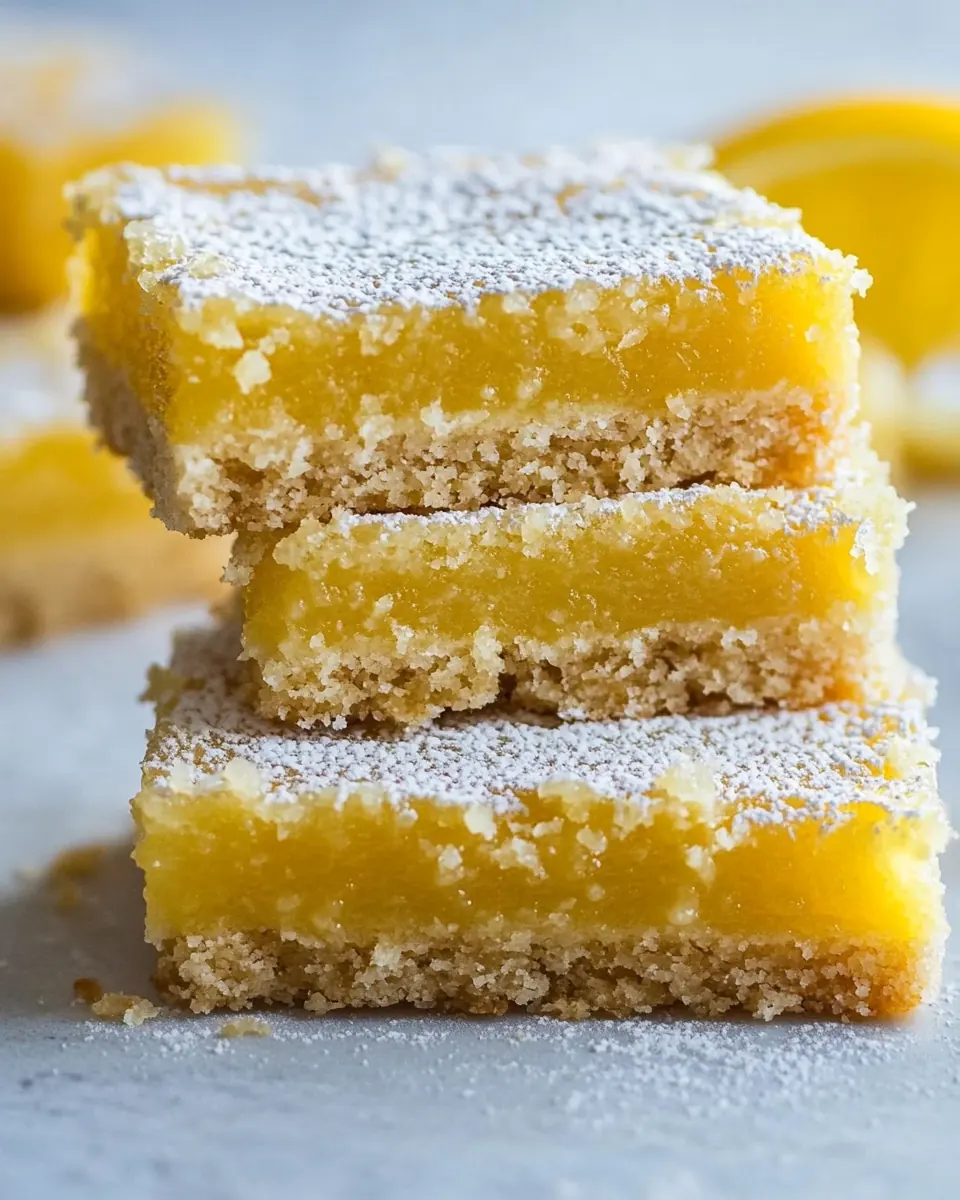
Keto Lemon Bars
Ingredients
Equipment
Method
- Preheat oven to 350 F. Combine butter, 1 1/2 cup almond flour, 1/4 cup erythritol, vanilla, and a pinch of salt. Press evenly into a 9 x 9" parchment paper-lined baking dish. Bake for 15 minutes or until crust starts to become golden on the edges.: As the oven warms you will notice a faint rising oven smell and a steady hum, which signals a stable baking environment. Preheating ensures the crust begins to set immediately, helping it become crisp at the edges while remaining tender inside. If you skip preheating you risk an underbaked, dense crust. Place a rack in the center so heat circulates evenly.
- While the crust is baking, in a large bowl, combine the ingredients for the filling and beat or whisk until lump free and fully incorporated.: The mixture should feel slightly sandy and cohesive when your fingers press it together, with the butter coating the almond flour particles. This coating helps produce a crumbly yet compact crust that will brown attractively. If the mixture seems too dry, a touch more softened butter can help, but add sparingly to avoid greasiness.
- Pour the filling onto the pre-baked crust & bake for 25 minutes. Cool for at least 30 minutes, cut into 12-16 small squares and sprinkle with powdered erythritol if desired.: Press with the flat bottom of a measuring cup for an even, compact layer, paying attention to the corners where thickness can vary. An even press ensures uniform baking and a consistent bite across the pan. Avoid overworking the dough, as this can make the crust dense instead of tender.
- Bake for 15 minutes or until crust starts to become golden on the edges: You will see the edges take on a warm golden hue and smell a toasty, buttery note. These cues indicate the crust's moisture has reduced and it will hold up under the filling. If the center still looks pale after 15 minutes, give it a few more minutes, watching closely to prevent burning.
- While the crust is baking, in a large bowl, combine the ingredients for the filling and beat or whisk until lump free and fully incorporated: The filling should become smooth, glossy, and slightly thickened, with the eggs fully emulsified into the sweetened almond flour and lemon juice . This smooth texture ensures even setting and avoids curdled pockets. Strain the mixture if small lumps persist for a silkier finish.
- Pour the filling onto the pre-baked crust & bake for 25 minutes: As the filling bakes you will notice it puff slightly and the surface may change from glossy to a more matte finish, often with tiny set edges around the pan. That visual change means the proteins in the eggs are coagulating and the filling is setting. Avoid opening the oven too frequently, as sudden temperature shifts can cause the filling to crack.
- Cool for at least 30 minutes: Cooling lets residual heat finish the setting process and prevents the bars from crumbling when sliced. During cooling you may smell a concentrated lemon aroma and notice the bars firm from warm and wobbly to stable and sliceable. Cutting too soon is a common mistake, leading to sloppy slices.
- Cut into 12-16 small squares and sprinkle with powdered erythritol if desired: Use a sharp knife wiped between cuts for clean edges, and press gently to avoid crumbling the crust. The powdered erythritol adds a delicate sweet finish and a pretty presentation without overpowering the lemon. If you see crumbling, return the pan to the fridge briefly to firm up before slicing.
Notes
- Room temperature ingredients: Let the butter and eggs come to room temperature for smoother mixing and better incorporation into the almond flour, which helps prevent clumps in the crust or filling.
- Measure carefully: Use a scale when possible, especially for almond flour, because its density can vary and affect the final texture if overpacked.
- Zest before juicing: Zest the lemon first so you capture the aromatic oils, then squeeze out the juice, ensuring maximum lemon flavor in the filling.
- Press crust firmly: Use a measuring cup or flat object to compact the crust evenly, which creates a sturdy base that holds the filling without crumbling.
- Watch the edges: Pull the pan when the crust edges show a light golden color, that indicates readiness and helps avoid an overbrowned base.
- Cool completely: Resist the urge to slice warm bars; full cooling produces clean slices and a better mouthfeel.