Pasta with Pea Sauce
Pasta with Pea Sauce is one of those dinners I turn to when I want something bright, green, and comforting all at once. The first time I made it I was short on time but had a bag of frozen peas and a stubborn craving for something silky and herbaceous. I tossed a few pantry staples together and ended up with a sauce that felt indulgent yet light, the kind of bowl that makes you slow down and smile between bites.
I remember stirring the sauce and watching the peas collapse into a vivid emerald swirl, the kitchen filling with a fresh, slightly sweet aroma that made the whole house feel like spring. Friends who came over could not believe such a lush sauce came from frozen peas and a blender. I love how flexible this recipe is, so you can dress it up with herbs or cheese, or keep it simple and satisfying. Over the years it has become my go to for quick weeknight dinners and casual weekend lunches, and it always sparks compliments.
Recipe Snapshot
13 mins
5 mins
8 mins
Medium
400 kcal
Italian
Gluten-Free, Low FODMAP
Dinner
Calphalon 5-Quart Pot, Storage Containers
Why You Need This Pasta with Pea Sauce
Fresh green flavor in minutes
I adore how the peas deliver a clean, sweet note that feels like sunshine on a plate. When blended with cream and cheese, the texture becomes irresistibly creamy without being heavy, which is why I reach for this dish when I want something quick yet elevated.
Simple pantry friendly ingredients
I almost always have everything I need on hand, from pasta to frozen peas and a few dairy bits. That makes it perfect for busy nights, yet it still tastes thoughtful. You do not need special produce or fancy tools to get a restaurant level result.
Versatile serving options
I love that this recipe moves effortlessly from weeknight dinner to potluck contribution. Serve it plain for a cozy meal, or add herbs and cheese for something more celebratory. It pairs well with light salads or roasted vegetables, so you can adapt it to the season.
Kid friendly and approachable
I often make a double batch because leftovers reheat beautifully. The bright color and mellow sweetness of the peas usually win over picky eaters, and blending the sauce hides any texture issues that might turn children away.
Speed without compromise
I value recipes that respect time, and this one delivers in about a quarter hour, while still offering layers of flavor. The trick of saving a little pasta water to finish the sauce makes the texture silky, and that small step is what transforms a quick meal into something you will want to make again.
Pasta with Pea Sauce Shopping List
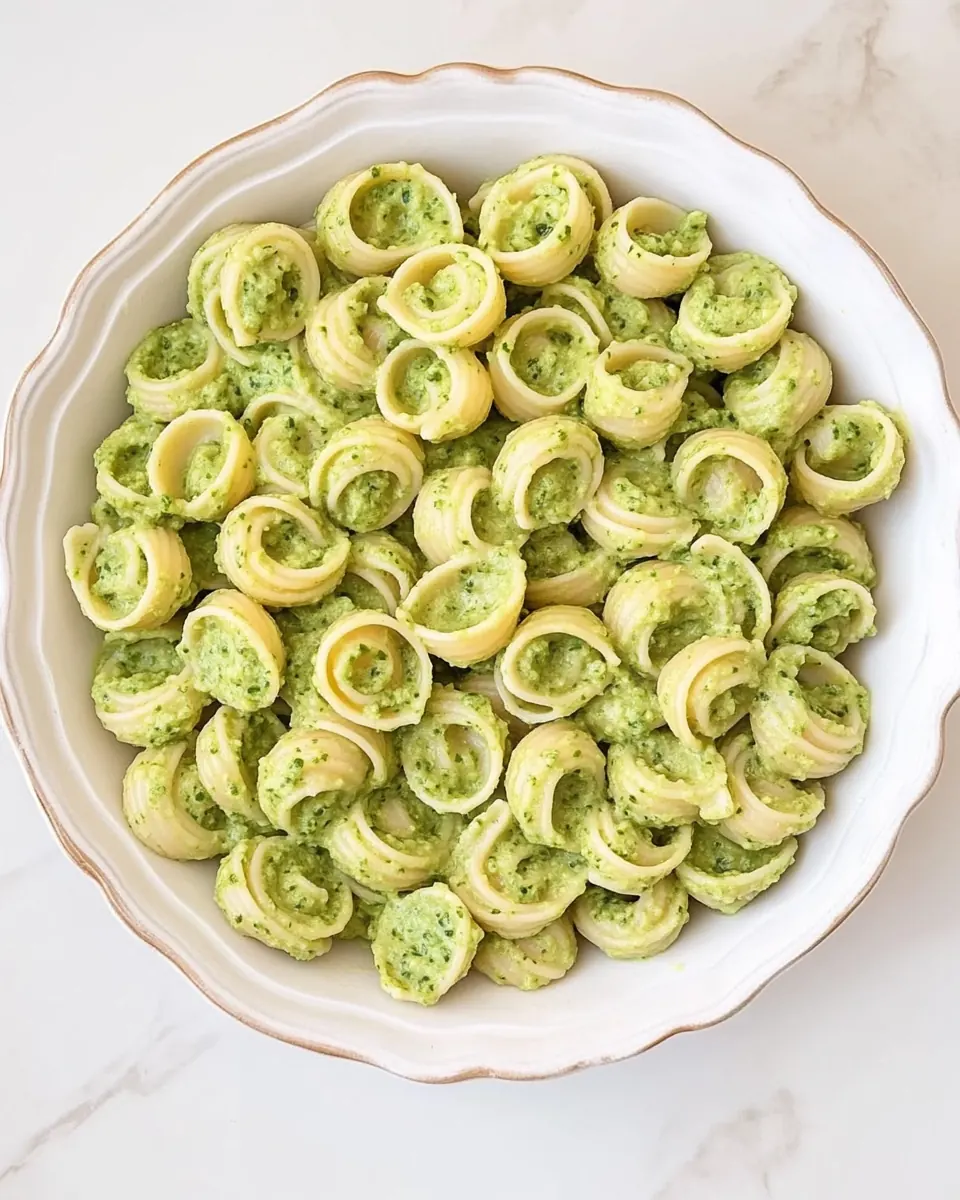
These ingredients are chosen to create a sauce that balances sweetness, creaminess, and a touch of tang. The frozen peas provide the bright green base, while the cheeses and cream round out the mouthfeel. Aromatics like garlic and onion anchor the flavor, and a little pasta cooking water brings everything together. Together, the players create a quick sauce that clings to the pasta and tastes fresh and comforting.
- 2 tablespoons olive oil: Provide healthy fat and a fruity background, helping to sauté aromatics and coat pasta for a glossy finish; drizzle toward the end to boost flavor and mouthfeel.
- 1 tablespoon minced garlic: Add pungent garlic flavor and aroma, releasing oils when lightly cooked to infuse the sauce; use minced form for even distribution and quick cooking without burning.
- 1/2 cup minced onion: Create sweet and savory base notes, softening as it sweats to release natural sugars that balance the peas and cheese; mince finely to meld smoothly into the sauce.
- 2 cups frozen petite peas: Contribute fresh vegetal sweetness, bright color, and body to the sauce; cook until tender and slightly mashed so peas blend into a creamy, vibrant puree.
- 1 pound pasta: Provide the substantial carbohydrate base and texture, carrying the pea sauce and absorbing flavors; choose a shape that holds sauce well and cook to al dente.
- 2 tablespoons butter: Impart richness and silkiness, enriching the sauce and helping emulsify pea purée with pasta water; stir in until melted for a luscious finish.
- 1/2 cup cottage cheese (or ricotta cheese): Add creamy tang and body, lending smoothness and mild acidity that complements peas and cheese; blend or stir in to achieve a velvety consistency.
- 1/4 cup grated Parmesan cheese: Deliver savory umami and salty depth, sharpening the overall flavor and adding a nutty finish; grate finely to distribute flavor evenly throughout the dish.
- 1/4 cup cream: Introduce extra creaminess and a touch of indulgence, loosening the sauce for a smoother texture and richer mouthfeel; add sparingly to reach desired consistency.
- salt, pepper, freshly grated lemon zest, minced fresh basil, minced fresh mint, crumbled goat cheese ( as desired) (optional): Season and finish with layered accents: salt and pepper for balance, lemon zest for brightness, basil and mint for herbaceous lift, and optional goat cheese for tangy creaminess.
How to Assemble Pasta with Pea Sauce
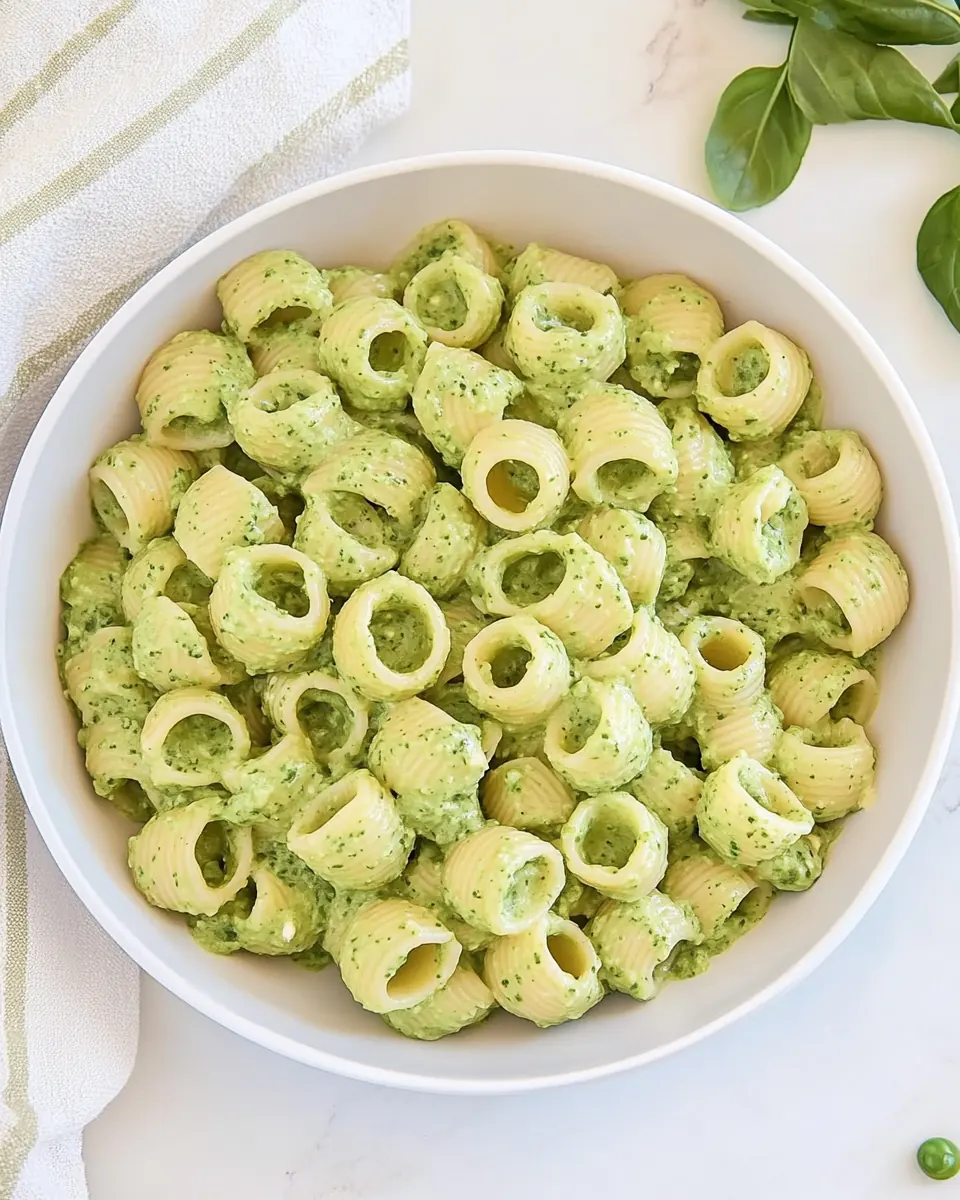
This is an easy process that moves quickly, so have your pasta water ready and your ingredients prepped. I like to time the sauce blending while the pasta cooks so everything comes together warm and glossy. Keep a ladle handy to transfer some cooking water as needed, it truly transforms the texture.
- Add the olive oil to a medium skillet over medium-low heat. When warm, add the garlic and onion. Stir and cook for 2 minutes or until fragrant.: The air fills with a soft fruitiness as the olive oil warms, and you should see it shimmer gently but not smoke. This low heat lets the oil infuse with the aromatics without burning them, which is crucial for a sweet rather than bitter base. A common pitfall is cranking the heat, which scorches the oil and ruins the delicate flavors, so be patient and watch for the subtle sheen that signals readiness.
- Add the peas and stir to heat through for 2 minutes. Turn off the heat.: Tiny pops and a gentle sizzle announce the aromatics meeting the oil, and within moments a warm, savory scent will fill the pan. Stirring frequently helps the onion soften evenly and the garlic release its aroma without charring. If you notice any browning too soon, lower the heat immediately, because burned garlic can add an unpleasant bitterness to the whole dish.
- Meanwhile, bring a large pot of salted water to a boil. Add the pasta and cook according to the package directions.: You will feel the kitchen change as the sweet onion and pungent garlic perfume the air, and the pieces should become translucent with softened edges. This short cooking time builds flavor without losing brightness, which is essential for keeping the sauce lively. Overcooking at this phase dulls the aromatics, so remove from heat once you detect that tender, fragrant note.
- While the pasta cooks, add the pea mixture to a blender along with the butter, cottage cheese, Parmesan cheese, and cream. Blend the sauce very smooth, adding up to 1/4 cup of the pasta cooking water as needed to make a very smooth sauce.: The pan will burst into a brighter green as the frozen peas hit the warm aromatics, and they should warm through quickly, releasing a gentle, vegetal sweetness. Stir so they heat evenly without turning mushy. Leaving them on the heat too long can make them grainy, so stop when they are hot but still hold their shape.
- Drain the pasta and return to the pot.: Switching off prevents overcooking and preserves the vivid color and fresh flavor of the peas . The residual warmth is enough for the next blending step, and it keeps the mixture from overheating the dairy, which can separate. A common oversight is leaving the pan on, which risks breaking the sauce later when you blend.
- Add as much of the sauce as you like and stir.: The pot should rumble with rolling bubbles and smell faintly mineral from the salt , which seasons the pasta from the inside out. Use enough water so the pasta can move freely; crowded noodles cook unevenly. Undersalting the water results in bland pasta , while oversalting cannot be fixed, so aim for water that tastes like the sea.
- Serve warm with any optional toppings as desired.: As the pasta cooks you will notice it soften and release a starchy scent, and it should be tender but still with a slight chew. Stir occasionally to prevent sticking, and taste for doneness one minute before the package time to avoid overcooking. Overdone pasta will become gluey when mixed with the sauce, so pull it early if you prefer a firmer bite.
- While the pasta cooks, add the pea mixture to a blender along with the butter, cottage cheese, Parmesan cheese, and cream: The blender transforms the bright chunks into a velvety emerald sauce, and you should hear the motor hum as the dairy and butter emulsify with the peas . The aroma becomes rich and slightly nutty from the Parmesan . If you skip thorough blending, you might end up with a slightly grainy texture, so blend until very smooth.
- Blend the sauce very smooth, adding up to 1/4 cup of the pasta cooking water as needed to make a very smooth sauce: The sound will shift to a steady whirl as the mixture becomes glossy, and adding a little hot pasta water helps loosen the sauce and creates a silky emulsion that clings to noodles. If the sauce appears too thin, stop adding liquid and blend a bit longer to develop body. A common error is adding too much water too quickly, which dilutes the flavor; add gradually and judge the texture carefully.
- Drain the pasta and return to the pot: The steam will rise, carrying a fragrant mix of starch and scent from the pasta , and returning it to the pot lets you toss the noodles while still hot so they absorb the sauce. Avoid rinsing the pasta as that removes beneficial starch that helps the sauce cling. If you rinse, the sauce will slide off and the plate will feel watery.
- Add as much of the sauce as you like and stir: The final toss should coat each strand or shape in a glossy green cloak, and you will see the sauce cling and thicken slightly as it meets the hot pasta . Use tongs or a wooden spoon to lift and fold, making sure every piece is covered. A frequent slip is using too little sauce, which leaves the dish dry, so start with a few spoonfuls and add more until the texture pleases you.
- Serve warm with any optional toppings as desired: The plate should steam gently, and finishing touches like lemon zest , chopped basil , or crumbled goat cheese add aroma and contrast. These accents bring a lift of brightness or creaminess that rounds the experience. Don’t overload the top, or the delicate pea flavor may be overwhelmed by bold garnishes.
Tips and Variations
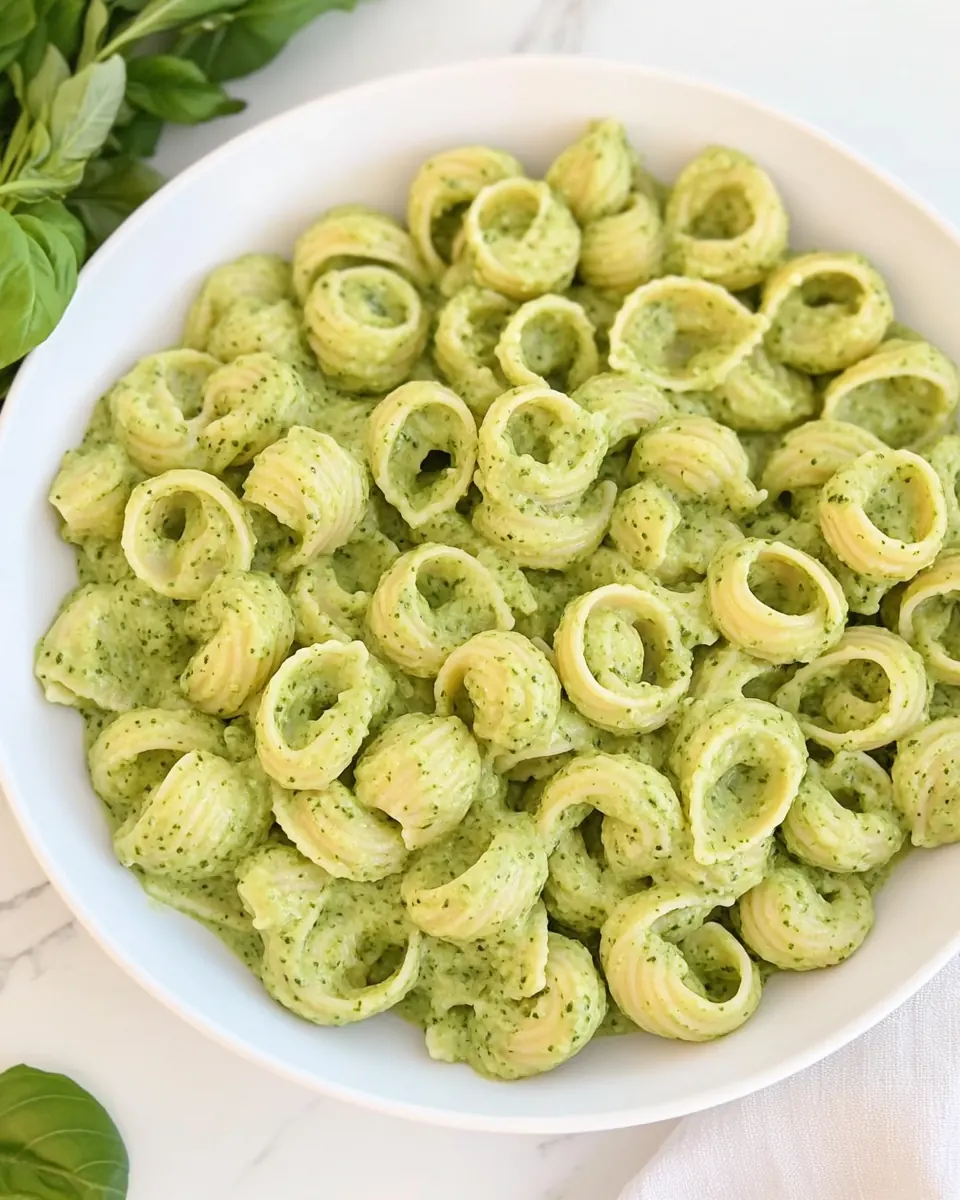
This recipe is forgiving and lends itself to small tweaks that change the character of the dish. Below are practical tips and a variety of ways I often adapt the recipe based on what I have on hand or the mood I want to set. Each tip begins with a bolded lead to draw your eye.
- Make ahead The pea sauce can be prepared up to five days in advance and stored in an airtight container in the refrigerator; when ready, reheat gently and add a splash of reserved pasta water to refresh the texture.
- Freeze for later Pour the cooled sauce into a freezer bag, press flat, remove air, and freeze for up to six months; thaw in the fridge overnight and warm gently before tossing with freshly cooked pasta.
- Adjust richness Reduce the cream slightly and increase the cottage cheese if you want a lighter sauce without sacrificing creaminess; blend thoroughly for a smooth finish.
- Herb variations Swap or combine the suggested basil and mint to change the herbal profile; mint gives a cooling brightness while basil maintains a classic Italian accent.
- Cheese options If you prefer a tangier finish, use a little more freshly grated Parmesan or add a small crumble of goat cheese at the end for creamy contrast.
- Salt wisely Because the Parmesan and cottage cheese contain sodium, taste before adding more salt; adjust at the end to avoid over seasoning.
Perfect Matches for Pasta with Pea Sauce
This dish pairs beautifully with simple sides and occasions that celebrate fresh, green flavors. Below I outline ideas for serving, storage, and occasions where Pasta with Pea Sauce shines. Each list item highlights practical options so you can plan a complete meal.
- Light salad Serve with a crisp green salad dressed simply with lemon and olive oil for contrast; the acidity cuts through the creamy sauce and adds a refreshing bite.
- Roasted vegetables Oven roasted seasonal vegetables such as zucchini or asparagus add texture and a caramelized note that complements the sweet peas.
- Casual lunch This recipe is perfect for a quick midday meal, offering a satisfying balance of carbs and protein; serve with crusty bread for a fuller plate if desired.
- Weeknight dinner Make it on busy evenings when you want something fast and elegant; the short cook time means you can have a homemade meal without stress.
- Make ahead and store Refrigerate leftovers in an airtight container for up to five days; reheat gently in short bursts and stir in a splash of reserved pasta water to restore creaminess.
- Seasonal pairing This recipe is especially lovely in spring when fresh herbs are abundant, but it works all year thanks to frozen peas that retain their fresh flavor.
FAQ
Conclusion
Pasta with Pea Sauce stands out for its bright color, effortless creaminess, and speedy preparation, making it a reliable go to when you want something both simple and special. Try it the next time you need a quick dinner that still feels intentional and fresh; the sauce blends together in minutes and pairs well with a range of sides. I hope this becomes one of your easy favorites to pull from the repertoire when you want comfort with a green twist.
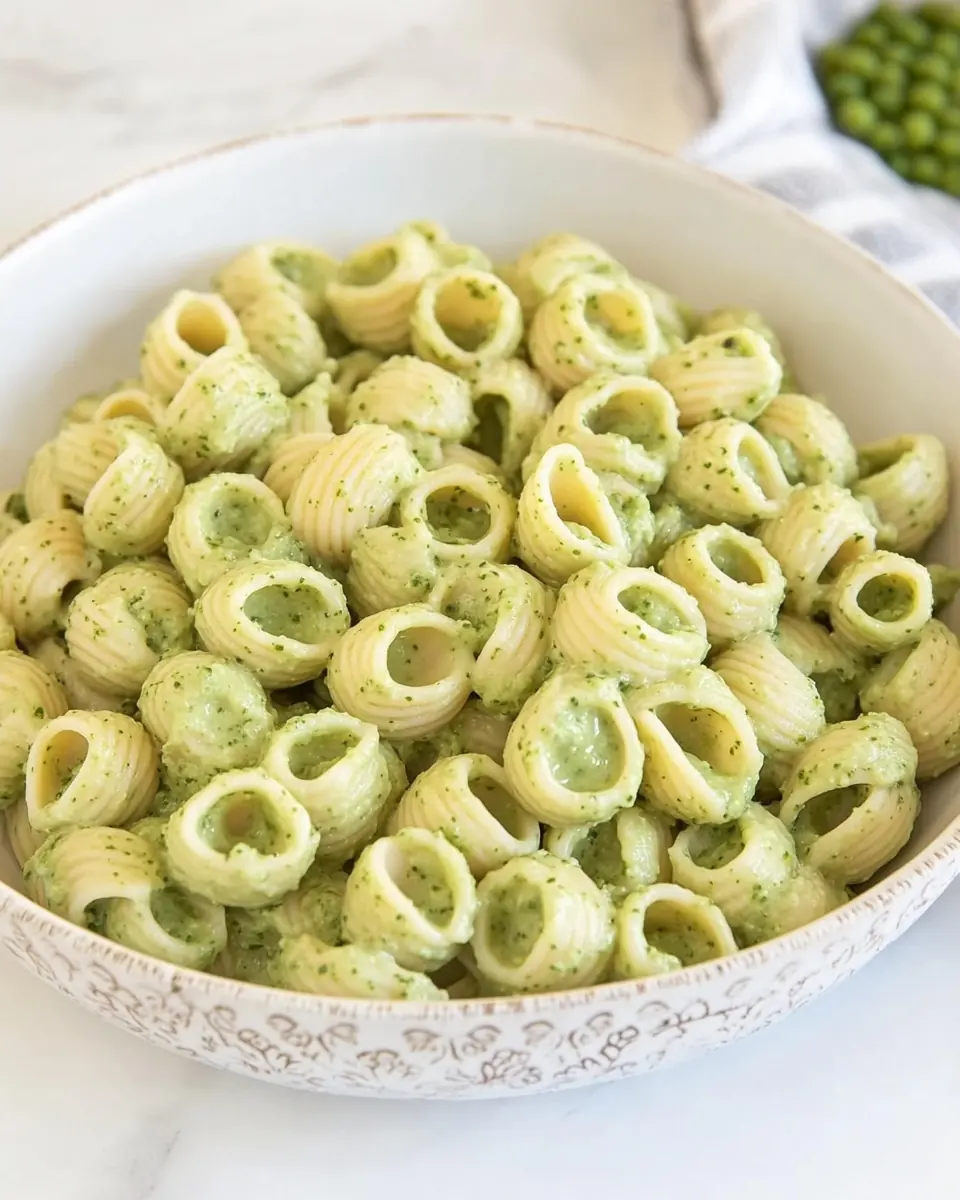
Pasta with Pea Sauce
Ingredients
Equipment
Method
- Add the olive oil to a medium skillet over medium-low heat. When warm, add the garlic and onion. Stir and cook for 2 minutes or until fragrant.: The air fills with a soft fruitiness as the olive oil warms, and you should see it shimmer gently but not smoke. This low heat lets the oil infuse with the aromatics without burning them, which is crucial for a sweet rather than bitter base. A common pitfall is cranking the heat, which scorches the oil and ruins the delicate flavors, so be patient and watch for the subtle sheen that signals readiness.
- Add the peas and stir to heat through for 2 minutes. Turn off the heat.: Tiny pops and a gentle sizzle announce the aromatics meeting the oil, and within moments a warm, savory scent will fill the pan. Stirring frequently helps the onion soften evenly and the garlic release its aroma without charring. If you notice any browning too soon, lower the heat immediately, because burned garlic can add an unpleasant bitterness to the whole dish.
- Meanwhile, bring a large pot of salted water to a boil. Add the pasta and cook according to the package directions.: You will feel the kitchen change as the sweet onion and pungent garlic perfume the air, and the pieces should become translucent with softened edges. This short cooking time builds flavor without losing brightness, which is essential for keeping the sauce lively. Overcooking at this phase dulls the aromatics, so remove from heat once you detect that tender, fragrant note.
- While the pasta cooks, add the pea mixture to a blender along with the butter, cottage cheese, Parmesan cheese, and cream. Blend the sauce very smooth, adding up to 1/4 cup of the pasta cooking water as needed to make a very smooth sauce.: The pan will burst into a brighter green as the frozen peas hit the warm aromatics, and they should warm through quickly, releasing a gentle, vegetal sweetness. Stir so they heat evenly without turning mushy. Leaving them on the heat too long can make them grainy, so stop when they are hot but still hold their shape.
- Drain the pasta and return to the pot.: Switching off prevents overcooking and preserves the vivid color and fresh flavor of the peas . The residual warmth is enough for the next blending step, and it keeps the mixture from overheating the dairy, which can separate. A common oversight is leaving the pan on, which risks breaking the sauce later when you blend.
- Add as much of the sauce as you like and stir.: The pot should rumble with rolling bubbles and smell faintly mineral from the salt , which seasons the pasta from the inside out. Use enough water so the pasta can move freely; crowded noodles cook unevenly. Undersalting the water results in bland pasta , while oversalting cannot be fixed, so aim for water that tastes like the sea.
- Serve warm with any optional toppings as desired.: As the pasta cooks you will notice it soften and release a starchy scent, and it should be tender but still with a slight chew. Stir occasionally to prevent sticking, and taste for doneness one minute before the package time to avoid overcooking. Overdone pasta will become gluey when mixed with the sauce, so pull it early if you prefer a firmer bite.
- While the pasta cooks, add the pea mixture to a blender along with the butter, cottage cheese, Parmesan cheese, and cream: The blender transforms the bright chunks into a velvety emerald sauce, and you should hear the motor hum as the dairy and butter emulsify with the peas . The aroma becomes rich and slightly nutty from the Parmesan . If you skip thorough blending, you might end up with a slightly grainy texture, so blend until very smooth.
- Blend the sauce very smooth, adding up to 1/4 cup of the pasta cooking water as needed to make a very smooth sauce: The sound will shift to a steady whirl as the mixture becomes glossy, and adding a little hot pasta water helps loosen the sauce and creates a silky emulsion that clings to noodles. If the sauce appears too thin, stop adding liquid and blend a bit longer to develop body. A common error is adding too much water too quickly, which dilutes the flavor; add gradually and judge the texture carefully.
- Drain the pasta and return to the pot: The steam will rise, carrying a fragrant mix of starch and scent from the pasta , and returning it to the pot lets you toss the noodles while still hot so they absorb the sauce. Avoid rinsing the pasta as that removes beneficial starch that helps the sauce cling. If you rinse, the sauce will slide off and the plate will feel watery.
- Add as much of the sauce as you like and stir: The final toss should coat each strand or shape in a glossy green cloak, and you will see the sauce cling and thicken slightly as it meets the hot pasta . Use tongs or a wooden spoon to lift and fold, making sure every piece is covered. A frequent slip is using too little sauce, which leaves the dish dry, so start with a few spoonfuls and add more until the texture pleases you.
- Serve warm with any optional toppings as desired: The plate should steam gently, and finishing touches like lemon zest , chopped basil , or crumbled goat cheese add aroma and contrast. These accents bring a lift of brightness or creaminess that rounds the experience. Don’t overload the top, or the delicate pea flavor may be overwhelmed by bold garnishes.
Notes
- Make ahead The pea sauce can be prepared up to five days in advance and stored in an airtight container in the refrigerator; when ready, reheat gently and add a splash of reserved pasta water to refresh the texture.
- Freeze for later Pour the cooled sauce into a freezer bag, press flat, remove air, and freeze for up to six months; thaw in the fridge overnight and warm gently before tossing with freshly cooked pasta.
- Adjust richness Reduce the cream slightly and increase the cottage cheese if you want a lighter sauce without sacrificing creaminess; blend thoroughly for a smooth finish.
- Herb variations Swap or combine the suggested basil and mint to change the herbal profile; mint gives a cooling brightness while basil maintains a classic Italian accent.
- Cheese options If you prefer a tangier finish, use a little more freshly grated Parmesan or add a small crumble of goat cheese at the end for creamy contrast.
- Salt wisely Because the Parmesan and cottage cheese contain sodium, taste before adding more salt; adjust at the end to avoid over seasoning.