Homemade Larabars
Homemade Larabars are one of those recipes I reach for when I want something honest, simple, and satisfying.
Years ago I learned to love making my own snack bars on a rainy afternoon when the store shelves were bare and I had a jar of peanuts and a bag of dates staring back at me. I remember the sound of the food processor starting up, the smell of toasted peanuts turning nutty and warm, and the gleam of sticky dates as they transformed into a single, pliable mass. That first batch taught me how tiny changes in texture and timing can turn pantry staples into something everyone asks to nibble on.
I like that Homemade Larabars are portable and humble, yet feel a little indulgent when you bite into them. There is a rhythm to making them that I enjoy the way a short walk clears the head. Over time I’ve tinkered with pressing techniques and chilling times so the bars hold together without being rock hard. When I’m packing lunches or prepping snacks for a long day, these bars are the easy, reliable choice I come back to again and again.
Recipe Snapshot
40 mins
40 mins
0 mins
Easy
200 kcal
American
Vegan, Gluten-Free
Desserts
Food Processor, 9×9 Baking Dish, Parchment Paper, Knife
What We Adore About This Homemade Larabars
Simple Ingredients, Big Flavor
I love how Homemade Larabars celebrate minimalism. With just a few pantry staples like peanuts and dates, the bars produce rich, concentrated flavor without fuss. The natural sweetness of the dates balances the toasty notes of the peanuts, and the small splash of sea salt pulls the whole profile together. For me this is food that respects ingredients, not hides them.
Quick Assembly, Reliable Results
One reason I keep making these is how reliably they come together. You do a few pulses in the food processor, press the mixture, chill briefly, and you have neat bars. It’s the kind of recipe I can hand off to a friend and trust they’ll get the same lovely texture and taste. The short chilling window means you are not tethered to the kitchen for hours, which I always appreciate.
Texture That Satisfies
The contrast between the slightly coarse bits of peanuts and the sticky, chewy dates is where the magic happens. I like a little tooth to the bar, so I pulse just enough to bind while keeping some tiny nut fragments. That chew paired with a smattering of chocolate chips gives you moments of smoothness and richness throughout each bite.
Totally Portable and Versatile
These bars travel well, whether tucked into a lunchbox or stashed in a hiking pack. I wrap each bar individually, and they keep their shape in the fridge for a couple of weeks. Because the ingredient list is concise, they’re also an easy base if you want to experiment later, but even as written, they feel complete and comforting.
Great For Everyday Eating
I find myself reaching for Homemade Larabars when I need a no drama snack that still feels thoughtfully made. They hit the sweet spot between snack and little treat, and they remind me that good food can be uncomplicated and memorable at the same time.
Ingredients Required for Homemade Larabars
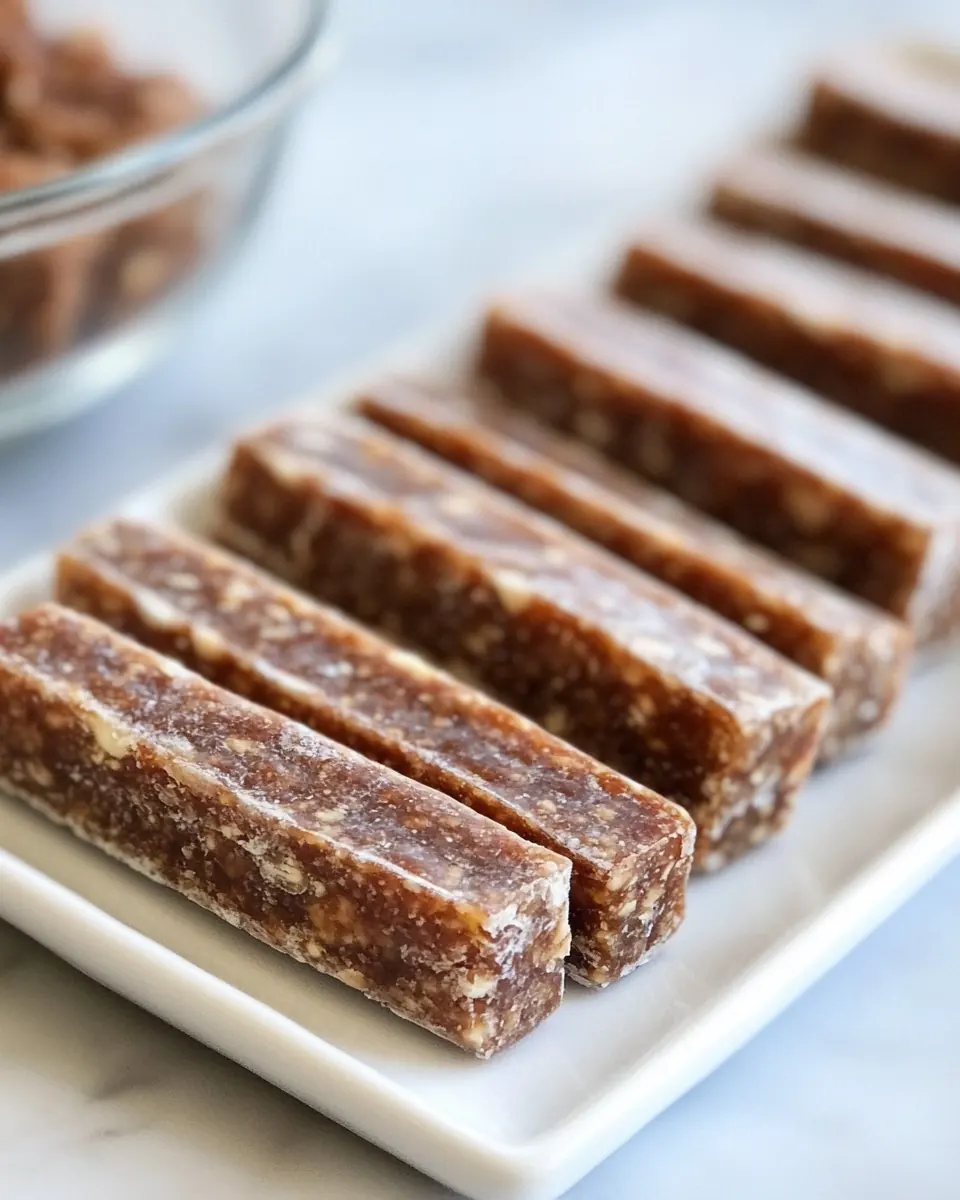
These ingredients are intentionally short and focused, built around texture and natural sweetness. The peanuts provide structure and a toasty backbone, the dates act as both sweetener and binder, chocolate chips add pockets of melting richness, and a pinch sea salt brightens all the flavors. Together they form a balanced, no bake bar that is satisfying and sturdy.
- 2/3 cup dry roasted unsalted peanuts: Provide a crunchy, nutty base and rich flavor while contributing healthy fats and protein; pulse to a coarse meal to help bind the bar mixture effectively and add a toasted depth.
- 24 oz pitted dates I use the sunmaid brand: Add concentrated natural sweetness and sticky texture that acts as the primary binder for the bars; remove pits if needed and finely chop or process until cohesive for easy shaping.
- 1/4 cup chocolate chips: Introduce pockets of chocolatey richness and a mellow sweetness that balance the nuttiness; fold in toward the end to retain some texture and prevent melting during mixing.
- pinch sea salt: Enhance overall flavor by amplifying the sweetness and balancing the richness with a subtle mineral note; sprinkle sparingly to avoid overpowering the mixture.
Instructions for Homemade Larabars
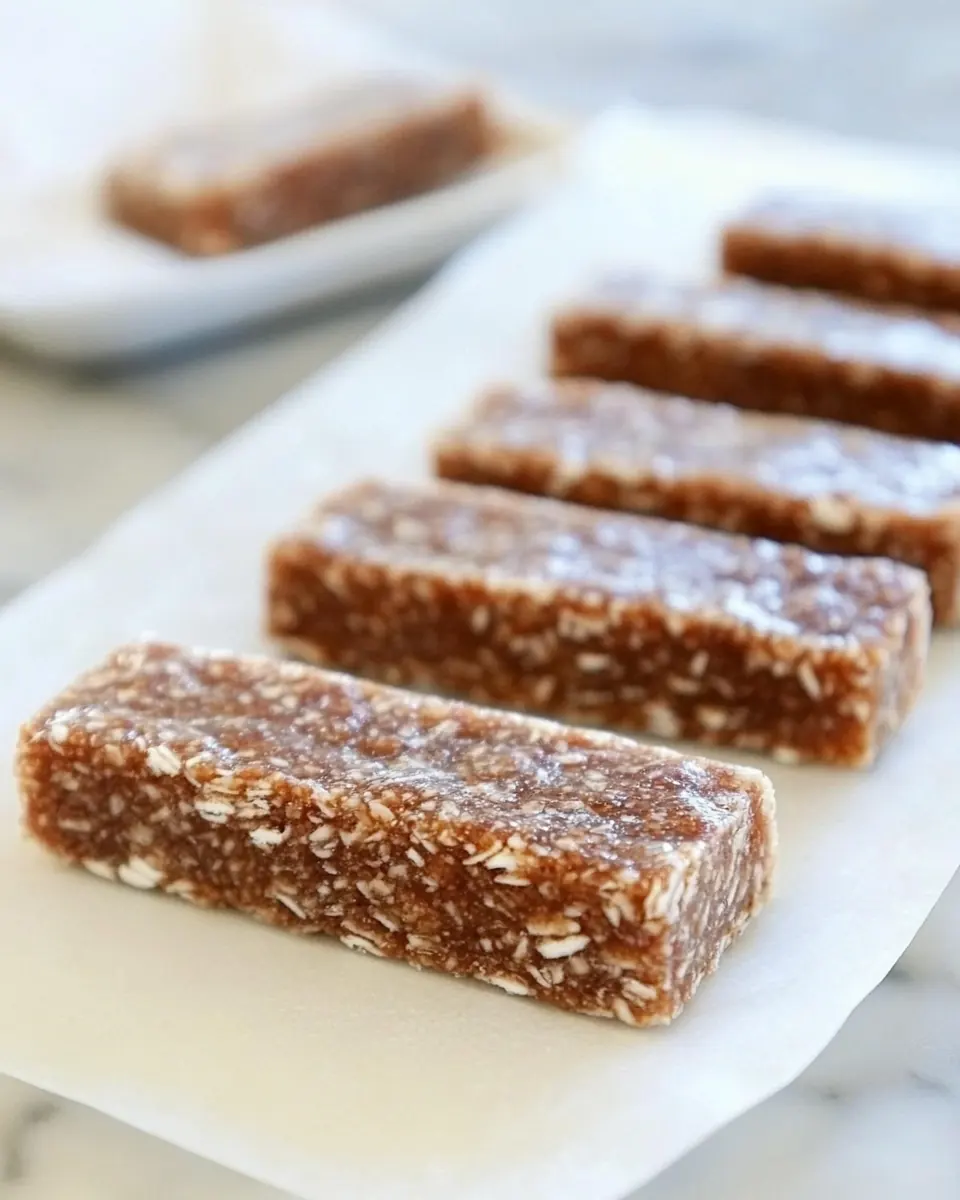
I like to keep the instruction flow calm and conversational, so you can follow along without stress. Below I expand each step with sensory cues, reasons behind the technique, and a troubleshooting note so you know what to expect at every turn.
- Place peanuts into the bowl of a food processor. Pulse to chop into fine pieces without turning into a paste. Add in dates, chocolate chips and salt. Continue pulsing until one large mass comes together in the bowl. Line a 9×9 baking dish with parchment paper or plastic wrap and press date mixture evenly into the dish. Dip your fingers into water to prevent sticking. Place into freezer for 30 minutes.: The first pulses release the warm toasted aroma of the peanuts , and you will hear a rhythmic grinding that signals the nuts are breaking down. This step builds the texture base, so aim for small crumb like pieces rather than a paste. If you rush and process too long you'll end up with oily nut butter, which will change the bar's structure. A common mistake is starting on high power and letting it run, so pulse gently until you see uniform fine bits.
- Remove completely from pan using excess plastic wrap as help and cut into 10 even pieces. Wrap each bar individually in plastic wrap and store in refrigerator for up to 2 weeks.: As you pulse, watch for the change in sound from distinct crunches to a softer, muffled grind, and the visual cue of smaller, even fragments. The why here is texture, tiny nut fragments create pleasant bite and help the bars hold together. If it starts to clump or smear on the bowl sides you are overprocessing. To avoid that, lift the lid and scrape down, then continue with short bursts.
- Add in dates chocolate chips and salt: When you add the sweet and salty elements, the aroma shifts to a candy like caramel smell from the dates and a hint of chocolate. The dates introduce moisture that will bind with the chopped peanuts , while the chocolate chips provide concentrated pockets of richness. Be mindful that adding the chips early can cause them to break, so keep pulses quick to incorporate without melting them too much.
- Continue pulsing until one large mass comes together in the bowl: As the mixture forms a cohesive mass you will see it gather around the blade into a dense ball, and the sound will deepen as components stick together. This binding is crucial for bars that slice cleanly. If the mixture remains too dry and crumbly, the dates may be too dry, or you may need a few extra pulses; avoid adding liquid, instead process a bit longer. A problem to avoid is overprocessing into a greasy ball, which happens if the nuts break down too far.
- Line a 9×9 baking dish with parchment paper or plastic wrap and press date mixture evenly into the dish: Pressing the mixture gives you uniform thickness and ensures the bars hold together once chilled. You should feel a firm, slightly tacky surface under your fingertips and see smooth edges where the mixture meets the pan. Use the back of a spoon or a flat measuring cup to compact it evenly. If you press too lightly the bars may crumble when cut, so apply steady pressure for a dense result. A common slip is leaving air pockets, so press from the center out to remove them.
- Dip your fingers into water to prevent sticking: Wetting your fingers is a small trick that avoids mess and helps you smooth the surface without losing the compacted texture. The cool touch also firms the surface slightly as you work. Don't soak your hands too much, a light dip is enough; excess water can make the edges softer and affect setting. If the mixture sticks excessively, use a piece of parchment over the top while pressing instead of more water.
- Place into freezer for 30 minutes: Chilling firms the bars so they hold their shape when sliced, and you will notice the surface becomes more matte and compacted. The cold also helps the chocolate chips set slightly, giving cleaner slices. Rushing this step will result in squishy bars, while leaving them much longer can make them rock hard; stick close to the thirty minute window. A typical mistake is trying to cut immediately, which leads to messy edges and tearing.
- Remove completely from pan using excess plastic wrap as help and cut into 10 even pieces: Lift the chilled slab out by the overhanging wrap, and you will see neat, compact edges. Use a sharp knife and press in a single confident motion for clean cuts, wiping the blade between slices if needed. The sound should be a subdued thud and you will feel firm resistance as the knife passes through. If pieces crumble, the slab may not have chilled enough, or the knife is dull; sharpen or chill a bit longer.
- Wrap each bar individually in plastic wrap and store in refrigerator for up to 2 weeks: Wrapping preserves texture and prevents drying, and in the fridge the bars keep a pleasant, slightly firm chew. When unwrapped the aroma of peanuts and dates is fresh and inviting. Storing at room temperature for long periods can make them sticky or cause the chocolate chips to soften too much, so fridge storage is safest. Avoid airtight containers that trap moisture if you wrapped poorly, as condensation can form.
Recipe Variations about Homemade Larabars
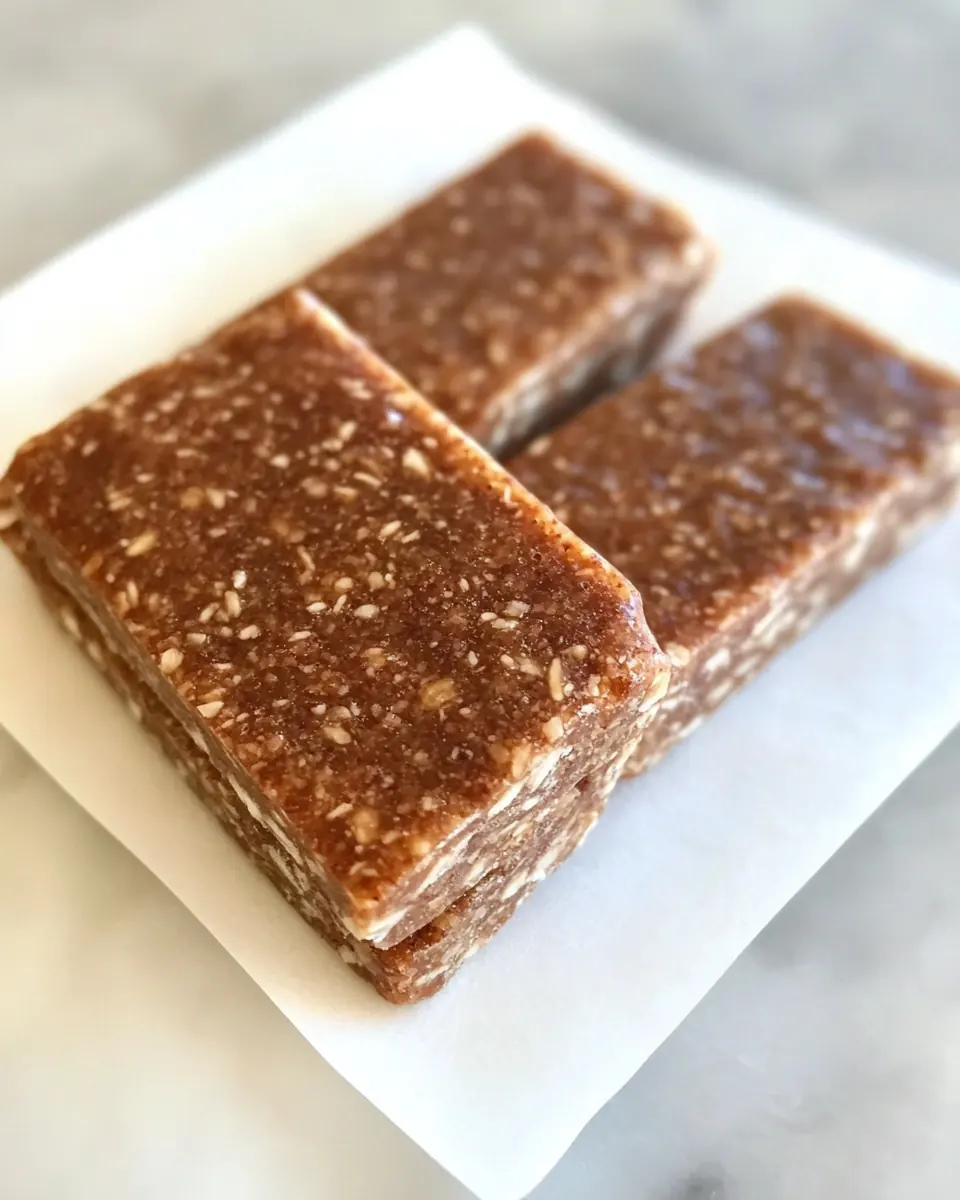
These straightforward bars are a great base for small tweaks. Below are practical variations and tips, each starting with a bold lead phrase to guide your choices. I expand on texture, timing, and preservation to help you adapt without losing the simple charm.
- Swap the nuts carefully, use another dry roasted unsalted nut if desired, but note each nut changes oil content and texture, so pulse less for oily nuts to avoid a paste like result.
- Adjust sweetness by date choice, choose softer, moister dates for stickier bars and firmer dates if you prefer a drier texture, and remember soaking is an option to rescue dry fruit.
- Add spices sparingly, a small pinch of cinnamon or cardamom can lift the profile without overpowering the core flavors, introduce them in tiny amounts and taste as you go.
- Mix in small extras, fold in a few seeds or chopped dried fruit by hand after processing for contrast, but avoid adding anything that introduces too much moisture.
- Keep chips intact, add the chocolate chips toward the end and pulse minimally so you retain pockets of chocolate rather than a uniform melt.
Pairing Suggestions for Homemade Larabars
These bars are versatile for many occasions and pair well with simple drinks and light meals. Below I outline serving ideas, storage guidance, and occasions where these bars shine, using bold highlights for actionable phrases.
- Breakfast on the go, pair a bar with a small container of plain yogurt or fresh fruit for a balanced, portable morning option, especially when time is tight.
- Afternoon snack with tea, serve a bar alongside a warm cup of tea for a gentle pick me up, the bar’s chew complements the drink’s warmth and helps curb mid afternoon hunger.
- Lunchbox addition, tuck a wrapped bar into a child or adult lunchbox as a satisfying sweet treat that feels more wholesome than processed candy.
- Post workout bite, use a bar as a quick energy source after light exercise, the natural sugars in the dates and the fat from the peanuts help replenish energy.
- Storage tip, keep bars individually wrapped in the refrigerator to maintain texture and prevent sticking, and consume within two weeks for best quality.
- Seasonal gifting, arrange wrapped bars in a small box as a thoughtful, homemade gift during holidays or gatherings when packaged treats are appreciated.
FAQ
Conclusion
These Homemade Larabars stand out because they transform a handful of pantry staples into a reliably chewable, flavorful snack that feels both simple and satisfying. I encourage you to give them a try, whether you need a quick breakfast addition, a lunchbox treat, or a portable post workout bite. Making them is straightforward, and the payoff is real, a neat bar that stores well and travels easily. Once you master the basic technique you can repeat it confidently, knowing the texture and flavor will be consistent and delicious.
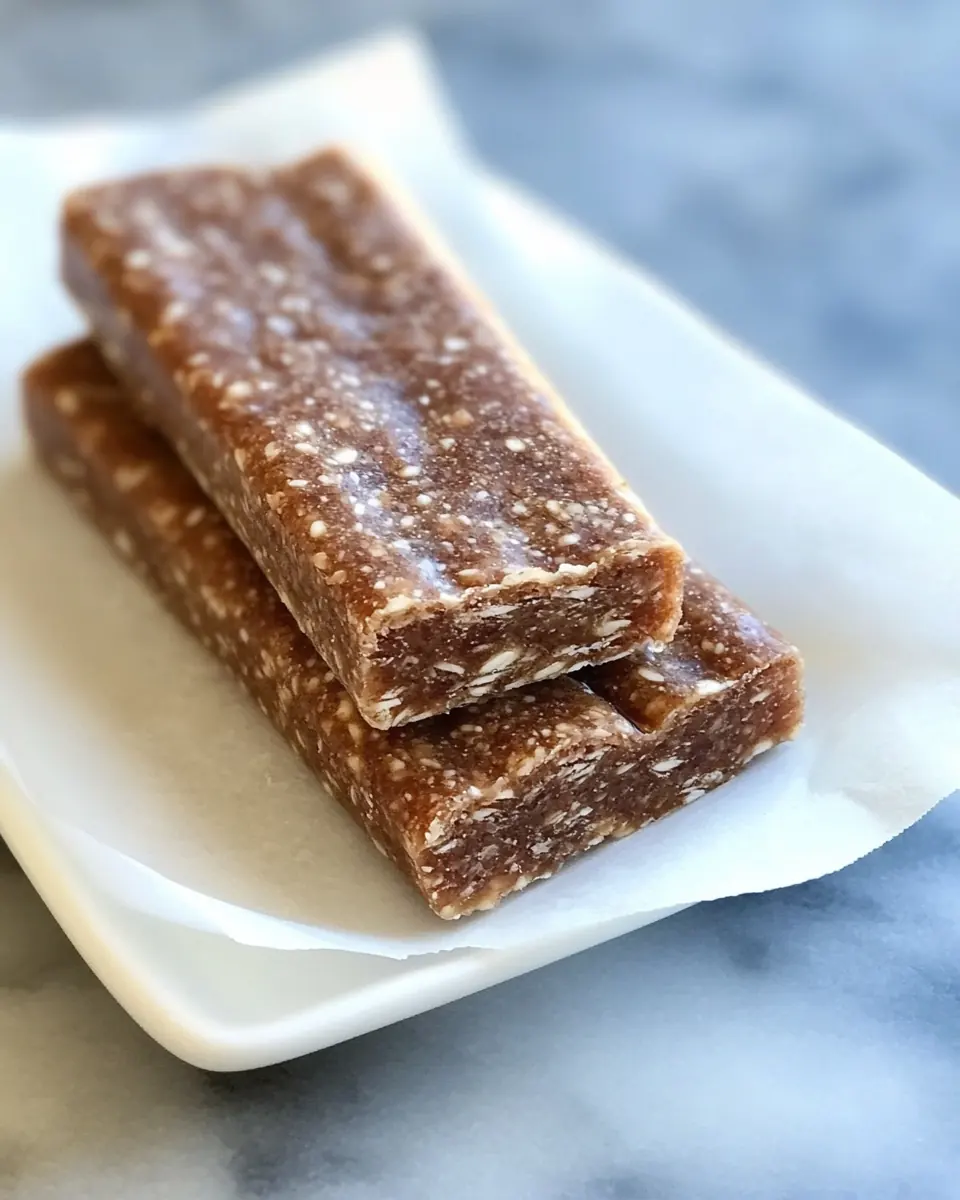
Homemade Larabars
Ingredients
Equipment
Method
- Place peanuts into the bowl of a food processor. Pulse to chop into fine pieces without turning into a paste. Add in dates, chocolate chips and salt. Continue pulsing until one large mass comes together in the bowl. Line a 9×9 baking dish with parchment paper or plastic wrap and press date mixture evenly into the dish. Dip your fingers into water to prevent sticking. Place into freezer for 30 minutes.: The first pulses release the warm toasted aroma of the peanuts , and you will hear a rhythmic grinding that signals the nuts are breaking down. This step builds the texture base, so aim for small crumb like pieces rather than a paste. If you rush and process too long you'll end up with oily nut butter, which will change the bar's structure. A common mistake is starting on high power and letting it run, so pulse gently until you see uniform fine bits.
- Remove completely from pan using excess plastic wrap as help and cut into 10 even pieces. Wrap each bar individually in plastic wrap and store in refrigerator for up to 2 weeks.: As you pulse, watch for the change in sound from distinct crunches to a softer, muffled grind, and the visual cue of smaller, even fragments. The why here is texture, tiny nut fragments create pleasant bite and help the bars hold together. If it starts to clump or smear on the bowl sides you are overprocessing. To avoid that, lift the lid and scrape down, then continue with short bursts.
- Add in dates chocolate chips and salt: When you add the sweet and salty elements, the aroma shifts to a candy like caramel smell from the dates and a hint of chocolate. The dates introduce moisture that will bind with the chopped peanuts , while the chocolate chips provide concentrated pockets of richness. Be mindful that adding the chips early can cause them to break, so keep pulses quick to incorporate without melting them too much.
- Continue pulsing until one large mass comes together in the bowl: As the mixture forms a cohesive mass you will see it gather around the blade into a dense ball, and the sound will deepen as components stick together. This binding is crucial for bars that slice cleanly. If the mixture remains too dry and crumbly, the dates may be too dry, or you may need a few extra pulses; avoid adding liquid, instead process a bit longer. A problem to avoid is overprocessing into a greasy ball, which happens if the nuts break down too far.
- Line a 9×9 baking dish with parchment paper or plastic wrap and press date mixture evenly into the dish: Pressing the mixture gives you uniform thickness and ensures the bars hold together once chilled. You should feel a firm, slightly tacky surface under your fingertips and see smooth edges where the mixture meets the pan. Use the back of a spoon or a flat measuring cup to compact it evenly. If you press too lightly the bars may crumble when cut, so apply steady pressure for a dense result. A common slip is leaving air pockets, so press from the center out to remove them.
- Dip your fingers into water to prevent sticking: Wetting your fingers is a small trick that avoids mess and helps you smooth the surface without losing the compacted texture. The cool touch also firms the surface slightly as you work. Don't soak your hands too much, a light dip is enough; excess water can make the edges softer and affect setting. If the mixture sticks excessively, use a piece of parchment over the top while pressing instead of more water.
- Place into freezer for 30 minutes: Chilling firms the bars so they hold their shape when sliced, and you will notice the surface becomes more matte and compacted. The cold also helps the chocolate chips set slightly, giving cleaner slices. Rushing this step will result in squishy bars, while leaving them much longer can make them rock hard; stick close to the thirty minute window. A typical mistake is trying to cut immediately, which leads to messy edges and tearing.
- Remove completely from pan using excess plastic wrap as help and cut into 10 even pieces: Lift the chilled slab out by the overhanging wrap, and you will see neat, compact edges. Use a sharp knife and press in a single confident motion for clean cuts, wiping the blade between slices if needed. The sound should be a subdued thud and you will feel firm resistance as the knife passes through. If pieces crumble, the slab may not have chilled enough, or the knife is dull; sharpen or chill a bit longer.
- Wrap each bar individually in plastic wrap and store in refrigerator for up to 2 weeks: Wrapping preserves texture and prevents drying, and in the fridge the bars keep a pleasant, slightly firm chew. When unwrapped the aroma of peanuts and dates is fresh and inviting. Storing at room temperature for long periods can make them sticky or cause the chocolate chips to soften too much, so fridge storage is safest. Avoid airtight containers that trap moisture if you wrapped poorly, as condensation can form.
Notes
- Swap the nuts carefully, use another dry roasted unsalted nut if desired, but note each nut changes oil content and texture, so pulse less for oily nuts to avoid a paste like result.
- Adjust sweetness by date choice, choose softer, moister dates for stickier bars and firmer dates if you prefer a drier texture, and remember soaking is an option to rescue dry fruit.
- Add spices sparingly, a small pinch of cinnamon or cardamom can lift the profile without overpowering the core flavors, introduce them in tiny amounts and taste as you go.
- Mix in small extras, fold in a few seeds or chopped dried fruit by hand after processing for contrast, but avoid adding anything that introduces too much moisture.
- Keep chips intact, add the chocolate chips toward the end and pulse minimally so you retain pockets of chocolate rather than a uniform melt.