Chocolate Peppermint Mini Cakes
Chocolate Peppermint Mini Cakes were the very thing I turned to the first winter I wanted a tiny, festive dessert that still felt grown up. I remember pulling a small pan from the cabinet on an especially cold evening, smelling the peppermint extract as I measured it, and thinking how few ingredients could make such a celebratory bite. The first batch I baked disappeared faster than I could arrange them on a plate, and after that night they became my go to when friends dropped by unexpectedly.
There is a ritual to these little cakes that I love. I like mixing the dry ingredients in one bowl while I whisk the wet in another, the cocoa dusting the air as I sift, the sugar whispering against the bowl. Each mini cake is almost like a personal offering, perfect for gifting or for sitting down with a mug of something warm. Over time I learned the small tricks that keep them tender and evenly shaped, and those moments of practice are what turned this into a real favorite I felt comfortable sharing with family and guests.
Recipe Snapshot
35 mins
15 mins
20 mins
Medium
200 kcal
American
Gluten-Free, Low FODMAP
Desserts
Mini cakelet pan, Mixing Bowls, Electric Hand mixer or Stand mixer
Why This Chocolate Peppermint Mini Cakes Is a Winner
Perfect holiday portion size
I love that Chocolate Peppermint Mini Cakes hand you a single, show stopping serving, which makes hosting feel effortless. You do not need to slice or plate large pans, and guests can grab one while socializing. For me, it removes the fuss of dessert duty and keeps the kitchen pace calm.
Balanced flavor contrast
The rich depth of cocoa powder balanced with a hint of peppermint extract gives a crisp, clean finish that keeps the cakes from feeling cloying. I appreciate that refreshing pop after a dense bite of chocolate, it brightens each mouthful and pairs beautifully with a milky frosting or a dusting of sugar.
Textural charm
These little cakes bake up with a tender crumb because of the oil and eggs in the batter. I notice a fine crumb that holds frosting well, which matters when you want neat piping or a glossy finish. The size invites careful textures, like a crisp edge and a soft center, and that contrast is one reason I always return to this recipe.
Easy to adapt and decorate
Whether I pipe a quarter batch of white chocolate buttercream or just sprinkle crushed candy cane on top, the format makes decoration satisfying and quick. You get a high visual payoff for very little effort, which is a favorite trick when time is limited but presentation matters.
Reliable and forgiving
I trust this recipe because the method is straightforward. It withstands minor variations in measuring or pan type, as long as you watch for doneness. I like that it rewards attention to a few small details rather than perfection, so you can enjoy the process while still ending up with something impressive.
Chocolate Peppermint Mini Cakes Shopping List
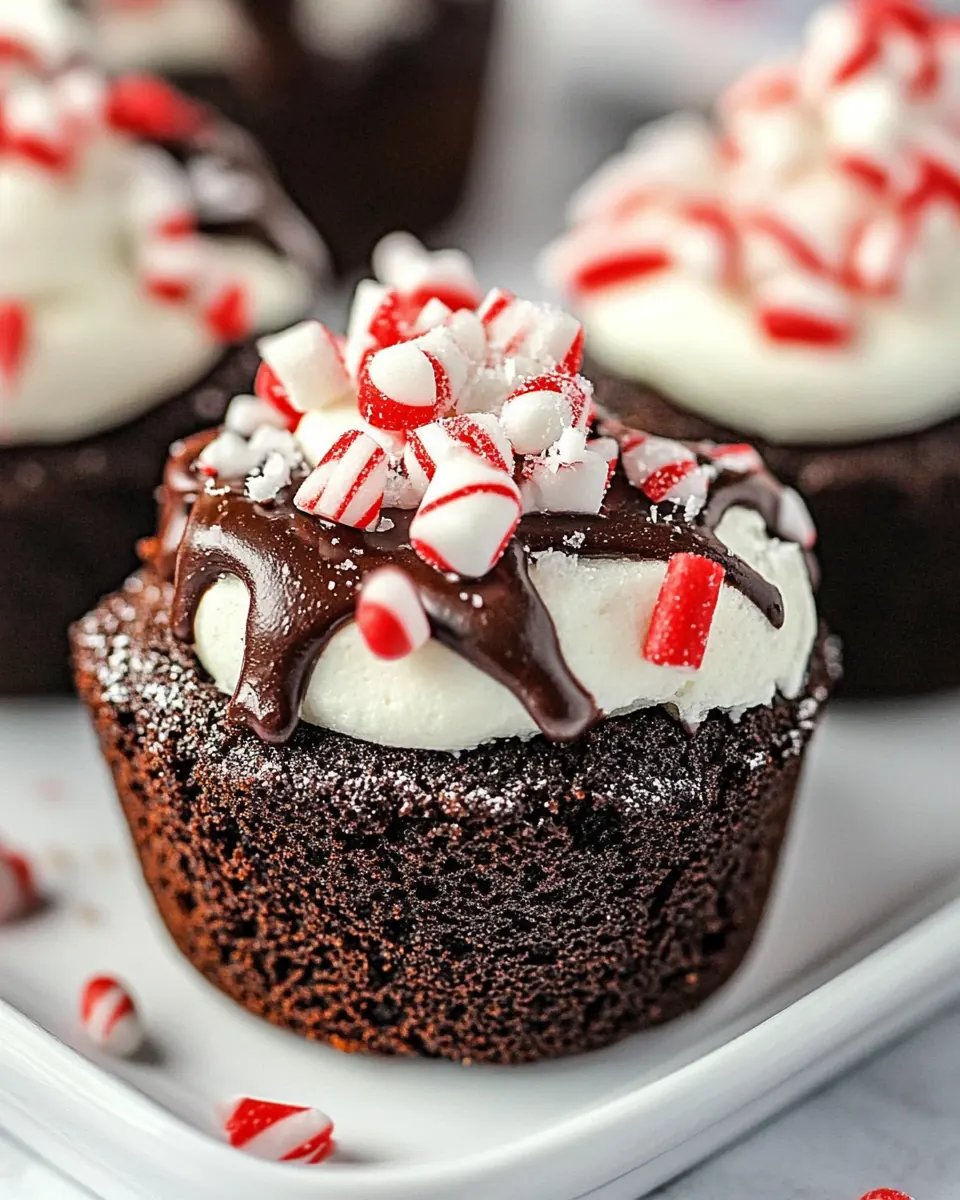
These ingredients are uncomplicated and purposeful, designed to create a moist, chocolate forward mini cake with a cool peppermint finish. The core players are the all purpose flour for structure, unsweetened cocoa powder for concentrated chocolate flavor, and the combination of oil and eggs for tenderness and lift. A touch of peppermint extract transforms the profile, and the optional white chocolate buttercream adds luxe creaminess.
- 1 cup (120 g) all purpose flour: Provide structure and bulk to the cake batter, contributing gluten that gives the crumb its shape; sift to remove lumps and ensure even incorporation with cocoa and leaveners for a uniform texture.
- 1/2 cup (50 g) unsweetened cocoa powder: Add deep chocolate flavor and color while absorbing moisture from the batter; whisk thoroughly with the flour to prevent clumping and to distribute cocoa flavor evenly throughout the mini cakes.
- 1/2 teaspoon baking powder: Lightly aerate the batter and assist rise by contributing a small amount of additional lift; combine with baking soda so the cakes develop a tender, slightly domed crumb during baking.
- 1/2 teaspoon baking soda: React with acidic components and produce carbon dioxide for leavening, helping the mini cakes gain height and a soft texture; measure carefully to avoid an overly soapy or metallic taste.
- 1/2 teaspoon salt: Enhance and balance flavors while strengthening gluten network slightly; dissolve into the wet ingredients so it seasons the cake evenly without creating pockets of saltiness.
- 2 large eggs: Provide richness, moisture, and emulsification; whisk eggs well to incorporate air, stabilize the batter, and contribute to the cake’s structure and tender crumb.
- 1/2 cup (120 ml) canola oil: Contribute fat for tenderness and moisture while carrying flavor and promoting a soft mouthfeel; mix well with sugar and eggs to create a cohesive emulsion in the batter.
- 1 cup (200 g) granulated sugar: Sweeten the cakes and assist with structure by interacting with eggs and fats; beat with the liquids to help dissolve and create a consistent, slightly glossy batter.
- 1/2 teaspoon pure vanilla extract: Impart a sweet, floral background note and enhance other flavors; add with the wet ingredients so the aroma becomes evenly distributed throughout the mini cakes.
- 1/4 teaspoon peppermint extract: Deliver a cool, minty accent that complements the chocolate and defines the peppermint character; use sparingly and taste the batter to avoid overpowering the cake.
- 1/2 cup (120 ml) whole milk or 2% or buttermilk: Provide liquid for hydration and contribute to tenderness and milkfat if using whole or buttermilk; add with other wet ingredients to create the proper batter consistency.
- 1/4 recipe white chocolate buttercream: Offer creamy, sweet richness and a smooth frosting layer when spread atop cooled mini cakes; prepare the white chocolate buttercream according to its recipe and adjust consistency for piping or spreading.
- Crushed candy cane or sprinkles: Provide crunchy, festive decoration and a peppermint kick when sprinkled on top; apply after frosting sets slightly to ensure good adherence and an attractive finish.
How to Make Chocolate Peppermint Mini Cakes
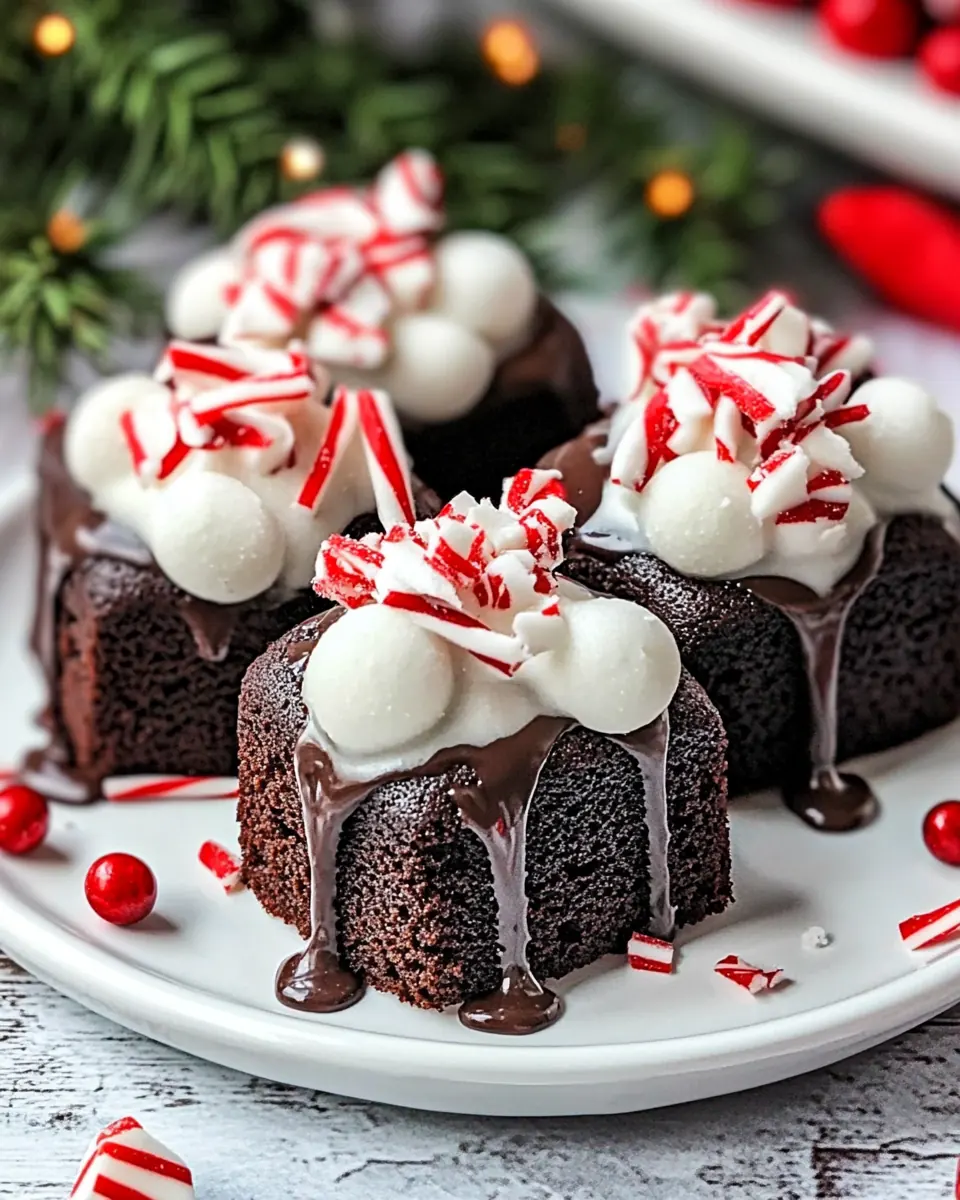
I like to approach these cakes with calm and focus so the small details do their work. The technique is straightforward, but paying attention to texture and timing makes a big difference in the final crumb and appearance. Read each step, prepare your equipment, and take a moment to notice sensory cues as you go.
- Preheat the oven to 325°F (160°C), or 140°C for a fan oven. Spray your baking pan generously with baking spray (I used the Nordicware Frozen Snowflake Cakelet Pan; a mini bundt or a muffin pan can also be used). Make sure that the spray reaches all the creases; you can use a pastry brush for that.: Warmth fills the kitchen as the oven comes up to temperature, and that first scent of rising heat signals readiness. It ensures the batter meets an environment where it can spring gently and set the crumb before drying out, which is essential for even texture. A common mistake is skipping preheating, which can lead to uneven rise and dense spots. Make sure to also spray your pan generously with baking spray; thorough coverage prevents sticking in the pan creases.
- In a bowl, combine the dry ingredients: flour, cocoa powder, baking powder, baking soda, and salt. Set aside.: The pan surface should feel slick but not pooling with oil, which helps the cakes release cleanly when inverted. You will hear a subtle whisper as spray coats the creases, and using a pastry brush to reach into details ensures a flawless unmolding. Overlooking small crevices can cause mini cakes to cling, so take care to cover every nook for the prettiest results.
- Whisk together the eggs, oil, sugar, vanilla extract, and peppermint extract in a separate bowl until well combined.: flour, cocoa powder, baking powder, baking soda, and salt : When you whisk these elements together the cocoa diffuses into the flour and you can see the mixture become uniformly dark, which promises even chocolate flavor in each bite. This step prevents concentrated pockets of leavening or cocoa that would otherwise create flavor or texture inconsistencies. A usual pitfall is not sifting or whisking well, leading to clumps, so take the extra minute to blend them thoroughly.
- Add the dry and wet ingredients and whisk again until combined.: The quiet pause after mixing gives you space to prepare the wet ingredients so everything combines quickly once joined. Letting the dry mixture rest prevents it from picking up moisture from the air, and it keeps the sequence organized. A mistake here is rushing and mixing directly into wet bowls, which can result in overworking the batter later on.
- Add the milk and stir well until combined and the batter is loose. Do not overmix.: As you whisk the sugar dissolves and the mixture lightens slightly, releasing a warm, sweet aroma with a cool peppermint edge. The union of eggs and oil forms the base that will emulsify with the dry ingredients for a smooth batter. Overbeating can introduce too much air and change the crumb, so whisk until the sugar feels incorporated and the mixture is uniform.
- Pour the batter into the pan, filling 3/4 full. Gently tap the pan on the counter a couple of times to remove any bubbles.: At this point the batter begins to thicken and develop a silky sheen, with dark threads of cocoa weaving through. Proper combining ensures the structure is even, which produces consistent mini cakes. One common error is vigorous mixing, which will tighten gluten and cause a tougher texture, so fold or whisk just until streaks disappear.
- Bake in the preheated oven for 20 minutes or until a toothpick inserted in the center of the cake comes out clean.: The milk loosens the batter and you will notice it becoming more fluid and glossy, which helps with filling the tiny molds evenly. It also contributes moisture that keeps the mini cakes tender after baking. Beware of overmixing once the milk is added, since that can activate too much gluten. Stir until the batter flows smoothly but still holds a little body.
- Allow the cakes to cool in the pan for 5 minutes. They will pull away from the sides. Then, invert on a cooling rack to cool completely.: Leaving small lumps is preferable to overstretching the gluten, and the final cakes will be moister and softer for it. You can feel the batter’s viscosity by lifting your spoon and watching how it falls back into the bowl. A dense, elastic batter signals overwork, while a slightly billowy, flowing batter indicates the balance you want.
- Optional: Prepare 1/4 a recipe of white chocolate buttercream, then pipe it onto each cake and sprinkle with crushed candy cane or sprinkles. Or dust with powdered sugar before serving.: As you pour, the batter should glide and settle into each cavity, leaving a uniform surface. Filling to three quarters allows room for rise without spilling or creating domed tops that crack. Filling too high can create overflow and uneven baking, so watch the level and spread the batter with a small spatula if needed to keep things tidy.
- Gently tap the pan on the counter a couple of times to remove any bubbles: The small taps coax trapped air to the surface, which yields a finer crumb and fewer holes in the finished cakes. You may hear faint plinks as bubbles release and the batter settles into the pan, and this quiet ritual improves texture noticeably. Skipping it can mean air pockets remain, leading to pitted tops or uneven centers.
- Bake in the preheated oven for 20 minutes or until a toothpick inserted in the center of the cake comes out clean: As they bake the aroma of chocolate and peppermint becomes more pronounced and the tops set to a satiny finish. Visual cues like edges pulling away slightly and a springy center tell you they are nearly done. A toothpick test confirms doneness; avoid opening the oven too often, because sudden temperature changes can cause collapse. Underbaking leaves gummy centers, while overbaking will dry the small cakes quickly.
- Allow the cakes to cool in the pan for 5 minutes: In this brief window the cakes contract slightly and pull away from the pan sides, making unmolding easier. The steam that rises contains concentrated chocolate scent, and the warmth softens the crumb just enough for gentle handling. Trying to remove them while piping hot risks breakage, so patience here prevents tears and preserves the cake shape.
- They will pull away from the sides: This little separation is your cue that the structure has set and the mini cakes are ready for inversion. It indicates internal steam evaporation is sufficient, and you can expect cleaner edges when you turn them out. Forcibly removing warm cakes often leads to stuck centers, so wait for that natural release.
- Then, invert on a cooling rack to cool completely: When you flip the pan and the cakes release, the underside will reveal a smooth finish and the cakes will begin to cool through. Cooling on a rack allows air to circulate and prevents moisture buildup on the bottom. Frosting warm cakes will cause the buttercream to melt and slide, so cooling completely is essential for neat decoration.
- Optional: Prepare 1/4 a recipe of white chocolate buttercream, then pipe it onto each cake and sprinkle with crushed candy cane or sprinkles : The buttercream adds creamy richness and the white chocolate flavor complements the peppermint. When piping you should feel a slight resistance and see smooth peaks form, and the contrast of glossy frosting with a crunchy candy cane topping is delightful. A common misstep is applying frosting while cakes are still warm, which causes slipping and a greasy appearance.
- Or dust with powdered sugar before serving: A light dusting creates an elegant, snowy finish and enhances visual appeal without adding too much sweetness. It is a forgiving finish if your piping skills are minimal, and it complements the chocolate without overwhelming the peppermint. Overdoing the sugar can mask the chocolate’s depth, so keep it delicate for balance.
Helpful Hints
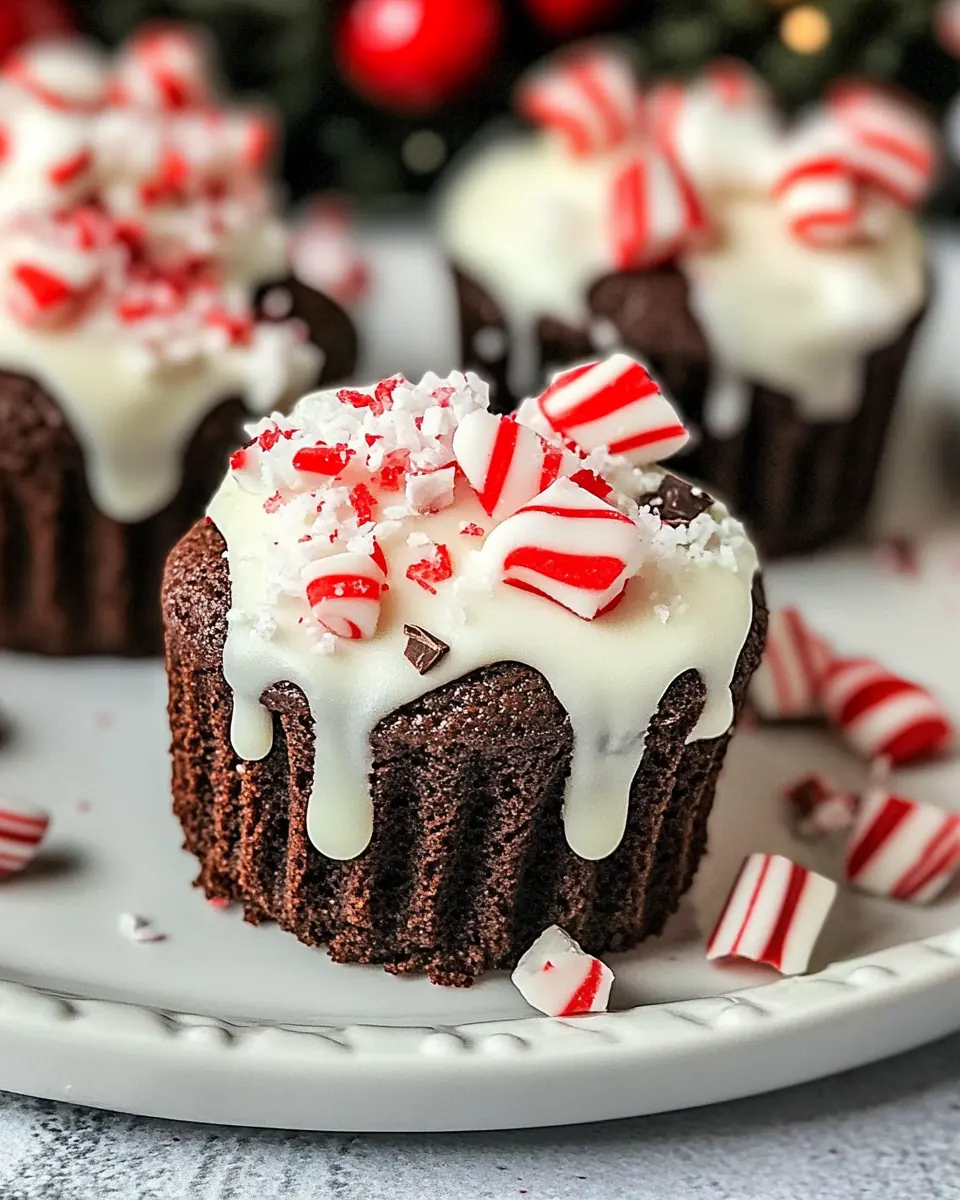
These tips are drawn from repeated batches and small adjustments that deliver consistent, festive mini cakes. Each one starts with a bold idea and follows with practical detail so you can avoid the common traps. Keep this list handy while you bake and you will notice the difference in texture, flavor, and presentation.
- Room temperature ingredients: Bring the eggs and milk to room temperature for smoother blending and more even batter, which reduces the chance of lumps or cool pockets.
- Proper measuring: Spoon the all purpose flour into your measuring cup and level it off rather than scooping, this avoids packing and keeps the crumb light.
- Fresh leavening: Make sure the baking powder and baking soda are fresh; expired leavening results in flat, dense mini cakes that do not rise properly.
- Peppermint caution: Measure the peppermint extract carefully because it is concentrated, a little too much can overpower the chocolate and become medicinal.
- Pan prep: Thoroughly coat the mini cakelet pan crevices with baking spray, using a pastry brush if needed, to ensure clean releases and intact shapes.
- Test for doneness: Use the toothpick method in the thickest part of a cake and avoid opening the oven early, which can cause collapse; adjust time when using alternate pans.
Great Combinations for Chocolate Peppermint Mini Cakes
These mini cakes are versatile, and I like serving them in a few different ways depending on the occasion. For small gatherings they shine as handheld desserts, while for a quiet evening they pair well with a warm beverage. Below I list serving suggestions, seasonal pairings, storage tips, and ideas for occasions.
- Serve with warm drinks: Pair a Chocolate Peppermint Mini Cakes with a hot chocolate or a mint tea for an indulgent winter treat that amplifies the peppermint notes.
- Holiday platter: Arrange these mini cakes on a platter with varying toppings like crushed candy cane or sprinkles for a festive center at a Christmas dessert table.
- Gift packaging: Pack them individually in cupcake boxes or clear bags tied with ribbon, they make a sweet homemade gift for neighbors or acquaintances during the winter season.
- Make ahead and store: Keep unfrosted cakes in an airtight container at room temperature for up to two days, or refrigerate for up to five days; frost just before serving for the best texture.
- Occasion ideas: Perfect for small parties, cookie exchanges, office treats, or a cozy dessert after dinner when you want portion control and a pretty presentation.
- Seasonal pairing: These mini cakes feel at home during winter holidays, but the compact size also works for birthday favors or winter showers where a delicate sweet is preferred.
FAQ
Conclusion
These Chocolate Peppermint Mini Cakes combine rich cocoa and a crisp peppermint note into a small, festive package that is perfect for holiday tables or casual gifting. Give them a try this season; the simple technique and compact size make them both manageable and impressive for guests. They reward a little attention to temperature and timing, and once you taste that tender crumb and bright finish you will understand why they become a go to for winter celebrations.
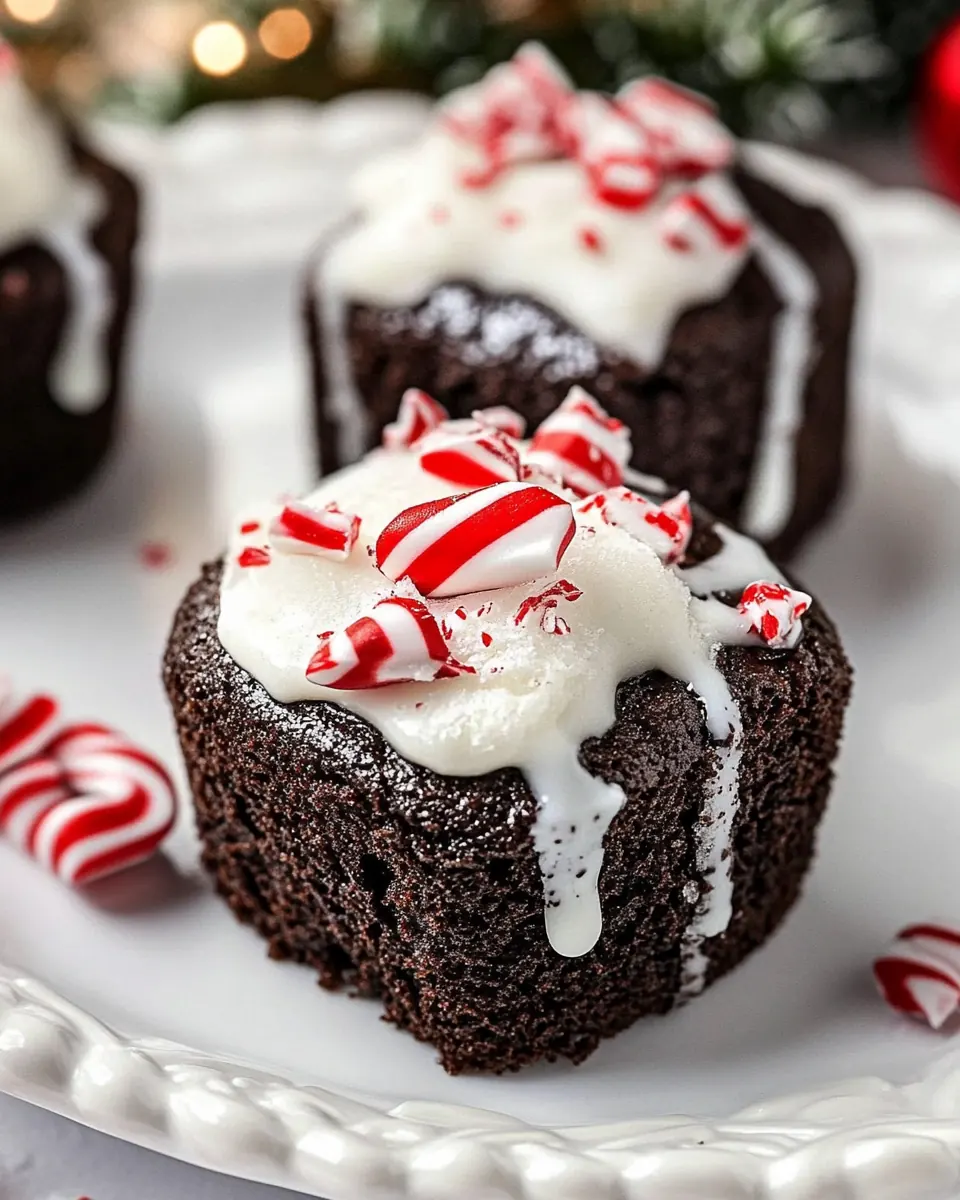
Chocolate Peppermint Mini Cakes
Ingredients
Equipment
Method
- Preheat the oven to 325°F (160°C), or 140°C for a fan oven. Spray your baking pan generously with baking spray (I used the Nordicware Frozen Snowflake Cakelet Pan; a mini bundt or a muffin pan can also be used). Make sure that the spray reaches all the creases; you can use a pastry brush for that.: Warmth fills the kitchen as the oven comes up to temperature, and that first scent of rising heat signals readiness. It ensures the batter meets an environment where it can spring gently and set the crumb before drying out, which is essential for even texture. A common mistake is skipping preheating, which can lead to uneven rise and dense spots. Make sure to also spray your pan generously with baking spray; thorough coverage prevents sticking in the pan creases.
- In a bowl, combine the dry ingredients: flour, cocoa powder, baking powder, baking soda, and salt. Set aside.: The pan surface should feel slick but not pooling with oil, which helps the cakes release cleanly when inverted. You will hear a subtle whisper as spray coats the creases, and using a pastry brush to reach into details ensures a flawless unmolding. Overlooking small crevices can cause mini cakes to cling, so take care to cover every nook for the prettiest results.
- Whisk together the eggs, oil, sugar, vanilla extract, and peppermint extract in a separate bowl until well combined.: flour, cocoa powder, baking powder, baking soda, and salt : When you whisk these elements together the cocoa diffuses into the flour and you can see the mixture become uniformly dark, which promises even chocolate flavor in each bite. This step prevents concentrated pockets of leavening or cocoa that would otherwise create flavor or texture inconsistencies. A usual pitfall is not sifting or whisking well, leading to clumps, so take the extra minute to blend them thoroughly.
- Add the dry and wet ingredients and whisk again until combined.: The quiet pause after mixing gives you space to prepare the wet ingredients so everything combines quickly once joined. Letting the dry mixture rest prevents it from picking up moisture from the air, and it keeps the sequence organized. A mistake here is rushing and mixing directly into wet bowls, which can result in overworking the batter later on.
- Add the milk and stir well until combined and the batter is loose. Do not overmix.: As you whisk the sugar dissolves and the mixture lightens slightly, releasing a warm, sweet aroma with a cool peppermint edge. The union of eggs and oil forms the base that will emulsify with the dry ingredients for a smooth batter. Overbeating can introduce too much air and change the crumb, so whisk until the sugar feels incorporated and the mixture is uniform.
- Pour the batter into the pan, filling 3/4 full. Gently tap the pan on the counter a couple of times to remove any bubbles.: At this point the batter begins to thicken and develop a silky sheen, with dark threads of cocoa weaving through. Proper combining ensures the structure is even, which produces consistent mini cakes. One common error is vigorous mixing, which will tighten gluten and cause a tougher texture, so fold or whisk just until streaks disappear.
- Bake in the preheated oven for 20 minutes or until a toothpick inserted in the center of the cake comes out clean.: The milk loosens the batter and you will notice it becoming more fluid and glossy, which helps with filling the tiny molds evenly. It also contributes moisture that keeps the mini cakes tender after baking. Beware of overmixing once the milk is added, since that can activate too much gluten. Stir until the batter flows smoothly but still holds a little body.
- Allow the cakes to cool in the pan for 5 minutes. They will pull away from the sides. Then, invert on a cooling rack to cool completely.: Leaving small lumps is preferable to overstretching the gluten, and the final cakes will be moister and softer for it. You can feel the batter’s viscosity by lifting your spoon and watching how it falls back into the bowl. A dense, elastic batter signals overwork, while a slightly billowy, flowing batter indicates the balance you want.
- Optional: Prepare 1/4 a recipe of white chocolate buttercream, then pipe it onto each cake and sprinkle with crushed candy cane or sprinkles. Or dust with powdered sugar before serving.: As you pour, the batter should glide and settle into each cavity, leaving a uniform surface. Filling to three quarters allows room for rise without spilling or creating domed tops that crack. Filling too high can create overflow and uneven baking, so watch the level and spread the batter with a small spatula if needed to keep things tidy.
- Gently tap the pan on the counter a couple of times to remove any bubbles: The small taps coax trapped air to the surface, which yields a finer crumb and fewer holes in the finished cakes. You may hear faint plinks as bubbles release and the batter settles into the pan, and this quiet ritual improves texture noticeably. Skipping it can mean air pockets remain, leading to pitted tops or uneven centers.
- Bake in the preheated oven for 20 minutes or until a toothpick inserted in the center of the cake comes out clean: As they bake the aroma of chocolate and peppermint becomes more pronounced and the tops set to a satiny finish. Visual cues like edges pulling away slightly and a springy center tell you they are nearly done. A toothpick test confirms doneness; avoid opening the oven too often, because sudden temperature changes can cause collapse. Underbaking leaves gummy centers, while overbaking will dry the small cakes quickly.
- Allow the cakes to cool in the pan for 5 minutes: In this brief window the cakes contract slightly and pull away from the pan sides, making unmolding easier. The steam that rises contains concentrated chocolate scent, and the warmth softens the crumb just enough for gentle handling. Trying to remove them while piping hot risks breakage, so patience here prevents tears and preserves the cake shape.
- They will pull away from the sides: This little separation is your cue that the structure has set and the mini cakes are ready for inversion. It indicates internal steam evaporation is sufficient, and you can expect cleaner edges when you turn them out. Forcibly removing warm cakes often leads to stuck centers, so wait for that natural release.
- Then, invert on a cooling rack to cool completely: When you flip the pan and the cakes release, the underside will reveal a smooth finish and the cakes will begin to cool through. Cooling on a rack allows air to circulate and prevents moisture buildup on the bottom. Frosting warm cakes will cause the buttercream to melt and slide, so cooling completely is essential for neat decoration.
- Optional: Prepare 1/4 a recipe of white chocolate buttercream, then pipe it onto each cake and sprinkle with crushed candy cane or sprinkles : The buttercream adds creamy richness and the white chocolate flavor complements the peppermint. When piping you should feel a slight resistance and see smooth peaks form, and the contrast of glossy frosting with a crunchy candy cane topping is delightful. A common misstep is applying frosting while cakes are still warm, which causes slipping and a greasy appearance.
- Or dust with powdered sugar before serving: A light dusting creates an elegant, snowy finish and enhances visual appeal without adding too much sweetness. It is a forgiving finish if your piping skills are minimal, and it complements the chocolate without overwhelming the peppermint. Overdoing the sugar can mask the chocolate’s depth, so keep it delicate for balance.
Notes
- Room temperature ingredients: Bring the eggs and milk to room temperature for smoother blending and more even batter, which reduces the chance of lumps or cool pockets.
- Proper measuring: Spoon the all purpose flour into your measuring cup and level it off rather than scooping, this avoids packing and keeps the crumb light.
- Fresh leavening: Make sure the baking powder and baking soda are fresh; expired leavening results in flat, dense mini cakes that do not rise properly.
- Peppermint caution: Measure the peppermint extract carefully because it is concentrated, a little too much can overpower the chocolate and become medicinal.
- Pan prep: Thoroughly coat the mini cakelet pan crevices with baking spray, using a pastry brush if needed, to ensure clean releases and intact shapes.
- Test for doneness: Use the toothpick method in the thickest part of a cake and avoid opening the oven early, which can cause collapse; adjust time when using alternate pans.