Swedish Meatballs
Swedish Meatballs bring me back to chilly evenings when my kitchen smelled of warm spices and creamy gravy. I remember the first time I made them, fumbling with frozen meatballs while my phone played a cozy playlist, and how the simple act of stirring a sauce felt like a small act of comfort that stitched the evening together.
There is something quietly nostalgic about Swedish Meatballs, a meal that manages to be both humble and indulgent. I like how the ready made meatballs cut corners without sacrificing heart, letting the sauce shine as the true star. Over the years I have learned little tricks, like letting the sauce thicken slowly and seasoning at the end, which turned a quick weeknight dinner into a dish I was proud to serve to friends.
When winter settles in I reach for this recipe, because its creamy texture and warm, savory notes feel like a soft blanket. I often pair it with simple sides that soak up the sauce, and I enjoy the hush that falls over the table when everyone takes that first spoonful. That quiet approval is one of my favorite rewards from cooking.
Recipe Snapshot
20 mins
10 mins
10 mins
Easy
320 kcal
Swedish
Gluten-Free, Low FODMAP
Dinner
Cast iron skillet, Whisk, Foil
Why This Swedish Meatballs Is So Good
Comfort in Simplicity
I love Swedish Meatballs because they prove comfort food does not need to be complicated. Using frozen beef meatballs keeps prep minimal, and the sauce builds layers of flavor with just a few pantry staples. For busy nights I value dishes that feel indulgent but are actually straightforward to pull together, and this one fits the bill perfectly.
Speed without Sacrifice
We often need dinner on the table fast, and this recipe delivers in about twenty minutes. The method lets the sauce develop a velvety body, so you get restaurant style results at home. I appreciate that you can start with ready made protein and still end with something that tastes like you spent more time on it.
Texture and Harmony
The combination of a smooth, thickened sauce and tender beef meatballs creates a comforting mouthfeel. The butter and all purpose flour form a roux that gives body, while the beef stock adds depth. A touch of sour cream at the end rounds the sauce with creaminess and a slight tang, balancing the savory elements.
Versatile Serving Options
I like that Swedish Meatballs can dress up many bases. Serve them over mashed potatoes for a classic route, spoon them onto egg noodles for a homier plate, or ladle them over rice for a simple grain bowl. That flexibility makes it a go to for varied weeknight moods.
Kid Friendly and Crowd Approved
From my experience, kids and adults both respond well to the mild, savory flavors. The texture and sauce are approachable, and the dish scales nicely for guests. When I host, this recipe reduces stress while still feeling like a thoughtful main course.
Recipe Ingredients for Swedish Meatballs
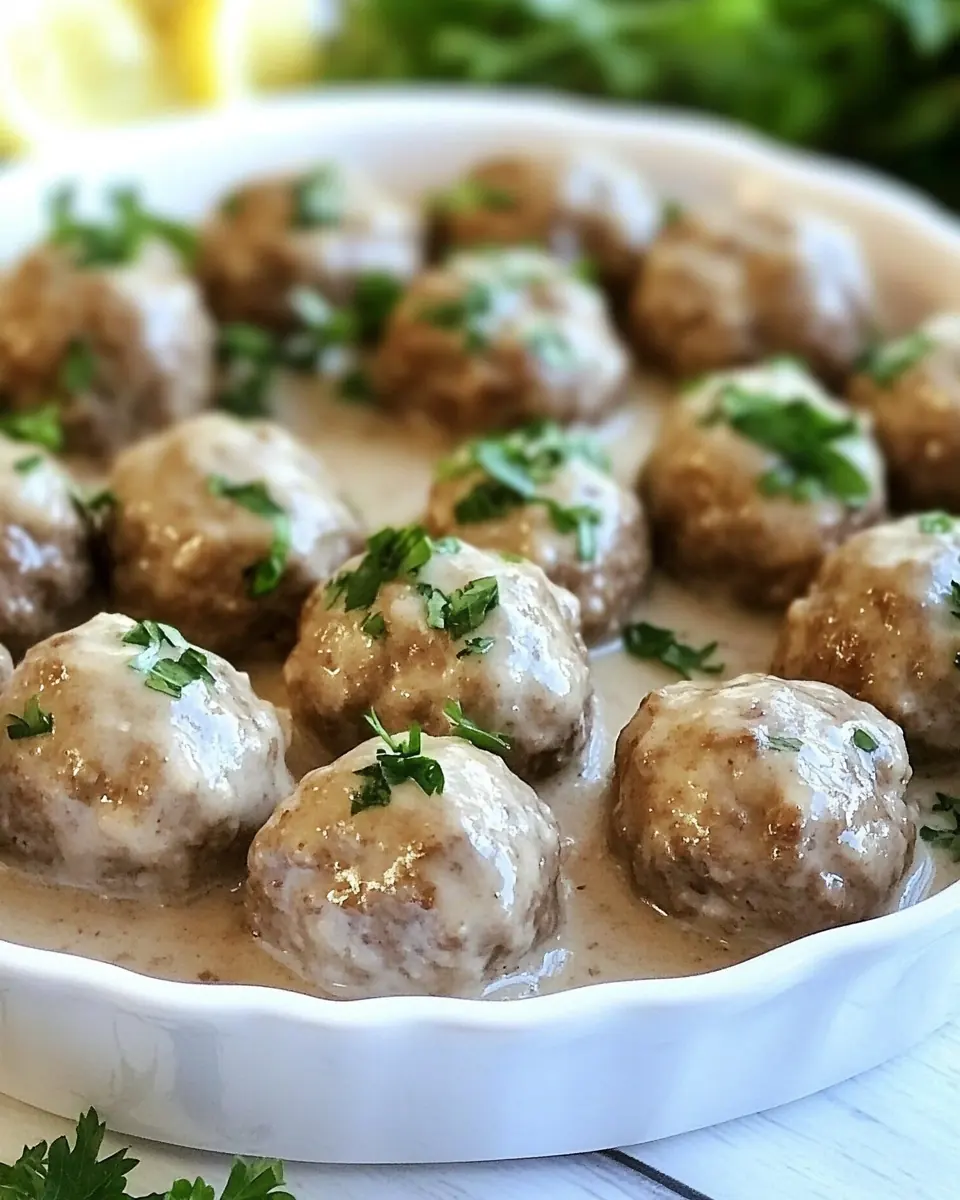
These ingredients are built around a small set of functional players that create a full flavored, velvety sauce that hugs each meatball. The key is balance: a fat, a thickener, a savory liquid, and a finishing dairy note. Together they form a cohesive sauce that enhances the meatballs rather than overpowering them.
- 2 tbsp butter: Melted and nutty, provides the rich fat needed to sauté and bind the roux for a smooth gravy; allows flavors to bloom and adds a silky mouthfeel to the sauce. Use at moderate heat to avoid browning too much and altering the delicate creaminess of Swedish meatball gravy.
- 2 tbsp all purpose flour: Toasted into a roux, creates the thickening base for the sauce and helps emulsify the beef stock and sour cream for a cohesive gravy. Whisk continuously when adding liquid to prevent lumps and achieve a velvety consistency.
- 1 3/4 cups beef stock: Reduced and simmered, contributes savory depth and a meaty backbone that balances the creaminess of the sauce while adding umami. Adjust quantity for desired intensity and reduce slightly to concentrate flavor before combining with the roux.
- 1/3 cups sour cream: Creamy and tangy, lends richness and a subtle acidity that brightens the sauce while creating a luscious, smooth texture. Stir in off heat or low heat to prevent curdling and maintain a silky finish.
- salt to taste: Balanced to taste, enhances the overall flavor profile by amplifying savory notes and harmonizing the components; essential for season control. Add incrementally and taste as you go to avoid over-seasoning.
- black pepper to taste: Freshly ground for aroma, sharpens and rounds out flavors by adding mild heat and complexity to the gravy and meatballs. Grind directly over the dish where possible to preserve volatile oils and maximize flavor impact.
- 1 lb frozen beef meatballs: Pre-cooked and convenient, supplies the primary protein and texture for the dish while saving preparation time; warmed through in the sauce to absorb flavors. Ensure even reheating so meatballs stay tender and integrate with the gravy.
Preparation Steps for Swedish Meatballs
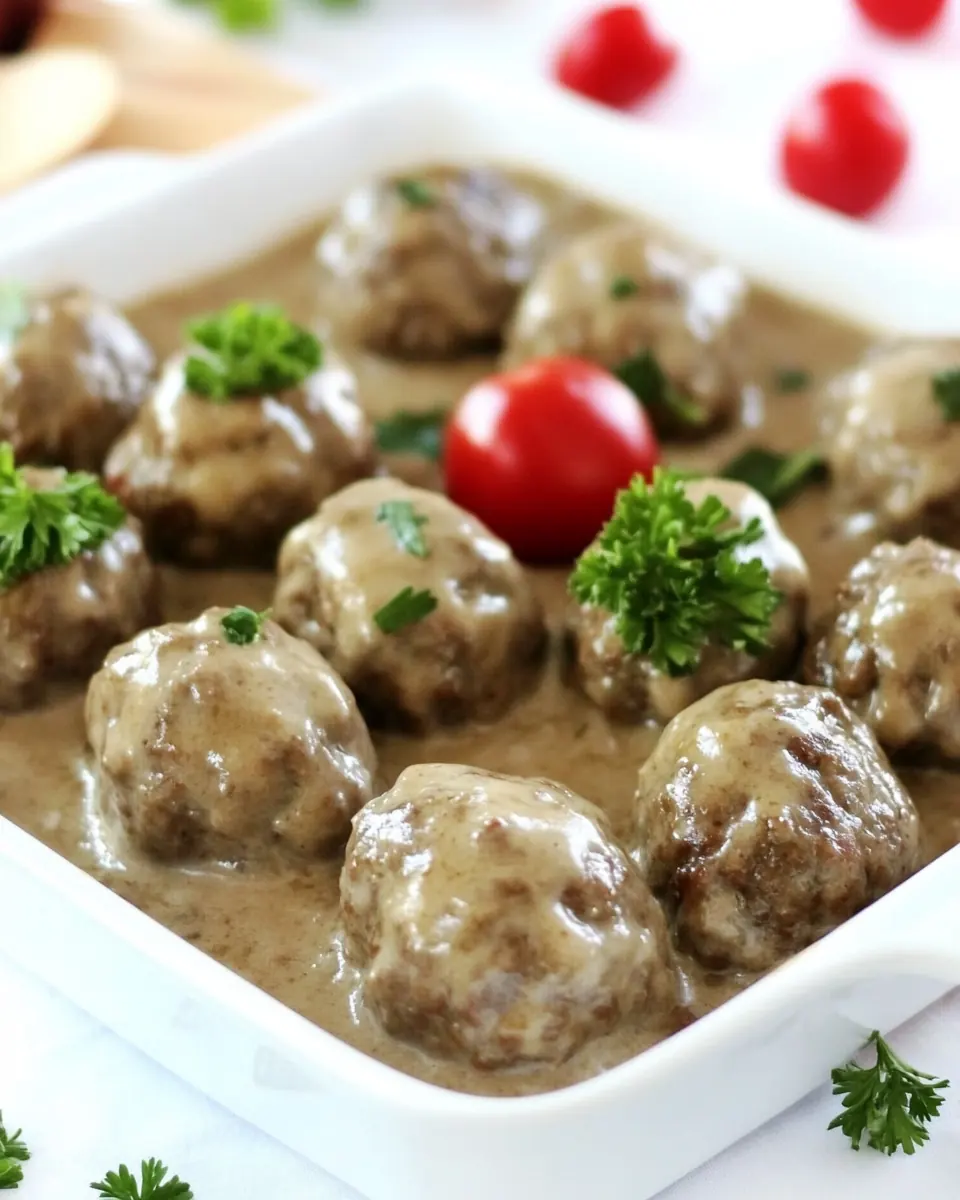
I like to approach the cooking in a relaxed, attentive way, so the sauce develops the right texture while the meatballs heat through. Keep your tools close and taste at key moments. This method keeps the process unhurried but efficient, so you end up with a silky sauce and properly warmed beef meatballs.
- In a large cast iron skillet, melt butter over medium heat. Sprinkle in flour and whisk. Cook 1 minute and slowly whisk in beef stock to prevent lumps. Cook 3 minutes or until the sauce starts to thicken.: The kitchen will fill with a warm, familiar aroma as the butter liquefies, signaling the beginning of a rounded sauce. Listen for the soft sizzle that tells you the skillet is at the right temperature, and tilt the pan to ensure even melting. This step matters because the melted butter coats the pan and evenly cooks the all purpose flour in the next step, forming a smooth roux. A common mistake is turning the heat too high, which can cause the butter to brown or burn, creating bitter notes. If you see brown flecks, reduce the heat and scrape them out, or start fresh to avoid off flavors.
- Reduce heat to low and melt in sour cream, salt and black pepper. Add in frozen meatballs, stir to coat and cover with foil. Cook 10 minutes or until meatballs are heated through.: As you add the all purpose flour , you will hear a faint change in sound as the whisk moves through the thickening paste, and the mixture will look matte and slightly grainy before smoothing. Constant whisking prevents lumps and ensures the flour cooks evenly, which removes any raw starchy taste. This technique matters because an uncooked flour taste would ruin the sauce's final silkiness. One issue to avoid is adding too much flour at once; add precisely and keep whisking so the roux remains consistent.
- Serve over mashed potatoes, rice or egg noodles if desired.: During this minute the roux will lose its raw edge and begin to develop a faintly toasted scent, signaling it is ready for liquid. Adding the beef stock in a slow, steady stream while whisking keeps the sauce smooth and glossy. The visual cue you want is a homogeneous, shiny sauce with no flour streaks. If you pour too quickly, lumps form and create an uneven texture, which is hard to fix later. Take your time and whisk briskly to integrate the liquid fully.
- Cook 3 minutes or until the sauce starts to thicken: As the sauce simmers, you will notice it change from watery to slightly clingy, coating the back of a spoon. The aroma deepens, and small bubbles will appear along the edges indicating the starches are fully activated. This thickening gives body that helps the sauce cling to the beef meatballs . A mistake here is to rush and not let the sauce reduce briefly, which results in a thin, underwhelming gravy. Keep moderate heat and watch for the coating consistency as your sign.
- Reduce heat to low and melt in sour cream, salt and black pepper: Lowering the temperature before adding the sour cream prevents curdling, and as it blends in the sauce becomes silkier and slightly glossy. Add salt and black pepper carefully, tasting after each pinch to reach balance. The gentle heat allows the dairy to integrate without separating, which preserves the creamy mouthfeel. A frequent pitfall is adding dairy to boiling sauce, which causes splitting; always cool slightly and stir steadily.
- Add in frozen meatballs, stir to coat and cover with foil: When you introduce the beef meatballs , they will clink softly as they nestle into the sauce, and as you stir the gravy will cling to their surfaces. Covering with foil traps gentle steam that warms the interior evenly while keeping the sauce moist. This method ensures the meatballs absorb flavor instead of just warming on the surface. Avoid leaving the heat too low such that the meatballs barely warm, or too high which can dry them out; aim for a gentle low simmer.
- Cook 10 minutes or until meatballs are heated through: Over these minutes the sauce will deepen and thicken slightly as it reduces and the flavors marry with the beef meatballs . Check one meatball for temperature to ensure it is hot in the center, and notice the way the sauce tightens on the spoon rim as a sign of readiness. This step matters because under heated meatballs are unsafe, while over heating can toughen them. A common mistake is assuming frozen items heat instantly; give them the full time and check doneness.
- Serve over mashed potatoes, rice or egg noodles if desired: The final presentation will show glossy sauce pooled around the meatballs, and whatever base you choose will soak up those juices for an inviting plate. Serve immediately so the sauce remains silky, and garnish if you like with a simple accent. This matters because a good starch companion creates a complete mouthfeel and ensures no flavorful sauce goes to waste. Avoid letting the dish sit too long, which can make the sauce thicken and lose its fresh texture.
Making Adjustments
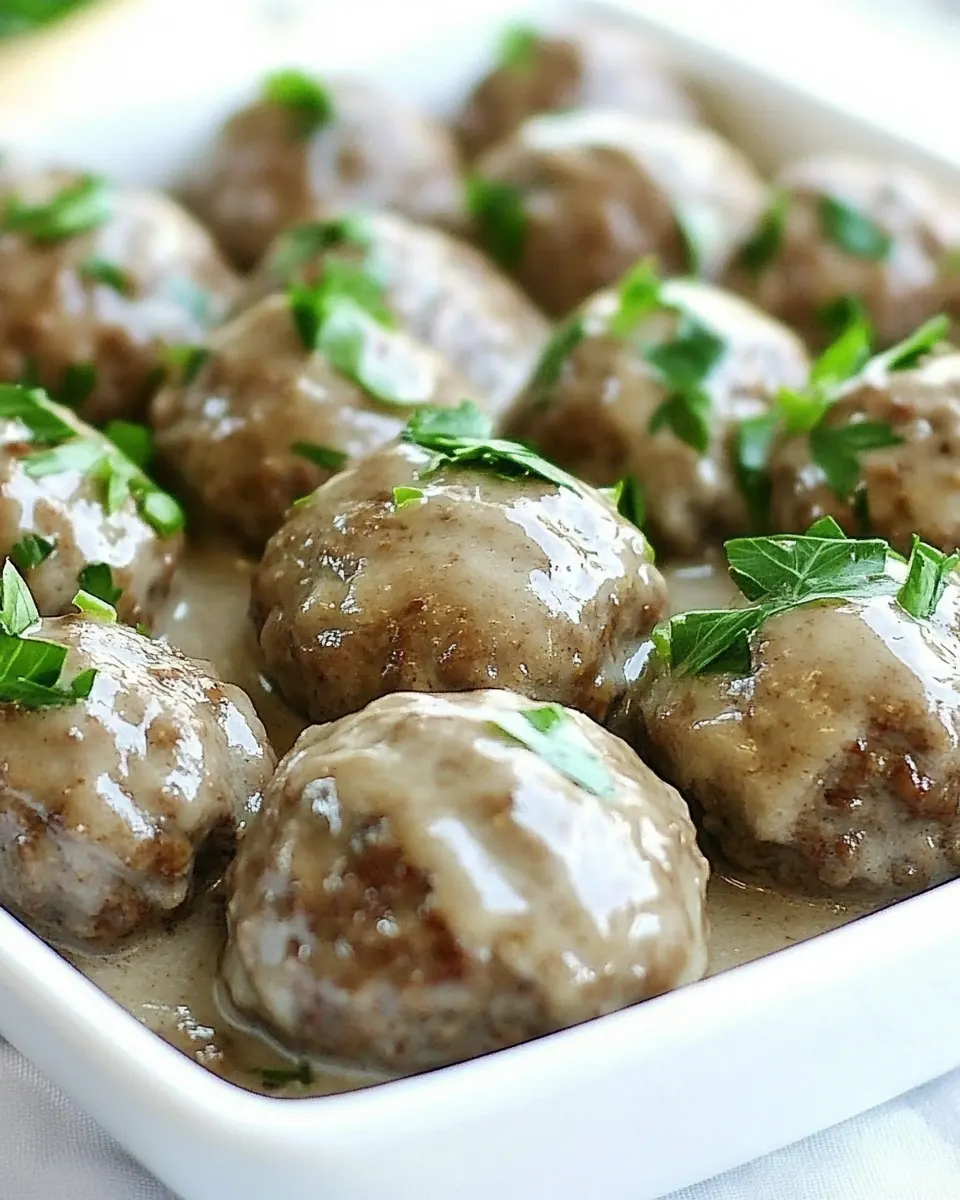
I like to give options so you can tweak this recipe to match your pantry and preferences. Below are practical adjustments based on common questions I get, each expanded into a helpful tip you can use while cooking.
- Adjusting sauce thickness Keep a small splash of extra beef stock nearby. If your sauce becomes too thick as it cools, stir in a tablespoon or two of warm beef stock until you reach the desired consistency, then reheat gently.
- Preventing curdled sour cream Always reduce the heat to low and temper the sour cream by adding a spoonful of warm sauce to it first. This gradual temperature change helps the dairy incorporate smoothly without splitting.
- Timing frozen meatballs If your frozen beef meatballs are large, give an extra three to five minutes covered, and check the center for heat. Avoid high heat which can dry the exterior while the inside remains cool.
- Salt management Because beef stock brands vary in saltiness, add most of the salt at the end. Taste after the sour cream blends in, then season in small increments until balanced.
- Whisking for smoothness Use a flat whisk and a steady wrist motion when adding the beef stock to the roux. This creates a glossy, lump free sauce that clings well to the beef meatballs.
Serving This Swedish Meatballs
This dish is very adaptable, making it suitable for weeknight dinners, cozy winter meals, and casual gatherings. Below are serving ideas and storage notes to help you plan a full plate and keep leftovers tasting fresh.
- Classic mashed potato pairing Serve the beef meatballs over creamy mashed potatoes so the sauce soaks into the spuds for a traditional comfort plate.
- Egg noodle option For a homier feel, lay the beef meatballs and sauce over buttered egg noodles which catch the gravy in their folds.
- Rice alternative When you want a simple base, white rice or brown rice work well, absorbing the sauce for an easy weeknight bowl.
- Occasions to serve This recipe suits weeknight dinners, winter meals, or casual family gatherings where you want warm, approachable flavors without fuss.
- Storage tips Cool the leftovers to room temperature within two hours, then refrigerate in an airtight container for up to three days. Reheat gently on low heat, adding a splash of beef stock if the sauce tightens.
- Make ahead You can prepare the sauce and store separately, then reheat and add thawed or pre warmed beef meatballs when ready to serve for faster assembly.
FAQ
Conclusion
This recipe is special because it turns a few pantry staples and frozen meatballs into a luscious, comforting main course that tastes like effort and care. Give it a try on a chilly evening to enjoy a creamy, comforting plate that everyone will reach for seconds of. I hope it becomes one of your dependable weeknight wins, bringing warmth and simple satisfaction to your table.
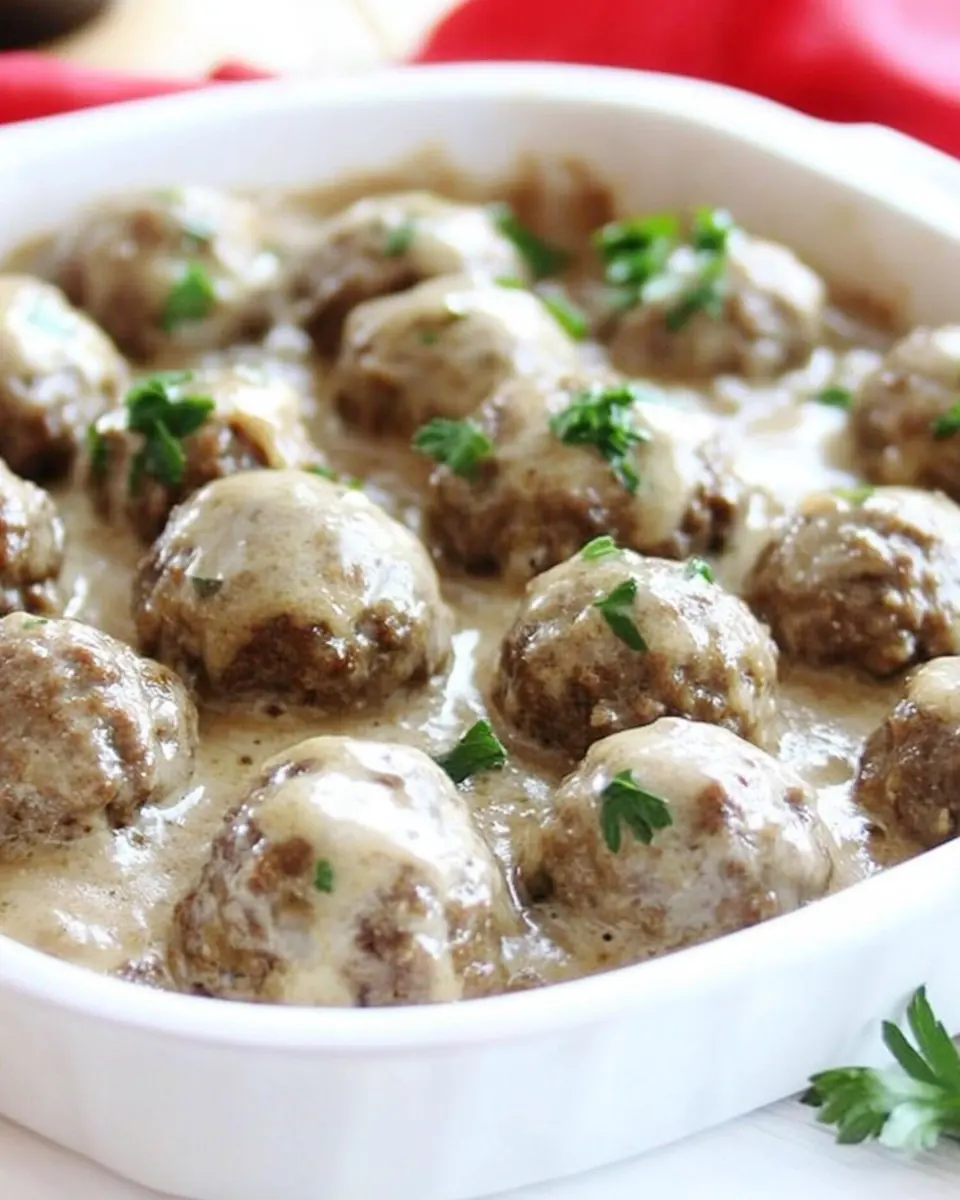
Swedish Meatballs
Ingredients
Equipment
Method
- In a large cast iron skillet, melt butter over medium heat. Sprinkle in flour and whisk. Cook 1 minute and slowly whisk in beef stock to prevent lumps. Cook 3 minutes or until the sauce starts to thicken.: The kitchen will fill with a warm, familiar aroma as the butter liquefies, signaling the beginning of a rounded sauce. Listen for the soft sizzle that tells you the skillet is at the right temperature, and tilt the pan to ensure even melting. This step matters because the melted butter coats the pan and evenly cooks the all purpose flour in the next step, forming a smooth roux. A common mistake is turning the heat too high, which can cause the butter to brown or burn, creating bitter notes. If you see brown flecks, reduce the heat and scrape them out, or start fresh to avoid off flavors.
- Reduce heat to low and melt in sour cream, salt and black pepper. Add in frozen meatballs, stir to coat and cover with foil. Cook 10 minutes or until meatballs are heated through.: As you add the all purpose flour , you will hear a faint change in sound as the whisk moves through the thickening paste, and the mixture will look matte and slightly grainy before smoothing. Constant whisking prevents lumps and ensures the flour cooks evenly, which removes any raw starchy taste. This technique matters because an uncooked flour taste would ruin the sauce's final silkiness. One issue to avoid is adding too much flour at once; add precisely and keep whisking so the roux remains consistent.
- Serve over mashed potatoes, rice or egg noodles if desired.: During this minute the roux will lose its raw edge and begin to develop a faintly toasted scent, signaling it is ready for liquid. Adding the beef stock in a slow, steady stream while whisking keeps the sauce smooth and glossy. The visual cue you want is a homogeneous, shiny sauce with no flour streaks. If you pour too quickly, lumps form and create an uneven texture, which is hard to fix later. Take your time and whisk briskly to integrate the liquid fully.
- Cook 3 minutes or until the sauce starts to thicken: As the sauce simmers, you will notice it change from watery to slightly clingy, coating the back of a spoon. The aroma deepens, and small bubbles will appear along the edges indicating the starches are fully activated. This thickening gives body that helps the sauce cling to the beef meatballs . A mistake here is to rush and not let the sauce reduce briefly, which results in a thin, underwhelming gravy. Keep moderate heat and watch for the coating consistency as your sign.
- Reduce heat to low and melt in sour cream, salt and black pepper: Lowering the temperature before adding the sour cream prevents curdling, and as it blends in the sauce becomes silkier and slightly glossy. Add salt and black pepper carefully, tasting after each pinch to reach balance. The gentle heat allows the dairy to integrate without separating, which preserves the creamy mouthfeel. A frequent pitfall is adding dairy to boiling sauce, which causes splitting; always cool slightly and stir steadily.
- Add in frozen meatballs, stir to coat and cover with foil: When you introduce the beef meatballs , they will clink softly as they nestle into the sauce, and as you stir the gravy will cling to their surfaces. Covering with foil traps gentle steam that warms the interior evenly while keeping the sauce moist. This method ensures the meatballs absorb flavor instead of just warming on the surface. Avoid leaving the heat too low such that the meatballs barely warm, or too high which can dry them out; aim for a gentle low simmer.
- Cook 10 minutes or until meatballs are heated through: Over these minutes the sauce will deepen and thicken slightly as it reduces and the flavors marry with the beef meatballs . Check one meatball for temperature to ensure it is hot in the center, and notice the way the sauce tightens on the spoon rim as a sign of readiness. This step matters because under heated meatballs are unsafe, while over heating can toughen them. A common mistake is assuming frozen items heat instantly; give them the full time and check doneness.
- Serve over mashed potatoes, rice or egg noodles if desired: The final presentation will show glossy sauce pooled around the meatballs, and whatever base you choose will soak up those juices for an inviting plate. Serve immediately so the sauce remains silky, and garnish if you like with a simple accent. This matters because a good starch companion creates a complete mouthfeel and ensures no flavorful sauce goes to waste. Avoid letting the dish sit too long, which can make the sauce thicken and lose its fresh texture.
Notes
- Adjusting sauce thickness Keep a small splash of extra beef stock nearby. If your sauce becomes too thick as it cools, stir in a tablespoon or two of warm beef stock until you reach the desired consistency, then reheat gently.
- Preventing curdled sour cream Always reduce the heat to low and temper the sour cream by adding a spoonful of warm sauce to it first. This gradual temperature change helps the dairy incorporate smoothly without splitting.
- Timing frozen meatballs If your frozen beef meatballs are large, give an extra three to five minutes covered, and check the center for heat. Avoid high heat which can dry the exterior while the inside remains cool.
- Salt management Because beef stock brands vary in saltiness, add most of the salt at the end. Taste after the sour cream blends in, then season in small increments until balanced.
- Whisking for smoothness Use a flat whisk and a steady wrist motion when adding the beef stock to the roux. This creates a glossy, lump free sauce that clings well to the beef meatballs.