Soft and Puffy Pumpkin Snickerdoodles
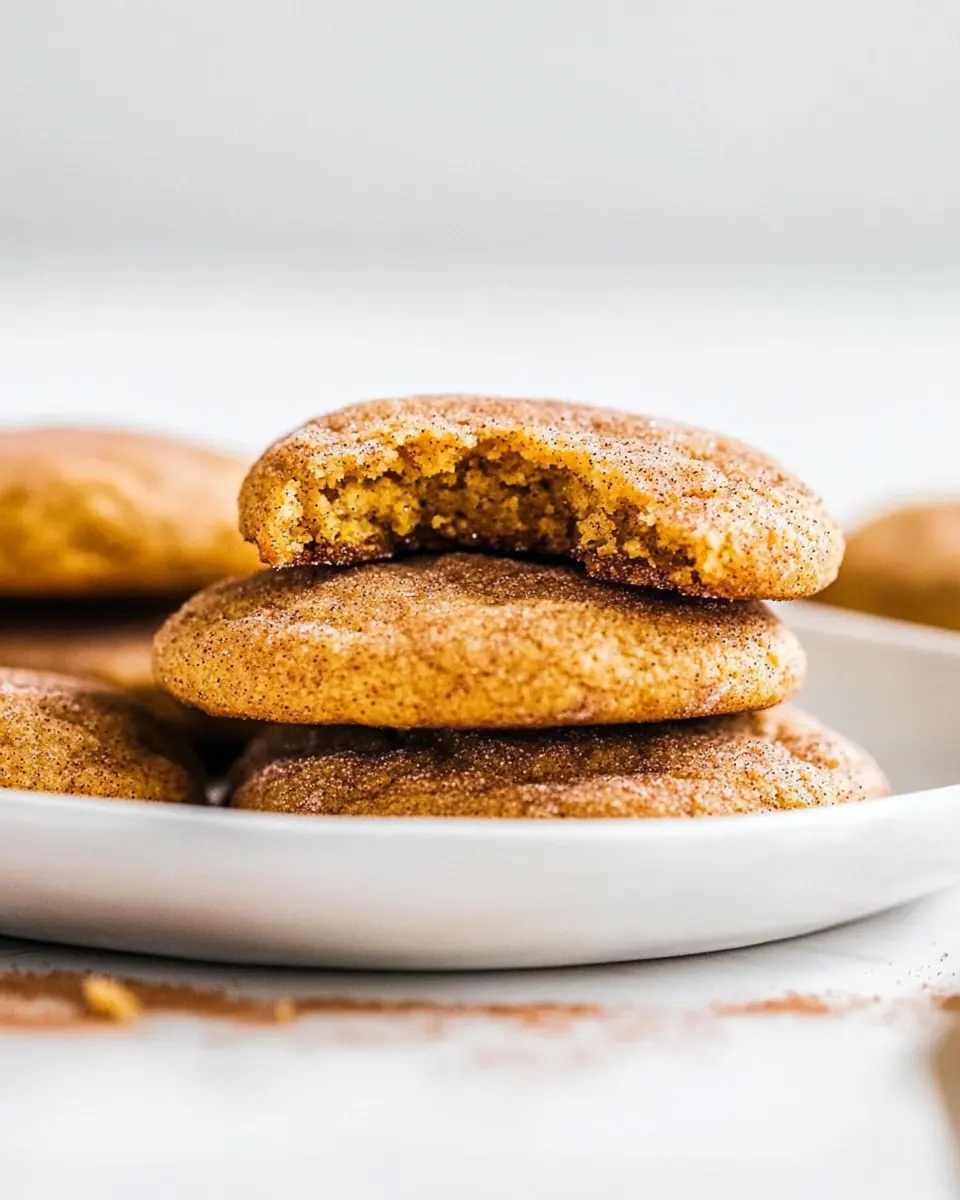
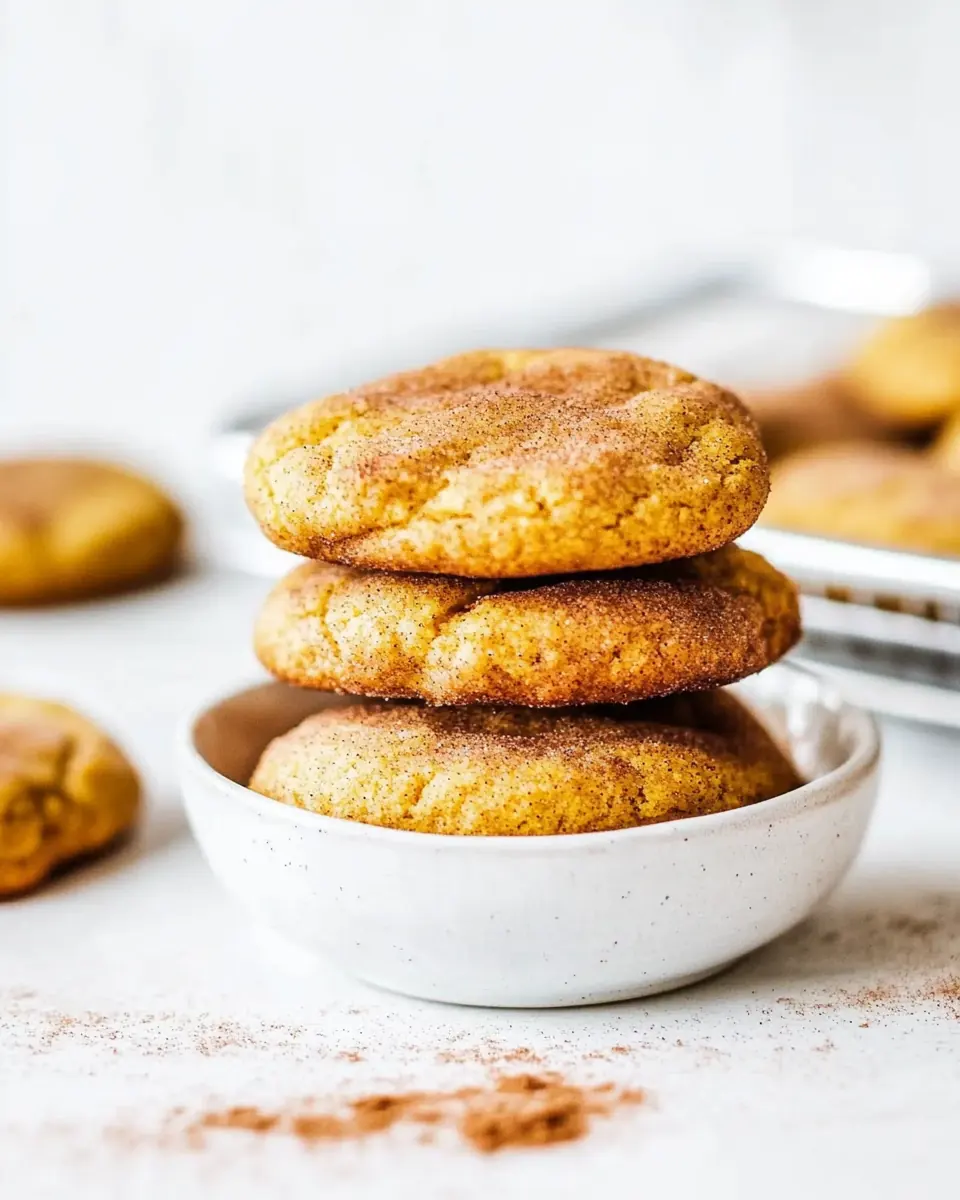
Soft and Puffy Pumpkin Snickerdoodles are the kind of cookie I reach for when I want something nostalgic but with a seasonal spin. The first time I baked these, the kitchen smelled like cozy afternoons and crisp leaves, and I remember stealing a warm, sugar crusted bite while the rest cooled on the rack. I love how the pumpkin keeps the center pillowy, while the outside forms that classic crackled top you expect from a snickerdoodle.
I’ve tweaked this recipe over a few autumns, learning small tricks that make a big difference. Sometimes I play with the spice blend, other times I double chill the dough for neater shapes, but the core of the recipe remains simple and forgiving. Friends often ask for the recipe after one bite, so I keep a sticky note on my counter with the exact measure of pumpkin puree for dependable results.
Recipe Snapshot
30 mins
10 mins
20 mins
Medium
150 kcal
American
Gluten-Free, Low FODMAP
Desserts
Stand mixer with paddle attachment, Mixing bowls, Measuring cups and spoons, Parchment paper lined baking sheets, Wire cooling rack, Heavy bottomed glass or measuring cup
Why You’ll Love This Soft and Puffy Pumpkin Snickerdoodles
Texture that feels like a hug
I adore these cookies because the crumb is impossibly soft, yet the exterior has just enough structure to hold that sugary, spiced coating. When I bite in, I want a little give and a gentle spring back, and this recipe delivers that every time. The pumpkin adds moisture without making the dough too slack, so you get a tender, almost cake like interior that still holds its shape.
Seasonal spice without overpowering
We balance cinnamon and nutmeg so the spice complements rather than drowns the cookie. I deliberately keep the spice levels measured because I want the pumpkin notes to sing through, not be hidden. That restrained approach means these cookies work for breakfasts, snacks, or alongside coffee, and they never feel too heavy or cloying.
Reliable technique for home bakers
I love this recipe for its approachable steps. You do not need advanced tools, and the method tolerates small timing shifts. If you follow the chilling step and watch for the telltale cracks on top, you will have consistent results. I often tell beginners that this is the cookie to build confidence with because it forgives small mistakes.
Flavor that invites sharing
These cookies have that warm, nostalgic aroma that makes people gather. I bake a batch for neighborhood potlucks, and the room always quiets down as people taste them. The sugar coating with pumpkin pie spice gives a little extra kick on the first bite, which keeps folks coming back for more.
Adaptable and crowd friendly
I appreciate how easy it is to scale this recipe up for a crowd, or halve it for a cozy afternoon. The dough holds well in the fridge, so you can make ahead and bake fresh whenever you want. That flexibility makes Soft and Puffy Pumpkin Snickerdoodles a staple in my fall baking rotation.
Ingredients Overview for Soft and Puffy Pumpkin Snickerdoodles
The ingredient list here is a thoughtful mix of pantry staples and seasonal elements designed to produce a balanced texture and flavor. The dry ingredients give structure, the fats and sugars create tenderness and caramelized edges, and the pumpkin offers moisture and subtle autumnal notes. The key players are the all-purpose flour for body, unsalted butter for richness, and pumpkin puree for that soft, pillowy center.
- 3 3/4 cups all-purpose flour: Measure carefully to provide the structural base and bulk for the cookies; all-purpose flour develops gluten when mixed, giving the dough its chew and shape. Sift or whisk before measuring to ensure even distribution and prevent lumps, which helps achieve consistent texture throughout baking.
- 1 1/2 teaspoons baking powder: Leaven gently to help the cookies rise and become slightly puffy; baking powder releases gases when heated, contributing lift and a lighter crumb. Combine evenly with dry ingredients so the lift is uniform and avoids dense spots in the finished cookie.
- 1/2 teaspoons salt: Season lightly to enhance overall flavor and balance sweetness; salt amplifies other ingredients and sharpens the pumpkin and spice notes. Dissolve thoroughly in the dough to ensure even seasoning without salty pockets.
- 1/2 teaspoon ground cinnamon: Spice warmly to add aromatic depth and a classic snickerdoodle cinnamon note; ground cinnamon pairs well with pumpkin and sugar for a comforting flavor profile. Distribute evenly through the dry mix to infuse every bite with gentle warmth.
- 1/4 teaspoon ground nutmeg: Accentuate autumnal warmth with a touch of nutmeg for subtle, nutty spice that complements cinnamon and pumpkin. Use sparingly to avoid overpowering other spices while contributing to the overall seasonal character.
- 1 cup room-temperature unsalted butter: Cream thoroughly to provide richness, moisture, and structure; room–temperature unsalted butter helps incorporate air when beaten with sugars, resulting in tender, puffy cookies. Use unsalted to control sodium levels and ensure butter is softened for optimal creaming.
- 1 cup granulated sugar: Sweeten and aerate when creamed with butter; granulated sugar contributes to crisp edges and helps create structure while enhancing browning through caramelization. Measure precisely to maintain balance between sweetness and texture.
- 1/2 cup light brown sugar: Add molasses-like sweetness and moisture; light brown sugar contributes a soft chew and deeper flavor due to its molasses content. Pack lightly when measuring to maintain consistent sweetness and moisture in the dough.
- 3/4 cup pumpkin puree: Moisten and add pumpkin flavor and tenderness; pumpkin puree introduces moisture, subtle sweetness, and a creamy texture that yields soft, cake-like cookies. Drain any excess liquid if overly wet to preserve dough consistency.
- 1 large egg: Bind and enrich the dough while adding structure and lift; a large egg provides moisture, protein, and helps emulsify fats for a cohesive batter. Beat briefly before adding to ensure even incorporation and consistent texture.
- 2 teaspoon vanilla extract: Flavour subtly to enhance sweetness and complement pumpkin spice; vanilla extract adds aromatic depth and rounds the overall profile. Use pure vanilla for best flavor and stir in with wet ingredients for even distribution.
- 1/2 cup granulated sugar: Coat and sweeten the cookie exterior for a classic snickerdoodle finish; granulated sugar rolled on the outside creates a simple crisp, sweet crust. Keep separate from the internal sugar measurements to control surface sweetness.
- 1 teaspoon pumpkin pie spice: Spice boldly to reinforce pumpkin pie characteristics and add complex warm notes; pumpkin pie spice blends cinnamon, nutmeg, cloves, and other spices to anchor the seasonal flavor. Sprinkle or mix as directed for consistent, recognizable autumnal taste.
Directions for Soft and Puffy Pumpkin Snickerdoodles
These directions walk you through mixing, chilling, shaping, and baking so the cookies come out soft in the center and lightly crisp on the outside. I like to keep my tools ready and to watch the visual cues closely, especially the cracking on top which signals doneness. Below I expand each step with sensory cues, why the technique matters, and one common mistake to avoid.
- In a medium bowl, whisk the 3 3/4 cups all-purpose flour, 1 1/2 teaspoons baking powder, 1/2 teaspoon salt, 1/2 teaspoon ground cinnamon, and 1/4 teaspoon ground nutmeg together. Set aside.: You should smell the warm spice as you whisk the all-purpose flour with ground cinnamon and ground nutmeg , a dry, toasty aroma that hints at the cookies to come. Visually, the mixture should look uniform with no streaks of baking powder or clumps of spice. This dry blend provides even leavening and spice distribution so every bite tastes consistent. If you skip this step, you risk pockets of leavening or spice, which can create uneven rise or unexpected bursts of flavor. A common mistake is not fully breaking up lumps in the flour which can lead to dense spots in the baked cookie; take your time to whisk well.
- In a stand mixer with a paddle attachment, whisk the 1 cup room-temperature unsalted butter, 1 cup granulated sugar, and 1/2 cup light brown sugar on medium-high speed until fluffy, about 2-3 minutes.: As you beat the unsalted butter with granulated sugar and light brown sugar , you will hear a smooth, steady whir and see the mixture lighten to a pale, airy cream. This aeration traps tiny pockets of air that help the cookies rise and feel tender. The creamed mixture should feel light and slightly fluffy to the touch. If the butter is too cold, it will not cream properly and the texture will be dense; if it is too warm, it will look greasy. The usual mistake is using butter at the wrong temperature, so aim for a tactile softness where the butter gives under a fingertip but still holds shape.
- Mix in the 3/4 cup pumpkin puree, then the 1 large egg, and then add the 2 teaspoon vanilla extract, mixing well between additions.: When you incorporate the pumpkin puree , the batter will become visibly more moist and take on a soft orange hue, and you may notice a faint earthy pumpkin scent. Adding the large egg after the pumpkin helps stabilize the mixture, and the vanilla extract lifts the flavors. Mixing between additions ensures each ingredient is fully emulsified, preventing streaks of egg or lumps of pumpkin. If you rush and dump everything at once, the texture may be uneven and the dough may not bind correctly. One slip to avoid is over mixing after the egg, which can lead to a tougher cookie due to overdeveloped gluten.
- Slowly add in the flour mixture on low speed just until combined. Cover and chill the dough for an hour.: As you add the dry mix to the wet, the dough will thicken and come together, forming a cohesive mass that is moist but scoopable. The low speed protects the trapped air and prevents overworking gluten. Chilling the dough firms the fats and hydrates the flour, which helps the cookies spread less and develop a neater crackled top. You will notice the dough becomes easier to handle after chilling and the flavors meld into a more integrated profile. A common mistake is skipping the chill which can result in flat, greasy cookies that spread excessively in the oven.
- Preheat an oven to 350 degrees Fahrenheit and line two baking sheets with parchment paper. In a small bowl, combine the 1/2 cup granulated sugar and 1 teaspoon pumpkin pie spice for the coating and set aside.: When the oven reaches 350 degrees Fahrenheit , the room will warm and you may smell a faint hint of the heating element. Lining the sheets with parchment prevents sticking and promotes even browning. The coating mixture of granulated sugar and pumpkin pie spice should look sandy and fragrant, ready to give the cookies a crisp, spiced crust. If your oven temperature is off, baking times will vary, so an oven thermometer is helpful. A frequent misstep is placing parchment on a hot rack before preheating which can cause shifting, so prep the sheets beforehand and place them in once the oven is ready.
- Once the dough is chilled, take a tablespoon of the cookie batter and roll it into a ball. Roll the ball in the cinnamon sugar coating and place on the prepared baking sheet.: At this stage the dough should be cool to the touch and easy to roll into neat balls, with the surface slightly tacky. Rolling in the coating gives each cookie a sparkly, spiced exterior that caramelizes into a delicate crust. Place the coated balls with some space between them so they have room to expand. If the dough warms up while rolling, pop it back into the fridge for a few minutes; soft dough will spread too thin. A common mistake is making the balls uneven in size which leads to inconsistent baking, so use a tablespoon scoop for uniform cookies.
- Repeat until the dough is gone, and slightly flatten each cookie dough ball with a heavy-bottomed glass or measuring cup.: As you continue, the tray will start to look like a neat field of sugar crusted domes. Gently pressing each ball creates a slightly flattened top that encourages that signature crackled finish and more even baking. You will notice the dough give and the sugar coating press into the surface, which helps the cookies develop an appealing texture. Avoid pressing too thin which can cause overly crisp edges and a flat center. The usual error here is inconsistent flattening, so apply steady, even pressure to each ball for uniform results.
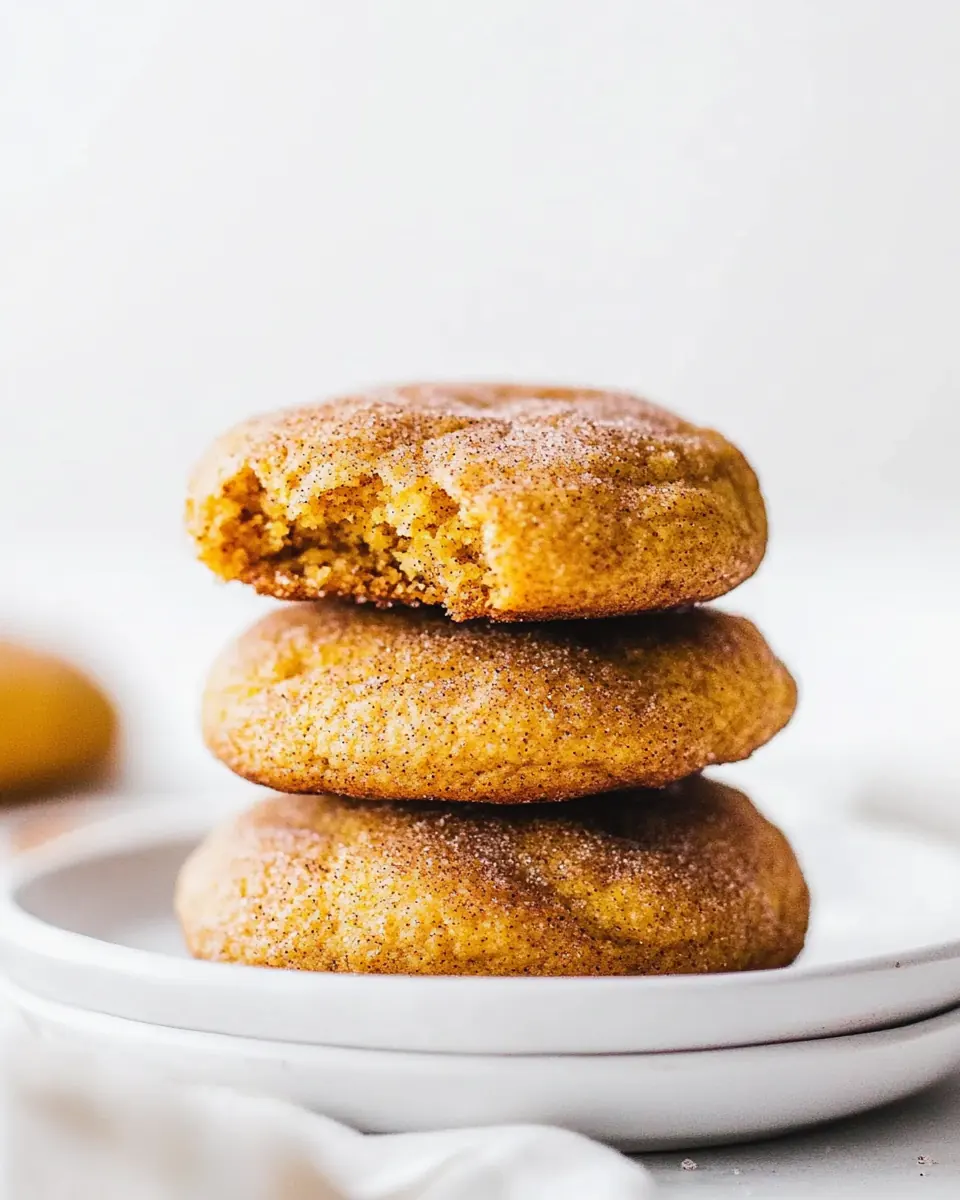
- Bake the cookies for 10-15 minutes or until the tops start to crack. Cool the cookies on the baking sheet for 5 minutes and transfer to a wire rack. Enjoy!: During baking you will see the cookies puff, then settle and show small cracks on their tops, and the aroma will shift to richer, spiced sweetness. The edges may take on a light golden tone while the centers remain soft and slightly domed. Cooling on the hot sheet for about 5 minutes lets the cookies set so they do not break when moved. Transfer to a wire rack so air circulates and prevents sogginess. A key mistake to avoid is overbaking; remove them as soon as the cracks appear because carryover heat continues to cook the interior, and overbaked cookies will be dry rather than tender.
Tips and Tricks about Soft and Puffy Pumpkin Snickerdoodles
I like to think of tips as small shortcuts that save time and help you get predictable results. Below are several targeted suggestions I use when baking this recipe so the cookies stay soft, bake evenly, and showcase that lovely pumpkin flavor.
- Chill for consistency The hour in the fridge is not optional if you want uniform shape and texture, chilling firms the dough so cookies spread less.
- Room temperature butter matters If the unsalted butter is too cold you will not cream properly, and if it is too soft the dough becomes greasy, aim for pliant but not melting butter.
- Use an oven thermometer Oven temperatures vary a lot, and 350 degrees Fahrenheit in one oven does not equal 350 degrees Fahrenheit in another, an oven thermometer ensures reliable bake times.
- Scoop uniformly Use a tablespoon scoop to keep cookie size consistent, which helps the entire batch bake evenly and finish at the same time.
- Mix gently when adding flour Add the dry mix slowly and stop as soon as it is combined, over mixing develops gluten and makes cookies tougher.
- Store properly Keep baked cookies in an airtight container at room temperature for up to three to four days, or freeze dough balls on a tray then bag them for longer storage.
Accompaniments for Soft and Puffy Pumpkin Snickerdoodles
These cookies pair wonderfully with a range of occasions and accompaniments, from casual snack times to holiday gatherings. I often serve them with warm beverages or pack them into care packages for friends. Below are serving ideas, seasonal notes, and storage suggestions presented as a list so you can quickly pick what fits your occasion.
- Morning treat Serve one or two cookies with a cup of coffee or a mug of warm milk for a cozy breakfast treat, the spices complement morning beverages beautifully.
- Afternoon snack Pair with tea and a fruit plate for an afternoon gathering, the soft texture contrasts nicely with crisp fruit slices.
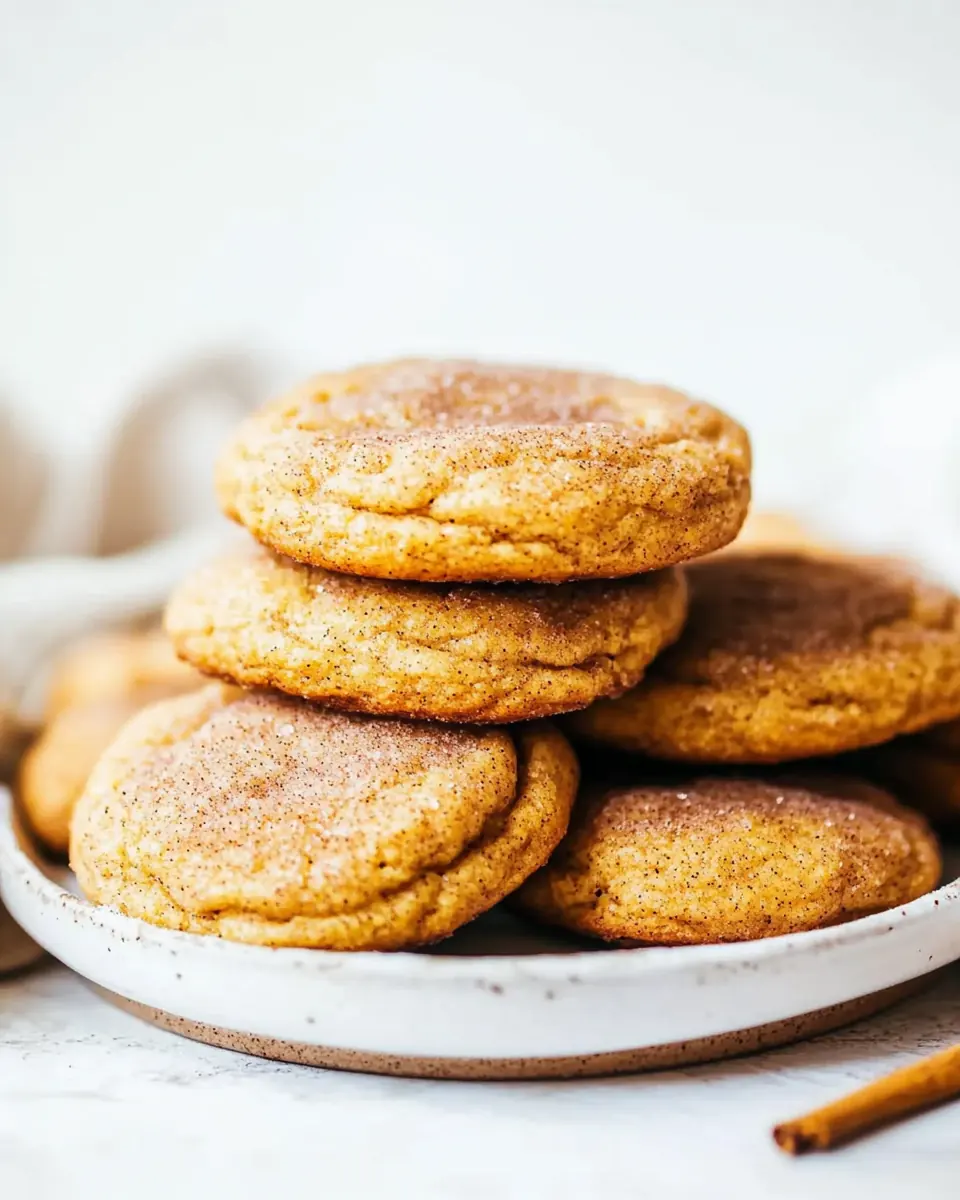
- Holiday platter Arrange on a festive tray for Halloween or fall parties, these cookies are easy to share and visually appealing with their crackled tops.
- Gift idea Stack in parchment and tie with twine for neighborly gifts, the cookies travel well when fully cooled and kept in a sealed tin.
- Storage tip Keep in an airtight container at room temperature for three to four days, or freeze baked cookies between layers of parchment for up to two months.
- Make ahead Portion and roll dough balls, freeze on a tray, then transfer to a bag; bake from frozen adding a minute or two to the bake time for fresh cookies on demand.
FAQ
Conclusion
Soft and Puffy Pumpkin Snickerdoodles stand out because they balance pillowy texture with a spiced, sugary crust that evokes the best of fall baking. They are easy to make, forgiving for home bakers, and perfect for sharing at seasonal gatherings. Give the recipe a try this season; you will likely find yourself reaching for it anytime you want a comforting, cozy treat that brings people together with minimal fuss.
Soft and Puffy Pumpkin Snickerdoodles
Ingredients
Equipment
Method
- In a medium bowl, whisk the 3 3/4 cups all-purpose flour, 1 1/2 teaspoons baking powder, 1/2 teaspoon salt, 1/2 teaspoon ground cinnamon, and 1/4 teaspoon ground nutmeg together. Set aside.: You should smell the warm spice as you whisk the all-purpose flour with ground cinnamon and ground nutmeg , a dry, toasty aroma that hints at the cookies to come. Visually, the mixture should look uniform with no streaks of baking powder or clumps of spice. This dry blend provides even leavening and spice distribution so every bite tastes consistent. If you skip this step, you risk pockets of leavening or spice, which can create uneven rise or unexpected bursts of flavor. A common mistake is not fully breaking up lumps in the flour which can lead to dense spots in the baked cookie; take your time to whisk well.
- In a stand mixer with a paddle attachment, whisk the 1 cup room-temperature unsalted butter, 1 cup granulated sugar, and 1/2 cup light brown sugar on medium-high speed until fluffy, about 2-3 minutes.: As you beat the unsalted butter with granulated sugar and light brown sugar , you will hear a smooth, steady whir and see the mixture lighten to a pale, airy cream. This aeration traps tiny pockets of air that help the cookies rise and feel tender. The creamed mixture should feel light and slightly fluffy to the touch. If the butter is too cold, it will not cream properly and the texture will be dense; if it is too warm, it will look greasy. The usual mistake is using butter at the wrong temperature, so aim for a tactile softness where the butter gives under a fingertip but still holds shape.
- Mix in the 3/4 cup pumpkin puree, then the 1 large egg, and then add the 2 teaspoon vanilla extract, mixing well between additions.: When you incorporate the pumpkin puree , the batter will become visibly more moist and take on a soft orange hue, and you may notice a faint earthy pumpkin scent. Adding the large egg after the pumpkin helps stabilize the mixture, and the vanilla extract lifts the flavors. Mixing between additions ensures each ingredient is fully emulsified, preventing streaks of egg or lumps of pumpkin. If you rush and dump everything at once, the texture may be uneven and the dough may not bind correctly. One slip to avoid is over mixing after the egg, which can lead to a tougher cookie due to overdeveloped gluten.
- Slowly add in the flour mixture on low speed just until combined. Cover and chill the dough for an hour.: As you add the dry mix to the wet, the dough will thicken and come together, forming a cohesive mass that is moist but scoopable. The low speed protects the trapped air and prevents overworking gluten. Chilling the dough firms the fats and hydrates the flour, which helps the cookies spread less and develop a neater crackled top. You will notice the dough becomes easier to handle after chilling and the flavors meld into a more integrated profile. A common mistake is skipping the chill which can result in flat, greasy cookies that spread excessively in the oven.
- Preheat an oven to 350 degrees Fahrenheit and line two baking sheets with parchment paper. In a small bowl, combine the 1/2 cup granulated sugar and 1 teaspoon pumpkin pie spice for the coating and set aside.: When the oven reaches 350 degrees Fahrenheit , the room will warm and you may smell a faint hint of the heating element. Lining the sheets with parchment prevents sticking and promotes even browning. The coating mixture of granulated sugar and pumpkin pie spice should look sandy and fragrant, ready to give the cookies a crisp, spiced crust. If your oven temperature is off, baking times will vary, so an oven thermometer is helpful. A frequent misstep is placing parchment on a hot rack before preheating which can cause shifting, so prep the sheets beforehand and place them in once the oven is ready.
- Once the dough is chilled, take a tablespoon of the cookie batter and roll it into a ball. Roll the ball in the cinnamon sugar coating and place on the prepared baking sheet.: At this stage the dough should be cool to the touch and easy to roll into neat balls, with the surface slightly tacky. Rolling in the coating gives each cookie a sparkly, spiced exterior that caramelizes into a delicate crust. Place the coated balls with some space between them so they have room to expand. If the dough warms up while rolling, pop it back into the fridge for a few minutes; soft dough will spread too thin. A common mistake is making the balls uneven in size which leads to inconsistent baking, so use a tablespoon scoop for uniform cookies.
- Repeat until the dough is gone, and slightly flatten each cookie dough ball with a heavy-bottomed glass or measuring cup.: As you continue, the tray will start to look like a neat field of sugar crusted domes. Gently pressing each ball creates a slightly flattened top that encourages that signature crackled finish and more even baking. You will notice the dough give and the sugar coating press into the surface, which helps the cookies develop an appealing texture. Avoid pressing too thin which can cause overly crisp edges and a flat center. The usual error here is inconsistent flattening, so apply steady, even pressure to each ball for uniform results.
- Bake the cookies for 10-15 minutes or until the tops start to crack. Cool the cookies on the baking sheet for 5 minutes and transfer to a wire rack. Enjoy!: During baking you will see the cookies puff, then settle and show small cracks on their tops, and the aroma will shift to richer, spiced sweetness. The edges may take on a light golden tone while the centers remain soft and slightly domed. Cooling on the hot sheet for about 5 minutes lets the cookies set so they do not break when moved. Transfer to a wire rack so air circulates and prevents sogginess. A key mistake to avoid is overbaking; remove them as soon as the cracks appear because carryover heat continues to cook the interior, and overbaked cookies will be dry rather than tender.
Notes
- Chill for consistency The hour in the fridge is not optional if you want uniform shape and texture, chilling firms the dough so cookies spread less.
- Room temperature butter matters If the unsalted butter is too cold you will not cream properly, and if it is too soft the dough becomes greasy, aim for pliant but not melting butter.
- Use an oven thermometer Oven temperatures vary a lot, and 350 degrees Fahrenheit in one oven does not equal 350 degrees Fahrenheit in another, an oven thermometer ensures reliable bake times.
- Scoop uniformly Use a tablespoon scoop to keep cookie size consistent, which helps the entire batch bake evenly and finish at the same time.
- Mix gently when adding flour Add the dry mix slowly and stop as soon as it is combined, over mixing develops gluten and makes cookies tougher.
- Store properly Keep baked cookies in an airtight container at room temperature for up to three to four days, or freeze dough balls on a tray then bag them for longer storage.