One Pot Spaghetti Squash and Meat Sauce
One Pot Spaghetti Squash and Meat Sauce is one of those recipes I turn to when I want comfort with less fuss, and it showed up in my life on a rainy evening when pantry staples and patience were in short supply.
I remember the first time I made this dish, a pot simmering on the stove while the house filled with the savory scent of browned ground beef and crushed tomatoes. I felt oddly triumphant when the spaghetti squash released ribbonlike strands that soaked up the sauce. That night, it was just me and a bowl, and I kept coming back for another forkful because the texture was magically satisfying and the sauce had a slow cooked depth even though it was ready fast.
Since then I’ve adapted the recipe for weeknights, for busy guests, and for days when I want to impress without the work. The layered flavors from sautéing onion and garlic with the ground beef, then simmering with a good can of crushed tomatoes, give you a full bodied sauce that clings to the tender strands of squash. I love that it’s hearty but lighter than a pasta dish, and the optional cheese topping adds a salty, slightly nutty finish that sends it over the top.
Recipe Snapshot
30 mins
5 mins
25 mins
Easy
350 kcal
Italian
Keto, Gluten-Free
Dinner
Large skillet, Pressure cooker, Slow cooker, Colander, Large knife
Why We Love This One Pot Spaghetti Squash and Meat Sauce
Comfort without heaviness
I love how One Pot Spaghetti Squash and Meat Sauce delivers the satisfaction of a classic meat sauce but feels lighter on the plate. The spaghetti squash gives you the impression of pasta, but the texture is silkier and the dish is easier to digest. When I need something cozy after a long day, this recipe fits the bill without dragging me down.
Speed and simplicity
This recipe is a weekday hero. With a quick sauté of ground beef, onion, and garlic, then a short pressure cook or a slow cooker option, it adapts to how much time I have. I appreciate techniques that let me walk away and come back to deep flavor, and this is one of them.
One pot, less cleanup
Using a single vessel to brown the meat and cook the squash over the sauce cuts cleanup dramatically. I’m the sort of cook who values simplicity, and knowing I won’t face a sink full of pans makes me more likely to make this on repeat.
Flexible and forgiving
This recipe tolerates small changes without falling apart. If you want a thicker sauce, you can let it reduce a bit. If you prefer the squash firmer or softer, you can tweak the time. I find it forgiving when my timing is imperfect, which is why it lives in my rotation.
Family friendly and satisfying
From picky eaters to hearty appetites, this dish seems to please everyone who tries it. The meaty sauce feels familiar and the squash adds a gentle sweetness that balances the acidity of the crushed tomatoes. I often make a double batch because it reheats beautifully.
Key Ingredients for One Pot Spaghetti Squash and Meat Sauce
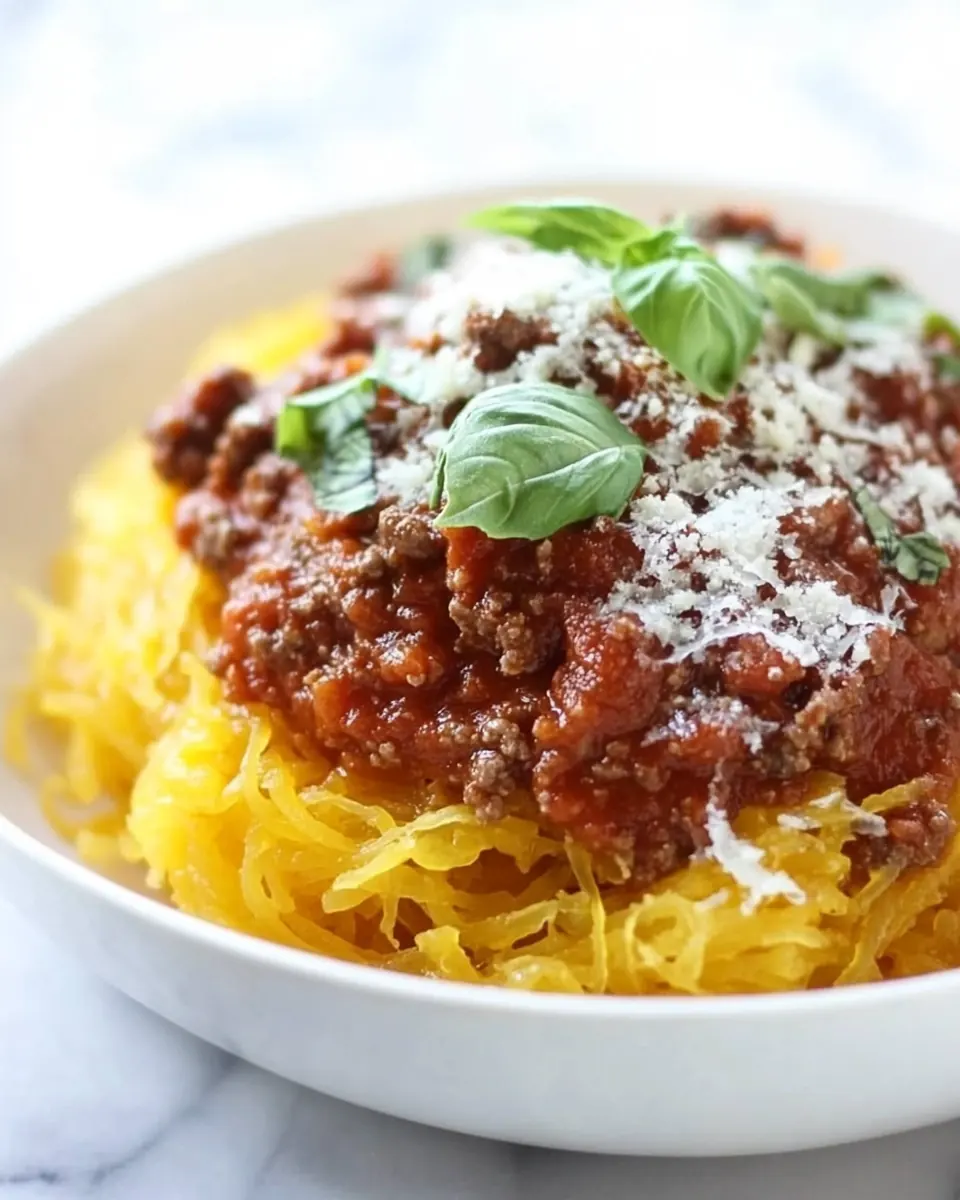
These ingredients are straightforward and play specific roles. The ground beef brings richness and umami, the onion and garlic build aromatic depth, and the crushed tomatoes create a tangy, comforting base. The spaghetti squash replaces pasta with strands that soak up the sauce, delivering texture without heaviness. The optional cheeses and bay leaf are finishing touches that elevate the overall harmony.
- 1 lb 93% ground beef: Brown thoroughly to develop savory flavors and render fat; combine with aromatics to form the rich meat base of the sauce. Ensure the ground beef is broken into small pieces and cooked until no pink remains for food safety and texture.
- 1 small chopped onion: Sauté gently until translucent to release natural sweetness and soften texture; provide aromatic depth to the sauce. Chop uniformly to ensure even cooking and incorporation with the meat and tomatoes.
- 3 cloves crushed garlic: Crush finely and cook briefly to release pungent, aromatic oils that brighten the sauce; add toward the beginning of cooking to mellow sharpness. Adjust quantity to taste, remembering garlic intensifies as it cooks.
- 1 teaspoon kosher salt: Season early to allow salt to penetrate and enhance overall flavors; help draw moisture from vegetables and balance acidity from tomatoes. Measure accurately, tasting and adjusting during cooking for optimal seasoning.
- black pepper, to taste: Season to taste to add balance and a subtle bite; freshly cracked provides best aroma and control. Add gradually and taste as the sauce reduces to avoid over-seasoning.
- 28 oz can crushed tomatoes, I LOVE Tuttorosso: Simmer slowly to provide body, acidity, and tomato richness; create the primary flavorful liquid of the sauce that coats the squash. Use the crushed tomatoes as the base and allow time for flavors to marry while sauce reduces.
- bay leaf: Infuse gently while simmering to add a subtle herbal, earthy note; remove whole before serving to avoid texture issues. Use a single bay leaf to contribute background complexity without overwhelming the sauce.
- pecorino romano cheese rind, , omit whole30 (optional): Simmer with the sauce to impart savory umami and salty cheese depth; optional use for added complexity, and omit for Whole30 compliance. Add the rind early so flavors steep into the sauce, then remove before serving.
- 1 large, 4 lb spaghetti squash (makes 6 1/2 cups cooked): Roast or simmer until tender to provide a low-carb noodle alternative and absorb the meat sauce; yield about 6 1/2 cups when cooked. Halve and remove seeds before cooking, then scrape strands to mix with the sauce for a one-pot meal.
- grated cheese for topping, , omit whole30 (optional): Grate and sprinkle over finished servings to add a salty, creamy finishing touch; optional and omitted for Whole30 compliance. Use sparingly to enhance richness and presentational appeal.
The Process for Making One Pot Spaghetti Squash and Meat Sauce
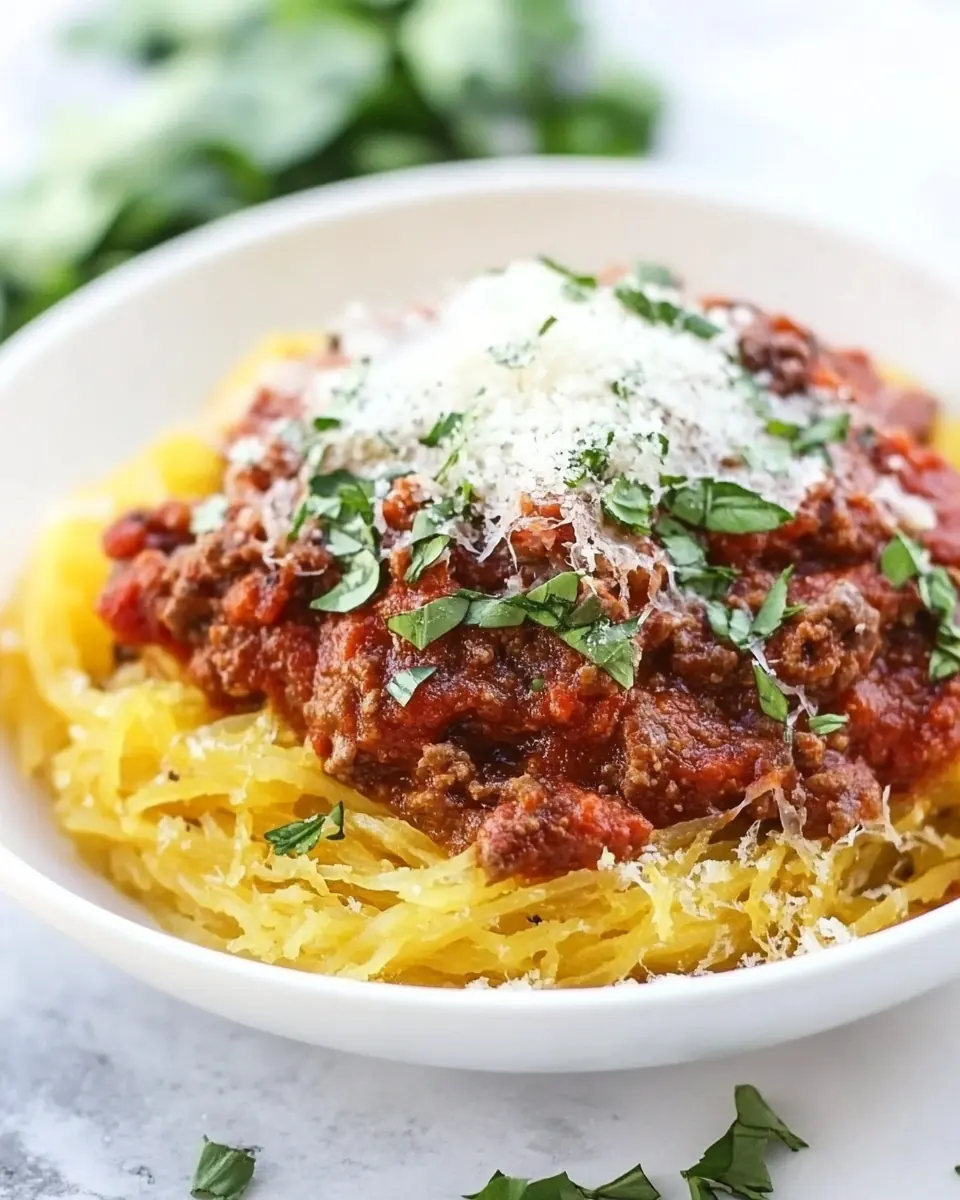
This version of the process works whether you use a pressure cooker or a slow cooker option. I walk you through the sensory cues and the why behind each technique, so you know what to watch for and how to avoid common mistakes.
- Sauté the beef with onion, garlic, salt, pepper. Added crushed tomatoes, bay leaf and cheese rind, stir. Pierce the spaghetti squash all over with a knife and place over the sauce. Cook high pressure 15 minutes, or until the skin of squash easily gives when pressed with a spoon. Let the pressure release, discard bay leaf and rind and transfer the squash to a bowl to let cool.: The aroma of the sizzling ground beef should be rich and savory, filling the kitchen with deep meaty notes while the onion becomes translucent and the garlic turns fragrant. Listen for a steady sizzling that signals moisture evaporating and browning beginning, those little browned bits stuck to the pan are flavor gold. Stir occasionally to distribute heat and prevent hotspots that cause burning. If the pan seems crowded, the meat will steam rather than brown, so give it room or cook in batches. A common mistake here is adding salt too late or too early; salt helps draw moisture and encourage browning but overdoing it early can dry the meat.
- When cool enough to handle, cut in half with a large knife, discard the seeds and scoop the strands out with a fork. Place in a colander to drain well (I use paper towels as well to soak up any excess moisture) then serve sauce over squash with grated cheese if desired.: When you add the crushed tomatoes , the kitchen fills with bright tomato scent that balances the meat. Stir to lift browned bits from the bottom, which dissolves into the sauce and deepens its flavor. The bay leaf offers a subtle herbal note that unfolds during cooking, and if you include the pecorino romano cheese rind it will slowly release savory, umami richness. Simmer until the sauce begins to gently bubble and thicken at the edges, that simmering is when flavors marry. Avoid boiling vigorously, which can separate the sauce and make it too acidic.
- For the slow cooker, sauté meat as above in skillet, transfer to slow cooker with remaining ingredients as listed above and cook low 6 to 8 hours.: Piercing the spaghetti squash allows steam to escape and lets it cook through when nestled over the simmering sauce. You should hear gentle pops and see steam rising from the squash, and the sauce should continue to bubble around it. The squash surface will soften slightly as it cooks. Be careful when handling the hot squash, and use tongs or a towel. A common error is not piercing enough, which traps pressure and may cause uneven cooking.
- Cook high pressure 15 minutes, or until the skin of squash easily gives when pressed with a spoon: Under pressure cooking, the kitchen fills with concentrated tomato and meat aroma, and the squash cooks quickly into tender, ribbonlike strands. After the cycle, test the squash by pressing the skin with a spoon; it should give easily indicating the flesh is tender. If it resists, an additional few minutes will finish it. Avoid overcooking under pressure as that can turn strands mushy; aim for tender yet structured strands.
- Let the pressure release, discard bay leaf and rind and transfer the squash to a bowl to let cool: The slow release allows the sauce to settle and the aromas to balance. Carefully remove the bay leaf and any cheese rind, tasting the sauce for seasoning as you go. Transfer the hot squash to a bowl and let it cool just enough so you can handle it, the residual heat will continue to steady the texture. A troubleshooting note, sometimes the squash holds excess liquid; letting it rest helps excess steam escape.
- When cool enough to handle, cut in half with a large knife, discard the seeds and scoop the strands out with a fork: The squash should separate into long glossy strands that look like delicate noodles. Use a fork to tease them out in sweeping motions, and inspect the texture, aiming for tender ribbons that still have some bite. If the flesh feels watery, letting the strands drain will improve sauce adhesion. A common mistake is using a dull knife, which makes halving dangerous and messy; a sharp large knife makes clean confident cuts.
- Place in a colander to drain well (I use paper towels as well to soak up any excess moisture) then serve sauce over squash with grated cheese if desired: Drain the strands so the sauce clings instead of slipping off, and dab with paper towels if needed to remove extra moisture. When assembled, the steam will carry the scent of crushed tomatoes mingled with the meat, and the final sprinkle of grated cheese will add salt and creaminess. Serve warm, and taste for final seasoning adjustments. A frequent oversight is skipping the drain step, which can lead to a watery final plate instead of the concentrated bite you want.
- For the slow cooker, sauté meat as above in skillet, transfer to slow cooker with remaining ingredients as listed above and cook low 6 to 8 hours: Using the slow cooker, the sauce develops a deep, rounded flavor as the ground beef , onion , garlic , and crushed tomatoes meld over several hours. The aroma becomes homey and layered, and the low heat coaxes fatty and umami notes out of the meat. If you add the spaghetti squash to the slow cooker, check it toward the earlier end of the time range to avoid mushy strands. A pitfall is leaving the cooker unattended on high for too long, which can make the squash turn to a soft texture rather than separate strands.
Ways to Customize
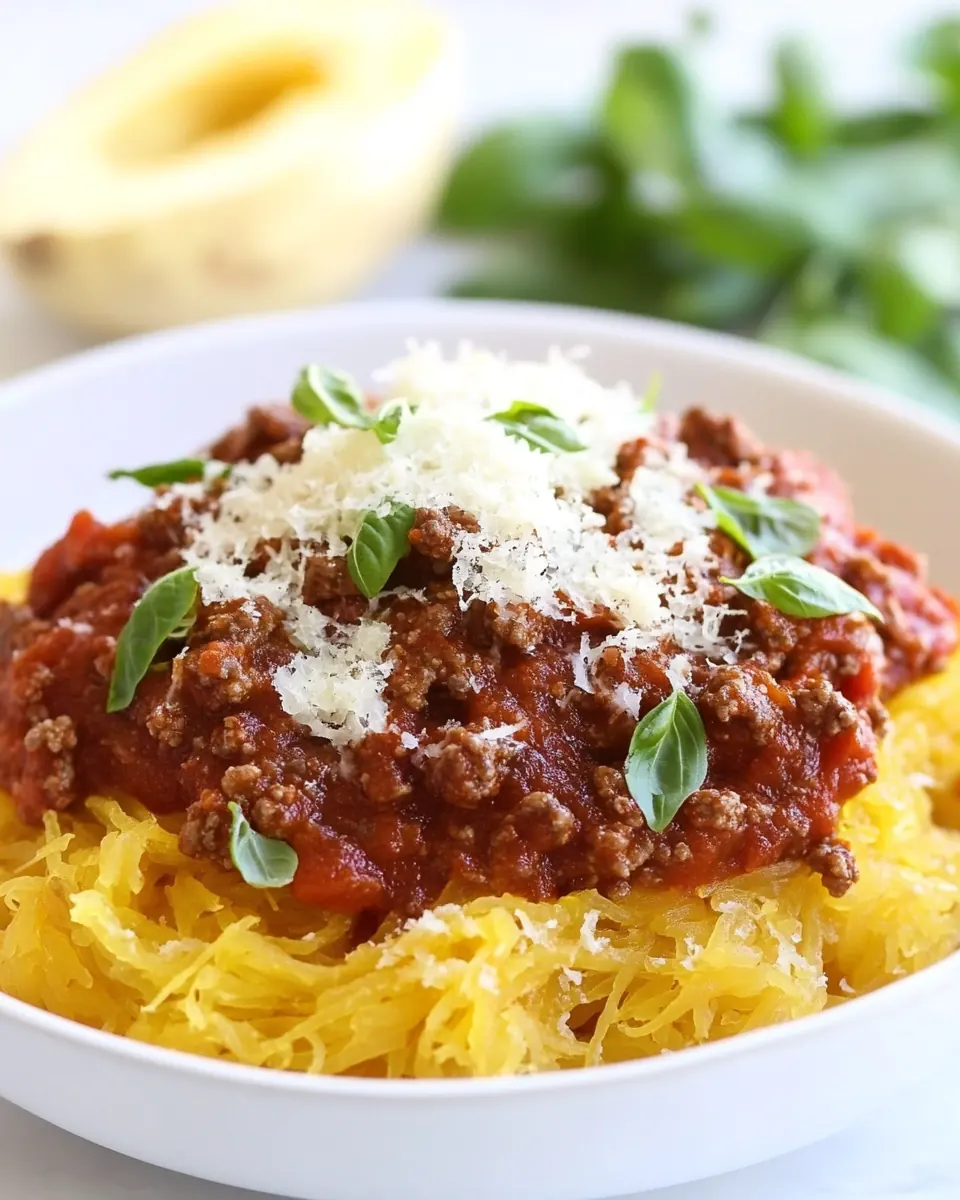
This section shows how to shape the dish to your taste while keeping the core technique intact. Below are practical ideas that respect the original flavors and structure, each tip starts strong to guide quick decisions.
- Boost umami: Stir in the pecorino romano cheese rind while the sauce simmers for an infused savory depth that tastes almost meaty.
- Make it leaner: Use a leaner percentage of ground beef and drain any excess fat after browning to keep the sauce lighter.
- Control moisture: After scooping the spaghetti squash strands, let them sit in a colander and press gently with paper towels to prevent a watery finish.
- Swap cooking method: Use the slow cooker for hands off daylong flavor development, keeping an eye on the squash to prevent overcooking.
- Finish with texture: Add a small handful of grated cheese just before serving to create delightful pockets of salty creaminess.
What Complements This One Pot Spaghetti Squash and Meat Sauce
This dish is versatile for weeknight dinners or cozy weekend meals. It pairs well with bright, crisp accompaniments and also stores and reheats nicely for easy leftovers. Below are thoughtful serving ideas, occasions, and storage tips to elevate how you present and enjoy the meal.
- Serve family style: Spoon the hot crushed tomatoes infused meat sauce over drained spaghetti squash strands in a large shallow dish for communal sharing at the table.
- Weeknight dinner: This recipe shines as an easy weeknight dinner, offering hearty satisfaction with minimal prep and cleanup.
- Casual dinner party: Offer grated cheese at the table and a crisp green salad on the side, letting guests customize their bowls.
- Storage: Refrigerate leftovers in an airtight container for up to three days; reheat gently so the spaghetti squash retains texture.
- Meal prep: Make a double batch of the sauce and keep it separate from the drained squash, assembling portions as needed for easy reheating during the week.
- Seasonal pairing: In fall when squash is at its best, serve this with roasted autumn vegetables to amplify the harvest flavors.
FAQ
Conclusion
One Pot Spaghetti Squash and Meat Sauce stands out for delivering rich, meaty flavor with a lighter, vegetable based base that still feels comforting and satisfying. Try it for a weekday dinner when you want big flavor and minimal fuss, or make it for guests who appreciate a hearty yet lighter main. I hope this recipe becomes one you reach for often, turning ordinary nights into meals that feel thoughtfully prepared and truly comforting.
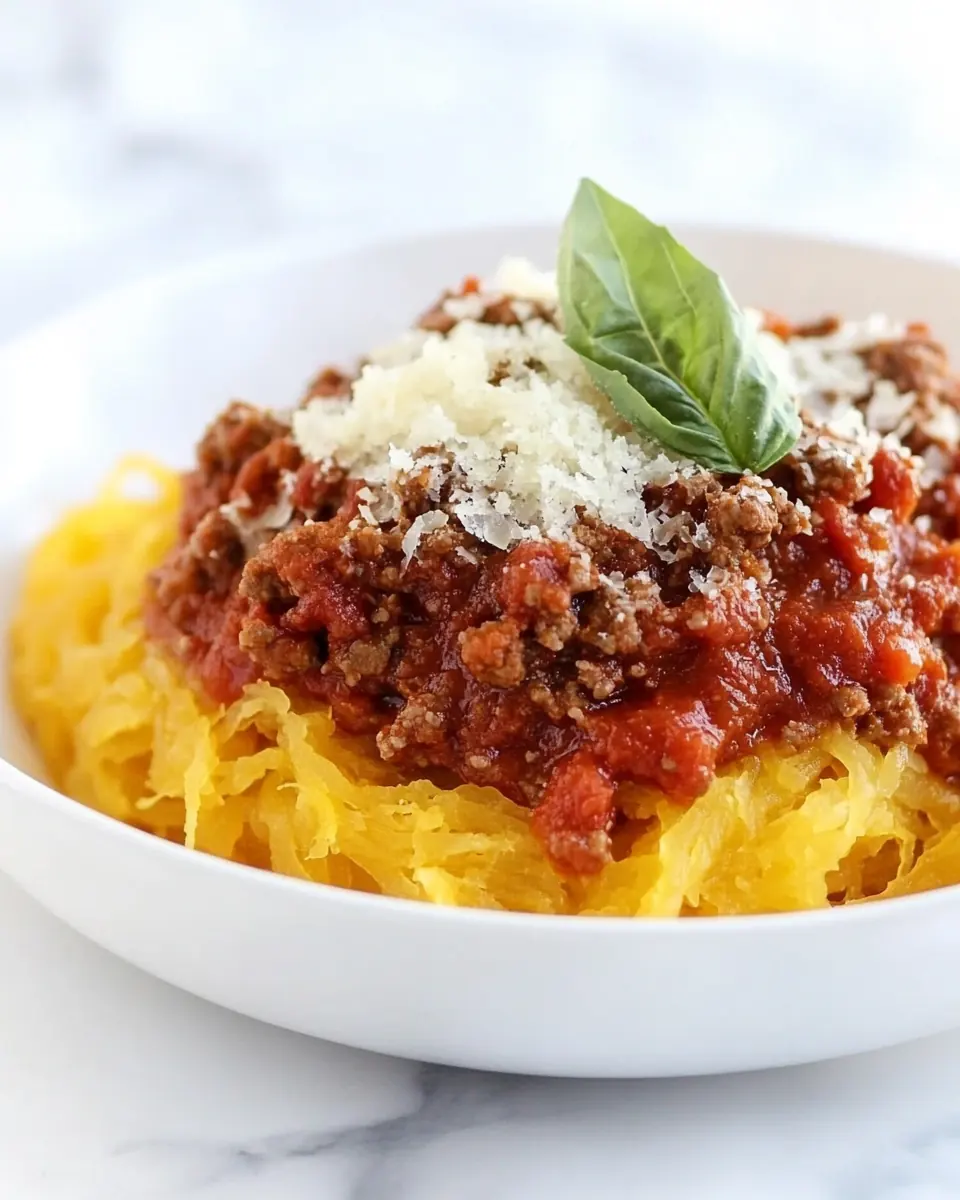
One Pot Spaghetti Squash and Meat Sauce
Ingredients
Equipment
Method
- Sauté the beef with onion, garlic, salt, pepper. Added crushed tomatoes, bay leaf and cheese rind, stir. Pierce the spaghetti squash all over with a knife and place over the sauce. Cook high pressure 15 minutes, or until the skin of squash easily gives when pressed with a spoon. Let the pressure release, discard bay leaf and rind and transfer the squash to a bowl to let cool.: The aroma of the sizzling ground beef should be rich and savory, filling the kitchen with deep meaty notes while the onion becomes translucent and the garlic turns fragrant. Listen for a steady sizzling that signals moisture evaporating and browning beginning, those little browned bits stuck to the pan are flavor gold. Stir occasionally to distribute heat and prevent hotspots that cause burning. If the pan seems crowded, the meat will steam rather than brown, so give it room or cook in batches. A common mistake here is adding salt too late or too early; salt helps draw moisture and encourage browning but overdoing it early can dry the meat.
- When cool enough to handle, cut in half with a large knife, discard the seeds and scoop the strands out with a fork. Place in a colander to drain well (I use paper towels as well to soak up any excess moisture) then serve sauce over squash with grated cheese if desired.: When you add the crushed tomatoes , the kitchen fills with bright tomato scent that balances the meat. Stir to lift browned bits from the bottom, which dissolves into the sauce and deepens its flavor. The bay leaf offers a subtle herbal note that unfolds during cooking, and if you include the pecorino romano cheese rind it will slowly release savory, umami richness. Simmer until the sauce begins to gently bubble and thicken at the edges, that simmering is when flavors marry. Avoid boiling vigorously, which can separate the sauce and make it too acidic.
- For the slow cooker, sauté meat as above in skillet, transfer to slow cooker with remaining ingredients as listed above and cook low 6 to 8 hours.: Piercing the spaghetti squash allows steam to escape and lets it cook through when nestled over the simmering sauce. You should hear gentle pops and see steam rising from the squash, and the sauce should continue to bubble around it. The squash surface will soften slightly as it cooks. Be careful when handling the hot squash, and use tongs or a towel. A common error is not piercing enough, which traps pressure and may cause uneven cooking.
- Cook high pressure 15 minutes, or until the skin of squash easily gives when pressed with a spoon: Under pressure cooking, the kitchen fills with concentrated tomato and meat aroma, and the squash cooks quickly into tender, ribbonlike strands. After the cycle, test the squash by pressing the skin with a spoon; it should give easily indicating the flesh is tender. If it resists, an additional few minutes will finish it. Avoid overcooking under pressure as that can turn strands mushy; aim for tender yet structured strands.
- Let the pressure release, discard bay leaf and rind and transfer the squash to a bowl to let cool: The slow release allows the sauce to settle and the aromas to balance. Carefully remove the bay leaf and any cheese rind, tasting the sauce for seasoning as you go. Transfer the hot squash to a bowl and let it cool just enough so you can handle it, the residual heat will continue to steady the texture. A troubleshooting note, sometimes the squash holds excess liquid; letting it rest helps excess steam escape.
- When cool enough to handle, cut in half with a large knife, discard the seeds and scoop the strands out with a fork: The squash should separate into long glossy strands that look like delicate noodles. Use a fork to tease them out in sweeping motions, and inspect the texture, aiming for tender ribbons that still have some bite. If the flesh feels watery, letting the strands drain will improve sauce adhesion. A common mistake is using a dull knife, which makes halving dangerous and messy; a sharp large knife makes clean confident cuts.
- Place in a colander to drain well (I use paper towels as well to soak up any excess moisture) then serve sauce over squash with grated cheese if desired: Drain the strands so the sauce clings instead of slipping off, and dab with paper towels if needed to remove extra moisture. When assembled, the steam will carry the scent of crushed tomatoes mingled with the meat, and the final sprinkle of grated cheese will add salt and creaminess. Serve warm, and taste for final seasoning adjustments. A frequent oversight is skipping the drain step, which can lead to a watery final plate instead of the concentrated bite you want.
- For the slow cooker, sauté meat as above in skillet, transfer to slow cooker with remaining ingredients as listed above and cook low 6 to 8 hours: Using the slow cooker, the sauce develops a deep, rounded flavor as the ground beef , onion , garlic , and crushed tomatoes meld over several hours. The aroma becomes homey and layered, and the low heat coaxes fatty and umami notes out of the meat. If you add the spaghetti squash to the slow cooker, check it toward the earlier end of the time range to avoid mushy strands. A pitfall is leaving the cooker unattended on high for too long, which can make the squash turn to a soft texture rather than separate strands.
Notes
- Boost umami: Stir in the pecorino romano cheese rind while the sauce simmers for an infused savory depth that tastes almost meaty.
- Make it leaner: Use a leaner percentage of ground beef and drain any excess fat after browning to keep the sauce lighter.
- Control moisture: After scooping the spaghetti squash strands, let them sit in a colander and press gently with paper towels to prevent a watery finish.
- Swap cooking method: Use the slow cooker for hands off daylong flavor development, keeping an eye on the squash to prevent overcooking.
- Finish with texture: Add a small handful of grated cheese just before serving to create delightful pockets of salty creaminess.