One Two Three Jello
One Two Three Jello started as a playful experiment the first summer I wanted a dessert that felt celebratory but stayed light and breezy.
I remember the afternoon clearly, sunlight sliding across the counter while I lined up clear glasses like tiny stages, each waiting for its layers. I was drawn to the simplicity, the way a single box could transform into something that looked fancy with almost no fuss. Friends arrived and commented on the colors, and I loved how casual conversation turned into compliments about texture and balance. That day taught me that a little attention to technique makes a big difference, and I kept refining the method until the layers were silky and set perfectly.
Since then, I bring One Two Three Jello to backyard gatherings and late night dessert cravings alike. It travels well, it photographs like a charm, and it gives you room to be creative with flavors. I often tweak the creaminess just a touch, because subtle changes can elevate the mouthfeel, turning a nostalgic childhood treat into an adult friendly confection. Over time I learned the cues to look for when each layer is ready, and those tiny details are the secret to consistent results.
Recipe Snapshot
45 mins
15 mins
30 mins
Medium
150 kcal
American
Gluten-Free, Low FODMAP
Desserts
Mixing bowls, Whisk, Measuring cups, Glasses
The Appeal of This One Two Three Jello
Layered Visual Appeal
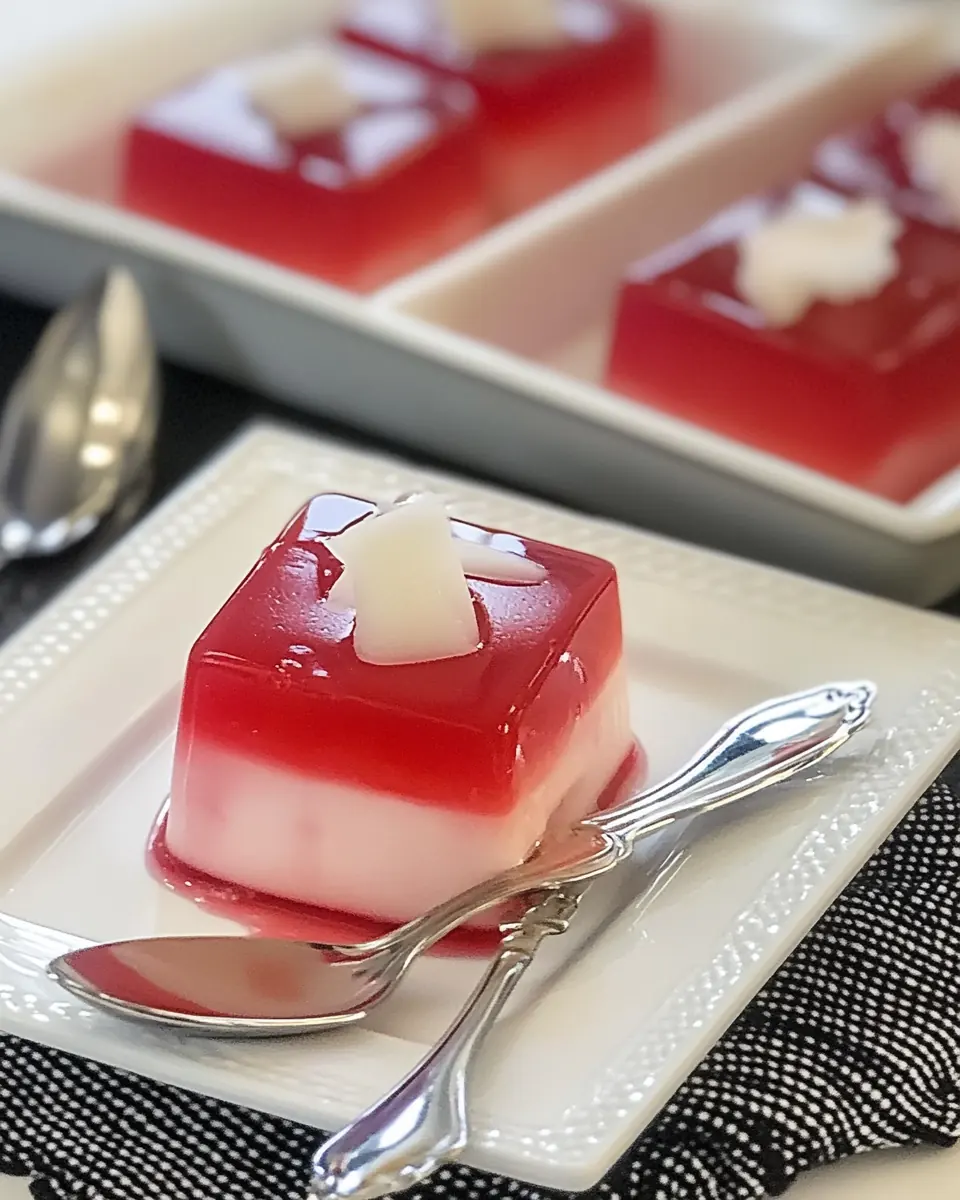
I adore how One Two Three Jello looks on the table, the translucent first layer contrasting with the creamy top. The visual separation makes each glass feel like a little celebration, and I find guests are drawn to the color first, then the texture.
Speed and Simplicity
What I truly love is how quickly this comes together. Using just a few pantry staples, I can assemble multiple servings in under an hour of active work. For busy afternoons when I want something pretty without fuss, this recipe delivers every time.
Textural Contrast
The combination of a clear, slightly wobbly gelatin base and a whipped creamy layer creates a playful contrast. I enjoy the way the spoon glides through the creamy top and then meets the delicate wobble below, it keeps each bite interesting.
Flexible Flavor
I appreciate that you can pick any boxed flavor and make it your own. I often switch flavors to match the season, and the method stays the same, so it’s a reliable template for experimenting.
Great for Groups
This is a crowd pleaser. I can prepare several glasses at once, and the servings are portable and easy to portion. When hosting, I like that I can make them ahead, chill them, and hand them out without last minute stress.
Ingredients You’ll Need for One Two Three Jello
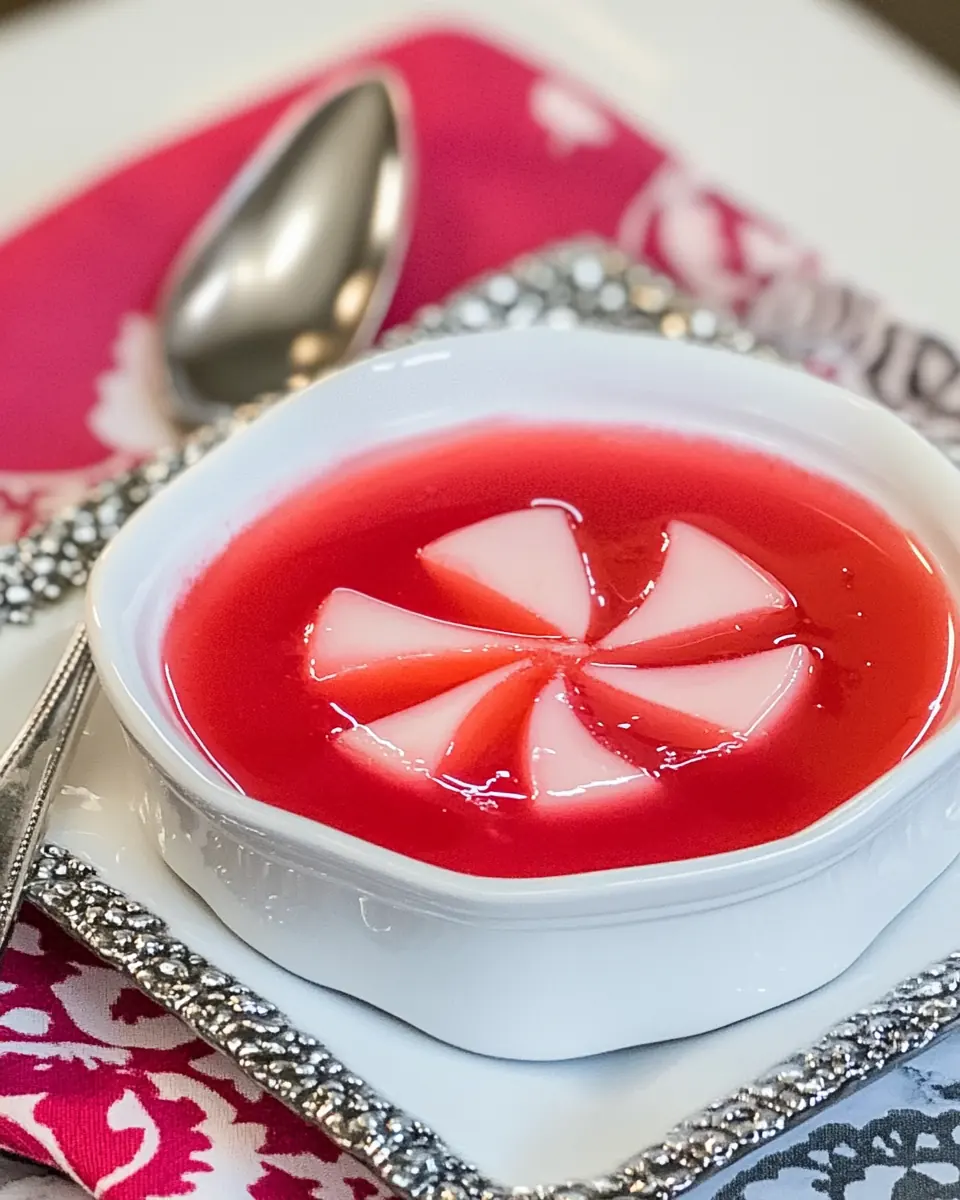
These ingredients are intentionally minimal, each playing a clear role. The boxed Jello provides flavor and structure, while the heavy cream brings richness and a silky mouthfeel. Together they balance bright sweetness with creamy softness, producing layers that contrast visually and texturally.
- 6 ounce box of Jello (flavor of your choice, I used cherry): Dissolve quickly in hot water to provide vibrant flavor and color for the jello; contributes the gelatin structure that sets the dessert and allows it to hold shape. Can be made in any flavor to suit taste preferences and pairs well with whipped cream for contrast. Store unopened boxes in a cool, dry place and follow package measurements for reliable results.
- 1/4 cup heavy cream, whipped: Whip until light and airy to add a rich, creamy topping that balances the sweet, fruity jello base. Adds smooth texture and a touch of fat that enhances mouthfeel while providing visual contrast when dolloped atop set gelatin. Chill briefly after whipping to maintain peak stability before serving.
Preparation Steps for One Two Three Jello
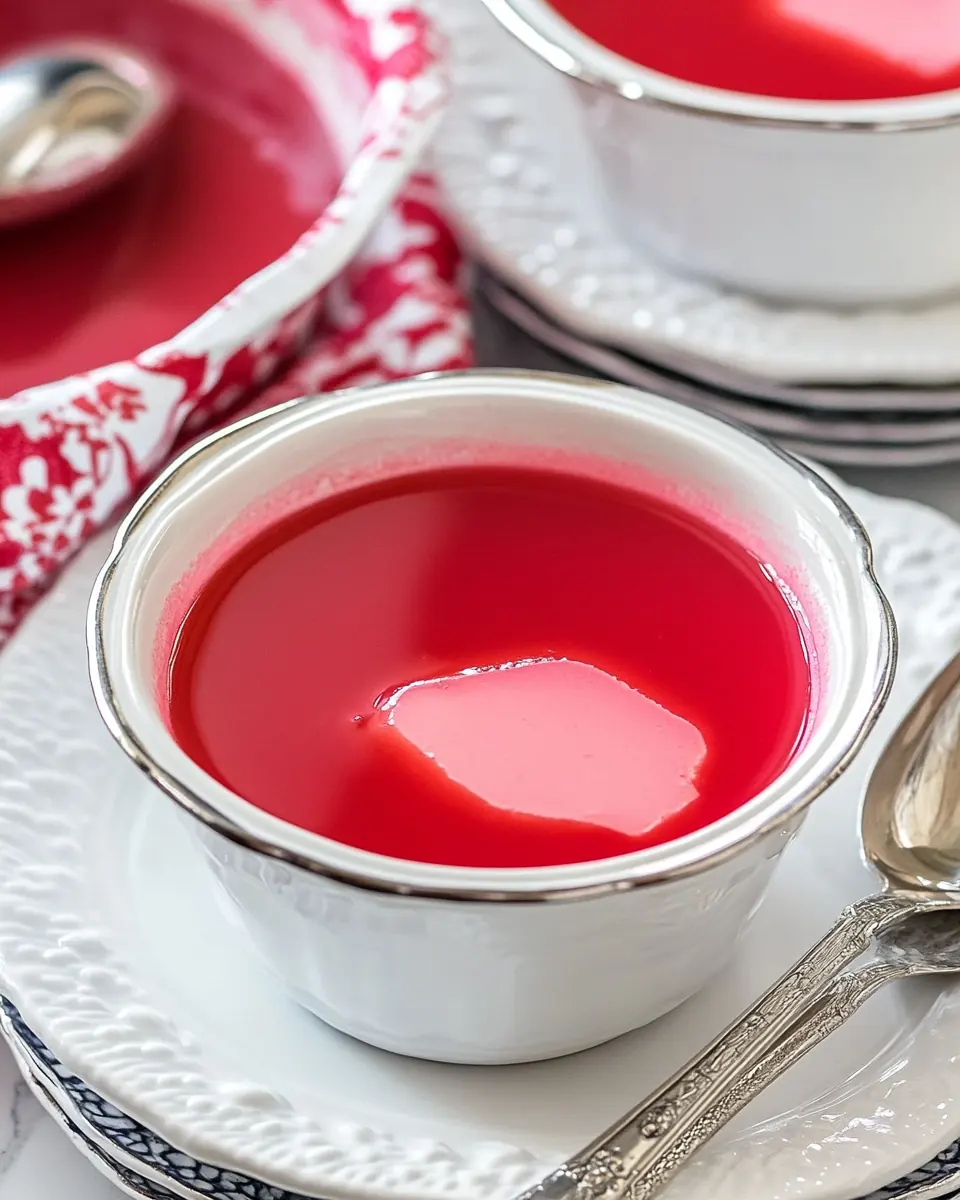
This recipe is approachable and forgiving, but paying attention to small details will help you achieve clean layers and the right texture. Take your time with chilling cues and whipping the heavy cream so each stage behaves predictably.
- Divide the dry jello into two medium-sized bowls.: The bowls should be dry and room temperature, and when you split the powder you are setting up two distinct textures. I like using similar sized bowls so the heat transfer and dissolution behave consistently. A common mistake here is uneven division, which can lead to mismatched set times and flavor intensity across layers.
- Add one cup boiling water to the first bowl and stir till all sugar is dissolved. Add one cup of cold water and mix till combined.: Right after pouring, you will hear a soft hiss as hot water hits the powder, and stirring releases a fragrant burst of fruit aroma. Vigorously stir until the granules are fully dissolved, the mixture becomes clear, and no gritty texture remains. If sugar is left undissolved it will create grainy patches in the final layer, so taste a small drop to ensure smoothness. Avoid using water that is only warm, as that can prevent proper dissolution and weaken the set.
- Pour the mixture into clear glasses (6-8 depending on size) filling to the halfway point.: Once the hot water has done its work, the cold water cools the mixture and helps it approach a settable temperature. The surface will steam briefly then calm, and the liquid should be uniformly colored. Stir gently to avoid splashing, and make sure there are no concentrated pockets of flavor or temperature. If you rush pouring cold water aggressively, you may create bubbles that make the layer look cloudy instead of crystal clear.
- Chill till slightly jelled, about 30 minutes.: As you pour, watch for a smooth, even fill line; the clear layer should settle nicely without clinging to the sides in streaks. The clarity of this layer shows best in glass, so choose glasses with straight sides if possible. Avoid overfilling because you need room for the creamy top later. A typical mistake is pouring when the mixture is too warm, which can disrupt the set of the subsequent layer.
- When the bottom layer is slightly jelled, whip the cream and repeat the process with the second bowl of dry gelatin, decreasing the cold water to 3/4 cup. Whisk in the whipped cream and pour the jello mixture on top of the first layer. Chill till set, about 4 hours.: During chilling you will notice the surface turn from liquid to a slightly tacky, wobbly film that finger pressure will indent gently. This is the cue to move forward; waiting too long can make the base too firm and prevent adherence between layers. Conversely, under chilling will cause the creamy layer to sink into the bottom. Keep an eye on the texture after 20 minutes and check frequently to hit that perfect slightly jelled state.
- When the bottom layer is slightly jelled whip the cream and repeat the process with the second bowl of dry gelatin decreasing the cold water to 3 4 cup: You will hear the mixer hum and see the heavy cream thicken into soft peaks, smelling faintly sweet and dairy rich. Mixing the second gelatin bowl with slightly less cold water concentrates the flavor and firming action, which helps the whipped cream stay airy once folded. Whisk the dry gelatin into boiling water first until dissolved, then add the reduced cold water, cool it just enough so it is warm not hot, and gently fold in the whipped cream so you maintain volume. A frequent error is adding hot gelatin to whipped cream which will deflate it or cause curdling, so ensure the gelatin is warm rather than piping hot before folding.
- Whisk in the whipped cream and pour the jello mixture on top of the first layer: As you fold, you will see ribbons of cream soften into the tinted gelatin, creating a marbled, lightened color. Pour slowly over the back of a spoon held near the glass edge so the creamy layer settles gently and does not break the base. The final presentation depends on a careful pour, and you should listen for a quiet, steady pour sound rather than splashes. Avoid dumping the mixture quickly, which can cause the layers to merge and lose their defined look.
- Chill till set about 4 hours: In the refrigerator the scent will be faintly fruity with a creamy undertone, and the glasses will firm to a pleasant, spoonable texture. I usually let them rest for at least four hours to ensure a clean cut or scoop. A common mistake is slicing or serving too early when the center is still soft, which yields messy servings. For best results, chill undisturbed on a level shelf, and resist opening the door frequently which can wobble the layers during setting time.
Tips for Success
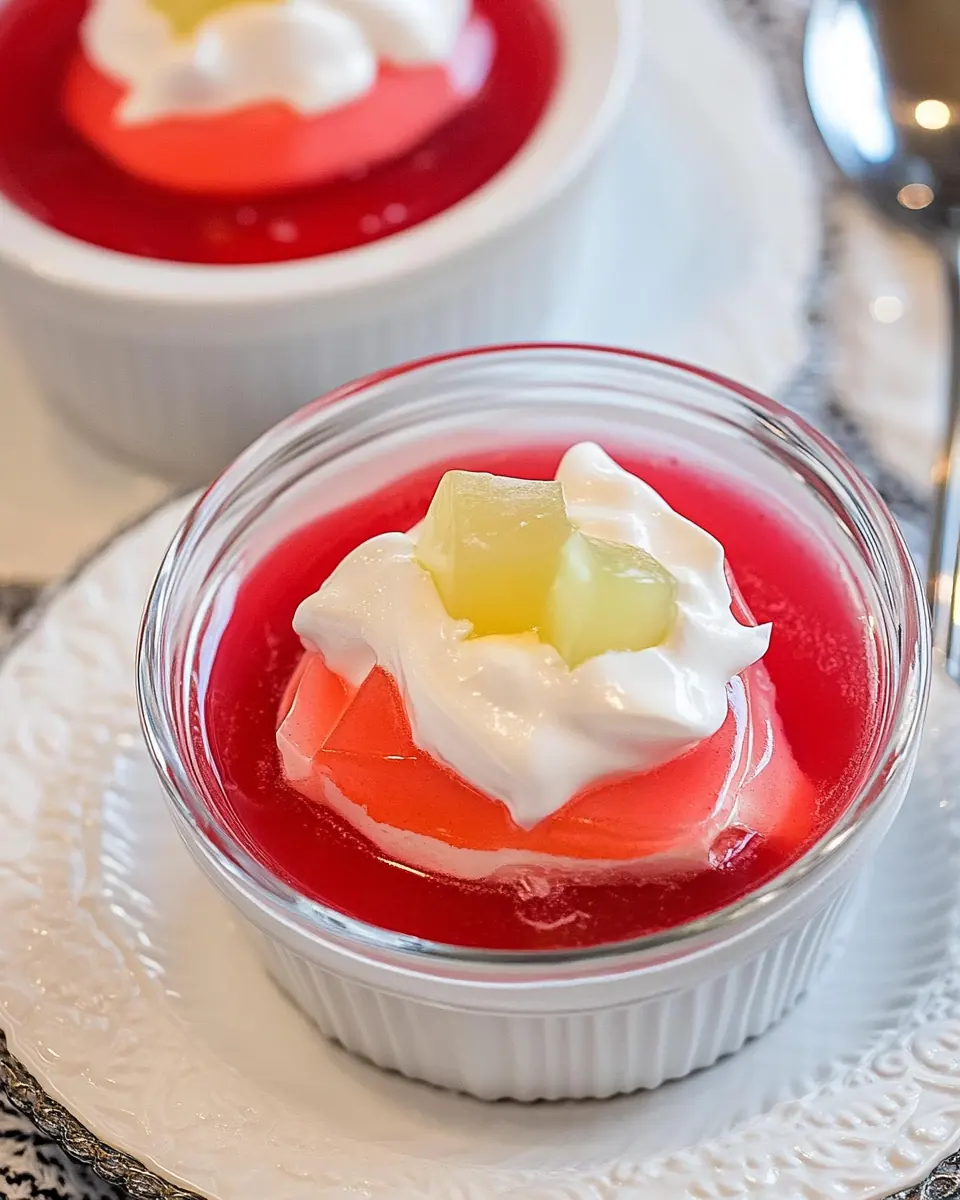
I like to be methodical with this dessert, because small choices have big visual and textural payoff. The tips below are things I learned the hard way and now always follow.
- Choose a bold boxed flavor: A vibrant flavor helps the clear layer stand out and gives a satisfying fruity note that contrasts with the creamy top.
- Measure water precisely: Boiling versus cold proportions affect set and texture, so stick to the one cup and three quarter measurements as written.
- Whip cream carefully: Aim for medium peaks to retain air and fold without deflating the mixture into a flat layer.
- Pour over a spoon: Use the back of a spoon when adding the creamy layer to prevent disturbing the base and to achieve crisp separation.
- Chill undisturbed: Give the glasses a level place in the fridge and avoid opening the door frequently while they set to maintain even chilling.
How to Serve One Two Three Jello
Serving these layered treats is part craft and part hospitality, and I enjoy the ritual of plating them for guests. They are versatile enough for casual get togethers and more formal desserts, and I often make extras for potlucks because they travel well.
- Individual portions: Serve in clear glasses for a beautiful display at brunch or a summer party.
- Outdoor gatherings: Keep chilled until just before serving and present on a tray to avoid spills.
- Seasonal pairings: Use bright fruit flavors in summer for a refreshing finish to a meal, or swap to deeper fruits when you want richer notes.
- Storage tips: Cover and refrigerate for up to three days, keeping them level so the layers remain intact.
- Occasion ideas: Perfect for family lunches, Eid gatherings, Ramadan iftar spreads, or as a light dessert after a heavy meal.
FAQ
Conclusion
This recipe captures what makes layered desserts so charming, the interplay of color, texture, and simple technique. Give One Two Three Jello a try because it is quick to assemble, forgiving, and makes an immediate impression at any gathering. You will find it becomes a go to when you want a dessert that looks special but does not demand hours of work, and I hope it brings you the same small moments of delight it has given me.
One Two Three Jello
Ingredients
Equipment
Method
- Divide the dry jello into two medium-sized bowls.: The bowls should be dry and room temperature, and when you split the powder you are setting up two distinct textures. I like using similar sized bowls so the heat transfer and dissolution behave consistently. A common mistake here is uneven division, which can lead to mismatched set times and flavor intensity across layers.
- Add one cup boiling water to the first bowl and stir till all sugar is dissolved. Add one cup of cold water and mix till combined.: Right after pouring, you will hear a soft hiss as hot water hits the powder, and stirring releases a fragrant burst of fruit aroma. Vigorously stir until the granules are fully dissolved, the mixture becomes clear, and no gritty texture remains. If sugar is left undissolved it will create grainy patches in the final layer, so taste a small drop to ensure smoothness. Avoid using water that is only warm, as that can prevent proper dissolution and weaken the set.
- Pour the mixture into clear glasses (6-8 depending on size) filling to the halfway point.: Once the hot water has done its work, the cold water cools the mixture and helps it approach a settable temperature. The surface will steam briefly then calm, and the liquid should be uniformly colored. Stir gently to avoid splashing, and make sure there are no concentrated pockets of flavor or temperature. If you rush pouring cold water aggressively, you may create bubbles that make the layer look cloudy instead of crystal clear.
- Chill till slightly jelled, about 30 minutes.: As you pour, watch for a smooth, even fill line; the clear layer should settle nicely without clinging to the sides in streaks. The clarity of this layer shows best in glass, so choose glasses with straight sides if possible. Avoid overfilling because you need room for the creamy top later. A typical mistake is pouring when the mixture is too warm, which can disrupt the set of the subsequent layer.
- When the bottom layer is slightly jelled, whip the cream and repeat the process with the second bowl of dry gelatin, decreasing the cold water to 3/4 cup. Whisk in the whipped cream and pour the jello mixture on top of the first layer. Chill till set, about 4 hours.: During chilling you will notice the surface turn from liquid to a slightly tacky, wobbly film that finger pressure will indent gently. This is the cue to move forward; waiting too long can make the base too firm and prevent adherence between layers. Conversely, under chilling will cause the creamy layer to sink into the bottom. Keep an eye on the texture after 20 minutes and check frequently to hit that perfect slightly jelled state.
- When the bottom layer is slightly jelled whip the cream and repeat the process with the second bowl of dry gelatin decreasing the cold water to 3 4 cup: You will hear the mixer hum and see the heavy cream thicken into soft peaks, smelling faintly sweet and dairy rich. Mixing the second gelatin bowl with slightly less cold water concentrates the flavor and firming action, which helps the whipped cream stay airy once folded. Whisk the dry gelatin into boiling water first until dissolved, then add the reduced cold water, cool it just enough so it is warm not hot, and gently fold in the whipped cream so you maintain volume. A frequent error is adding hot gelatin to whipped cream which will deflate it or cause curdling, so ensure the gelatin is warm rather than piping hot before folding.
- Whisk in the whipped cream and pour the jello mixture on top of the first layer: As you fold, you will see ribbons of cream soften into the tinted gelatin, creating a marbled, lightened color. Pour slowly over the back of a spoon held near the glass edge so the creamy layer settles gently and does not break the base. The final presentation depends on a careful pour, and you should listen for a quiet, steady pour sound rather than splashes. Avoid dumping the mixture quickly, which can cause the layers to merge and lose their defined look.
- Chill till set about 4 hours: In the refrigerator the scent will be faintly fruity with a creamy undertone, and the glasses will firm to a pleasant, spoonable texture. I usually let them rest for at least four hours to ensure a clean cut or scoop. A common mistake is slicing or serving too early when the center is still soft, which yields messy servings. For best results, chill undisturbed on a level shelf, and resist opening the door frequently which can wobble the layers during setting time.
Notes
- Choose a bold boxed flavor: A vibrant flavor helps the clear layer stand out and gives a satisfying fruity note that contrasts with the creamy top.
- Measure water precisely: Boiling versus cold proportions affect set and texture, so stick to the one cup and three quarter measurements as written.
- Whip cream carefully: Aim for medium peaks to retain air and fold without deflating the mixture into a flat layer.
- Pour over a spoon: Use the back of a spoon when adding the creamy layer to prevent disturbing the base and to achieve crisp separation.
- Chill undisturbed: Give the glasses a level place in the fridge and avoid opening the door frequently while they set to maintain even chilling.